Français
 English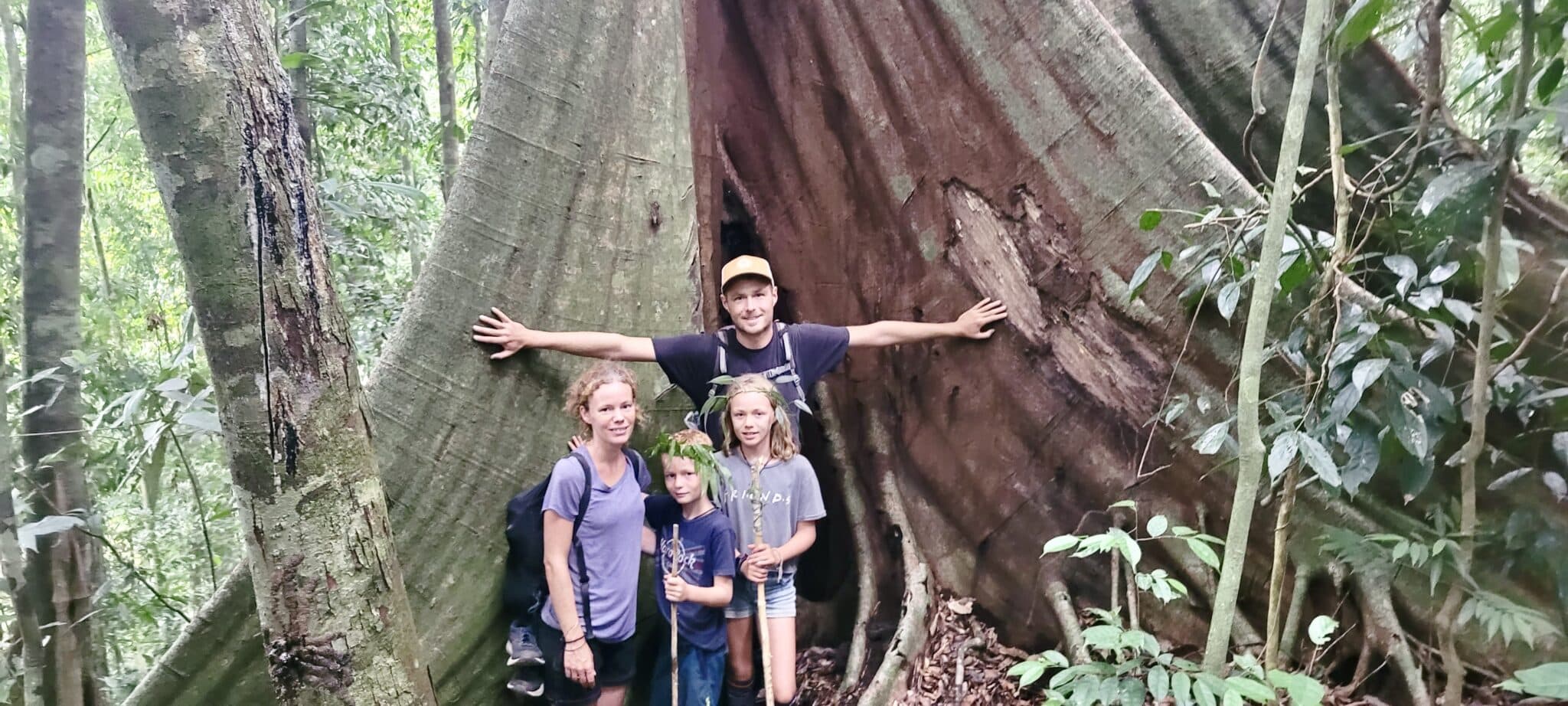


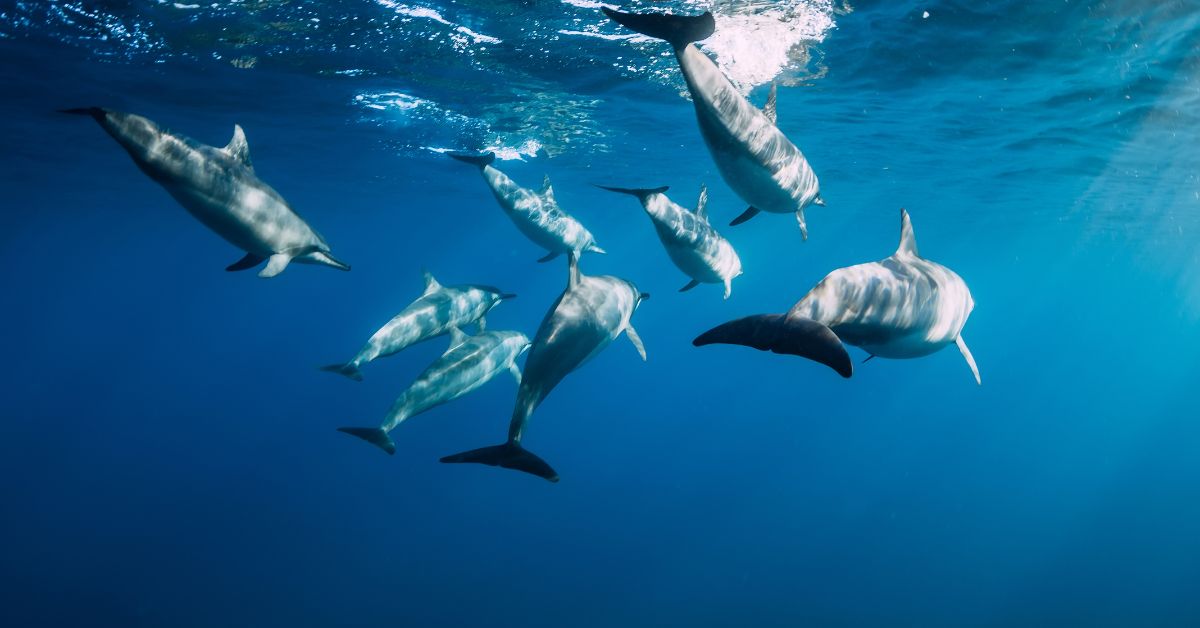
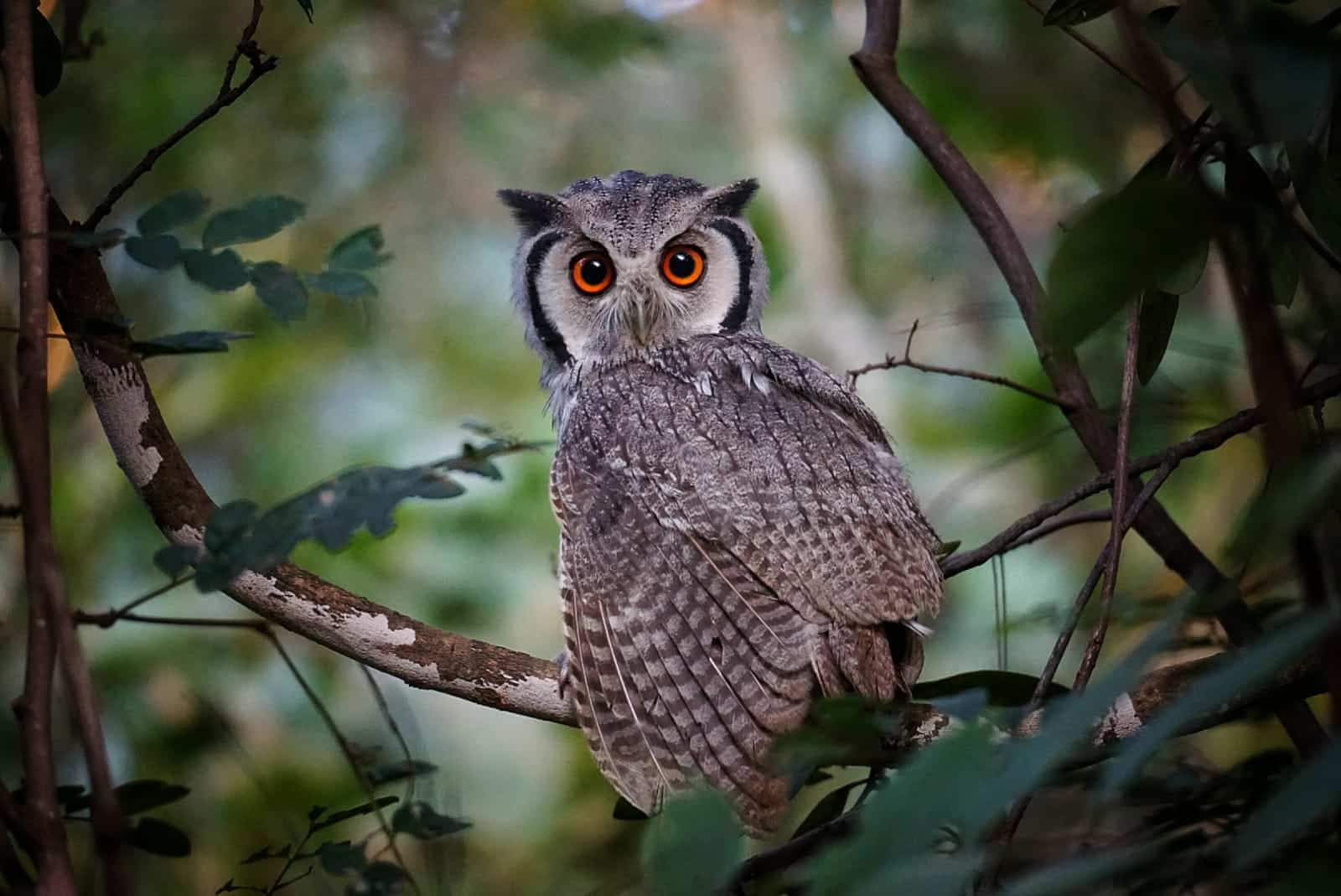
Long associated with young travellers seeking adventure or adults in life transition, volunteering is now opening up to a new audience: families. More and more parents are choosing to travel with their children to contribute to biodiversity conservation projects while sharing an educational and deeply human experience. This growing trend reflects a dual contemporary aspiration: to travel differently and to pass on strong ecological values to future generations.
Volunteering missions for under-18s.
A new way to travel as a family
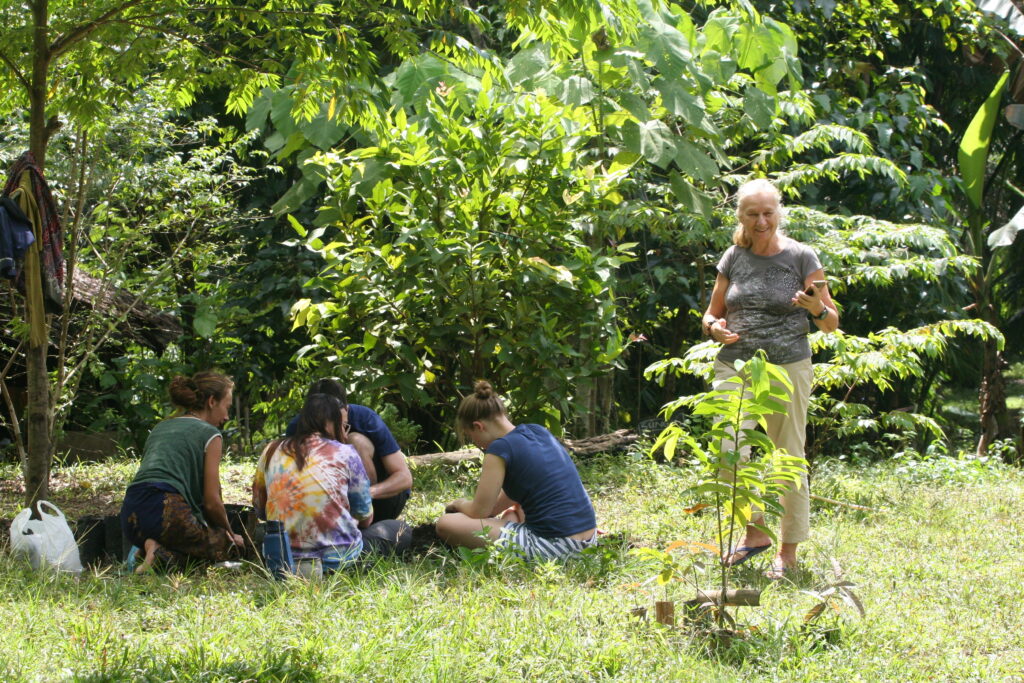
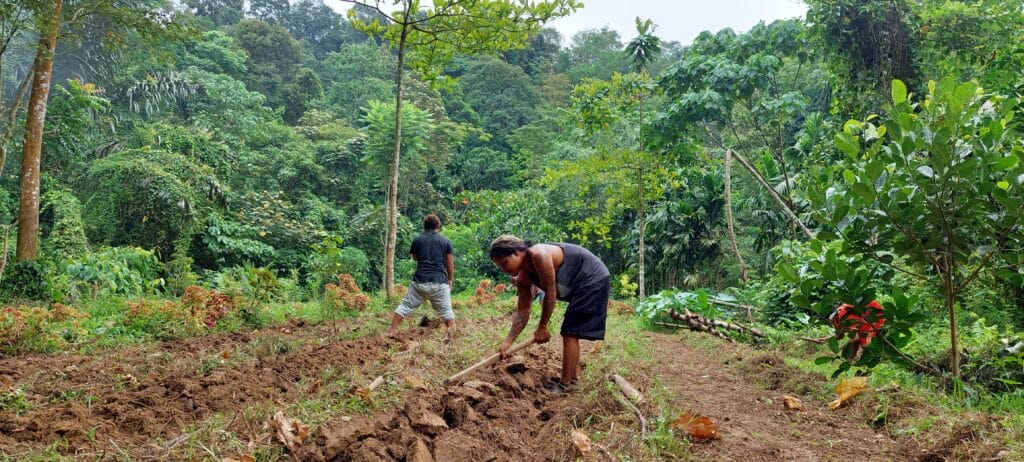
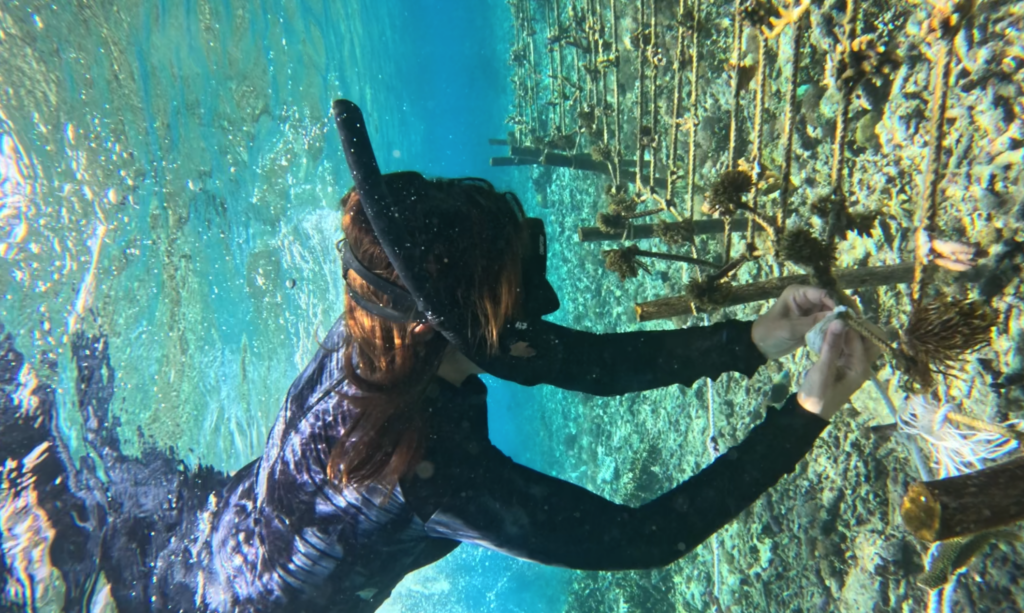
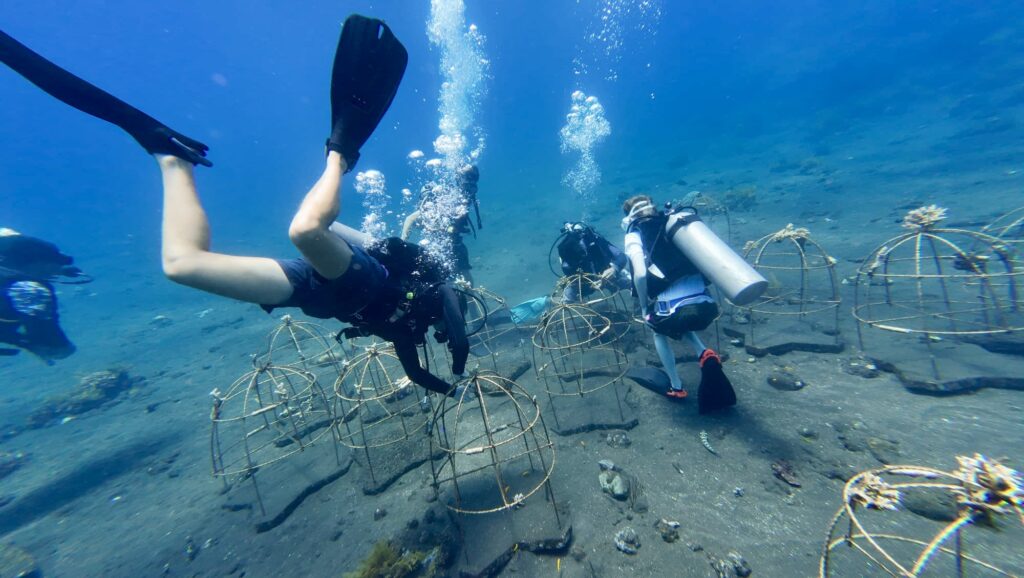
Family-based solidarity and participatory travel is part of a more engaged approach to tourism. volunteering involves taking part, usually for a short period, in field missions related to nature conservation: wildlife observation, habitat restoration, or citizen science projects in natural environments. Unlike traditional tourism, this type of travel is based on active participant involvement. Families are no longer just visitors; they become contributors to an environmental project. This model is particularly appealing to parents who want to give meaning to their holidays and offer their children an immersive experience, far from screens and urban routines.
A unique educational experience for children
One of the key strengths of family volunteering lies in its strong educational impact. Children learn directly in the field through observation and active participation.
They gain a concrete understanding of:
- the richness of biodiversity,
- the challenges of species conservation,
- how ecosystems function,
- the impacts of human activities on nature.
This immersion fosters early awareness of environmental issues. It also helps develop essential skills such as autonomy, curiosity, adaptability, and cooperation. For many families, these experiences…nces deviennent des souvenirs fondateurs, marquant durablement la vision du monde des enfants.
Strengthening family bonds through a meaningful shared experience
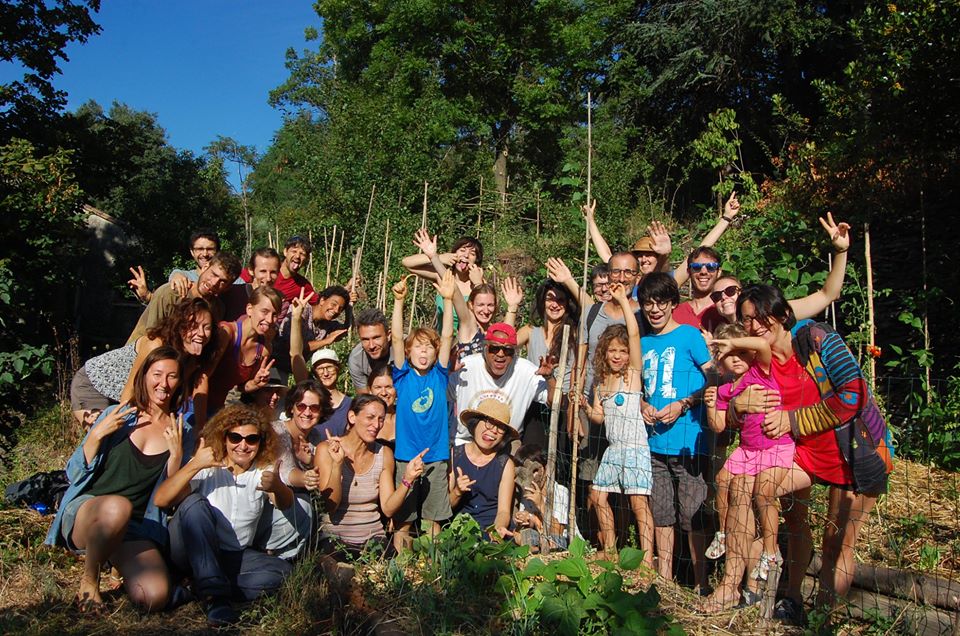
Beyond learning, family volunteering is a genuine human adventure. Sharing a mission in often unfamiliar surroundings strengthens family bonds. Observing animals, taking part in hands-on activities, or interacting with researchers and local communities creates a dynamic of cooperation and shared experience. Without the usual distractions of daily life, families rediscover the joy of spending time together, facing shared challenges, and building lasting memories.
Solidarity and participatory travel is increasingly tailored to families
In response to this growing enthusiasm, many organizations are now developing programs specifically designed for families. These missions take into account children’s ages, pace, and abilities.
They include, among others:
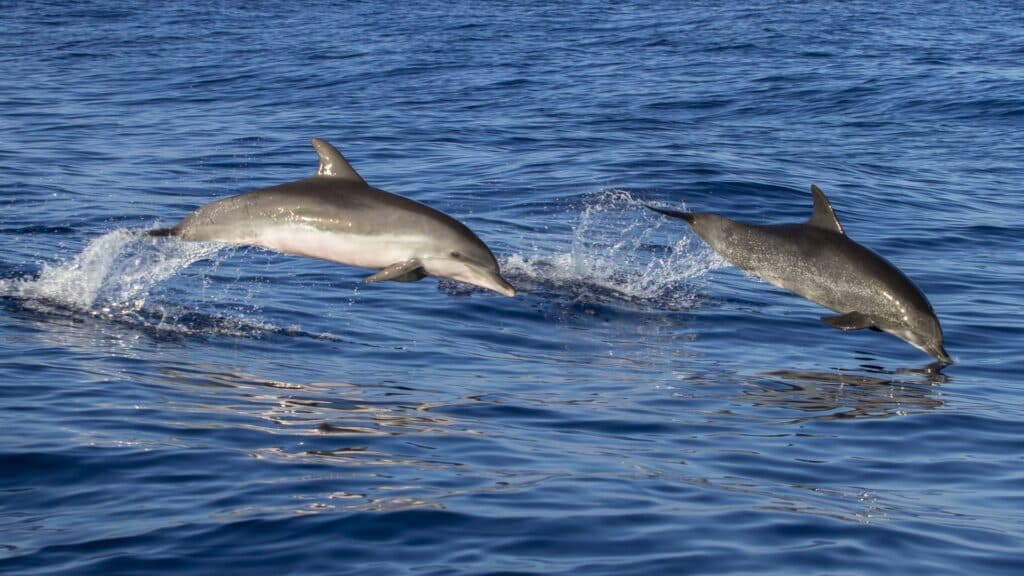
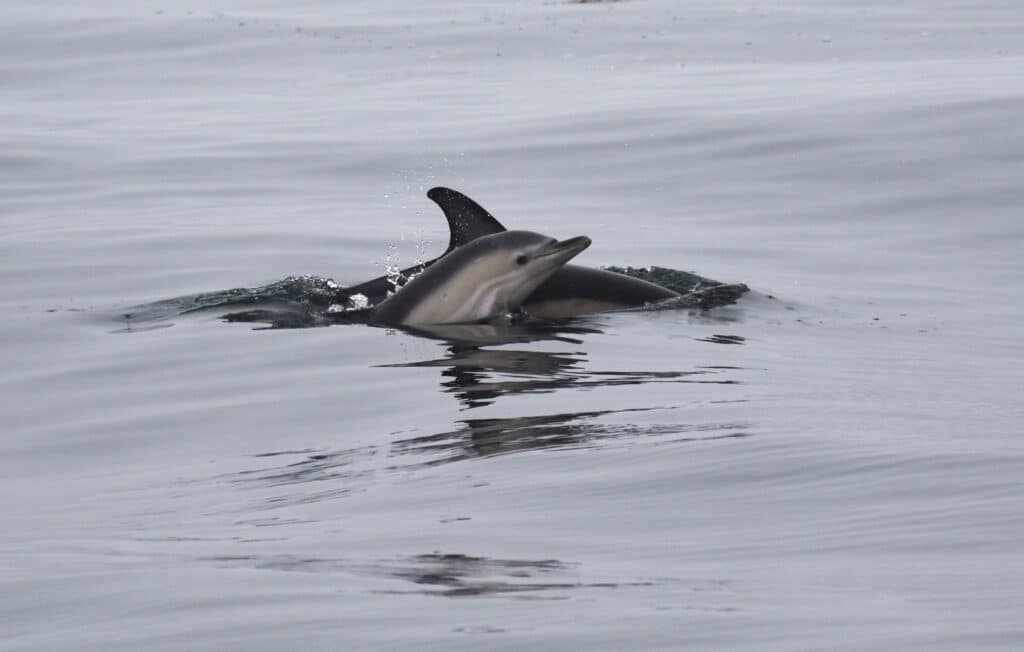
- cetacean research projects,
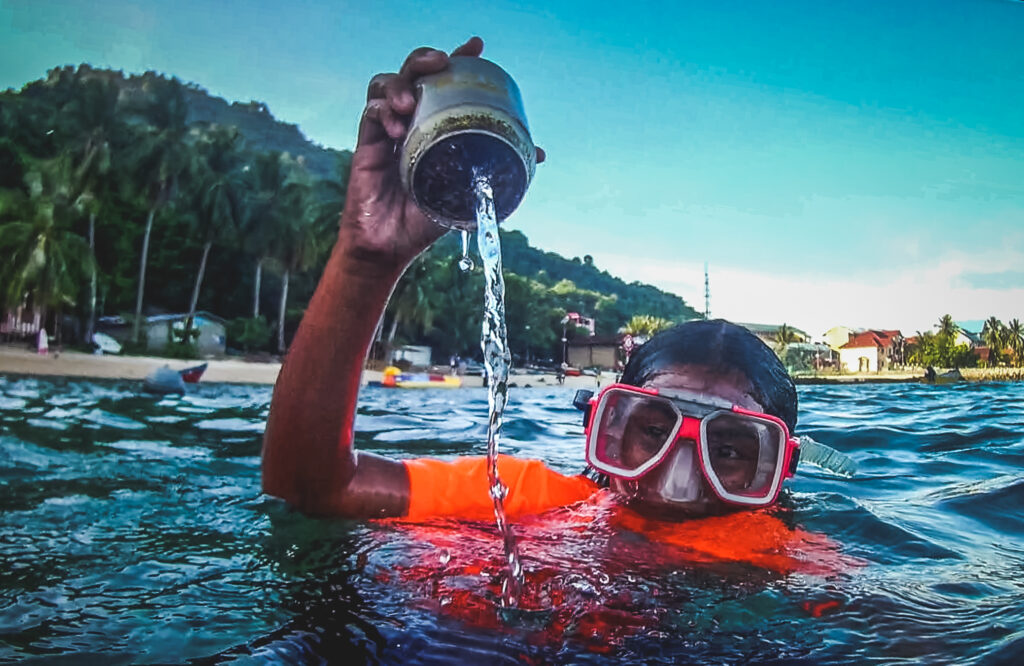
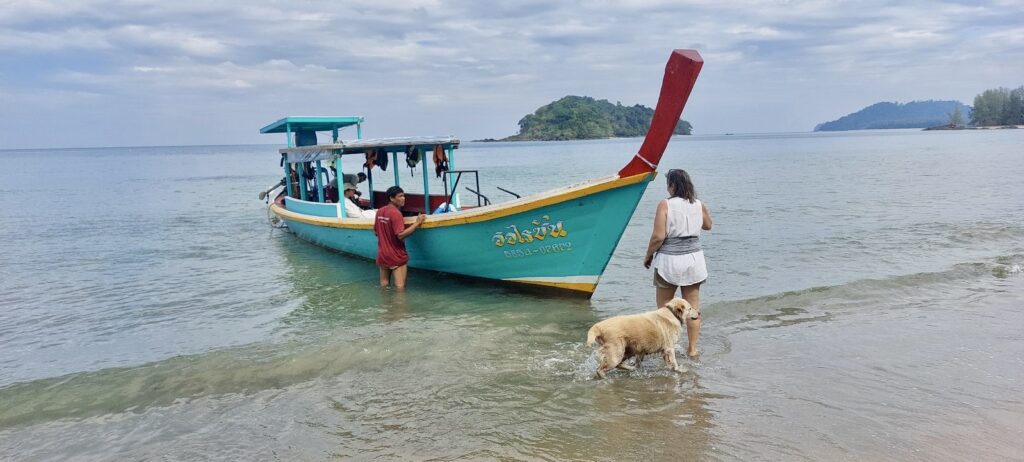
- immersive experiences within local communities,
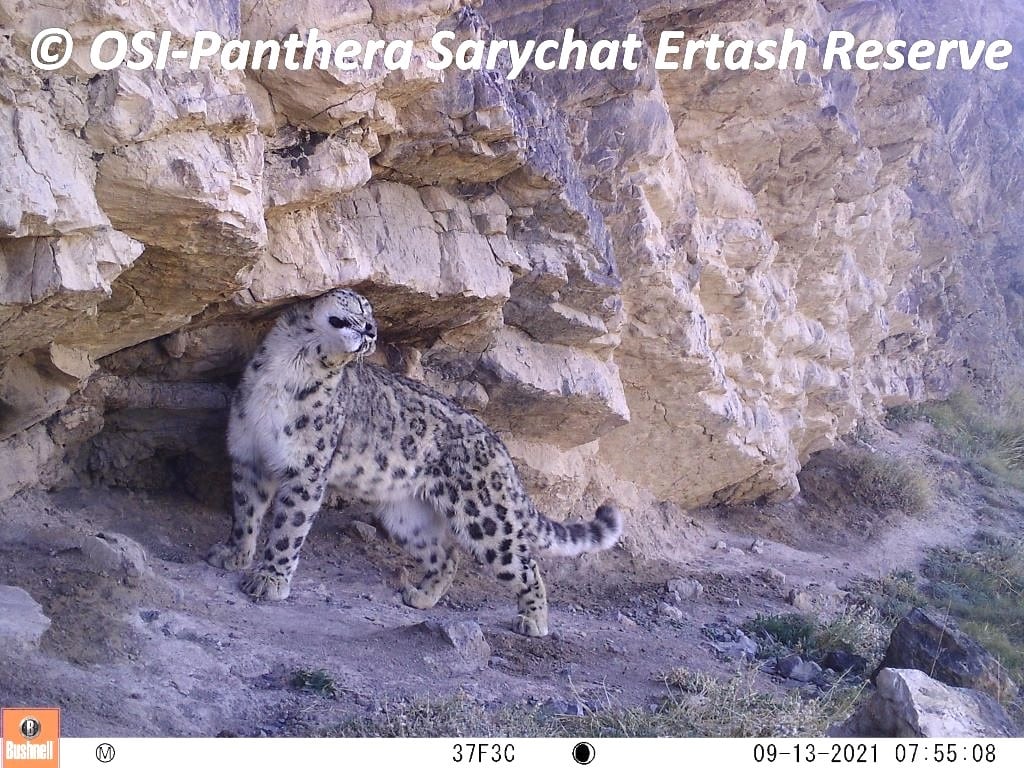
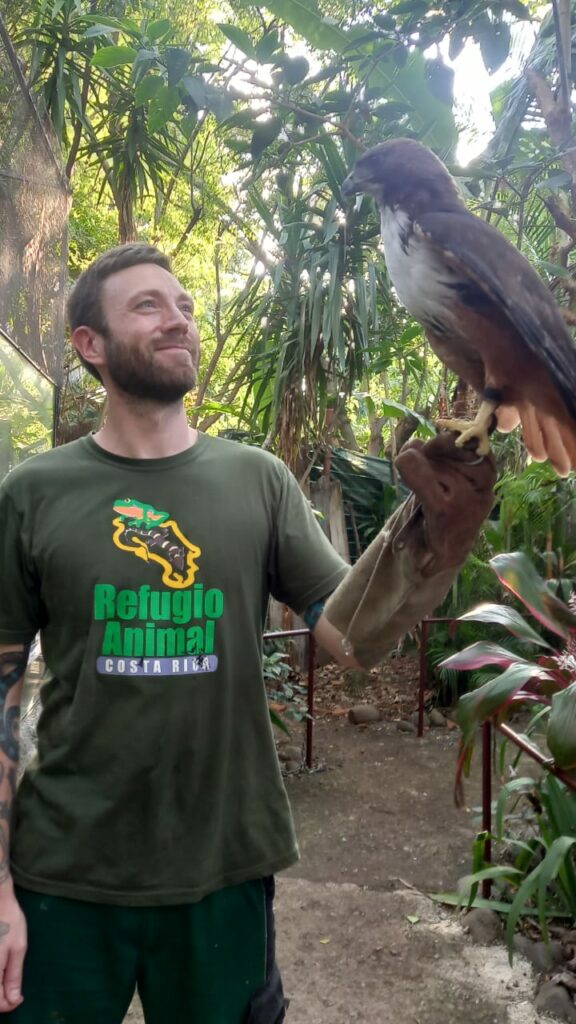
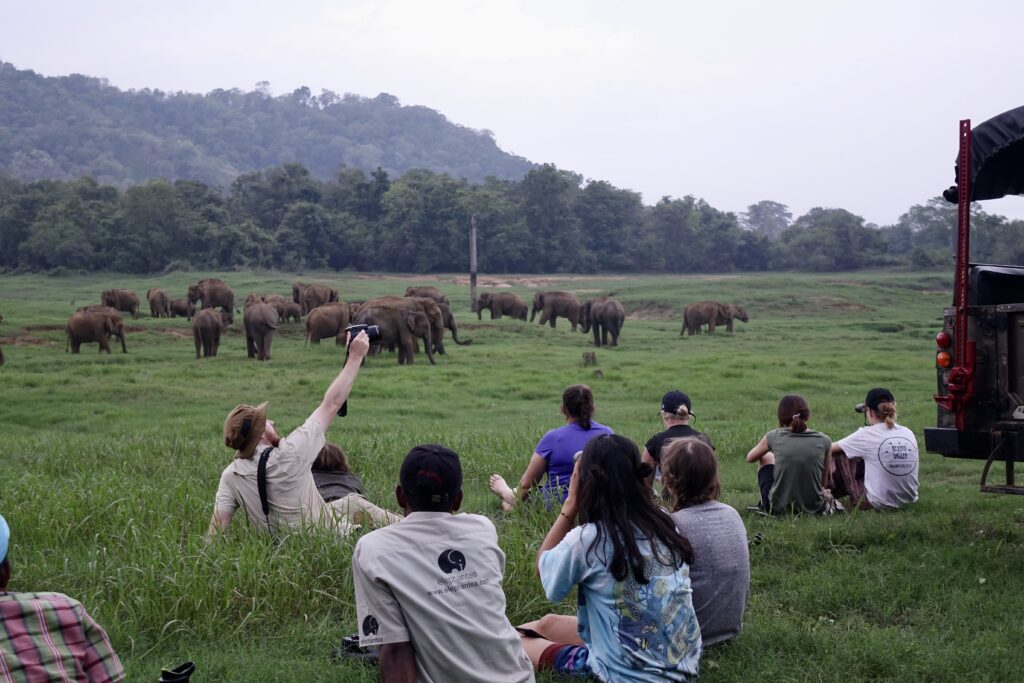
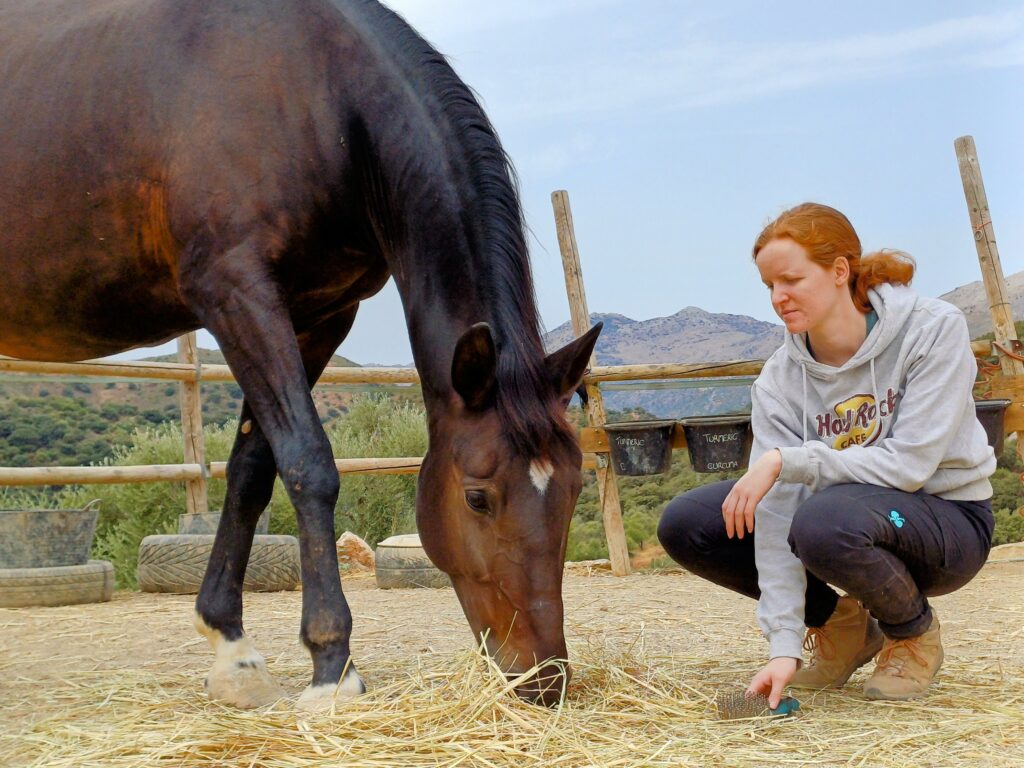
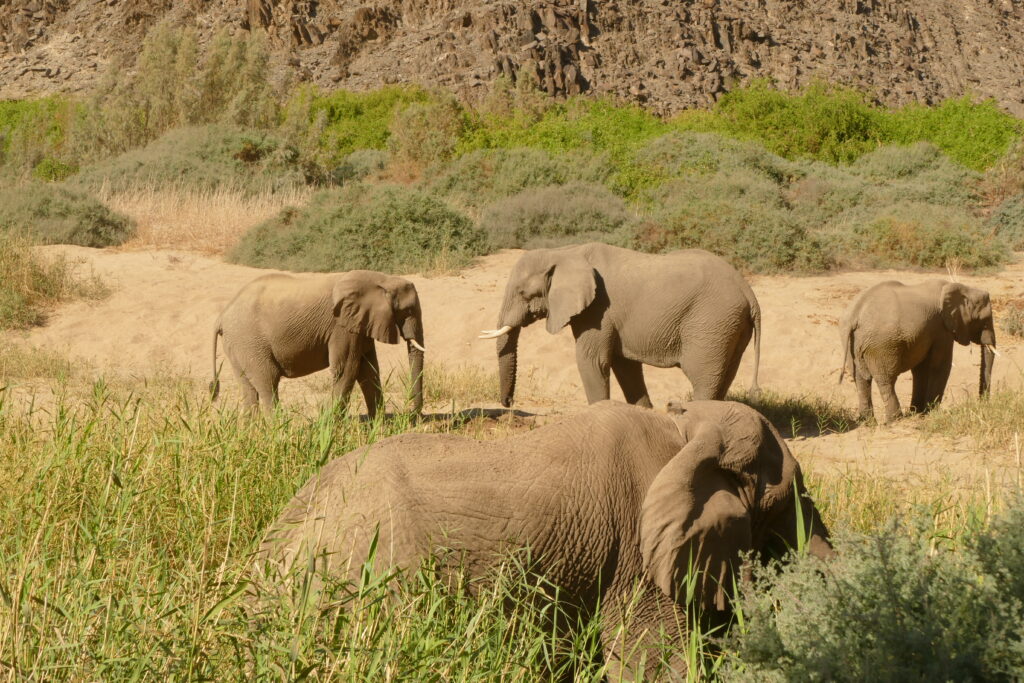
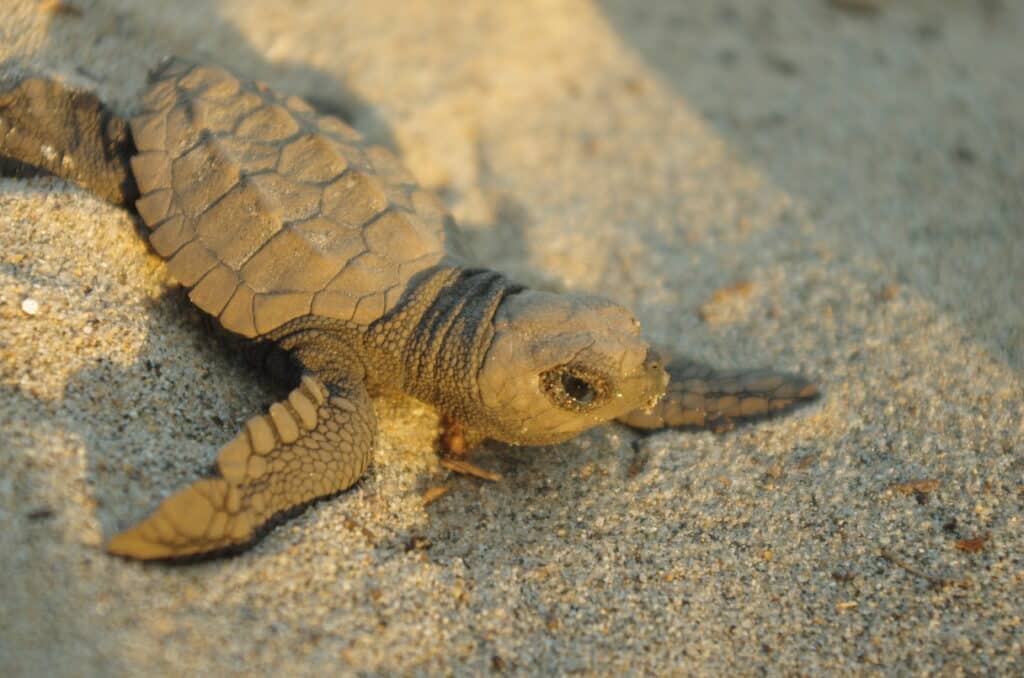
- wildlife observation missions,
- environmental awareness and education initiatives.
These formats make it possible to combine engagement, safety, and learning, while ensuring an experience suited to all participants.
A trend driven by the search for meaning
If family volunteering is developing so rapidly today, it is because it reflects a profound shift in mindset. More and more parents want their holidays to align with their values. This dynamic is part of a broader movement toward responsible tourism, where environmental and social impact has become a key consideration. Families no longer just want to “see the world”; they want to contribute to its preservation.
Preparing your family volunteering project properly
Family solidarity and eco-participatory travel does require some adjustments. Good preparation is essential to ensure a successful experience.
Before setting off, it is recommended to:
- learn more about the activities offered,
- check the accommodation conditions,
- make sure of the minimum age requirements for children,
A gateway to long-term engagement
For many families, volunteering is the starting point of a deeper commitment. After a first experience, some continue to support projects, change their consumption habits, or get involved in local initiatives. This continuity is essential: it turns a trip into a lasting shift in awareness. Specialised platforms such as eco-volontaire.com now make it easier to access these experiences by connecting travellers with biodiversity conservation projects.
Family ecovolunteering: a transformative journey
Family volunteering is emerging as a new way of travelling: more responsible, more educational, and deeply human. It makes it possible to combine discovering the world, environmental commitment, and strengthening family bonds. In a context where environmental challenges have become central, these participatory experiences represent far more than a simple stay: they are a true school of life and of nature. This is a growing trend, set to develop further over time, driven by families seeking meaning, adventure, and positive impact.