 Français
 English
Take Action for Ocean Protection
Cetaceans & Marine Mammals
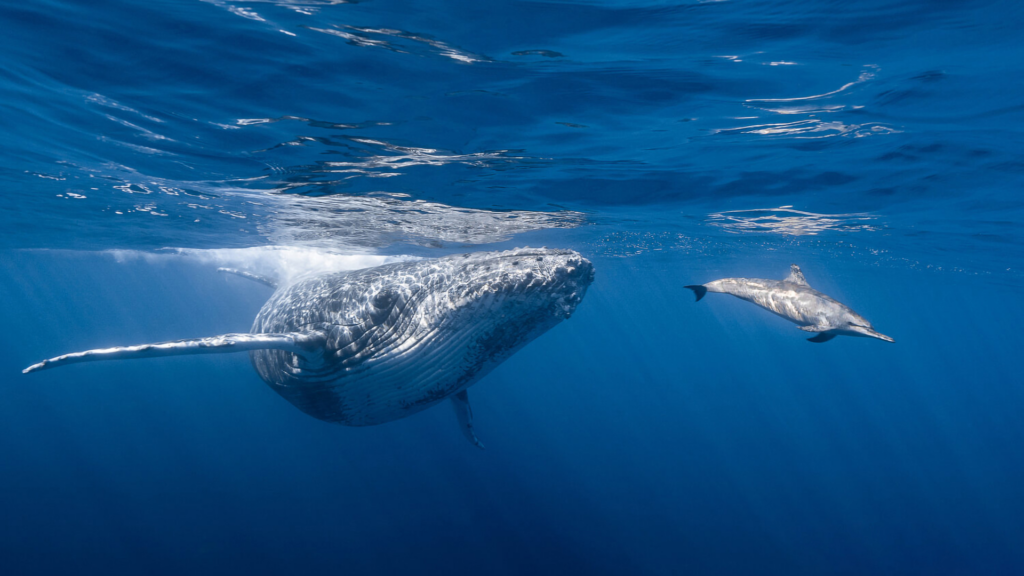
Observe and protect dolphins and whales in their natural environment.
Read more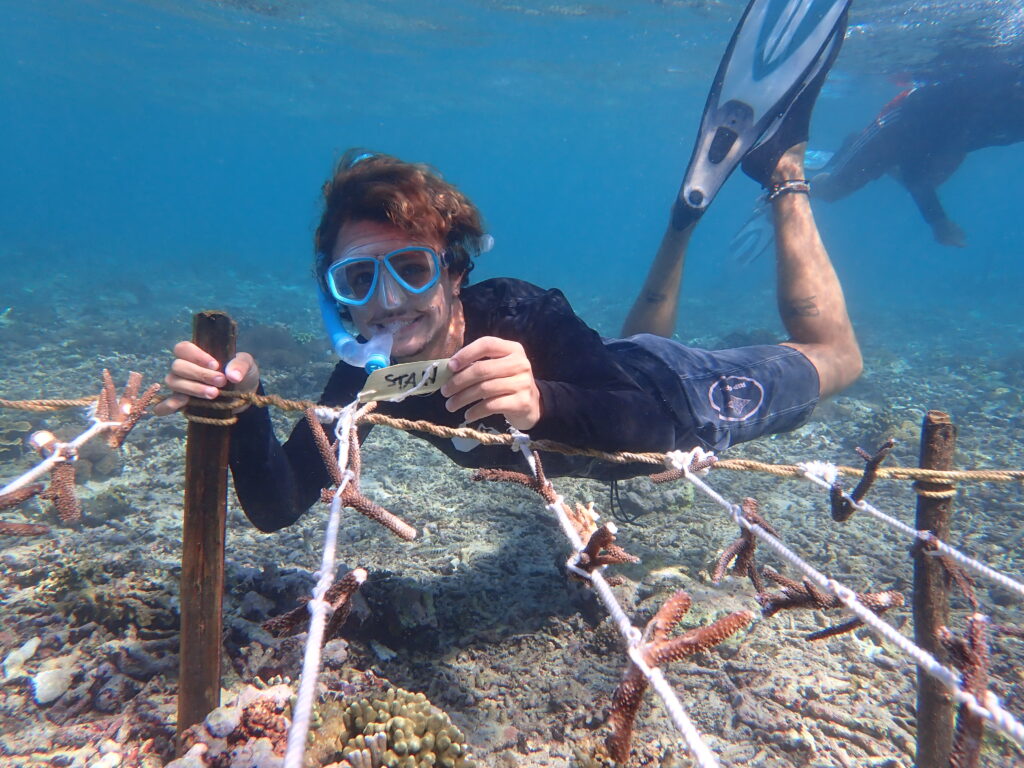

Protect and Study Wildlife


Citizen Science Stays


Ecovolunteering: a solution to protect the planet and transform tourism
Biodiversity is declining at an alarming rate. According to the WWF, more than 69% of vertebrate wildlife populations have disappeared since 1970. Deforestation, pollution, climate change, and the overexploitation of resources are putting many species at risk. Around one million species are threatened with extinction, according to IPBES (the Intergovernmental Science-Policy Platform on Biodiversity and Ecosystem Services). In light of this situation, action has become a necessity. Responsible and participatory travel for biodiversity appears as a solution.
Travel differently: a committed response to the biodiversity crisis
Responsible and participatory travel for biodiversity makes it possible to combine discovering the world with environmental commitment. Unlike mass tourism, which is often harmful to the environment, this type of travel aims to support conservation projects, assist scientists, and raise awareness among local communities about the protection of ecosystems.
Whether you are an adult or travelling as a family, it is possible to take part in missions in the heart of nature. These stays offer a rich and rewarding experience, encouraging learning and the transmission of environmental values and respect for nature. It is a unique opportunity to actively contribute to the protection of species and habitats while discovering preserved cultures and regions.
Engaging according to your interests: a wide range of missions for everyone
There is a wide diversity of ecovolunteering missions, allowing everyone to get involved according to their interests:
- Citizen science: collecting data on wildlife and flora alongside researchers to better understand and protect ecosystems.
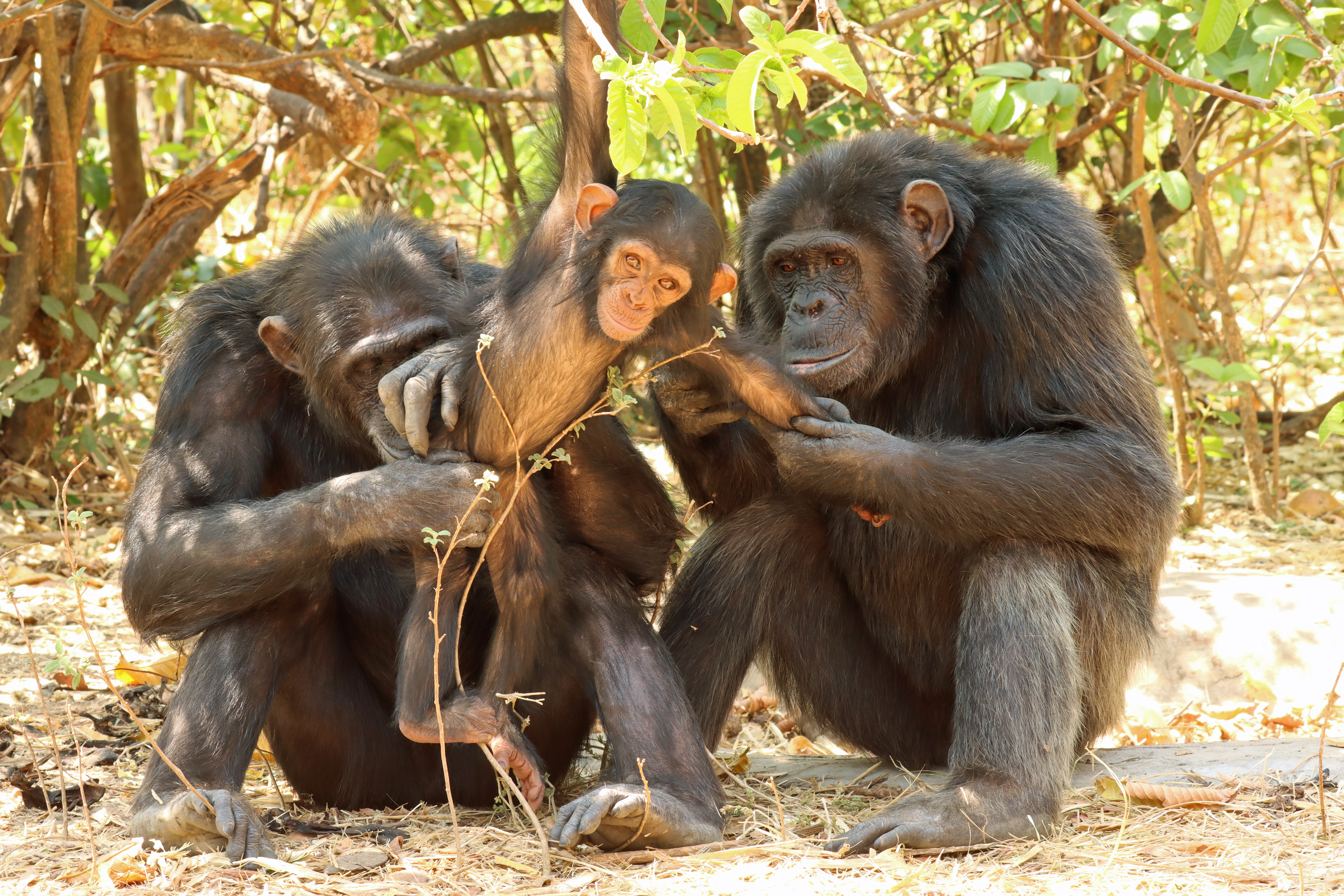
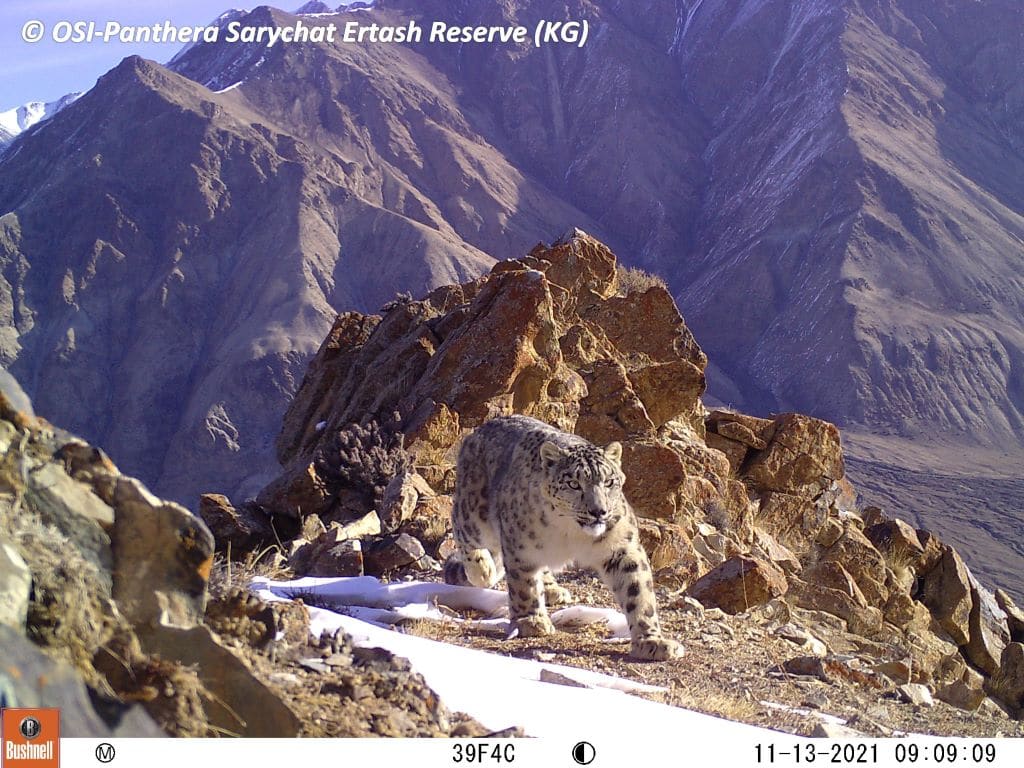
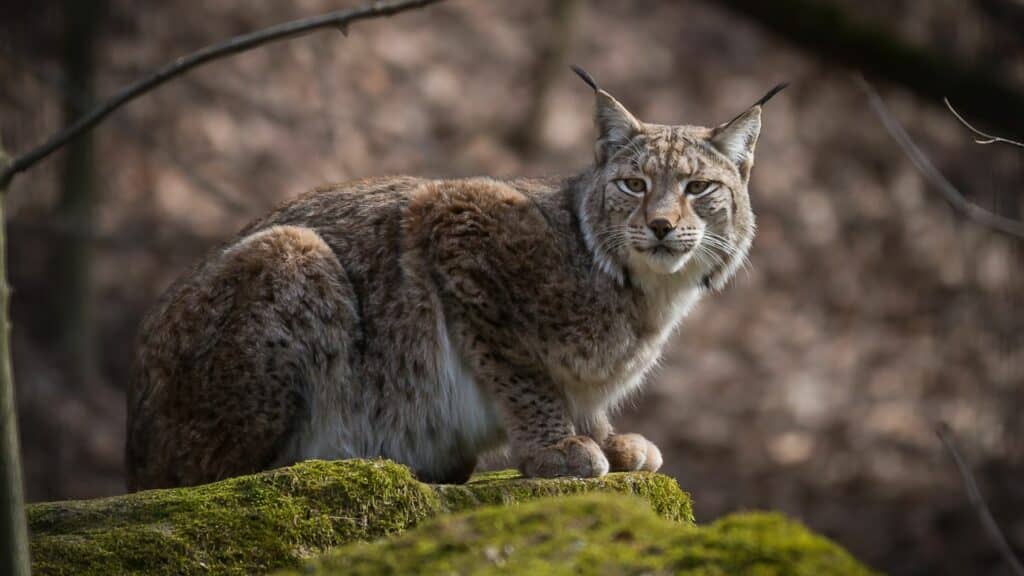
- Wildlife conservation: tracking and observing endangered species such as sea turtles, primates, or big cats in order to improve conservation strategies.
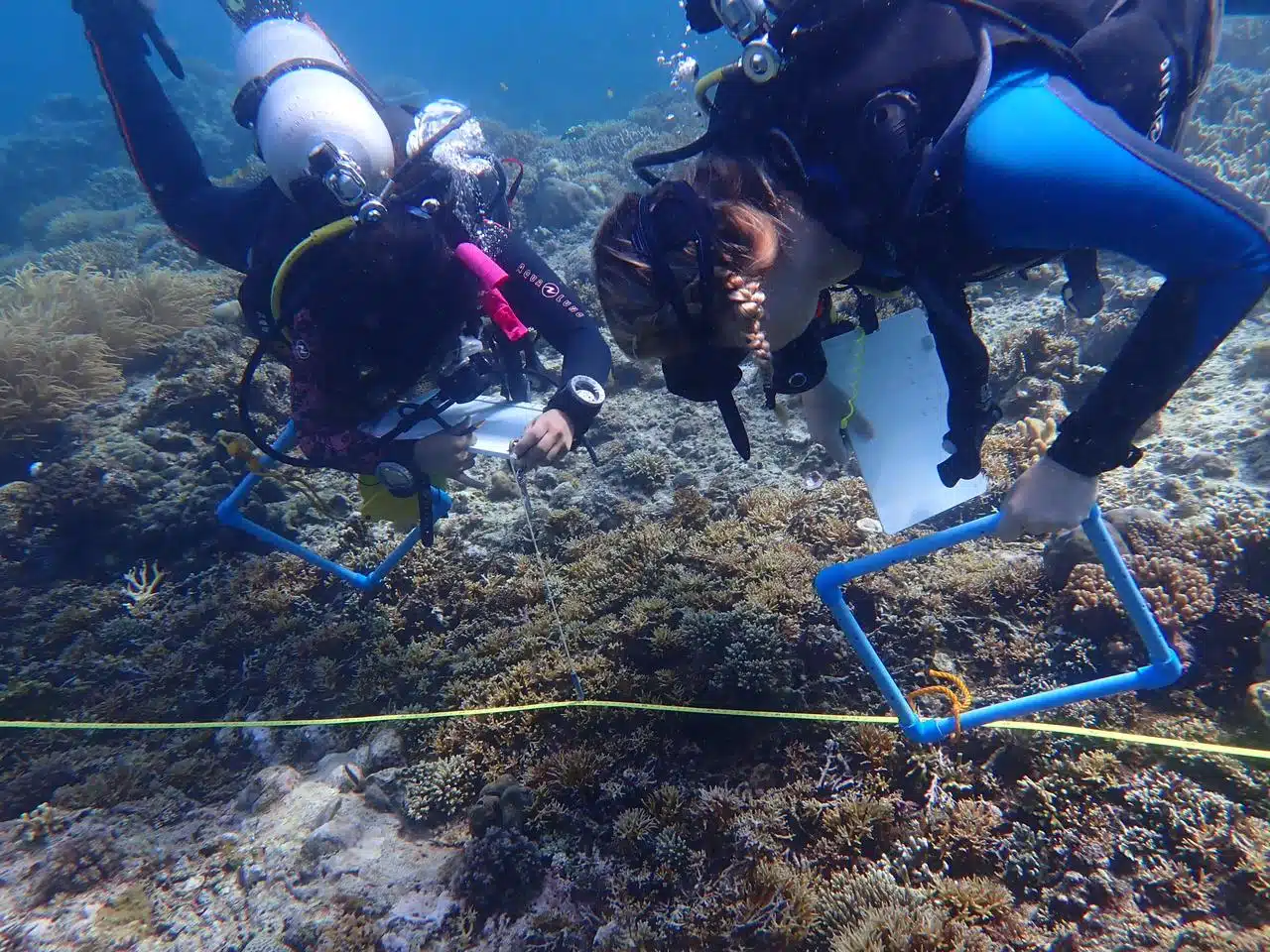
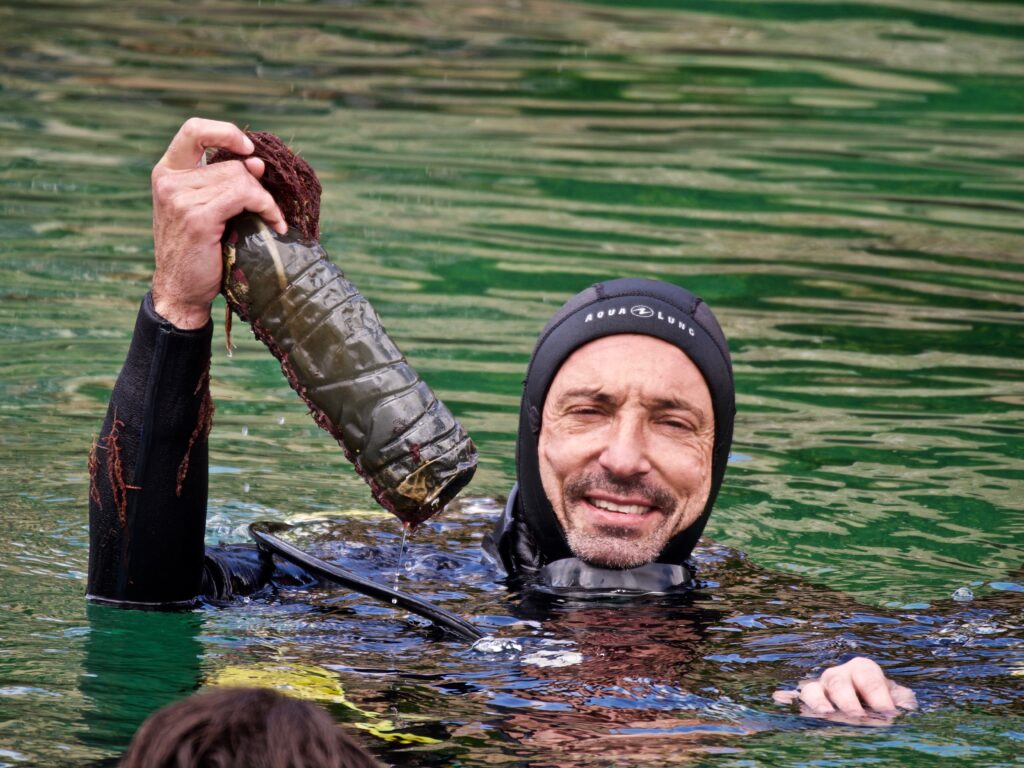
- Ocean conservation: taking part in scientific diving missions, monitoring coral reef health, and fighting plastic pollution.
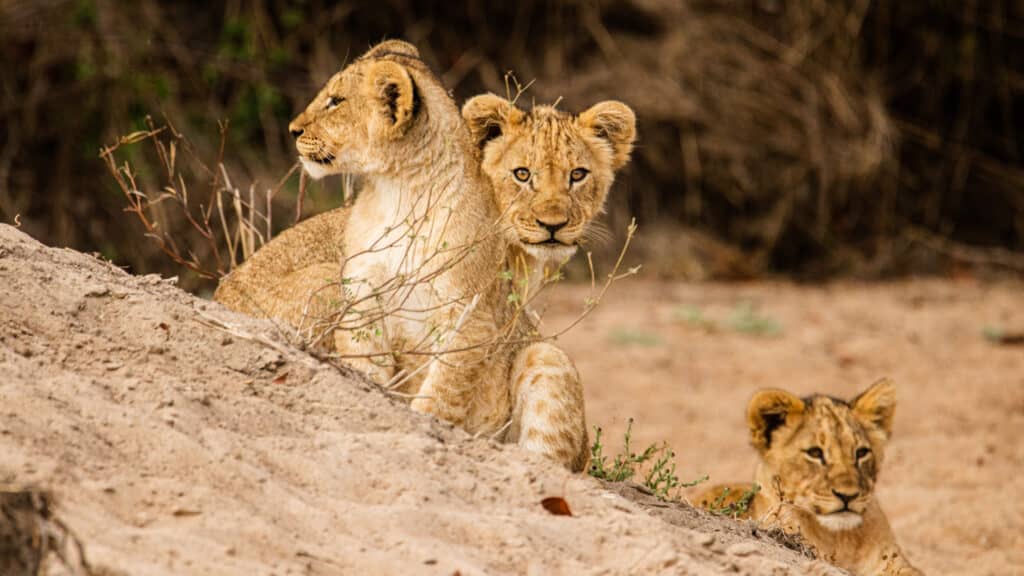
- Monitoring the African Big Five: contributing to the tracking of elephants, lions, leopards, rhinos, and buffalo to combat poaching and support coexistence with local communities.
These solidarity-based stays offer unforgettable experiences while having a real impact on biodiversity. They also provide a different vision of travel, more respectful and more human. Engaging in responsible and participatory travel means choosing ethical and responsible tourism aligned with today’s environmental challenges. By choosing these experiences, every traveller becomes an agent of change and helps build a more sustainable future for our planet.