 Français
 English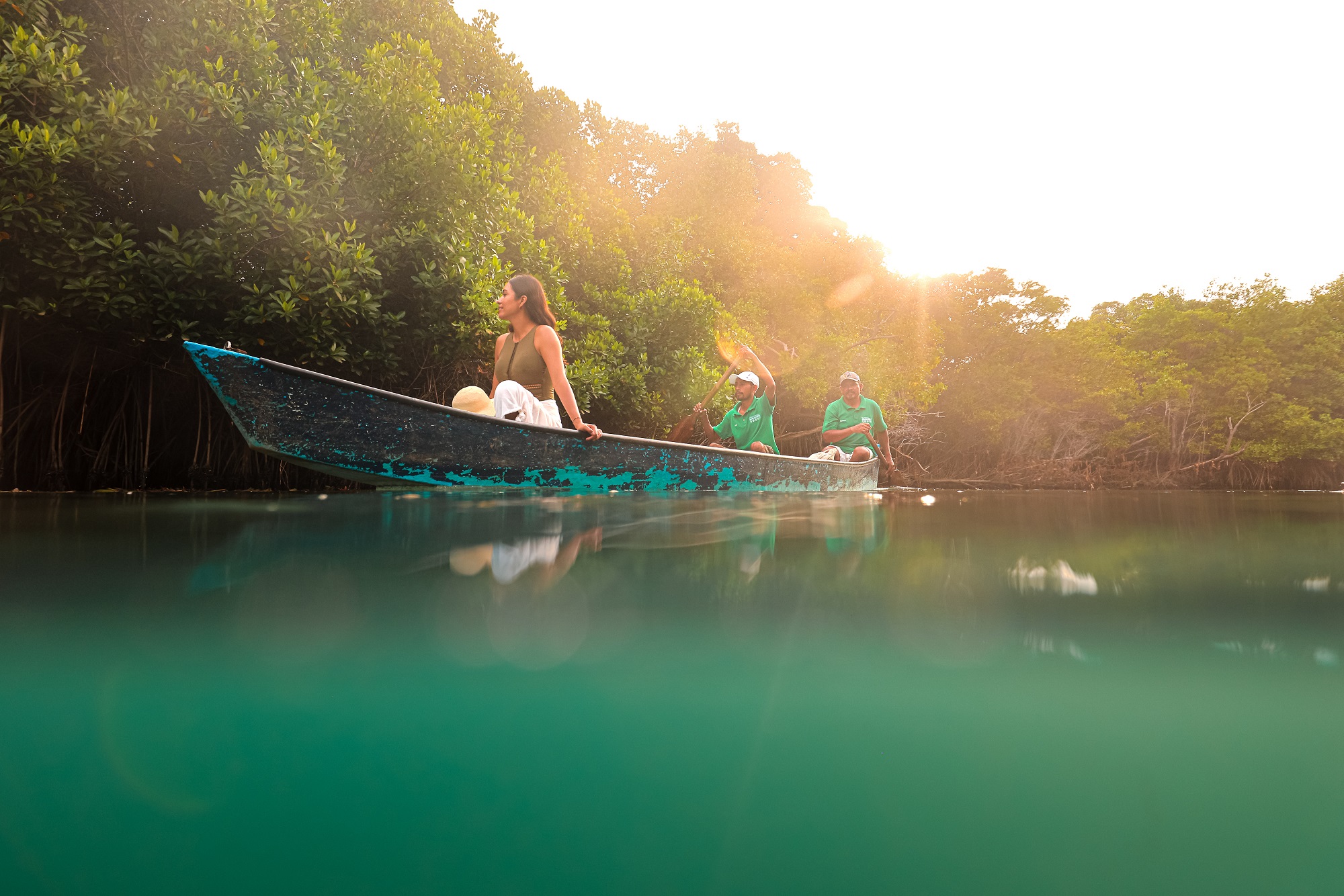


Multi-project eco-volunteering in Mexico. Discover the Oaxaca region of Mexico on an eco-tourism and volunteering trip. Get involved in a range of projects whilst exploring a region rich in biodiversity! All eco-volunteering opportunities in the Americas
Support for communities in environmental conservation and ecotourism
The partner organisation supports initiatives promoting sustainable development and biodiversity conservation in the Oaxaca region of Mexico.
She works with local communities by helping to:
- Wildlife conservation;
- The development of environmental workshops for children or English language courses;
- The planting of trees on private and public land;
- Beach clean-ups;
- The promotion of ecotourism.
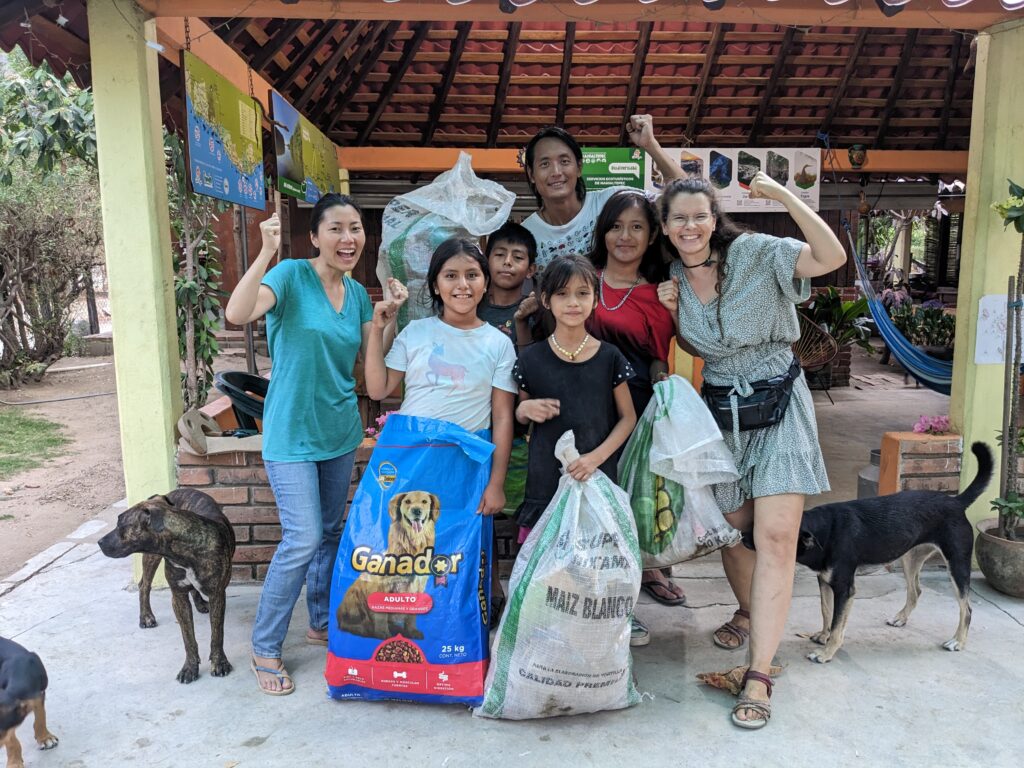
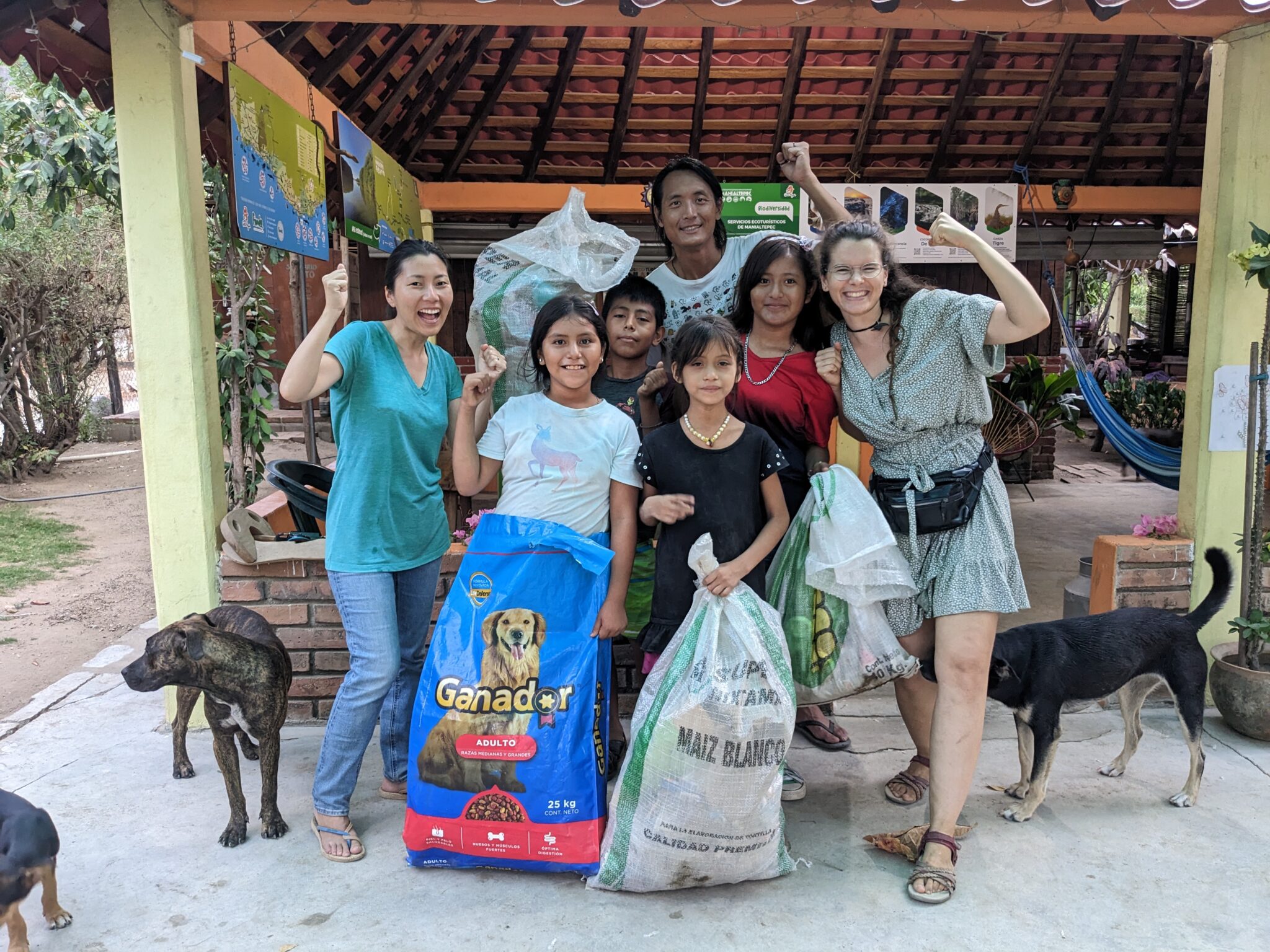
Tartarukus supports development projects linked to ecotourism and works with partners to protect species such as sea turtles and crocodiles. Environmental brigades involving children from the communities of Ventanilla and Escobilla have also been set up. Indeed, whilst working on the conservation of endangered species in these communities, the founder of Tartarukus developed a project for children and families. This project involves planting endemic species in gardens to attract birds.
To fund the conservation projects, our partner has opted for eco-volunteering.
Eco-volunteers take part in activities led by local groups on the coast of Oaxaca, Mexico.
Between volunteering and ecotourism
During this eco-volunteering trip, you will travel along the coast of Oaxaca, where you will support a number of community conservation projects. This immersive experience is a great way to discover eco-volunteering. It gives you the opportunity to take part in a wide range of activities such as:
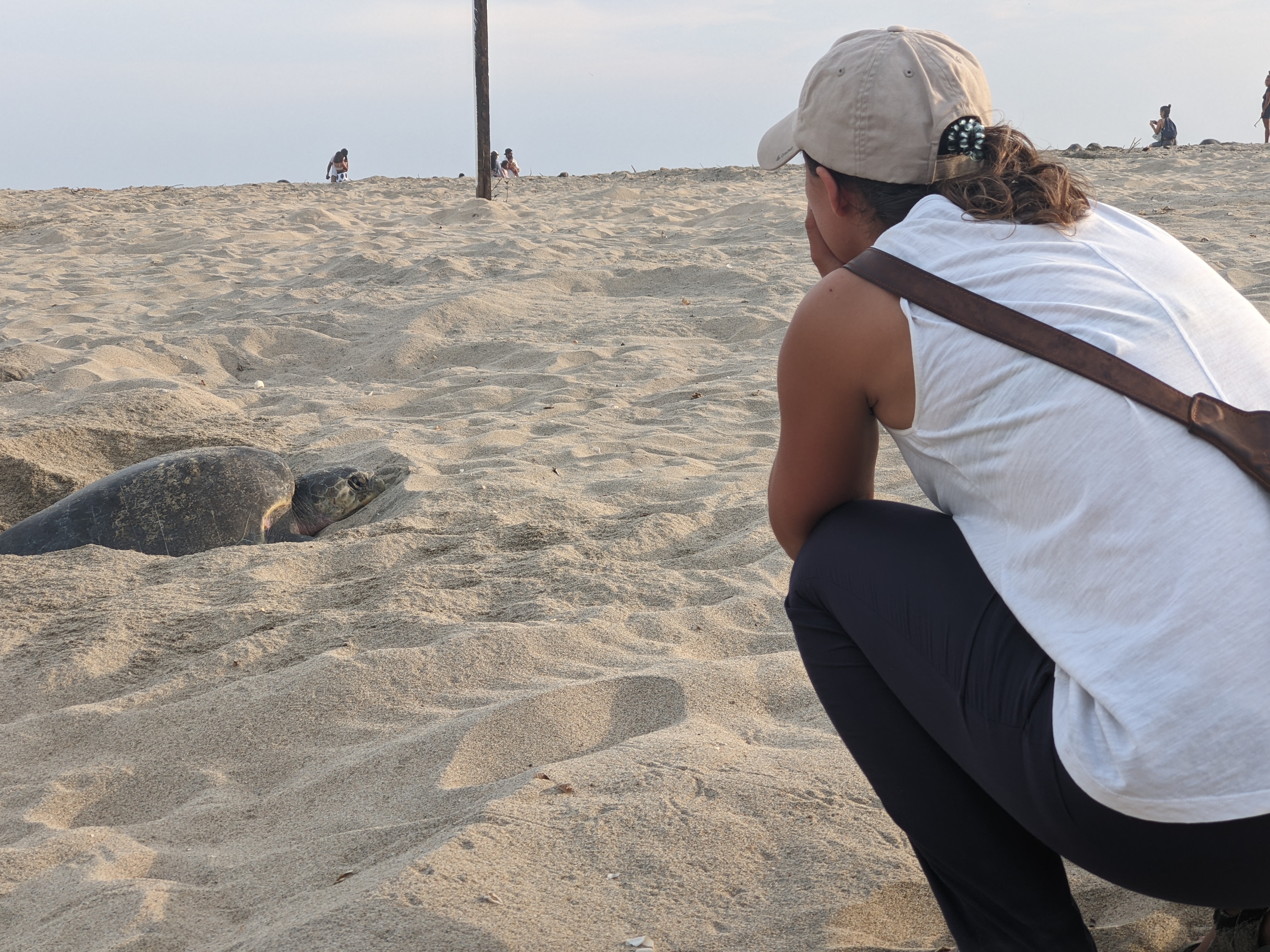
- Night-time patrols on the beaches to protect sea turtles and their nests;
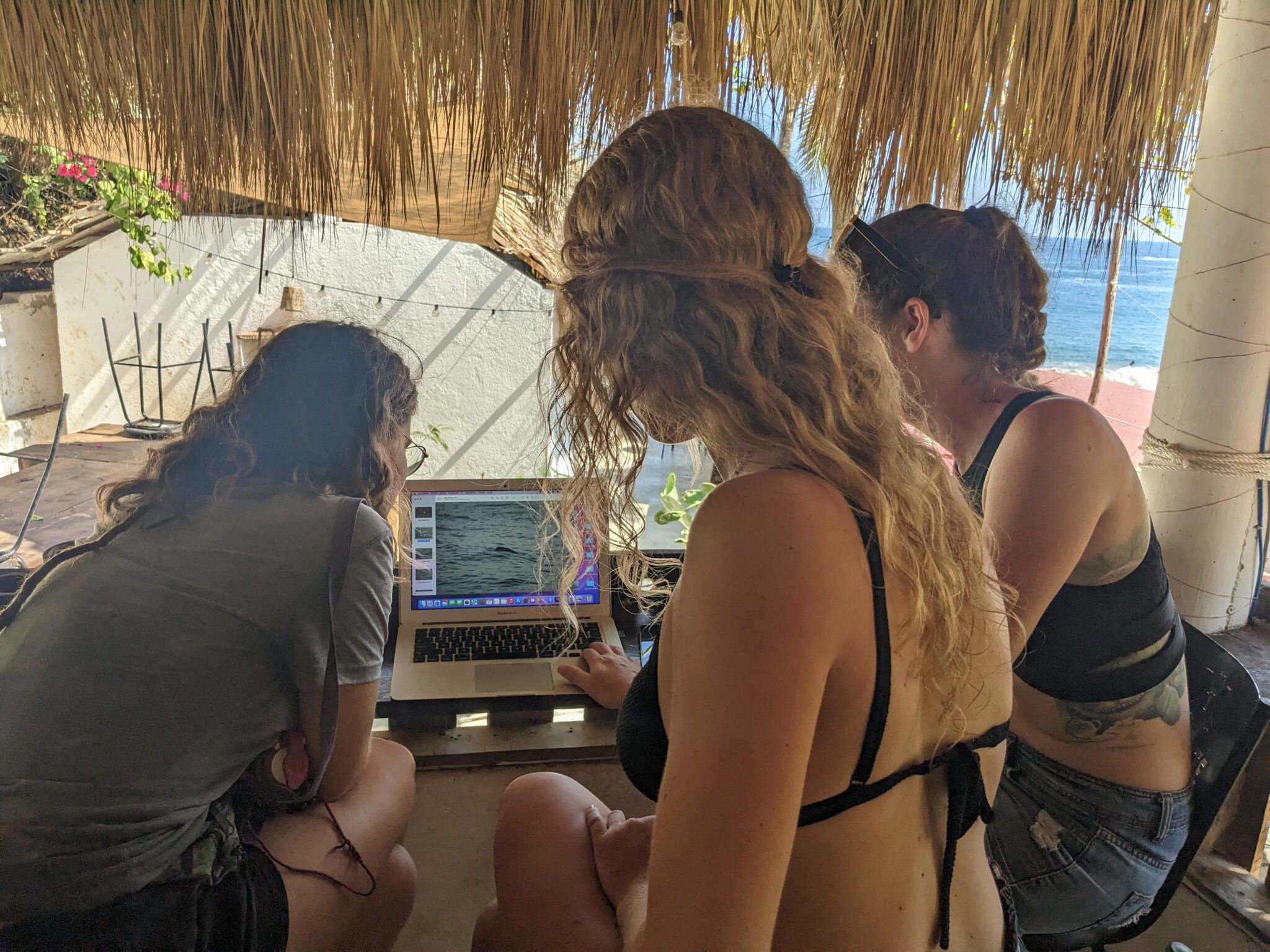
- Monitoring marine wildlife during boat trips;
- Exploring the seabed whilst snorkelling;
- Environmental awareness…
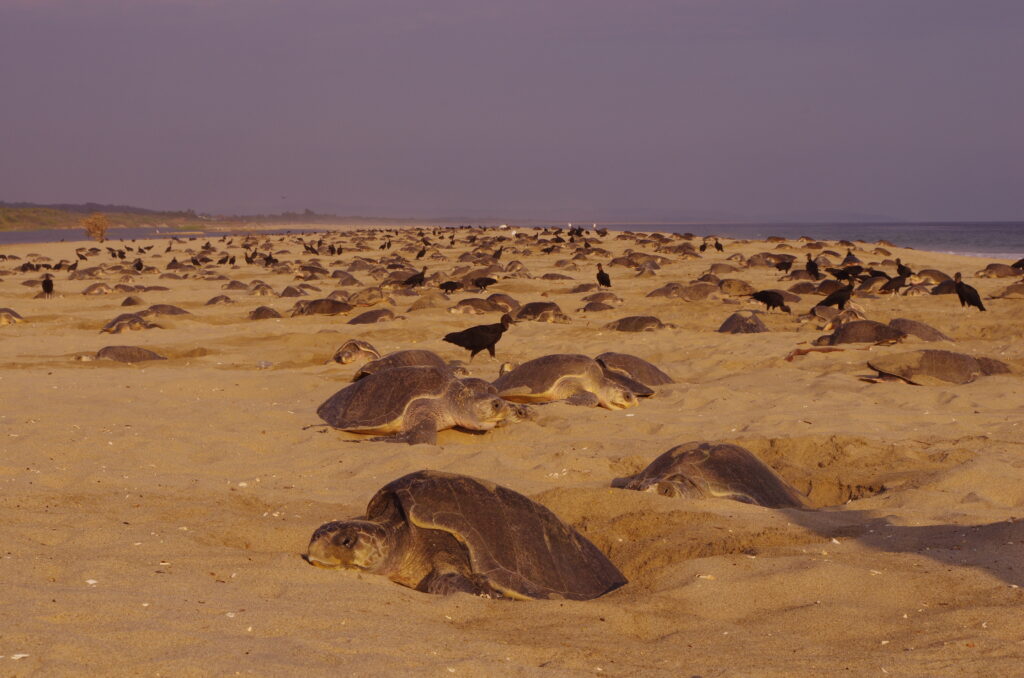
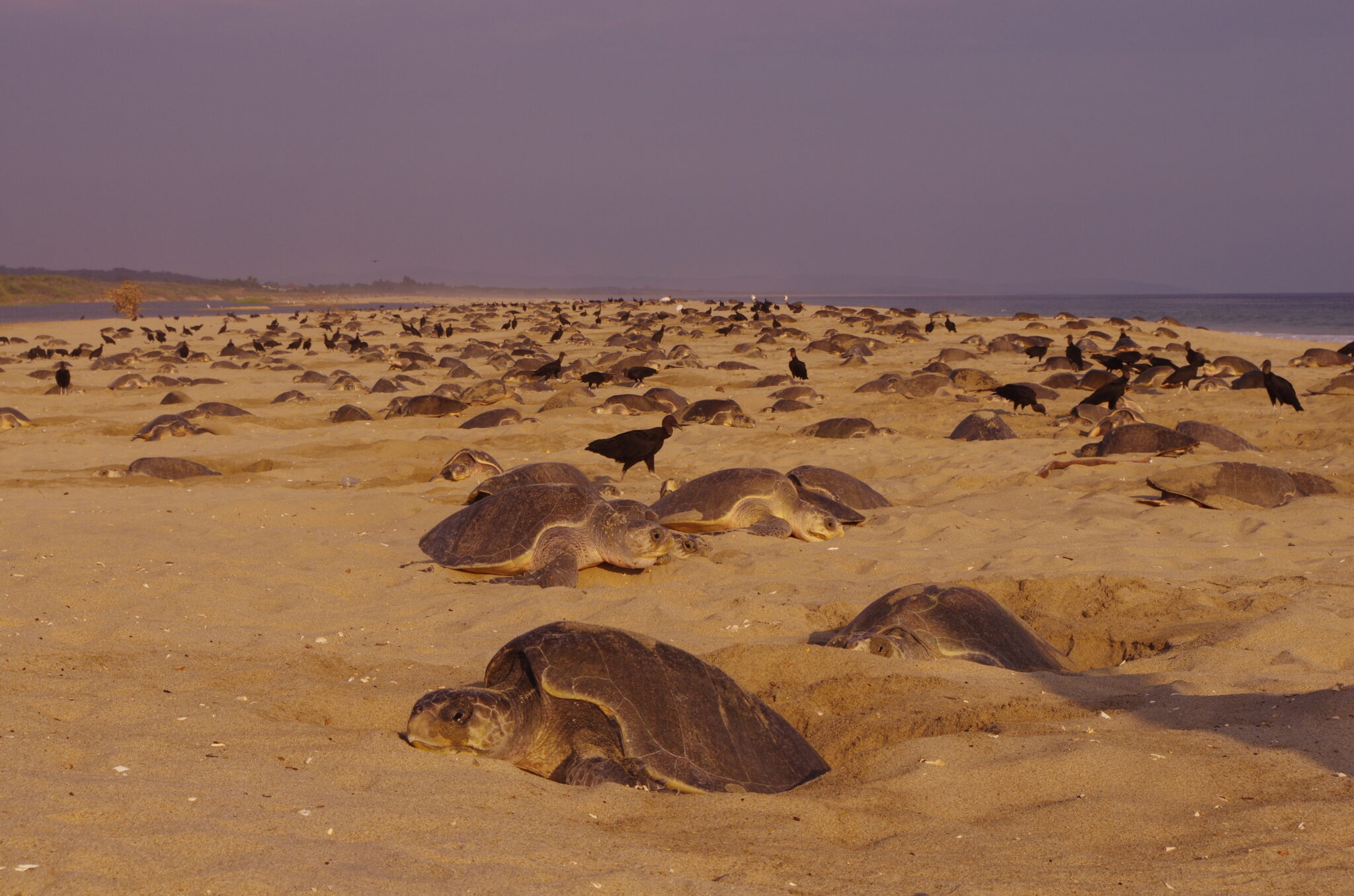
Depending on the season, you can witness the Arribada, the mass arrival of sea turtles on the beaches to lay their eggs. The Arribada is a phenomenon that occurs on only 12 beaches worldwide. Among these are Escobilla and Morro Ayuta, in Oaxaca. It is worth noting that this phenomenon occurs for just a few days each month, during the turtle season.
The partner organisation supports seven community projects. However, in a fortnight, you won’t be able to visit all of them. You will usually be involved in four different projects.
Here is an example of a two-week schedule. The programme varies depending on the season.
Seasonal activities
- Whale watching: from mid-November to mid-March
- Turtle nesting (and possibly the Arribada): January, February, July, August, September, October, November, December (high season from September to mid-October)
- Best time to plant trees: July, August, September, October.
- Best time for birdwatching: March and April
- Dry season: January to June
- Crocodile breeding season: June
First week
- Monday: On the first day, you’ll arrive in Manialtepec, a town known for its horses and rural way of life. You’ll be introduced to the various programmes on offer before taking a stroll around Manialtepec.
- Tuesday: visit to the natural hot springs at Manialtepec. Then, a one-hour hike to the thermal springs, which the Chatino indigenous communities of Manialtepec have cherished for generations. Preparation for the workshops.
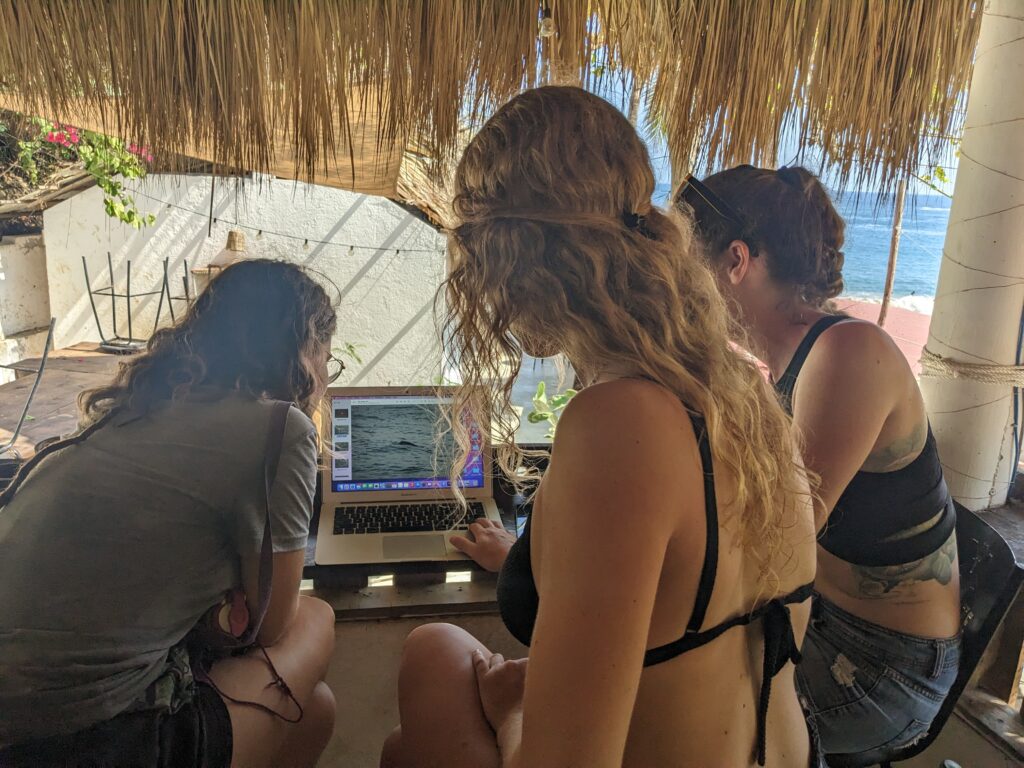
- Wednesday: After setting up camera traps in an area where the community is working to create a nature reserve, you will take part in environmental awareness or English language workshops.
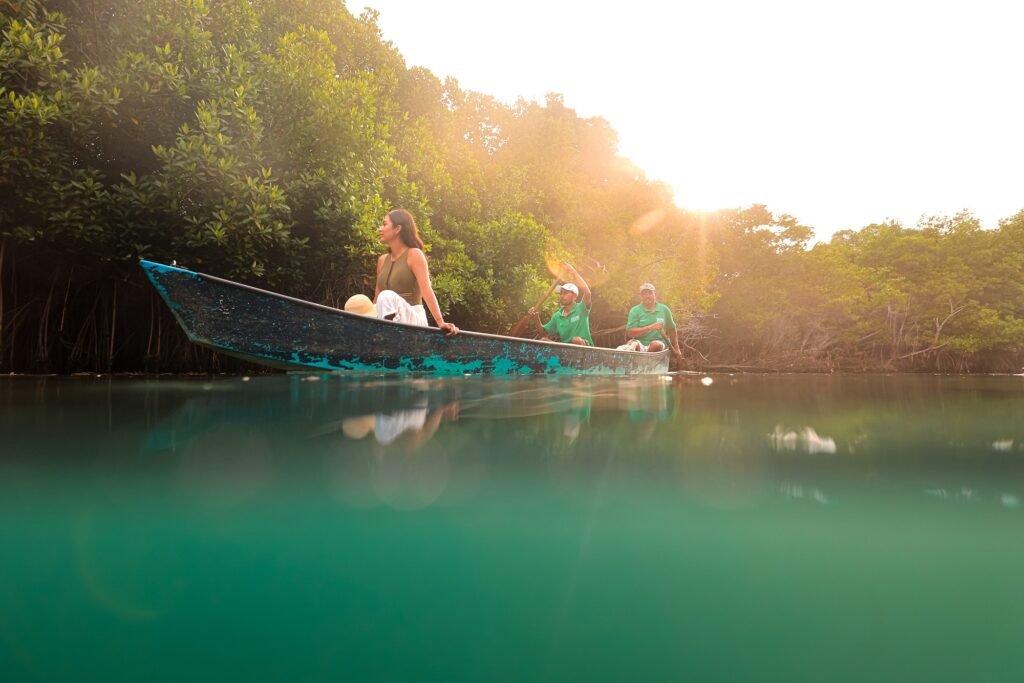
- Thursday: In the morning, a Mexican tortilla-making workshop and construction activities (designing posters, improving the volunteers’ house). In the afternoon, a boat trip on Manialtepec Lagoon, a beach clean-up and watching the sunset on Puerto Suelo beach.
- Friday: In the morning, activities in the Zapotalito community and a boat trip in Chacahua National Park. In the evening, you will take part in a night patrol to protect the turtles in the Chacahua Bay sanctuary (October to May only)
- Saturday: free;
- Sunday: free.
Week two: Escobilla
- Monday: In the morning, transfer from Manialtepec to Escobilla. Release of baby turtles and night patrol to monitor the sea turtles. (Depending on the season)
- Tuesday: In the morning, support for local groups in promoting, designing and building ecotourism information boards. Release of baby turtles and night patrol to monitor sea turtles. (Depending on the season)
- Wednesday: In the morning, a boat trip in the Ventanilla lagoon and a tour of the island. Feeding the deer and carrying out maintenance work. In the evening, you can enjoy Ventanilla beach and the sunset.
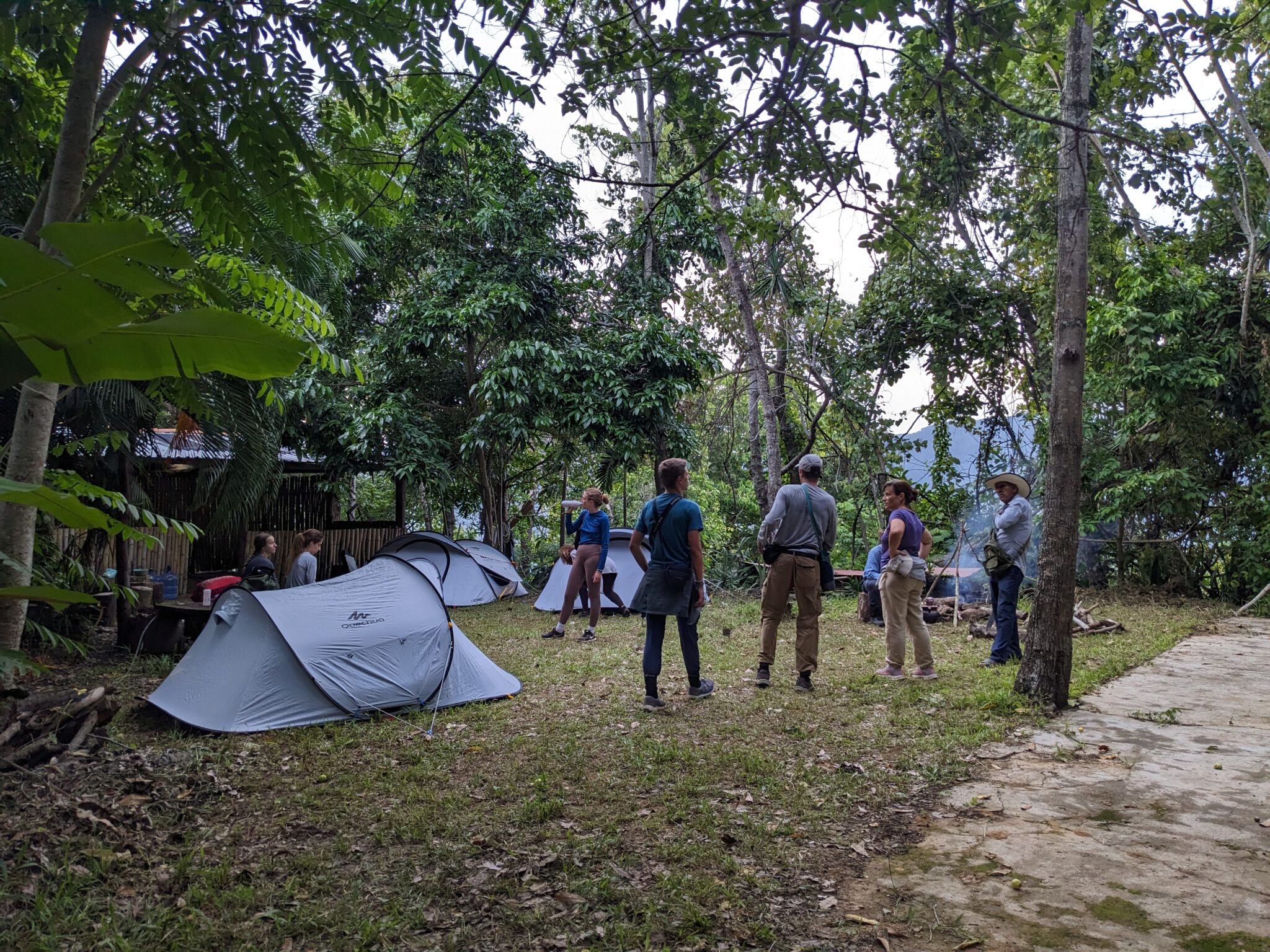
- Thursday: a hike through the Gavilan jungle with the help of a local team to check camera traps, plant trees and put up signs for ecotourism.
- Friday: In the morning, marine wildlife watching. In the afternoon, a visit to the Pueblo Mágico of Mazunte and Punta Cometa.
- Saturday: free.
- Sunday: departure.
Prices
- 14 days (13 nights): €1,598
- One-week stay: €899
- Option to stay longer (up to 12 weeks)
Included in the price
- Coordinator available 24 hours a day, 7 days a week; volunteer-to-coordinator ratio of 8:1 maximum.
- Airport pick-up
- Programme and safety briefing
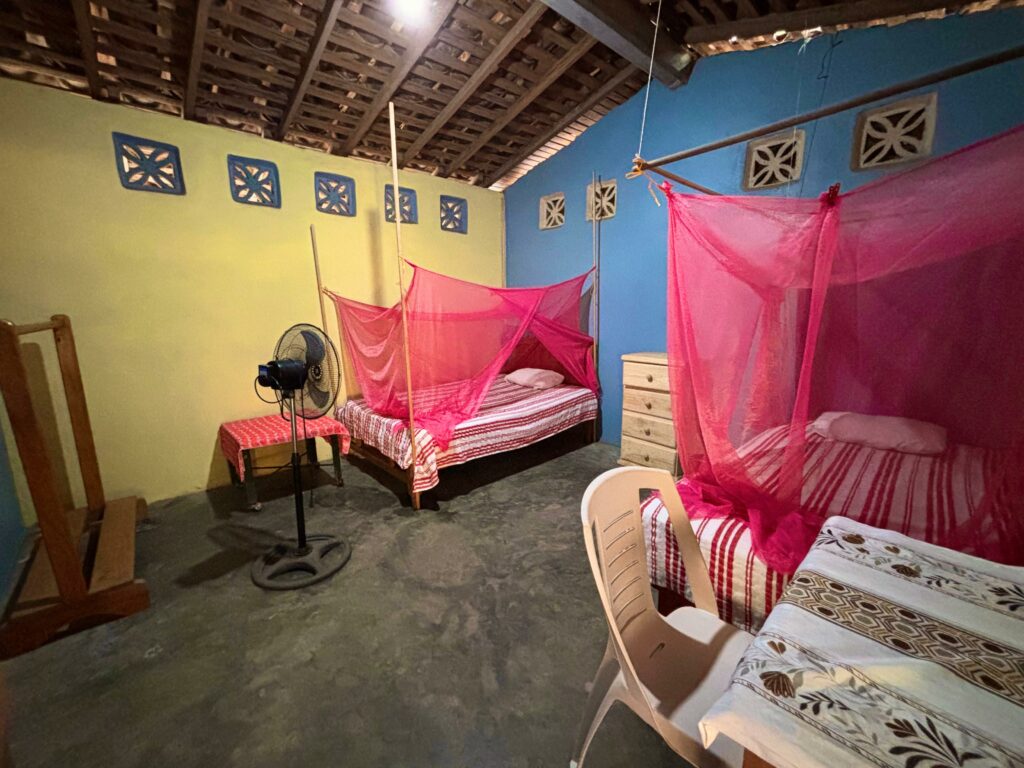
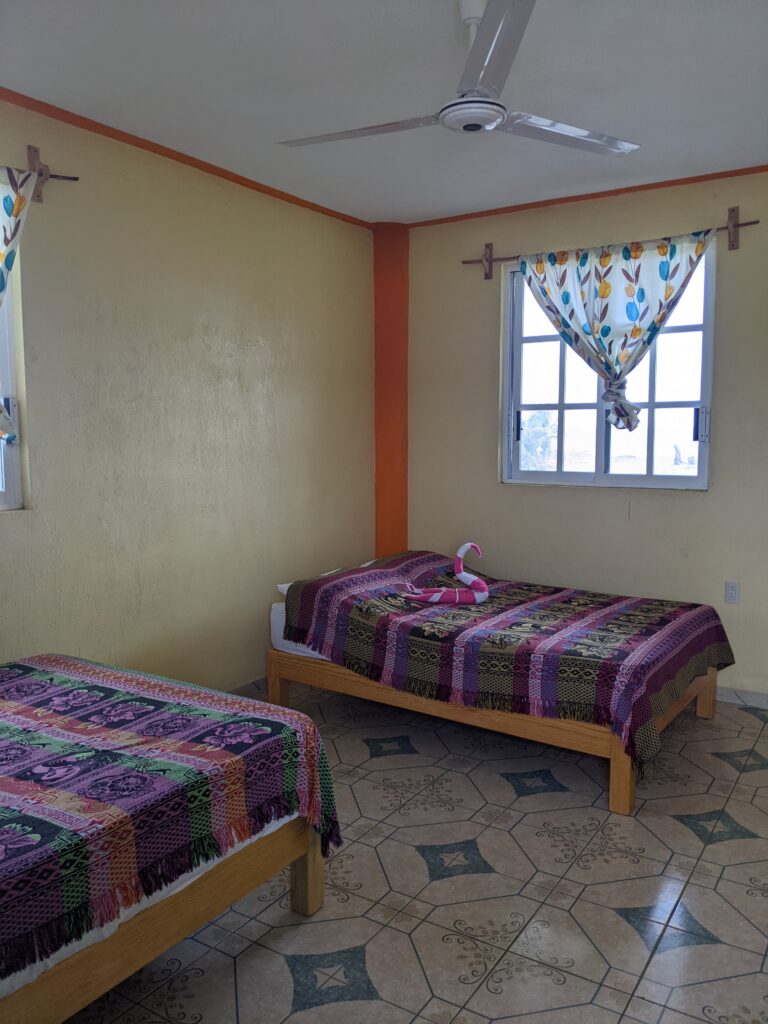
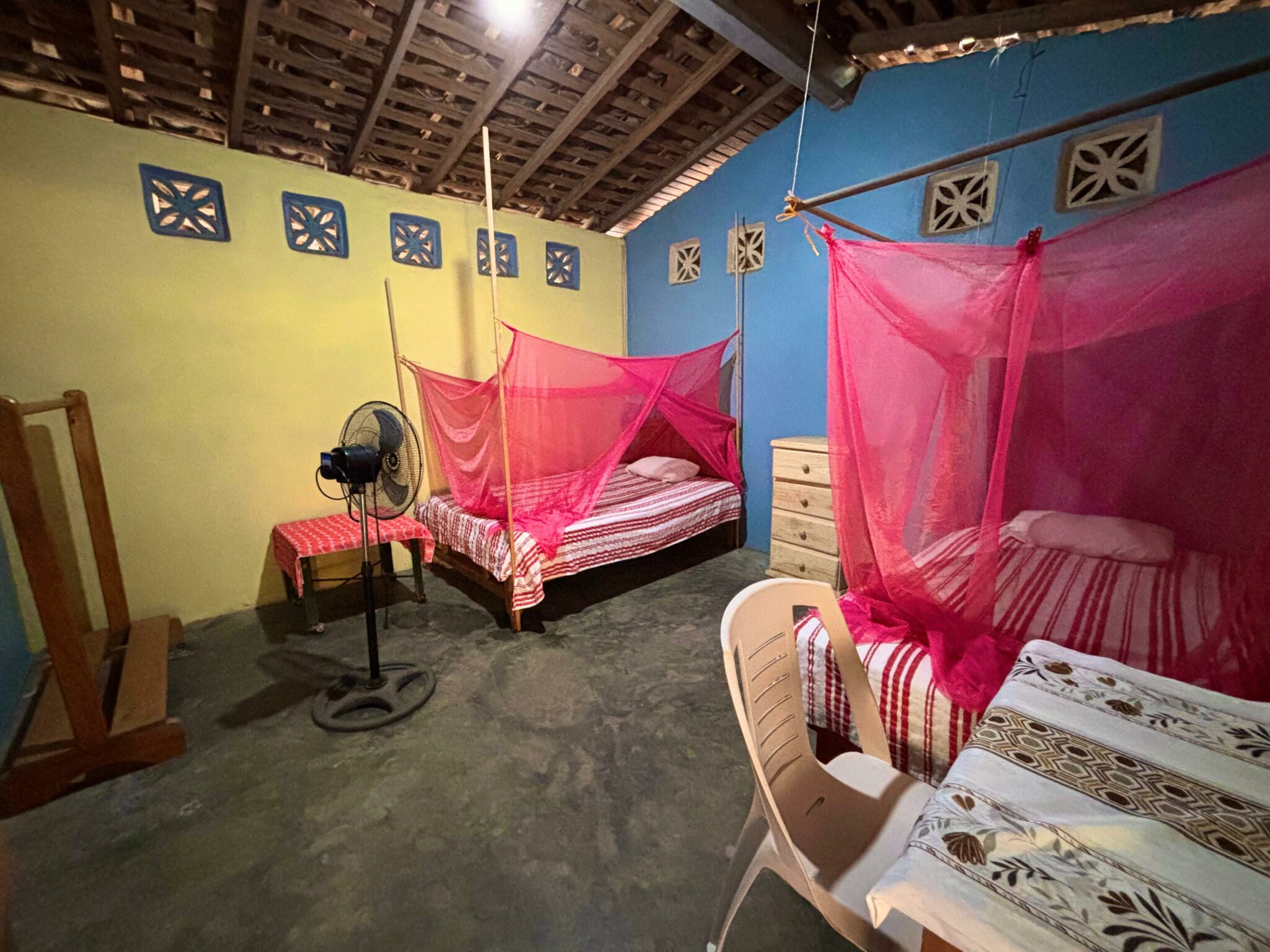
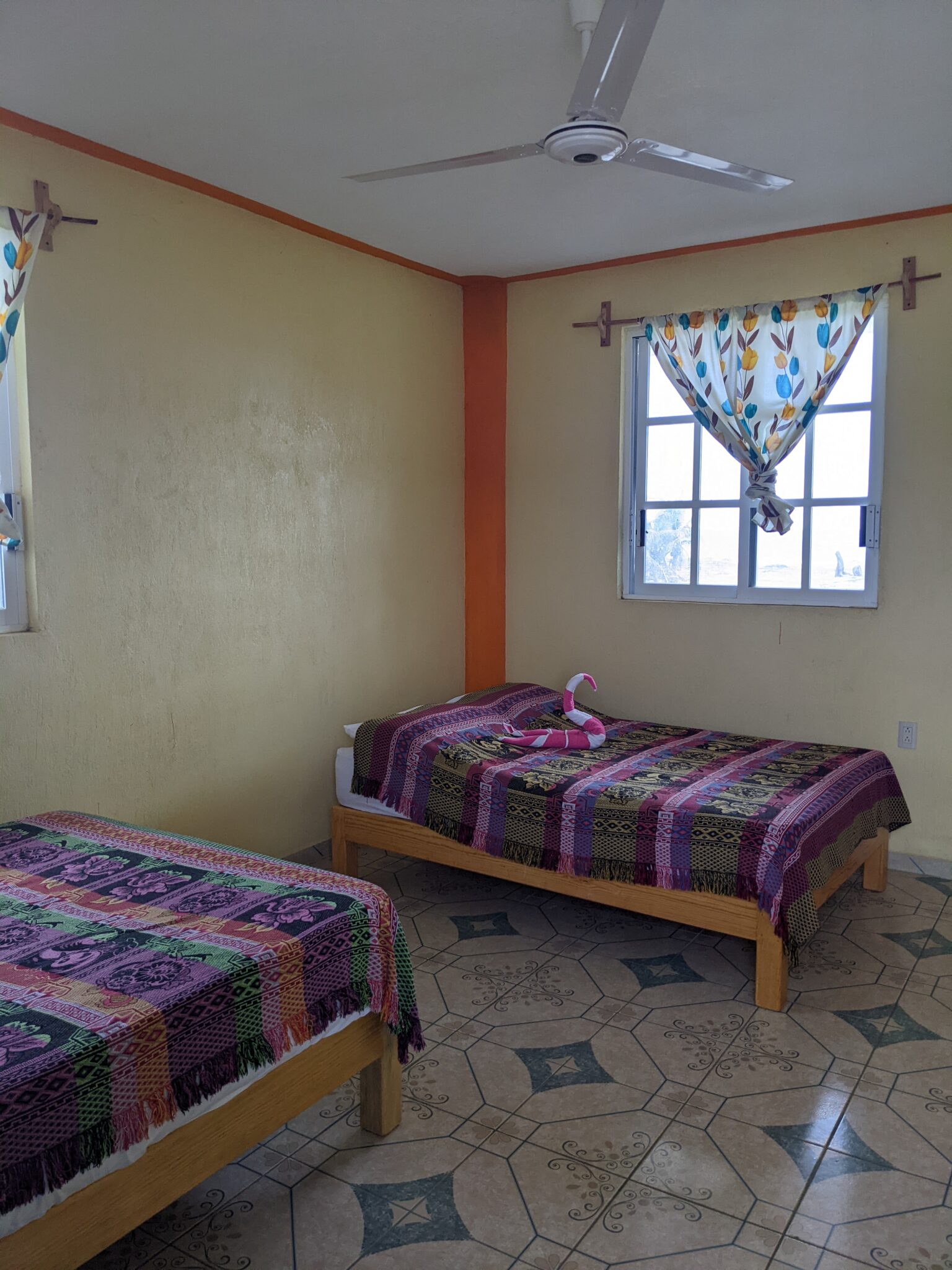
- Accommodation in rooms for 2–3 volunteers with a shared bathroom outside the room
- Breakfast, lunch, dinner, 5 days a week
- All ecotourism and volunteering activities
- Public and private transport to, between and from all activities
- Official certificate of voluntary service
- Wi-Fi
- Cookery workshop
- 24/7 emergency contact number
Not included in the price
- Travel insurance
- Flight tickets
- Personal belongings
- Departures on Mondays to join a group
Dates (2025) – departures are on Mondays to form groups
- From 6 to 19 January
- From 20 January to 2 February
- From 3 to 16 February
- From 17 February to 2 March
- From 3 to 16 March
- From 17 to 30 March
- 7–20 April
- From 21 April to 4 May
- From 16 June to 29 June
- From 7 July to 20 July
- From 4 August to 17 August
- From 18 August to 31 August
- From 1 to 14 September
- From 6 to 19 October
- From 20 October to 2 November
- From 3 to 16 November
- From 17 November to 30 November
- From 1 to 14 December
- From 22 December to 4 January
- Minimum and maximum stay: 2 to 12 weeks – one-week stays are also possible
- Ages 18 and over – Families with children aged 8 and over
- Language: English (intermediate level)
- Working hours: Monday to Friday
- Be open-minded and flexible in the face of changes to itineraries due to social or weather-related circumstances.
Food
The cuisine is mainly vegetarian and Mexican. If required, menus can be adapted to accommodate food intolerances and allergies. Meat is served as an option with certain meals.
Accommodation
Shared rooms in the various communities visited.
Arrival
Pick-up at Puerto Escondido Airport before 4.00 pm on Monday.
What to bring
- A rucksack instead of a suitcase, and a small rucksack for the day.
- Comfortable clothing for warm weather.
- At sunset, you should wear loose-fitting trousers that cover your legs to avoid the need for insect repellent, as well as long-sleeved shirts. A cap or hat.
- A sweatshirt for night patrols. From November to February.
- A waterproof jacket if you’re travelling between June and October.
- Comfortable footwear: trainers or boots for walking in the forest, sandals, and flip-flops for the shower.
- Towels and toiletries: shampoo, body wash… the team recommends solid products that are as natural as possible.
- Swimsuit (long-sleeved swimsuit to prevent sun cream from getting into the water), swimming goggles.
- For mosquitoes, the team recommends essential oils such as lemongrass, lemon eucalyptus and neem, rather than chemical repellents. (Nothing works 100% here, so make sure you wear loose-fitting clothing that covers your body.)
- A small first-aid kit tailored to your specific needs.
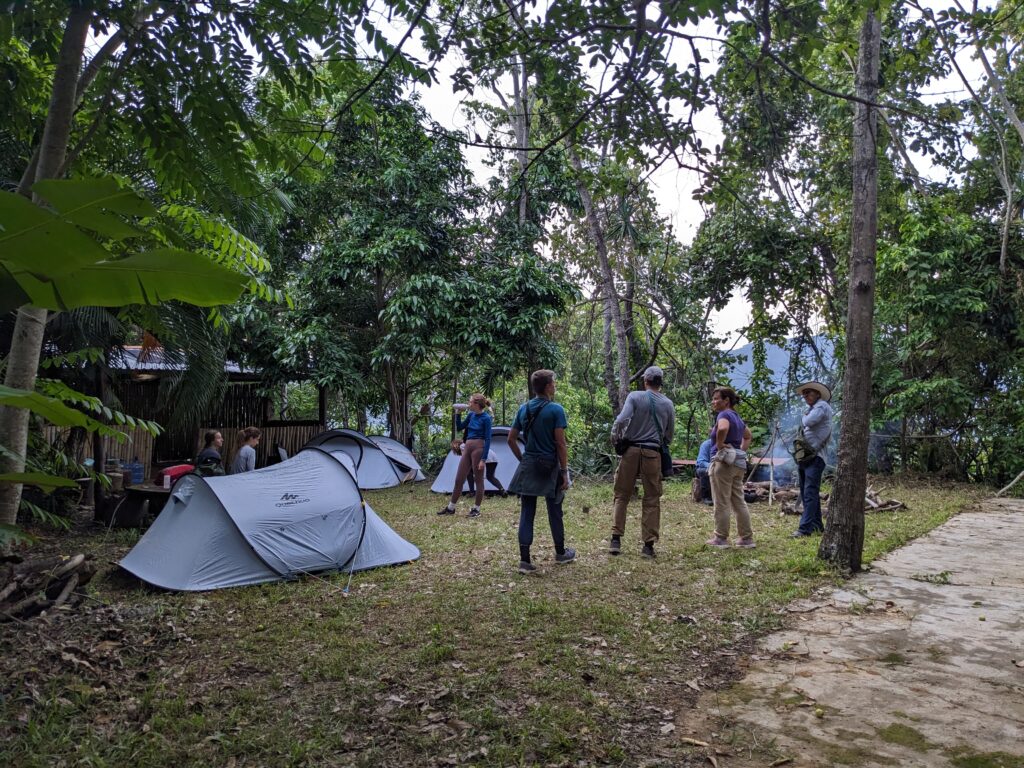
- Earplugs and a lightweight blanket for camping.
- A water bottle! Please, let’s avoid plastic
Things to see in the Oaxaca region of Mexico
- Enjoy swimming at the beaches of Puerto Escondido, Mazunte, Chacahua, etc.
- Surfing in Puerto Escondido or Chacahua
- Take a weekend trip to Oaxaca de Juárez to see Monte Albán, an archaeological site featuring pyramids, Hierve el Agua (petrified waterfalls) and historic buildings; it is the most culturally significant place in Oaxaca.
- Visit to the Tututepec Museum
- Boat tour of the Huatulco bays
Tous les avis sur les missions Tartarukus

About the Partner
The partner is a Spanish non-profit organization that supports local communities working toward environmental conservation and the development of ecotourism in the state of Oaxaca, Mexico. Tartarakus was founded in 2021 by Beatriz, who, after spending several years on the Oaxaca coast as a student and volunteer, wanted to strengthen the impact of local communities in the field of sustainable development.The association offers various volunteer experiences in the lesser-visited areas of the Oaxaca coast.
