


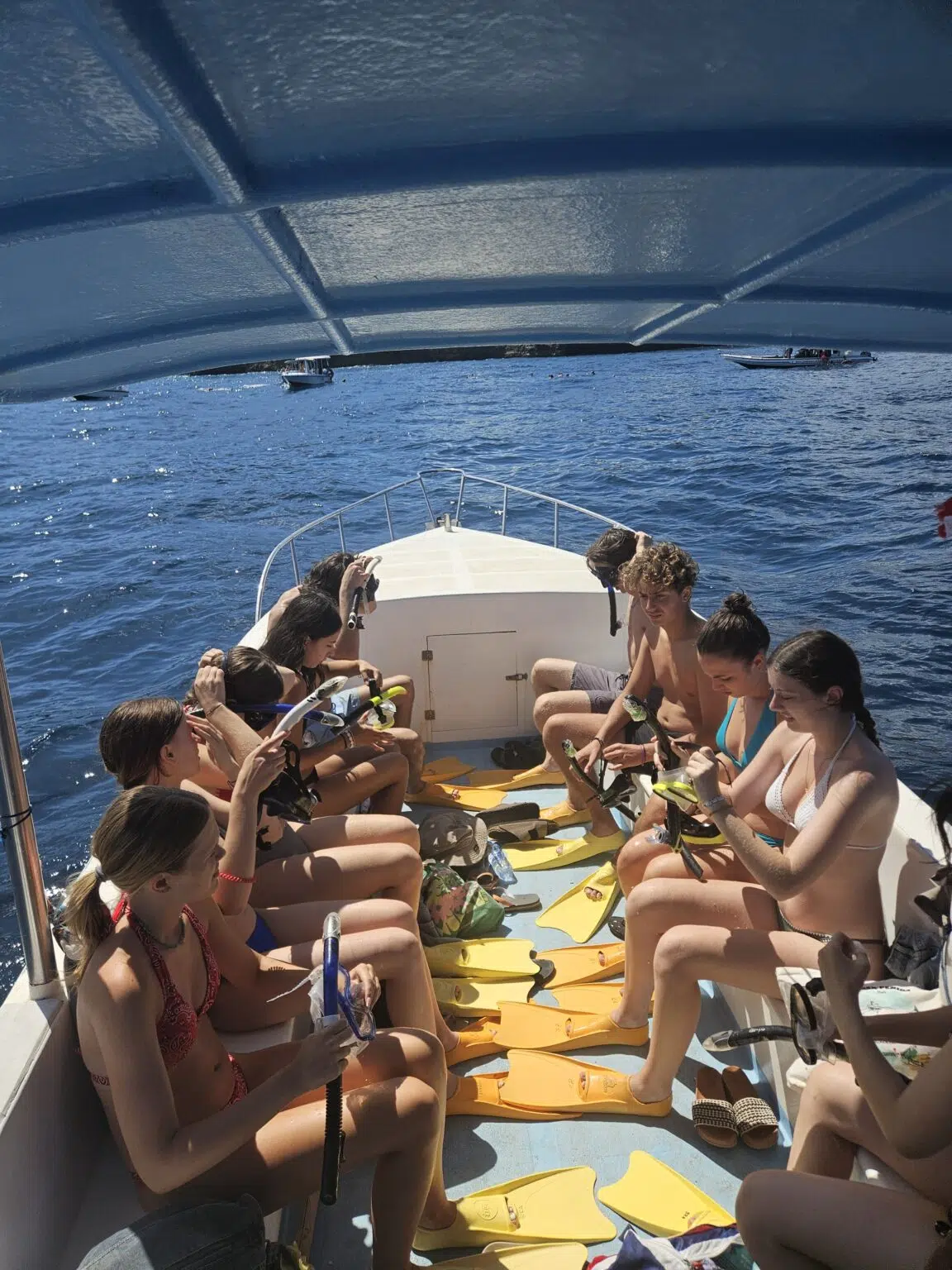

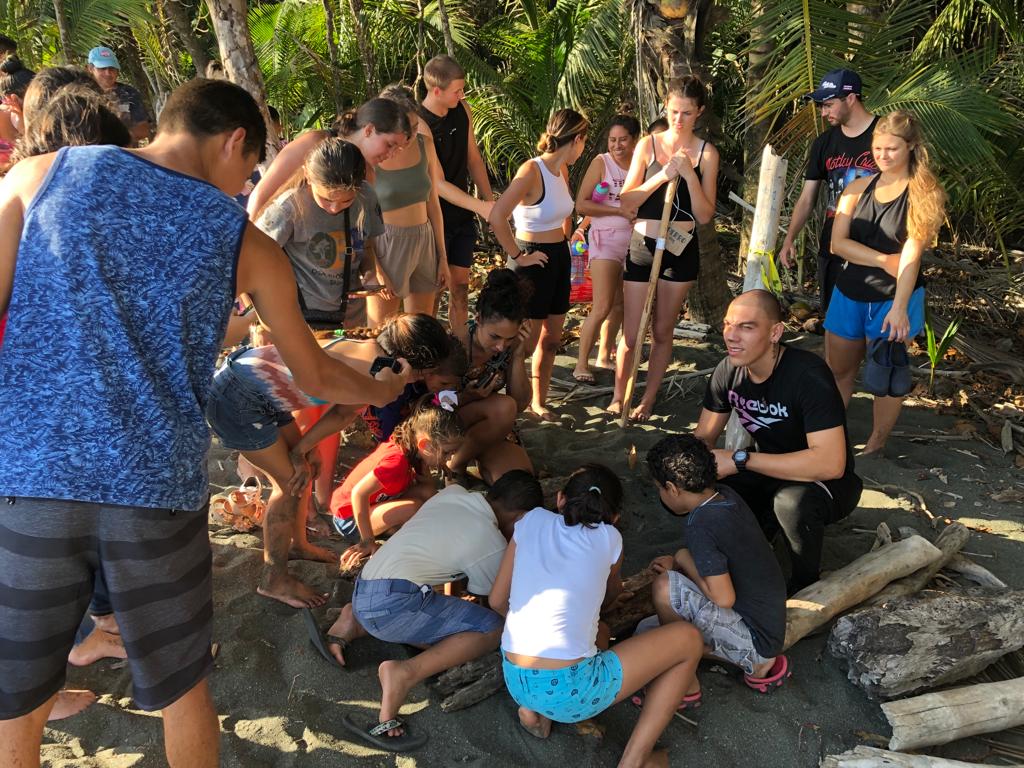
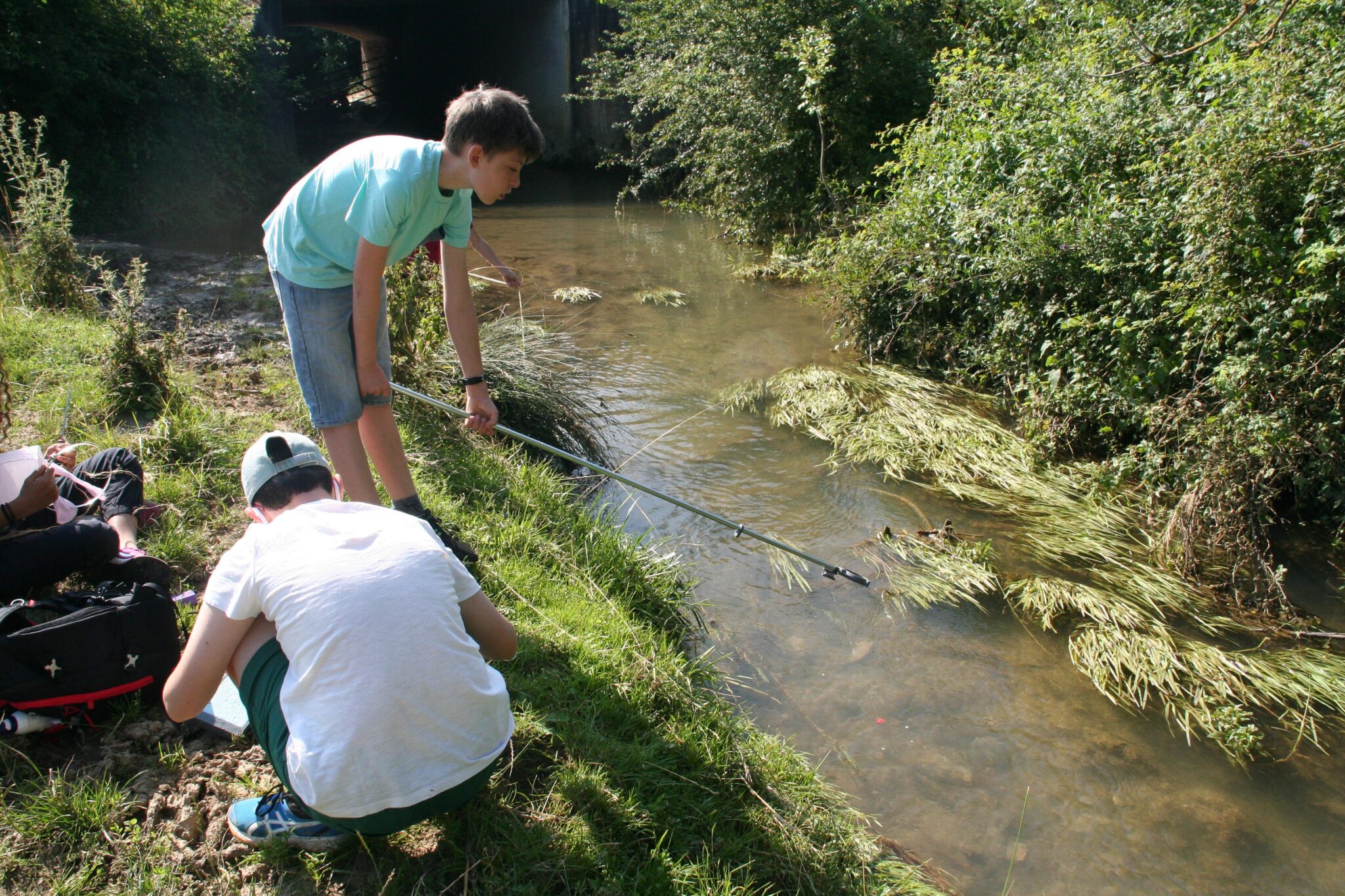
Long reserved for adults and university students, volunteering is now becoming increasingly accessible to under-18s. Through scientific holiday camps and biodiversity-focused summer camps, children and teenagers no longer simply observe nature: they help protect it, take part in impactful projects, and are introduced to scientific research.
All volunteering missions for families.
Research-Oriented Summer Camps
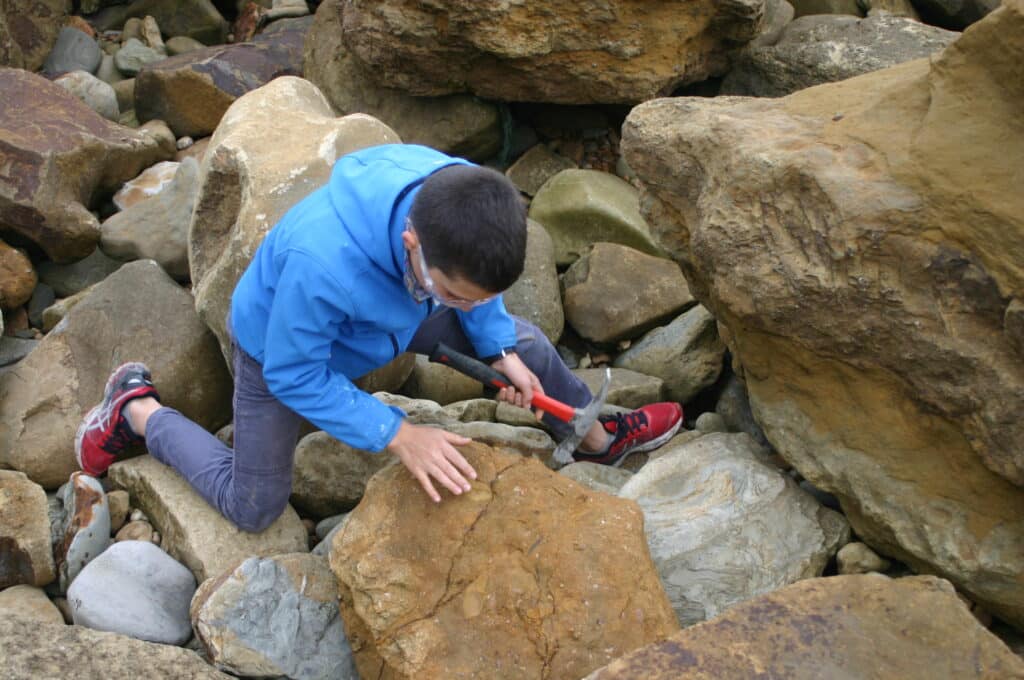
Participatory science programs for children and teenagers offer far more than simple nature activities. They immerse young people in a genuine scientific approach. Contrary to popular belief, children do not just collect data — they are introduced to scientific research itself.
Supervised by professionals, young participants take part in:
- observation protocols,
- field surveys,
- species monitoring,
- citizen science projects.
A Real Introduction to the Scientific Method
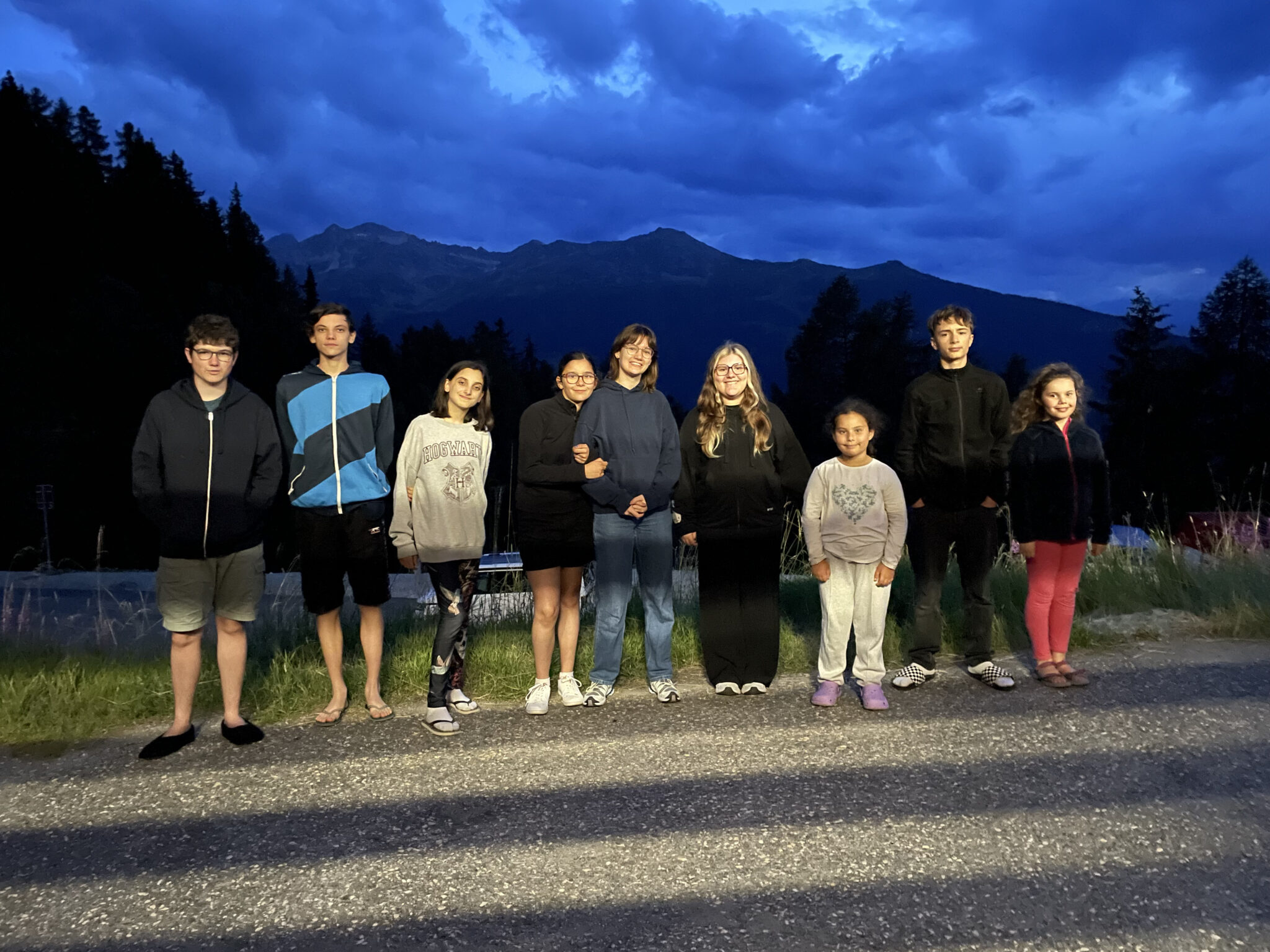
On some missions, they are introduced to the scientific method, particularly through questioning, forming hypotheses, and analyzing results. Immersed in the field, these programs help them understand that science is a process of trial and error. Participatory science stays are especially well suited to curious children who enjoy learning in real-world settings. Astronomy camps in Switzerland, for example, with their exoplanet detection program, are particularly popular.
Teen Summer Camps
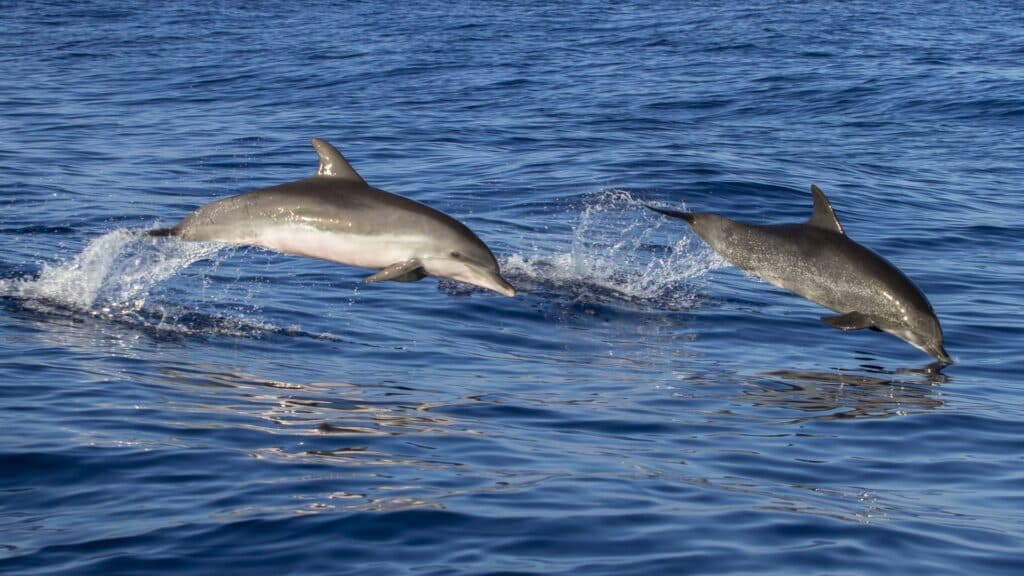
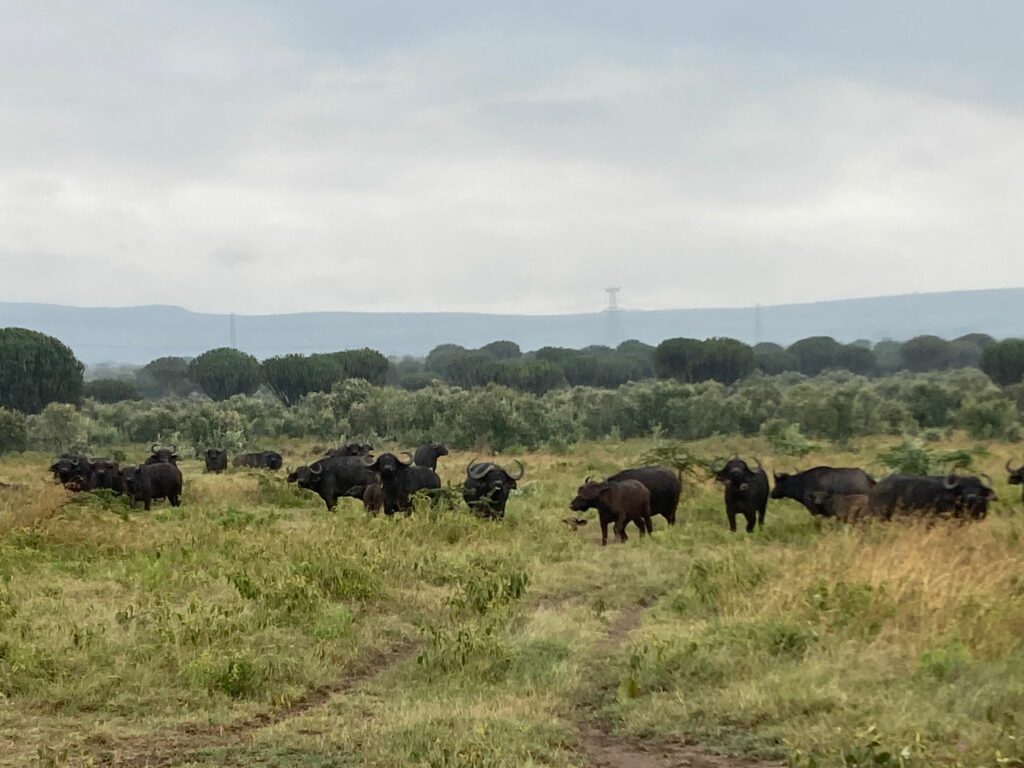
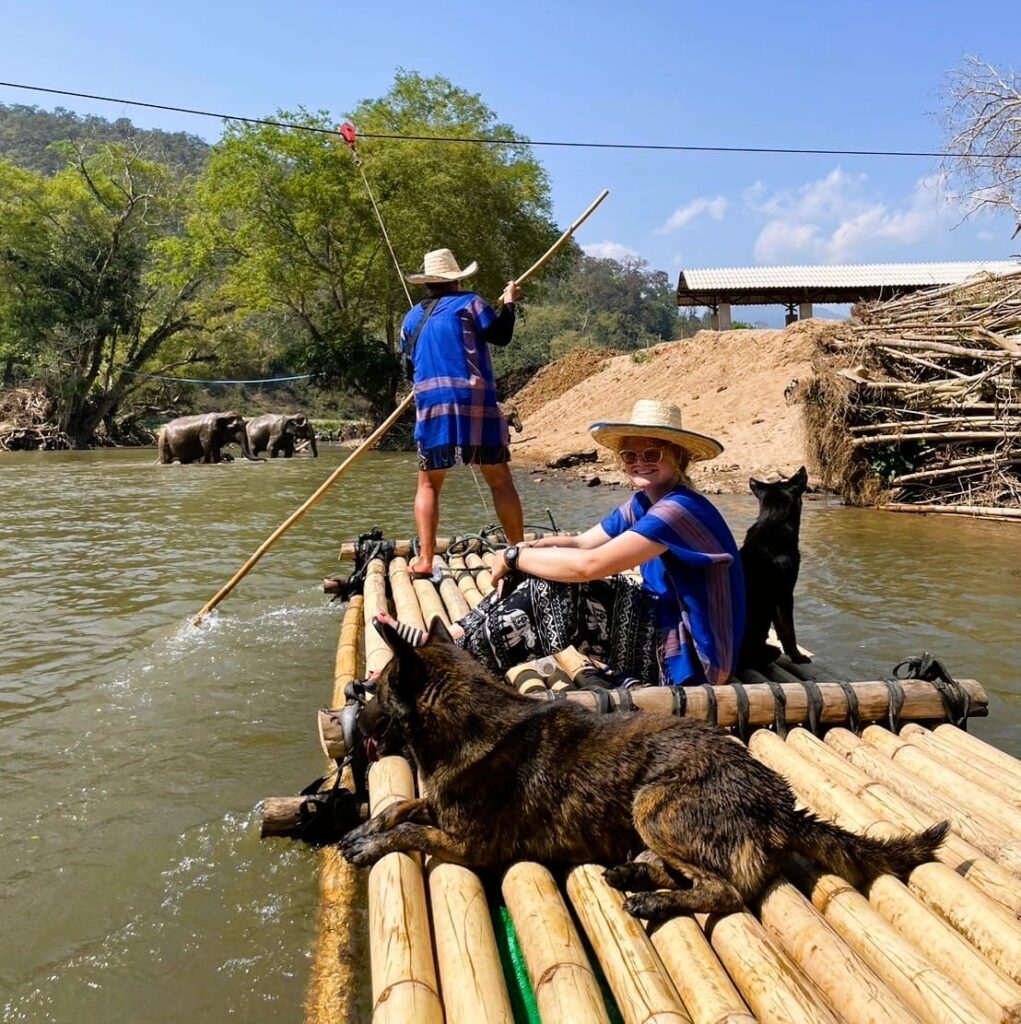
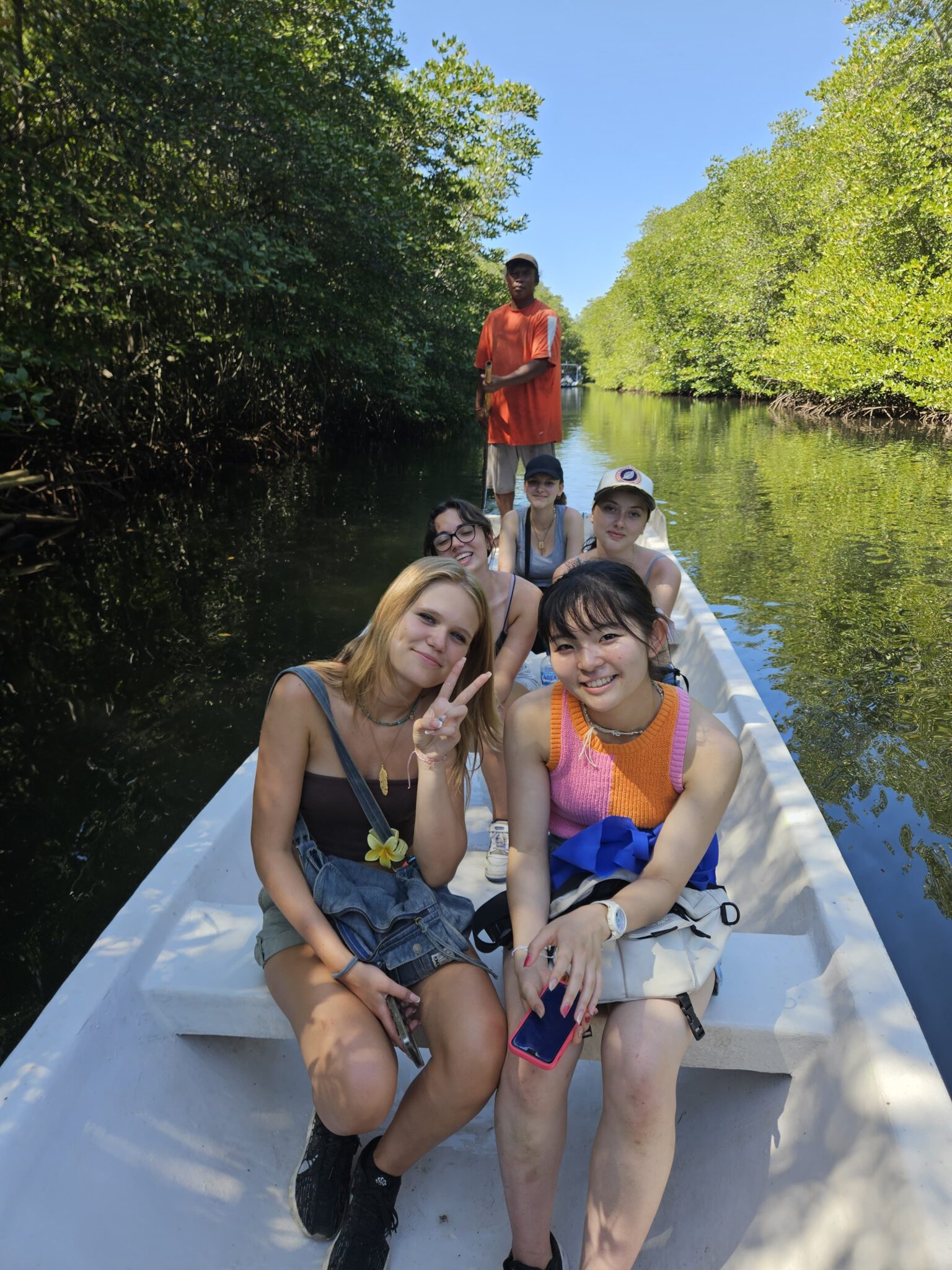
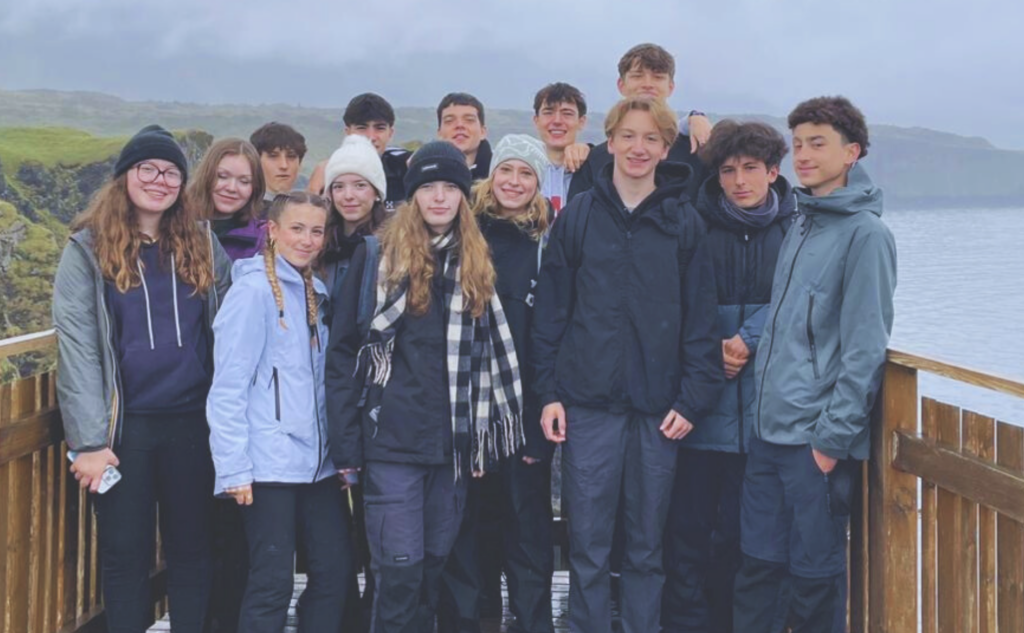
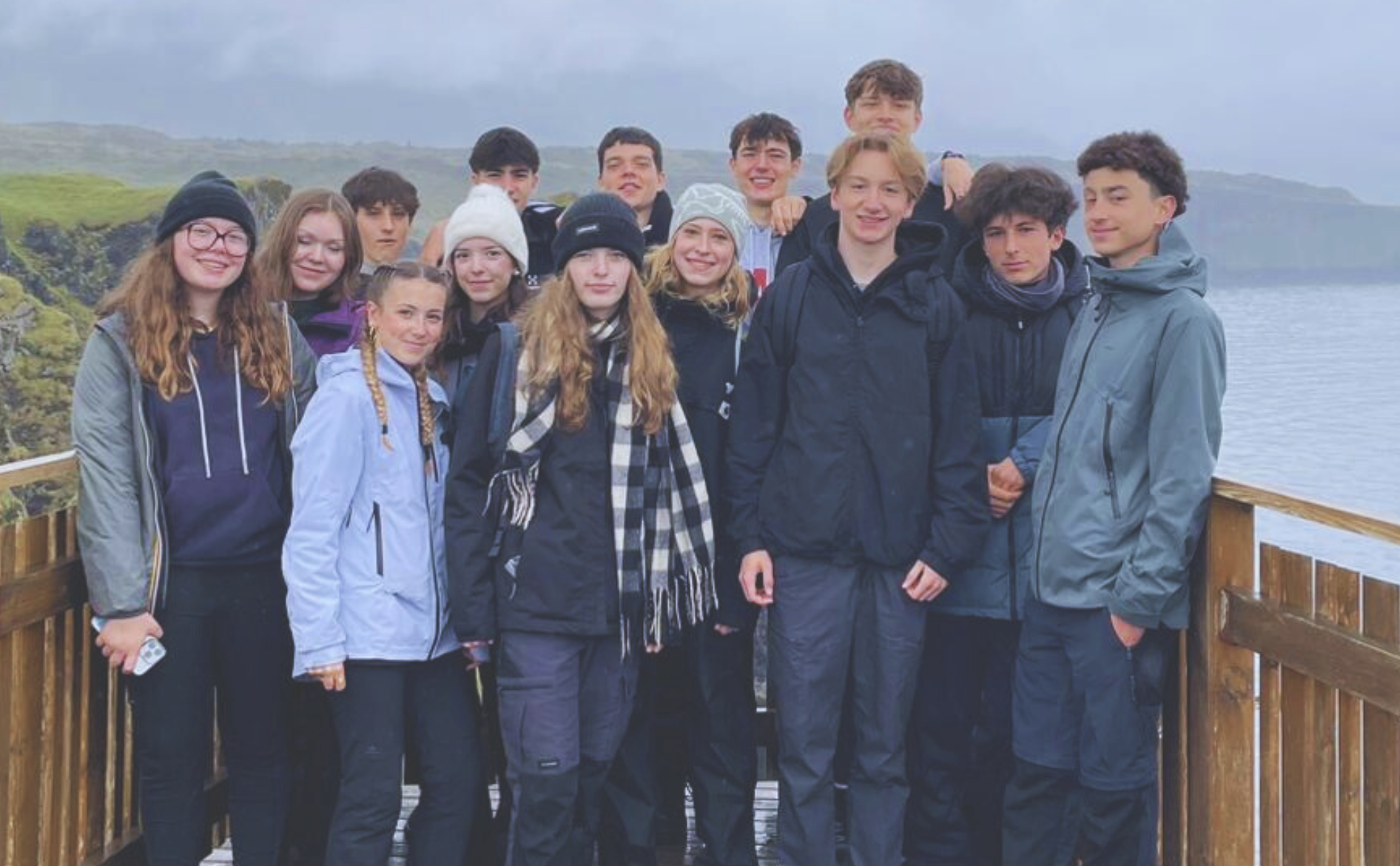
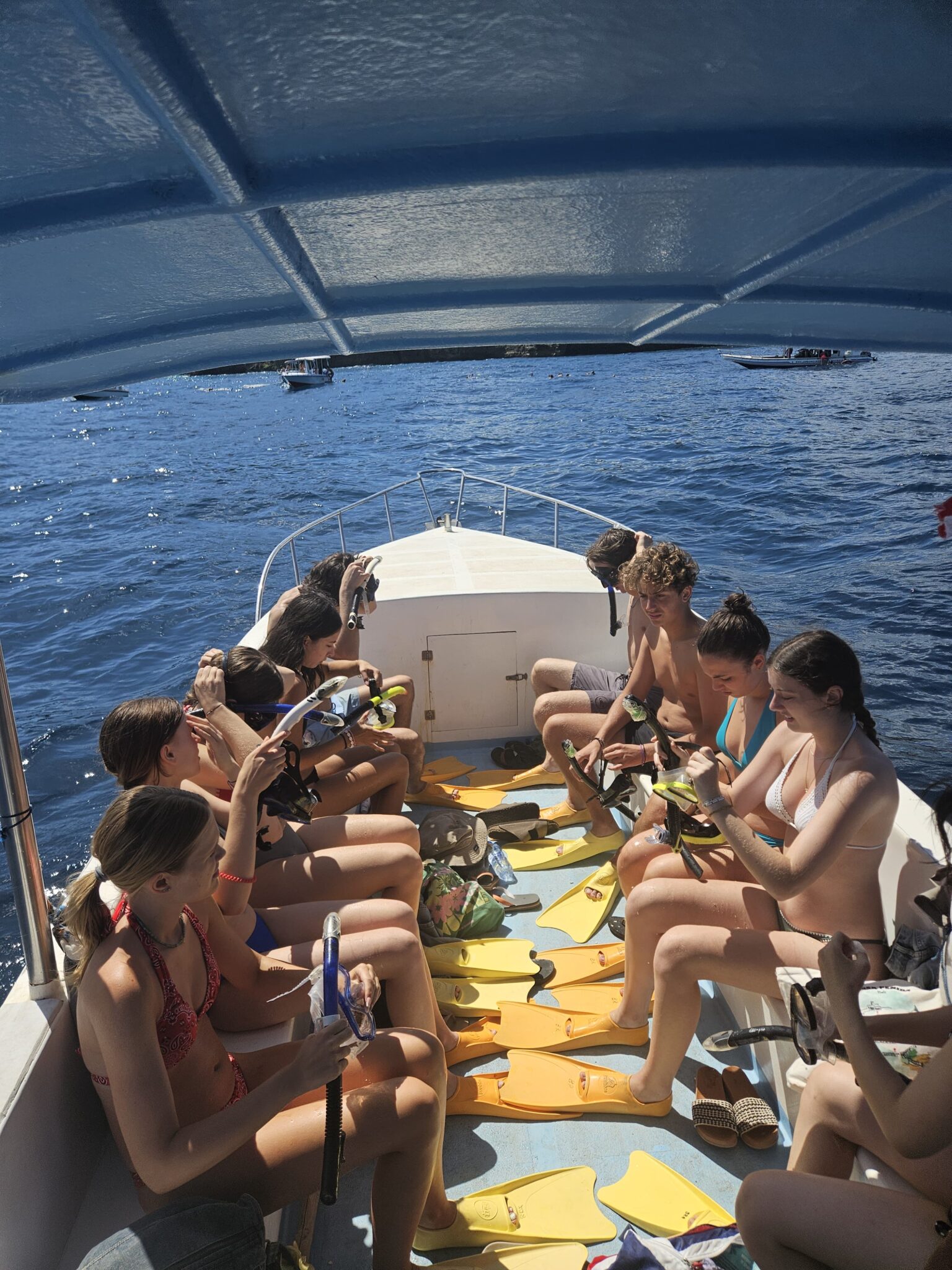
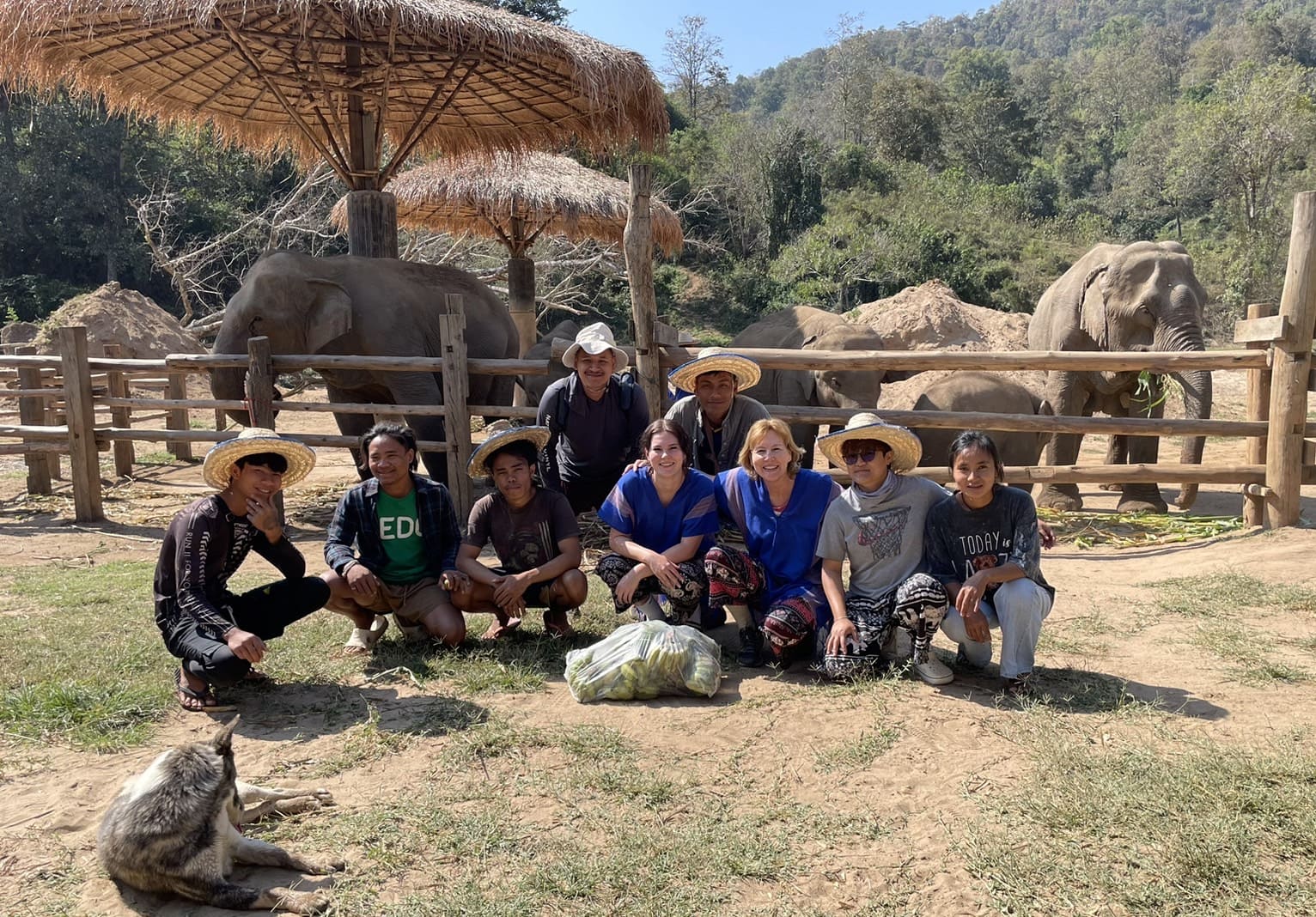
Many partner organizations offer “special teen” programs, such as elephant conservation in Thailand, sea turtle protection in Bali, or biodiversity conservation projects in Kenya and Iceland. Supervised by professionals, teenagers actively take part in environmental conservation and wildlife protection projects.
A powerful educational tool
Beyond the immersive experience itself, volunteering programs are a powerful educational tool for children and teenagers, fostering concrete, experiential, and long-lasting learning. By being directly exposed to environmental challenges in the field, young people develop a nuanced understanding of ecosystems that goes far beyond traditional theoretical learning.
This active, hands-on pedagogy stimulates their natural curiosity, strengthens critical thinking, and helps them give meaning to the knowledge acquired at school. By observing, handling, and participating, they become active agents of their own learning, which enhances retention and deepens their understanding of biodiversity-related issues.
Building engaged citizens
These experiences also contribute to building engaged citizens. By actively taking part in conservation efforts – whether protecting an endangered species, restoring a natural habitat, or collecting scientific data- young people become aware of their ability to make a difference.
They understand that their actions, even on a small scale, can have a real impact on the planet. This awareness is essential in a context where eco-anxiety is increasingly affecting younger generations: taking action helps transform concern into positive engagement.
Younger children learn to cooperate
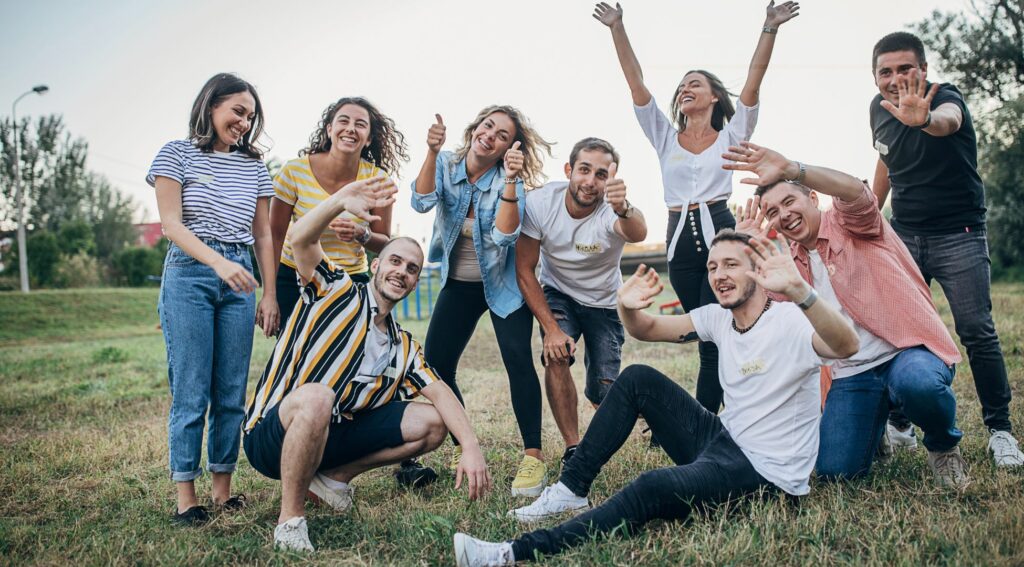
Moreover, these programs help develop valuable transferable skills: teamwork, autonomy, adaptability, and a sense of responsibility. By living and working in groups, often in intercultural settings, children and teenagers learn to cooperate, engage with diversity, and adapt to different situations. These human skills are now essential, both on a personal and professional level.
They strengthen their connection with the living world
Finally, volunteering helps strengthen an emotional bond with nature. Through direct experiences with living organisms – observing animals in their natural habitats, taking part in their protection, and understanding their fragility – young people develop a form of ecological empathy.
This emotional connection is a powerful driver for adopting more environmentally responsible behaviors in the long term. In this sense, these programs do more than raise awareness: they help shape a generation that is more conscious, more responsible, and more committed to preserving biodiversity and the planet.