 Français
 English






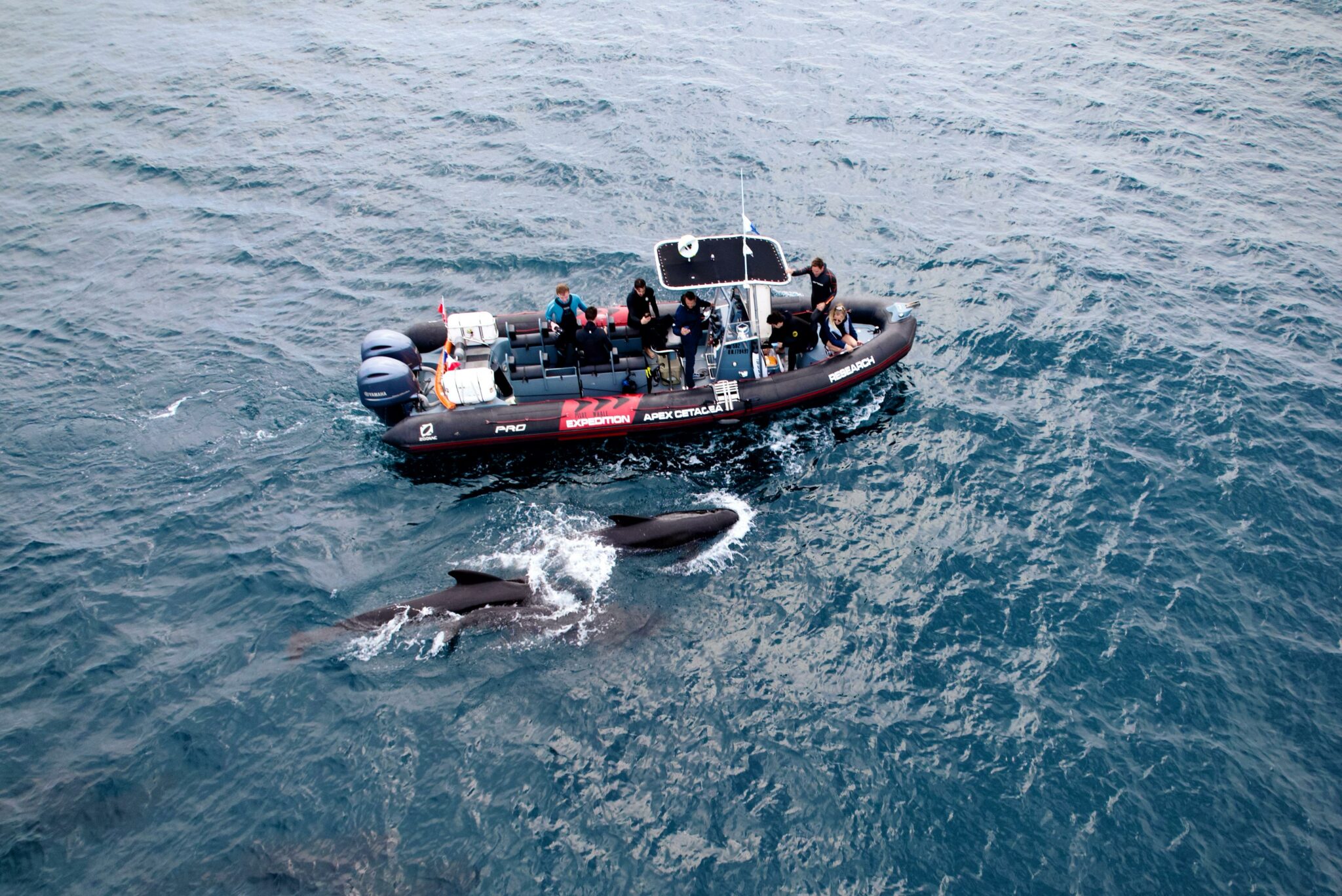




Climate change, overtourism, mass tourism, biodiversity collapse… More than ever, tourist activities and travel are being pointed to as responsible for the general degradation of the environment. Yet travel remains a precious tool for promoting peace in the world by allowing every citizen to confront otherness. Many organisations, such as the World Tourism Organization (UNWTO), a specialised agency of the United Nations, are committed to promoting responsible, solidarity-based and sustainable tourism. And this, with a view to achieving the 2030 Sustainable Development Agenda and the Sustainable Development Goals (SDGs).
What is ethic travel ?
Responsible travel is a form of travel that respects the visited country from a cultural, economic and environmental perspective. The money you pay for your stay is reinvested into the local economy. Meeting and exchanging with the local population are prioritised, and your ecological footprint is not excessive.
The five pillars of responsible travel
- The involvement of local communities in the various phases of the tourism project
- Encounters and respect for people, cultures and nature
- A more equitable distribution of generated resources
- Raising awareness among travellers and preparation for the trip (waste management, resource management)
- Local economic benefits.
What label exists for solidarity and fair travel?
Association for Fair and Solidarity Tourism
ATES (Association pour le Tourisme Equitable et Solidaire) brings together players in the fair and solidarity tourism sector. Founded in 2006, it groups together tour operators committed to making travel a lever for development and international solidarity. ATES awards a “Guaranteed Fair and Solidarity Tourism” label, which ensures travellers a unique travel experience that respects people and cultures. This Fair Tourism label was created in 2014 to guarantee travellers an ethical and solidarity-based form of tourism in France and around the world. Today, 17 organisations (tour operators, accommodation providers, tourist offices and activity providers) carry the ATES label.
Acting for Responsible Tourism
ATR has developed a label that guarantees travel operators’ compliance with responsible tourism commitments, with operators working together to improve travel quality. Agir pour un tourisme responsable (ATR) has created an evaluation system for travel operators wishing not only to act in favour of responsible tourism, but also to demonstrate their commitment. Travel operators are invited to provide evidence of the actions they have put in place for responsible tourism. Between 2006 and 2014, ATR entrusted AFAQ AFNOR with the implementation of a service commitment certification, based on a “Towards Responsible Tourism” framework.
Participatory and Committed Travel
Participatory travel or tourism carries a strong social and environmental dimension. It was born out of a strong desire on the part of travellers to act concretely and positively in the countries they visit. In participatory tourism, the host population involves the visitor in their daily activities. Participatory tourism is a way of reinventing the relationship with hosts by prioritising the richness brought by intercultural exchange.
Positive Impact on Biodiversity
The traveller who chooses this type of alternative stay is looking for a certain authenticity in human relationships. They also seek to have a positive impact on biodiversity. Very often, their actions are directed towards environmental projects such as saving endangered species or planting trees.
Ecovolunteering, Scientific Travel, Humanitarian Travel
Under the banner of participatory and solidarity travel, ecovolunteering stays, scientific travel and humanitarian travel are also mentioned. These types of committed travel are of course part of the participatory travel family. However, nuances exist. Scientific holidays, for example, is a concept invented and popularised by the NGO Objectif Sciences International (OSI). This NGO specialises in scientific stays, science and participatory research. It considers education to be the driving force behind the Sustainable Development Goals. OSI offers various participatory science stays for both adults and minors. Ecovolunteering, which has been developing since the early 2000s, was conceptualised by several associations including Cybelle Planète, which had carried out participatory work to create the ecovolunteering charter in which Cap sur l’écovolontariat had participated.