Français
 English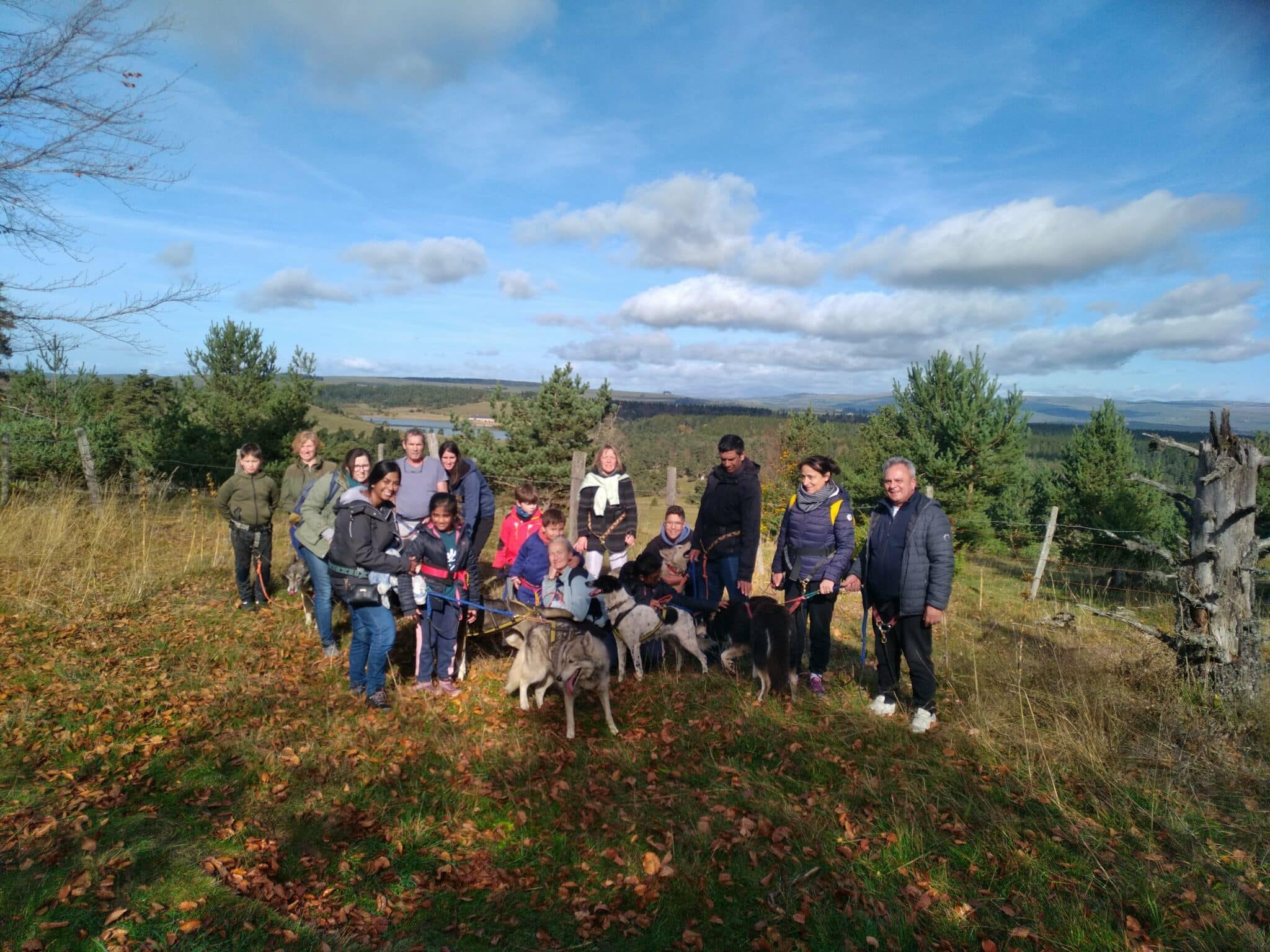


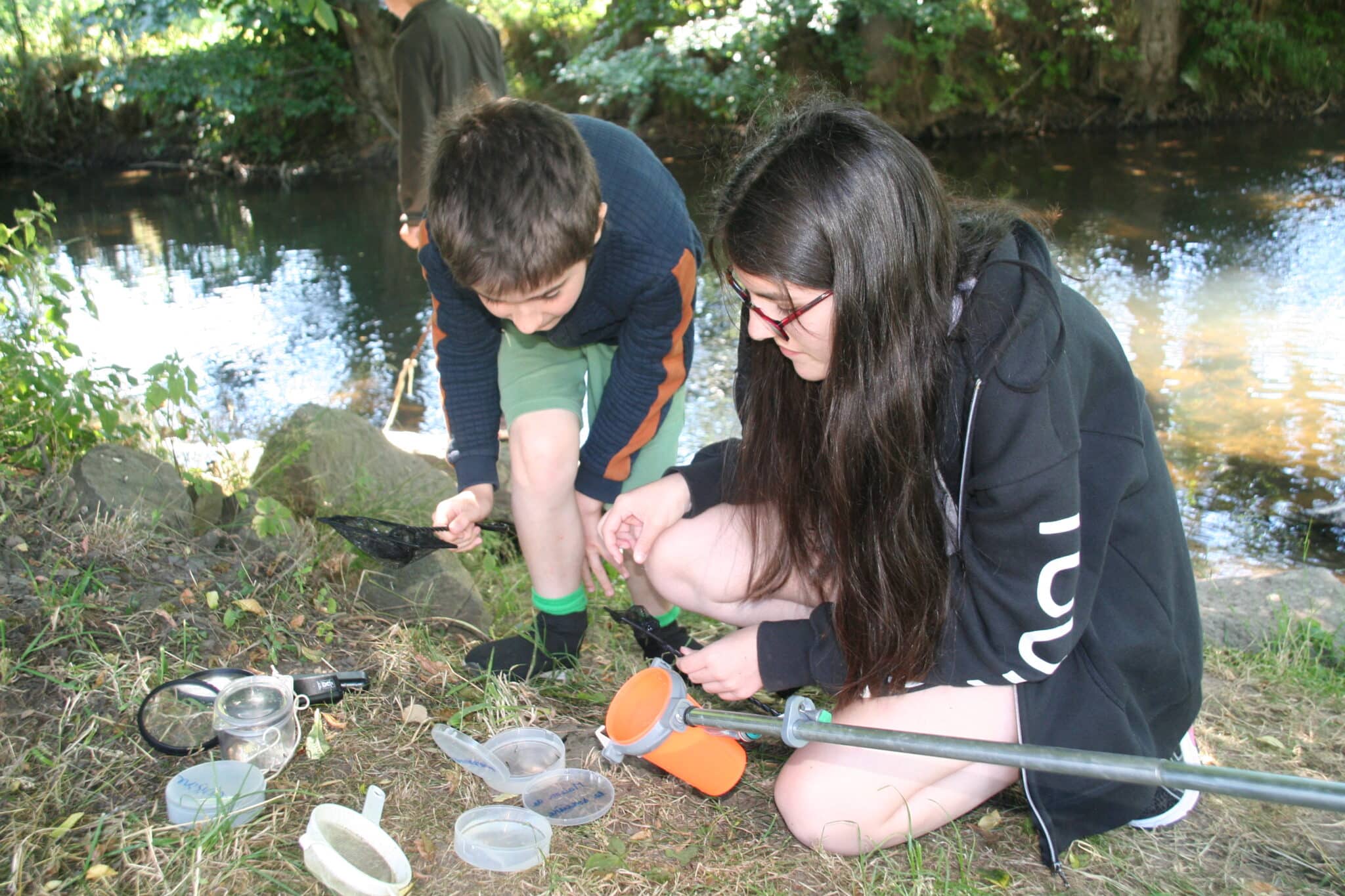
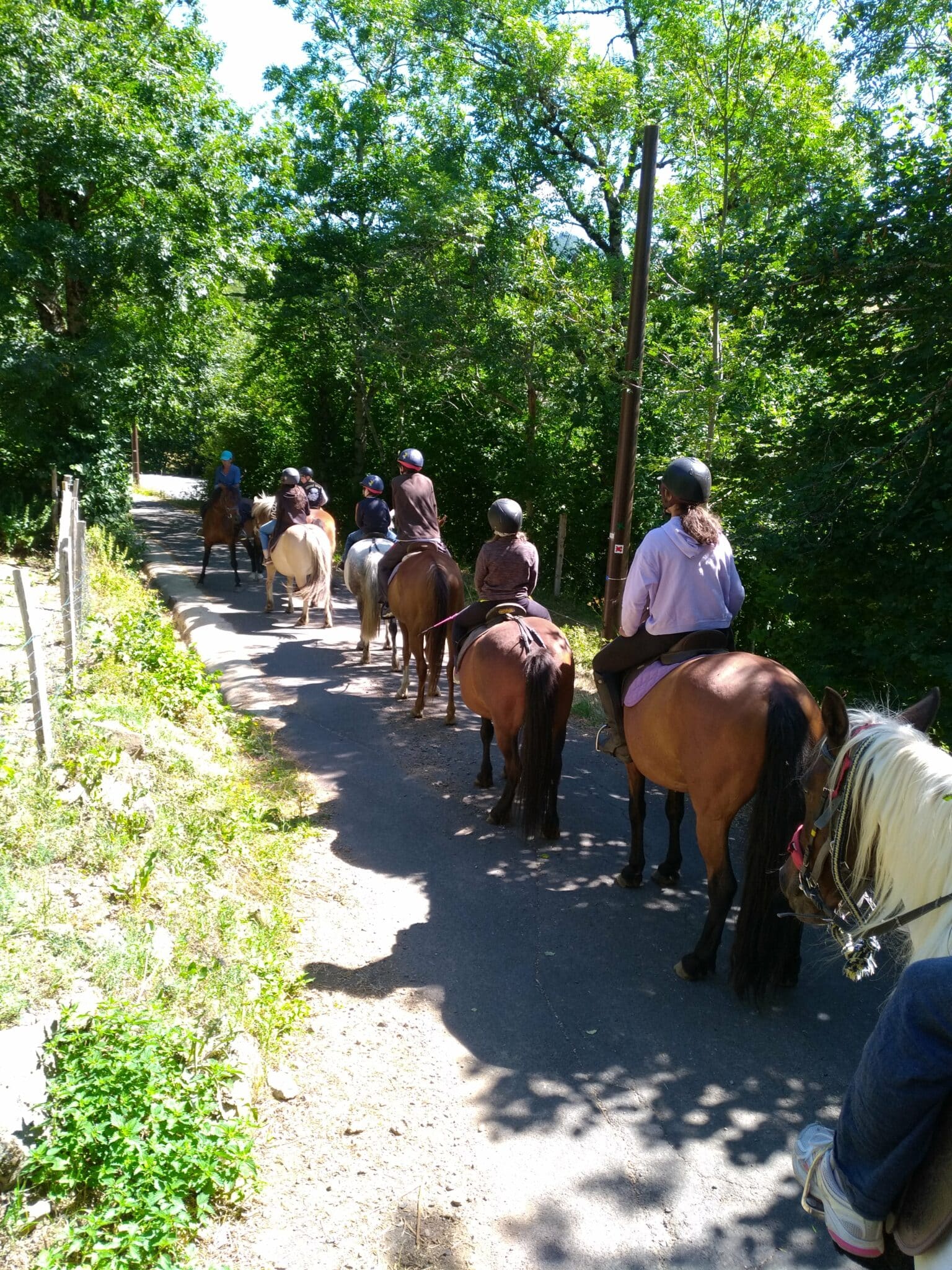
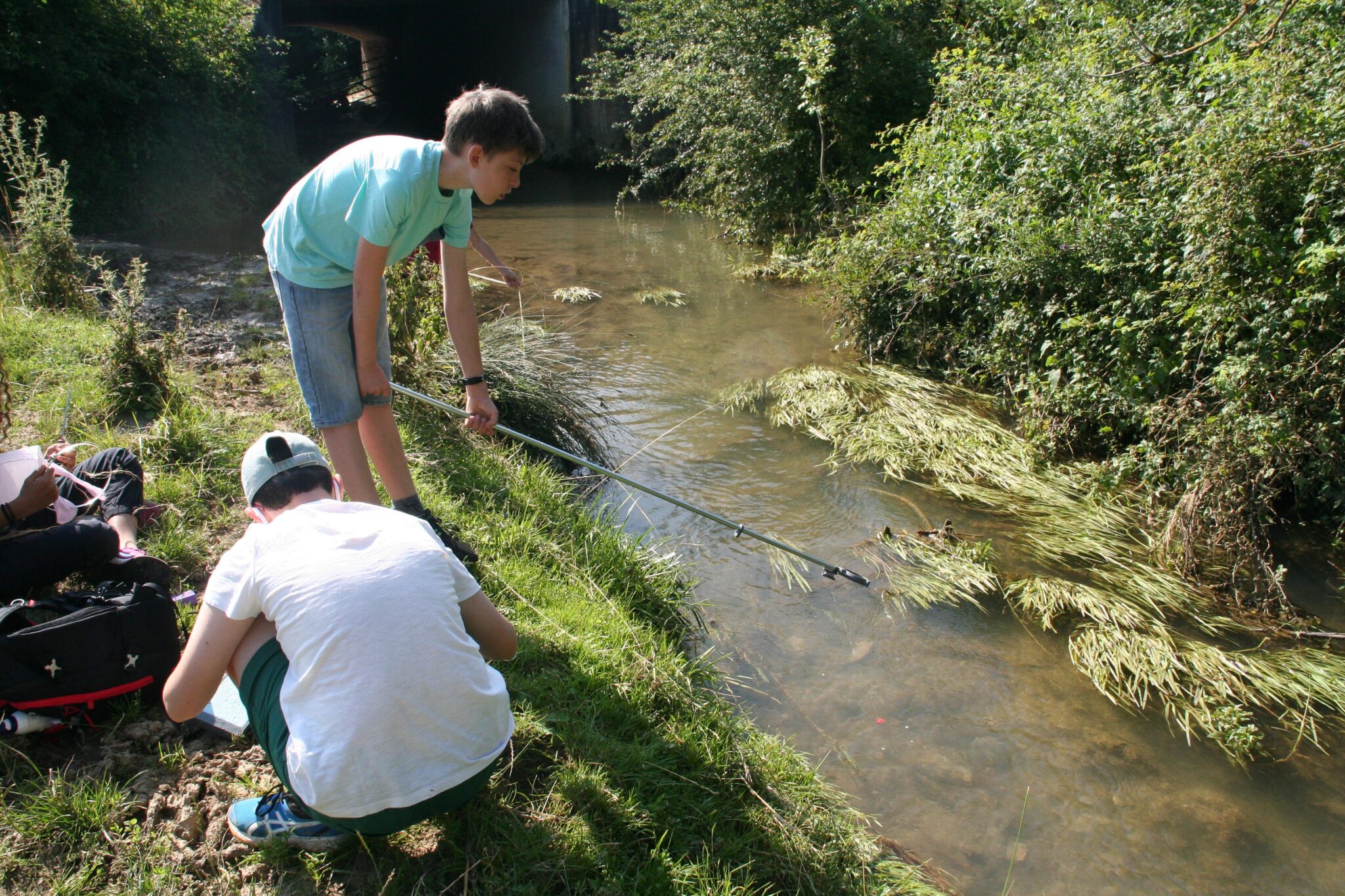

Have you ever thought about taking your family on a participatory science adventure? It’s possible thanks to our partner, who specialises in science holidays. These trips allow you to enjoy an enriching family experience whilst actively participating in research projects. These educational family holidays have the advantage of allowing young children to take part in the adventure of science. All science holidays here
The research project
This scientific research project has been running for 20 years, in partnership with local councillors who are actively committed to preserving water quality and aquatic environments in the Cantal region. The good health of rivers, lakes and wetlands is indeed a key factor in the vitality of a region. However, how can we tell if a stream is of good or poor quality? What actions could be taken to protect this fragile environment? What links exist between the water and the surrounding landscape? It is to answer these questions that these eco-participatory holidays are organised.
Learn as a family!
This family-friendly science holiday takes place in France, in the Cantal region, at the heart of one of Europe’s largest volcanic ranges. You’ll be based in Coltines, a village bordering the Auvergne Volcanoes Regional Nature Park. Your days will be filled with moments of relaxation, discovery and learning.
On-the-ground initiatives
Under the guidance of researchers or science educators, you will carry out a range of field activities designed to analyse the various components of the environment in which you will be working. Together with your children, you will learn to identify different types of water pollution using research equipment. You will discover stunning landscapes on horseback rides and dog-led hikes
Water testing and horse riding
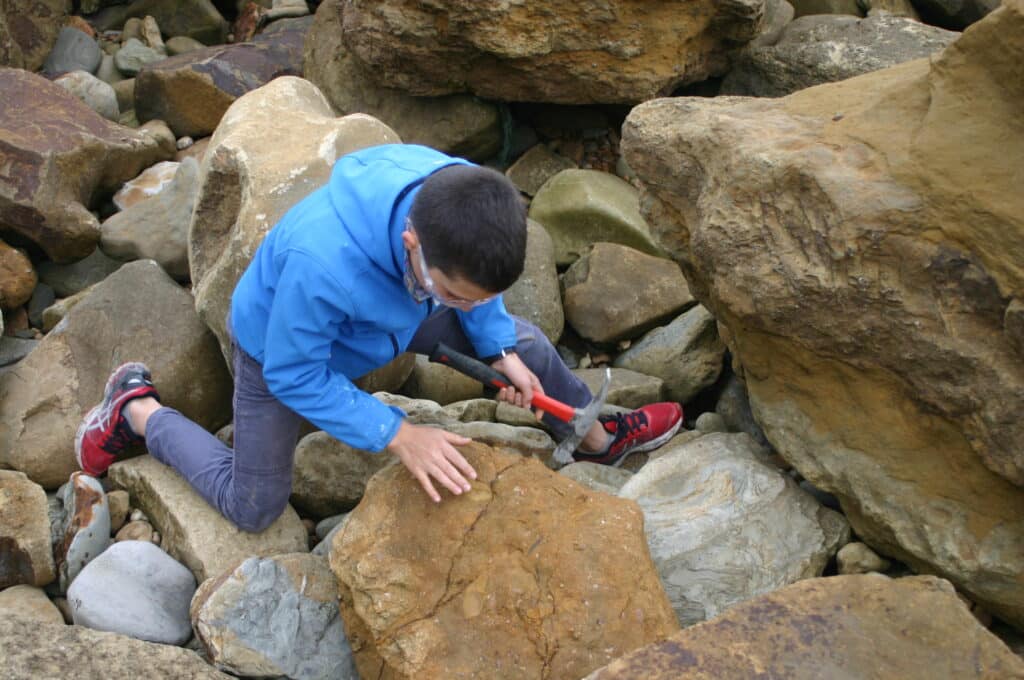
You will walk along the Alagnon River to the town of Murat. You will take samples to measure specific parameters (pH, temperature, conductivity, depth, flow velocity) and to identify the macroinvertebrates present in the water. You will study the condition of the riverbanks. Back at the centre, you will analyse chemical indicators of agricultural pollution (nitrate, ammonium, phosphate). You will also study the geology by collecting volcanic rock samples and analysing them under a microscope. In addition to your scientific project, a range of sporting and cultural activities await you: horse riding, dog sledding, a visit to a crater…
Prices
- €1,630 for one week and €3,099 for two weeks for participating adults and children and teenagers aged 7 to 17
- €599 for 1 week and €999 for 2 weeks for accompanying adults and children under 6
Dates
- From 26 July 2026 to 2 August 2026
- From 26 July 2026 to 9 August 2026
- From 2 August 2026 to 9 August 2026
- To be motivated
- Ideal for families
Accommodation
The first week
- You will be staying at the Ferme de Ruisselet, which was completely renovated in 2021. It is situated in Roffiac, a charming village full of character perched at an altitude of 850 metres, just 3 kilometres from Saint-Flour, a City of Art and History.
- The gîte enjoys a prime location in the heart of an exceptional natural landscape, in the immediate vicinity of the Cantal volcanic massif (Puy Mary, Plomb du Cantal, etc.), the Aubrac, the Truyère Gorges and the Margeride.
- With capacity for 18 guests, this brand-new, self-catering cottage is the result of the careful renovation of an old barn in the traditional Auvergne style.
- It has six cosy and comfortable rooms, each accommodating between 2 and 5 people, and each with its own en-suite bathroom and toilet.
The second week
- The stay will take place at the Chantarisa Centre, a facility that was refurbished in 2020, located in the village of Coltines, deep in the mountains at an altitude of 1,000 metres.
- This area offers easy access to several major natural attractions: the Cantal volcanoes (including Puy Mary and Plomb du Cantal), the Aubrac plateaus, the Truyère Gorges and the landscapes of the Margeride.
- Accommodation is provided in shared rooms of various sizes (sleeping 2, 4 or 6 people), each with its own bathroom facilities and washbasin.
- Meals are served in two welcoming dining areas. The food is prepared on site, with particular attention paid to nutritional balance, menu variety and child-friendly options. Local produce takes centre stage in iconic regional dishes such as aligot, truffade and Auvergne potée.
Les avis de toutes les missions Objectif Sciences international

About our partner NGO
The partner NGO holds Special Consultative Status with the UN (ECOSOC) and is a member of the AAAS Science and Human Rights Coalition. Specialising in science trips, science and participatory research, the NGO believes that education is the driving force behind the Sustainable Development Goals. It offers a range of participatory science trips for both adults and children.