Français
 English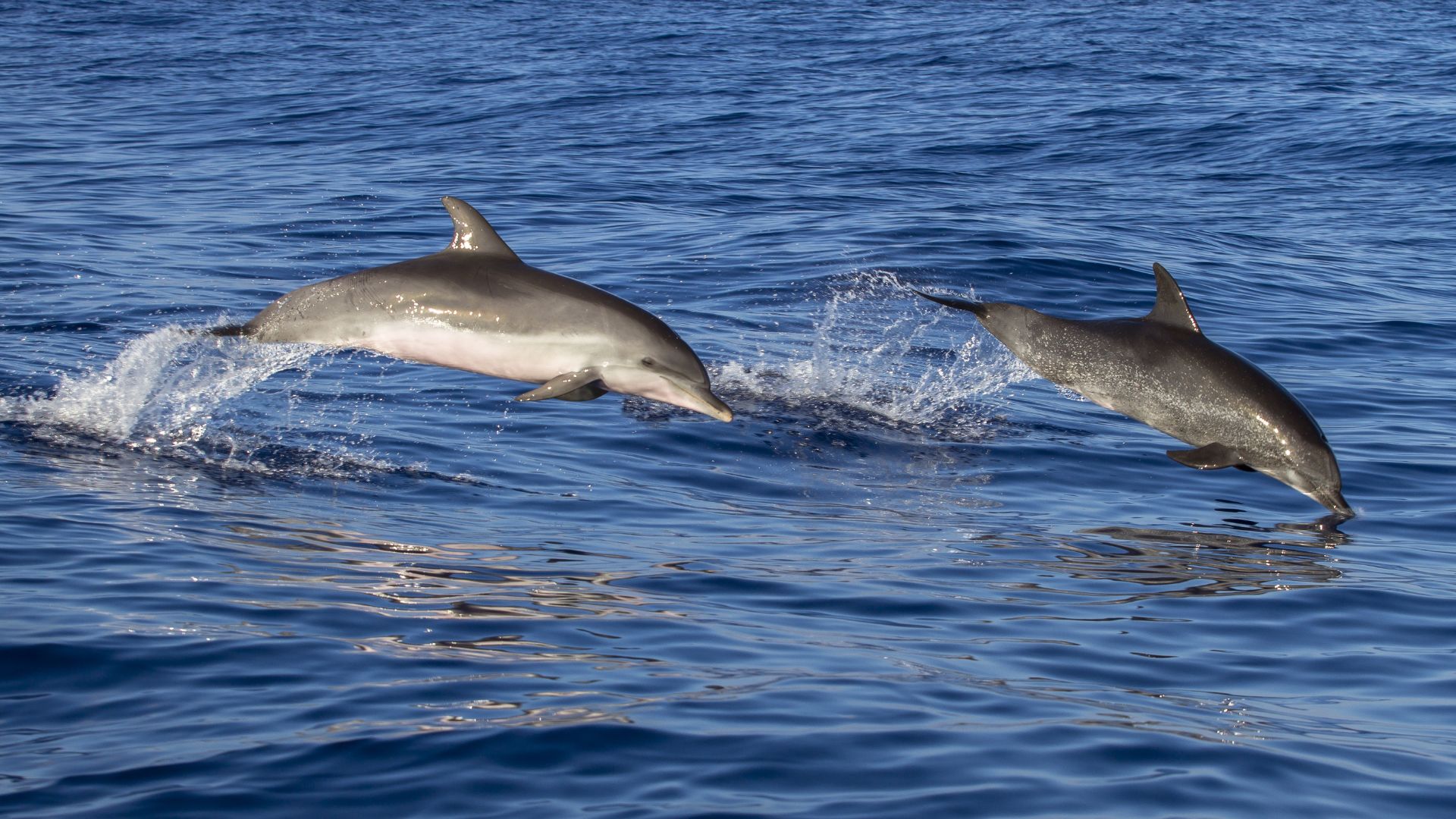




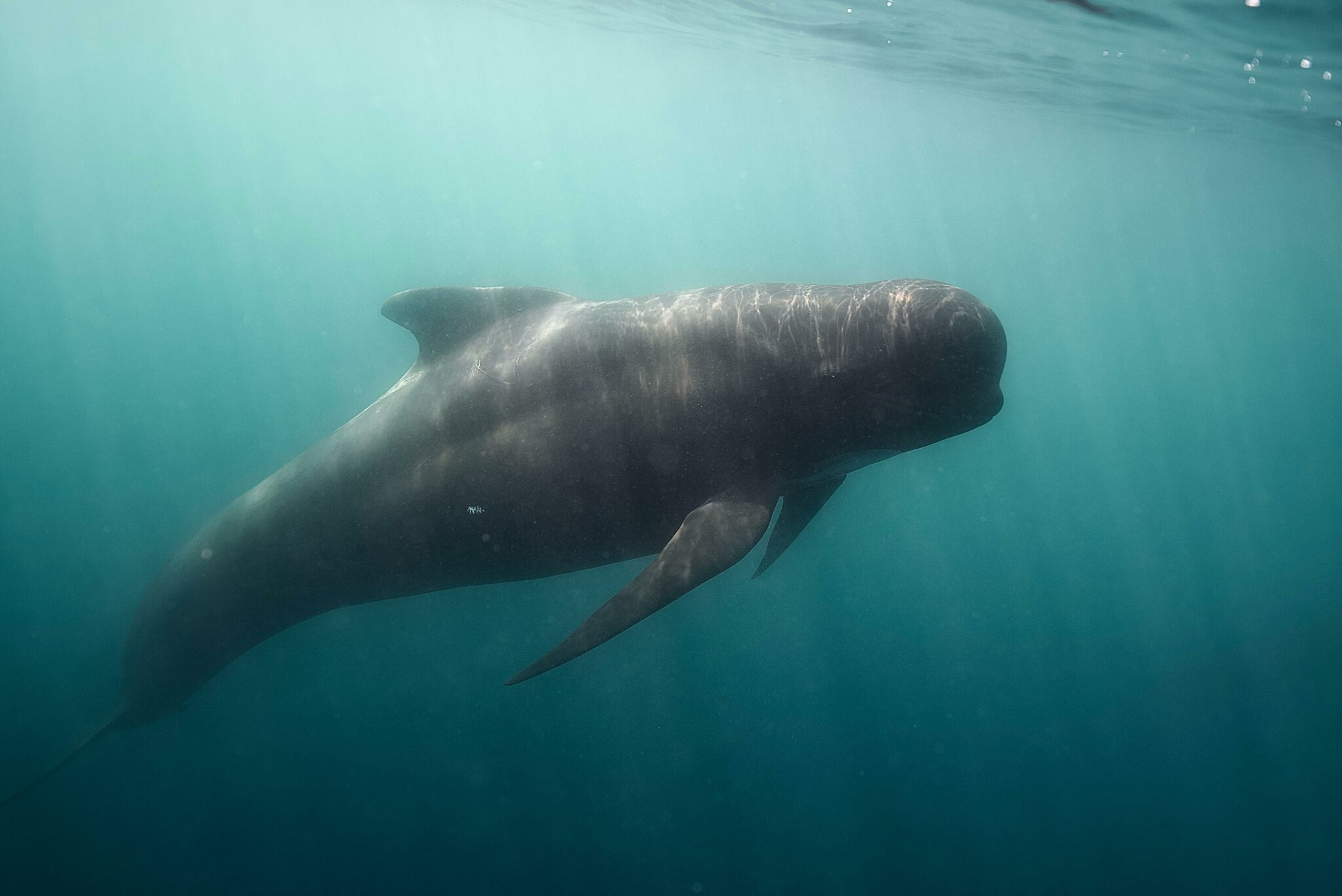
Set sail for a unique experience off the coast of Capbreton, in the Landes region, to discover marine mammals and offshore wildlife. All cetacean program here
The scientific project off the coast of Capbreton
Set sail from Capbreton, in the Landes region, to take part in the observation and identification of marine mammals and pelagic wildlife.
The Gouf of Capbreton
The Gouf de Capbreton, an underwater canyon unique in Europe, forms a mosaic of habitats that supports exceptional biodiversity. Here, you can witness spectacular hunting scenes, with tuna leaping out of the water, or come across astonishing sunfish.
Indicators of ocean health
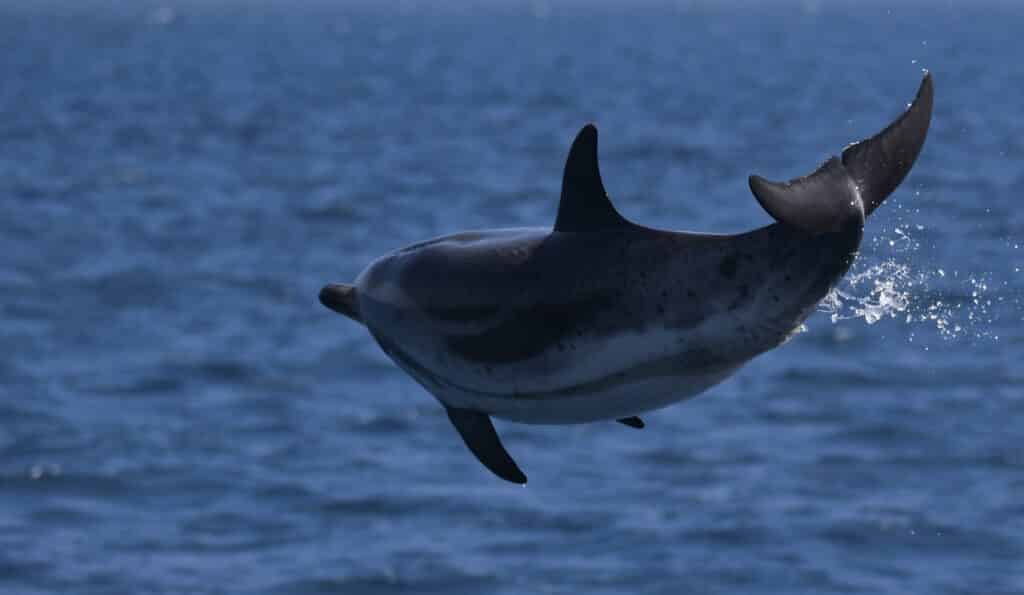
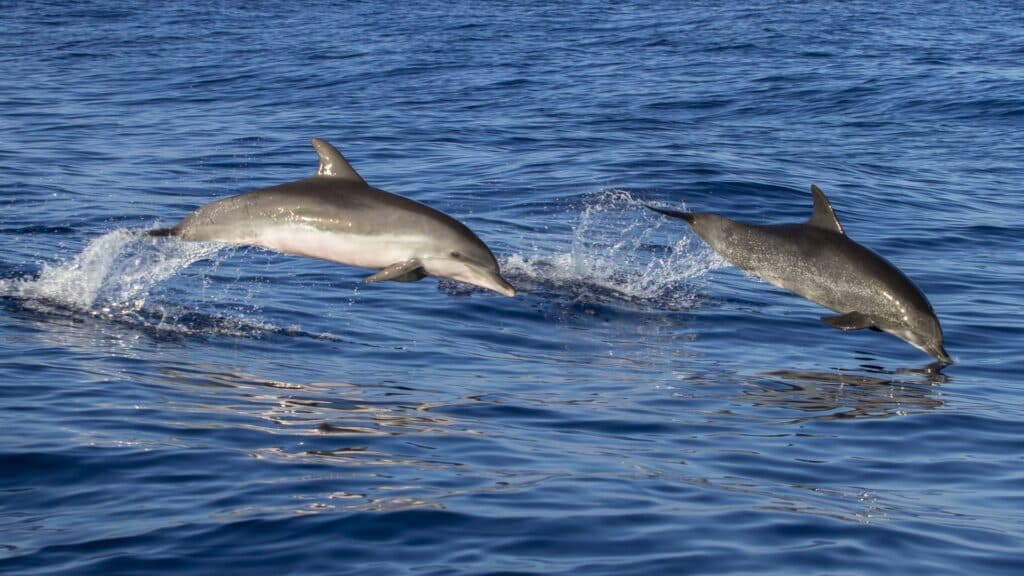
Marine mammals are excellent indicators of the health of the oceans. As they sit at the top of the food chain, they reflect the balance of the entire ecosystem. Monitoring their presence and behaviour provides a better understanding of how the environment is changing, particularly during the breeding season. The local extinction of the Biscayan whale in the Bay of Biscay serves as a reminder of just how fragile these balances are.
The issue of microplastics
As is often the case in science, every observation raises new questions: water quality, jellyfish blooms, the role of plankton… When conditions allow, we may suggest using a manta net to tackle the issue of microplastics in a practical way. And because these outings are also opportunities to spend time together, we sometimes find ourselves singing “Santiano” as we let the waves lull us.
The milder winter temperatures also explain the historical significance of this area, which was once used for whaling until the 17th century.
Your contribution to the study of marine mammals
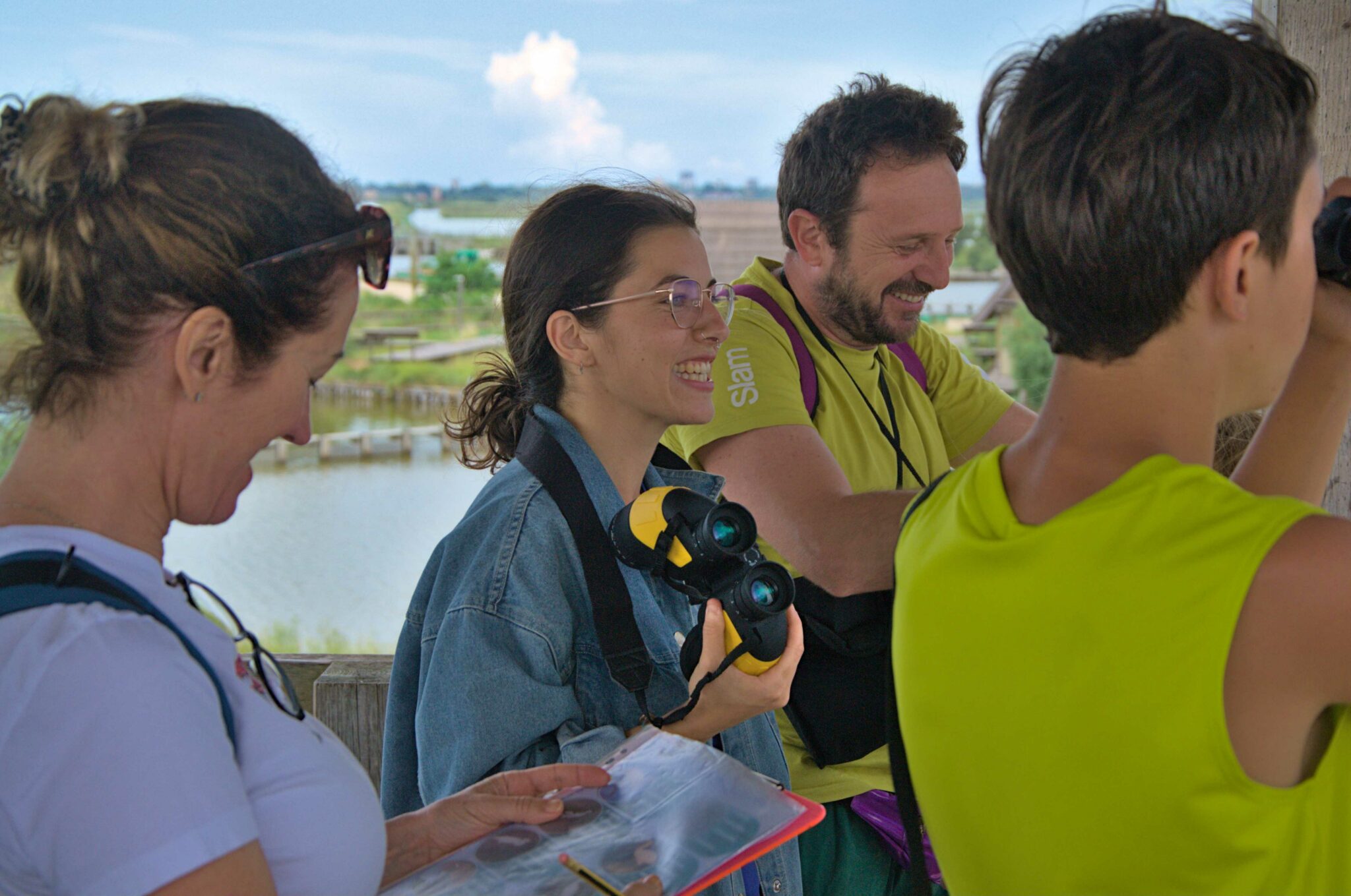
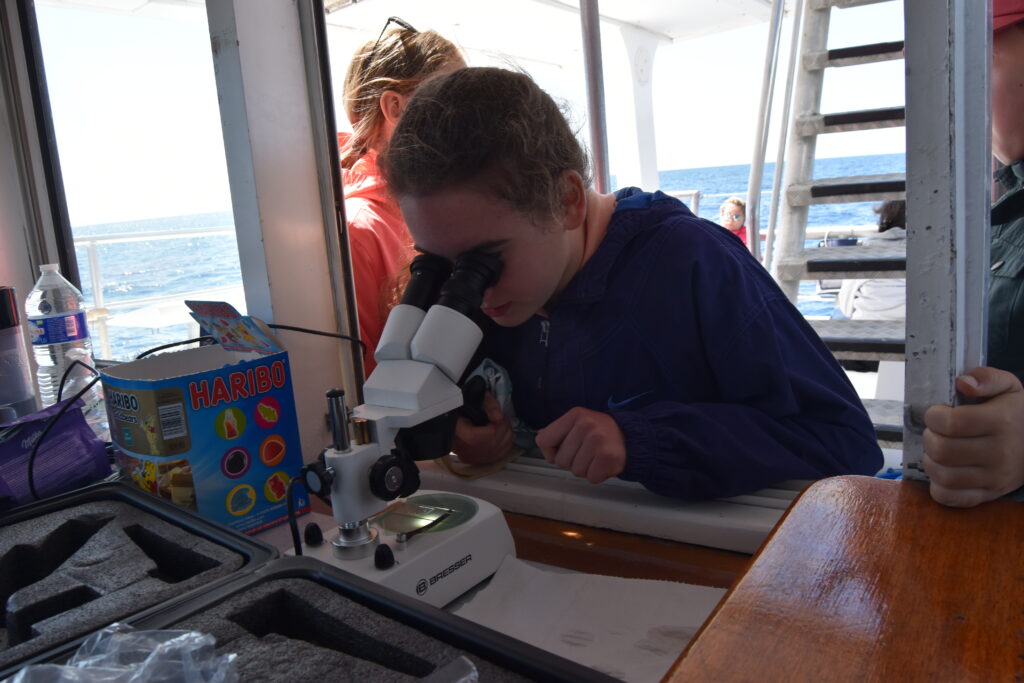
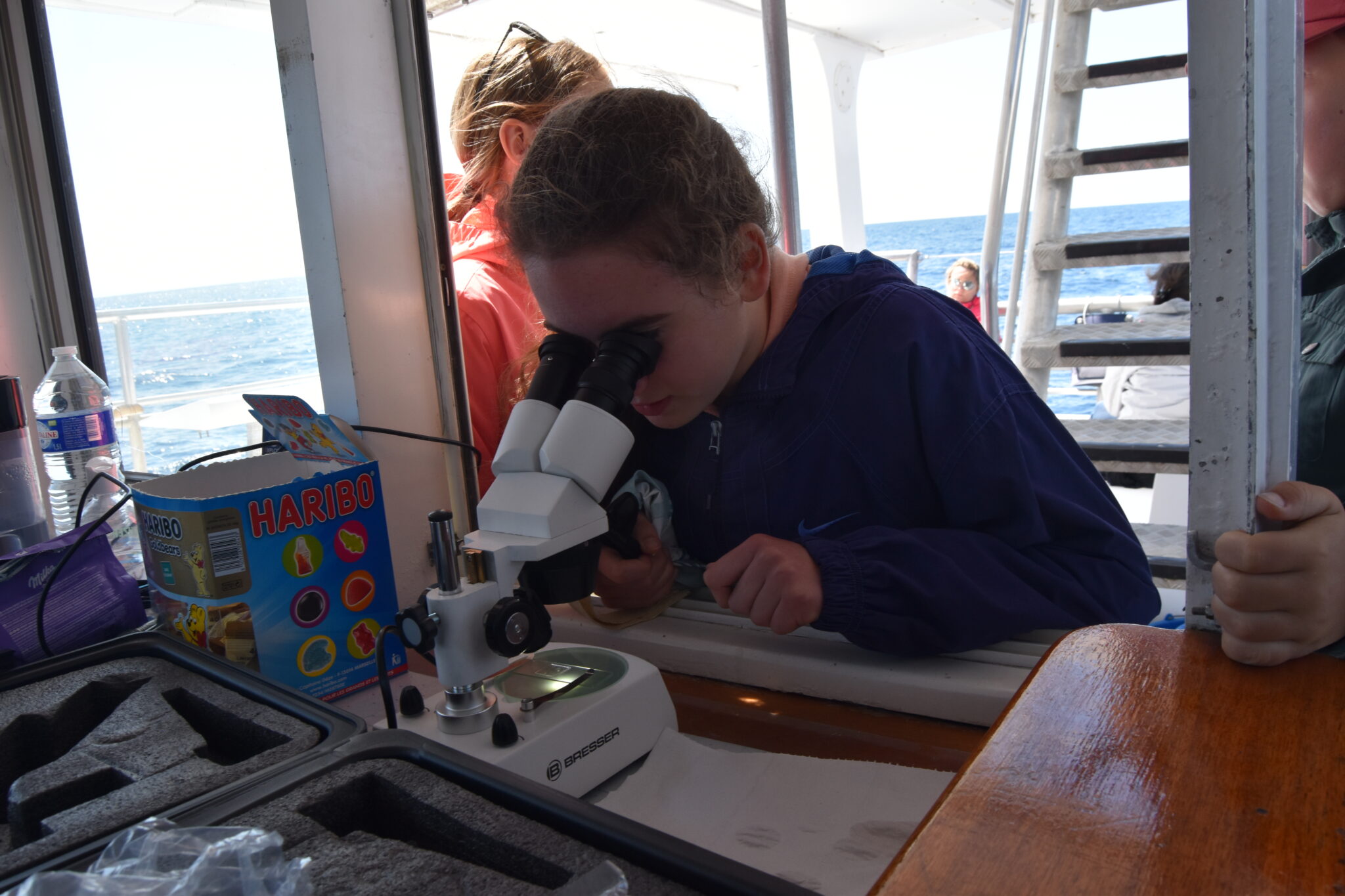
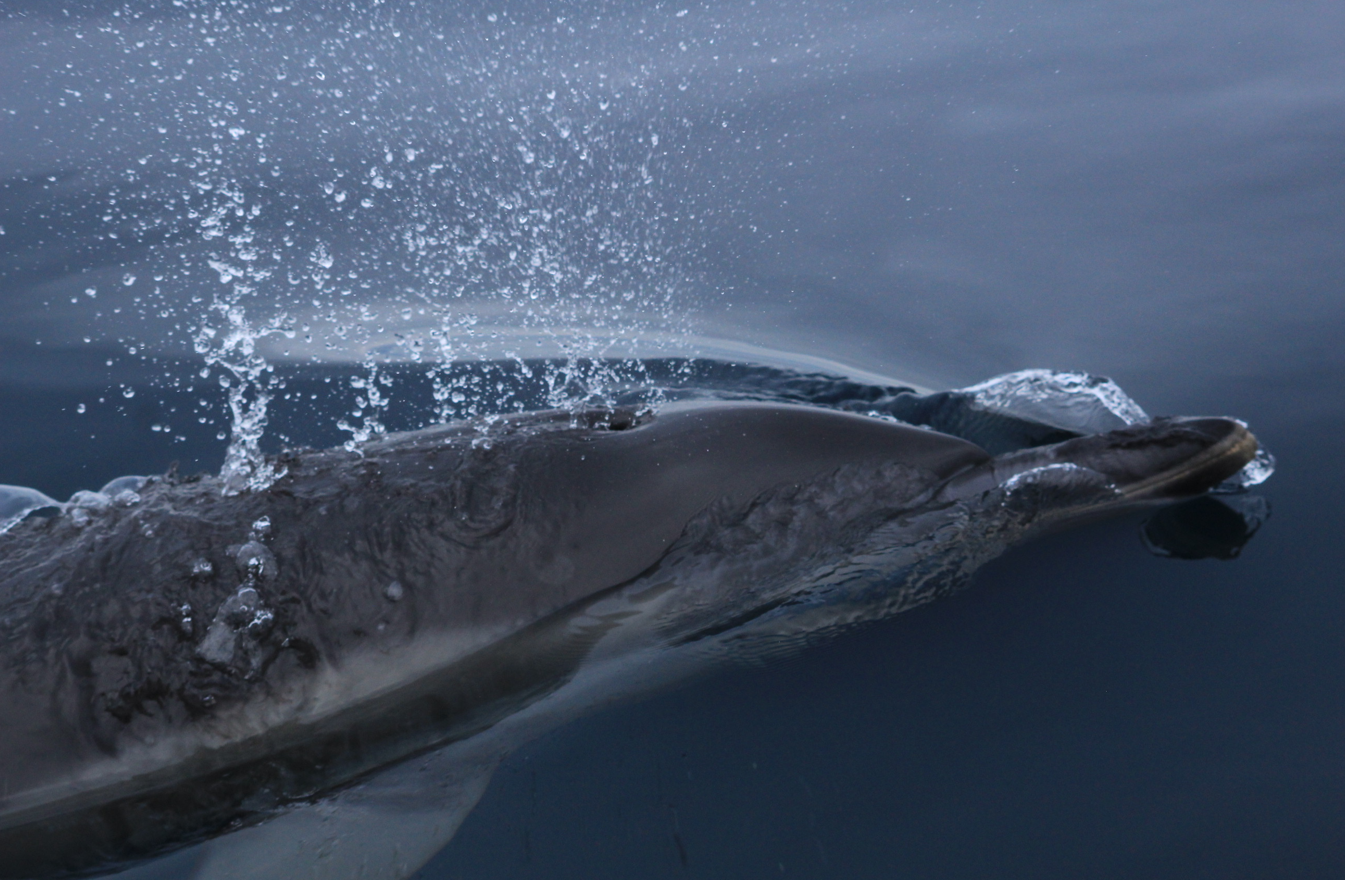
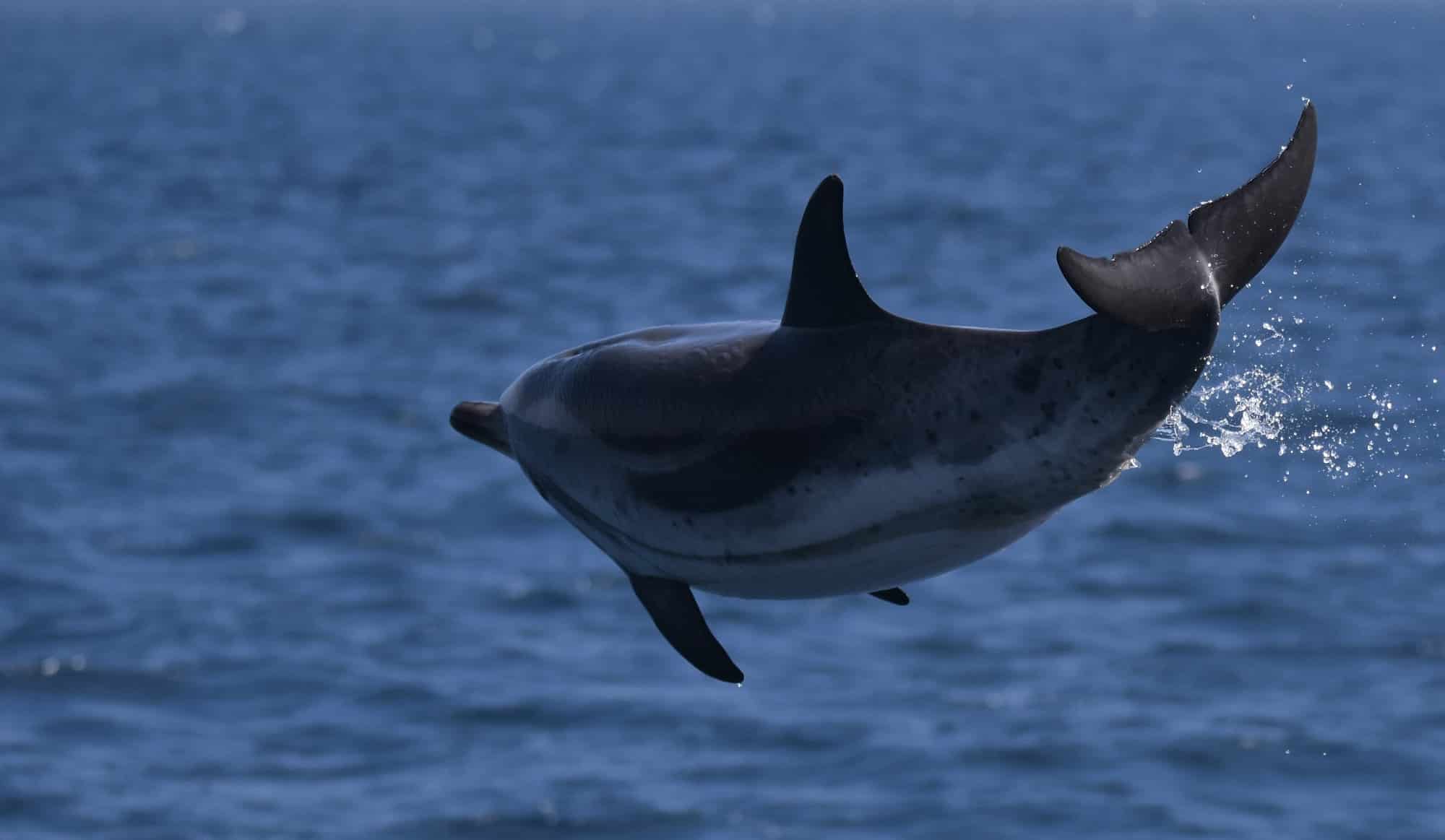
During your stay, you will take on the role of a scientist, working alongside professionals. You will learn to observe the animals with the naked eye and through binoculars, whilst strictly adhering to the rules for approaching wildlife. You will discover how to spot cetaceans, identify them and, sometimes, even listen to them.
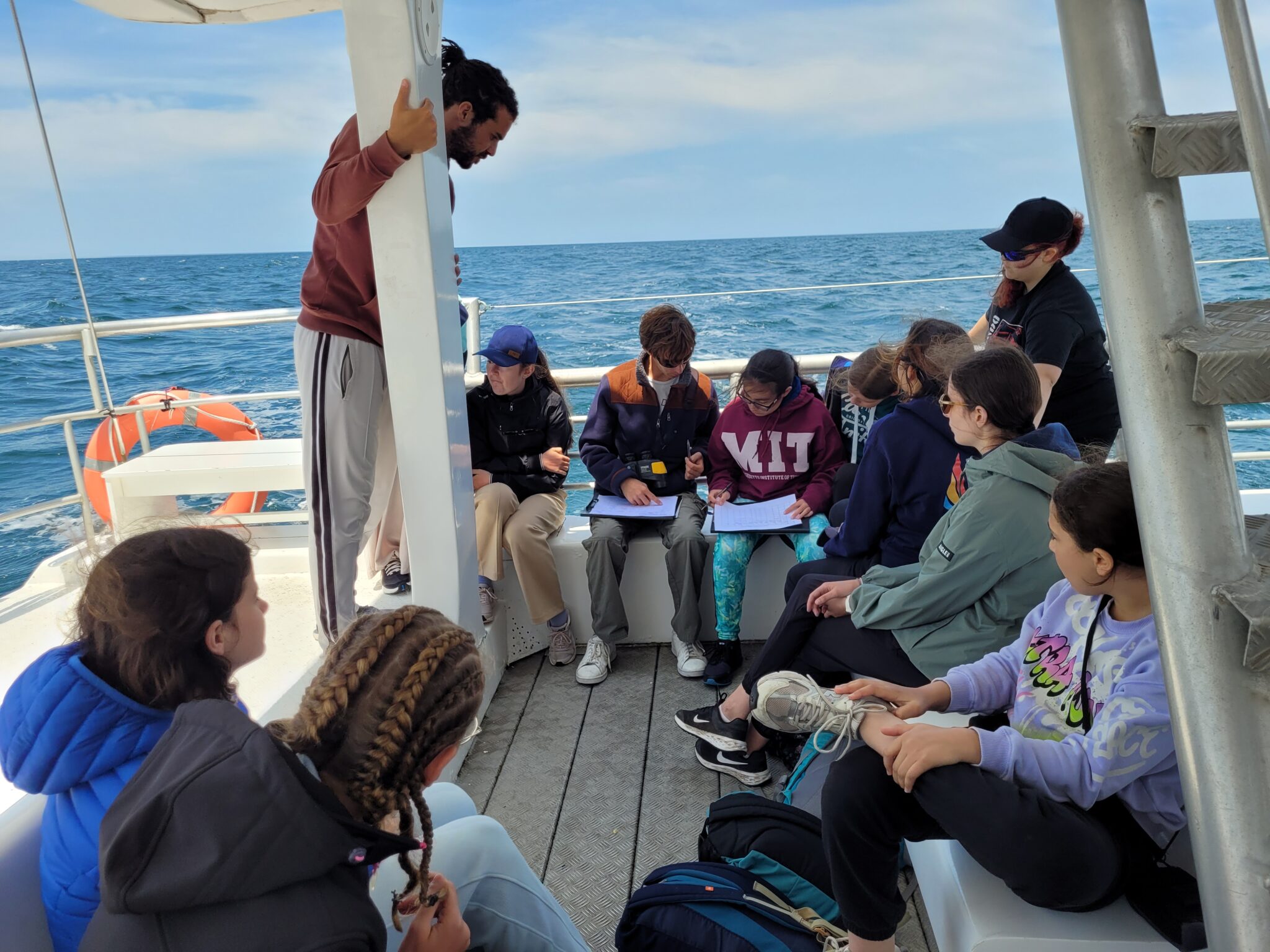
Supervised by science educators
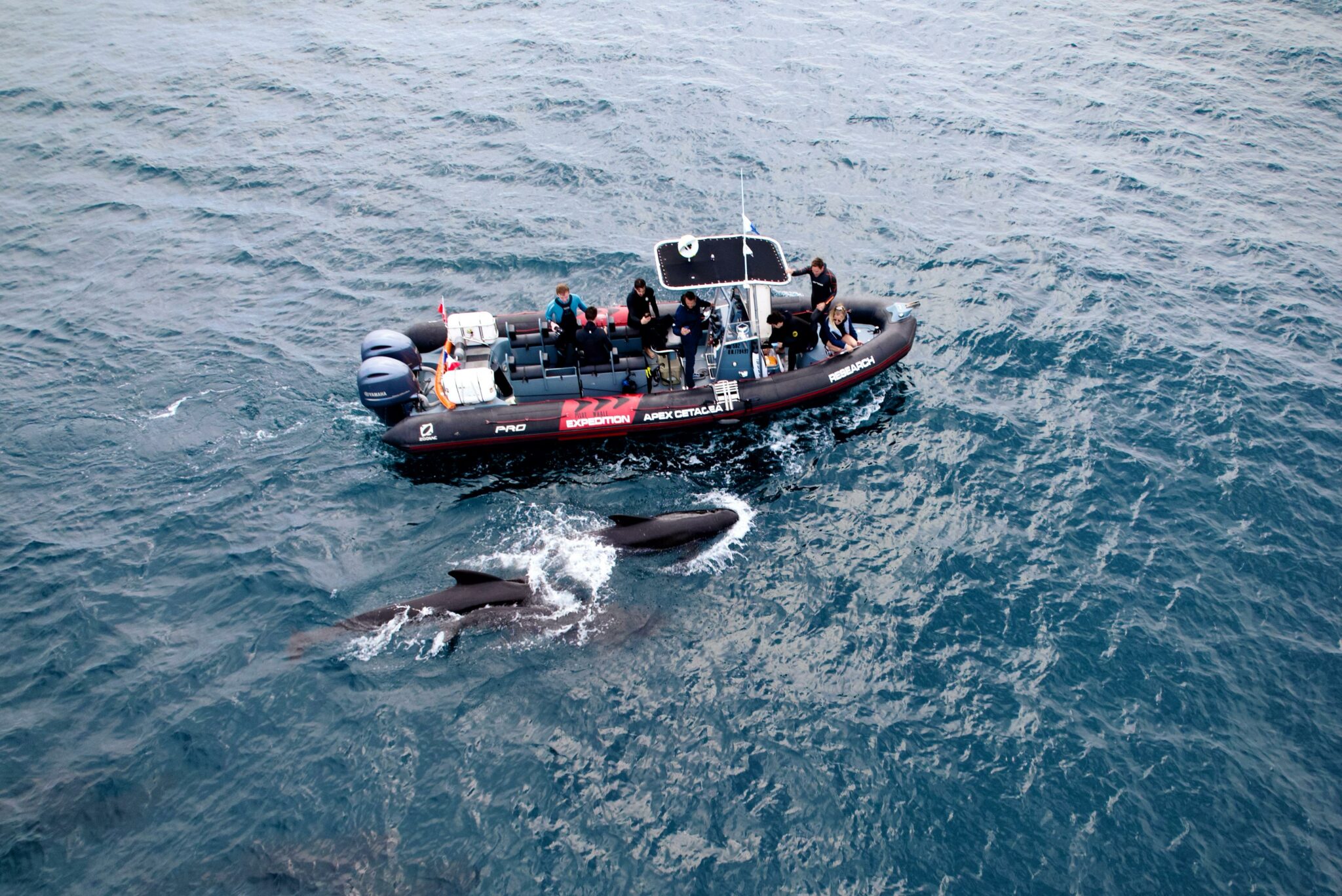
You will be supervised at all times by two science guides, and transport to the harbour will be by minibus. The sea excursions are run by the Apex Cetacea team, which specialises in the observation and monitoring of cetaceans. On board the Pilot Whale zodiac, the observations contribute both to the work of the marine biologist on board and to collaborative databases.
A human adventure
These observations help us gain a better understanding of the state of the ocean, whilst offering a rare and memorable experience. From making eye contact with a dolphin to engaging in fascinating discussions with scientists and sharing moments with fellow participants, you’ll also be part of a truly enriching human experience.
Planned activities:
- Sorting photos and an introduction to identification
- Sea conditions: wind, swell, tide
- Workshops to deepen understanding of scientific culture
- Discussions with partner professionals
- Playtime and quiet time
Dates and prices for the study trip
- From 11 April 2026 to 18 April 2026 (teenagers, families, adults)
- From 5 July to 12 July (teenagers)
Price: €2,035.20 – tax relief may be available

About our partner NGO
The partner NGO holds Special Consultative Status with the UN (ECOSOC) and is a member of the AAAS Science and Human Rights Coalition. Specialising in science trips, science and participatory research, the NGO believes that education is the driving force behind the Sustainable Development Goals. It offers a range of participatory science trips for both adults and children.