 Français
 English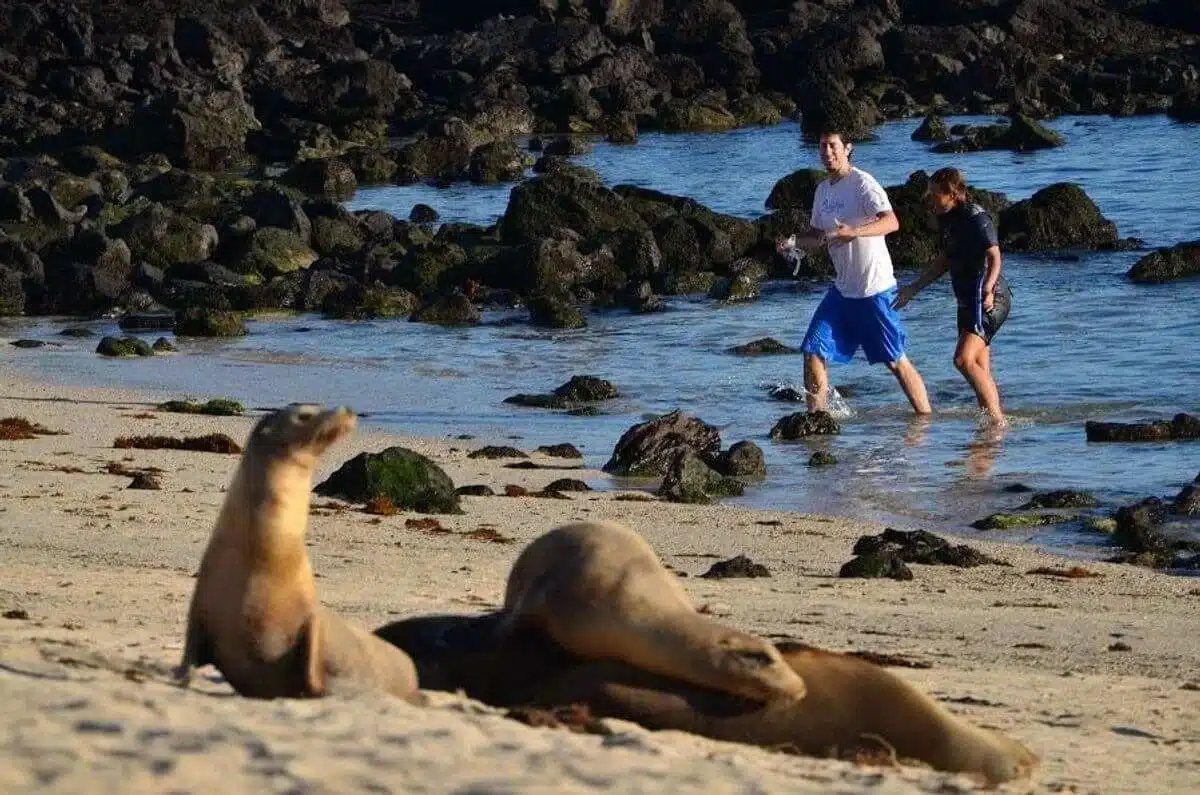
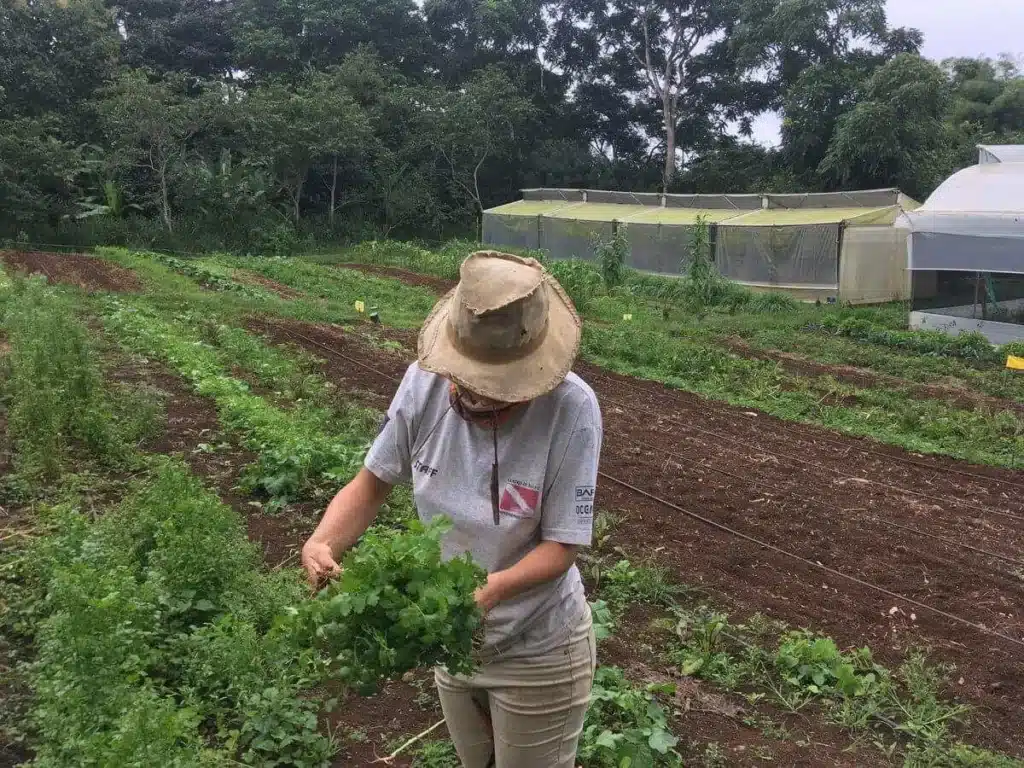
The Galápagos Islands have a fragile ecosystem facing numerous challenges, including the rapid spread of plants that are destroying the natural habitat. Among these invasive plants are mulberry, guava and elderberry, which cover a large area of the Galápagos and pose a significant threat to the islands’ native flora and fauna. These invasive plants are spreading not only across private land – which makes up only a small percentage of the islands – but also within the Galápagos National Park. All the volunteering projects selected here.
Conserving the endemic species of the Galápagos
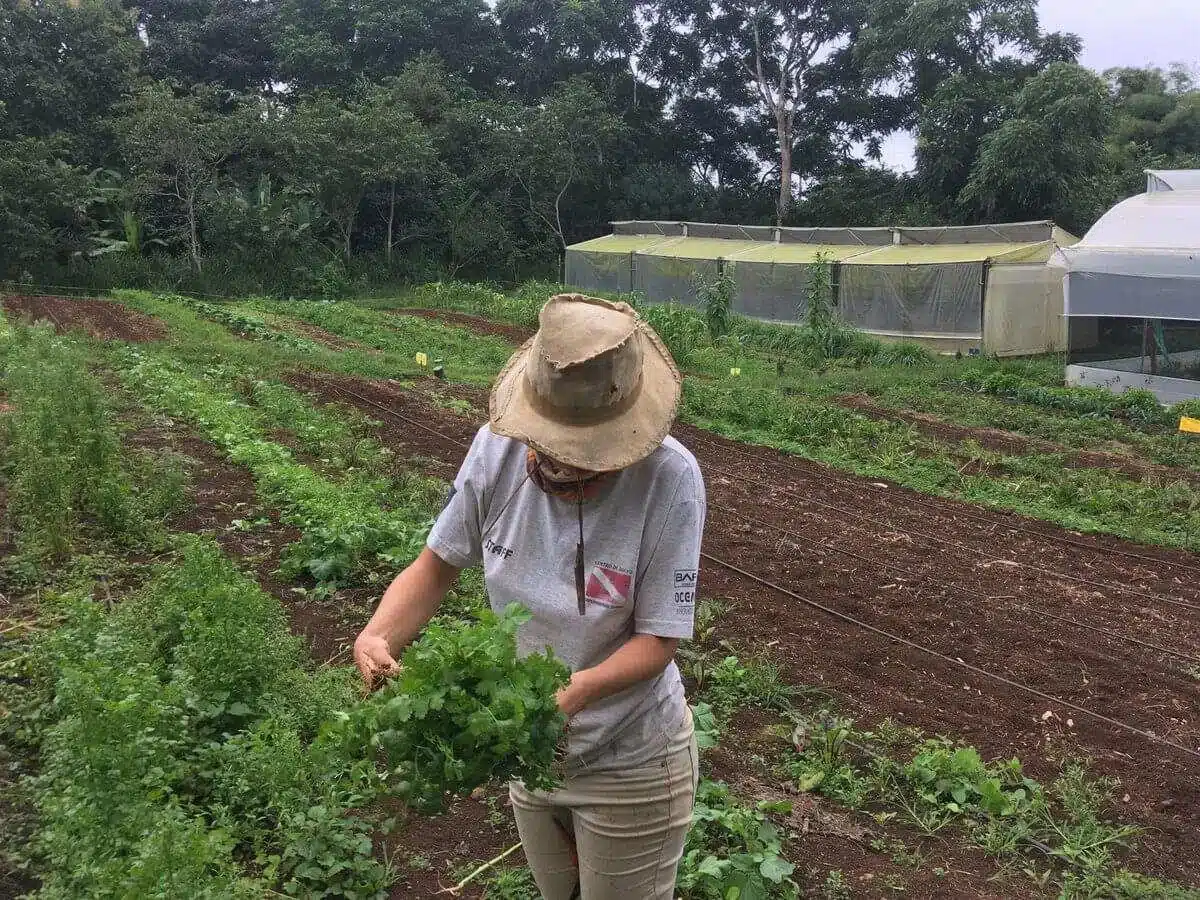
The eco-volunteering programme in the Galápagos takes place on a family-run farm. The aim of this farm is to practise 100 per cent organic and sustainable agriculture through the development of permaculture. Its mission is also to share its experience with other farmers on the island. Indeed, the farm’s owners are developing projects to enable local communities to work together to protect the environment.
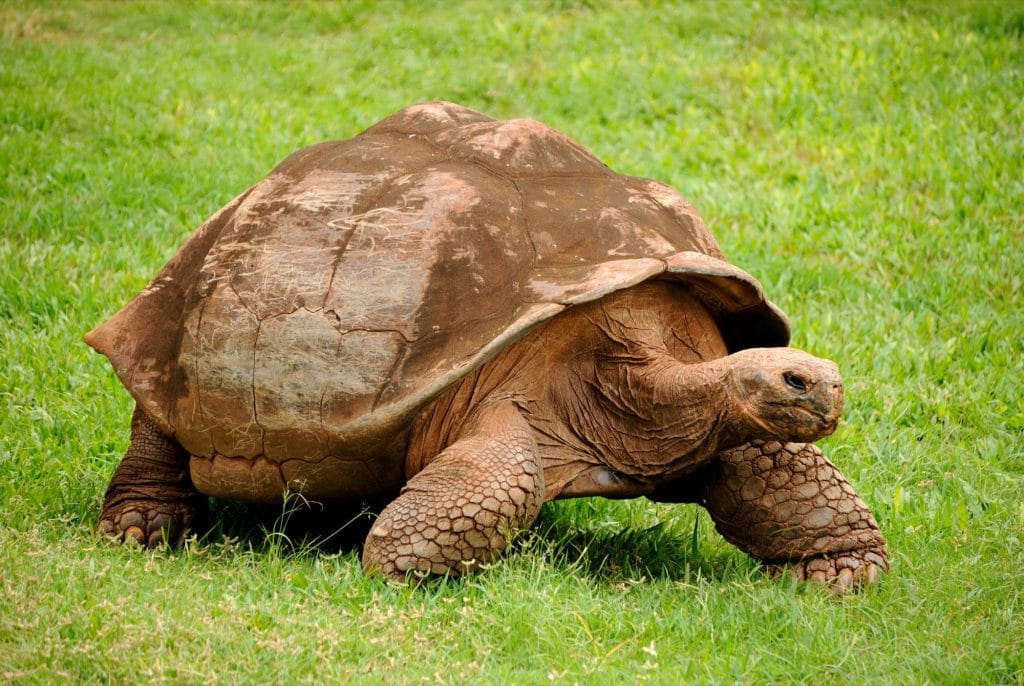
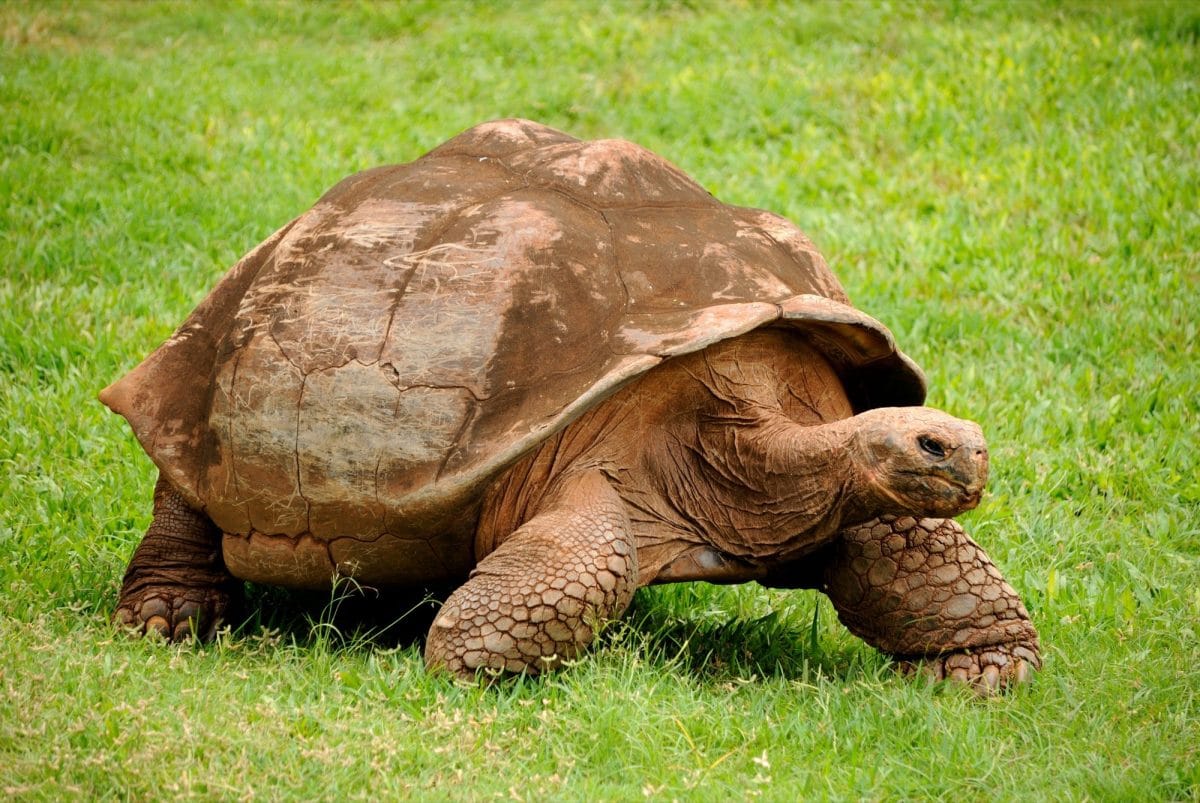
Partner farms in the Galápagos work hand in hand with the National Park, as the majority of their land borders the park. It is therefore important for the communities to play a part in restoring the land in order to provide a habitat conducive to the health of species endemic to the Galápagos and the giant tortoises. The farm’s land covers 24 hectares.
The role of eco-volunteers on the farm
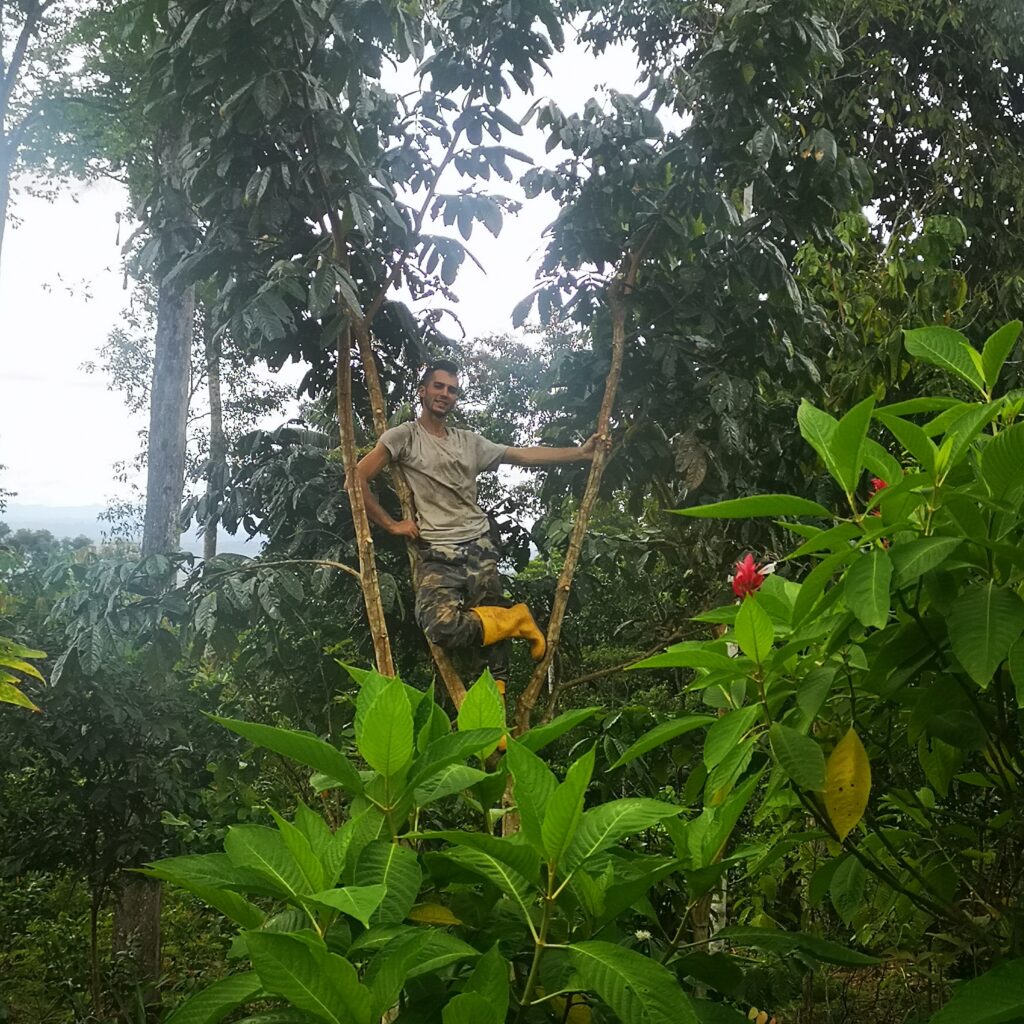
- Replace mulberry trees and Tupi Rosa with native species in order to preserve the natural habitat of native species;
- To help neighbouring farms develop permaculture techniques (sustainable agriculture), particularly the cultivation of organic coffee and its staggered harvesting. Harvesting takes place in stages. When one area is ready for harvesting, the other is still growing. However, both areas need to be maintained and cleared throughout the year;
- Looking after farm animals: Helping to milk the cows to provide milk for the family, feeding the hens, ducks and pigs, and helping with the cleaning and maintenance of the barns;
- Reforestation: replacing invasive plant species with native ones
- Restore footpaths and dirt tracks;
- Working at the Galápagos National Park nursery. Growing and tending the native plants in the nursery and then planting them in their permanent location;
- Help to grow plants and harvest them to provide food for the tortoises at the Galápagos National Park breeding centres.
The timetable depends on requirements and current projects. Most often, volunteers work from Monday to Friday, from 8.00 am to 1.00 pm. They can use their afternoons and weekends to travel and explore the Galápagos Islands. The days are long. Eco-volunteers must therefore be prepared to work in the heat and always outdoors.
DATES: All year
round DURATION: 2 to 12 weeks.
| Length of stay | Price | |
|---|---|---|
| 2 weeks | €2,316 | |
| 3 weeks | €2,982 | |
| 4 weeks | €3,648 | |
| 6 weeks | €4,980 | |
| 8 weeks | €6,362 | |
| 10 weeks | €7,744 | |
| 12 weeks | €9,076 |
Included
- Airport meet-and-greet and transfer to the project sites
- Housing
- Information pack
- 24-hour emergency helpline
- Bed sheets
- Registration fees and donations for the project
- Meals on the project
Not included
- Weekend meals
- Laundrette
- Wi-Fi (there are plenty of internet cafés on the islands)
- A $100 entry fee for the Galápagos National Park.
- International flights and flights from Quito/Guayaquil to Santa Cruz
- personal effects
- Travel insurance
Transaction eligible for a tax deduction*
The partner organisation’s educational mission and its commitment to environmental and social development mean that it is recognised as an organisation of general interest. Consequently, individuals who take part in and contribute to its projects are able to deduct up to 66 per cent of the amounts contributed from their taxable income.
Accommodation and meals
During the week, you’ll be staying on the farm, and at the weekend in a guesthouse in Puerto Baquerizo.
In Puerto Baquerizo, accommodation for the weekend is in single-sex shared dormitories. Meals are not included, but you’ll have access to a kitchen.
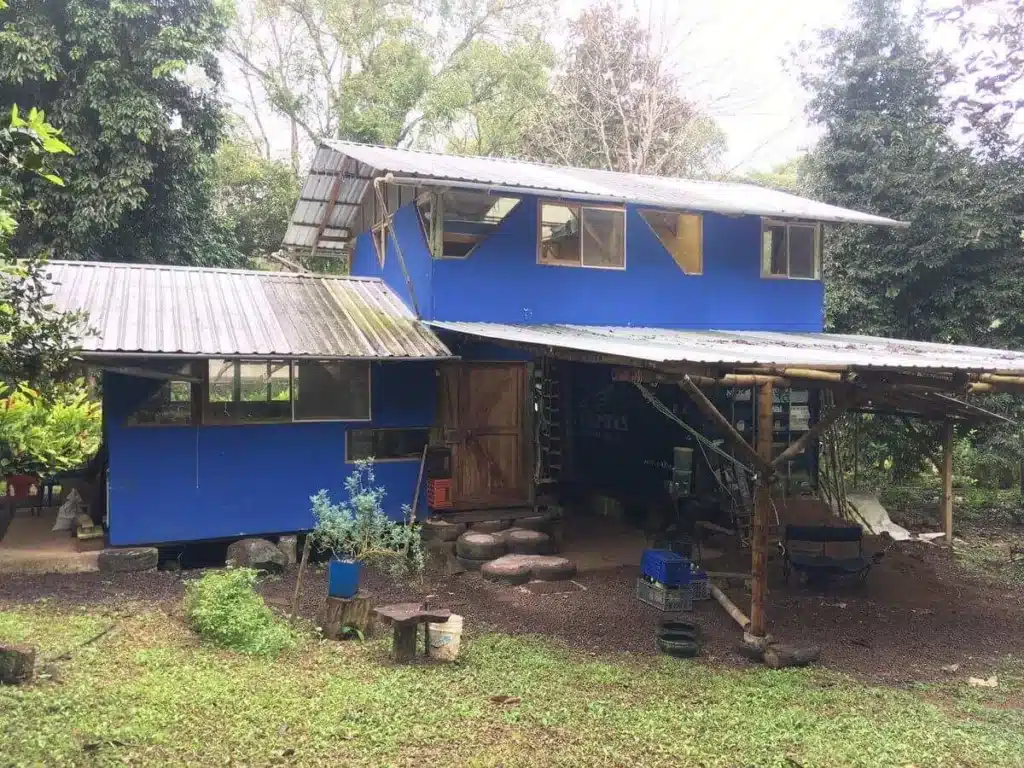
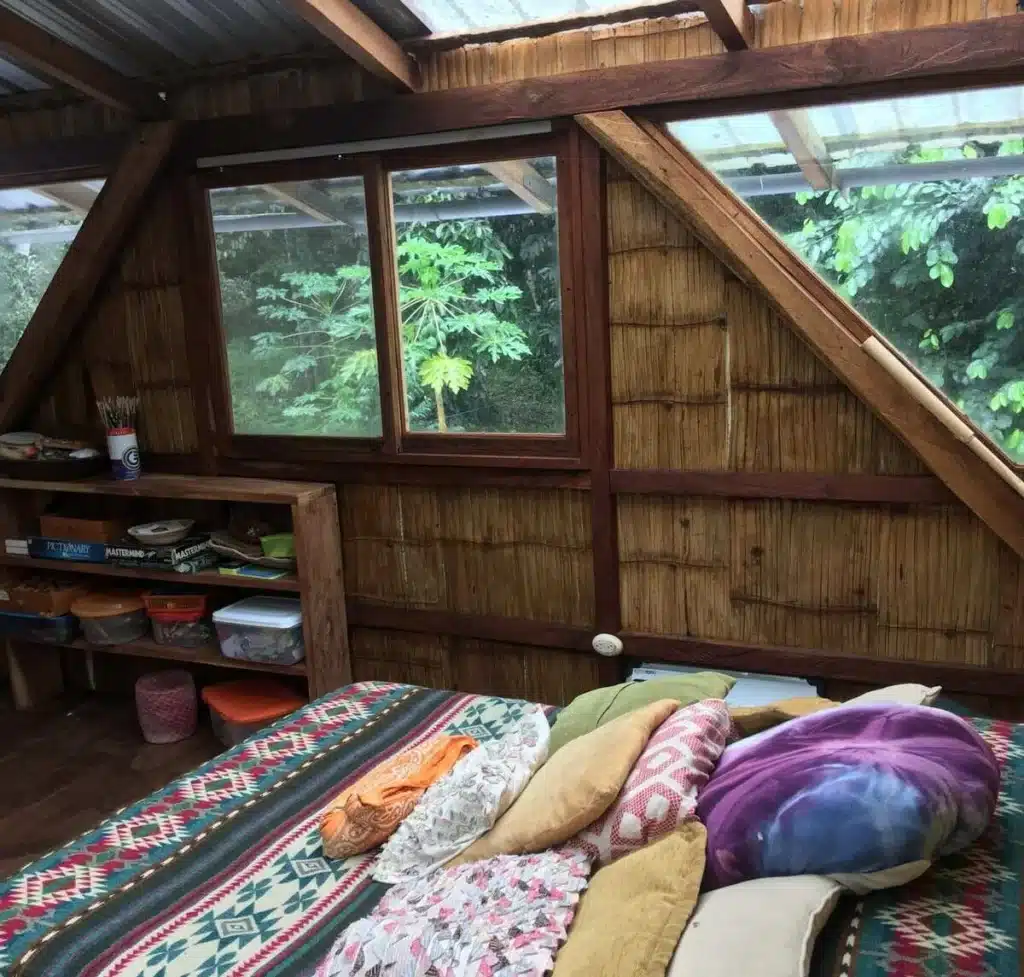
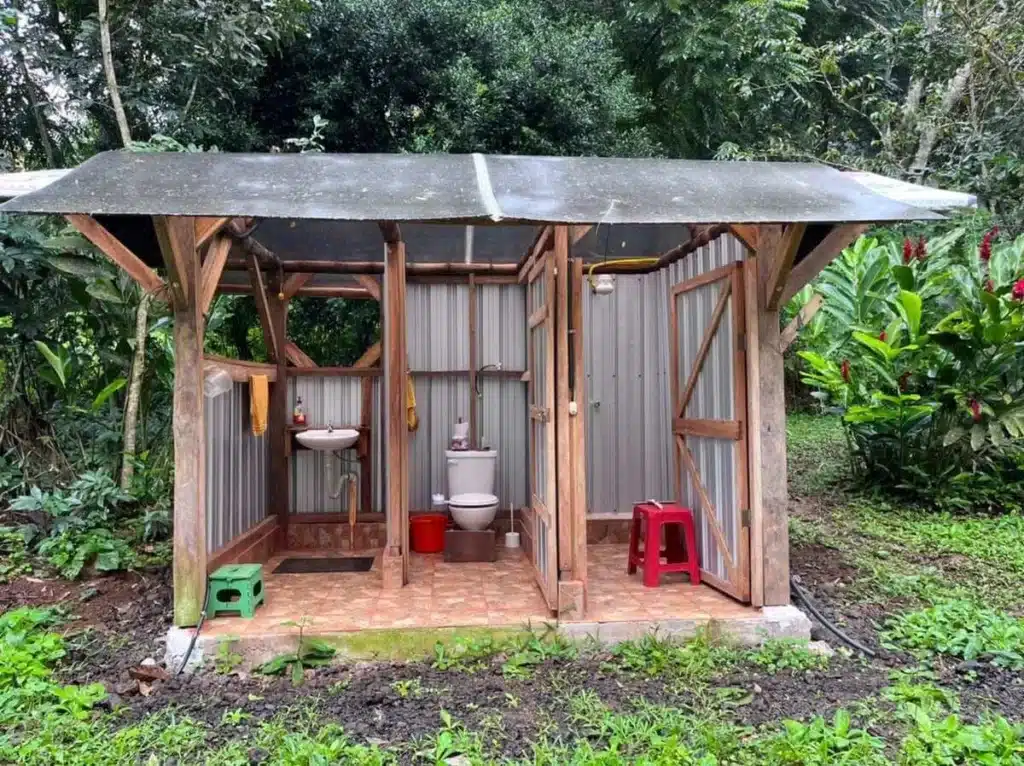
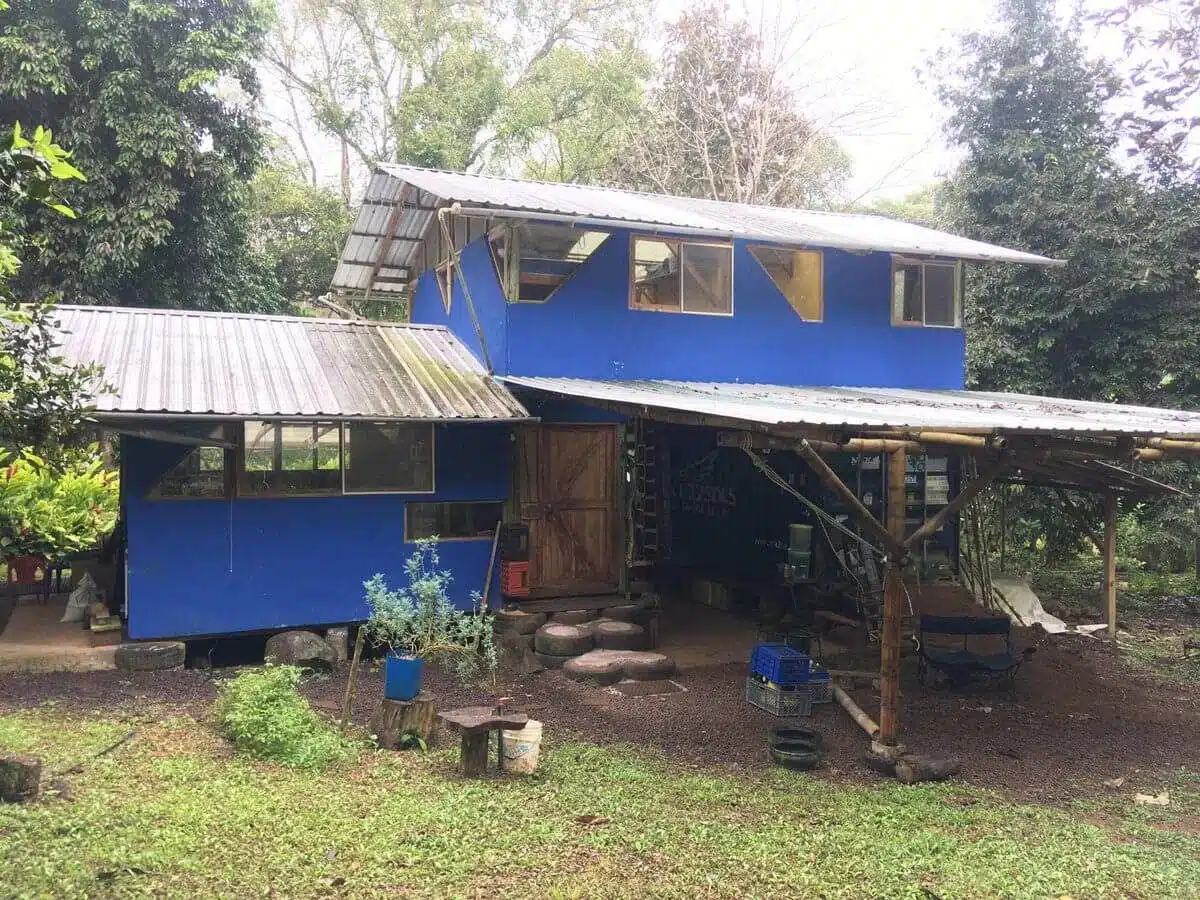
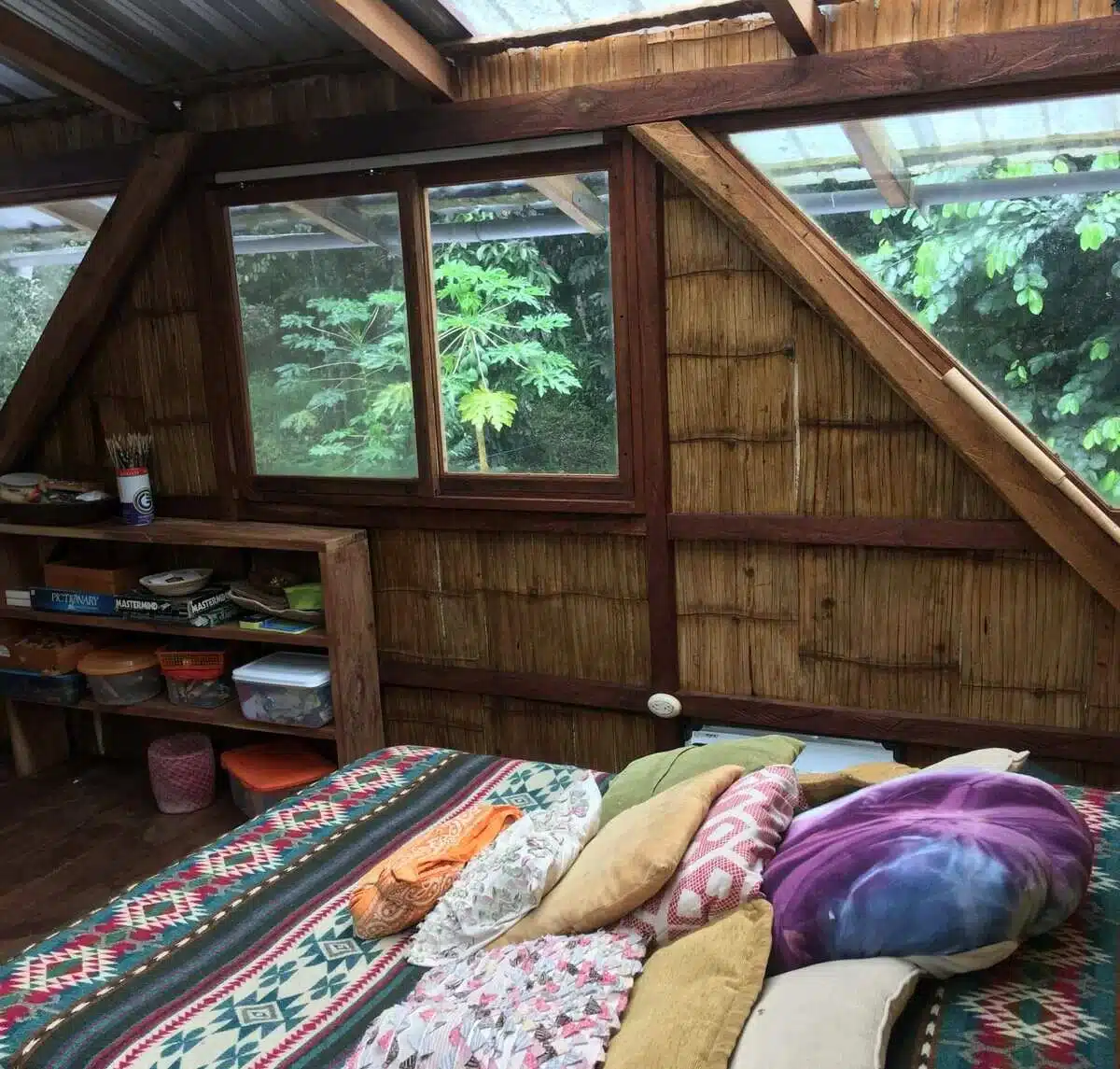
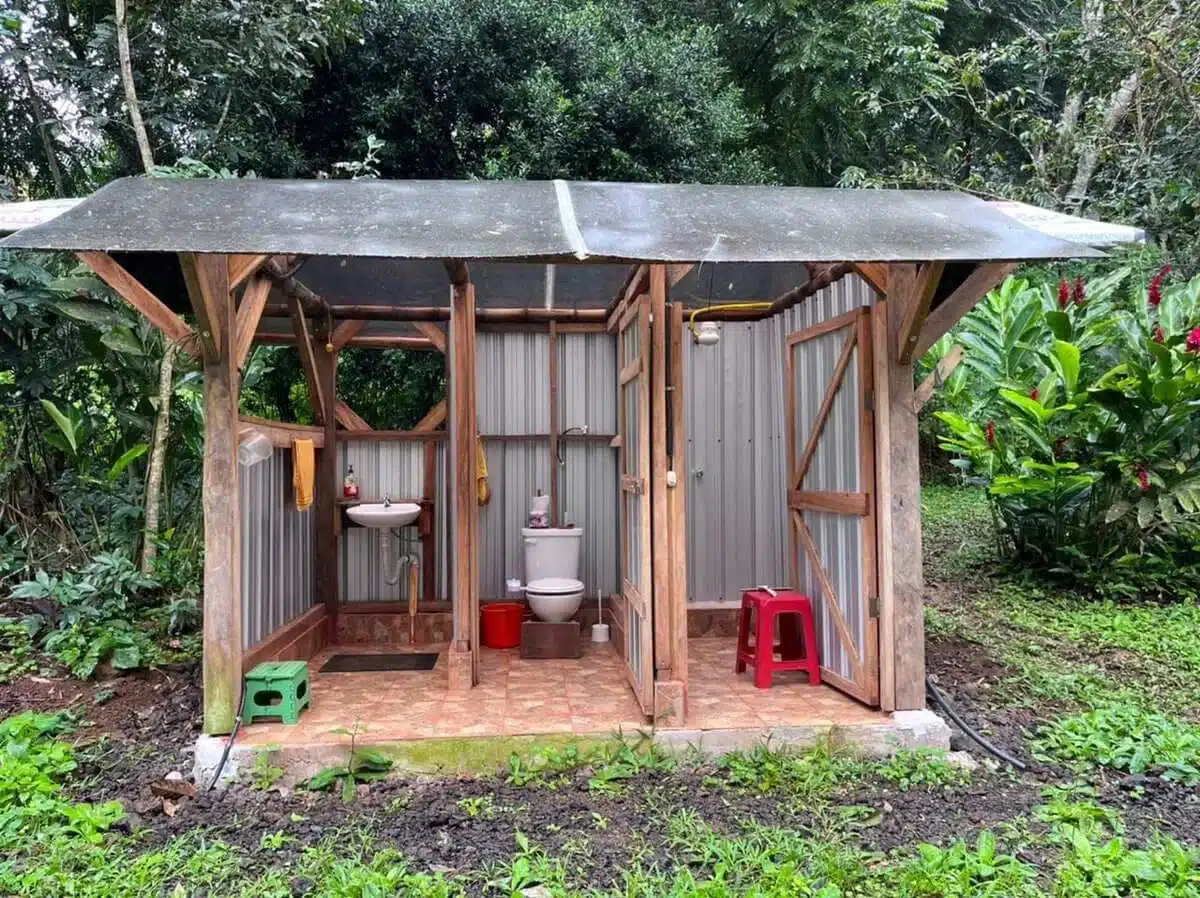
During the week, on the farm, you’ll be staying at the family farm, a rustic building constructed from recycled materials. The room is mixed-sex and has three beds. During the week, meals are provided.
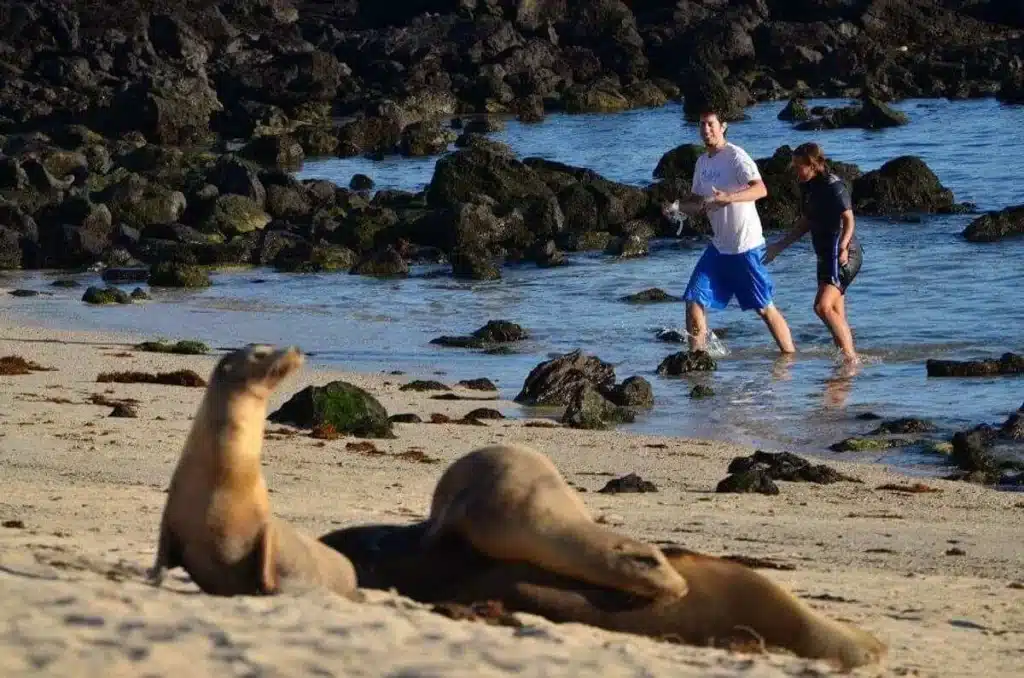
An eco-volunteering trip is an opportunity to discover a legendary place. The Galápagos offer a wealth of activities: snorkelling with sea lions, turtles and iguanas; breathtaking walks up Cerro Tijeretas; and bike hire to explore the island. At the weekend, you’ll be able to enjoy the beautiful beaches of Puerto Baquerizo Moreno.
Tous les avis sur les missions Freepackers

The partner organisation
The partner organisation’s mission is to encourage participation in ethical and sustainable development projects. It connects NGOs, social welfare organisations and government bodies with volunteers. It promotes solidarity-based and participatory travel. The partner is a certified WYSE Travel Confederation Member. WYSE is a global non-profit organisation representing youth and student travel operators worldwide. It is also a member of the AFNOR commission for the development of the international standard on responsible tourism, a member of the international mobility committee, a certified Australia specialist, accredited by the international ICEF group, a member of the EAIE (European Centre of Expertise, Networking and Resources for the Internationalisation of Higher Education) and a member of the travel4impact Network.