 Français
 English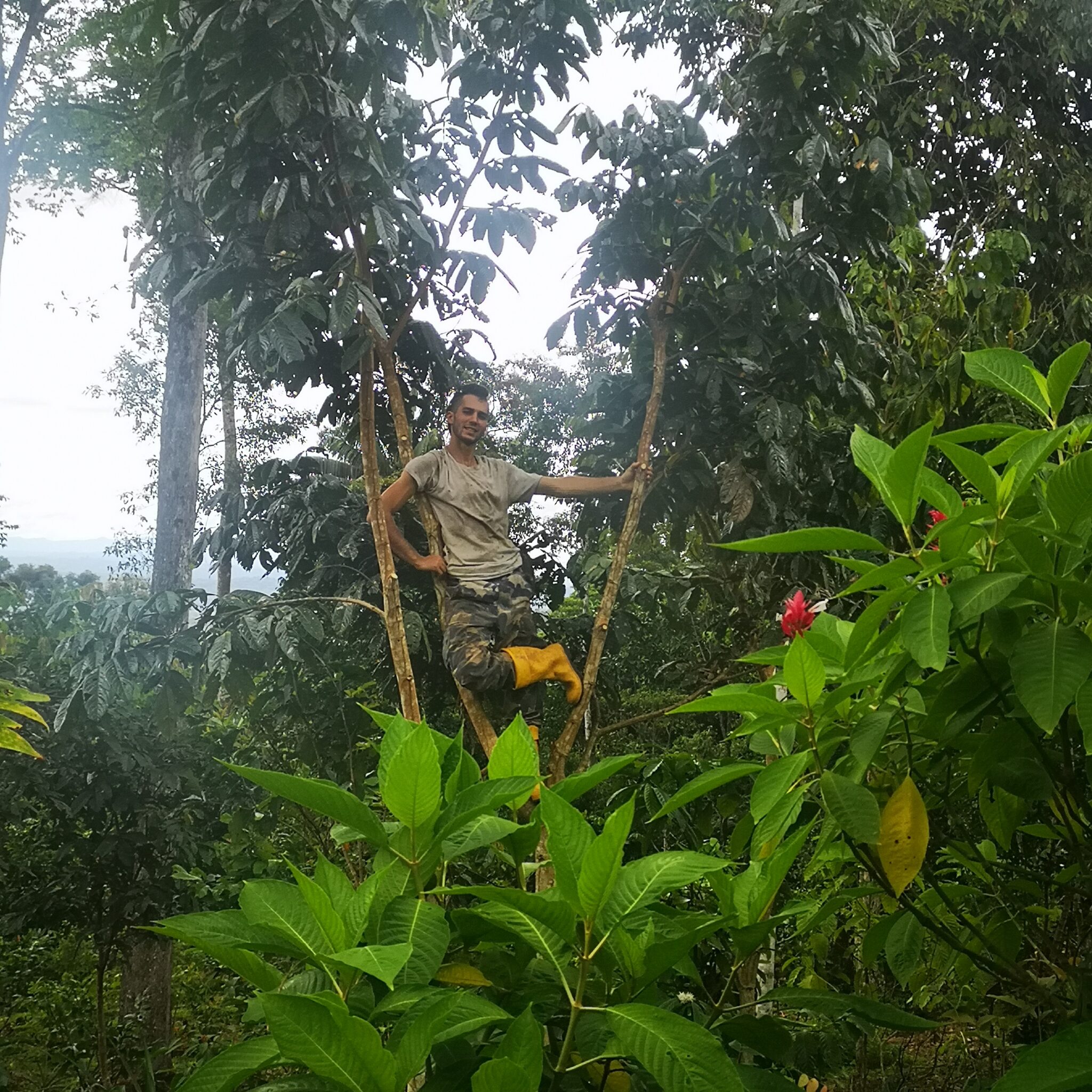






Get involved with a Franco-Ecuadorian association in the Amazon rainforest in Ecuador. Travel as an eco-volunteer in the animal sanctuary or in the agroecology project here
Agroecology, agroforestry and wildlife rehabilitation
Our partner works to preserve and restore biodiversity while engaging local communities in environmental protection, both in France (Southern region) and in Ecuador, deep in the Amazon rainforest — the “lungs of the planet.”
In Ecuador, the team operates on a 30-hectare site structured into three main areas:
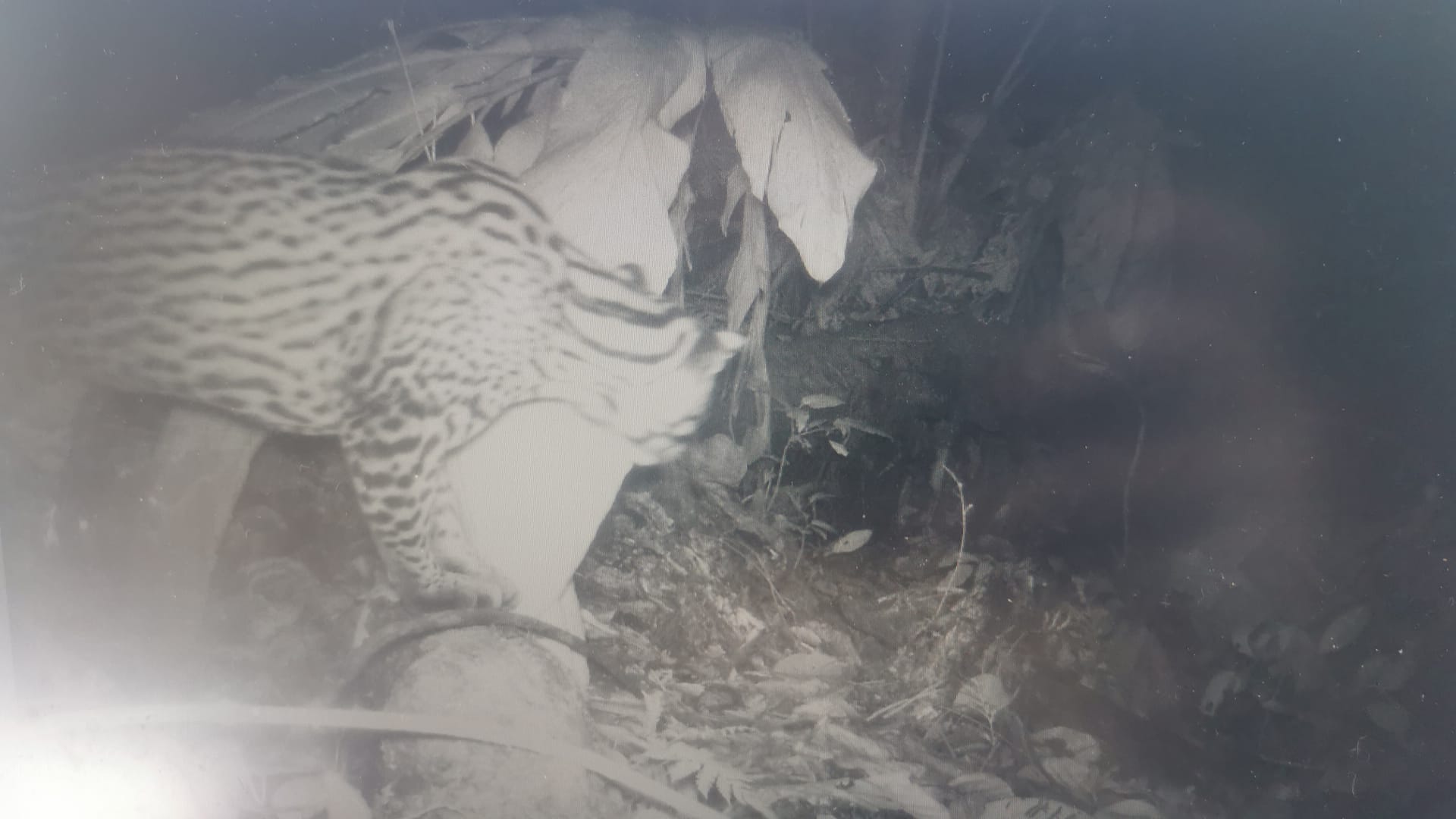
- 2 hectares dedicated to a wildlife sanctuary, where animals are cared for and rehabilitated, alongside local awareness-raising activities
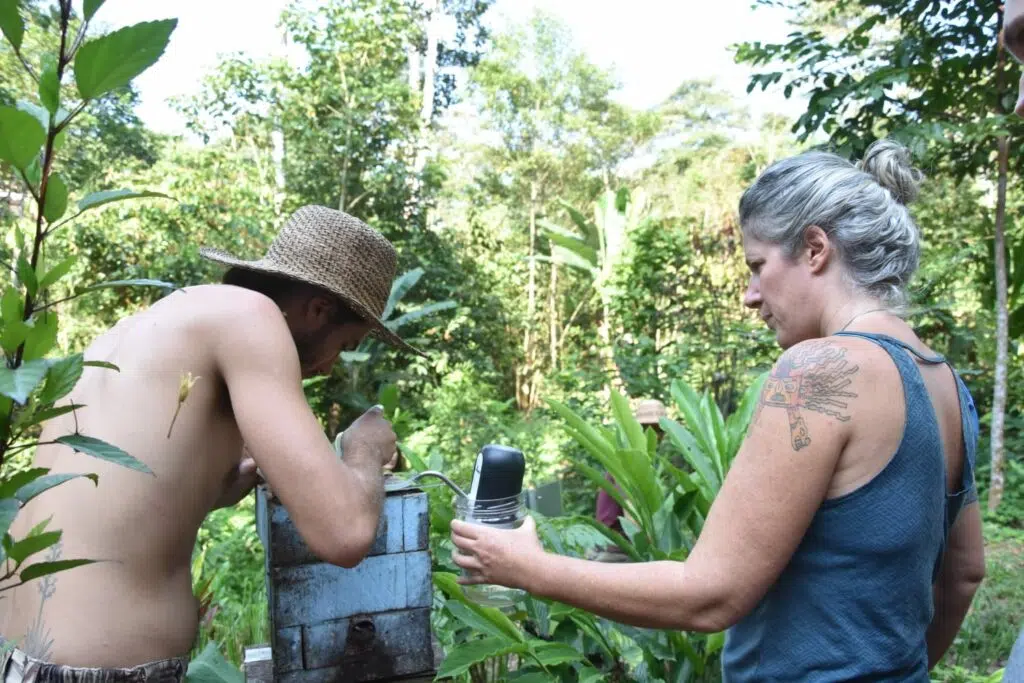
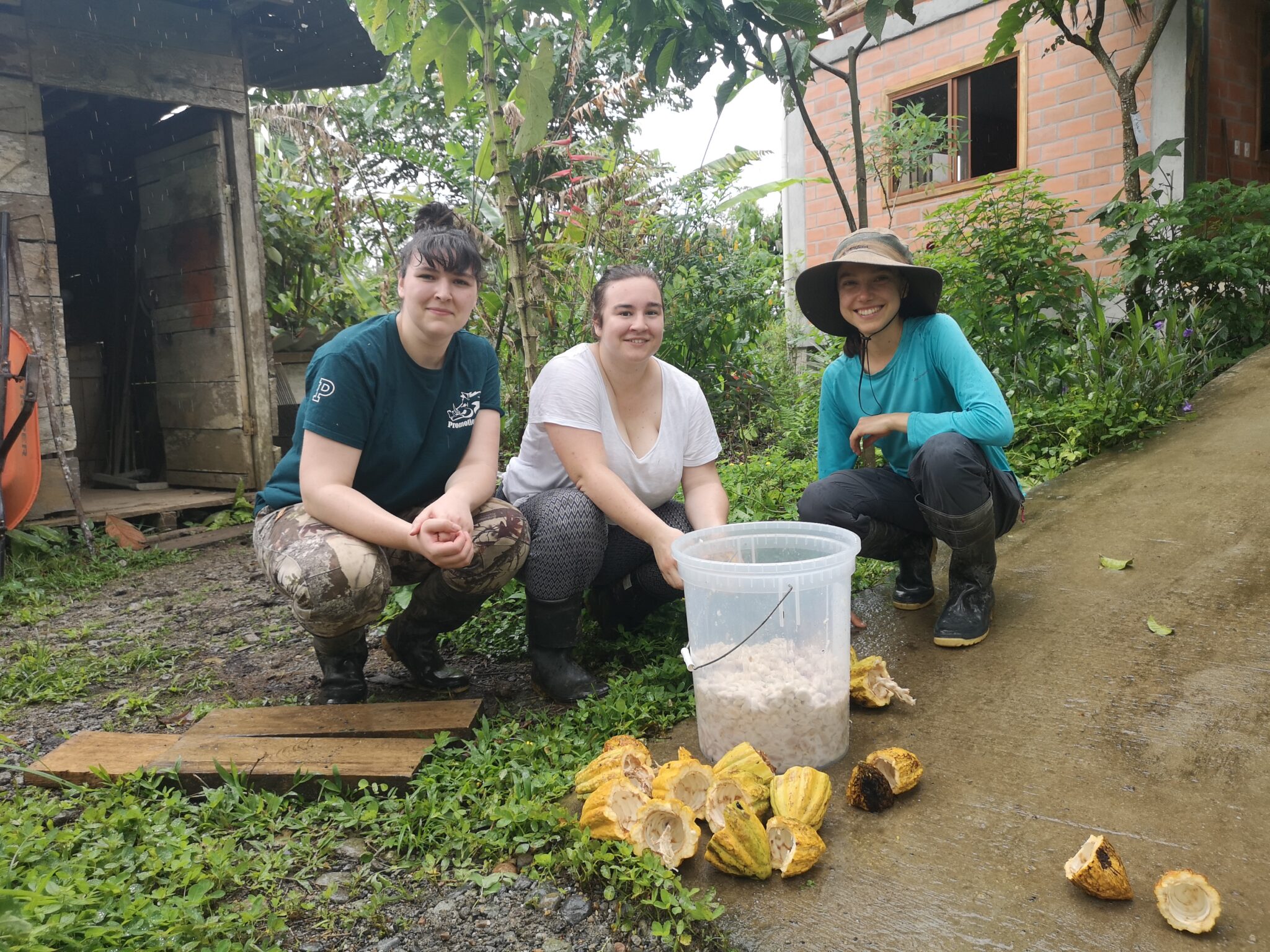
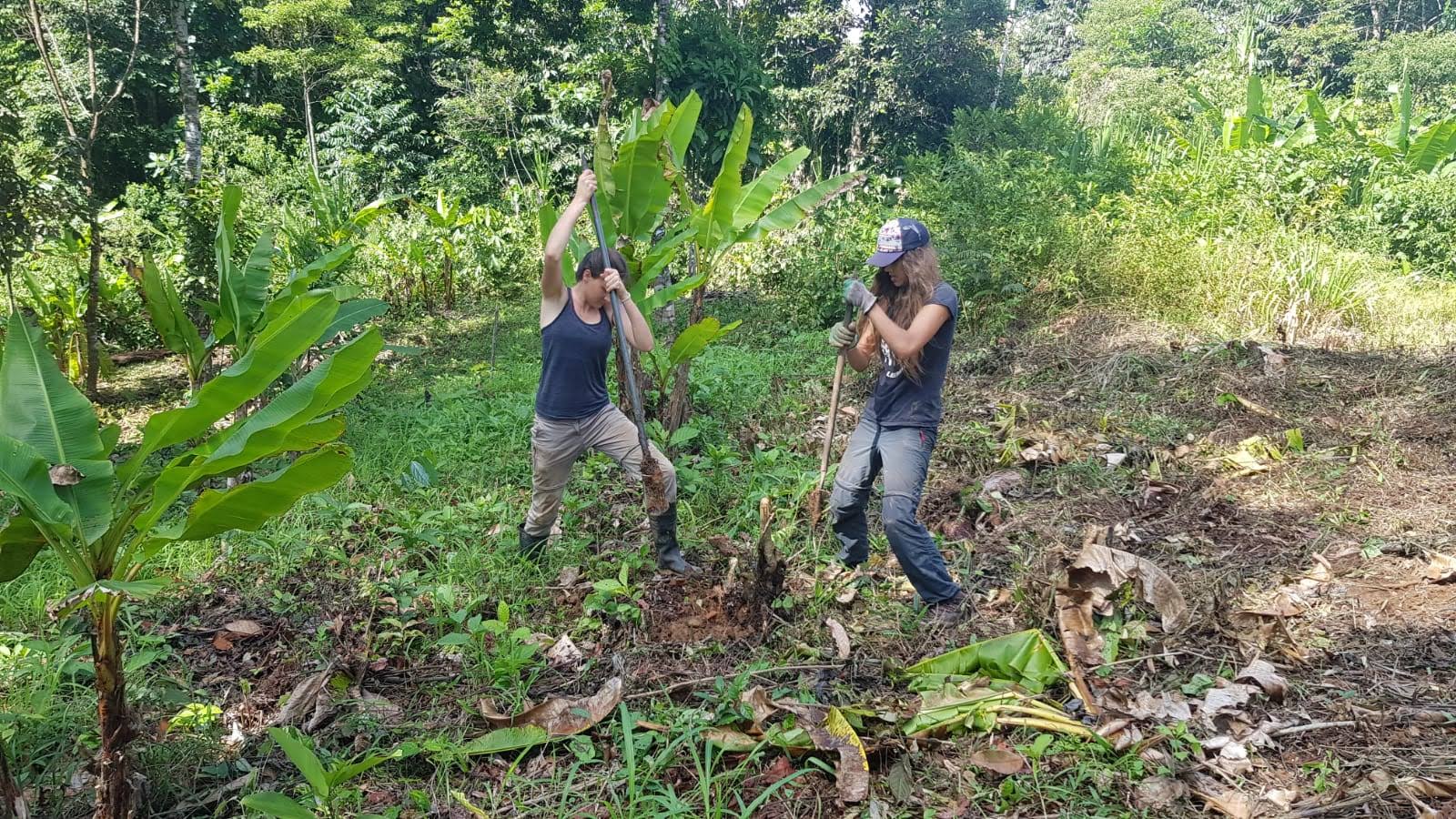
- 3 hectares developed as an agroforestry system, including around 700 cacao trees for chocolate production, as well as other fruit trees to feed the sanctuary animals, and beehives to support pollination
- 25 hectares preserved as a protected natural reserve
The project aims to continue restoring biodiversity and improving environmental health. The association takes a holistic approach, and volunteers can take part in a wide range of activities, particularly related to agroecology.
The eco-volunteer’s role
The association offers two types of missions: agroforestry and wildlife sanctuary work.
In the agroforestry plantation
Tasks vary depending on needs (no minimum stay required):
- Harvesting cacao and processing it into dried beans
- Participating in chocolate production
- Pruning crops (removing diseased cacao pods such as monilia and witches’ broom)
- Preparing natural fertilizers (plant-based purins using Mexican flowers and ferns for minerals)
- Spraying natural treatments (purins or biological solutions)
- Maintaining the chicken coop
- Managing compost systems
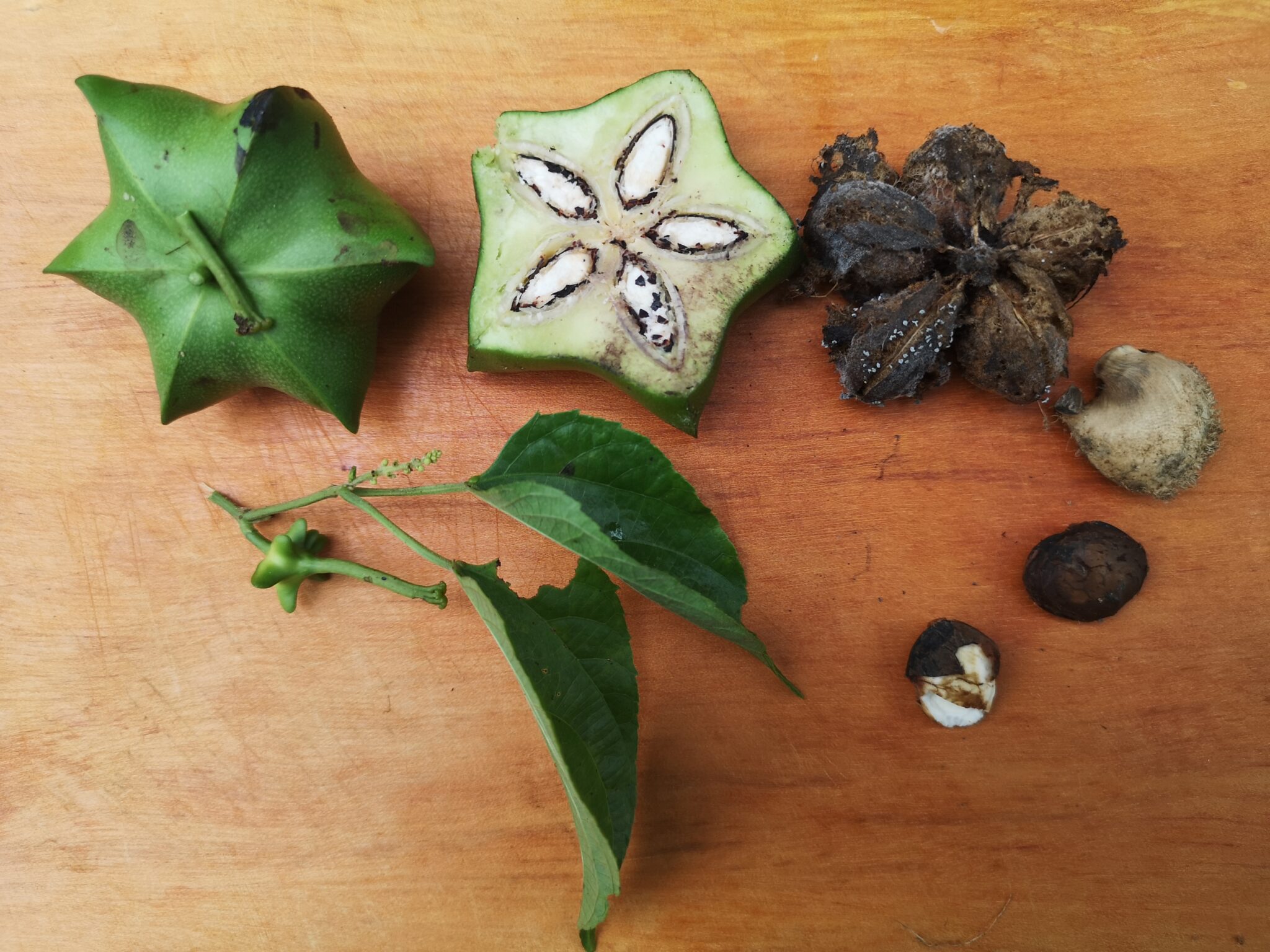
- Harvesting additional crops (sacha inchi, cherimoya, guava, cardamom, ishpingo)
- Bio-construction work (finishing benches in the communal space using clay, fiber, and sand)
- Planting short-cycle crops (cassava, banana, papaya, passion fruit, chayote)
In the wildlife sanctuary
Minimum commitment: 2 months (due to training required)
Main tasks include:
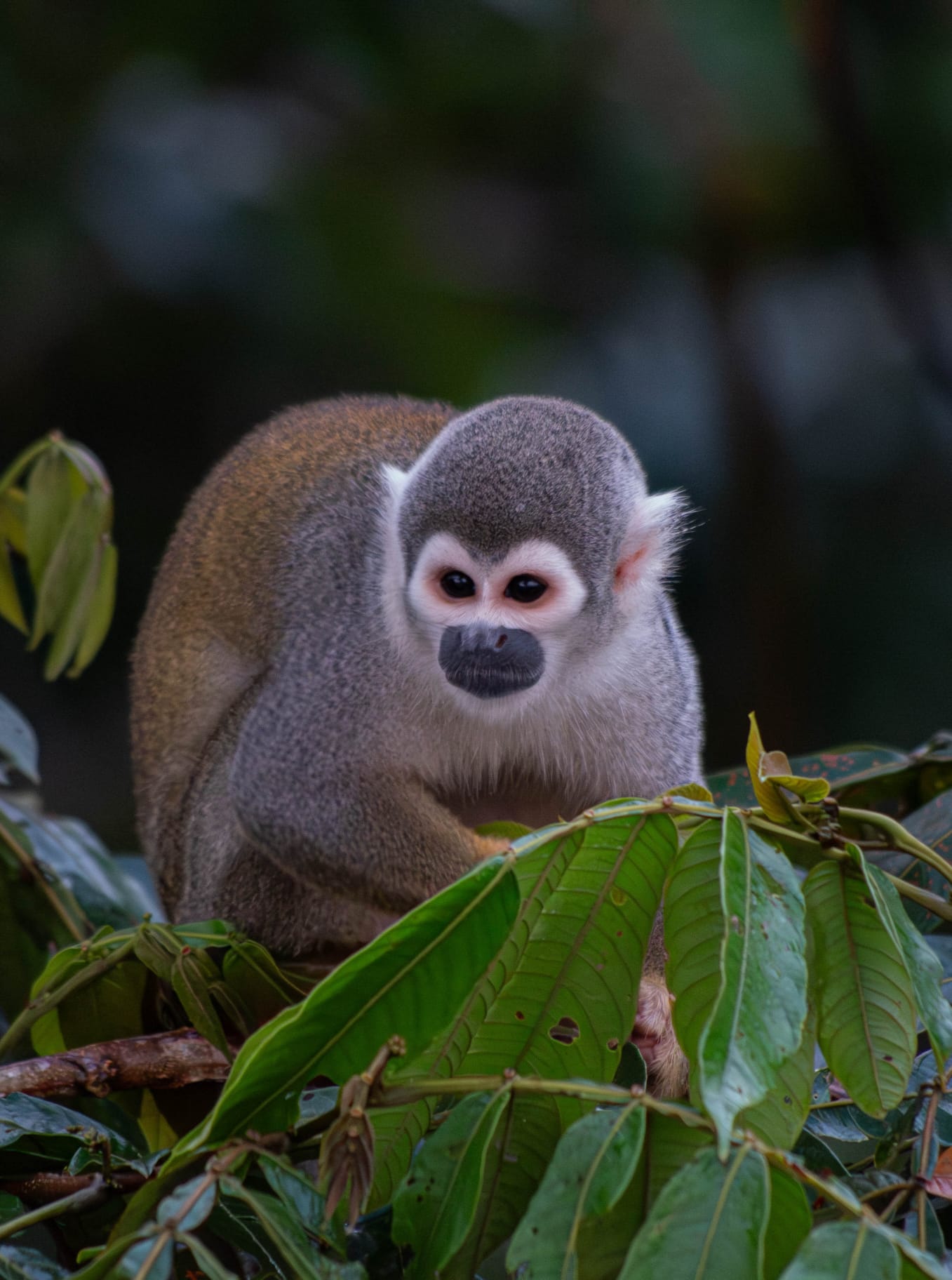
- Collecting crickets for squirrel monkeys, tamarins, and other animals
- Assisting with feeding (weighing, washing, and preparing vegetables; cleaning storage drawers)
- Cleaning enclosures and restoring natural habitat conditions
- Creating environmental and nutritional enrichment activities
- Managing live food (crickets and mice) in the bioterium
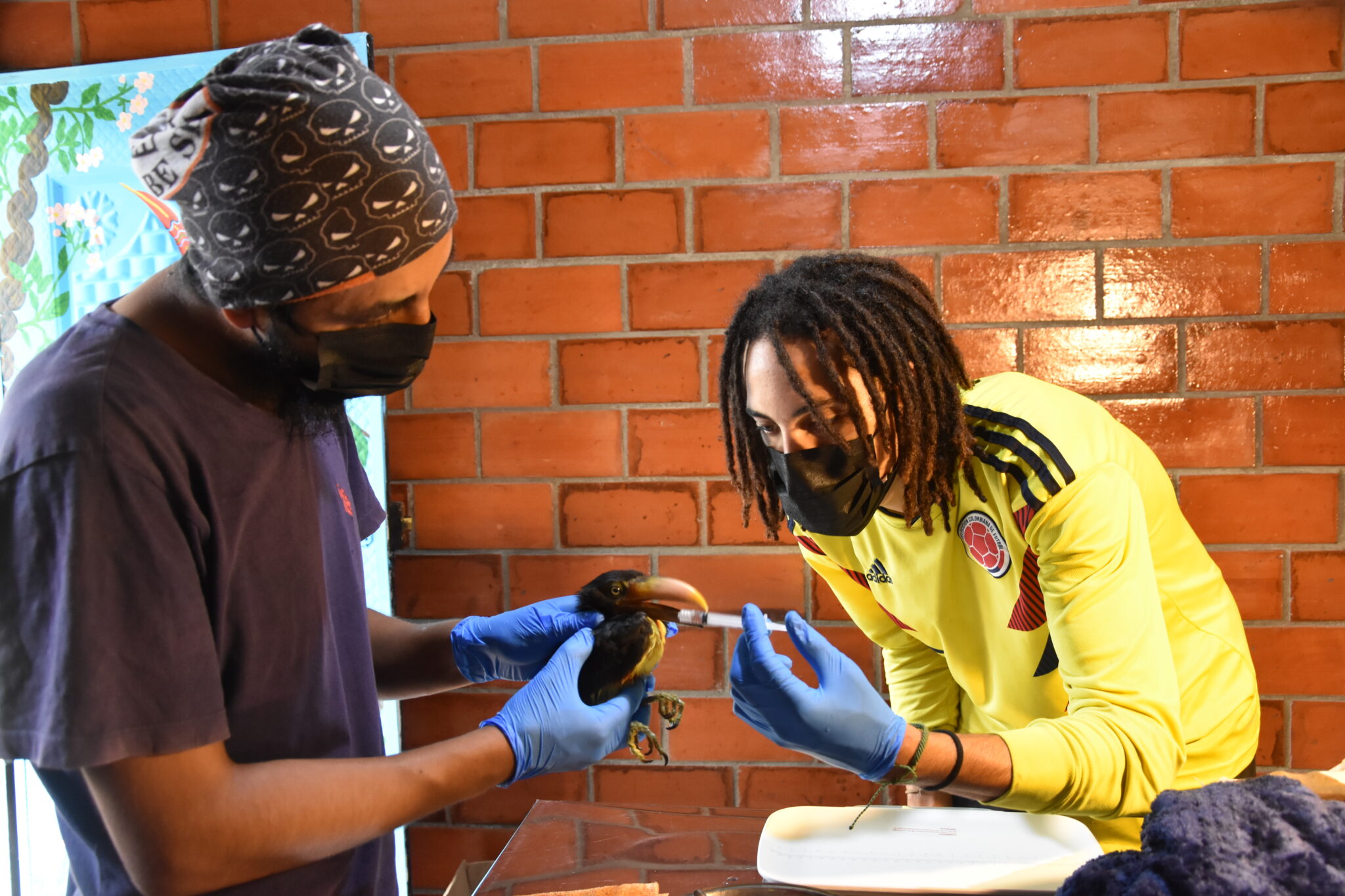
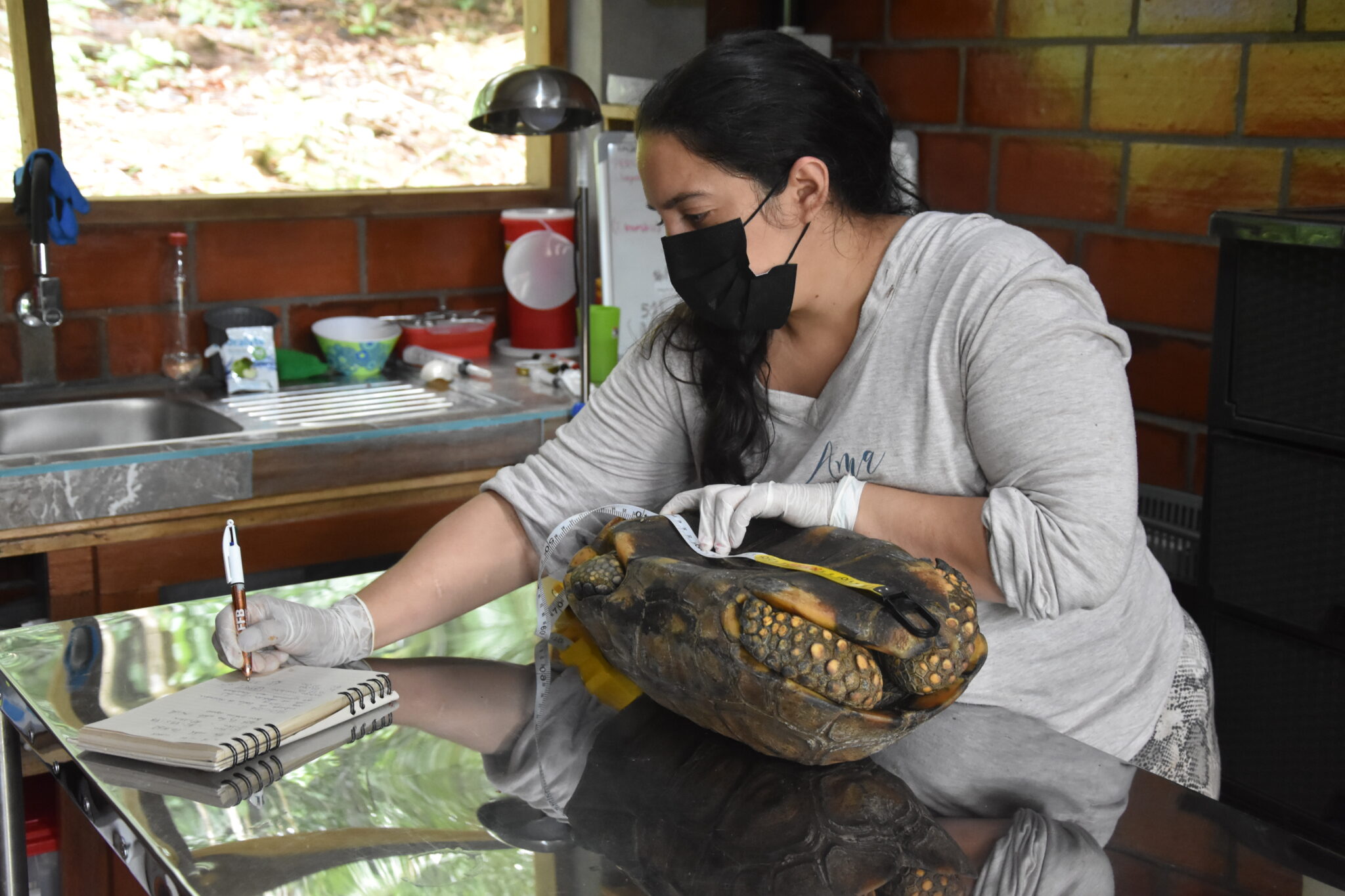
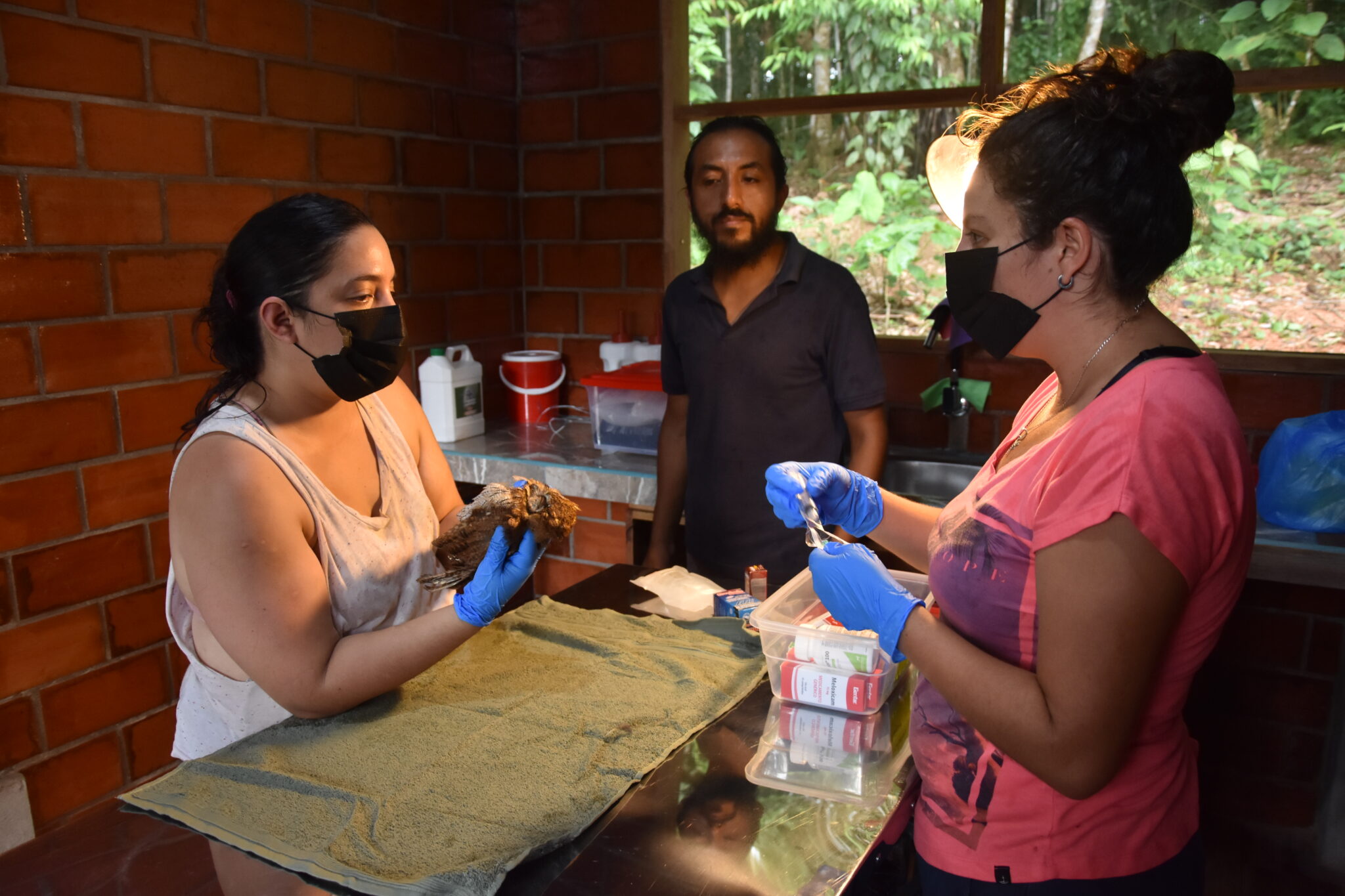
- Supporting the veterinarian during medical treatments
For both programs, the maximum duration is 6 months.
- From 160 € per week
- 640 € one month
- Maximum duration: 6 months
- Year-round for the agroecology project
- July to March for the wildlife sanctuary project – closed in April, May and June
Fees:
800 € per month. Tax deduction possible. The partner association is officially recognized as being of general interest and can therefore provide a tax receipt.
Included in the fee
- Accommodation
- Supervision (paid staff) and housekeeping service
- The fees are slightly higher than other organizations in Ecuador because volunteers are hosted in a very comfortable house, located deep in the forest.
Not included in the fee
- Food: approximately 20 USD per week
- Flights
- Travel insurance
- Language: The sanctuary teams (2 people) speak Spanish and English.
- The plantation teams (2 people) speak English, French, and Spanish fluently.
- Physical work in a hot and humid tropical climate
- Respect for the guesthouse rules: you must keep the place clean and respect the facilities
- Respect for the on-site teams who do their best to welcome and train you
- An information handbook must be signed before departure
Arrival / Welcome
To reach the Quito area:
In general, you arrive in the afternoon in Quito. If you take the 5 p.m. taxi, you will arrive in Puerto Misahuallí around 9 p.m. (later if there are road delays). Night falls around 6:30 p.m. Without local knowledge and in the dark, there are very few taxis to reach the association site. It is therefore strongly recommended to spend one night in Quito and travel the next morning.
A budget taxi number ($20) from the airport to Quito city center: +593 98 058 4959 – you can book it in advance. Free Wi-Fi is available at the airport, so you can contact them upon arrival.
From Quito:
Shared taxi (4 people per vehicle): $30 per person, 3h30–4h journey directly to Puerto Misahuallí. WhatsApp contact for Quito–Puerto Misahuallí taxis: +593 99 536 1297
Three daily departures: 5 a.m. – 12 p.m. – 5 p.m. They pick you up at your hotel.
When you arrive in Puerto Misahuallí: take a green and white shared taxi (about $4 per vehicle) parked near the village square. Ask to be taken to “Fundación de Santi” in Alto Tuyano.
Accommodation
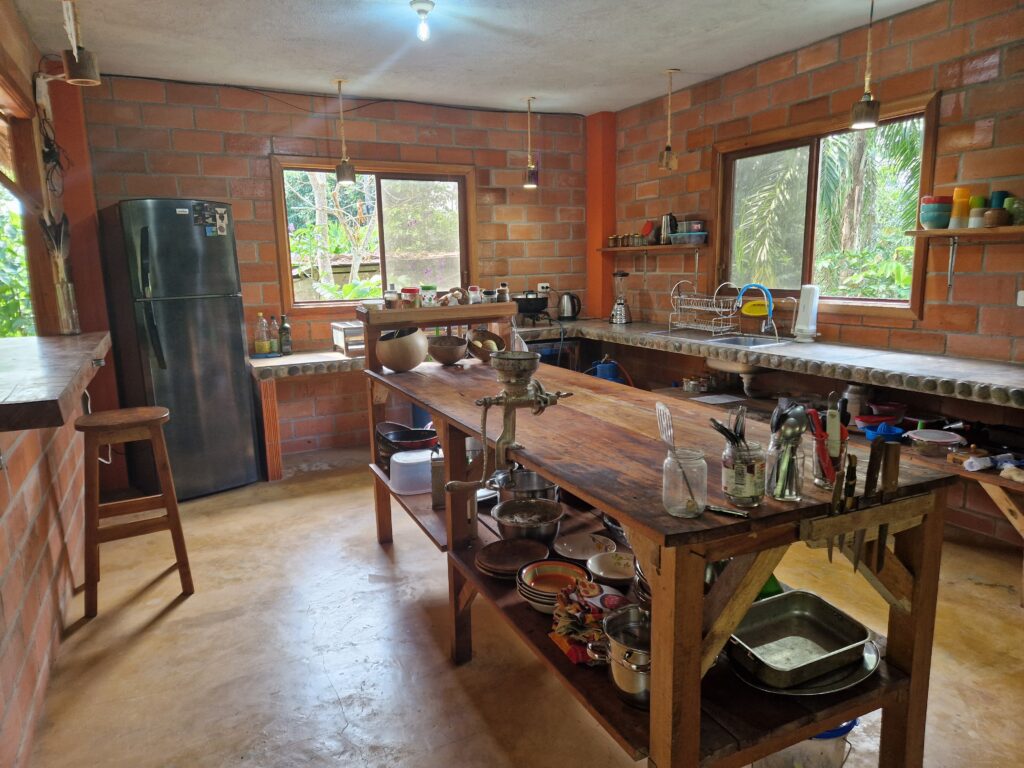
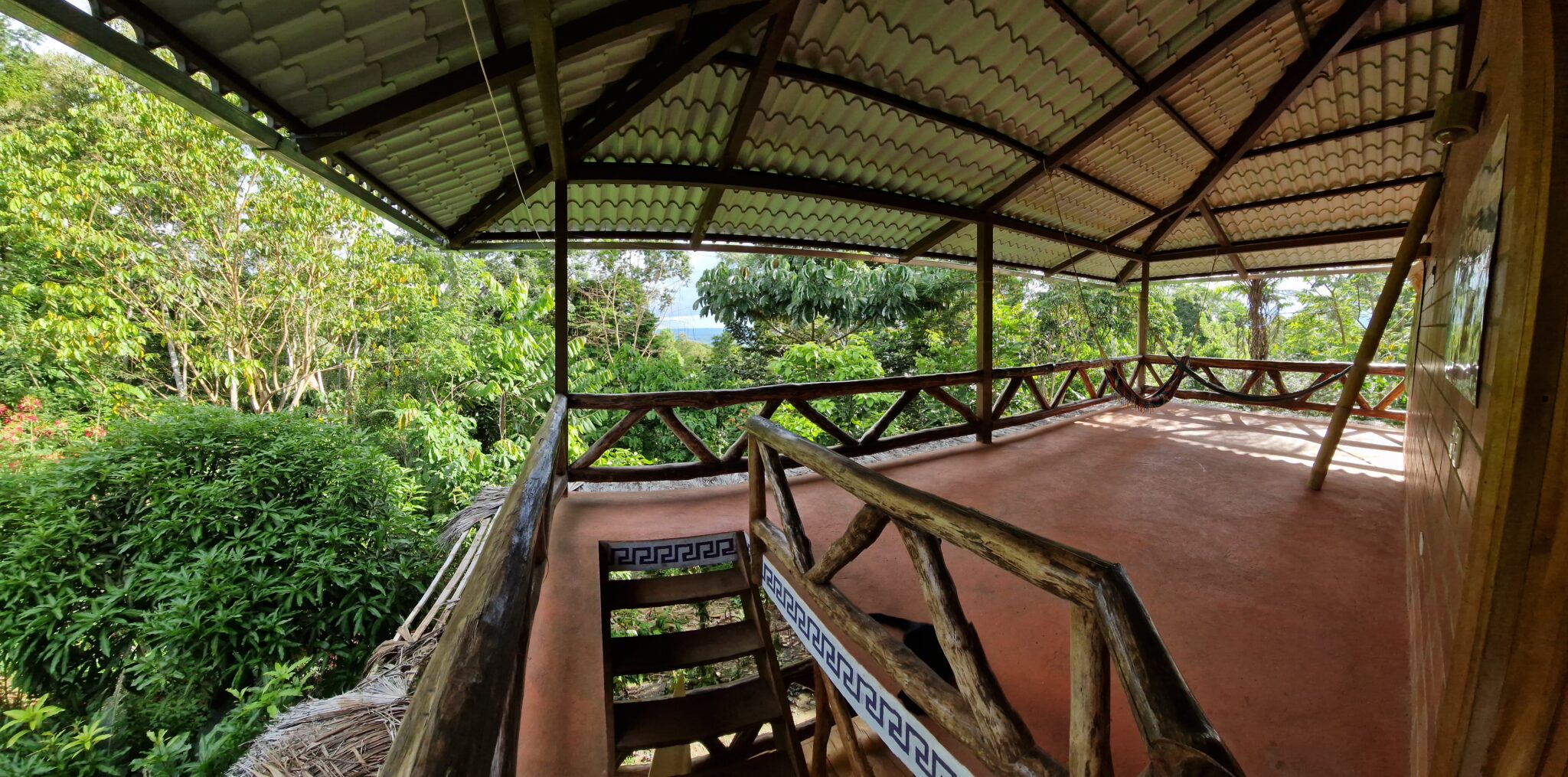
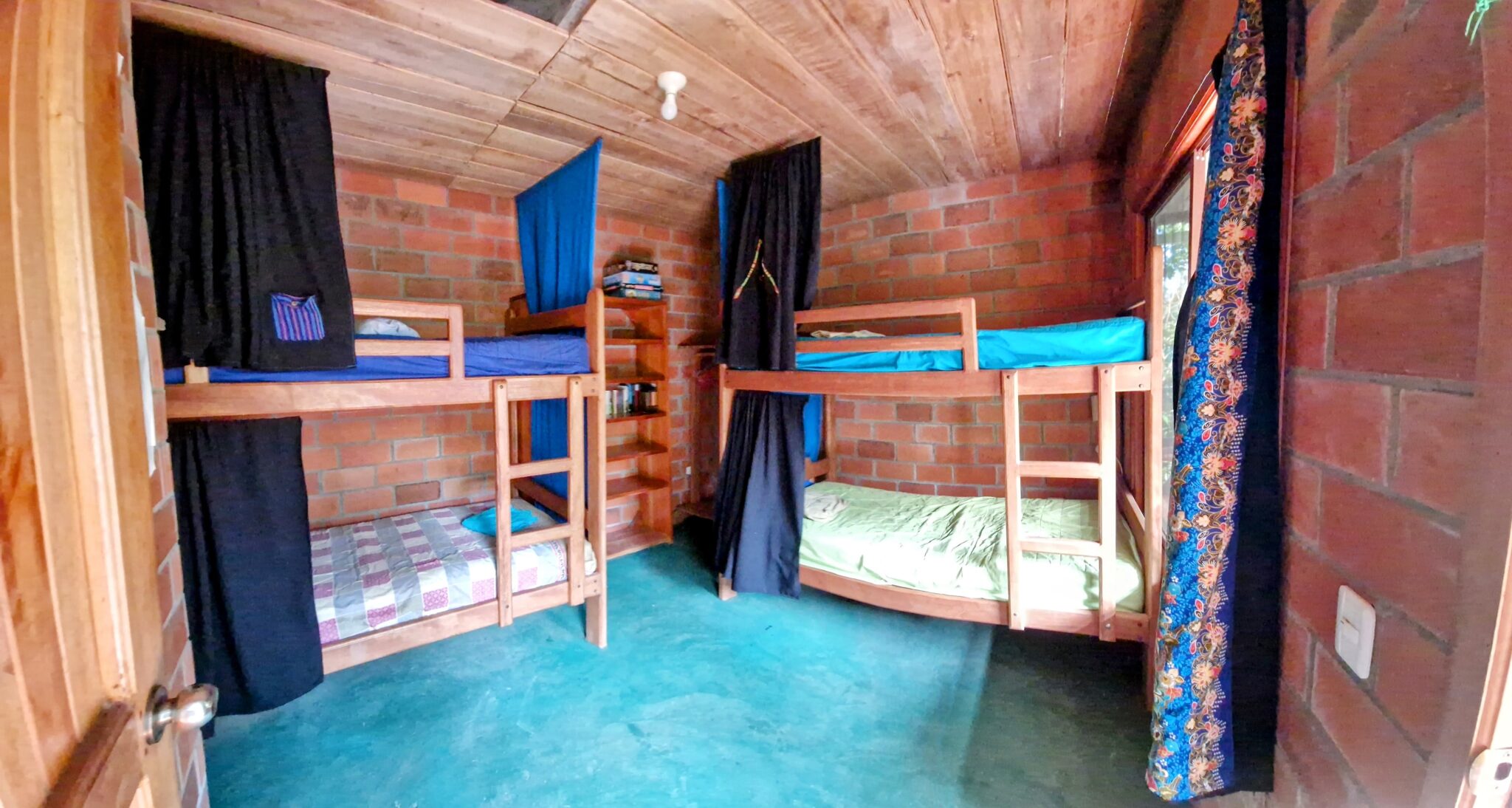
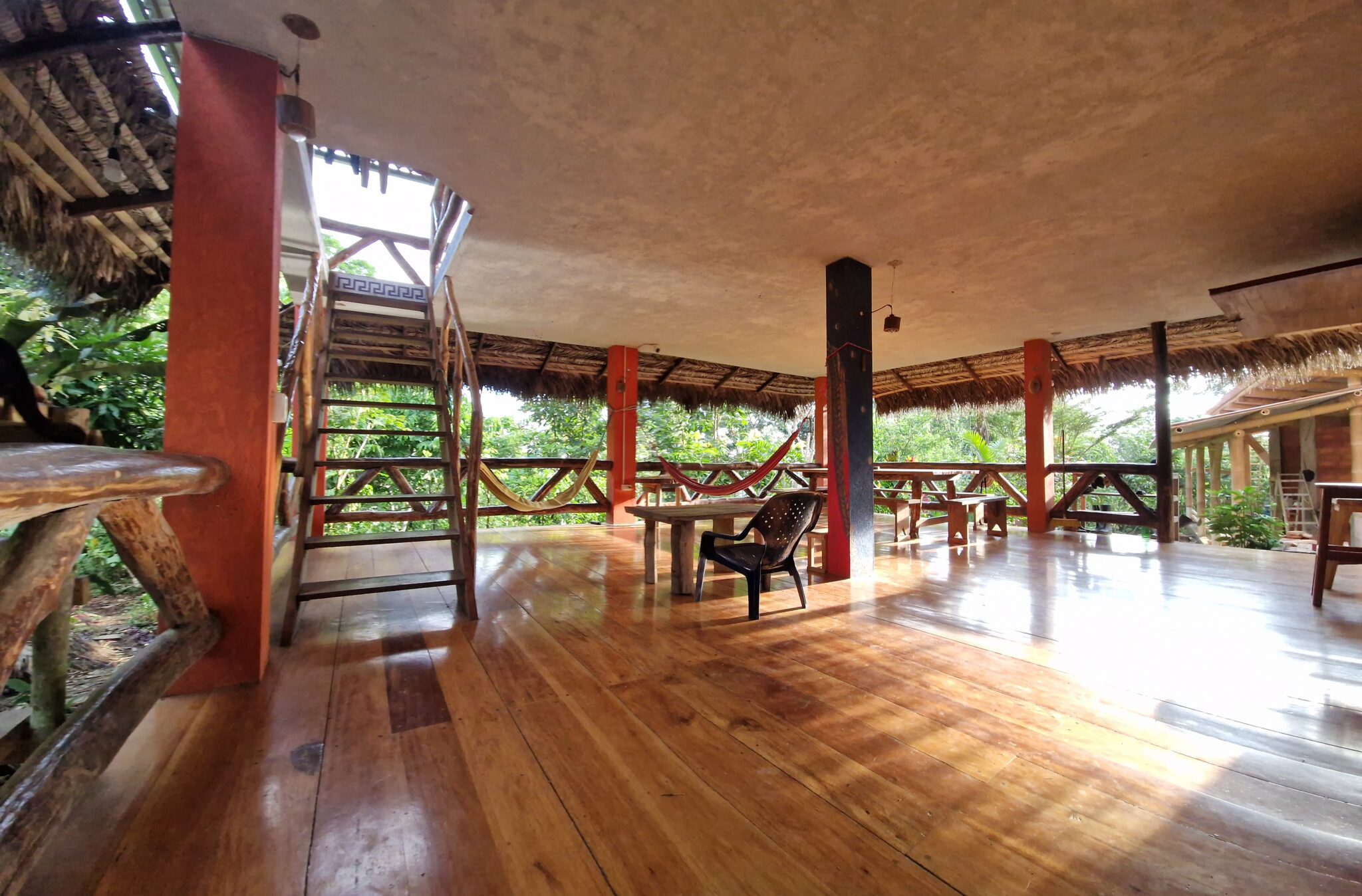
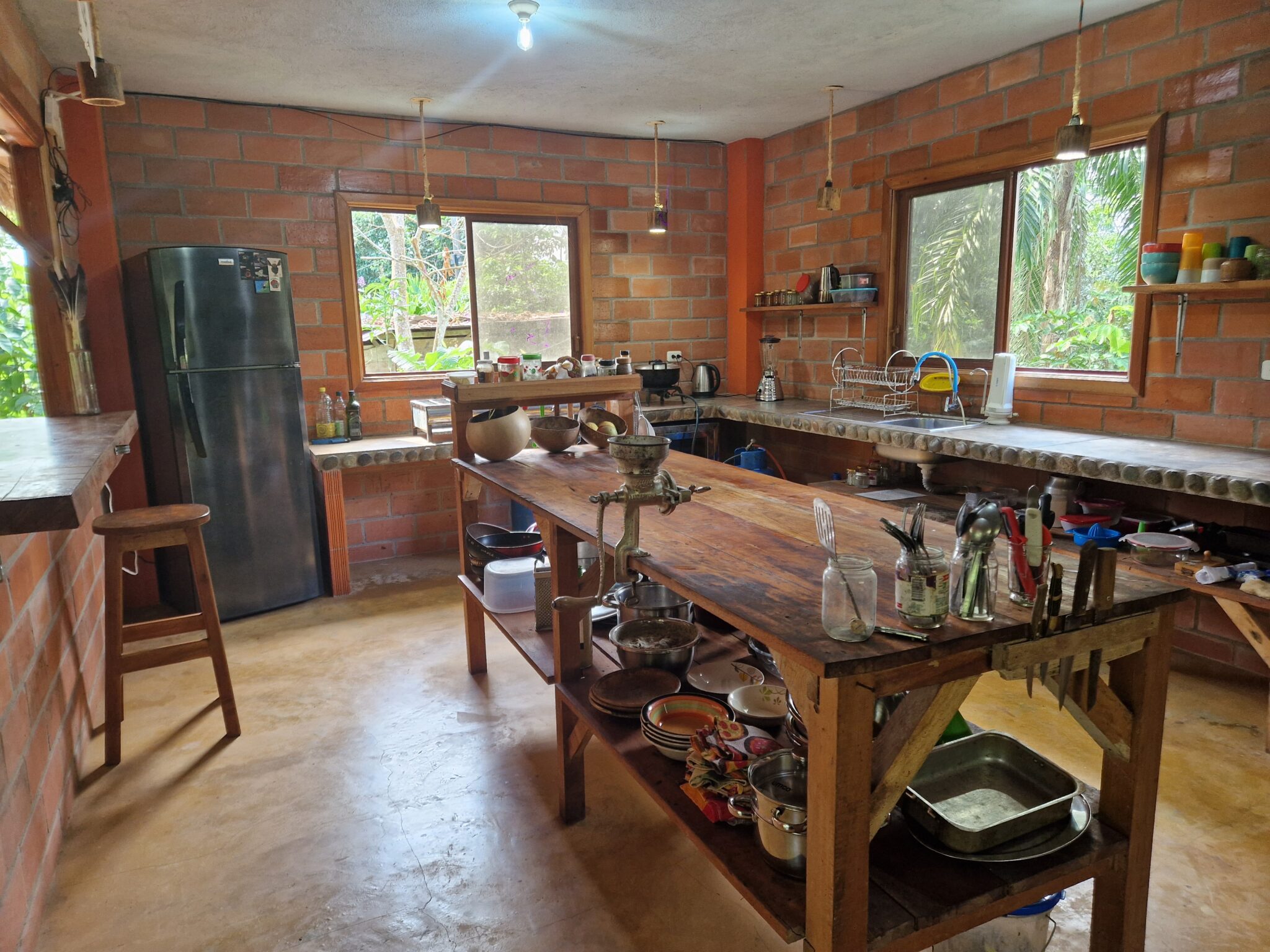
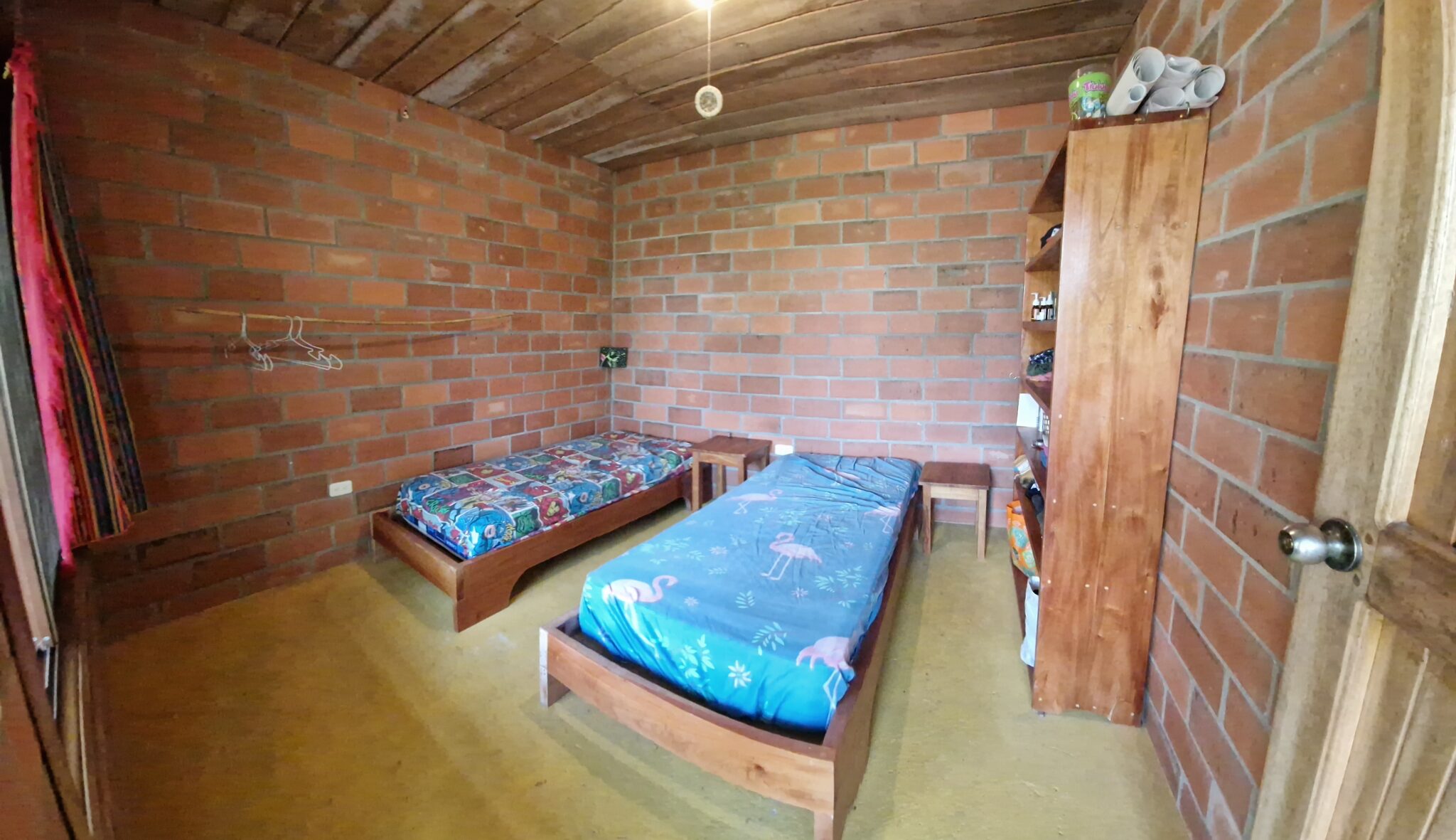
The house is 200 m², with a 32 m² kitchen, a large ground-floor terrace and a large upstairs terrace. There are 3 bedrooms: one with a double bed, one with 2 single bunk beds, and one with 4 single bunk beds. There are 2 showers (one with hot water) and eco-luxury dry toilets. Electricity is hydraulic. There are two water sources: one from the village and one from rainwater collection. Wi-Fi is available.
Food
You shop and cook for yourself. The budget is approximately $20 per week. A wide variety of fruits, vegetables, starches, and meat is available on site.
Climate
Hot and humid. Temperatures do not drop below 21°C and can exceed 35°C.
Rainy season: January to June
Insects
There are not many mosquitoes. The biting insects are tiny sandflies (Phlebotominae). You can make your own repellent using essential oils (lavender or Bourbon geranium) mixed with aloe vera gel or Solubol dispersant.
Location
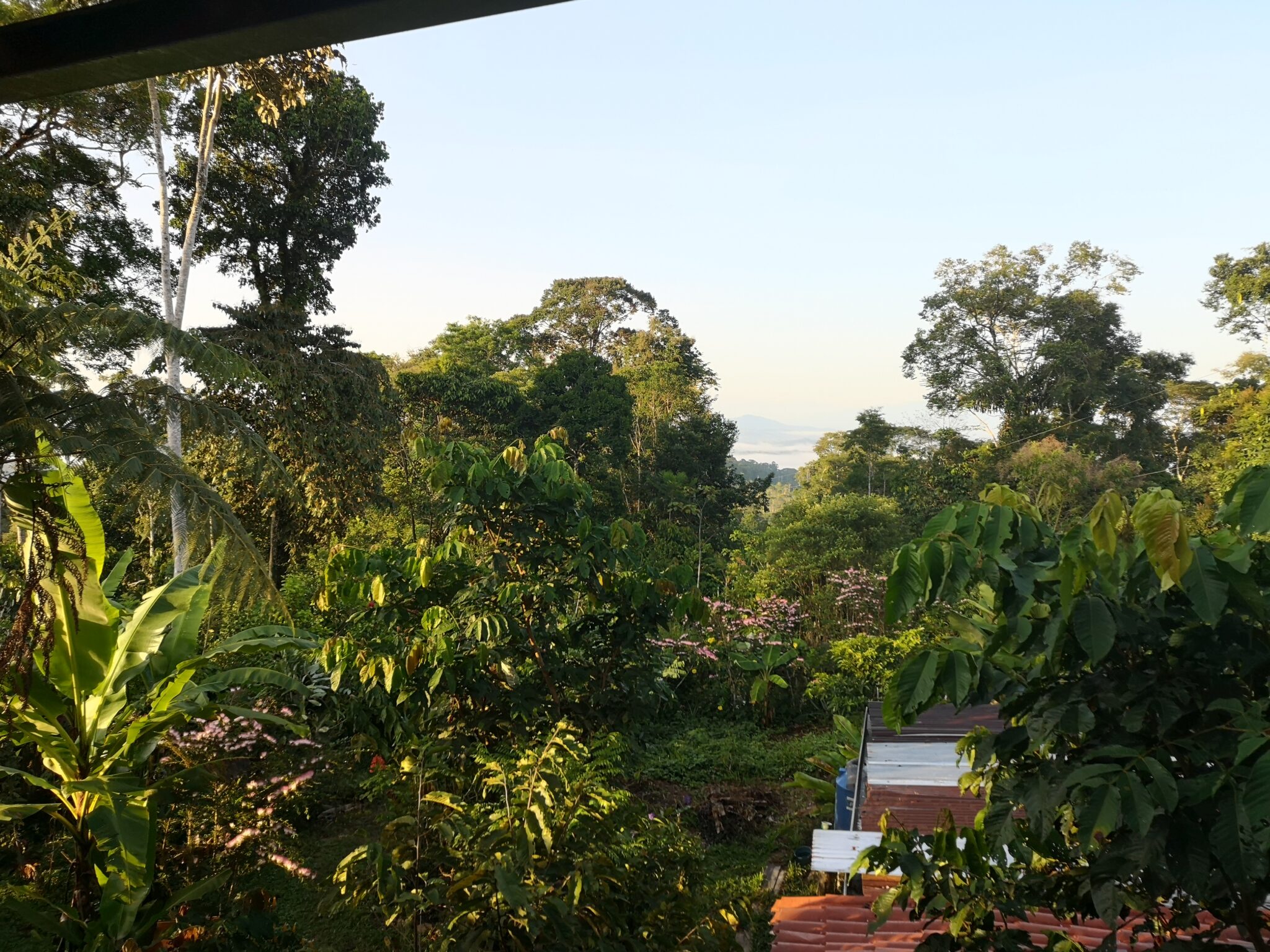
The site is located at 570 meters above sea level, on the edge of the Amazon rainforest (Puerto Misahuallí at 400 m).
The nearest town is Tena, 40 minutes by bus from Puerto Misahuallí ($0.90).
Languages
The sanctuary teams (2 people) speak Spanish and English. The plantation teams (2 people) speak English, French, and Spanish fluently.
- The professionalism of the teams and their willingness to help you discover the Amazon environment
- The location: deep in the forest, magical, beautiful, with a unique energy
- The plantation and ARRIBA NACIONAL cacao, including chocolate production
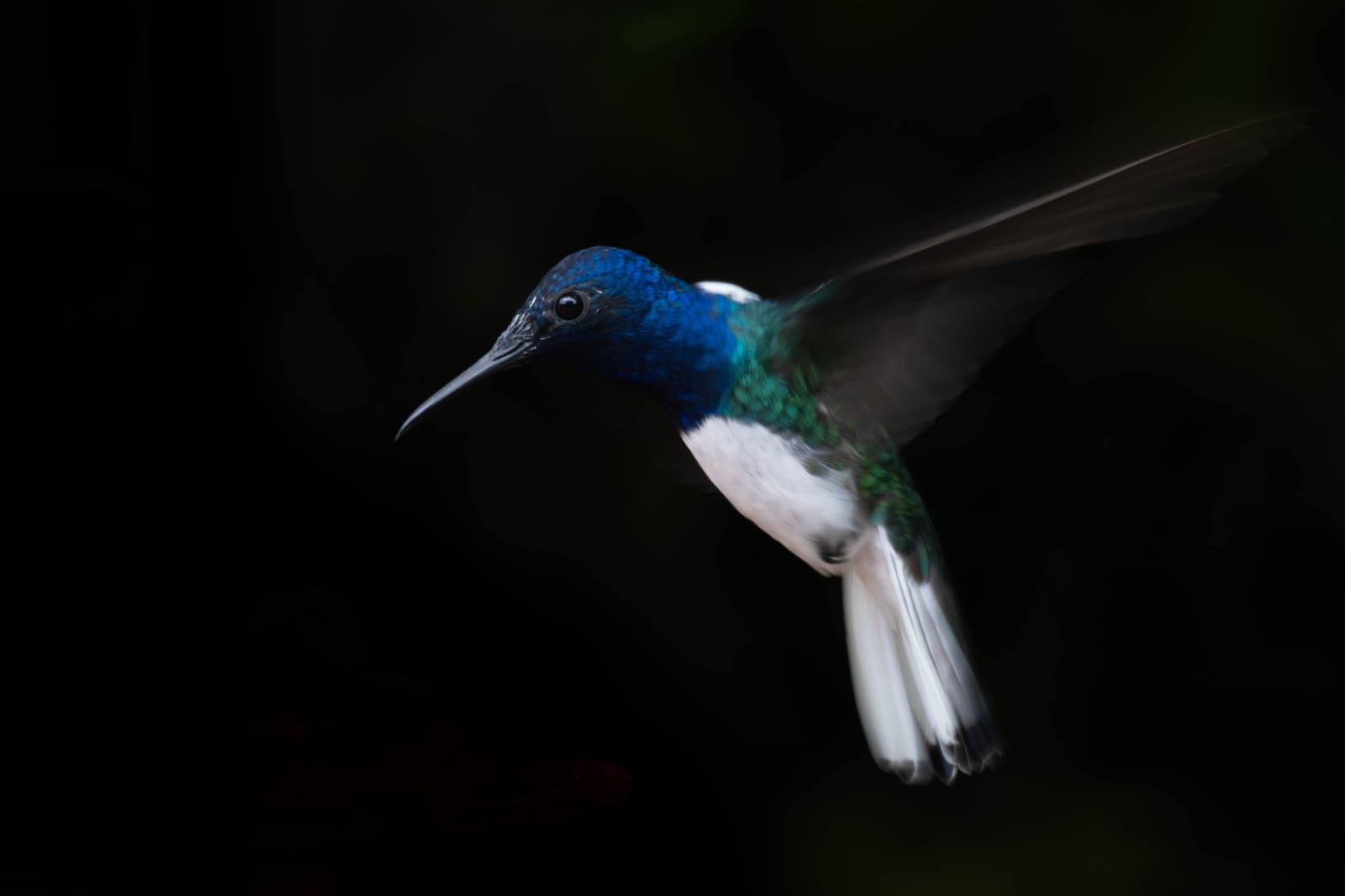
- The wildlife rescue center and animal care activities
- Agroecology and sustainable farming practices
- The search for autonomy and self-sufficiency
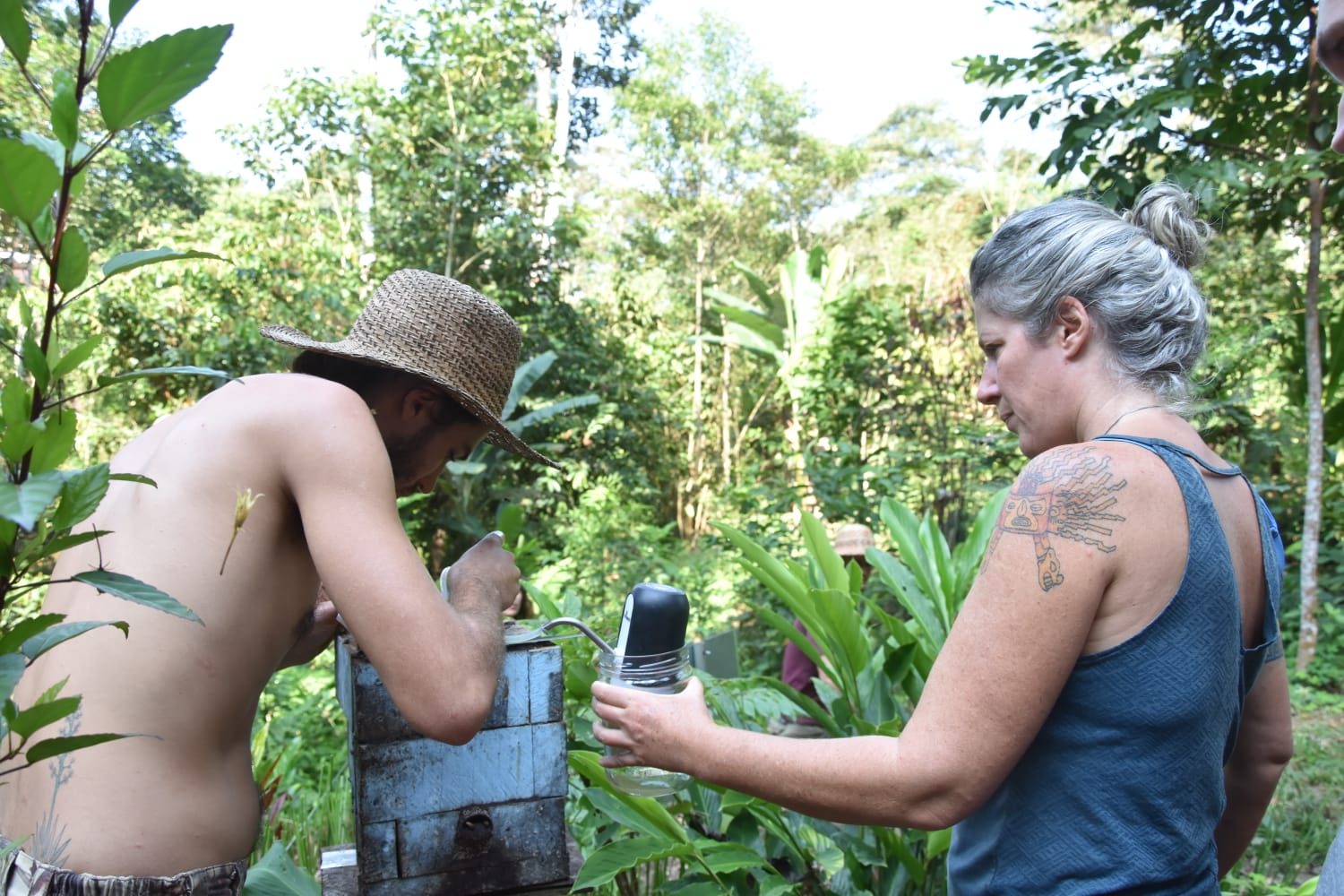
- Melipona bees (stingless bees) and their ecological role
- A great spot for rafting
- Sinchi Warmi: women’s community, handicrafts
- Marlene: another women’s community focused on crafts and pottery
- Fundación Ruku Yachay (Alpa Maki): a family community producing handicrafts and pottery
- Tilapia fishing at the bottom of the site
- The association’s educational trail
- Learning how to milk cows and make cheese
- Napo Sumaco Geopark
About the partner organization
Our partner is a Franco-Ecuadorian non-profit organization recognized as being of public interest. It works to preserve and restore biodiversity while engaging communities in environmental protection, both in France (Southern region) and in Ecuador, in the heart of the Amazon rainforest — the “lungs of the planet.”
The association carries out a range of concrete actions:
- Awareness workshops on environmental protection and international solidarity
- Reforestation initiatives and agroforestry plantations
- Creation of natural reserves
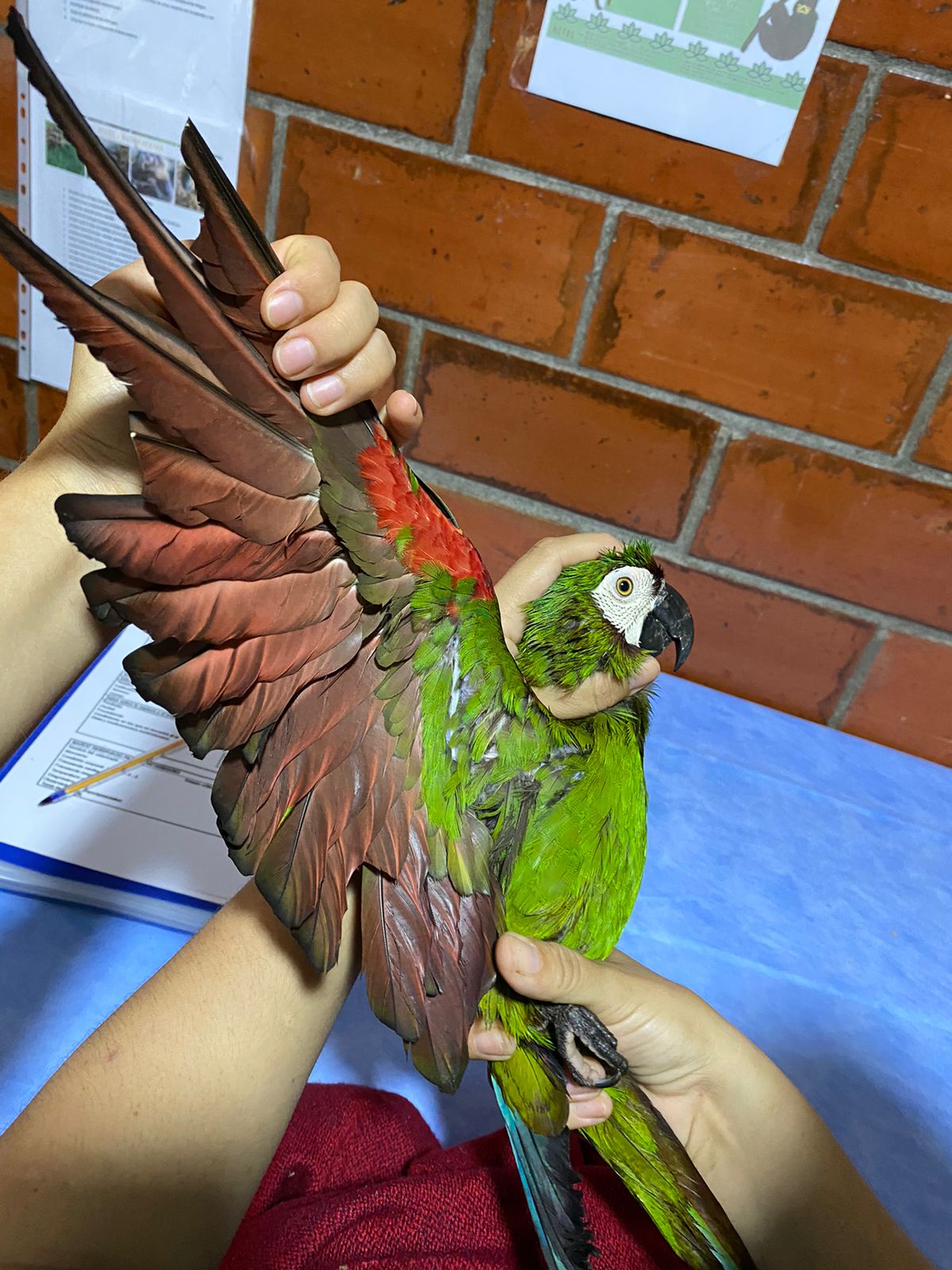
- A wildlife rescue and rehabilitation center for injured animals or those rescued from illegal trafficking
- Conservation and awareness programs focused on Melipona bees (stingless bees)
