Français
 English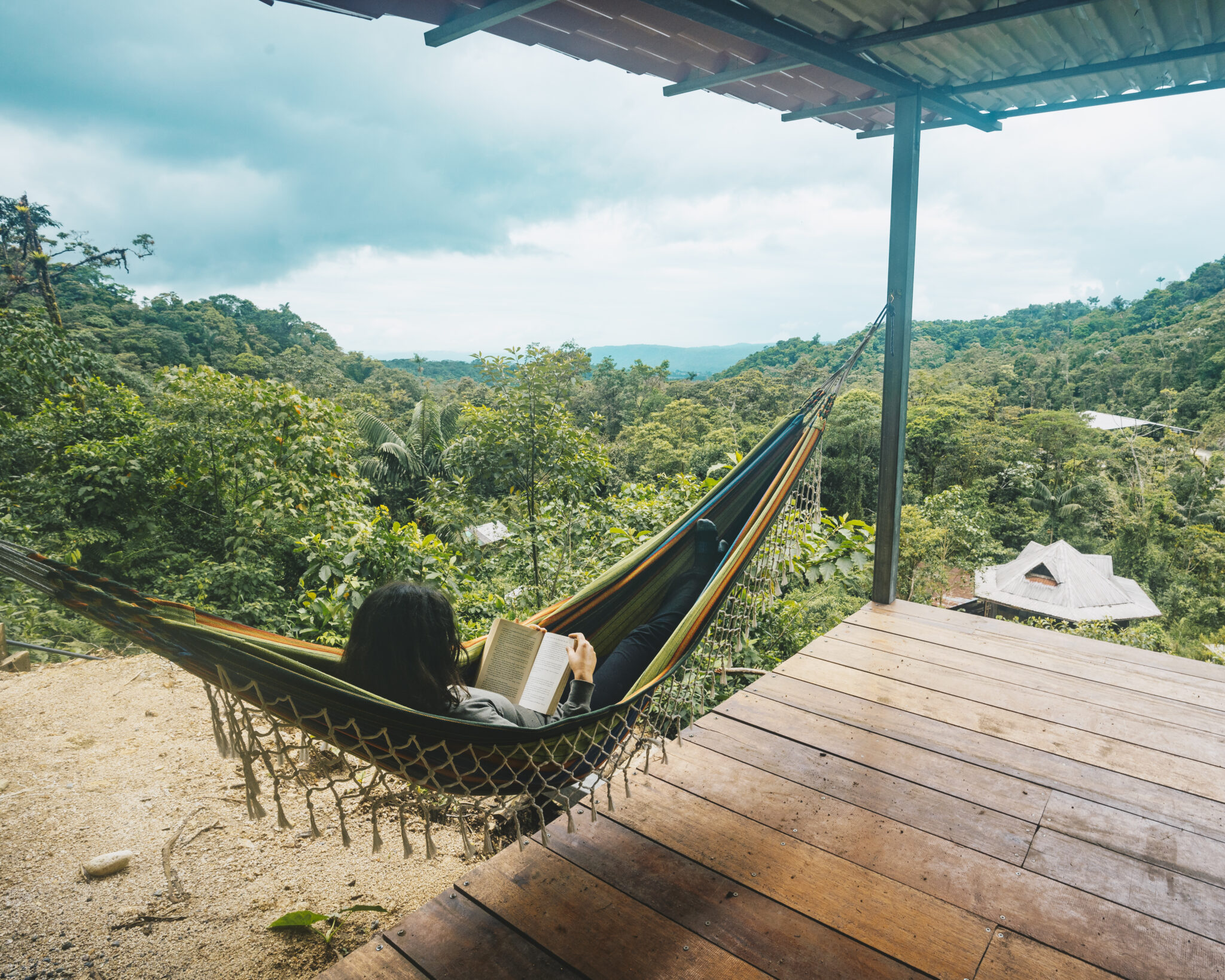
Eco-volunteering in Ecuador: join a wildlife rescue center to care for, rehabilitate, and release animals in the Amazon. All missions in… Ecuador here
Wildlife Rehabilitation Center in the Ecuadorian Amazon
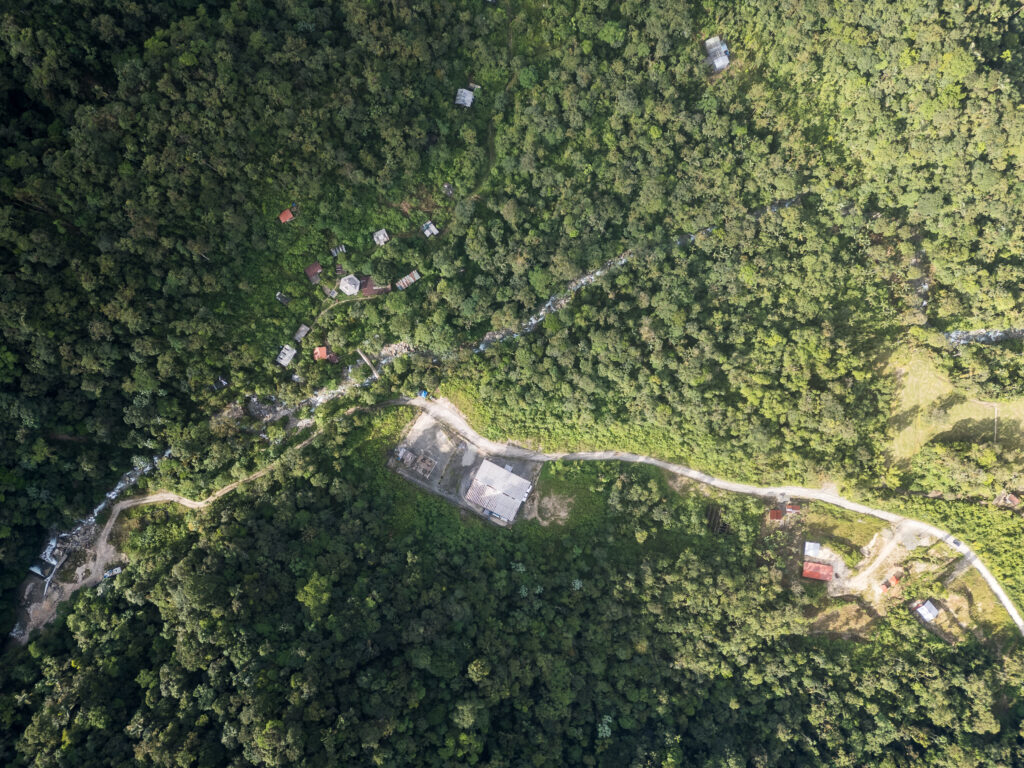
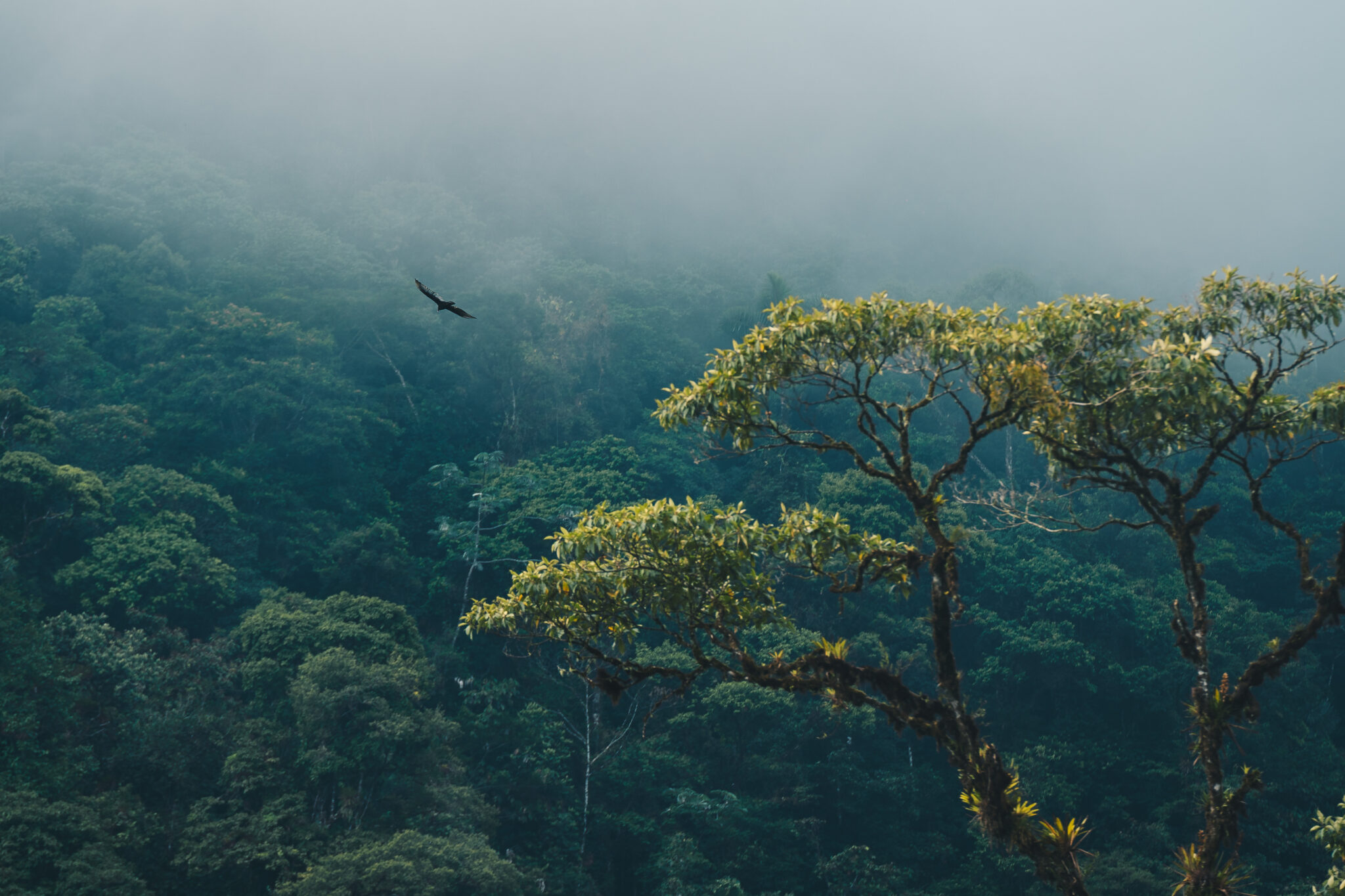
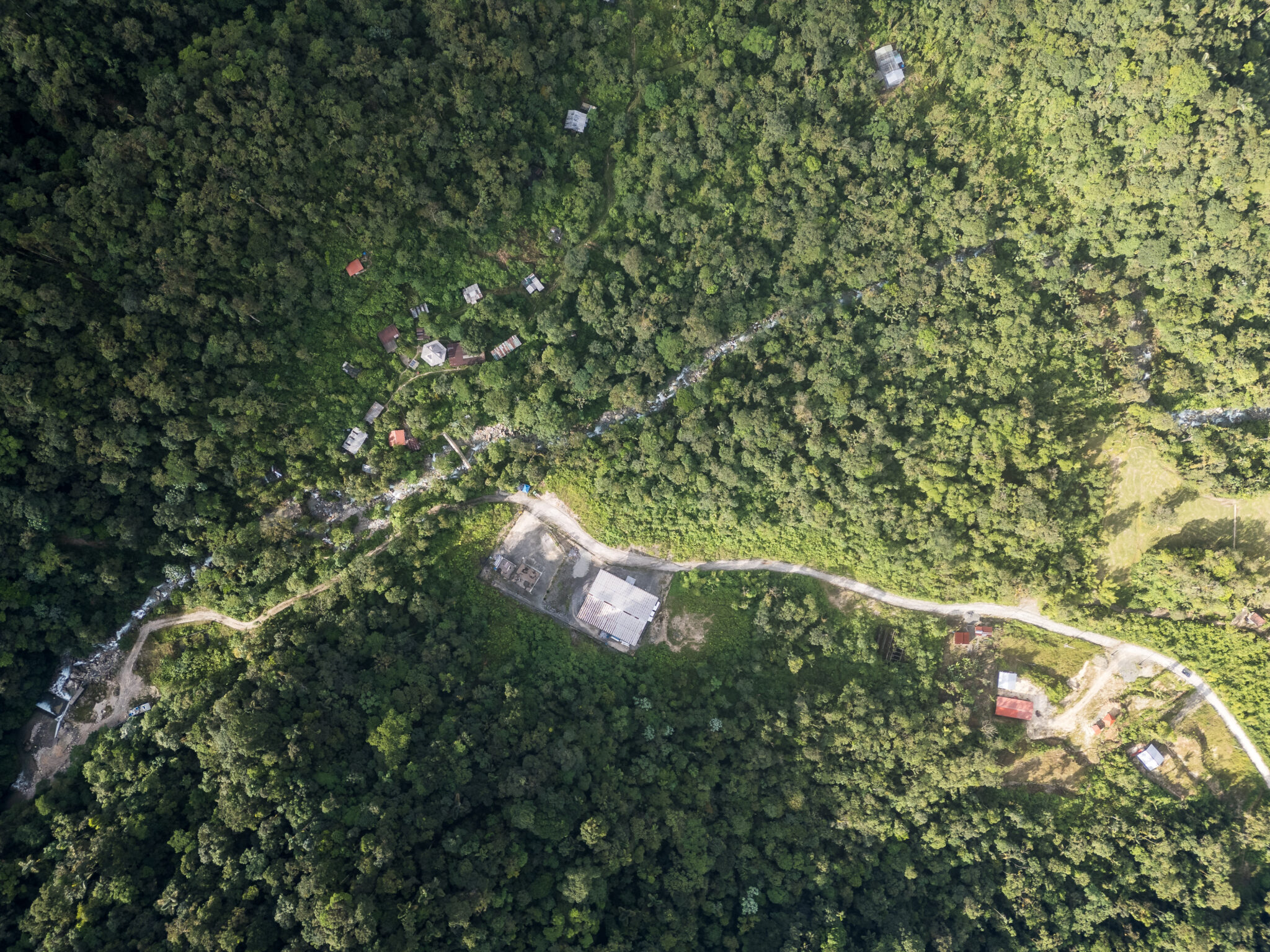
Our partner runs a wildlife rehabilitation center located deep within a 100-hectare tropical forest reserve near the town of Mera, in the Ecuadorian Amazon. Since its creation in 2004, the sanctuary’s team has been caring for animals affected by illegal wildlife trafficking and deforestation, rehabilitating them and releasing them back into the wild whenever possible.
The approach is highly professional and “hands-off,” meaning no unnecessary human contact with the animals. Everything is designed to minimize human impact in order to maximize their chances of returning to their natural habitat.
By joining this center in the heart of the rainforest, you contribute directly to conservation efforts in the Amazon, in a fully dedicated wildlife site far from mass tourism, guided by an ethical, rehabilitation-and-release philosophy.
The eco-volunteer’s role
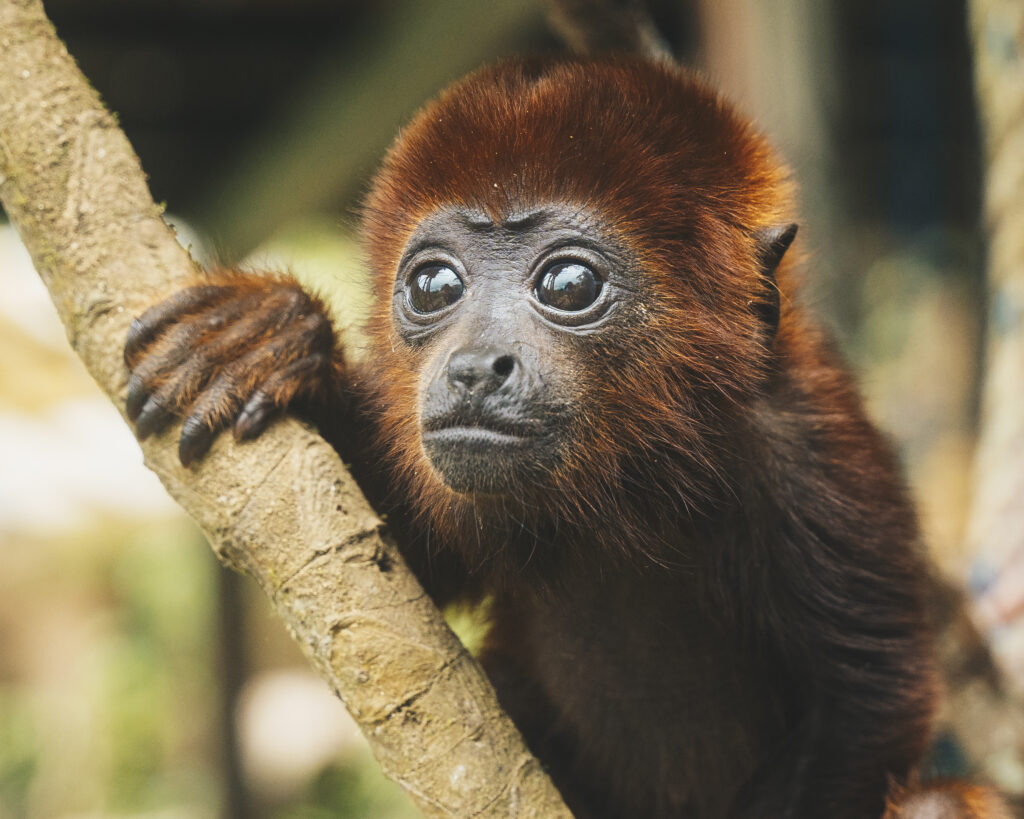
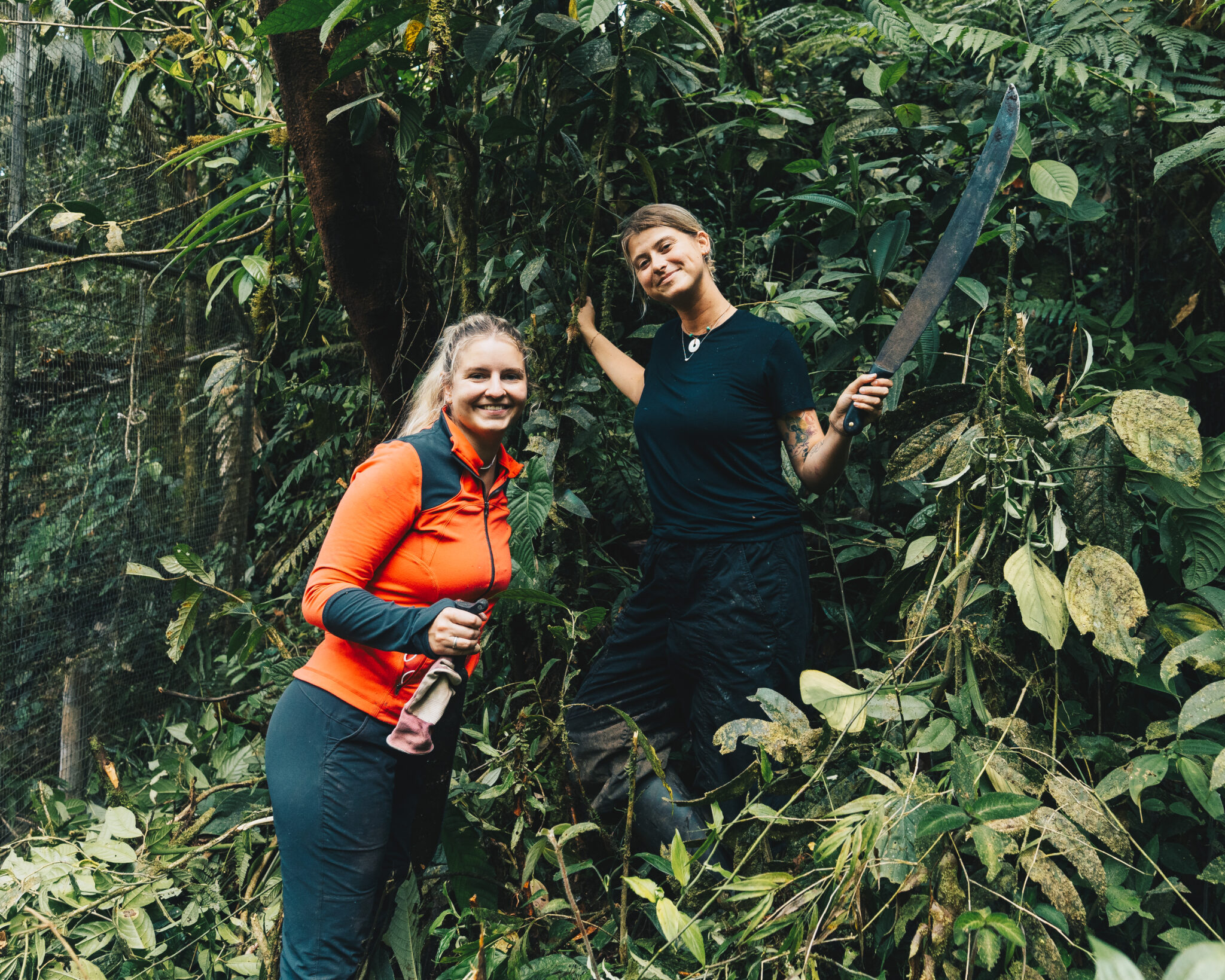
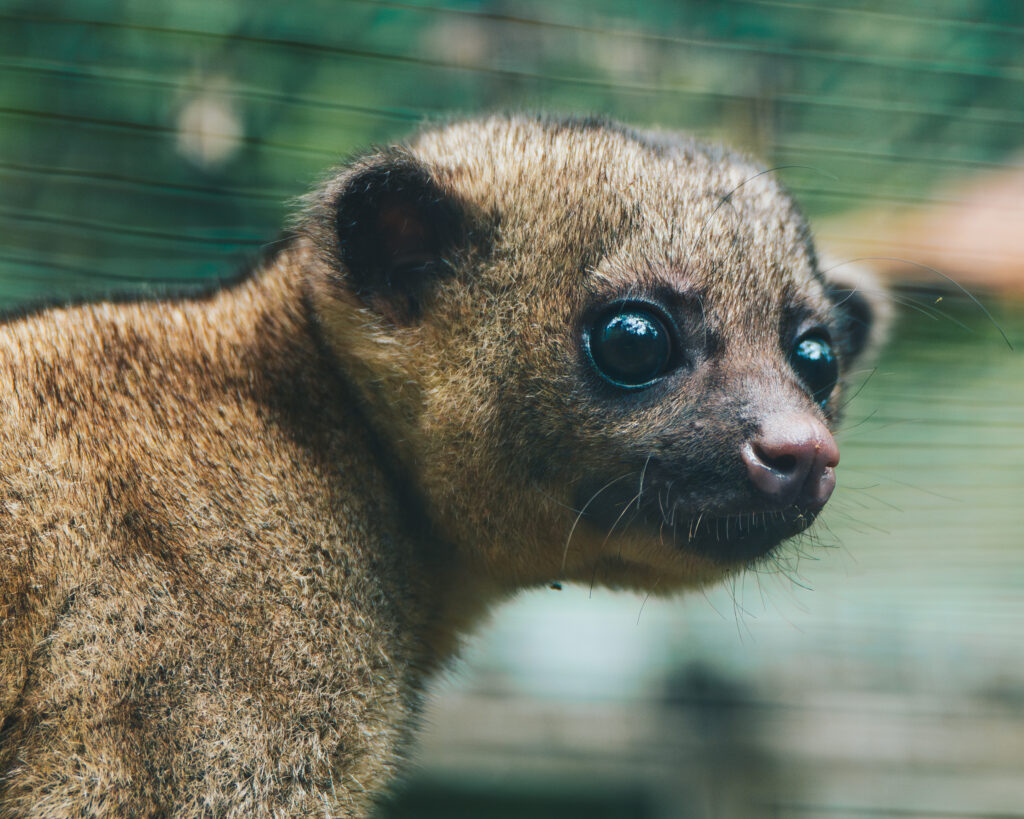
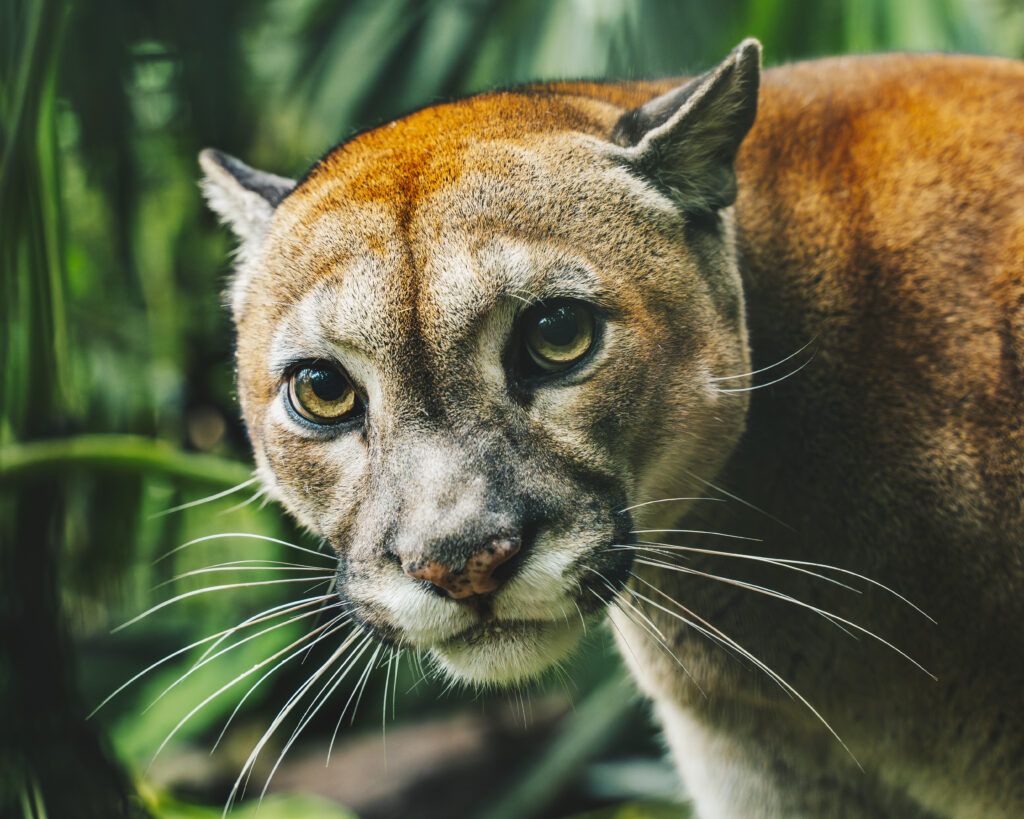
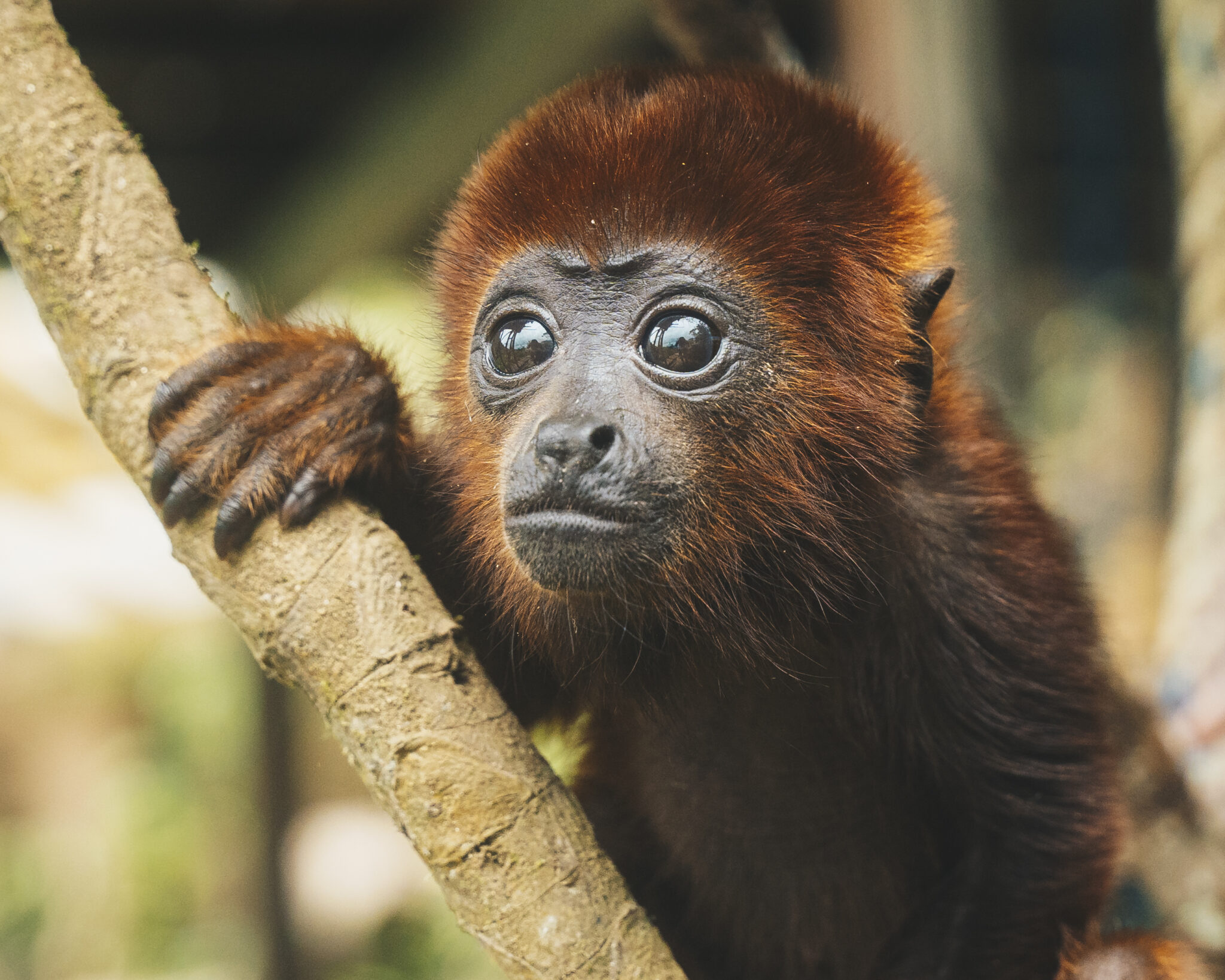
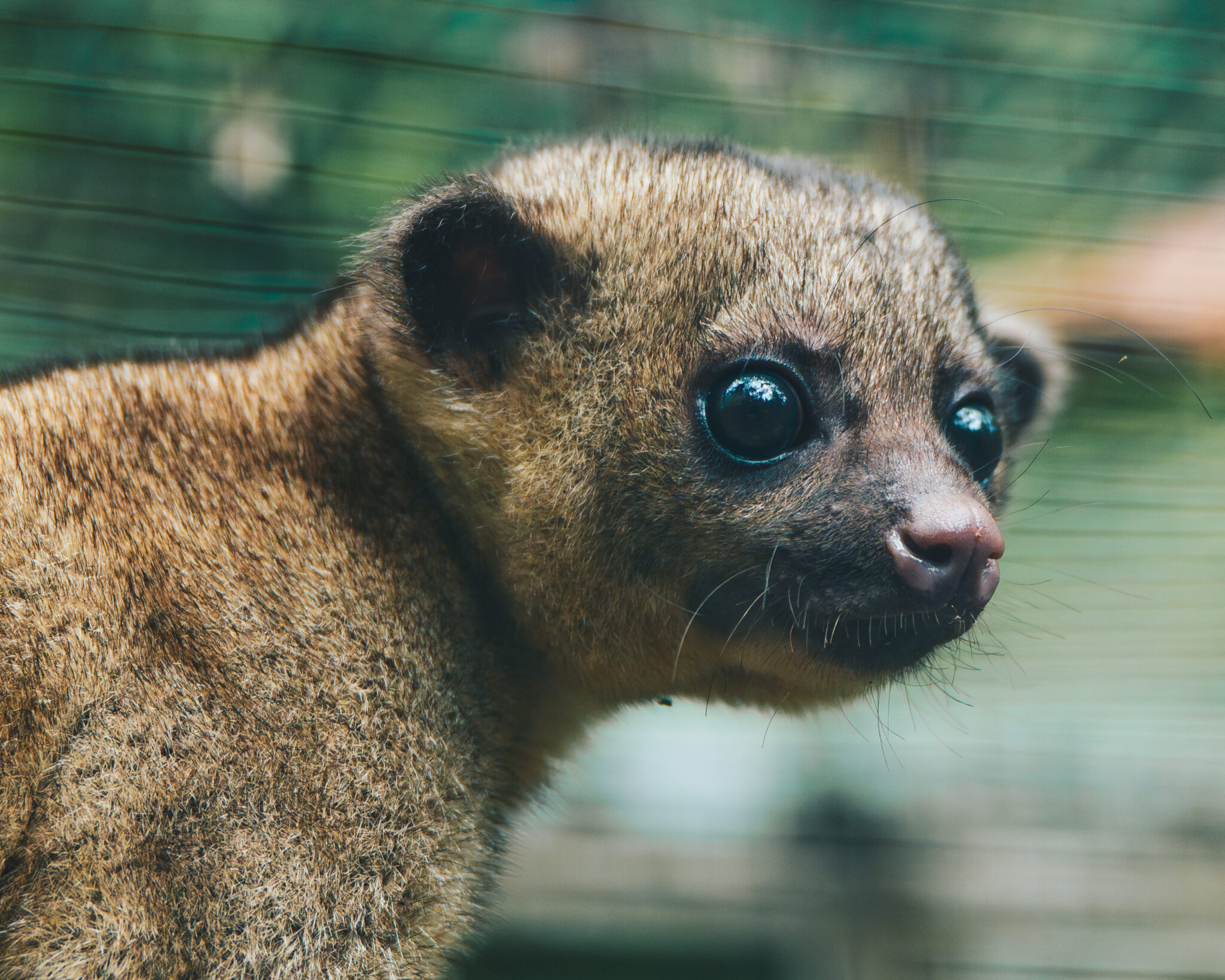
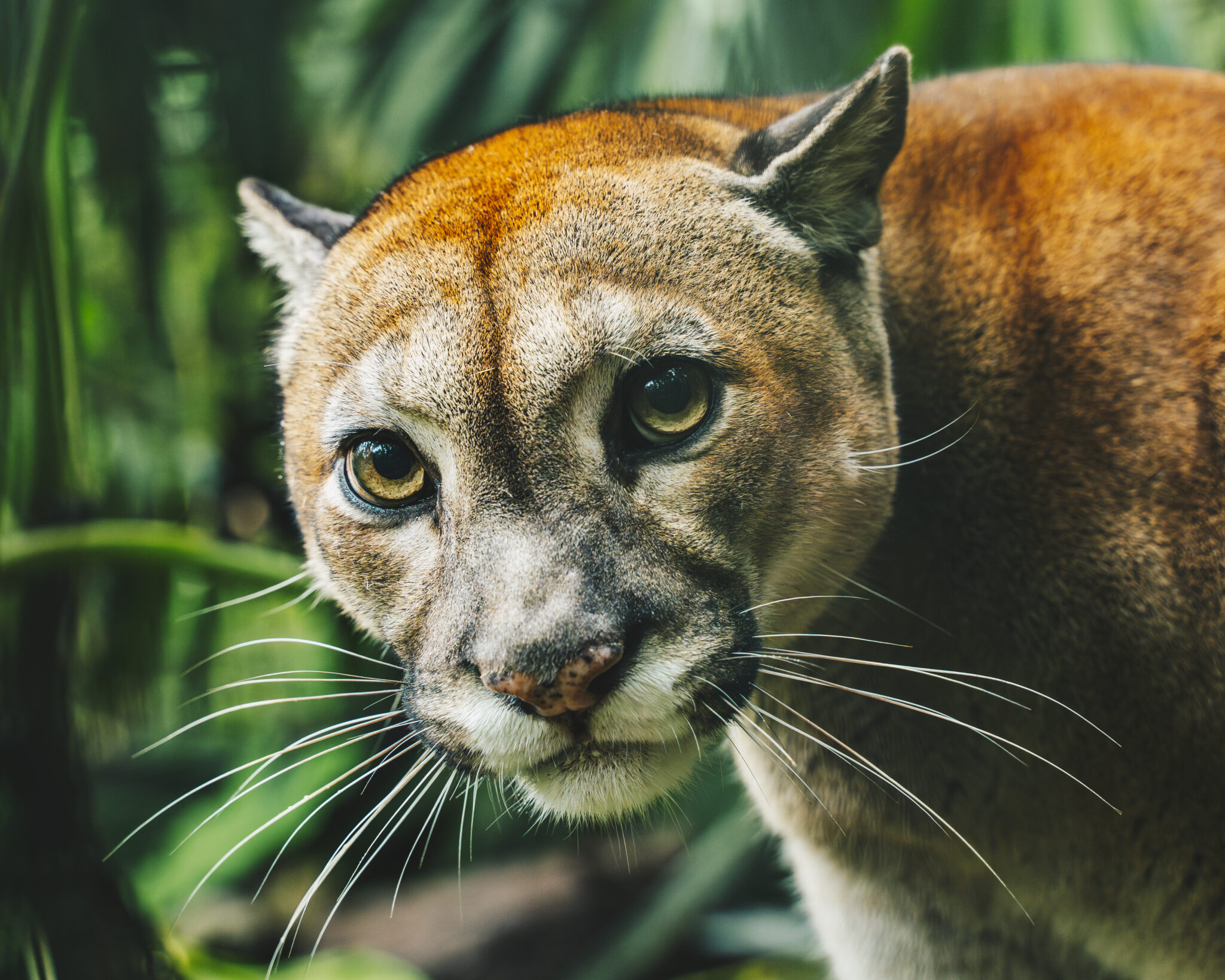
The center welcomes volunteers from all over the world who support the team in daily care and maintenance of the sanctuary. On site, there are usually 10 to 20 volunteers helping to feed, clean, and enrich the enclosures of more than 100 animals: monkeys (capuchins, woolly monkeys, howler monkeys, tamarins…), parrots, kinkajous, small mammals, and occasionally big cats (such as pumas), most of them rescued and entrusted by the Ecuadorian Ministry of Environment after being confiscated from the illegal wildlife trade.
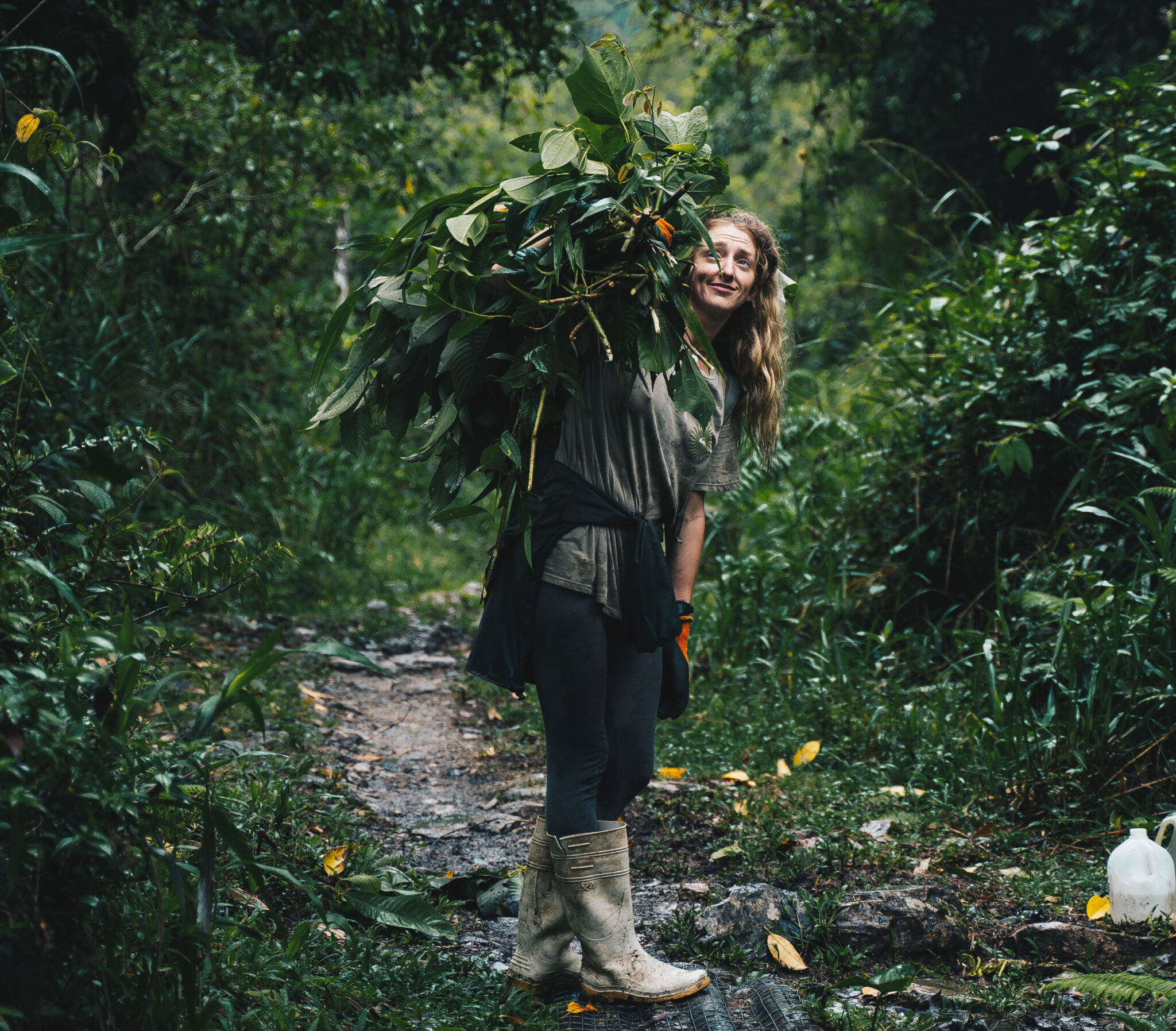
On a daily basis, you will join an international team and take part in concrete, hands-on tasks dedicated to animal welfare and conservation:
- Preparing food rations and feeding animals (several rounds per day) following strict protocols
- Cleaning and maintaining enclosures to ensure hygiene and safety
- Creating environmental enrichment (perches, structures, food and sensory stimulation) to encourage natural behaviors
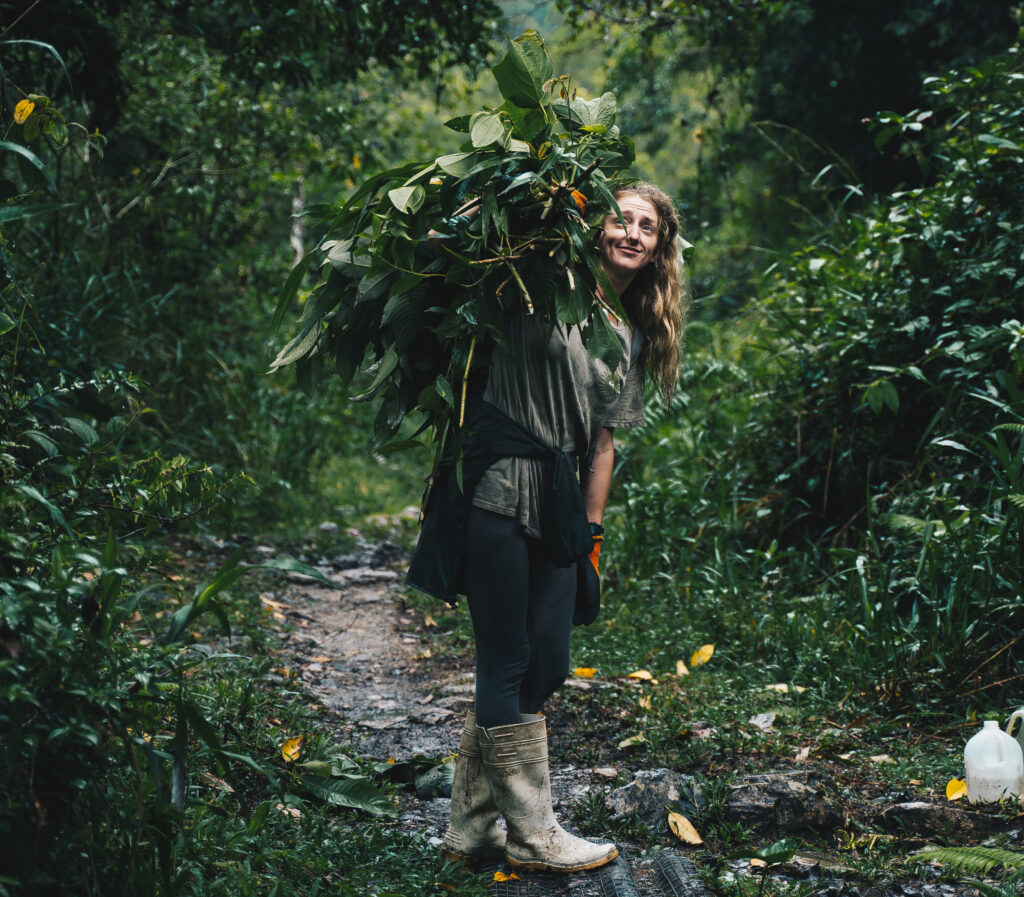
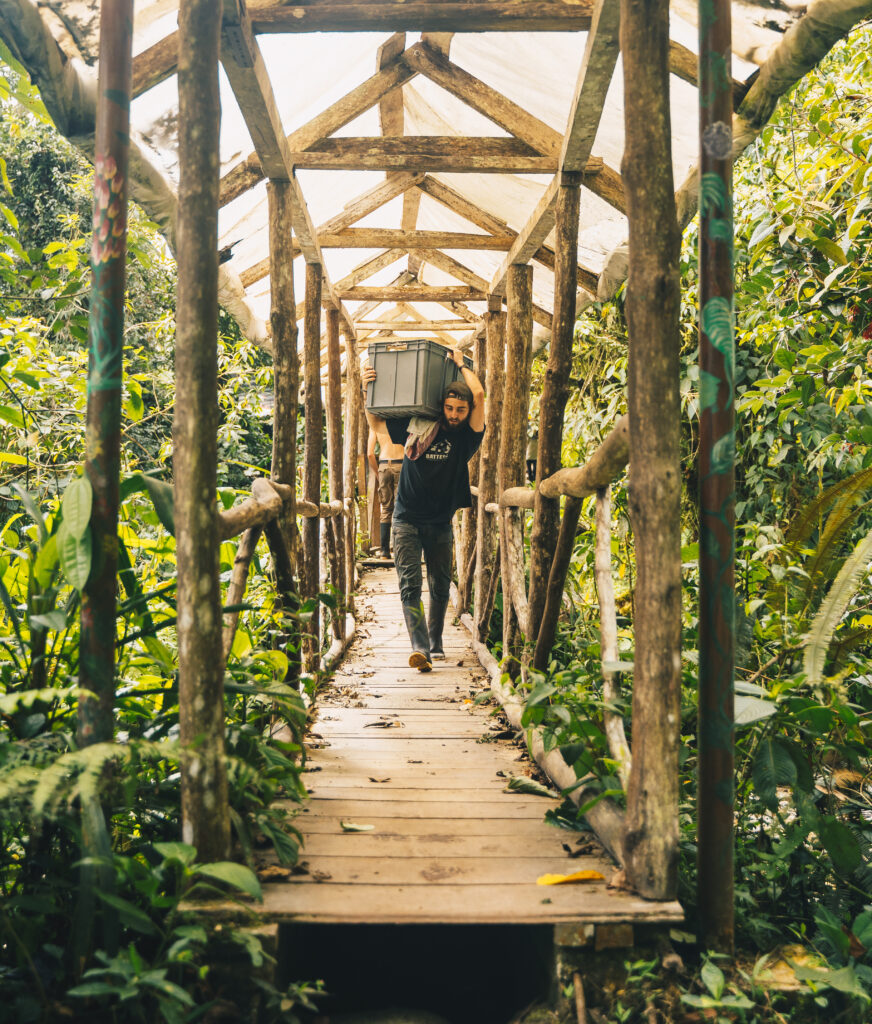
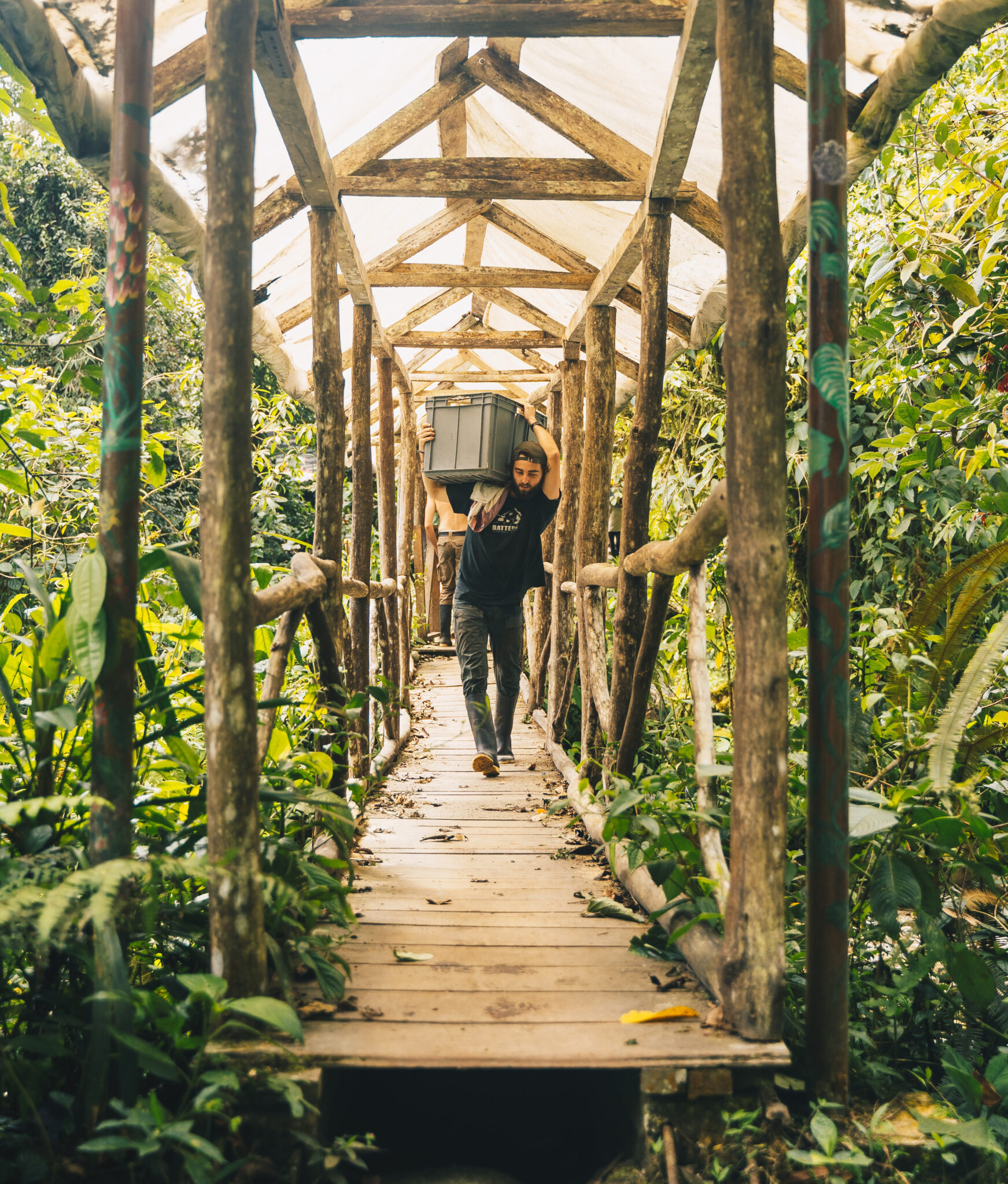
- Supporting improvement projects at the center: small construction tasks, repairs, trail maintenance, basic manual work
- Assisting with rehabilitation: behavioral observation, strict adherence to the “hands-off” policy, and progressive preparation for eventual release
You will be guided by the permanent staff and experienced volunteers, within a structured working environment with clear routines adapted to the needs of the sanctuary and its resident animals.ent). L’objectif est de minimiser le stress pour la faune tout en assurant un niveau d’exigence élevé dans les soins.
Departures are available year-round (subject to availability).
Minimum stay: 3 weeks
The program fees help the center fund animal care, food supplies, and the logistics involved in hosting volunteers.
Tiered fee structure (USD):
- Weeks 1–3: 160 USD/week
- Weeks 4–6: 140 USD/week
- From week 7 onward: 115 USD/week
Included: shared dorm accommodation, meals, boots (up to EU size 46), clean bedding, blankets, hot showers, and a contribution to veterinary care and animal feeding.
Not included: personal expenses (toiletries, snacks, etc.), transport, insurance.
- Direct impact on the rehabilitation and release of animals rescued from illegal wildlife trafficking, within a strictly ethical framework (no tourism, no unnecessary interaction).
- Transparent, tiered fees that include accommodation and meals; your contribution directly supports food supplies, animal care, and the daily operation of the sanctuary.
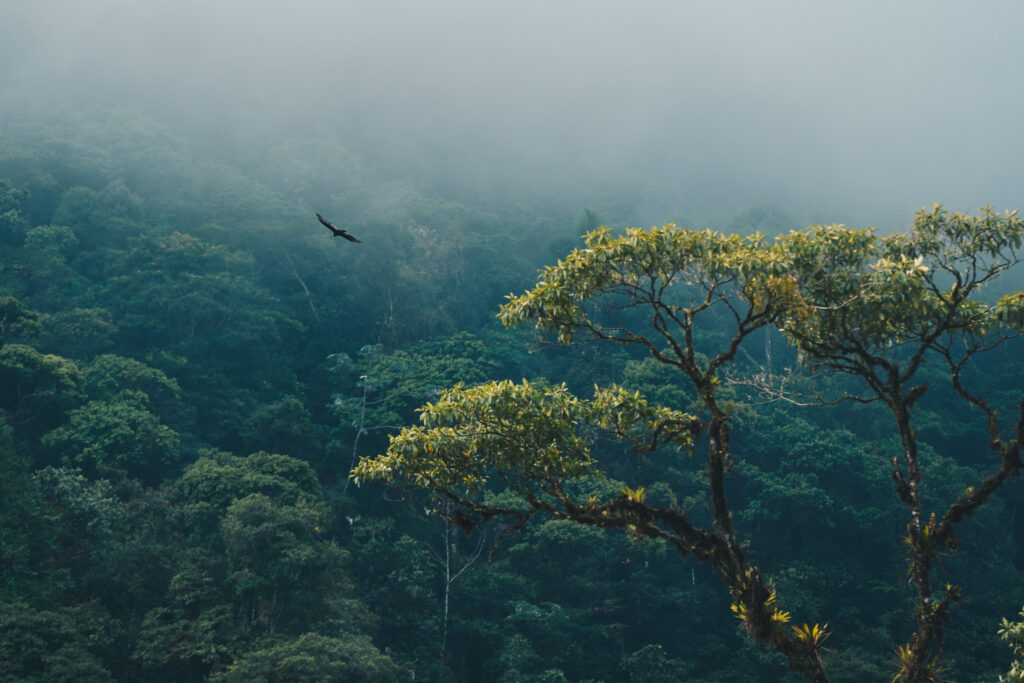
- Immersive experience in the Amazon rainforest on a private 250-acre reserve with exceptional biodiversity.
- Wide variety of species: primates (capuchins, woolly monkeys, howler monkeys, tamarins), parrots, kinkajous, small mammals — over 100 animals cared for depending on the period.
- Structured learning of care protocols and enrichment techniques, as part of an international team of 10–20 volunteers.
- Minimum age: 18 years old
- Recommended minimum duration: 3 weeks (longer stays are encouraged)
- Languages: English and/or Spanish – intermediate level required
- Physical condition: comfortable working in a tropical environment (heat, humidity, slopes, rain) and performing daily physical tasks
- Ethics: strict respect of the “hands-off” policy (no unnecessary handling, no selfies or direct contact), with priority given to animal rehabilitation and reintroduction
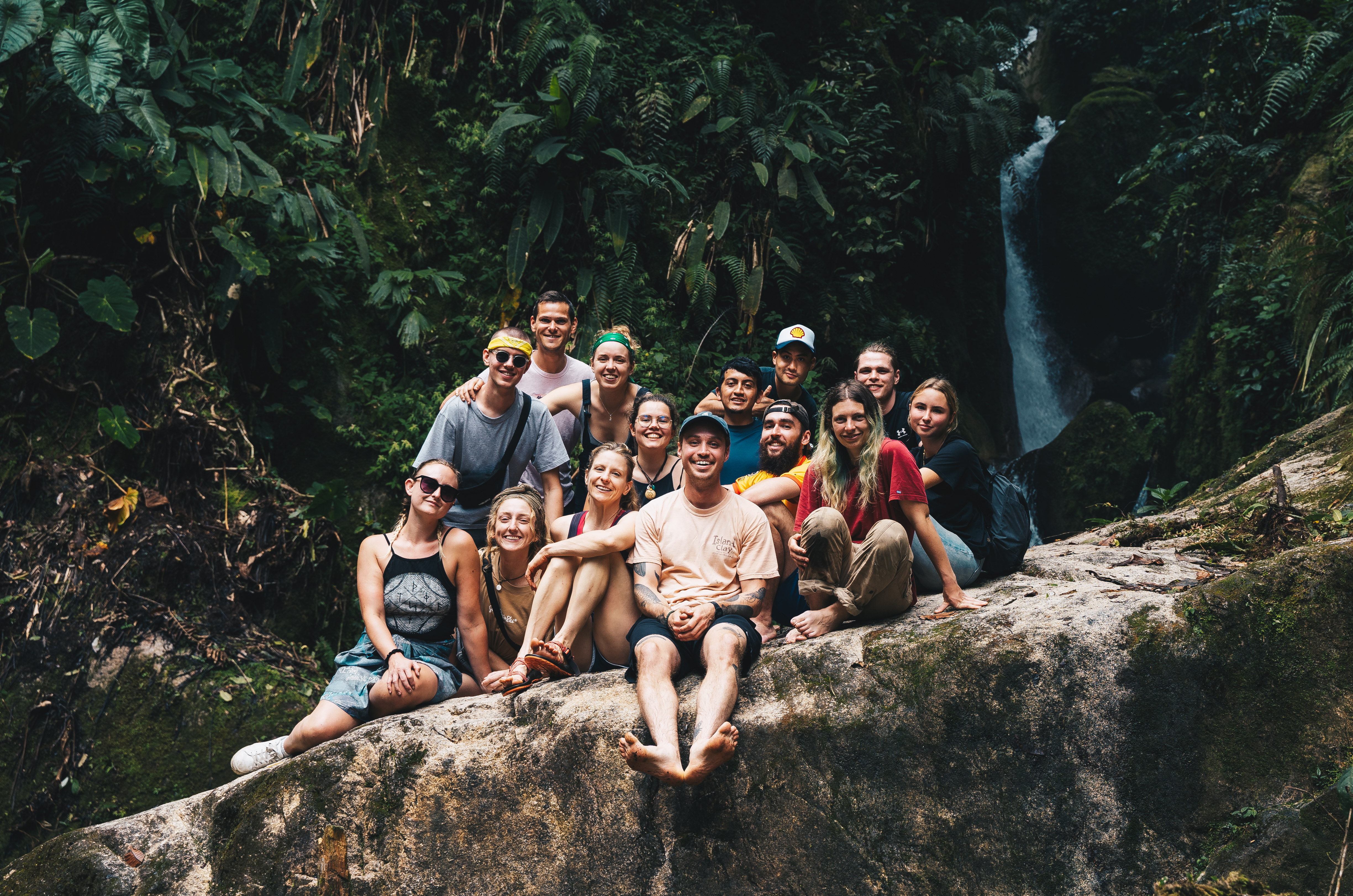
The sanctuary typically hosts 10 to 20 volunteers at the same time. You will work as part of an international team in a demanding but structured environment, with schedules and procedures defined by animal welfare needs.
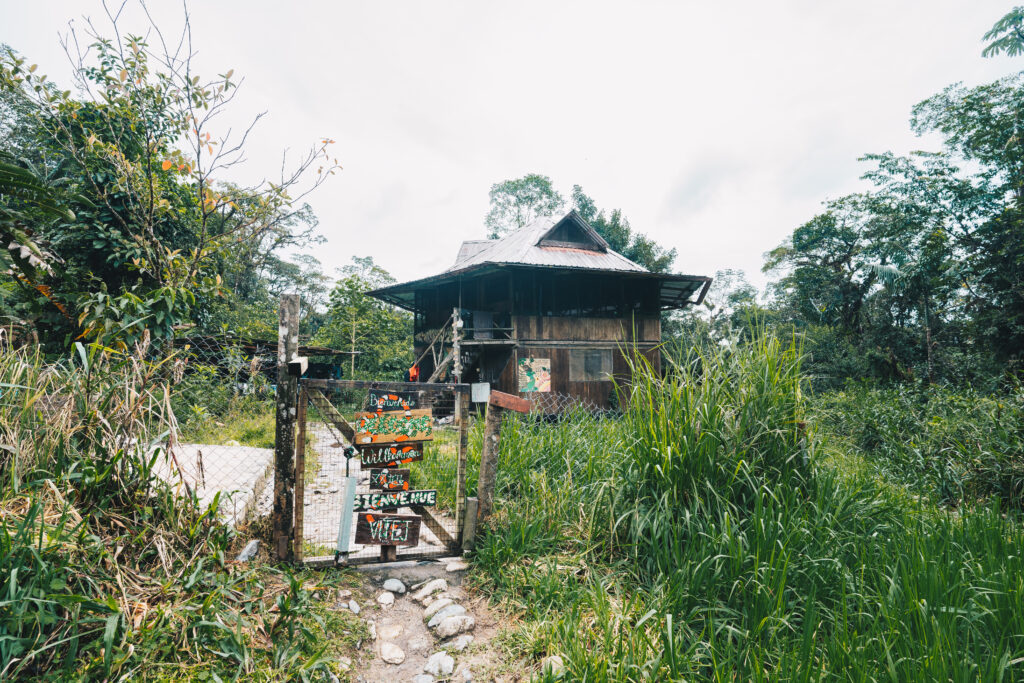
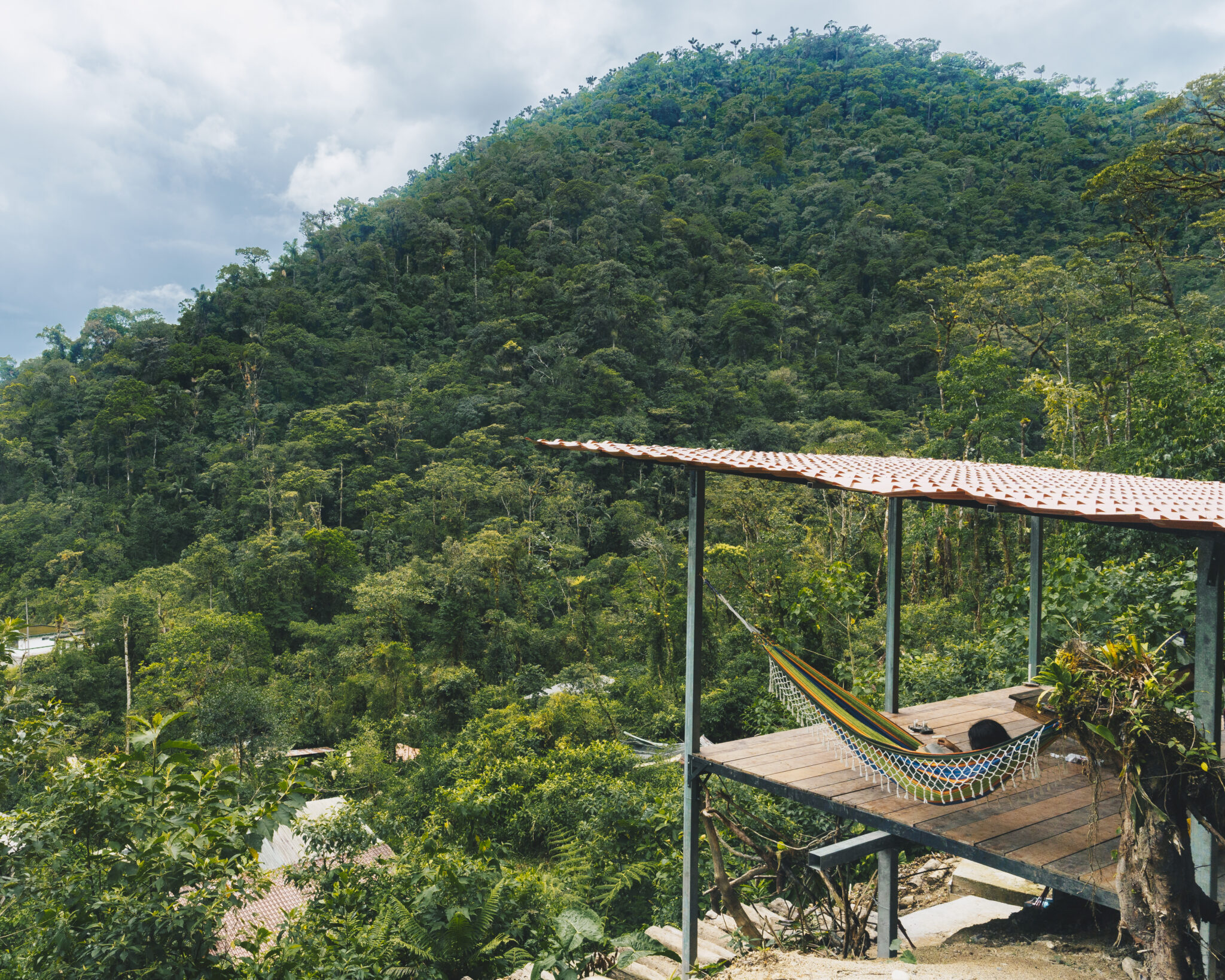
- Location: The sanctuary is located in the Amazon rainforest, near Mera (Pastaza). The site is isolated in the heart of nature to ensure the tranquillity of animals undergoing rehabilitation.
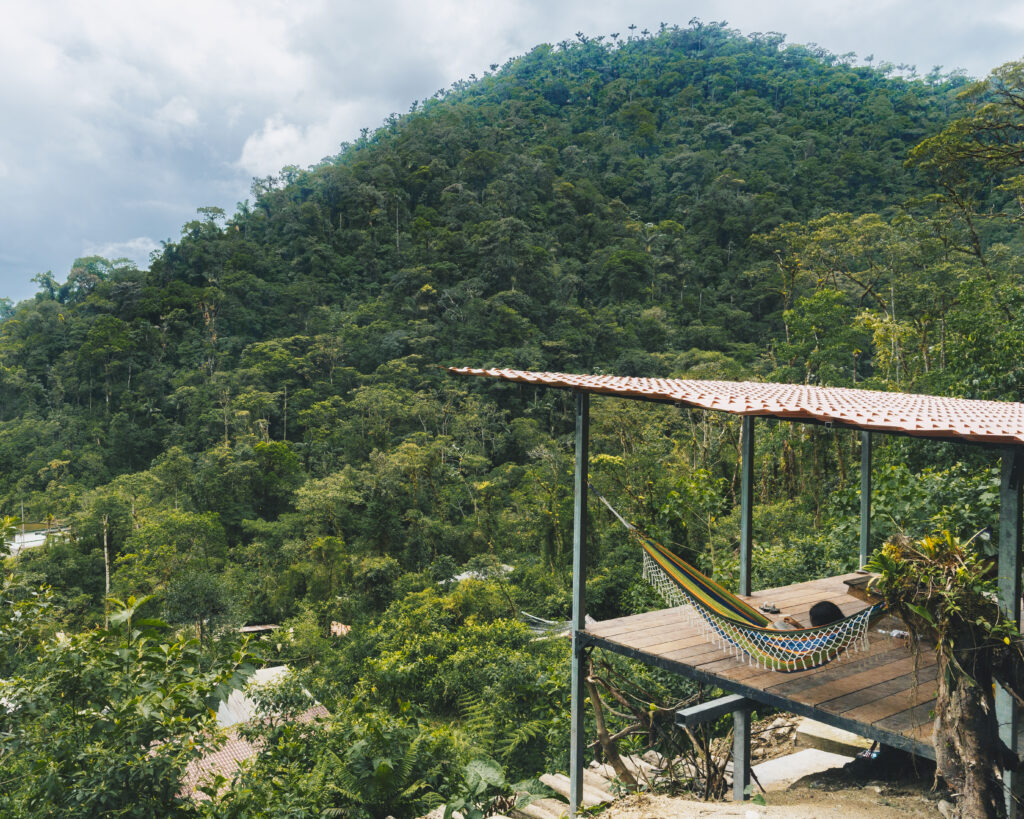
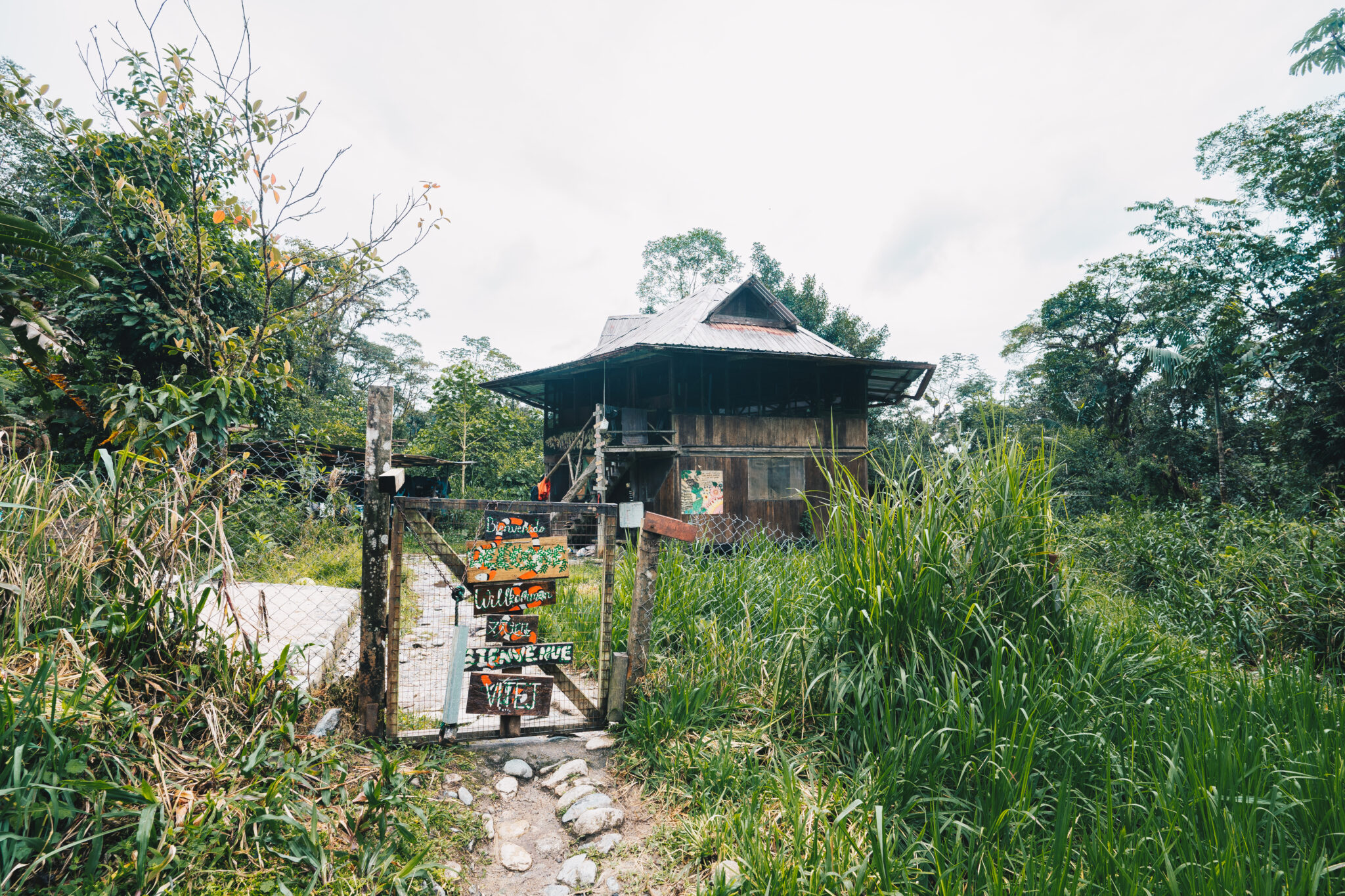
- Accommodation & life on site: You will be housed in shared mixed dormitories or simple cabins, with access to hot showers. Boots are provided (up to EU size 46), as well as bedding and blankets. Meals are included in the fees; the team manages food logistics and meal organization according to needs and rotations. Common areas are simple but adapted to jungle living conditions.
- Supervision & equipment: You will receive an introduction to the site, care protocols, and basic equipment (boots). You should bring lightweight quick-drying clothing, a waterproof jacket, a headlamp, insect repellent, a water bottle, a first-aid kit, and a power bank.
- Arrival: Volunteers are asked to arrive on Mondays or Thursdays between 4 p.m. and 6 p.m. to facilitate organization. The nearest international airport is Quito (Mariscal Sucre International Airport), where you will find many hotels and hostels nearby if needed. From Quito, go to the Quitumbe bus terminal in the south of the city (about 40 minutes by taxi, 10–15 USD). It is also accessible by metro from the city center (0.45 USD – the airport is not connected to the metro).
- From Quitumbe, take a bus toward Puyo or Macas: all pass through the town of Mera (approximately 4.5 hours, around 8 USD). Get off at Mera’s main square along the main road. From there, take a local Transmera taxi, which will take you to the entrance of the sanctuary for about 5 USD. Transmera taxis run throughout the day until around 8 p.m.
- As sunset is around 6:30 p.m., it is recommended to leave Quito between 11 a.m. and 1 p.m. to arrive before dark. The most frequent bus companies are San Francisco, Expreso Baños, Pelileo, or Amazonas. You may also stop in Baños, a charming thermal town just 1 hour from Mera, before continuing your journey.
Vos temps libres (variables selon les besoins animaliers) permettent :
- de vous reposer dans un environnement de jungle calme et préservé ;
- d’échanger avec des volontaires du monde entier ;
- d’explorer les environs (selon recommandations de l’équipe : petite ville de Mera, nature amazonienne).
Le projet se situe hors circuits touristiques ; l’esprit est avant tout conservation & réhabilitation. L’équipe pourra, le cas échéant, indiquer des

About the partner organization
Our partner is a Dutch-Ecuadorian foundation officially recognized by the Ecuadorian Ministry of Environment. It manages a sanctuary established in 2004, dedicated to the rescue, rehabilitation, and release of wildlife affected by illegal trafficking and deforestation in the Ecuadorian Amazon.
Located on a 100-hectare tropical forest reserve near Mera, the center is home to over one hundred animals — including monkeys, parrots, kinkajous, coatis, and big cats — all entrusted by the Ministry of Environment.
Its approach is based on a strict “hands-off” ethic, ensuring animal welfare and maximizing the chances of successful reintroduction into their natural habitat.