Français
 English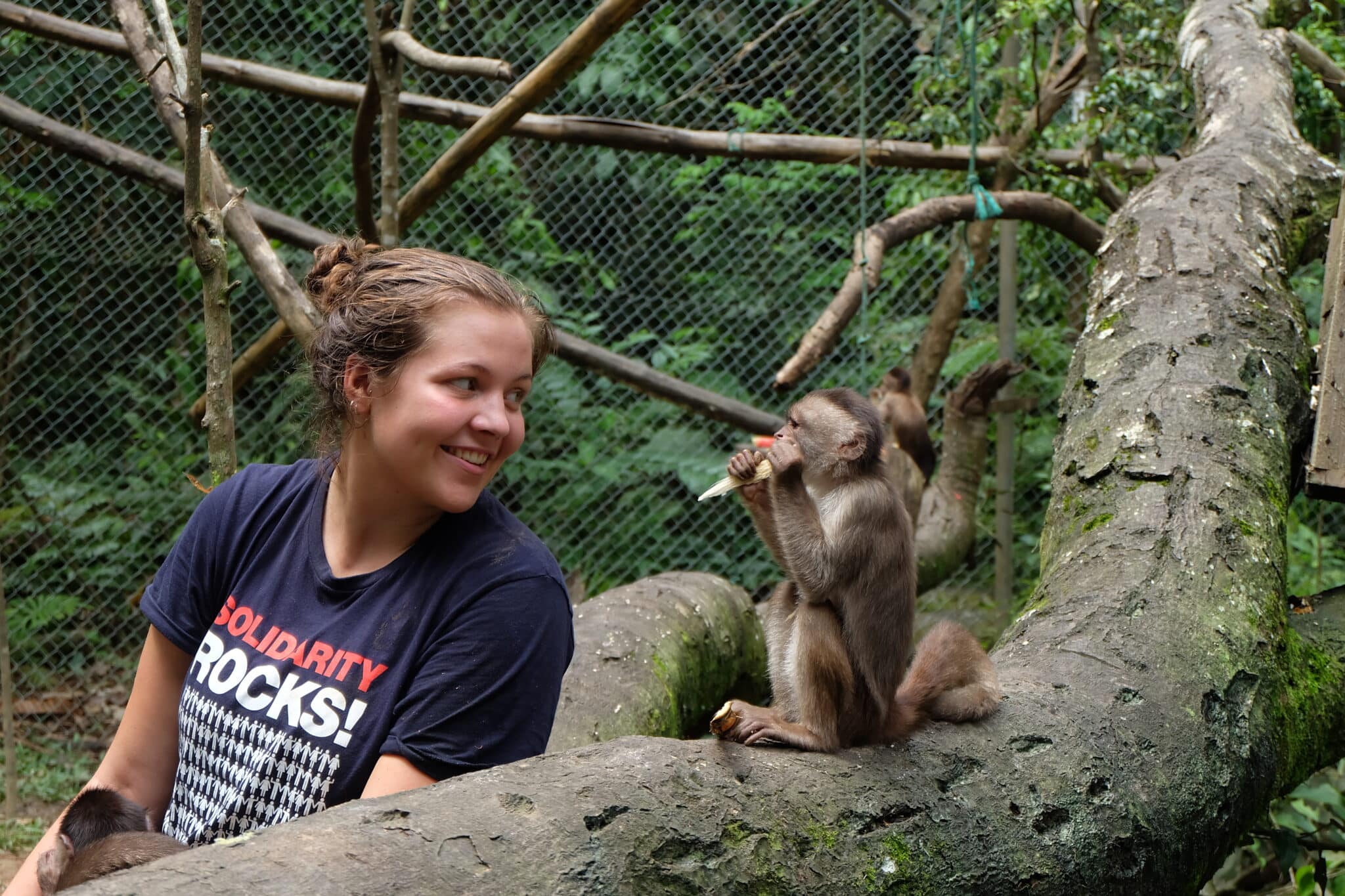
Support a wildlife sanctuary in Ecuador, in the heart of the Amazon, and enjoy an unforgettable experience. See all eco-volunteering programmes in Ecuador here.
The sanctuary is home to 70 wild animals
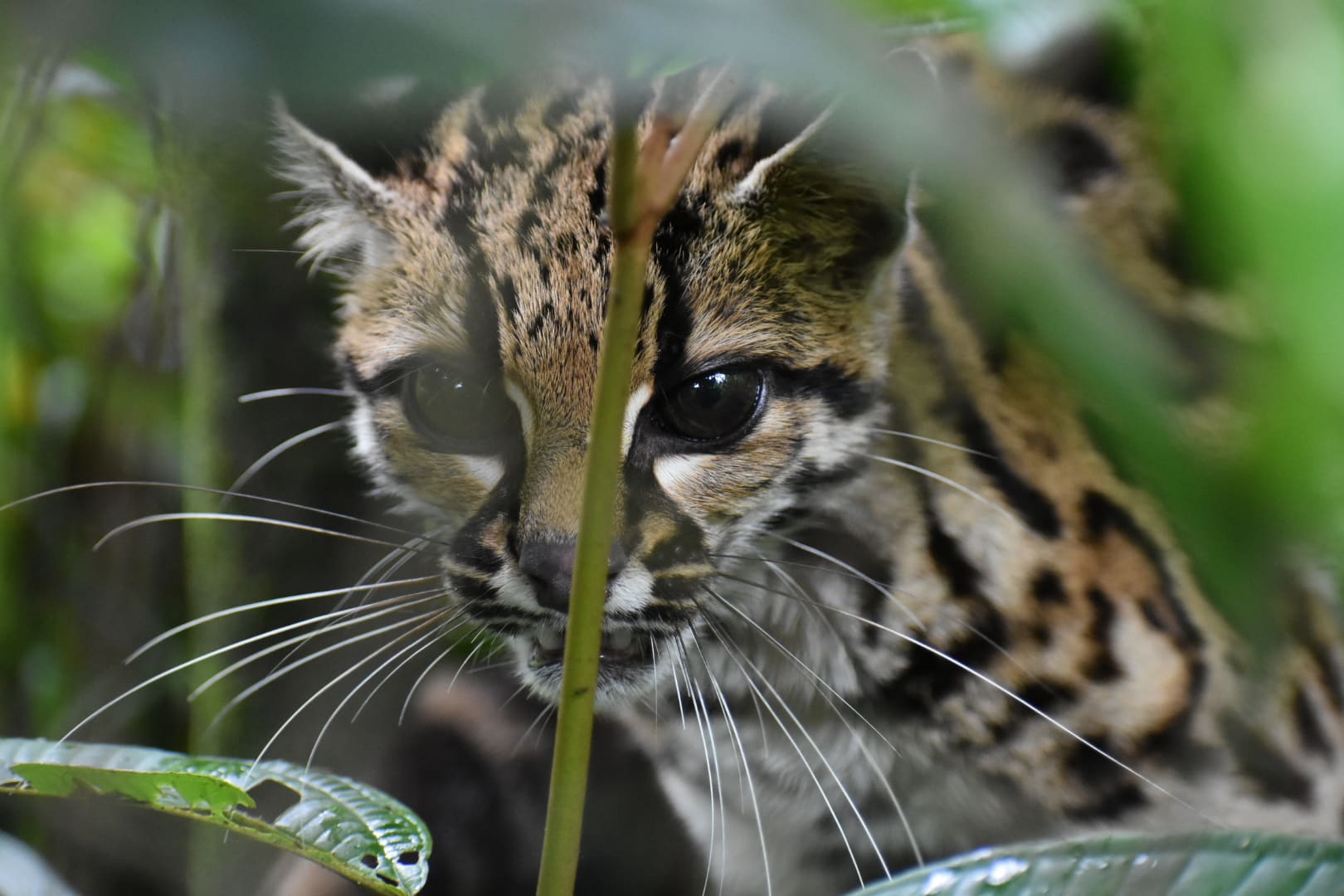
Eco-volunteers support a wildlife sanctuary. The animals have been brought to the centre because they were living in unsuitable conditions – mainly in private homes – or were victims of illegal animal trafficking. The sanctuary staff rescue the animals, treat their medical conditions and, ideally, release them back into their natural habitat to live in the wild. As a volunteer, you will work with the animals at the centre and make a significant contribution to this project, in which local indigenous communities are also involved. Your work will help to protect and conserve the environment and its wildlife.
Wildlife trafficking
Unfortunately, wildlife trafficking affects the Amazon rainforest in Bolivia, Ecuador, Colombia and Brazil, as well as other vulnerable ecosystems in Central America. Many wildlife species, including reptiles, panthers, parrots, boas and pythons, monkeys, birds and butterflies, are threatened with extinction due to human activity.
Monkeys, coatis, tayras and kinkajous
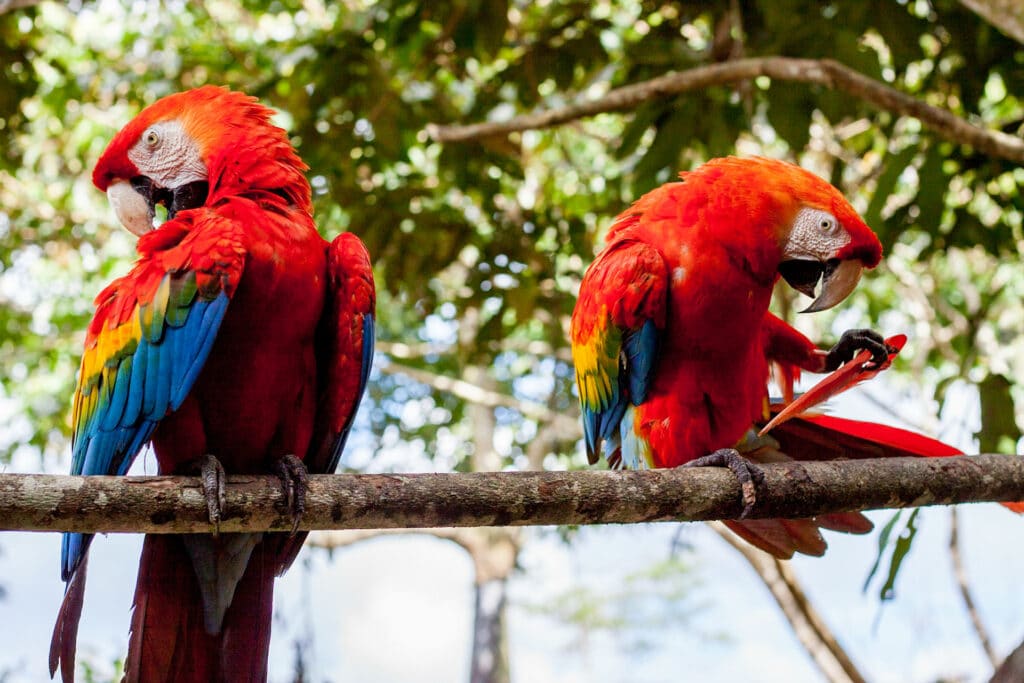
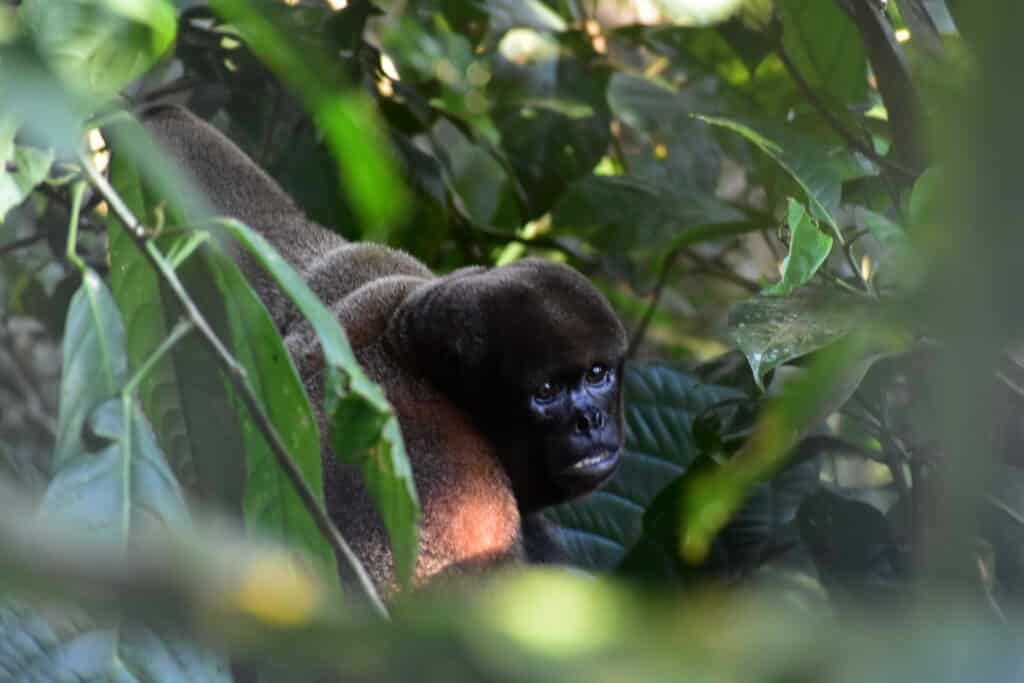
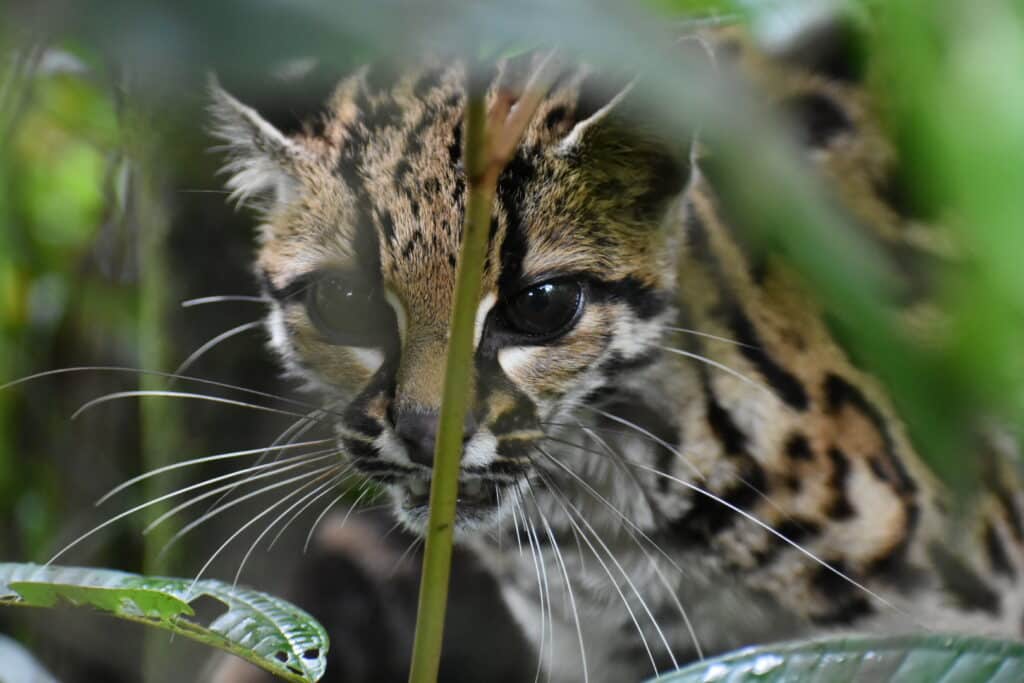
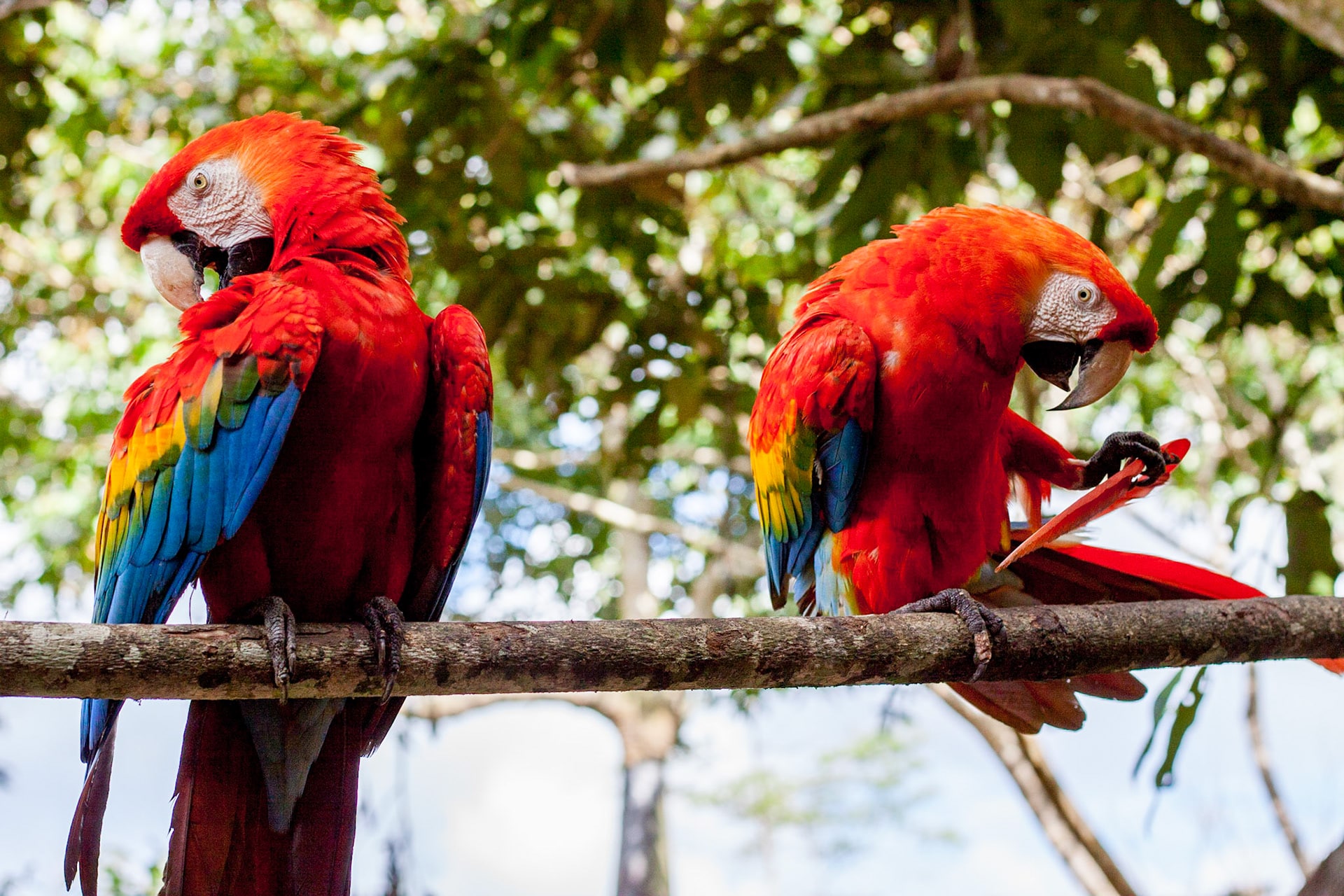
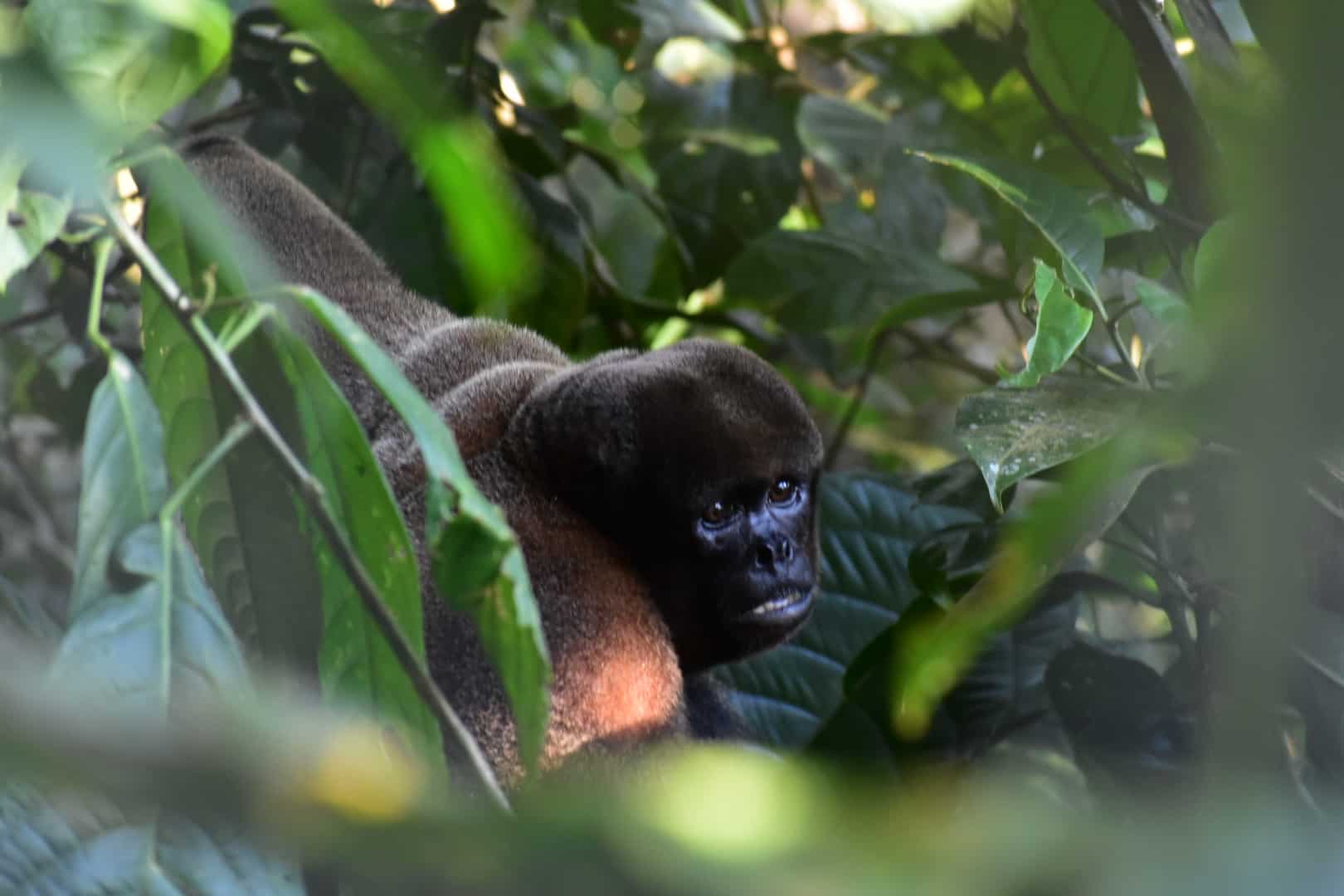
The Amazon rainforest is the largest tropical forest on the planet and is home to the most diverse flora and fauna. Whilst it is already under threat from deforestation caused by construction projects (roads or gas pipelines) as well as by fires, the illegal wildlife trade is causing even greater damage to the region’s ecosystem. Around 70 animals, including squirrel monkeys, woolly monkeys, titi monkeys and capuchin monkeys, are being cared for at the wildlife rescue centre in Ecuador. Other carnivores such as the coati, the tayra and the kinkajou are also present, as well as peccaries (musk pigs). There are also numerous species of parrots, including macaws and toucans, as well as tortoises, snakes and turkeys.
Volunteer work at the sanctuary in Ecuador
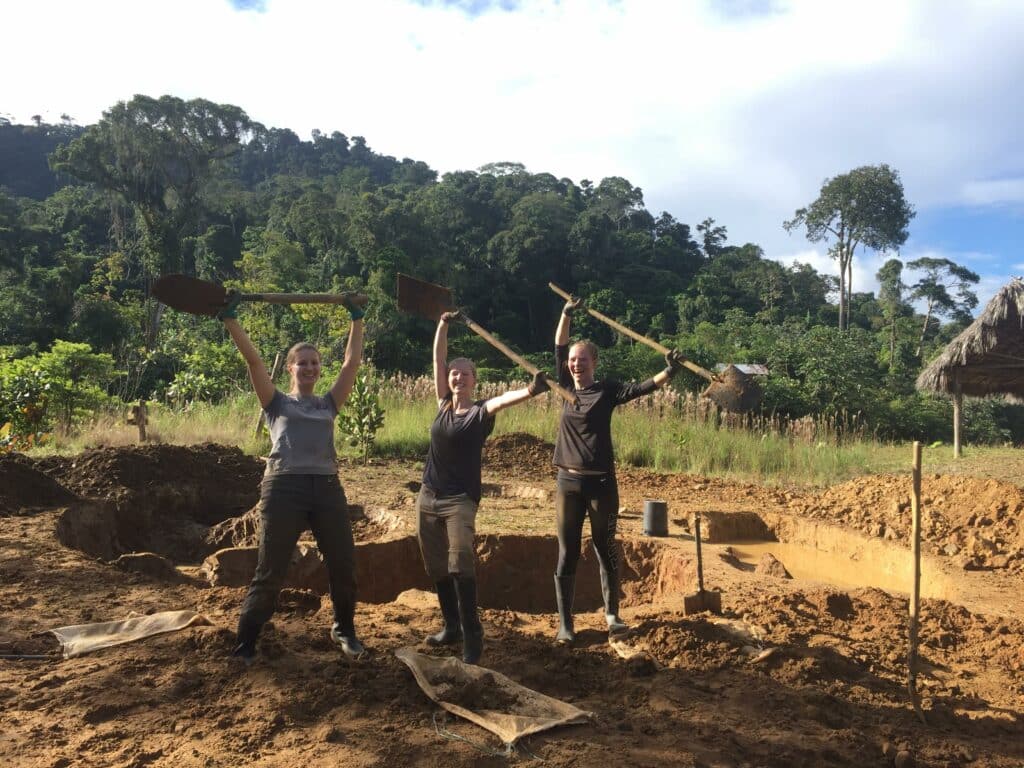
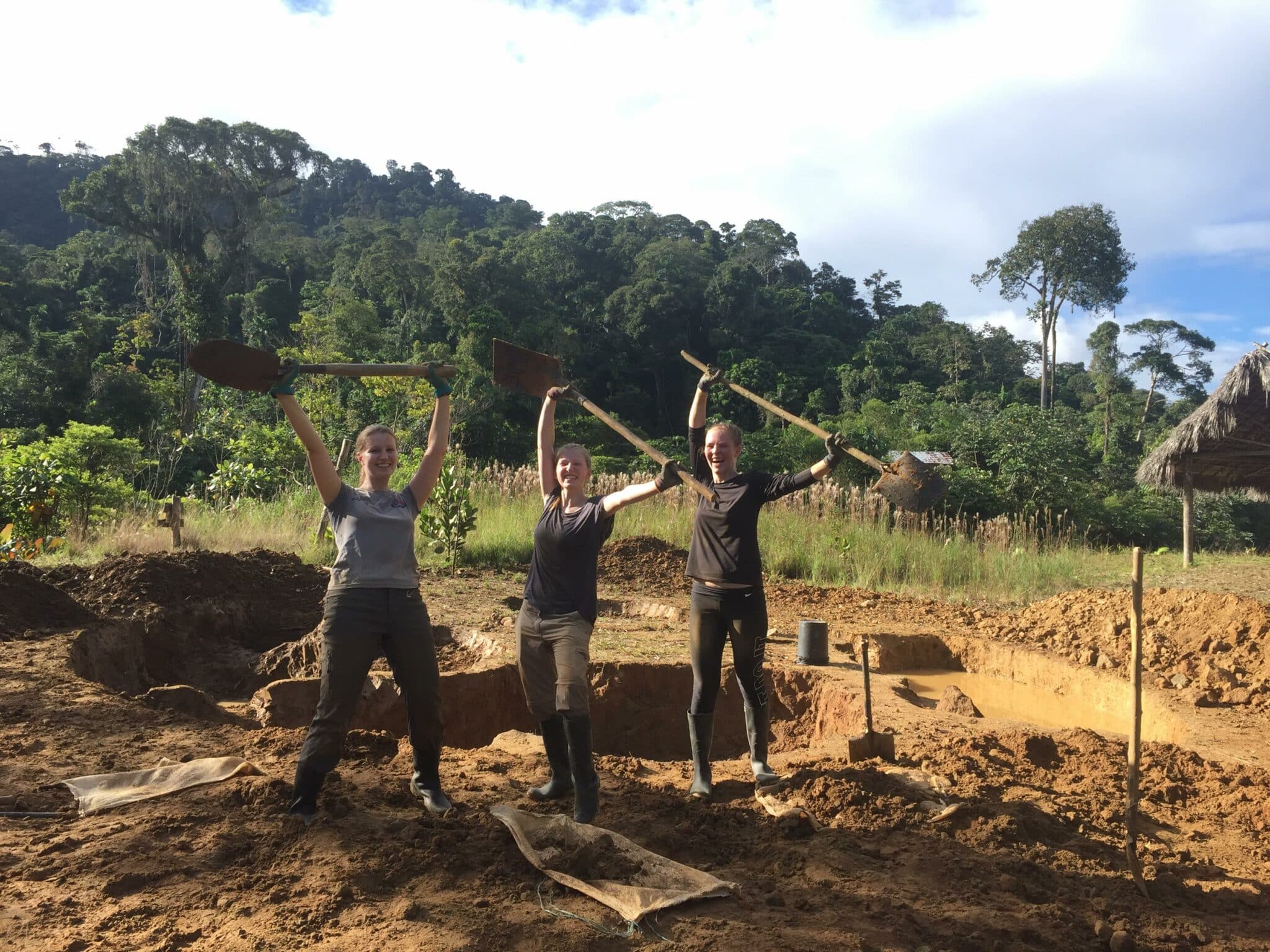
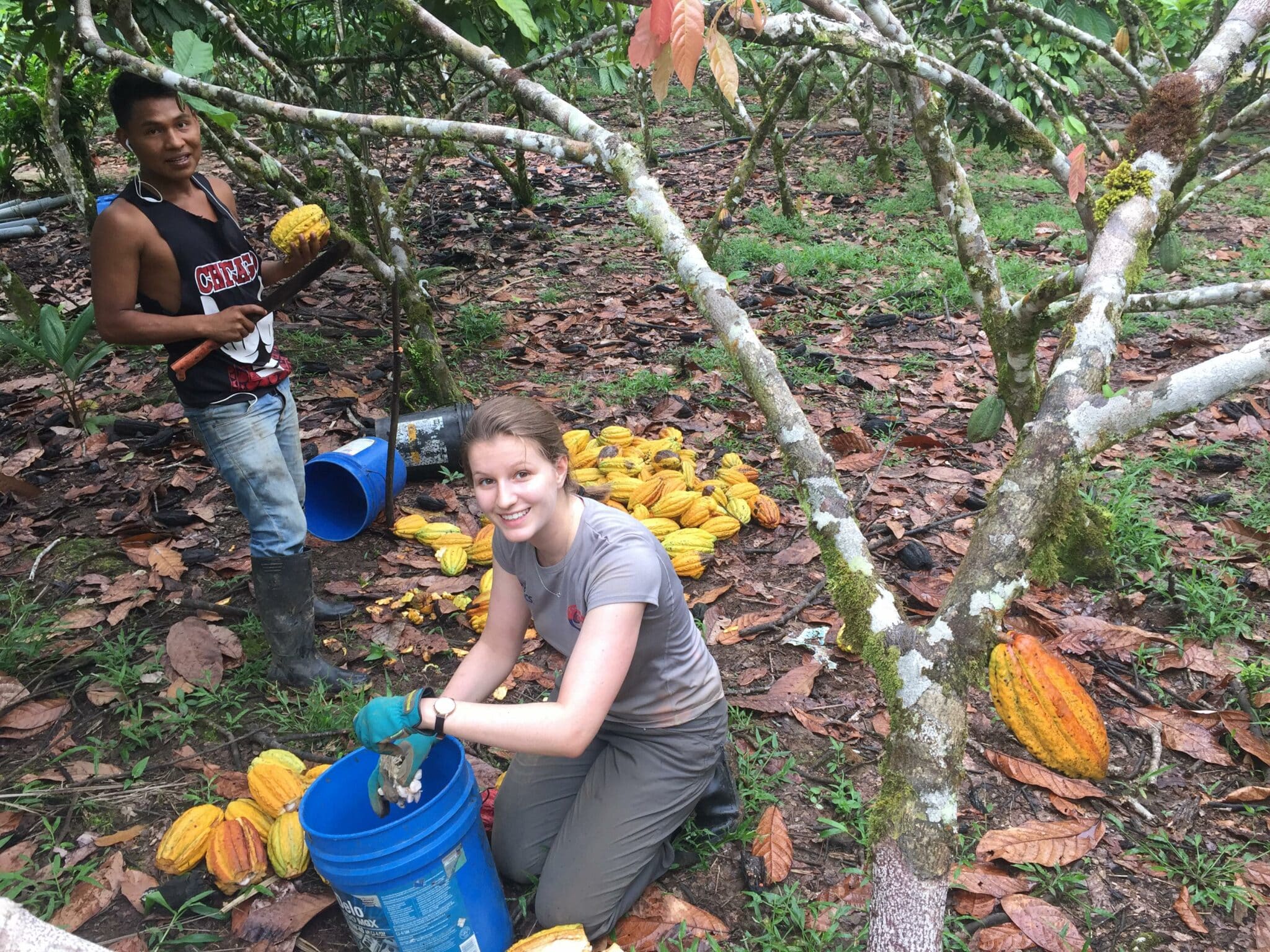
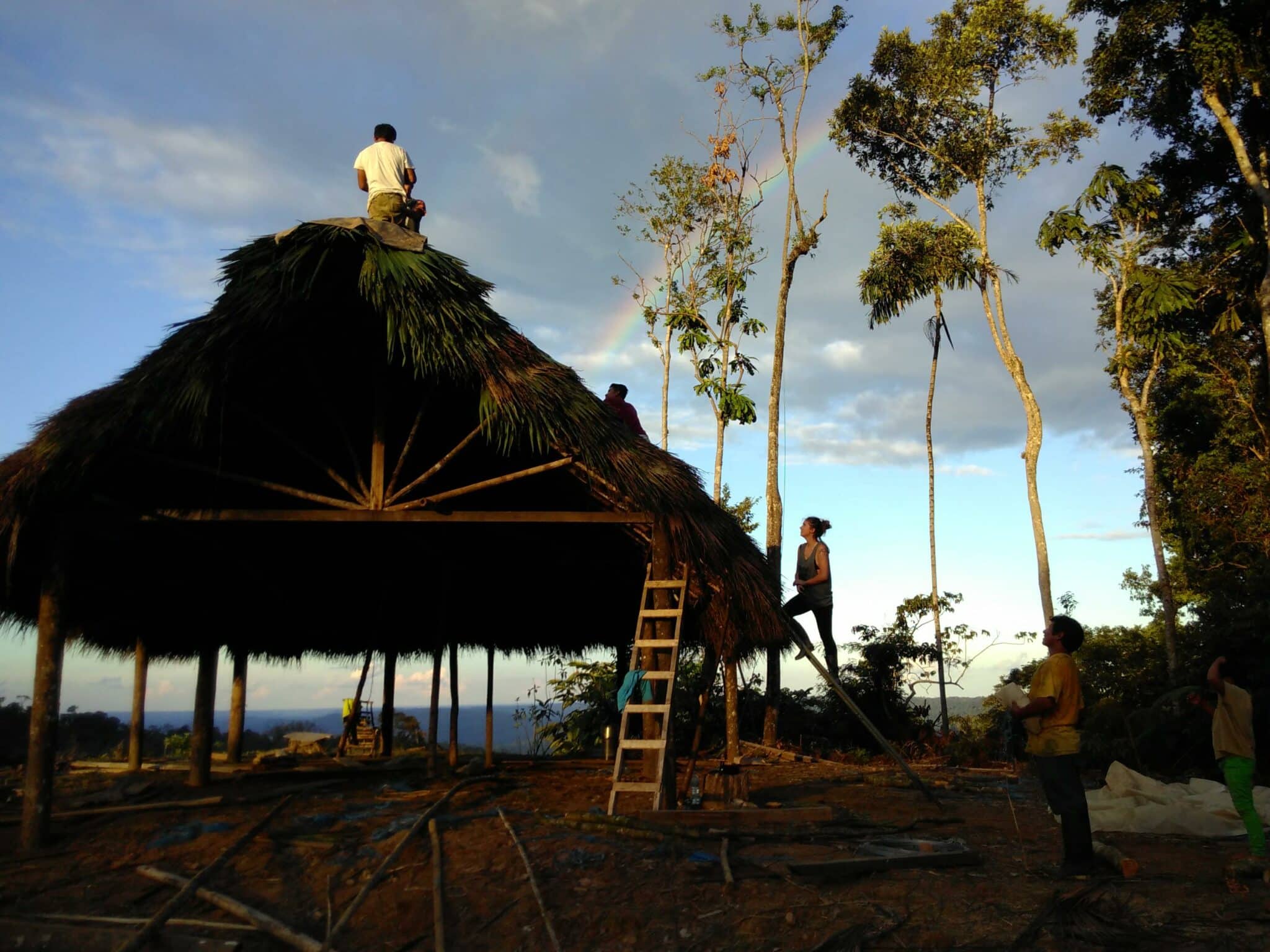
Volunteers are responsible for the day-to-day upkeep and welfare of the facilities and animals. They help with daily tasks such as feeding the animals and cleaning the enclosures, as well as with construction and maintenance projects aimed at improving the animals’ living conditions. Volunteers are a valuable resource for the staff. Suggestions and ideas from volunteers are always welcome. Indeed, many of them have already been put into practice in the past.
A typical week for a volunteer
A typical week for volunteers involves cleaning the cages, feeding the animals and, where necessary, building and maintaining the enclosures. There are also enrichment activities, during which you spend a few days observing the behaviour of an animal of your choice. You can then build a toy for the animal and observe how it is used and how it helps the animal. As well as providing volunteers with a rewarding experience, this work benefits the animals by preventing them from becoming bored in captivity. It is essential to be proactive and resourceful, as volunteers must devise these enrichment projects themselves. You will normally work from 8 am to 12 noon and from 2.30 pm to 5 pm, Monday to Friday (subject to change!). After spending a few hours on Saturdays cleaning the volunteers’ house and feeding the animals, you are free to spend the rest of the day exploring the local area. Please note that the work schedule may change depending on the number of volunteers, the weather and other circumstances.
An exceptional setting
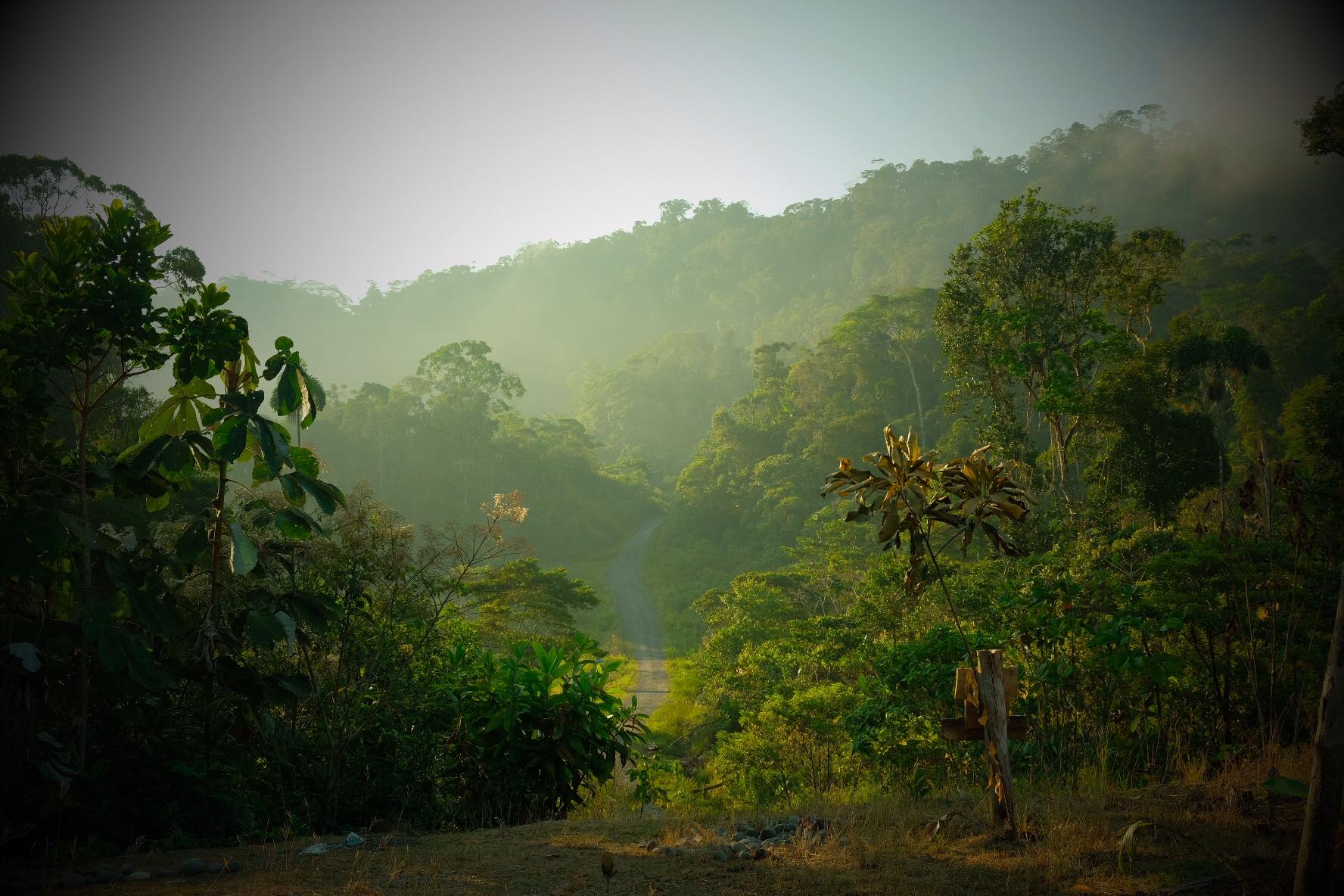
You’ll have the chance to work in close contact with the animals – a truly unique experience. What’s more, you’ll be living in an exceptional setting: the Ecuadorian Amazon. You’re sure to find friendship, camaraderie and plenty of laughter amongst the staff and volunteers, allowing you to create memories that will last a lifetime.
Please note: tasks may vary. They depend on factors such as the number of volunteers, the time of year, the season, the project’s current needs, and personal motivation. Not all volunteers may be fully involved in all of these tasks.
Dates
- All year round, minimum 2 weeks
Prices
- Application fee: €150
- Cost of the programme: €600 (for a minimum stay of 2 weeks)
- Extra week: €160
Included in the price
- Shared room in the volunteers’ house
- Breakfast, lunch, dinner
- Professional advice in English
- Translation of your application documents
- Volunteering placement in Ecuador
- English-speaking support within the country
- Ecuador Manual
- Intercultural Guide
- 24/7 emergency number
- Information on suitable travel insurance
- Certificate of attendance
Not included in the price
- Flight tickets
- Travel insurance
Accommodation
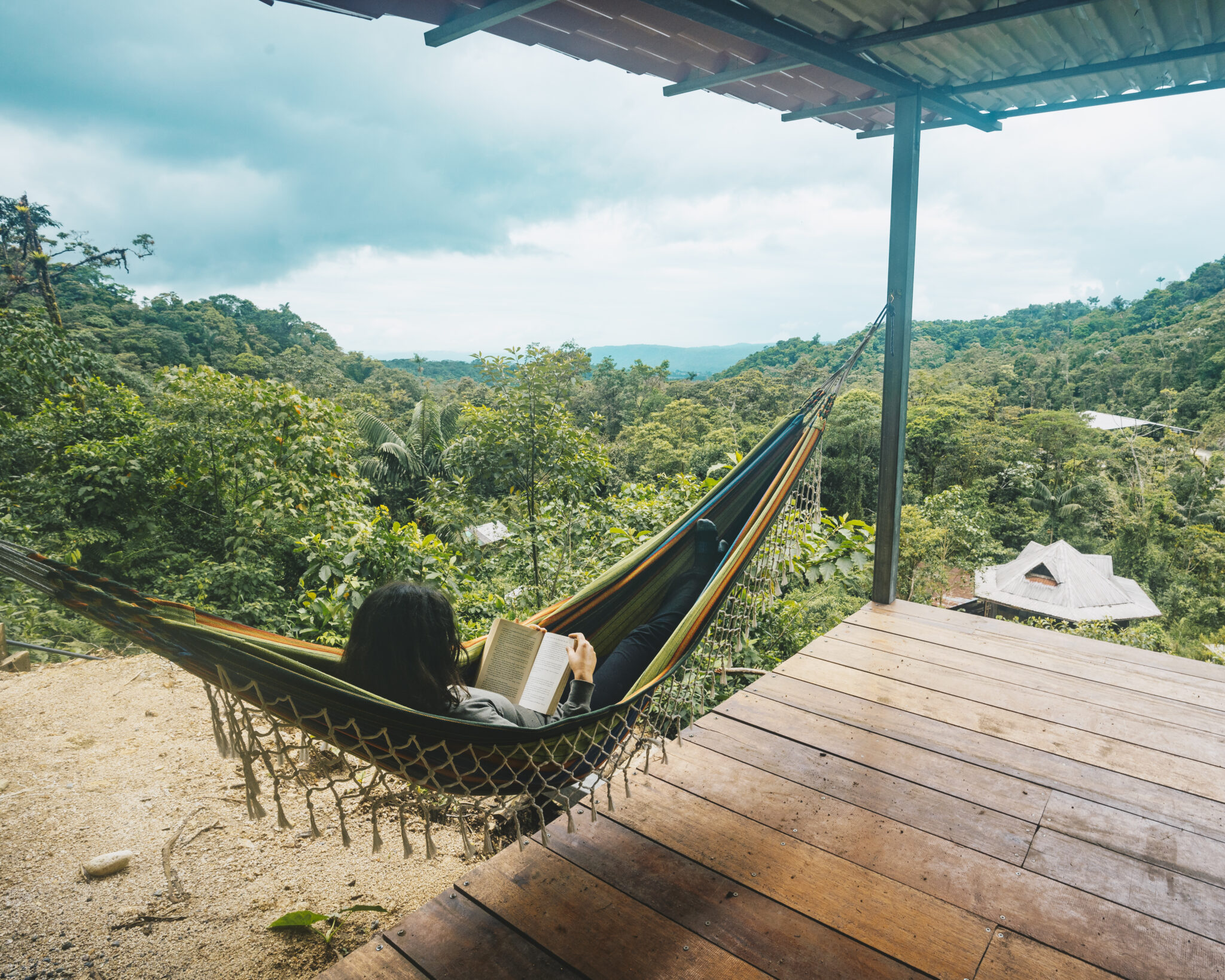
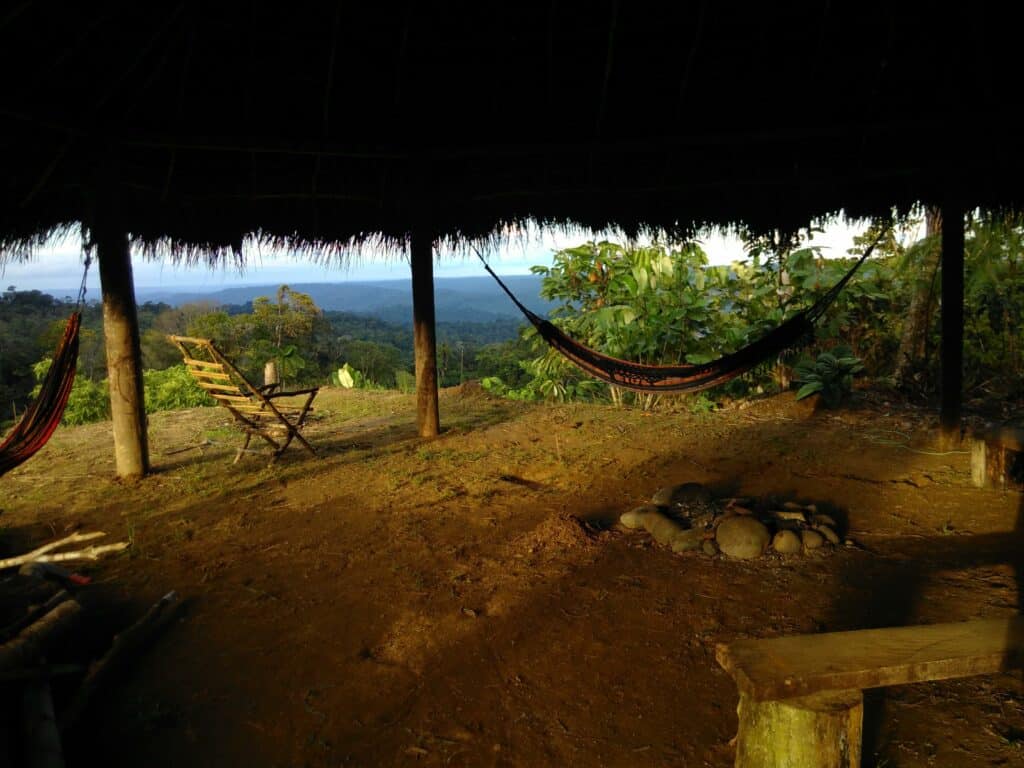
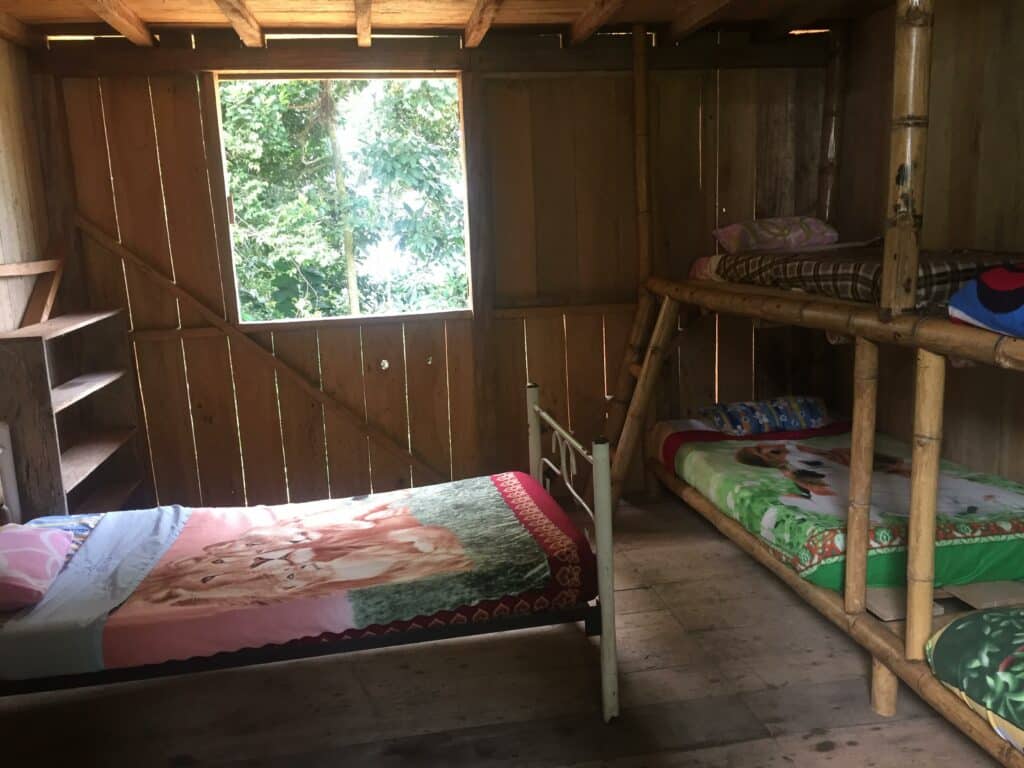
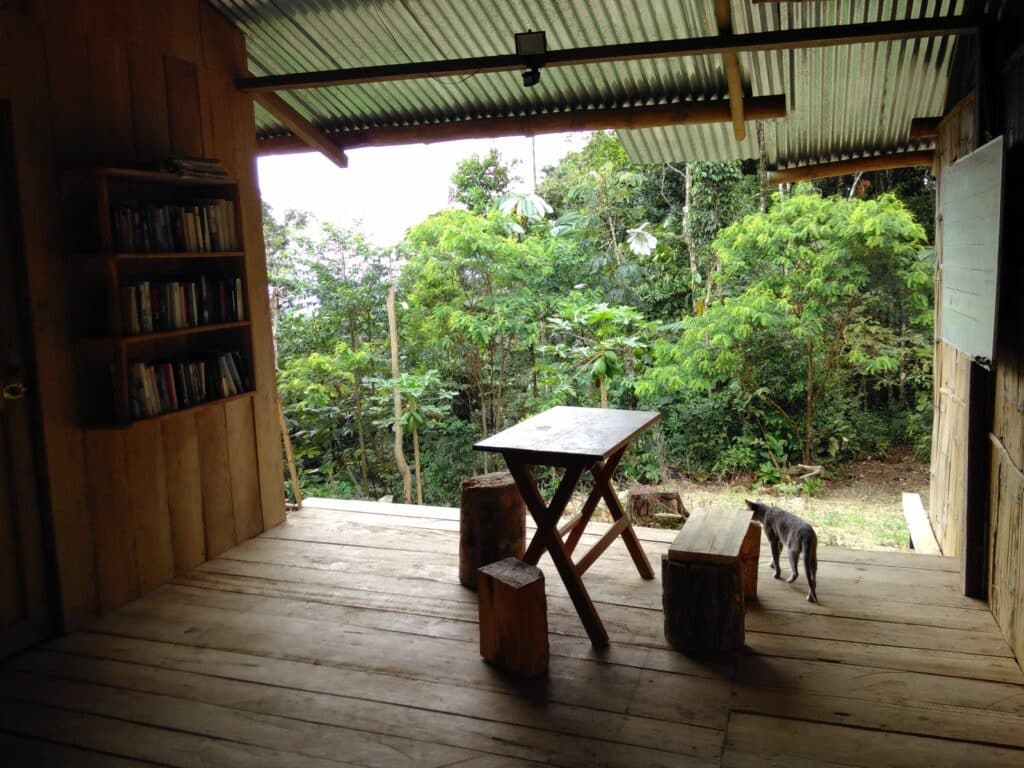
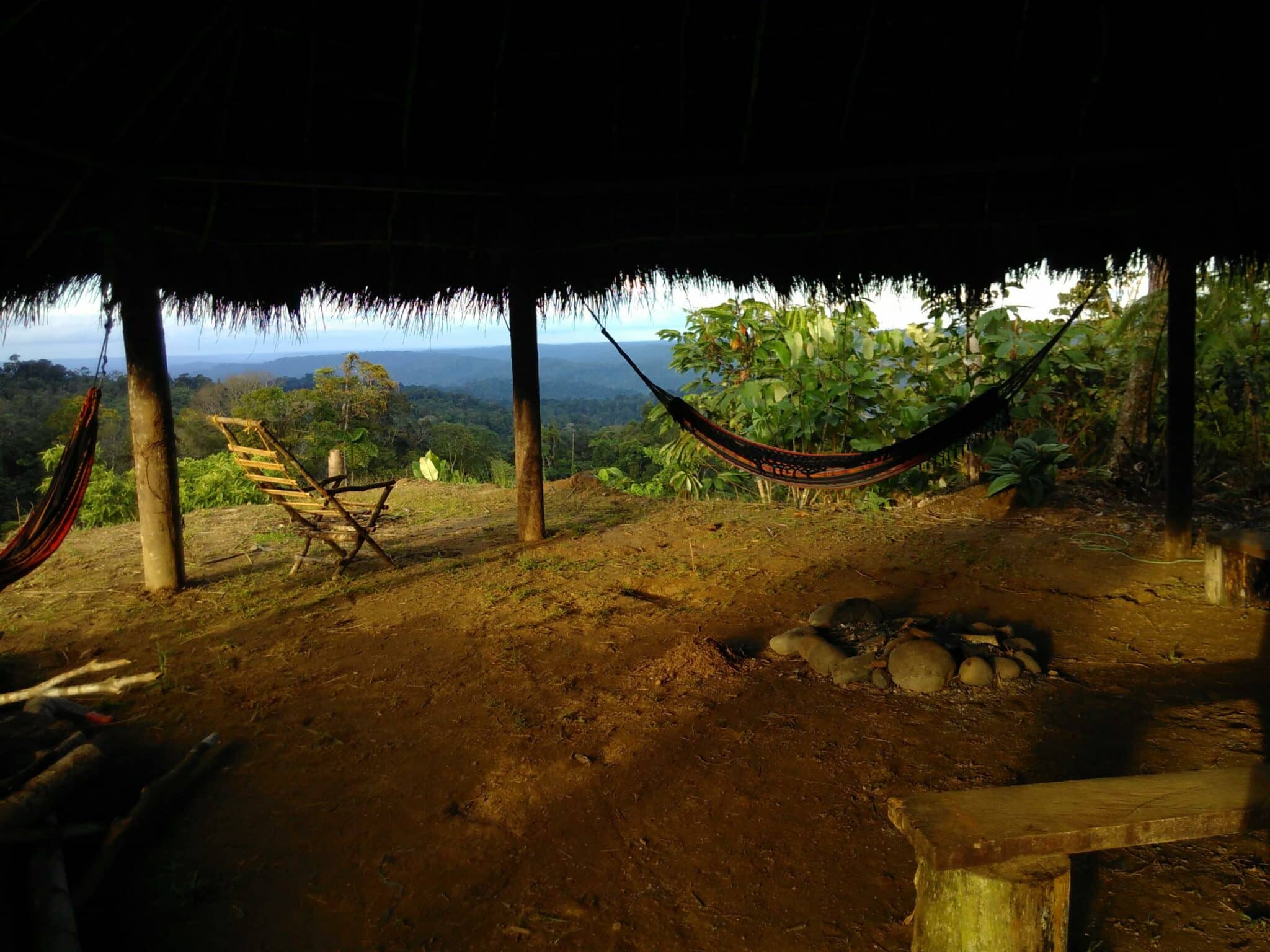
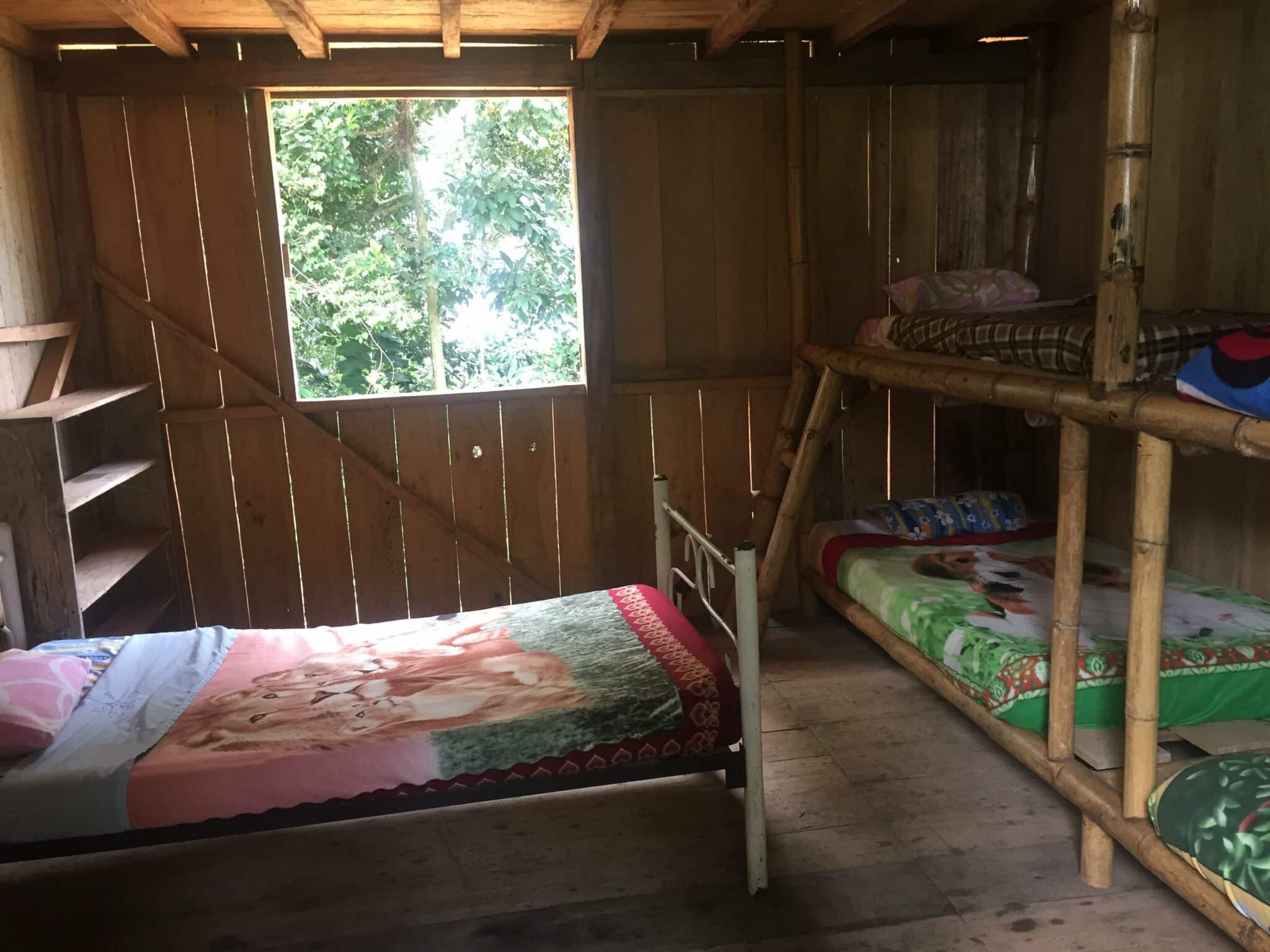
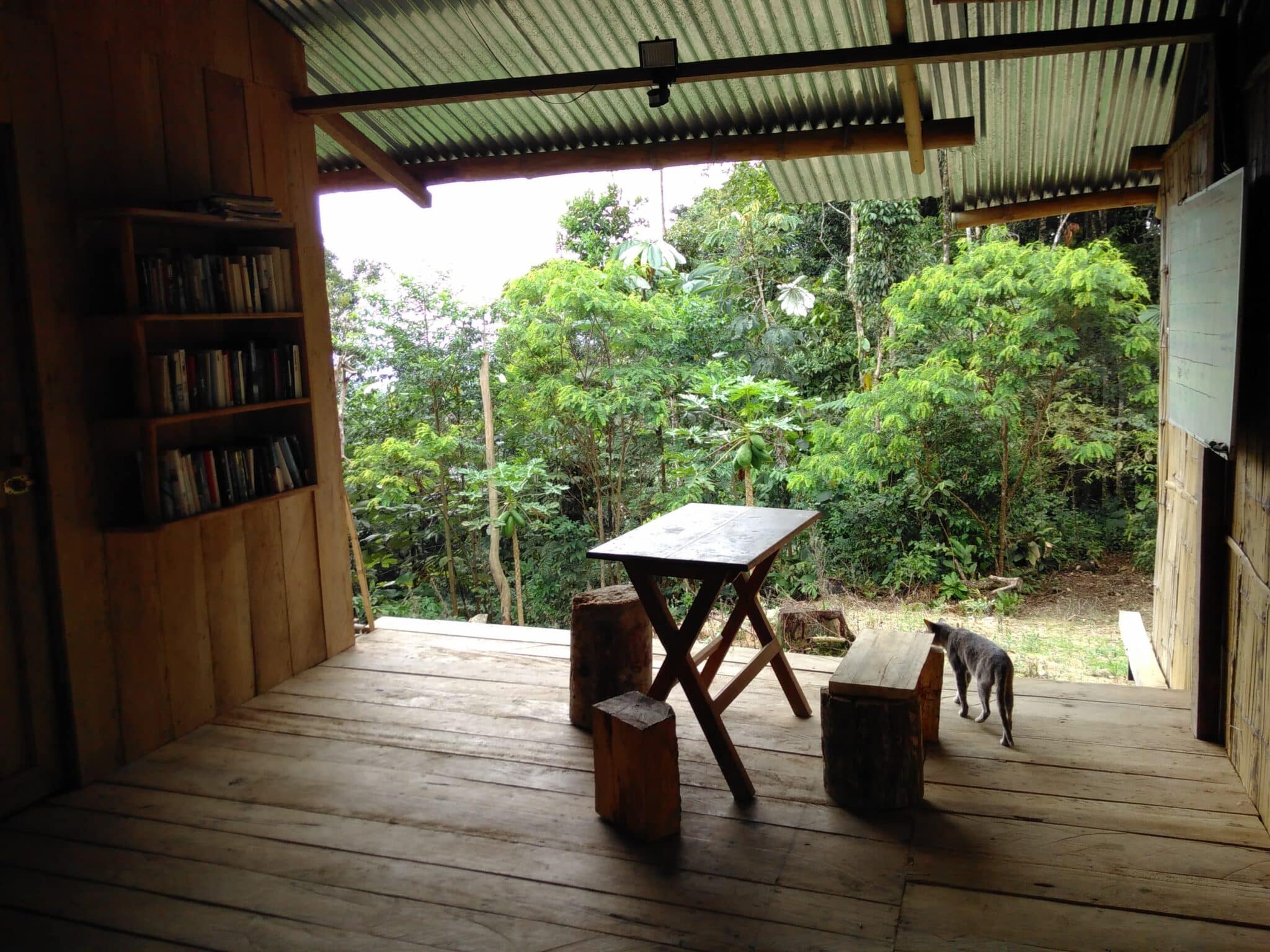
Wooden bungalows with dorm-style bedrooms provide accommodation for the volunteers. After a long day’s work, the showers in the bungalows (which only have cold water – but don’t worry, in the heat of the jungle, it’s perfect) are a real luxury. Apart from the dormitories, there is a fully equipped kitchen and living room. A book exchange is also available in the living room, which has sofas and chairs for relaxing. Comfortable hammocks are set up outside, in a thatched-roof area.
In the heart of the Amazon rainforest
Eco-volunteers take turns doing the washing-up, cleaning, etc. There’s always a great team spirit, and volunteers can learn from one another and make friends. Vegetarians and vegans are welcome, and meals can be adapted. Don’t forget that you’re right in the middle of the Amazon jungle, so don’t expect any glamour! Due to the project’s remote location deep in the jungle, neither the volunteers’ house nor the centre has internet access. There is mobile phone coverage, so volunteers can be reached via local SIM cards with data plans.
Location
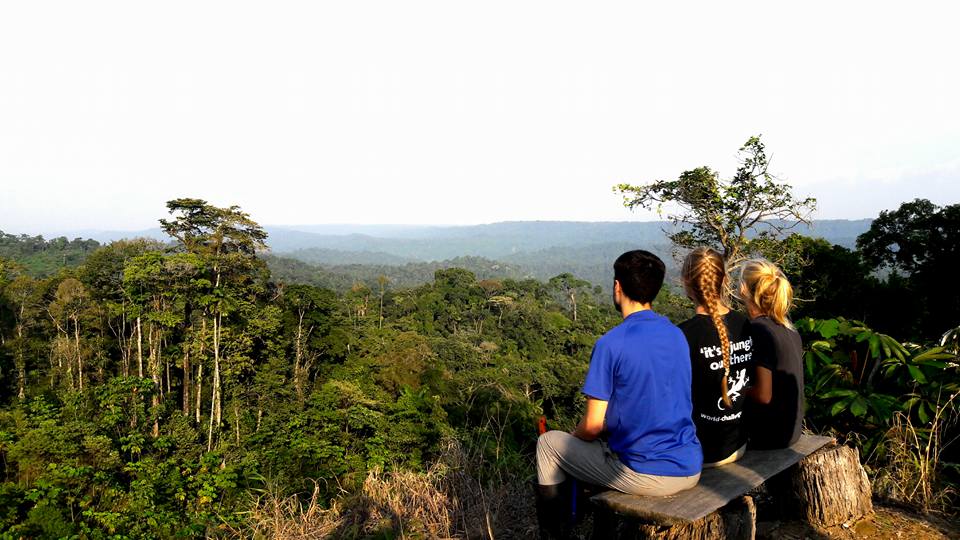
The animal rescue centre is situated near an indigenous village in the Ecuadorian rainforest, around 6–7 hours south-east of Quito and 22 miles from the town of Puyo. It offers breathtaking views of the Amazonian jungle and is the ideal starting point for an unforgettable trip and a cultural immersion experience in Ecuador.
Ecotourism and adventure tourism
Puyo is situated in the province of Pastaza, in the eastern part of the country. It is a small colonial town with a population of around 30,000. In recent years, tourism has grown in importance there, particularly in the areas of ecotourism and adventure tourism. Puyo provides the infrastructure necessary for this development. Consequently, Puyo is one of the liveliest towns in Ecuador’s Amazon region.
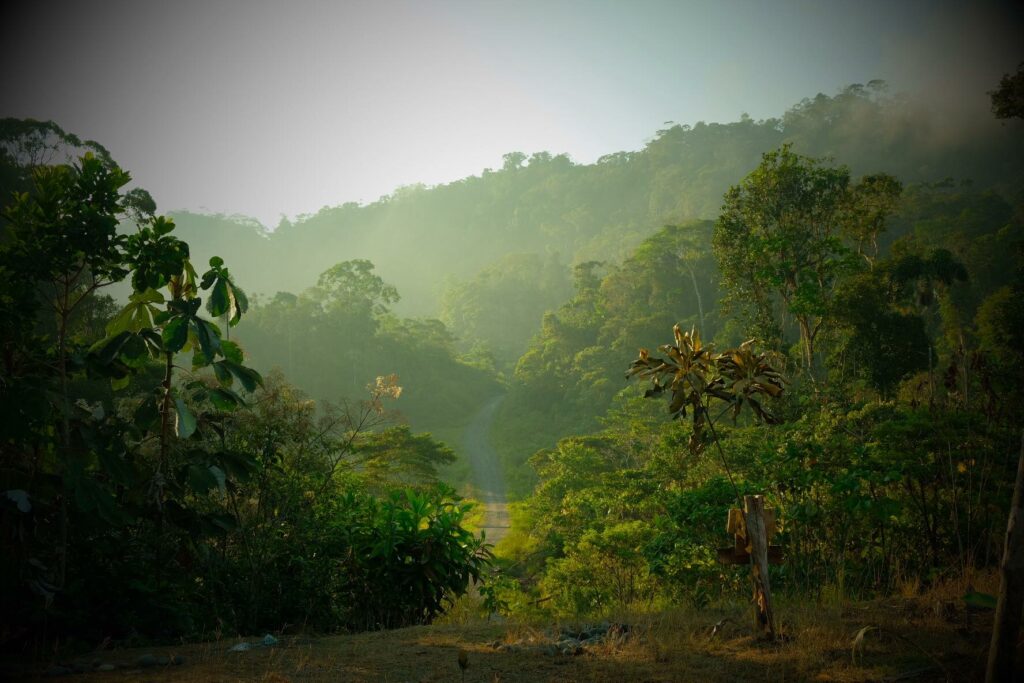
For outdoor enthusiasts, the Puyo region is a paradise: not only do you get to live amidst unspoilt nature, but there’s also plenty to discover in your spare time.
Tous les avis sur les missions South America Inside

The partner agency
The partner is an intercultural agency founded in 2003 by Marion, a German national living in Chile. Marion specialises in organising solidarity-based and participatory trips, eco-volunteering placements, as well as language courses and educational programmes throughout Latin America. This agency offers placements in Chile, Costa Rica, Nicaragua, Ecuador and more. Whether you are a student, a professional or a retiree, these trips are designed for those who want to experience Latin America in a way that goes beyond simply being a tourist.