Français
 English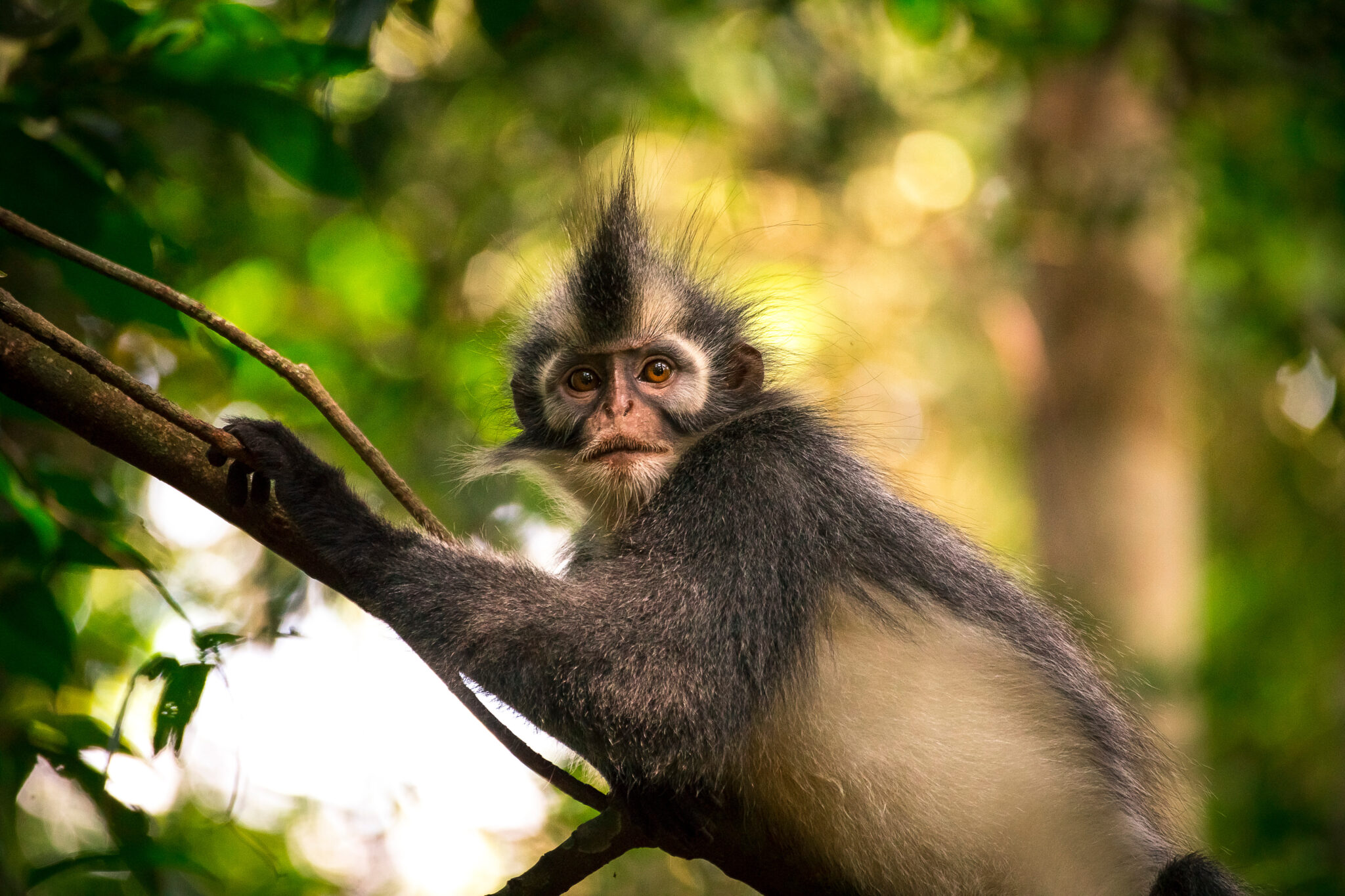
Join a scientific expedition to North Sumatra, Indonesia, to study the behaviour of wildlife, including several species of primates. See all our participatory research trips here.
A study of the flora and fauna of the rainforest on Sumatra in Indonesia
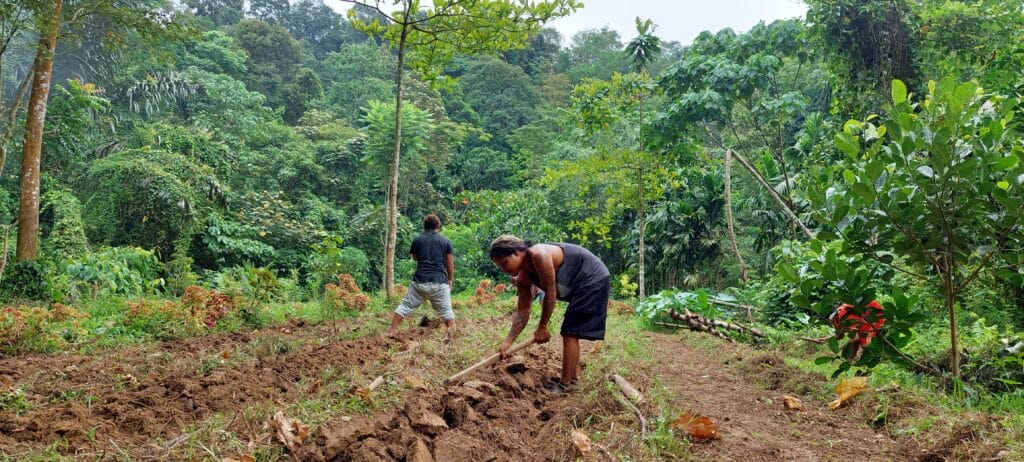
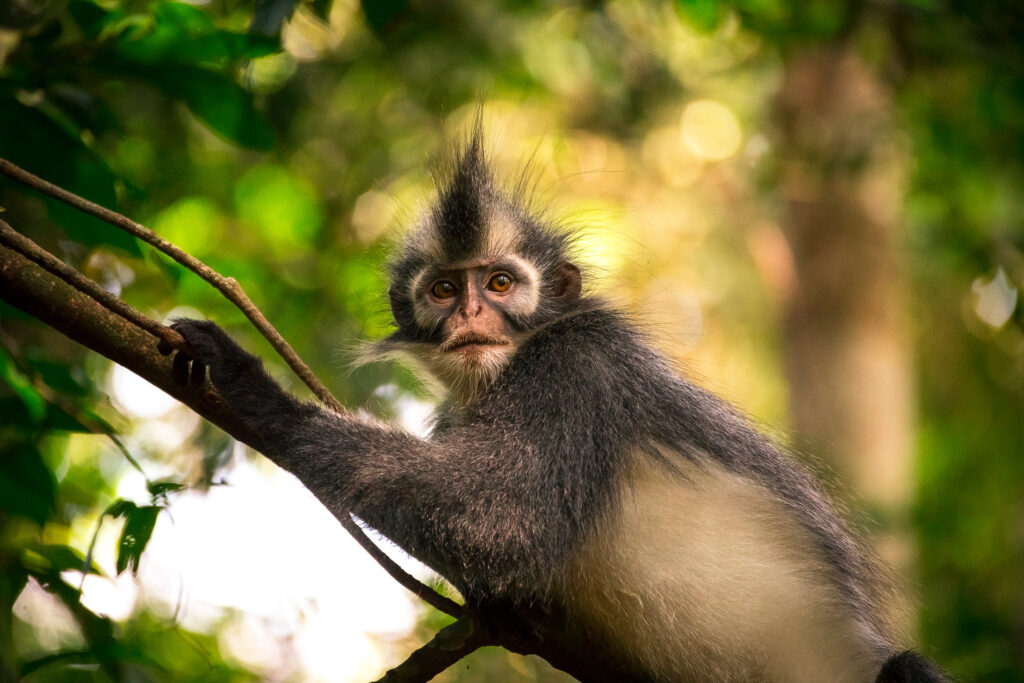
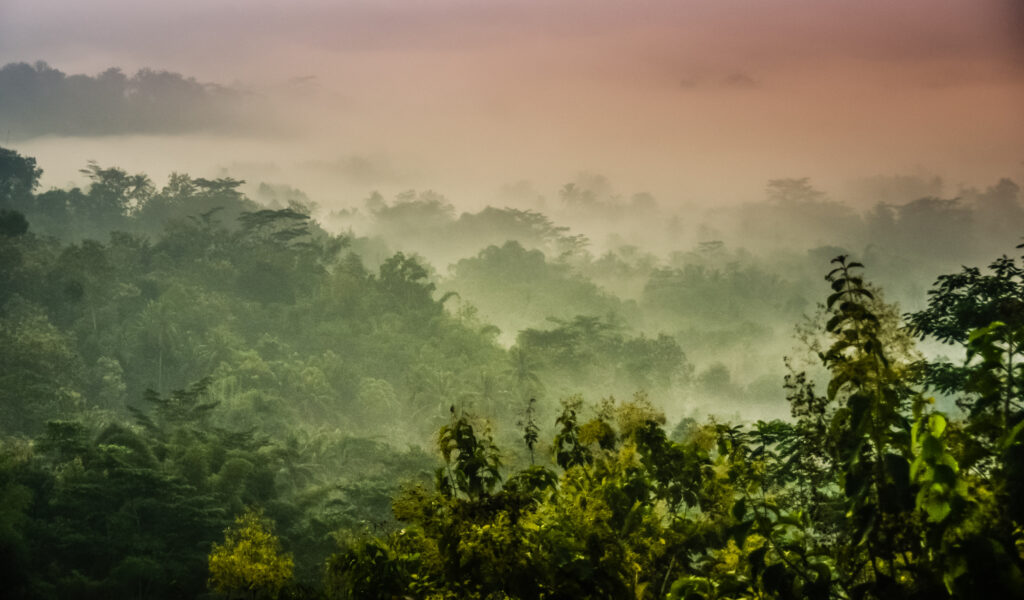
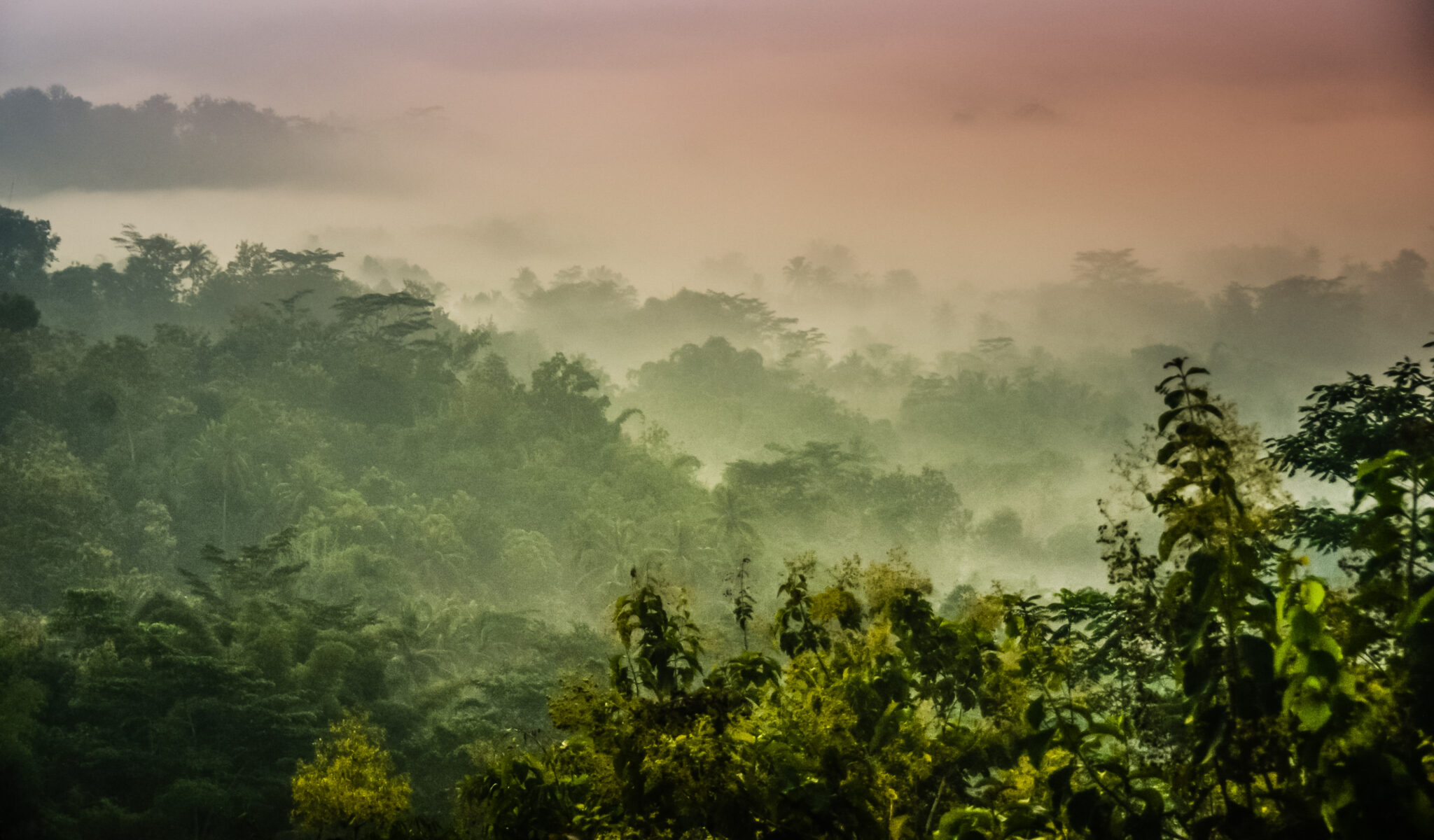
The jungles of North Sumatra, Indonesia, are home to an exceptionally rich biodiversity! In addition to its outstanding flora, it is the habitat of numerous primate species, including the orangutan, which literally means ‘man of the forest’. These rainforests are also inhabited by endemic species such as the Thomas’s leaf monkey ’ (Presbytis thomasi), a small arboreal primate with long limbs, recognisable by its small white crest. However, this fabulous biodiversity faces numerous threats linked to poaching, illegal trade, deforestation due to palm oil cultivation and pollution. Today, most of the species in the Sumatran jungle are endangered.
This research project has a number of objectives:
- To contribute to research in ethology and ecology, as well as to the study of human–animal interactions
- To promote local and traditional knowledge of wildlife and the environment.
- Raise awareness of the issues surrounding biodiversity conservation
- Restoring the balance between humans and their ecosystems.
The format chosen by our partner OSI to achieve these objectives is that of a participatory research trip. Participatory science expeditions have indeed become an essential strategy for collecting data, raising public awareness and supporting conservation efforts.
The participatory research trip to Sumatra
The format chosen by our partner for this scientific expedition to the rainforests of northern Sumatra and Gunung Leuser National Park is that of a participatory research trip.
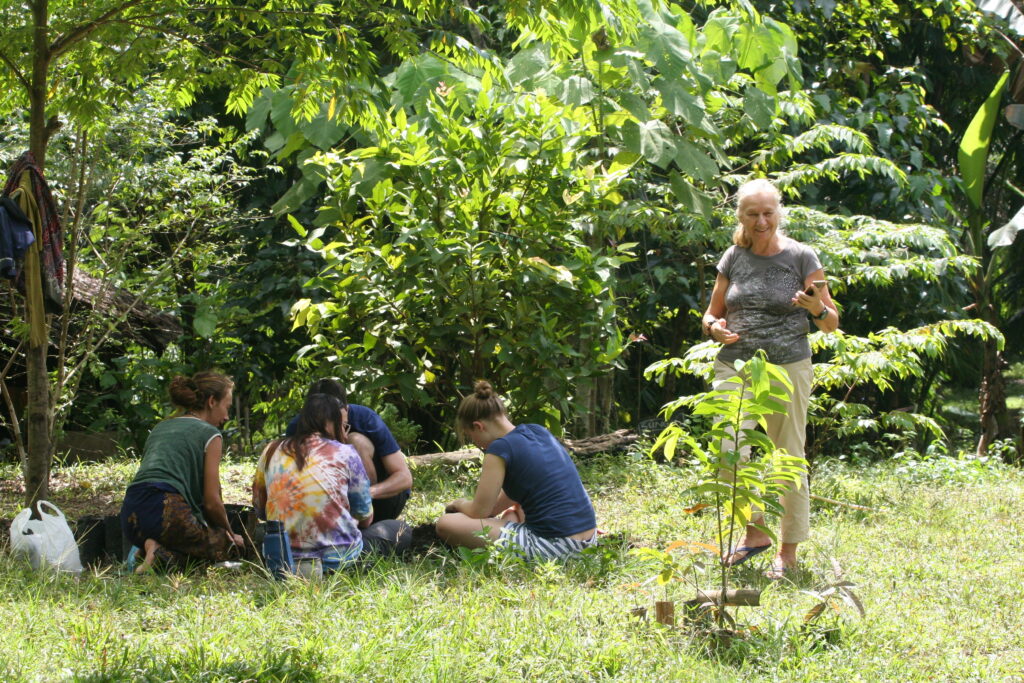
Your task will be to study several species of primates, including two species of gibbon and one species of langur, in their natural habitat. You will also be collecting data on these forests, which are home to incredible biodiversity!
The course of the scientific expedition
- Day 1: You arrive at Medan Airport on the island of Sumatra in Indonesia in the morning, where your guides will be waiting for you. You will travel to the small village of Batu Katak later that day
- Day 2: a day of rest, a tour of the village and preparations for setting up the science project.
- Days 3–4: Departure for the karst forest and initial observations. Discover and observe gibbons, langurs and orangutans in the wild, and learn the basics of ethology and ecology. In the afternoon, return to the guesthouse for lunch, followed by some rest. The afternoon is devoted to introductory workshops on primatology until dinner time.
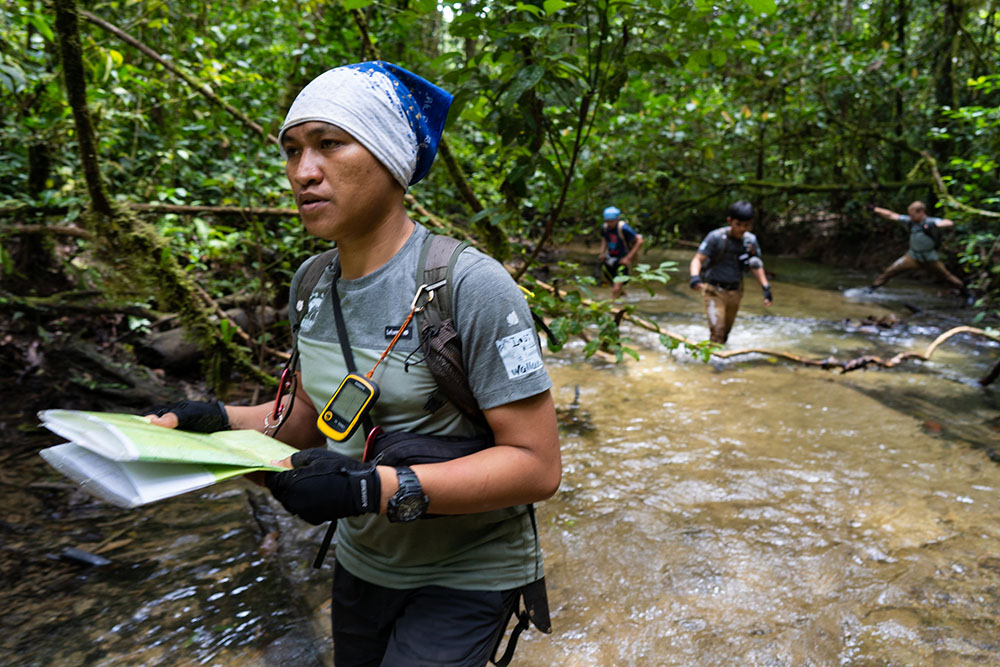
- Days 5–6–7: Forest trek and nights in the jungle – These three days are spent exploring more remote areas of the forest. You’ll head deep into the wilderness to locate and study other groups of primates. This immersion is a unique experience in these primary forests!
- Day 8: After a few days of trekking, you’ll resume your studies around the village of Batu Katak, with breaks at the lodge to rest and recover. There’s the option of night walks to observe slow lorises and the forest’s nocturnal inhabitants.
- Days 9–10: These two days are spent exploring an area further north and reaching a campsite. Overnight in the jungle.
- Days 11–12: After arriving at the camp, where you will be staying in small bamboo huts, you will explore the surrounding area to continue surveying the primate groups found on the outskirts of the villages. Swimming in the river and spending time with the local community.
- Evening of Day 12 & Day 13: Visit to the local village of Bukit Lawan, sharing of what we’ve learnt and a local cooking class. Presentation of our project (if possible) to the children at a school in the village of Batu Katak before returning to Medan.
- A single date: from 12 April 2026 to 25 April 2026
- Price: €3,995 – Tax relief of up to 66% available
Tax Deduction *
The partner NGO is recognized for the high-quality, meaningful, educational, and solidarity-based nature of its programs and training courses dedicated to achieving the Sustainable Development Goals.
The NGO operates on a donation-action principle: a person makes a donation and takes part in one of the NGO’s activities. Please note that the donor and the participant may be two different people.
As such, the cost of the training course or scientific expedition may be tax-deductible up to 66% in France, in accordance with current French tax regulations.
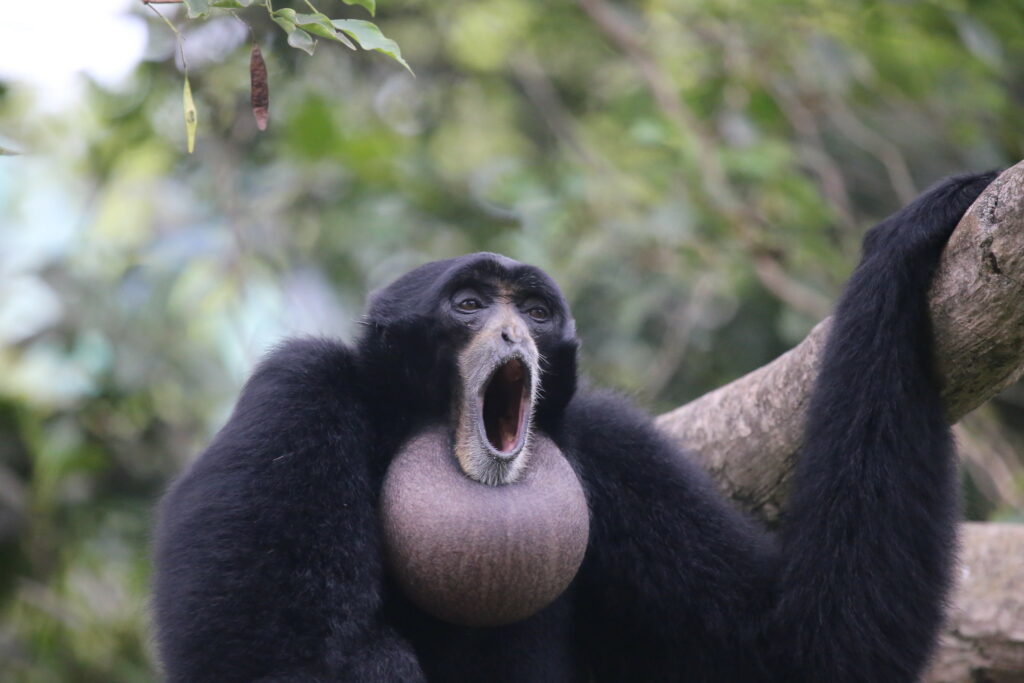
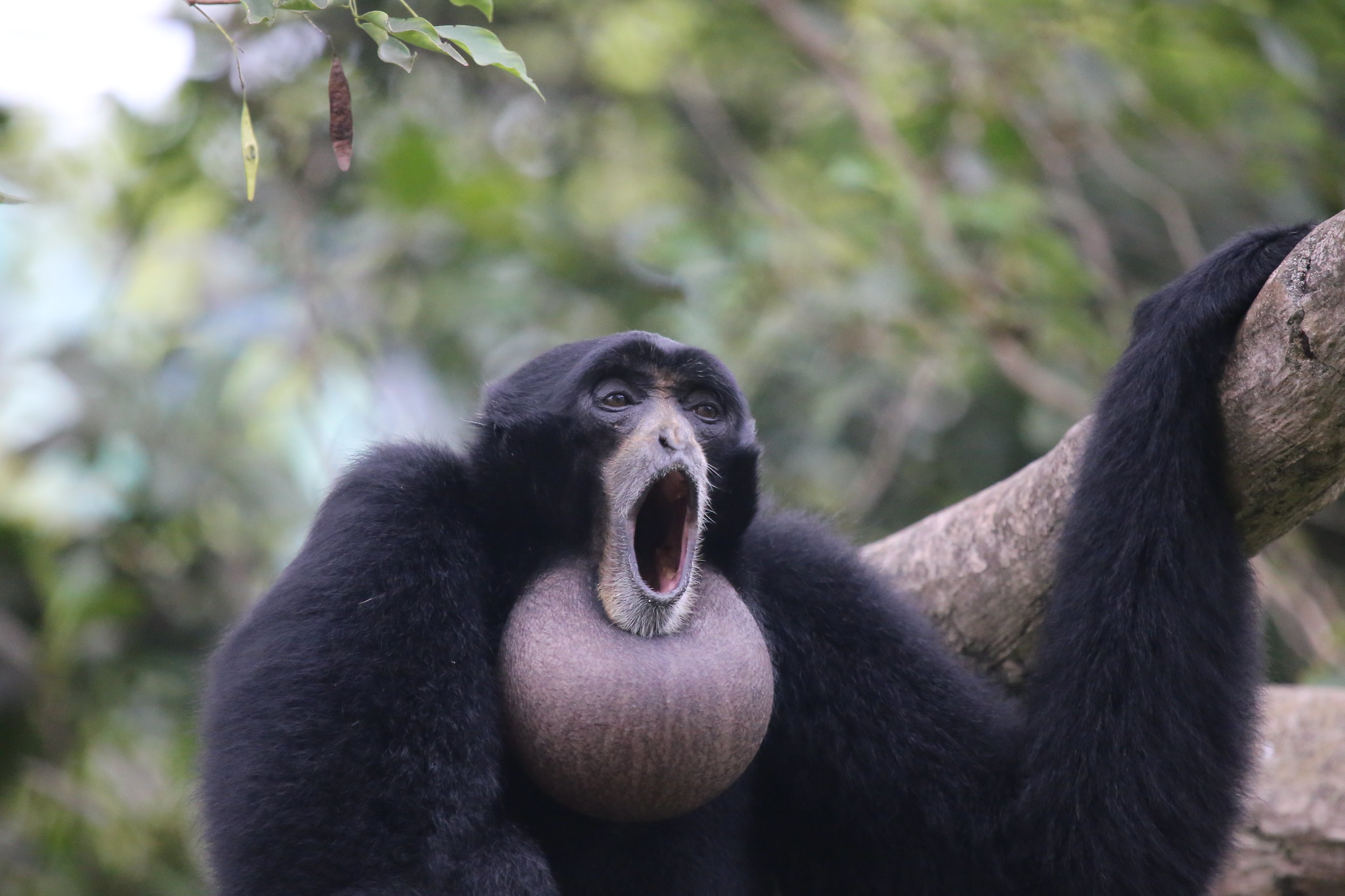
- Listen to the enchanting melodies of the gibbons’ calls – these small, agile monkeys with long arms. Learn to recognise the different species by their distinctive calls.
- Help advance science!
- Experience an amazing adventure in the rainforest of Sumatra, Indonesia
- French-speaking mission
- Ages 16 and over
- Good physical fitness. Due to the heat and humidity, jungle treks are more demanding than treks in temperate climates.
Accommodation
Various types of accommodation during this trip.
The Gibbon Lookout House: located in the village of Batu Katak, right on the edge of the study site, this place is a true haven of peace with the river flowing below.
The Camp: the base for research and observations during the final days. Nights in the forest: nights spent in camps set up deep in the forest. We sleep in tents, often pitched near small streams.
The team
Stéphanie, the founder of the organisation, will be your educational and logistics coordinator and science educator on this expedition. Her life in Indonesia and her experience in leading expeditions make her the ideal person to guide you in the field.
Nora, a science educator, has been working in Sumatra for several years, where she has successfully led numerous projects promoting biodiversity, including work on tigers and other species. Living in the village of Batu Katak, her knowledge is an essential asset for the successful completion of the mission.
Clément, Head of the OSI Wild-Attitude research and science education programme. An ecologist and ethologist with a passion for the natural world, he divides his time between the Himalayan mountains and the tropical rainforests. His experience in coordinating scientific and sustainable development projects ensures the smooth implementation of field protocols and the effective analysis of the data collected.
Tous les avis sur Objectif Sciences international

About our partner NGO
The partner NGO holds Special Consultative Status with the UN (ECOSOC) and is a member of the AAAS Science and Human Rights Coalition. Specialising in science trips, science and participatory research, the NGO believes that education is the driving force behind the Sustainable Development Goals. It offers a range of participatory science trips for both adults and children.