Français
 English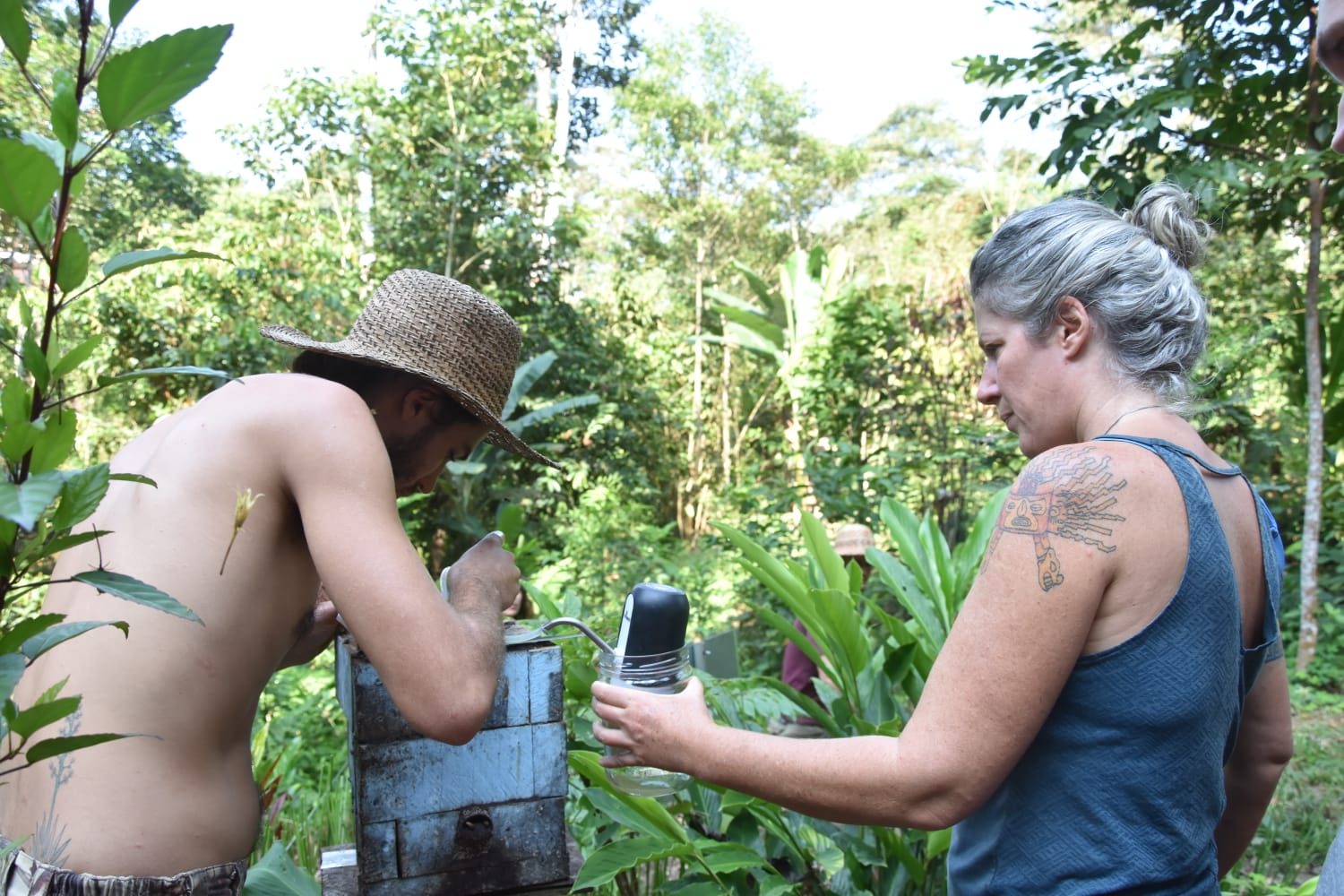


Can you do volunteering after retirement?
It would be a shame to forgo a solidarity trip after the age of 60 on the grounds that one feels “too old”! Volunteering has no age limit. Yet a common misconception persists: that international volunteering is reserved for young backpackers on a tight budget. In reality, organisations around the world are increasingly welcoming senior volunteers. Today, going on an eco-solidarity trip after 50 or 60 is not only possible, but also highly valued in the field.
Volunteering missions for families.
Why go on a solidarity trip after 50–60?
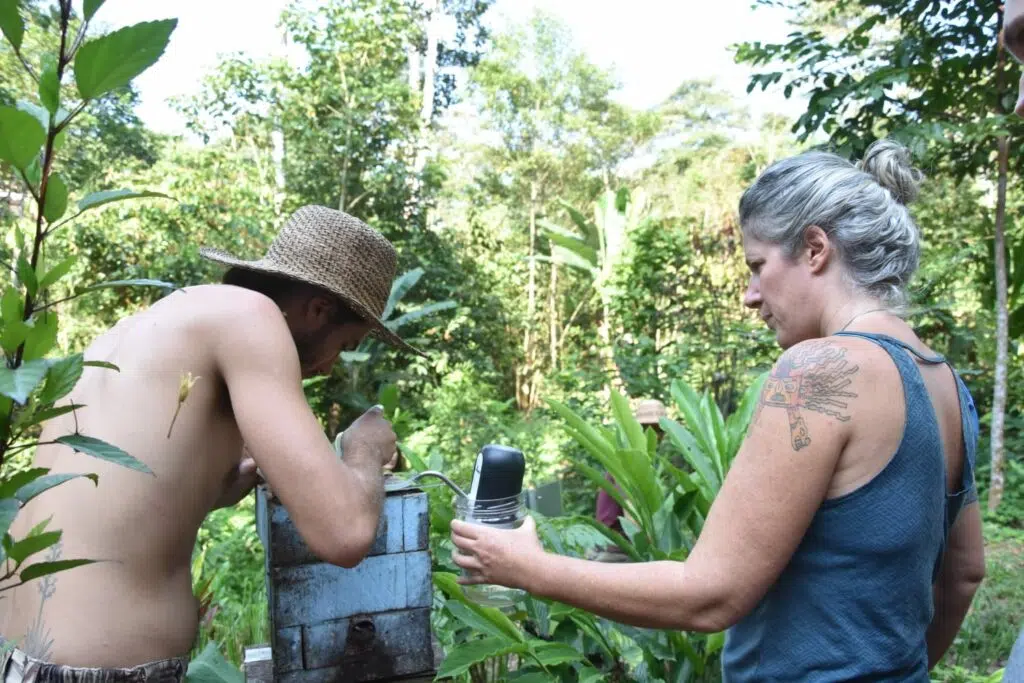
Getting involved in biodiversity or wildlife conservation projects allows you to give real meaning to your travels while having a concrete impact. Beyond commitment itself, volunteering is a profoundly transformative experience: stepping out of your comfort zone, learning differently, and reconnecting with the living world.
A real added value in the field
Senior volunteers bring:
- solid professional experience
- adaptability
- strong crisis management skills
- valuable listening abilities and emotional maturity
Intergenerational projects are among the richest in terms of learning.
What types of missions are available for seniors?
There are many accessible opportunities:
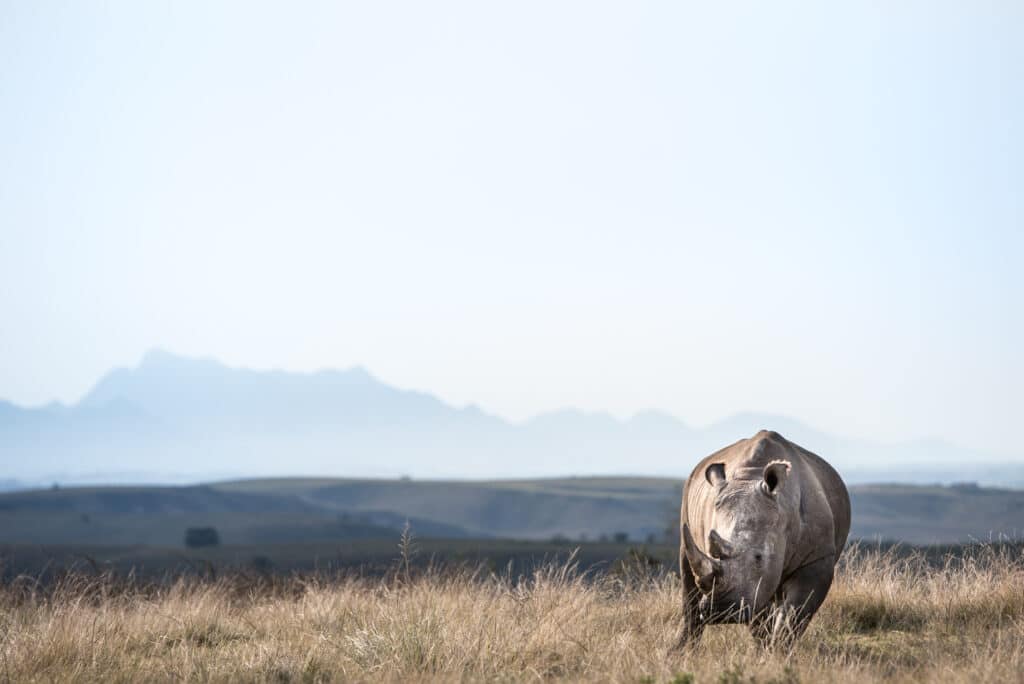
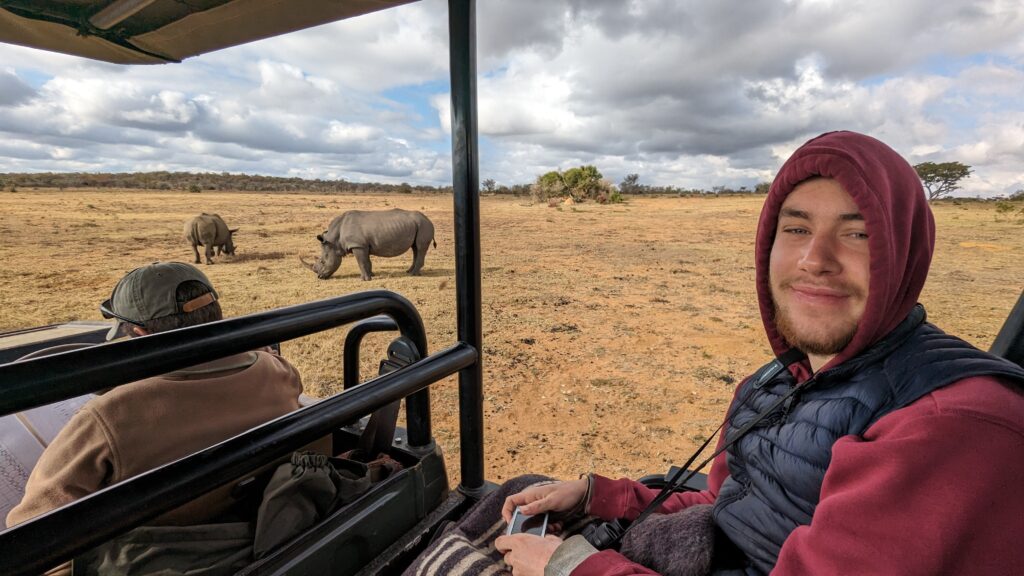
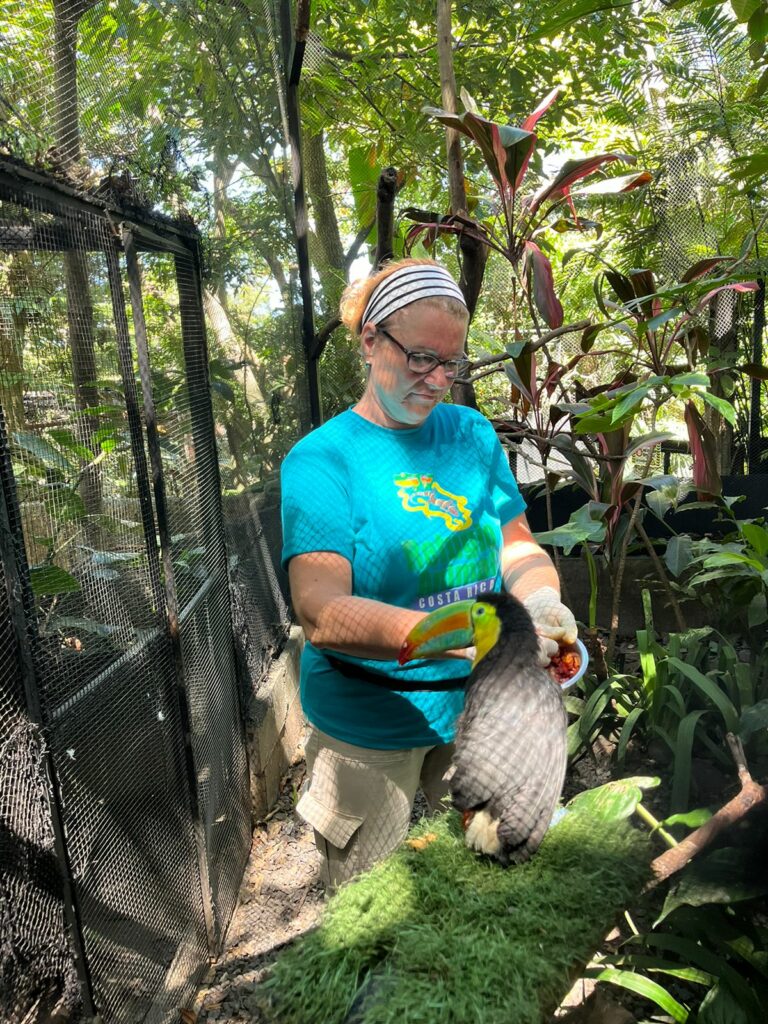
- wildlife protection
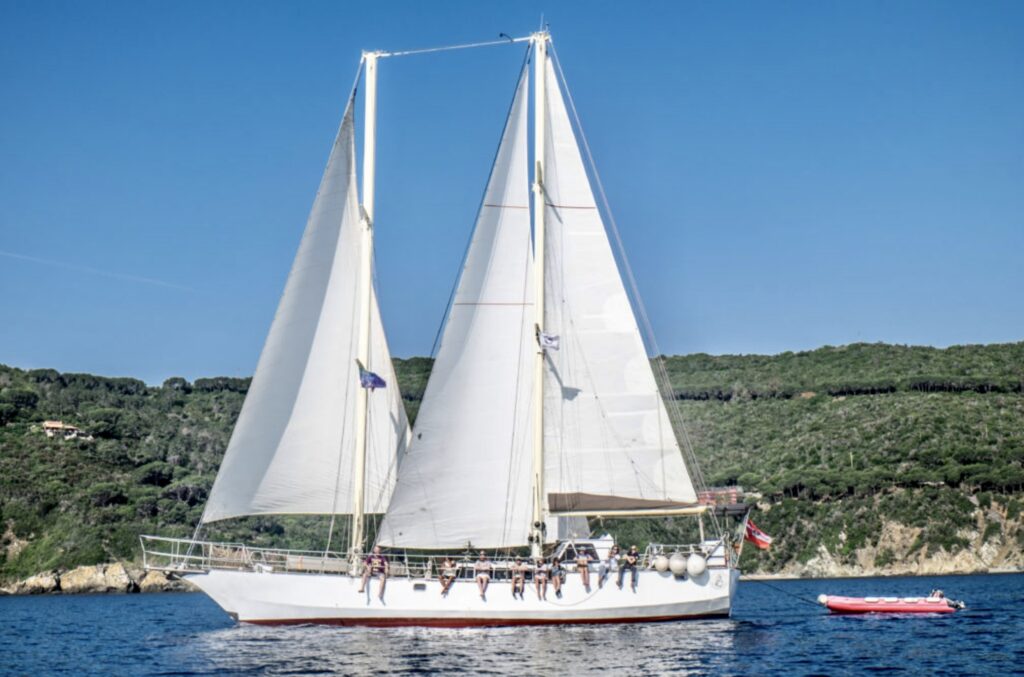
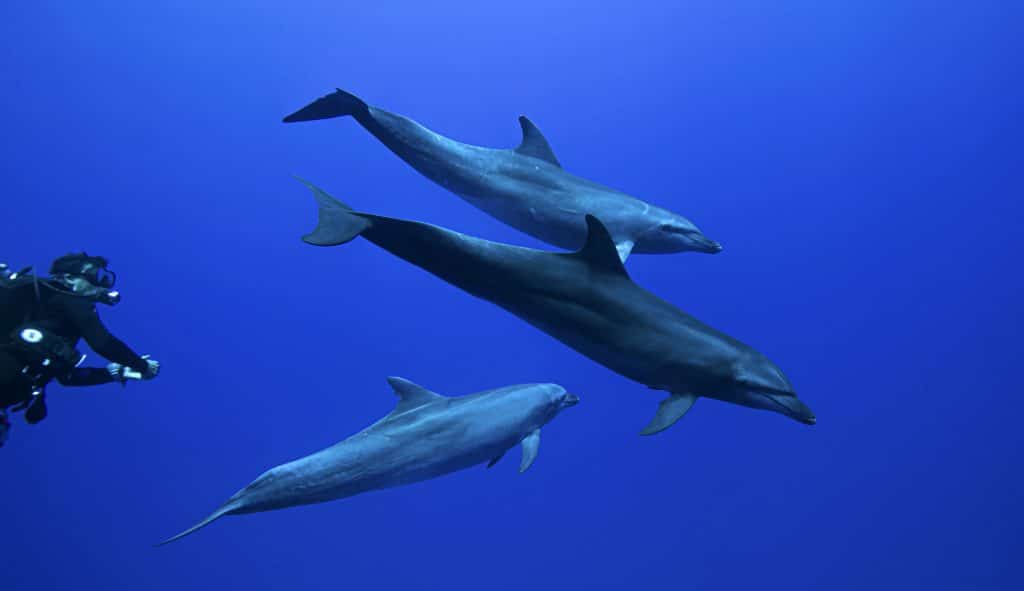
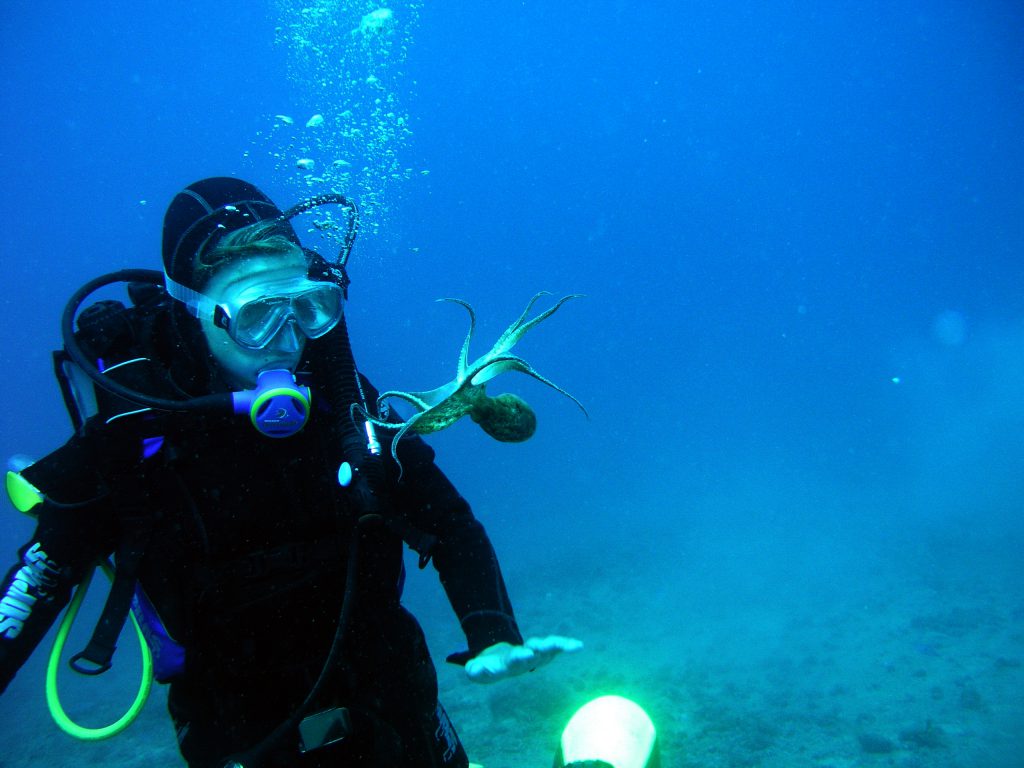
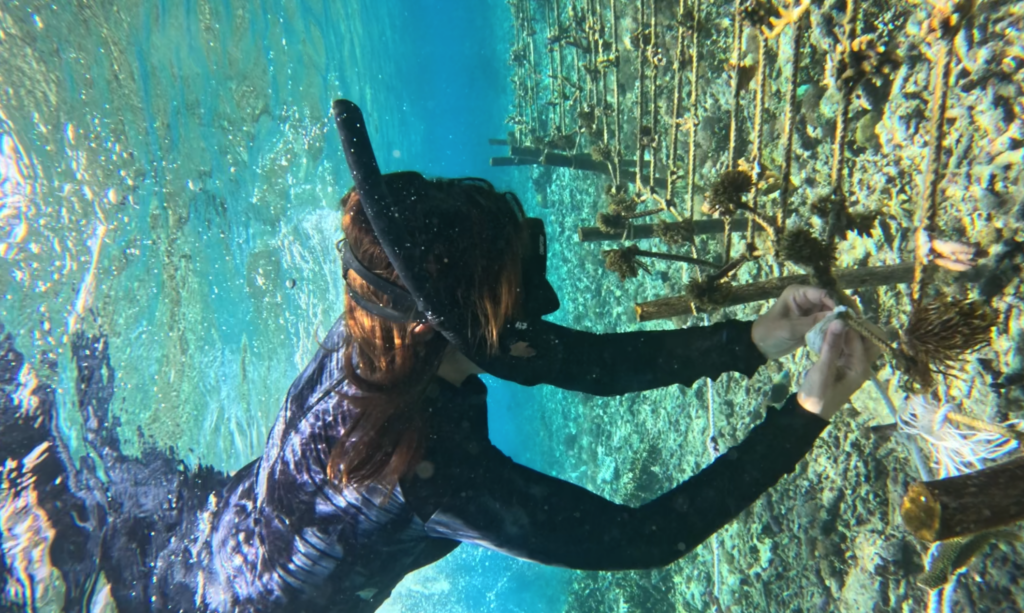
- marine conservation
- biodiversity monitoring
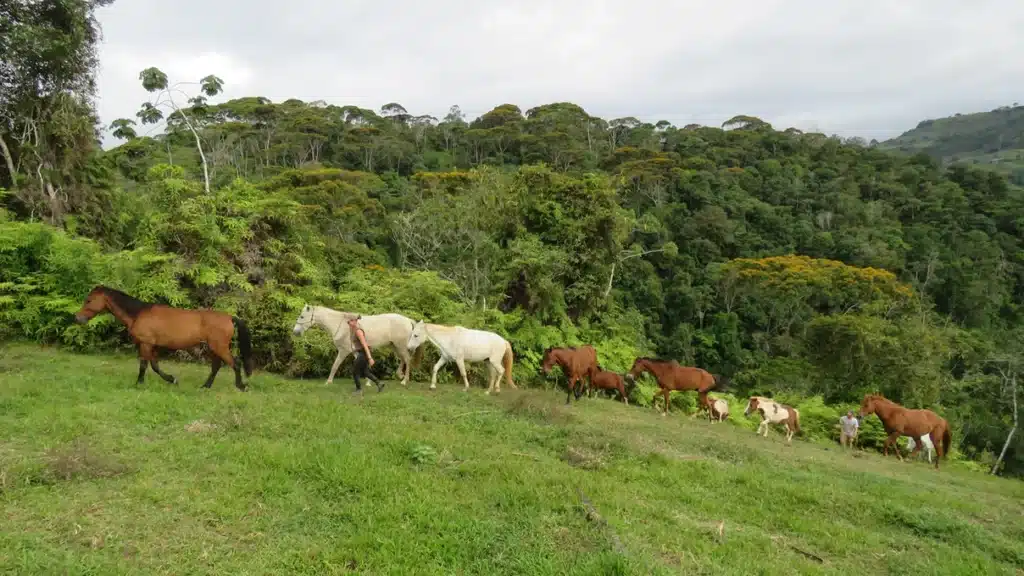
- environmental projects
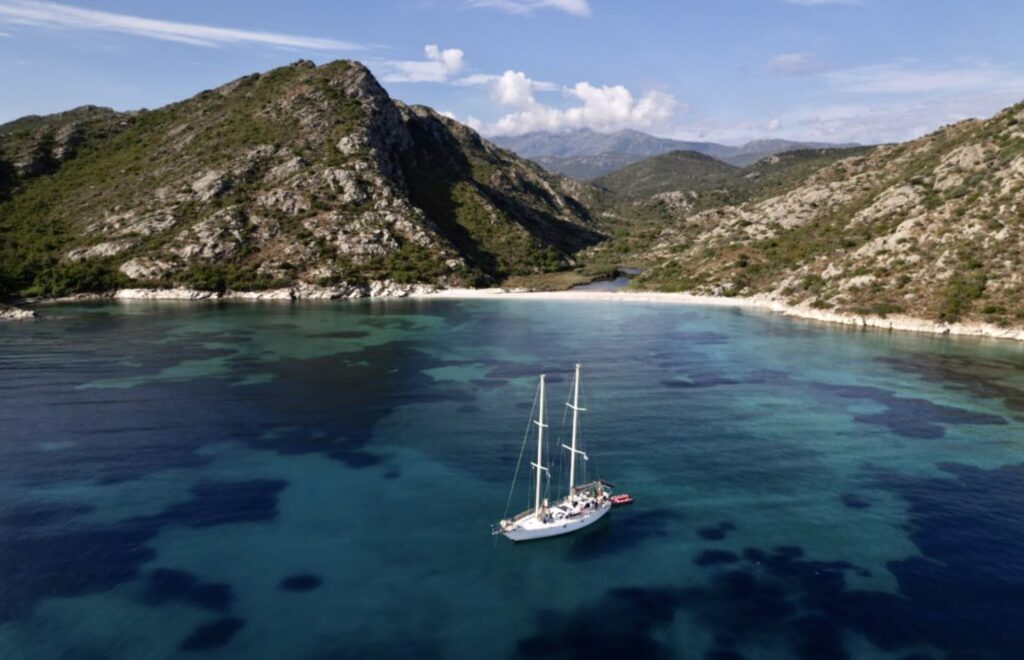
Destinations are diverse: Africa, Asia, Latin America, the Pacific, Europe, and France.
The choice depends primarily on your interests and physical condition.
How to choose an volunteering mission as a senior?
1. Physical condition
As with any meaningful travel experience, it is essential to assess field requirements.
- Get detailed information about activities (walking distances, carrying loads, daily pace)
- In mountainous missions: check distance and elevation gain, and consider a medical check-up if needed
- For diving: a medical certificate may be required
- For night missions: anticipate irregular schedules
- In tropical regions: heat can be demanding—choose the most suitable season
Some biodiversity missions can be physically more challenging, especially tree planting or trail maintenance. The key factor is not age, but the match between the mission and your current fitness level.
2. Health
Health should not be viewed through age, but individually.
Good practices before departure:
- consult your doctor if you have doubts or ongoing treatment
- check health conditions in the destination country
- take out travel insurance covering planned activities
- prepare for any specific medical needs in advance
It is not about avoiding destinations, but preparing properly.
3. Comfort
Even if you are used to adventurous travel, you may now prefer more comfort. Increasingly, organizations offer:
- single rooms
- different accommodation levels
- conditions adapted to longer stays
It is possible to find a balance between commitment, immersion, and comfort.
A growing trend: engaged senior travellers
More and more people choose solidarity travel after 50 or 60 in order to:
- give meaning to their free time
- live a useful experience
- keep learning
- actively contribute to protecting life on Earth
This diversity of profiles is a real asset for projects.
Conclusion: there is no age limit to commitment
Doing volunteering after 50 is above all a personal approach. With good preparation and the right mission choice, it is entirely possible to live a powerful, meaningful, and enriching experience—at any age.
Examples of volunteering missions for seniors
This list is far from exhaustive!