Français
 English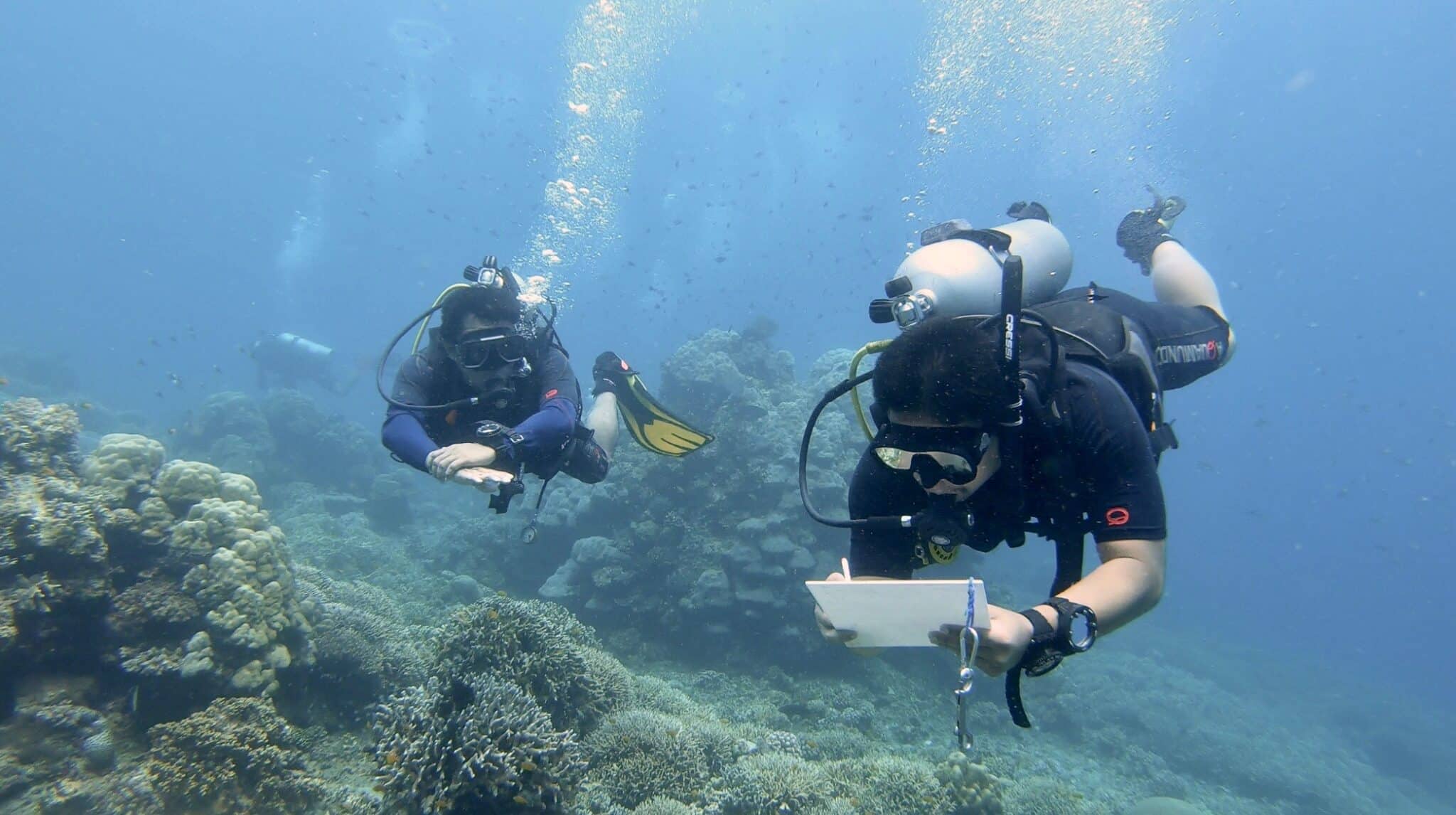
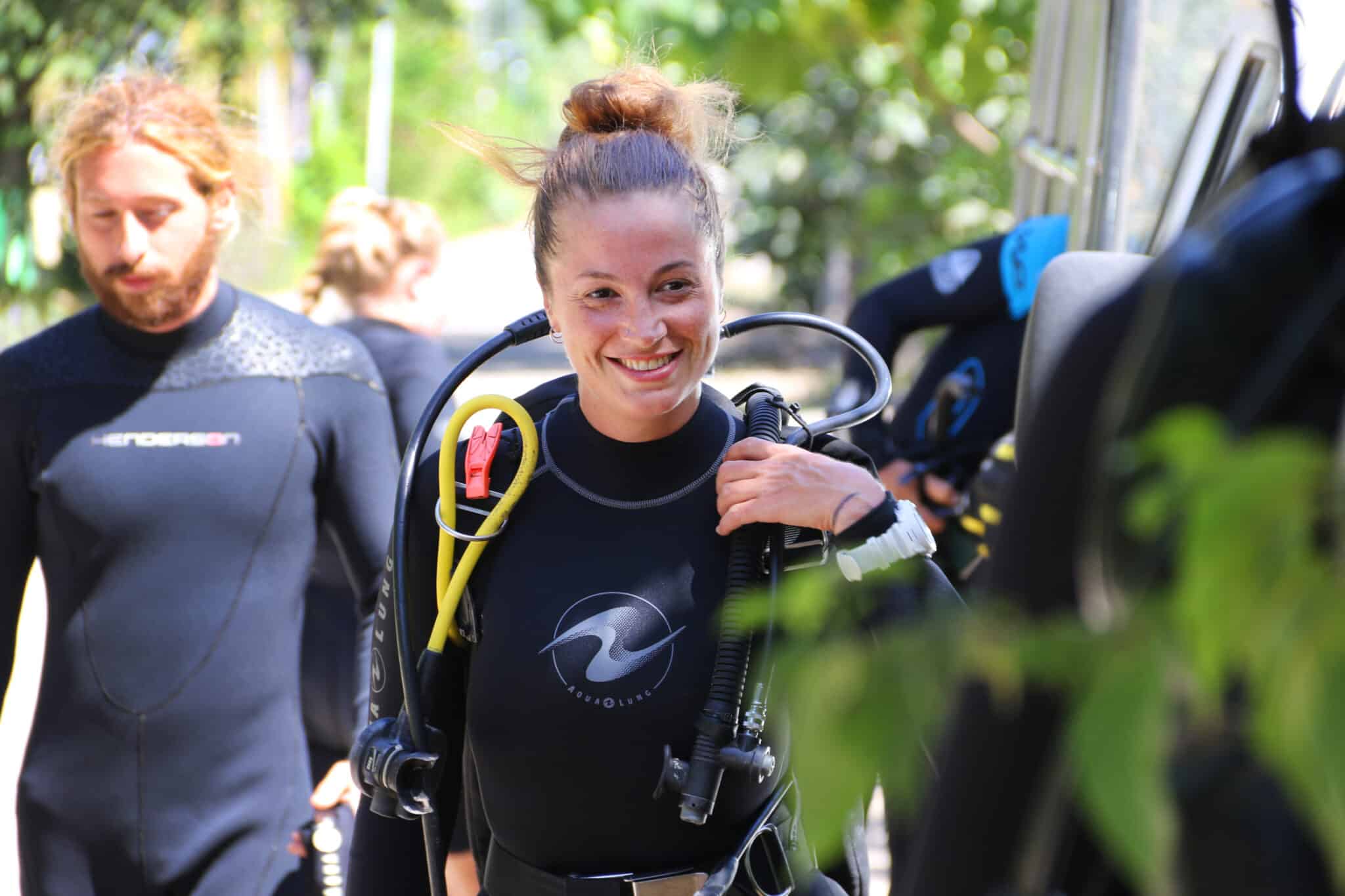
 Volunteers must know how to dive or be willing to learn
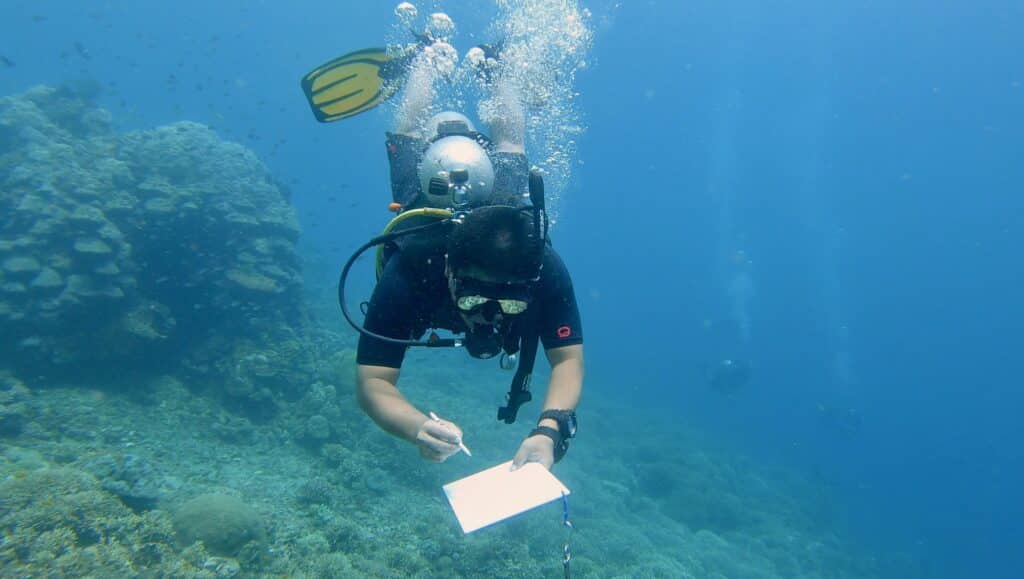
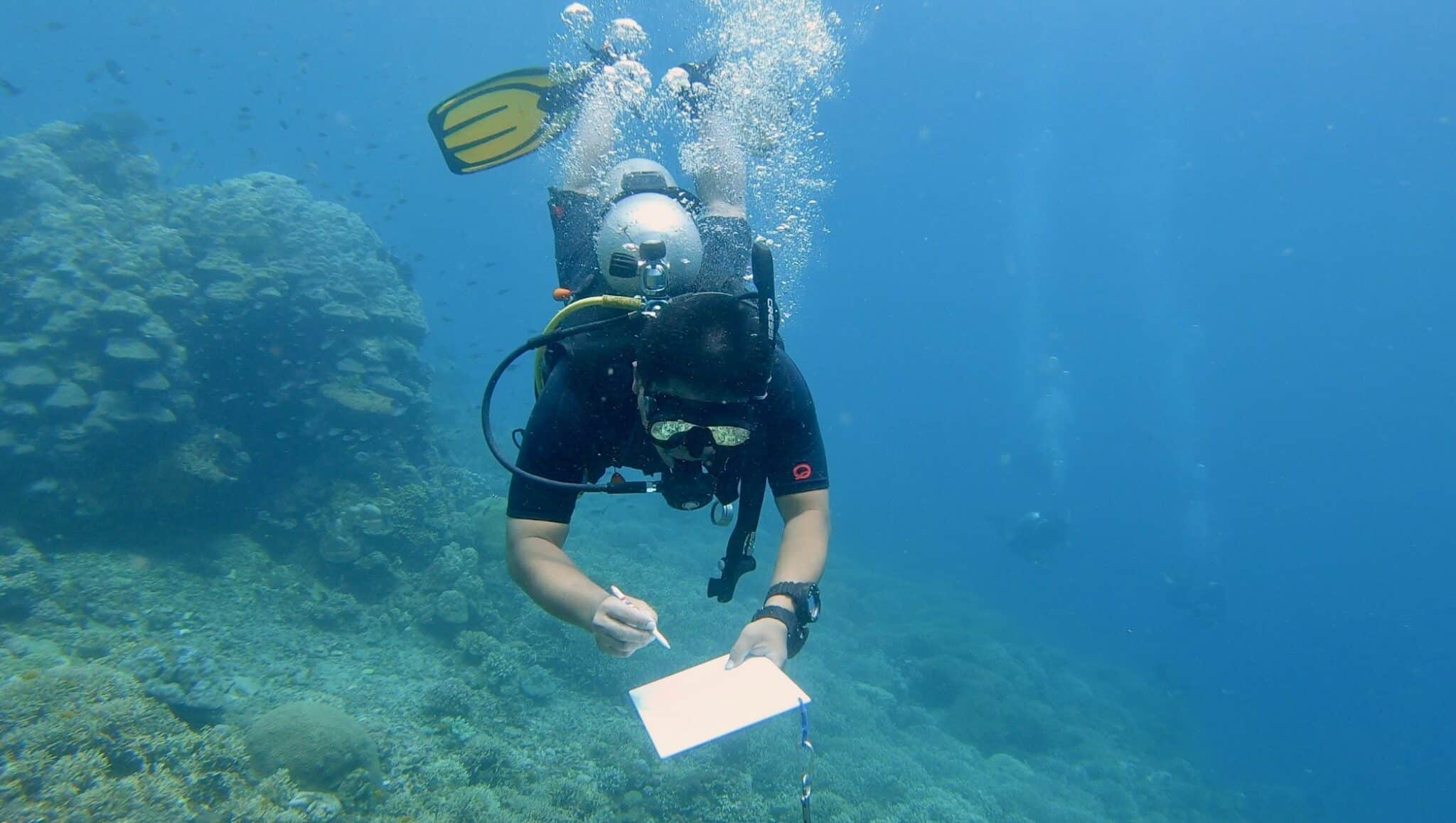
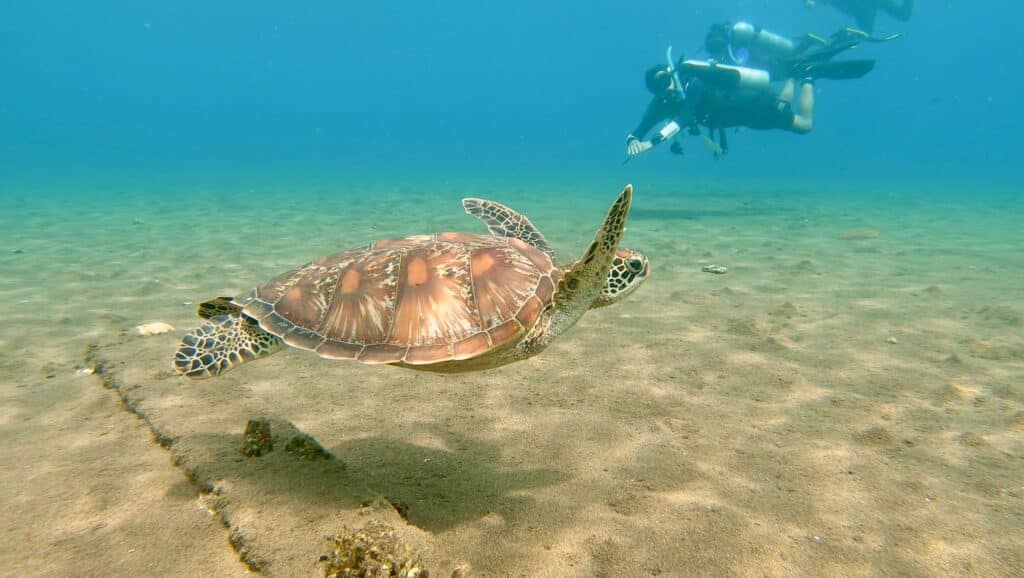 Two research dives a day
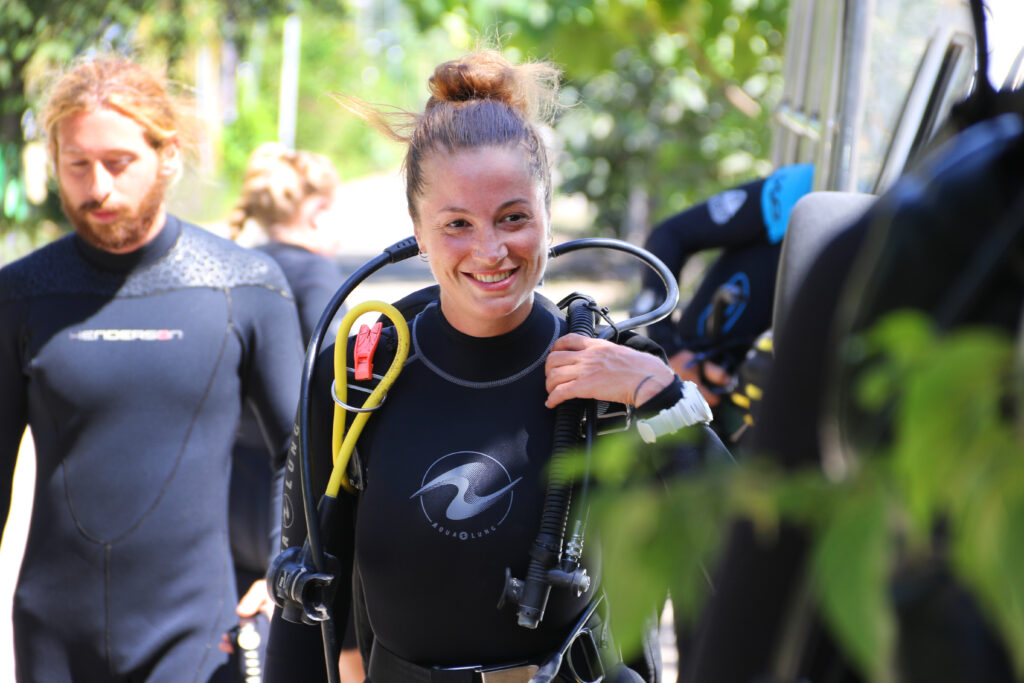 Volunteers can obtain their PADI certification on site.
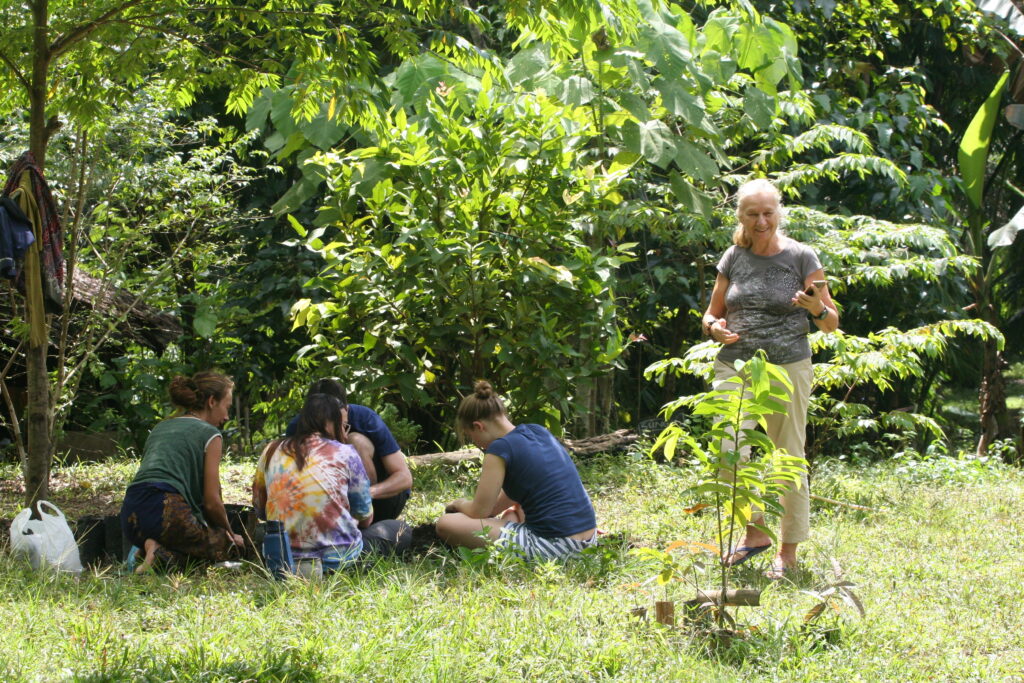
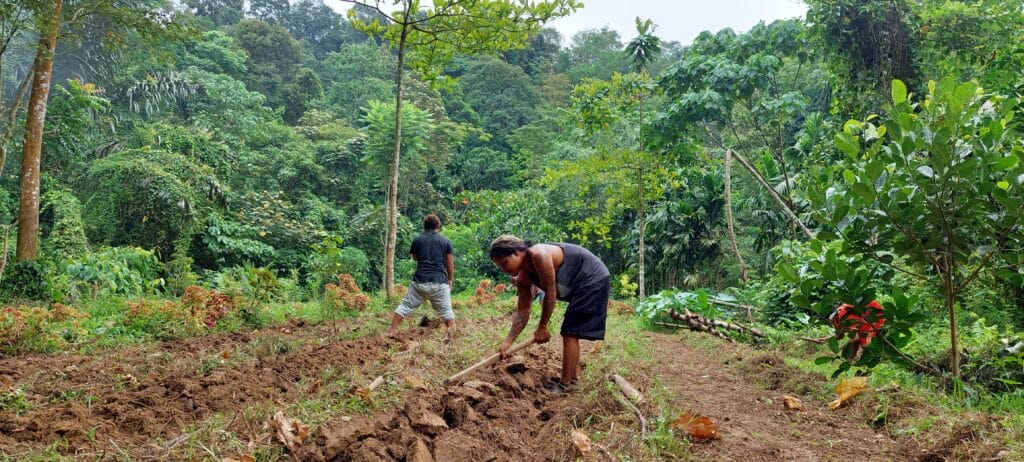
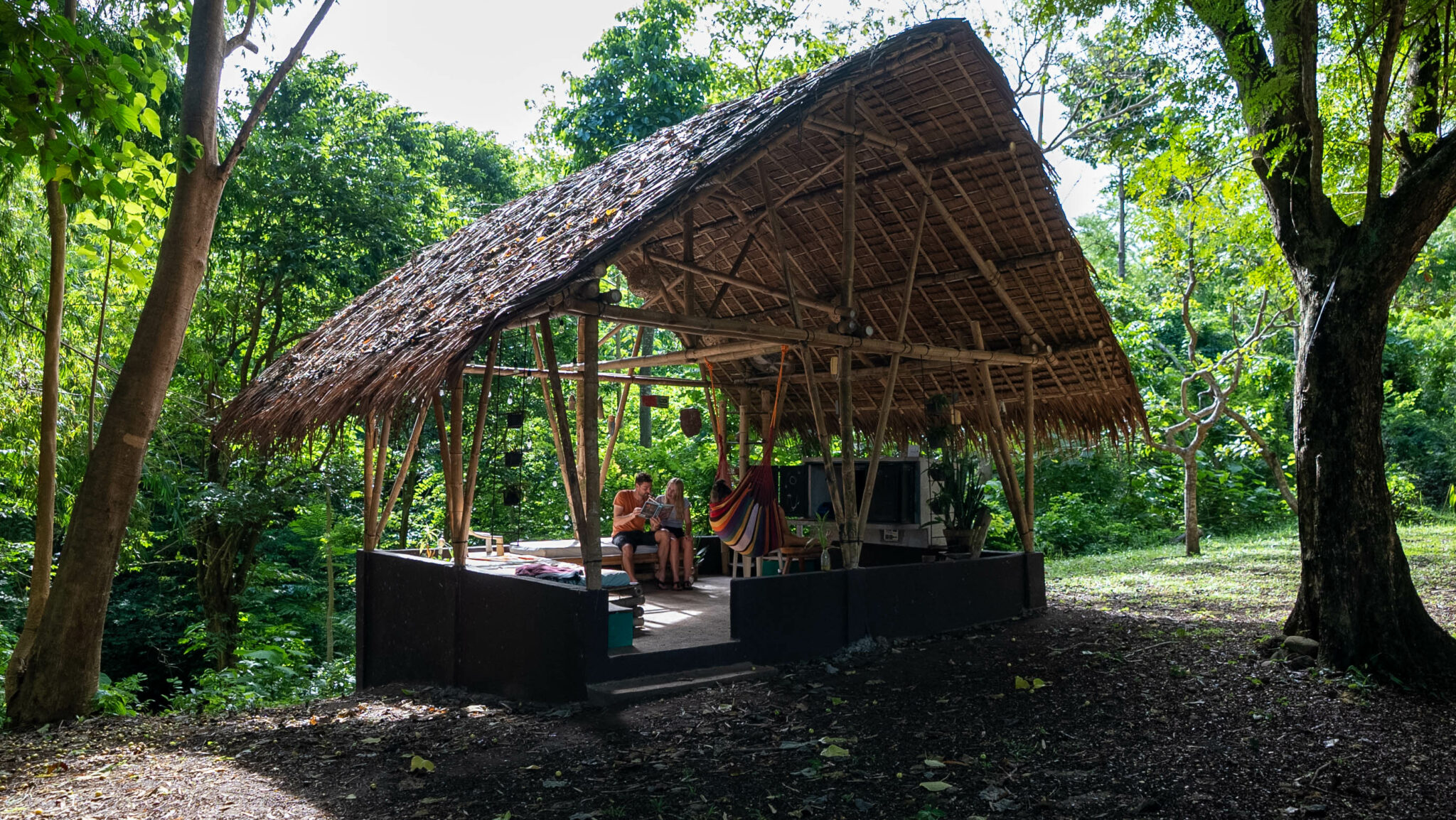
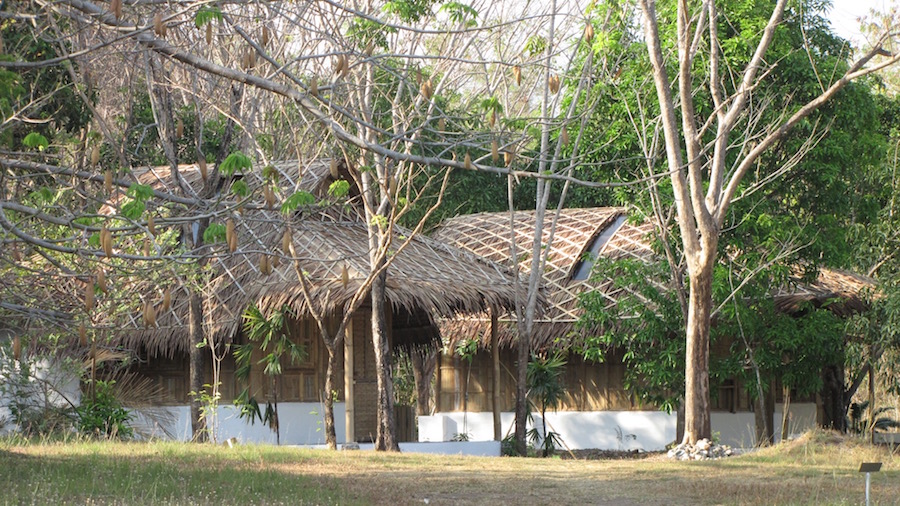 The centre is situated in the heart of a 10-hectare garden
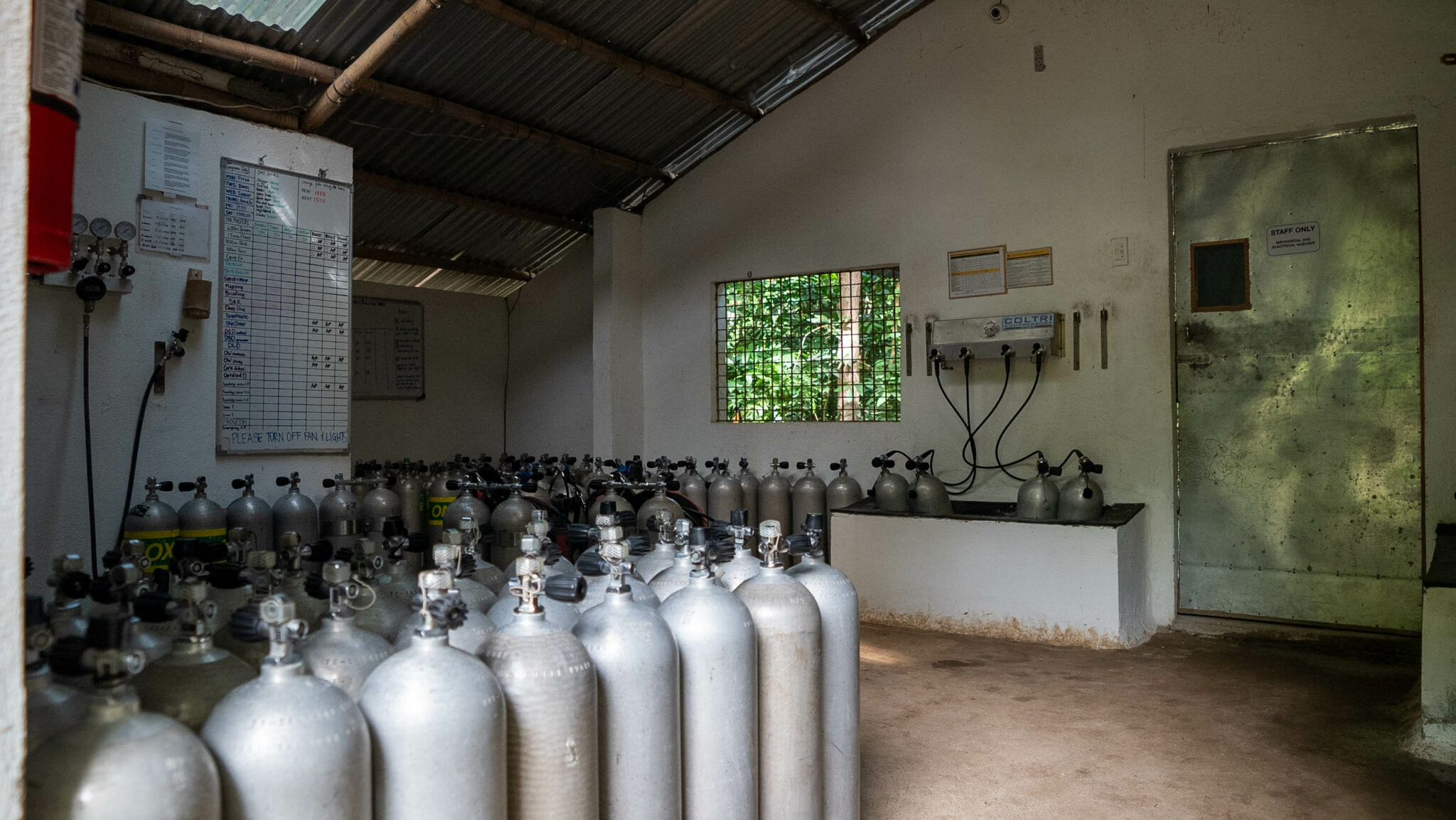
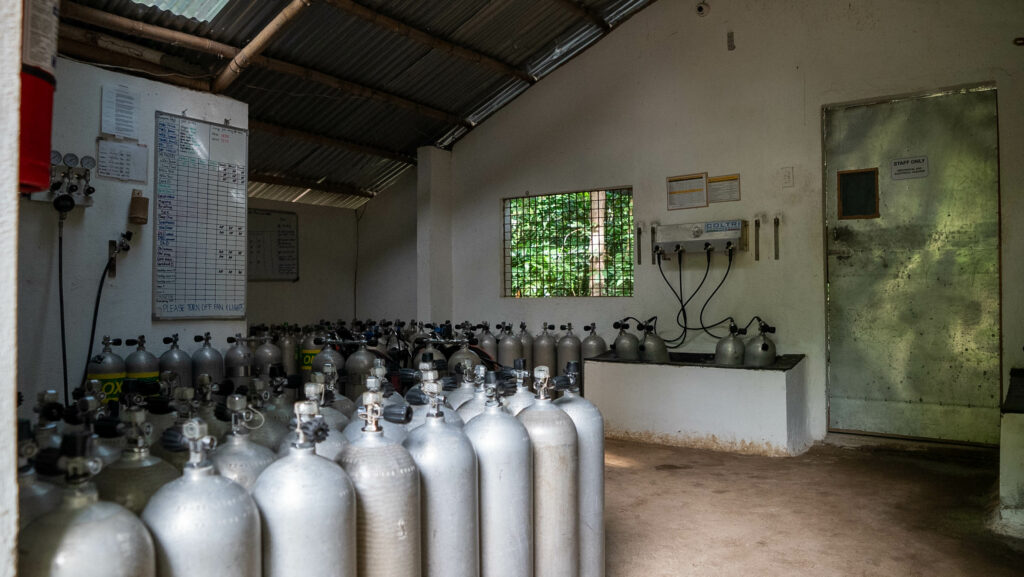 Diving equipment is provided
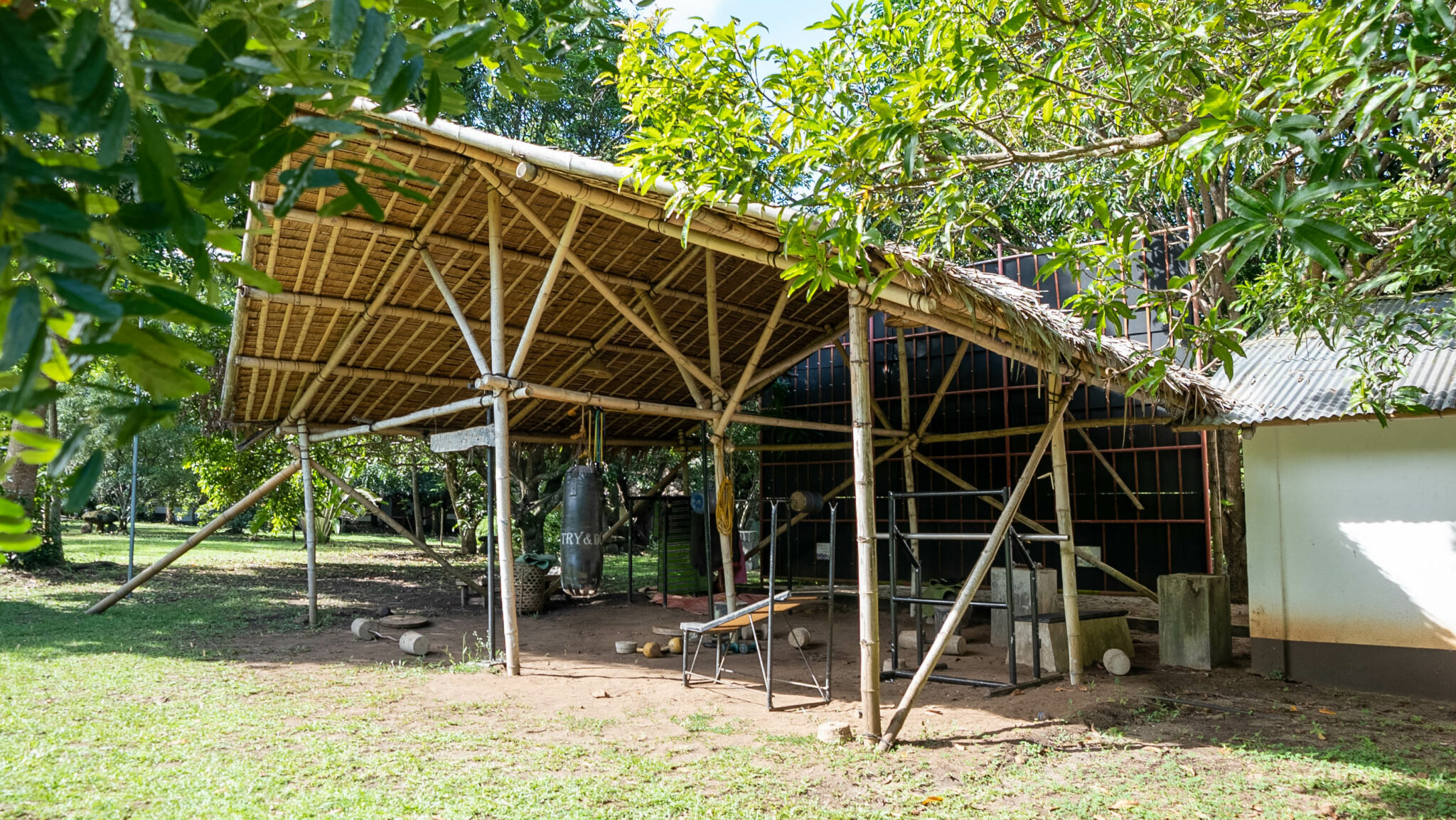
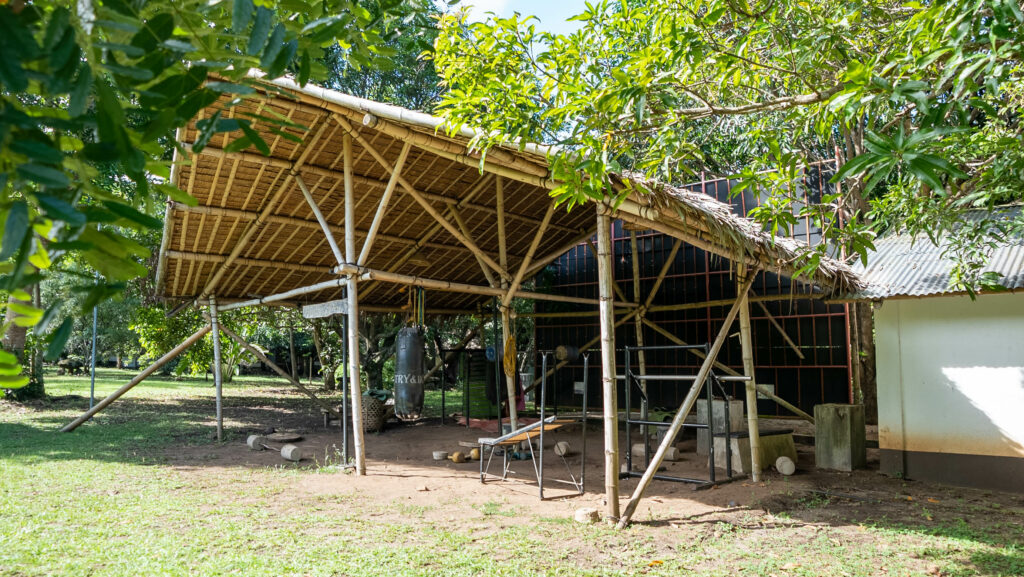 A gym in the jungle is now available!
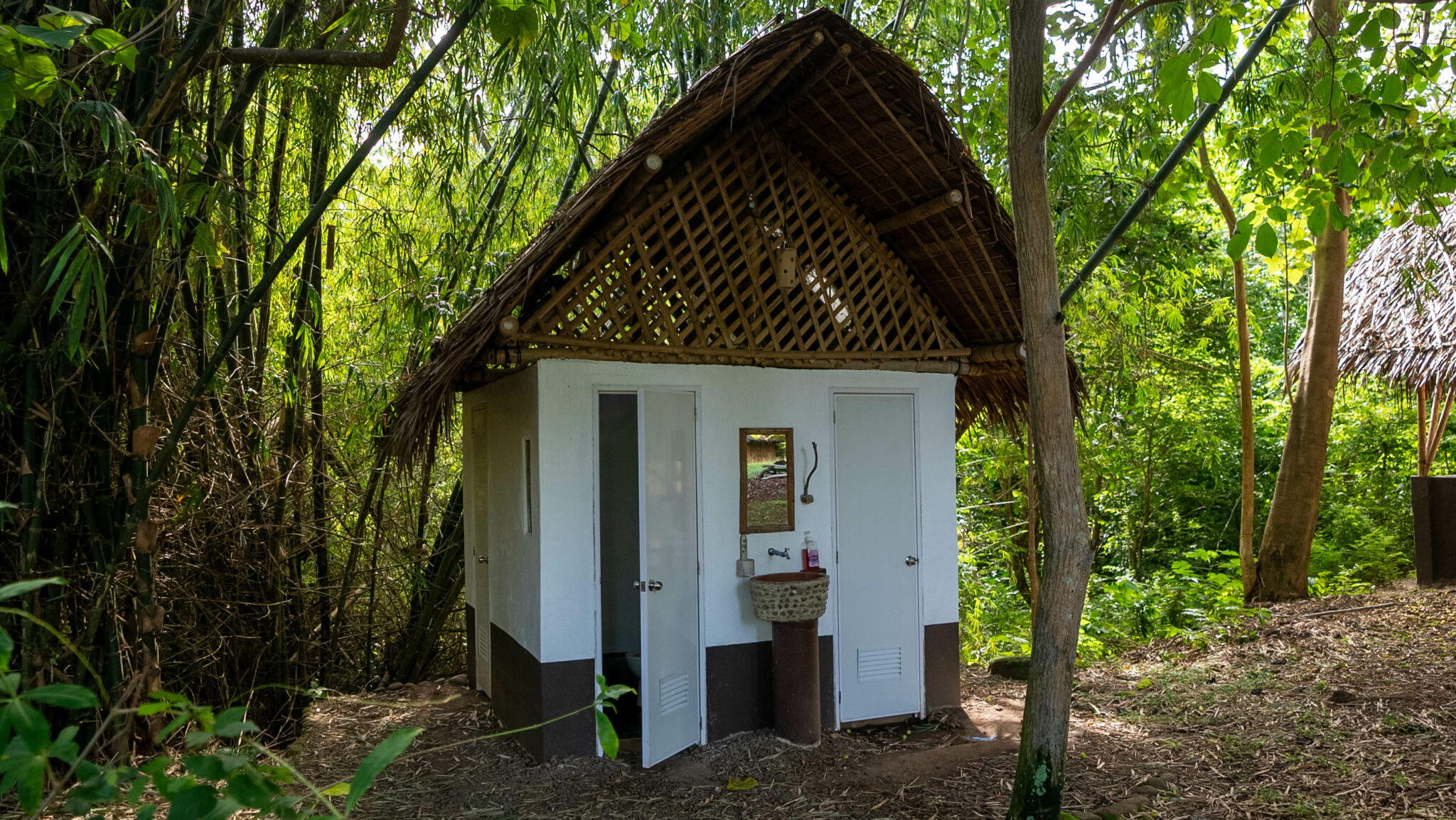
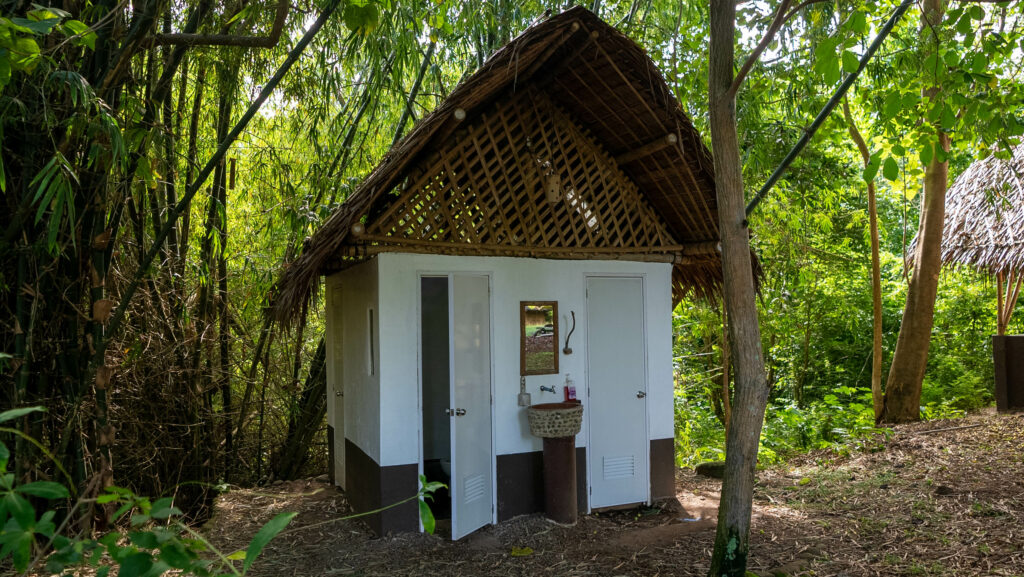 The bathrooms are shared
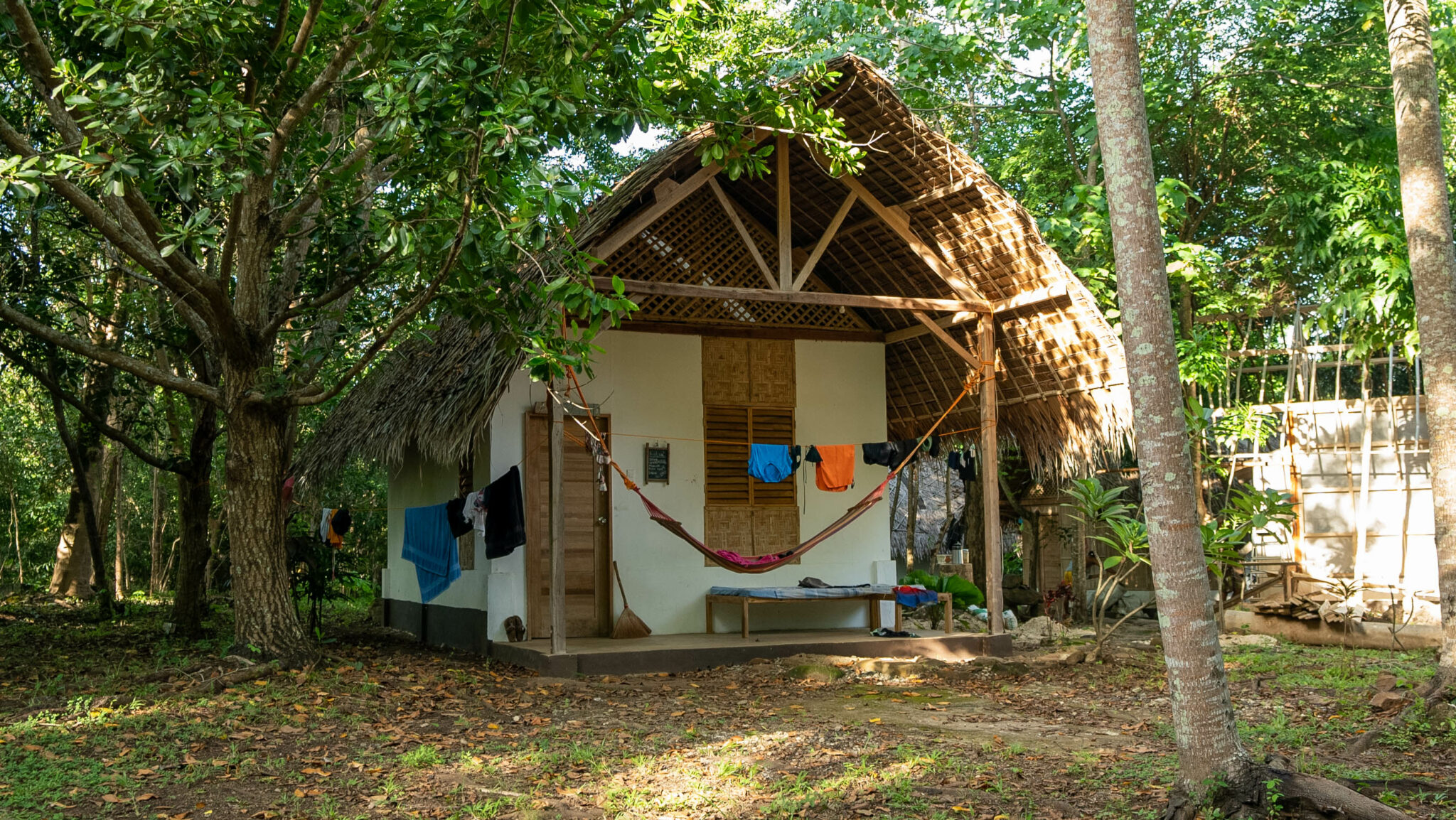
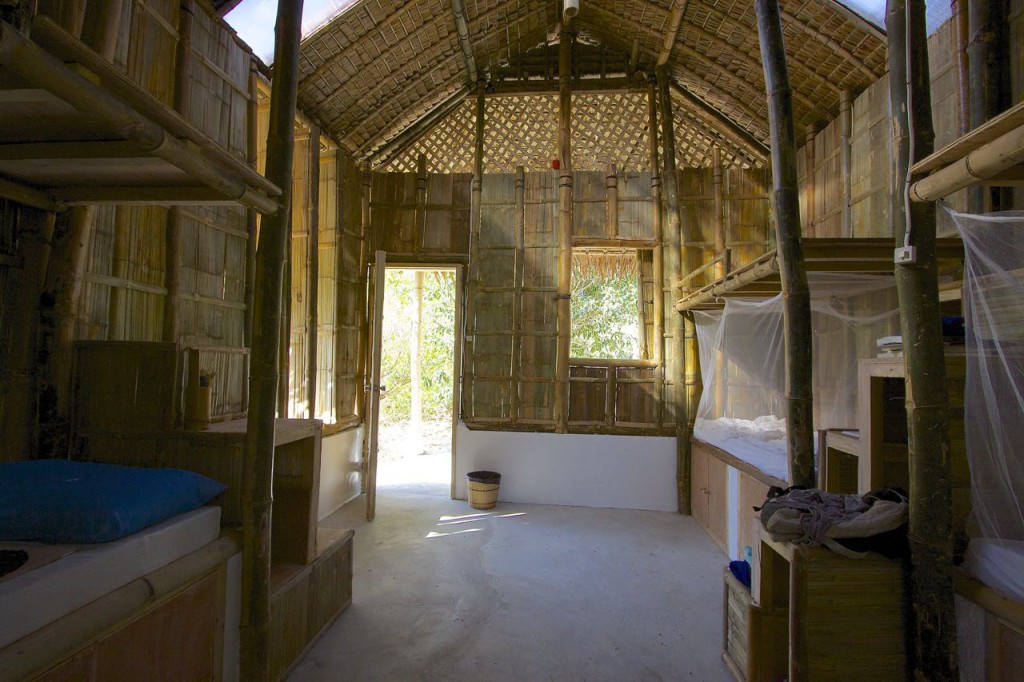 The dormitories are simple but cosy
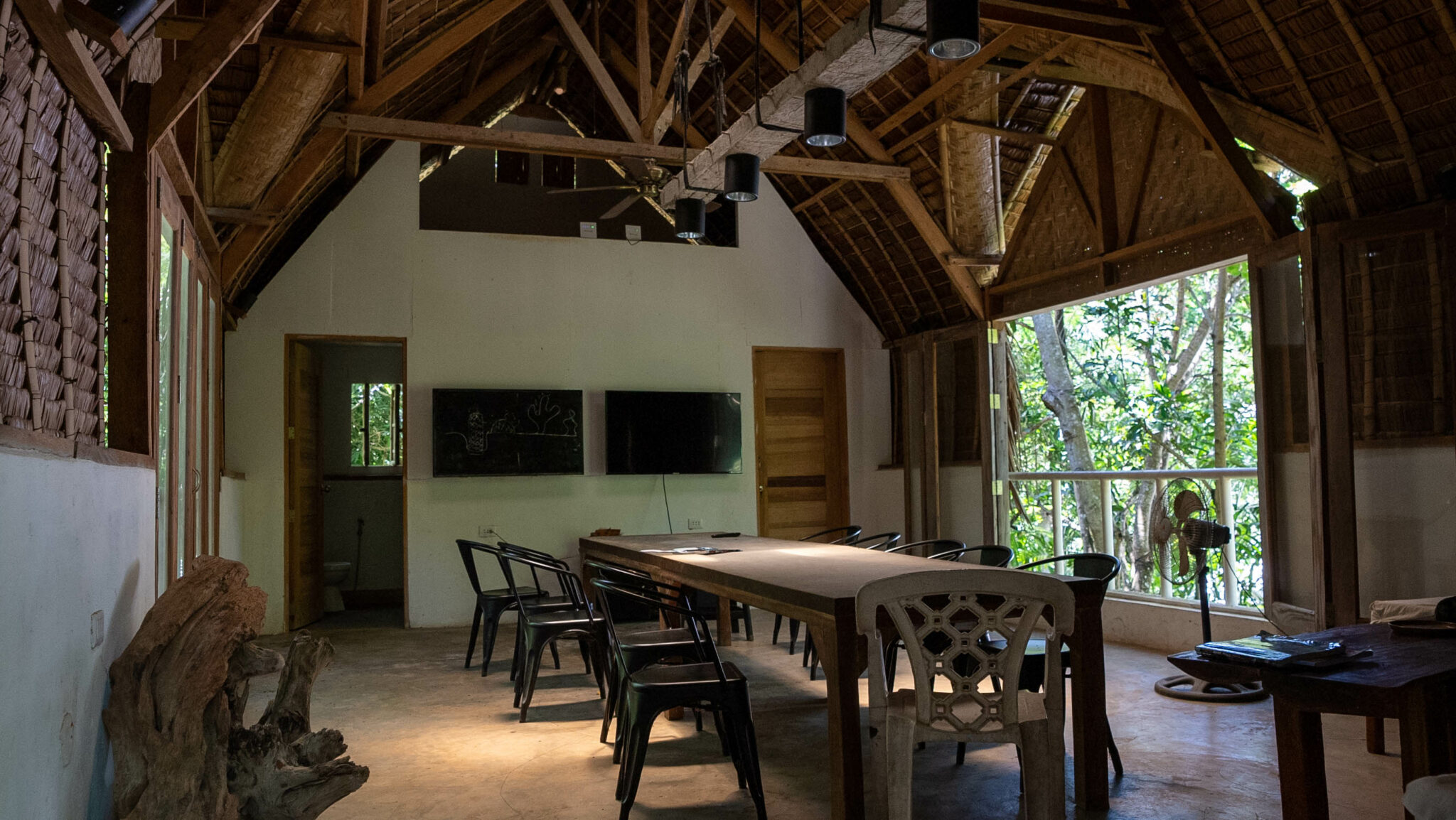
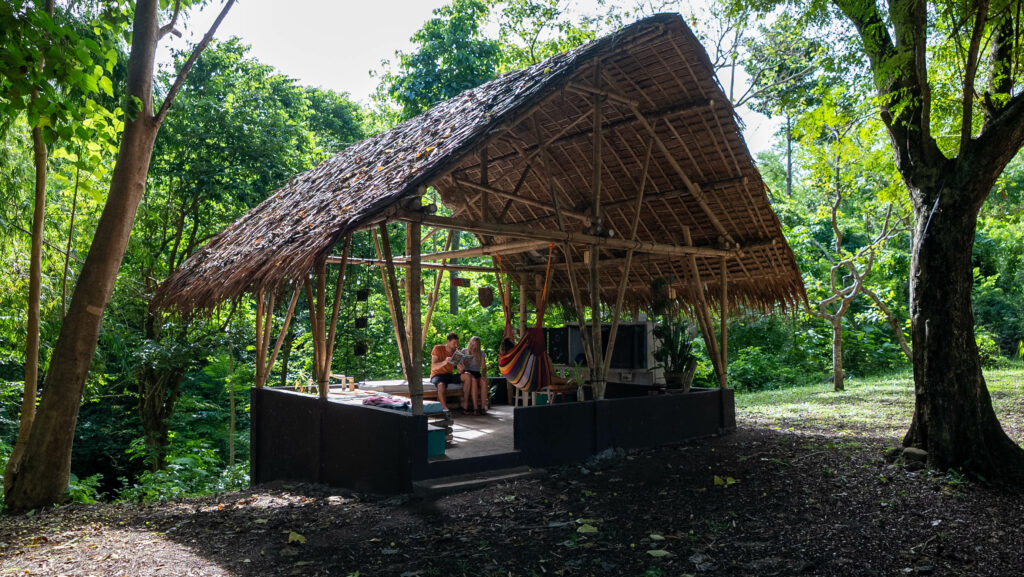 The communal areas – right in the middle of the jungle!
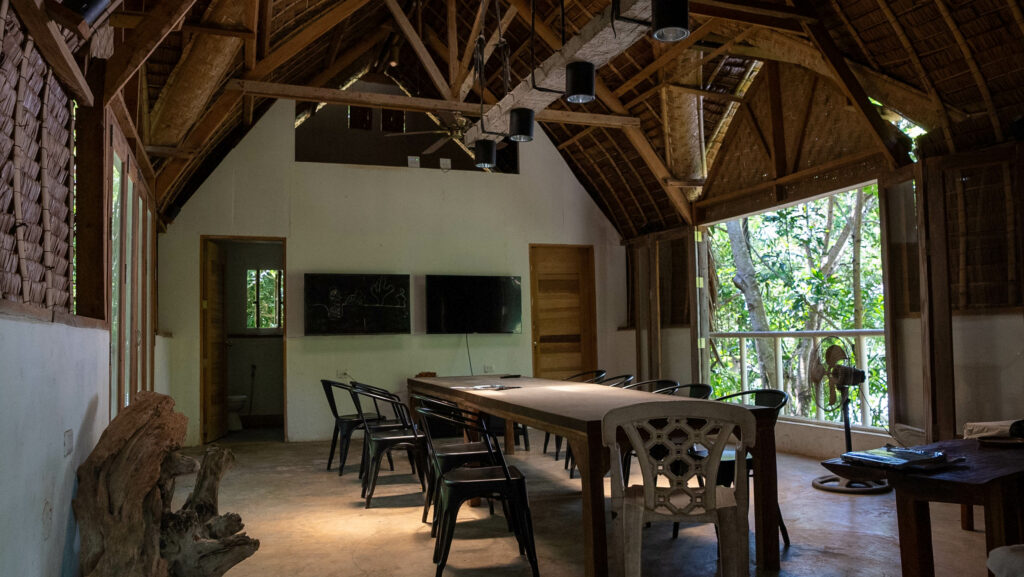 Communal areas
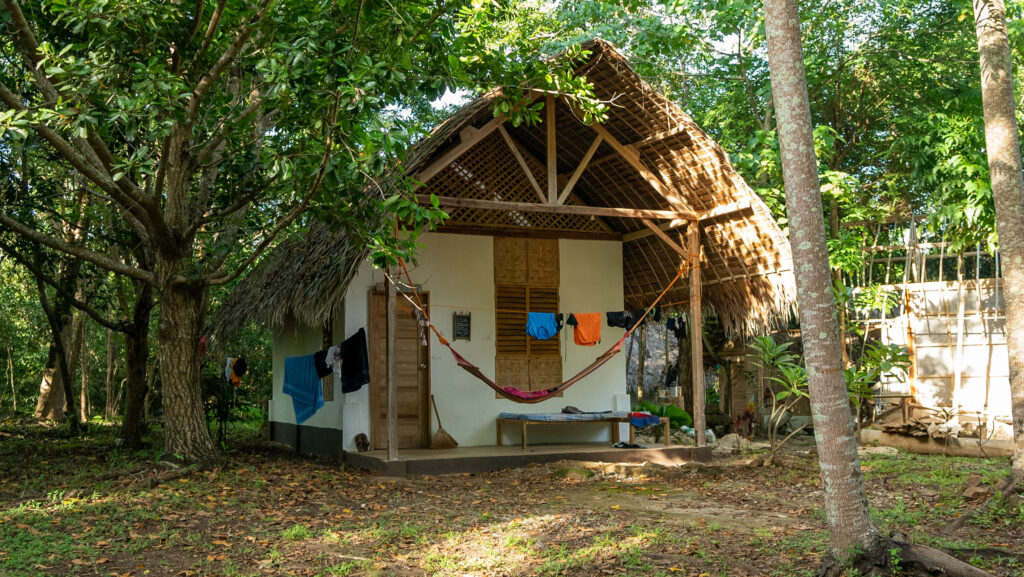 The dormitories are in bungalows


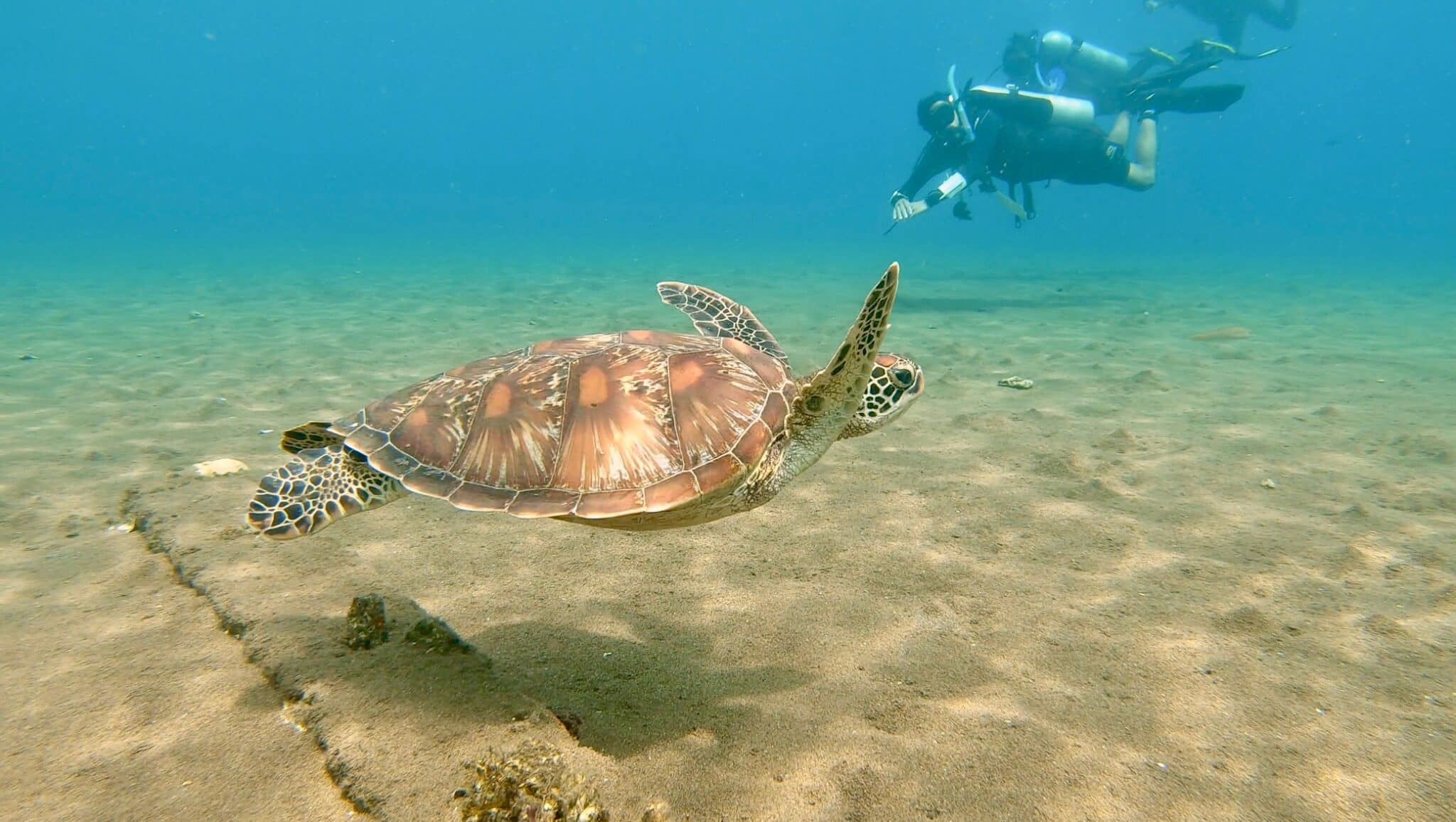
Get involved in a marine conservation and coral protection project in the Philippines. Take part in a scientific programme and environmental awareness initiatives. Eco-volunteering projects in Asia.
Protection of the marine environment in the Philippines
The partner organisation (Marine Conservation Philippines) is an NGO based in the Visayas region of the Philippines. Its mission is to protect marine flora and fauna, including coral reefs and mangroves. The Philippines lies at the heart of what is known as the Coral Triangle. This area, which includes Malaysia (on the Borneo side), Indonesia, the Philippines and the Solomon Islands, is the epicentre of the planet’s marine biodiversity.
The Philippines, at the heart of the Coral Triangle
The Philippines comprises 7,000 islands. It is home to more coastal reefs than anywhere else in the world! The partner NGO works to preserve fragile marine habitats, such as coral reefs and mangroves, whilst helping to improve the quality of life for fishermen.
The local community is involved
The team consists of biologists and volunteers and works in collaboration with the Office of Fisheries and Aquatic Resources, the Ministry of Natural Resources and a number of European universities. It conducts scientific studies on marine environments, whilst also engaging with the local community, particularly young people, through an environmental awareness programme.
Most of the activities involve scuba diving
Eco-volunteers join a team of marine biologists, scientists, teachers and diving instructors, and help tackle the myriad problems and issues facing the oceans today. Taking part in the programme involves a great deal of scuba diving.
The work of eco-volunteers with the NGO
Volunteers do not need to be qualified divers before they start. They can learn to dive as part of the programme. If you are not already a certified diver, you will start by obtaining a licence through the PADI system.
Scuba diving skills
You will be working on fragile coral reefs, which requires good diving skills. You will therefore be offered training dives until you have developed the right reflexes. Generally, volunteers take one or two courses. Those who commit to ten weeks or more take several. Sometimes, they have the opportunity to complete their master diver training. Please note, however, that the organisation is not a commercial diving centre and that those involved are there for the conservation of marine environments.
The tasks carried out by most volunteers are:
- You will take part in two scientific dives every day from Monday to Friday. On Saturdays, you will explore new sites or go on recreational dives.
- Kitchen duties (you have one day a week when you’re in charge of setting the table and doing the washing-up – the chefs take care of the real magic).
- Maintaining mangroves and participating in replanting efforts where possible.
- Surveying the seagrass beds in the afternoon whilst snorkelling.
- Helping to clean up the reefs and beaches (plastic waste), once a week.
- Cleaning your diving equipment.
- Support with the preparation of awareness-raising activities.
- During term time, you can help teach lessons alongside our staff (we’ll show you how!) in local schools.
- Cleaning the site and your own bungalow every Monday.
A typical day in the life of a volunteer
The day begins around 7 am with breakfast. Afterwards, some volunteers will take diving lessons, whilst others will take part in marine research, underwater clean-ups or community work. What you do will largely depend on your progress in the programme and your personal preferences.
Lunch is between 1 pm and 2 pm. If you’re working away from the base, you’ll eat at a local market. After lunch, you’ll enter data into computers or carry out various basic tasks.
Evenings vary. Sometimes you’ll be busy analysing data collected during dives or studying for your next diving course, but often you’ll simply want to unwind and relax with other volunteers.
Rest on Sundays
If you wish to take a day off, simply let the association members know. Sundays are always days off. No volunteers are permitted to dive, except in exceptional circumstances. There are two reasons for this: firstly, it is important to take breaks to avoid gas build-up in your body, which could lead to symptoms of decompression sickness (known in the diving industry as ‘Friday bends’). Secondly, the team is keen to give its staff a day off.
- Weeks 1 to 12: $500 per week (approx. €460)
- Weeks 13 to 16: $400 per week (approx. €369)
- Weeks 17 to 20: $300 per week (approx. €275)
- Weeks 21 to 24: Free
Included in the price
- Housing;
- 3 meals a day;
- Diving equipment;
- Marine park entry fees;
- Participation in activities;
- Fees for diving courses, except for those leading to PADI certification ($85).
Not included in the price
- Flight tickets;
- Travel insurance;
- Personal belongings.
- Intermediate level of English;
- Ages 18 and over;
- From 6 to 24 weeks;
- All year round;
- Lack of necessary skills – must obtain PADI certification if required;
- Good physical fitness;
- Internship opportunities are available for those with experience in marine conservation.
Arrivals
- Check-in is on Mondays
- The team will pick you up at Dumaguete Airport
Accommodation
The accommodation is charming, made of bamboo, but basic. It is in dormitory-style rooms and the bathrooms are shared. A cupboard is available for volunteers. Each bed has a mosquito net and each dormitory has a fan.
Meals
The team has breakfast together at 7 am and dinner at 7 pm. Some people choose to make their own breakfast, which is possible before 7 am. The kitchen is open. If you prepare your own breakfast, you must wash up the pots and pans immediately afterwards (not the team). Lunch is served at different times depending on when you return from your dives. Meals are mainly vegetarian. Meat is served on Saturday evenings. The project has its own chicken coop!
Water, tea and coffee are available free of charge.
Almost everything runs on solar power, including the Wi-Fi.
Climate and clothing
The climate is hot and humid. It is advisable to dress lightly, whilst ensuring your shoulders are covered. The driest months are from November to June. Although not essential, it is a good idea to bring a long-sleeved rashguard to protect yourself from the sun.
There’s an outdoor gym in the jungle, and the botanical garden covers over ten hectares. It’s big enough to go on an adventure! At the weekend, you’ll have the chance to explore the surrounding area. You can go for a drive – there are caves, waterfalls, geothermal springs, mountain lakes, seaside resorts and much more to discover! There are nearby islands where you can visit black magicians (yes, really!) or cliff-dive into incredible azure-blue lagoons. You can also simply head to a pleasant seaside resort, relax in a hammock and enjoy a swimming pool and milkshakes.
Tous les avis sur Marine Conservation Philippines

About the NGO
Our partner is an NGO dedicated to the conservation and protection of coastal resources in the Philippines through education, volunteering and research. The NGO involves local communities and policy-makers in its activities. It strives to find solutions that will benefit both people and nature in the long term. It draws on science to understand how marine ecosystems are affected. It then proposes courses of action to reduce human pressure and develop a sustainable future for the Filipino people and their environment.