Français
 English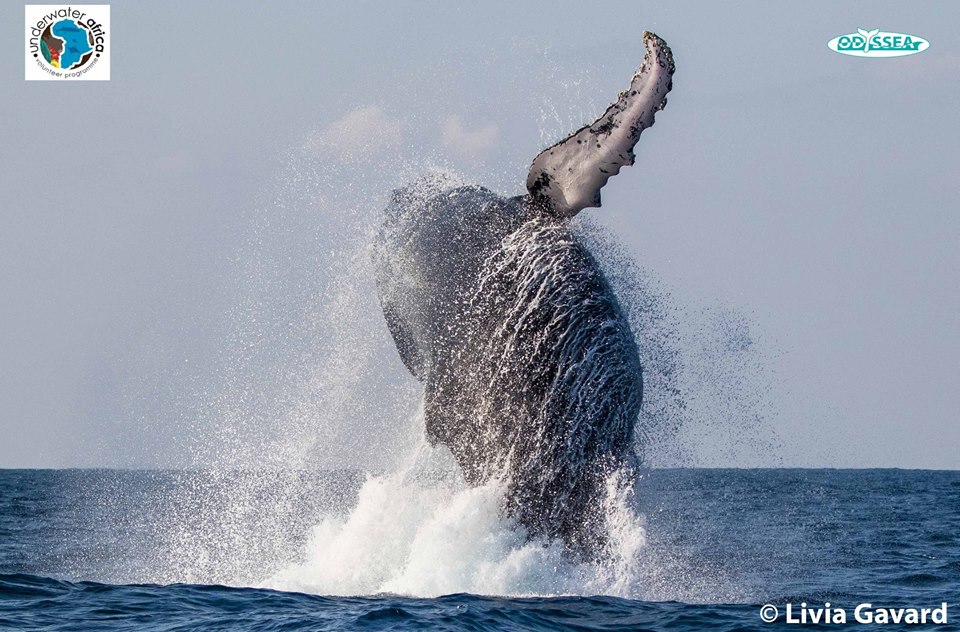




Explore Mozambique’s south-west coast on a participatory eco-tourism trip dedicated to the study and protection of marine megafauna. An eco-tourism trip open to divers and non-divers alike. All cetacean missions here
Study of marine biology in Tofo, Mozambique
The organisation you will be working for runs a marine research and conservation programme in the village of Tofo, Mozambique. This programme was set up by a marine biologist to gather as much data as possible on the biodiversity of Africa’s east coast. Mozambique is indeed home to a particularly rich marine ecosystem. However, its marine megafauna is under threat. Scientists from the partner organisation have been studying endangered species in Mozambique’s coastal reefs for several years and are implementing an environmental awareness programme.
The scientists’ research focuses on
The ecology of coral reefs
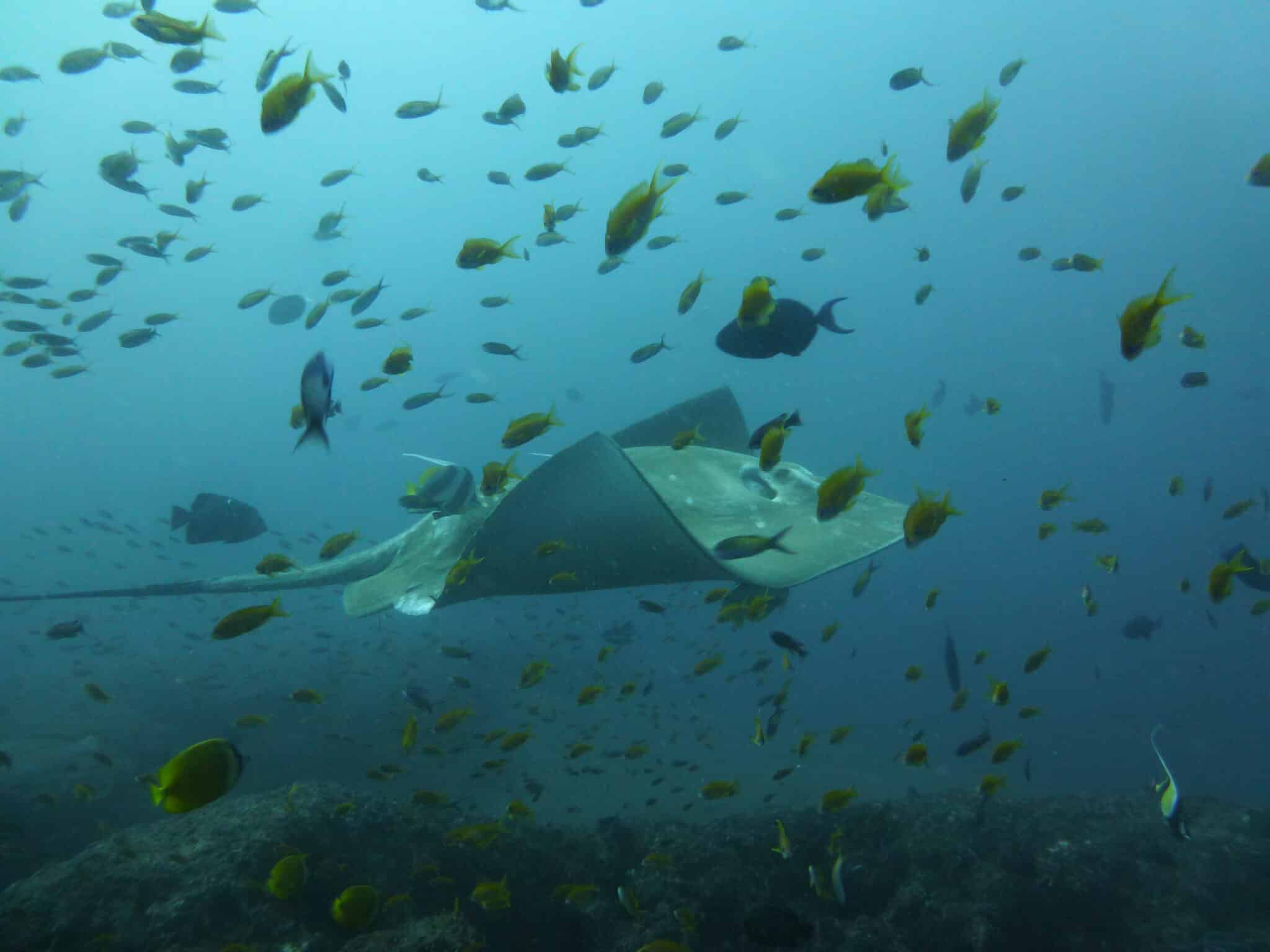
A healthy coral reef is home to a greater variety of coral and fish species than a damaged reef. Scientists on the programme are using cameras to assess the variety of fish inhabiting the reef. In a few years’ time, this project will have gathered enough data to establish a reliable system for monitoring the health of coral reefs. The Tofo reefs form a very rich ecosystem conducive to the development of species such as whale sharks, sea turtles, reef sharks and various species of rays. The researchers’ aim is also to collect data on this marine fauna to improve conservation practices. Thanks to the information gathered in recent years, they are beginning to understand how this marine fauna fits into Mozambique’s ecosystems.
The study and conservation of sharks
There is very little data available on sharks in Mozambique. Scientists at the research centre are studying the ecological niche of the various shark species in the region. To date, 22 sharks are being monitored along the coast of Inhambane and in the Bazaruto Archipelago National Park area.
Whales
The waters off southern Mozambique are a breeding ground for large numbers of humpback whales. From June to October, thousands of humpback whales come close to the coast to mate, give birth and nurse their calves. They bask in the warm waters of Mozambique before returning to Antarctica. Scientists are studying the whales’ behaviour, distribution and communication patterns with the aim of promoting their conservation.
The work of volunteers in Mozambique
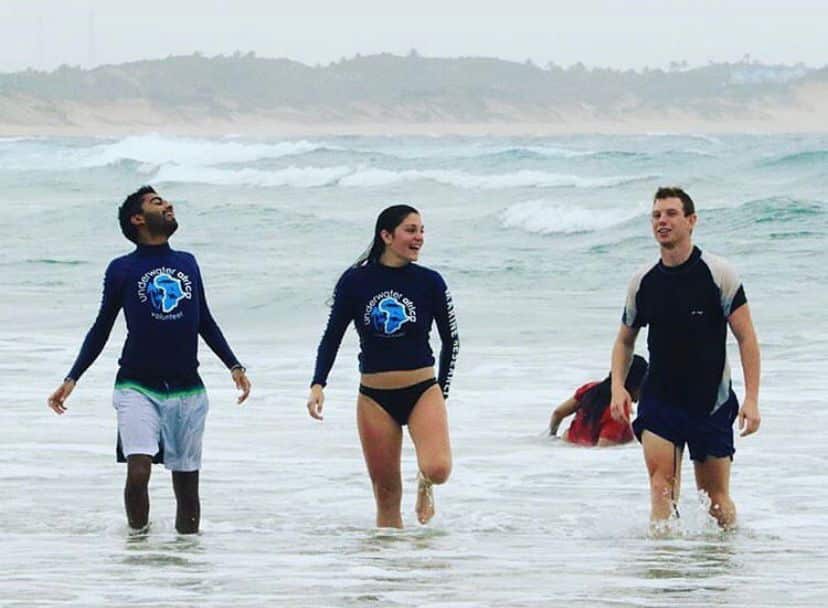
A few years after the project began, researchers from the partner organisation decided to open up their programmes to volunteers, in order to share their passion and increase the amount of marine data collected. The team has a field research station in the fishing village of Tofo, in Inhambane province, in southern Mozambique. The station is equipped with a scientific laboratory, an office and a library. Volunteers have the opportunity to work on different projects depending on the season and the topics the scientists are working on.
From June to October, volunteer for the whale research project
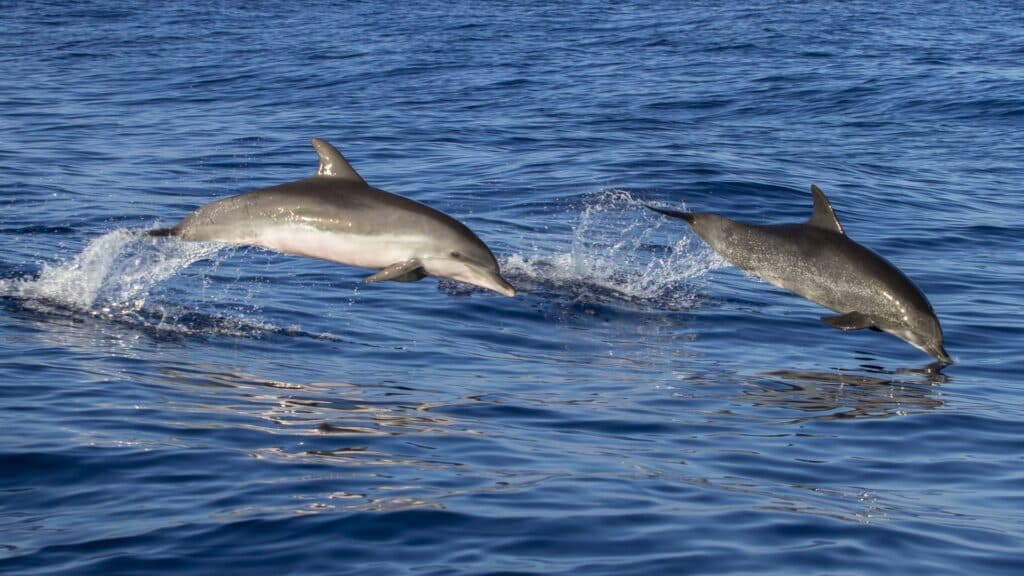
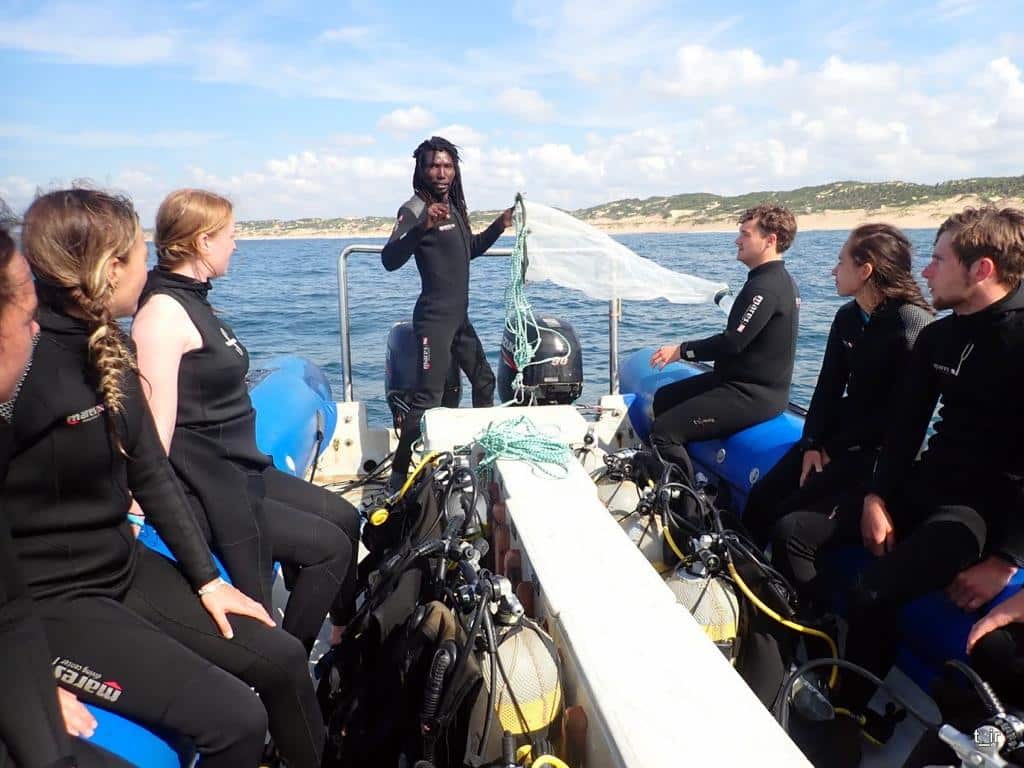
During whale season, you will accompany researchers to study cetaceans. You will head out to sea to observe humpback whales and be introduced to various research techniques, such as photo-identification and recording their songs. After each trip, you will process the data collected to understand its significance. You will also attend lectures on biology, anatomy, physiology, pathologies, acoustics and more. You will also encounter other species such as whale sharks, manta rays and dolphins.
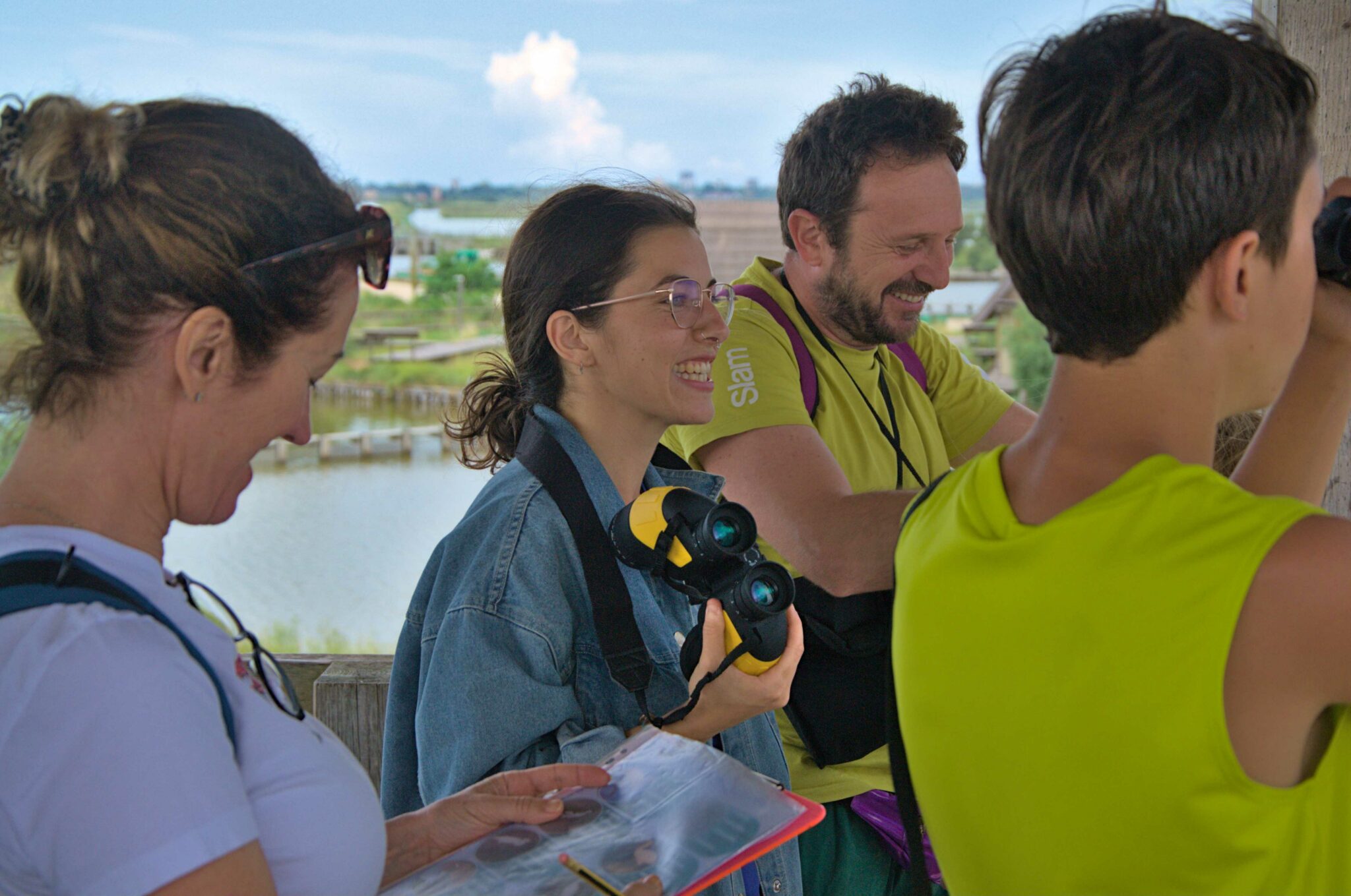
Whale watching also takes place from land.
Volunteer for marine megafauna (diving) : all year round
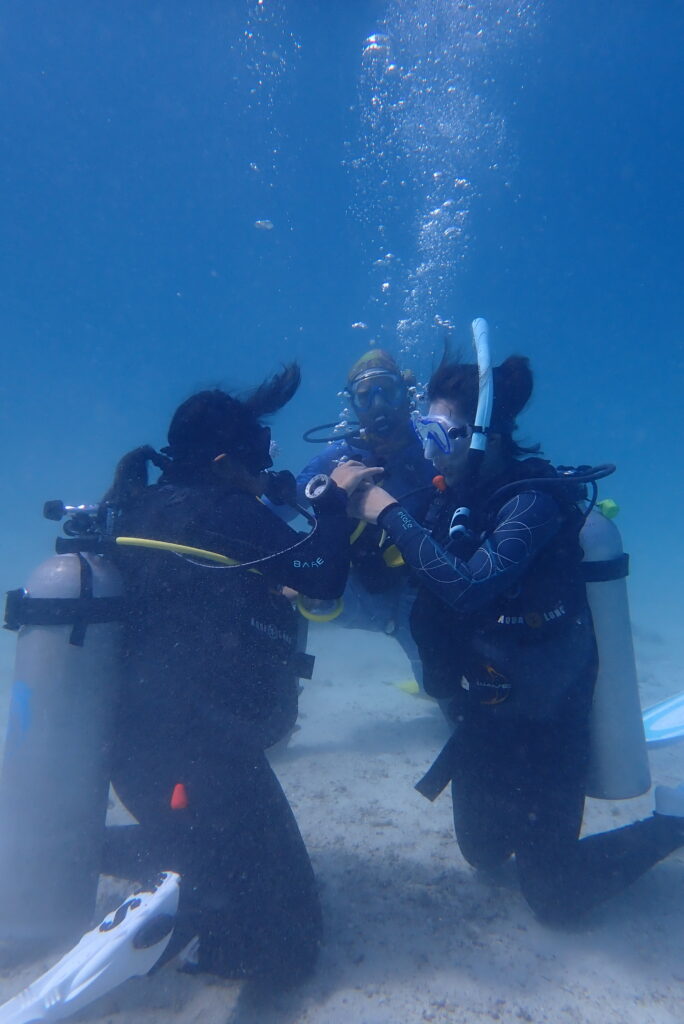
Eco-volunteering projects focusing on marine megafauna involve diving. If you don’t know how to dive, you can take your first few diving courses whilst you’re there.
You’ll take part in various research programmes on marine megafauna, depending on the work being carried out by the local biologists. Your work may involve manta rays, whale sharks, sharks or turtles.
For each species, you will
- Photo ID
- Observation of behaviour
- Assessing the health of a population
- Monitoring populations, particularly those of whale sharks, using drones to study their interaction with tourists.
Among the sharks, you
You will assist with taking tissue samples and biometric data from the fish caught.
Prepare the equipment for the tagging procedure.
Swim with the whale sharks
- Practise identifying them from photographs
- You will collect a wealth of data on GPS location, environmental conditions, segregation, sex, behaviour and distinctive features such as scars.
- Contribute to the analysis of scientific data in close collaboration with the project’s scientists.
- Watch the interactions between whale sharks and tourists via drone.
For the study of coral reefs, you
- You will practise identifying sea turtles, sharks and rays.
- Monitor the reef cleaning stations
- Assessment of an individual’s state of health
- Observation of behaviour
- Identification of key habitats
Management of camera traps
Installing underwater cameras expands the scope of observation. Thanks to the images captured, scientists can understand how fish actually use a reef when they are not disturbed by divers. You will be helping to
- Retrieving the camera traps
- Equipment maintenance
- Image analysis to detect the presence of endangered species…
Eco-volunteer with the whales
- 2 weeks: £2,099
- 3 weeks: £2,599
- 4 weeks: £3,099
- 5 weeks: £3,599
- 6 weeks: £4,099
- 7 weeks: £4,599
- 8 weeks: £5,099
Included in the price
- Transfer from Inhambane Airport
- Shared accommodation
- 3 meals a day
- 4 whale-watching boat trips a week
- Search on land
- Analysis of scientific data and participation in long-term studies.
- Almost daily scientific lecture
Not included in the price
- Travel insurance
- Flight ticket
- Personal effects
- Visa
For divers
- 2 weeks: £2,199 including the PADI Adventure Deep certification and equipment hire
- 3 weeks: £2,899 including the PADI Adventure Deep certification and equipment hire
- 4 weeks: £3,499 including PADI Adventure Deep certification and equipment hire
- 5 weeks: £3,999, including the PADI Adventure Deep certification and equipment hire
- 6 weeks: £4,599 including the PADI Adventure Deep certification and equipment hire
- 7 weeks: £5,099, including the PADI Adventure Deep certification and equipment hire
- 8 weeks: £5,599 including the PADI Adventure Deep certification and equipment hire
Included in the price
- Transfer from Inhambane Airport
- Shared accommodation
- 3 meals a day
- Travel by boat
- Analysis of scientific data
- Discussions on marine biology
- Daily work on the beach
- Community awareness
- 4 dives per week, including equipment hire
Not included
- Travel insurance
- Flight ticket
- Personal effects
- Visa
- Ages 18 and over
- At least 2 weeks
- Diver or non-diver
Accommodation
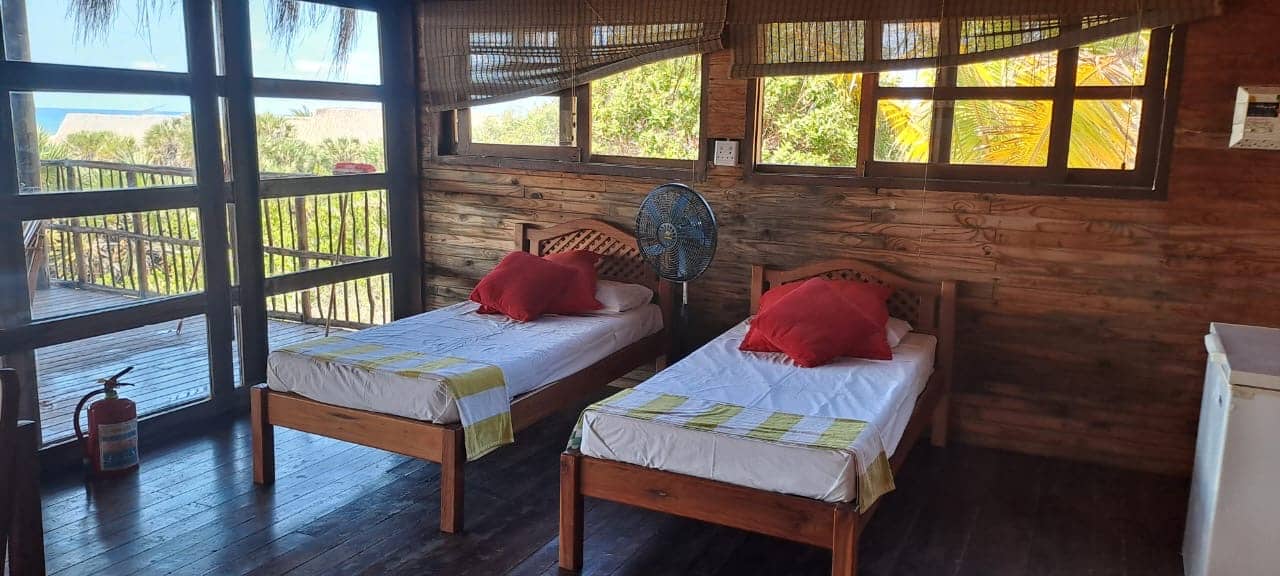
You will be staying at the White Sands Lodge. The project coordinators live in the same lodge and are always happy to help, as is the lodge staff. You will be staying in shared rooms (two people per room) and the bathrooms are also shared. Each house has a communal area. Laundry baskets are provided in the bathrooms and laundry is done twice a week.
Food
Three meals a day are provided, prepared by the head chef. On Sundays, the volunteers prepare their own meals.
Arrival
Arrival at Inhambane Airport, where a member of the team can meet you.
The research centre has a garden with a swimming pool, two boats and… surfboards, kitesurfing boards and surfskis that you can use in your spare time
The volunteers’ house offers the best view of Tofo Bay! Just a stone’s throw from the beach, you can relax whilst enjoying the sunset!
Tous les avis sur Underwater Africa
About the partner organisation
Our partner is a UK-based organisation founded by a marine biologist. After several years of research into marine wildlife along the coast of Mozambique, the team decided to share their passion by inviting eco-volunteers to join them. This initiative allows travellers to get involved in a charitable cause and enables our partner to collect a wealth of data on marine flora and fauna.