Français
 English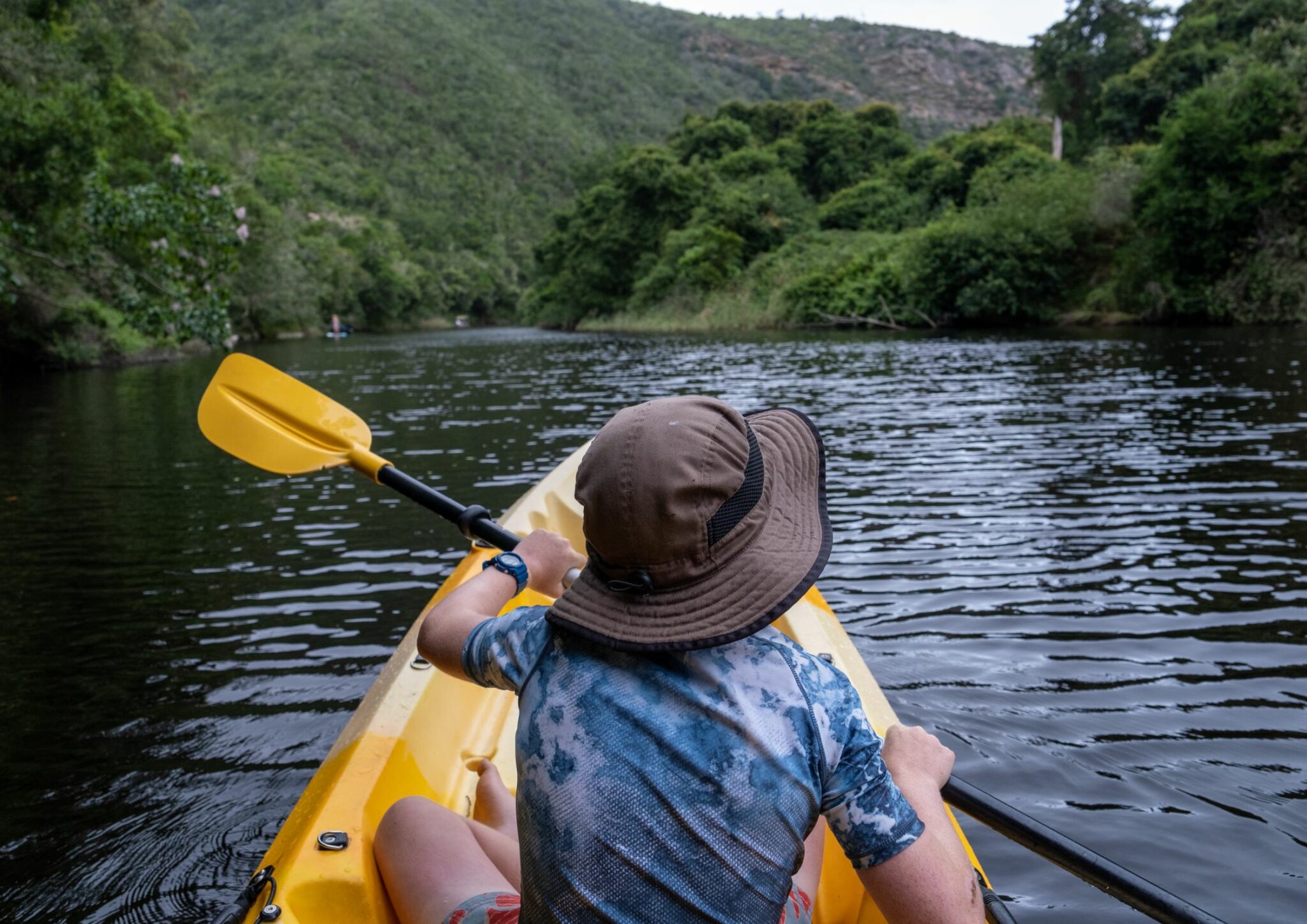


Discover the villages of the Drôme Valley by kayak whilst taking part in a scientific project on river biodiversity. Carry out experiments, observe nature and help protect aquatic environments! See all our citizen science trips here
Aims of the citizen science trip
- Discover how a river ecosystem works: the water cycle, terrestrial-aquatic transition zones, and associated biodiversity.
- Learn how to identify and record aquatic species (fish, amphibians, invertebrates) and monitor water quality indicators.
- Contribute to a participatory research programme on river dynamics and associated environments.
- To raise awareness of the fragility of freshwater ecosystems, the role of rivers in biodiversity, and the impact of human activities.
Sample programme & activities
- Kayaking or canoeing trips along the river, offering access to unspoilt natural areas.
- Workshops along the riverbank to collect data: water quality measurements, surveys of aquatic species, and observations of beavers or signs of their presence.
- Exploring riverbanks and wetlands: identifying aquatic plants, amphibians and invertebrates.
- Supervised swimming, outdoor games, evening activities in the natural environment (observing the water, the area’s nocturnal life).
- Presentation of scientific findings at the end of the trip: feedback to participants and supervisors.
DATES
- 12–18 July 2026 for 12–17-year-olds
- 5–11 July 2026 for 10–14-year-olds
- 19–25 July 2026 for 10–14-year-olds
PRICES
- Six days: €995. This holiday is eligible for tax deduction*
Tax Deduction *
The partner NGO is recognized for the high-quality, meaningful, educational, and solidarity-based nature of its programs and training courses dedicated to achieving the Sustainable Development Goals.
The NGO operates on a donation-action principle: a person makes a donation and takes part in one of the NGO’s activities. Please note that the donor and the participant may be two different people.
As such, the cost of the training course or scientific expedition may be tax-deductible up to 66% in France, in accordance with current French tax regulations.
- Duration: usually 6 to 8 days (to be confirmed depending on the session).
- Ages 10 to 17
- Audience: children on their own (aged 10 and over), teenagers, and family packages.
- Season: summer, when the weather is suitable for river and outdoor activities.
- You are generally expected to be able to swim (due to the river activities).
- Appropriate clothing: light clothing, a second layer for evenings or on-board activities, and closed-toe shoes for wet areas.
- Kayak touring requires a certain amount of physical effort and balance; participants are grouped according to age and ability.
The venue
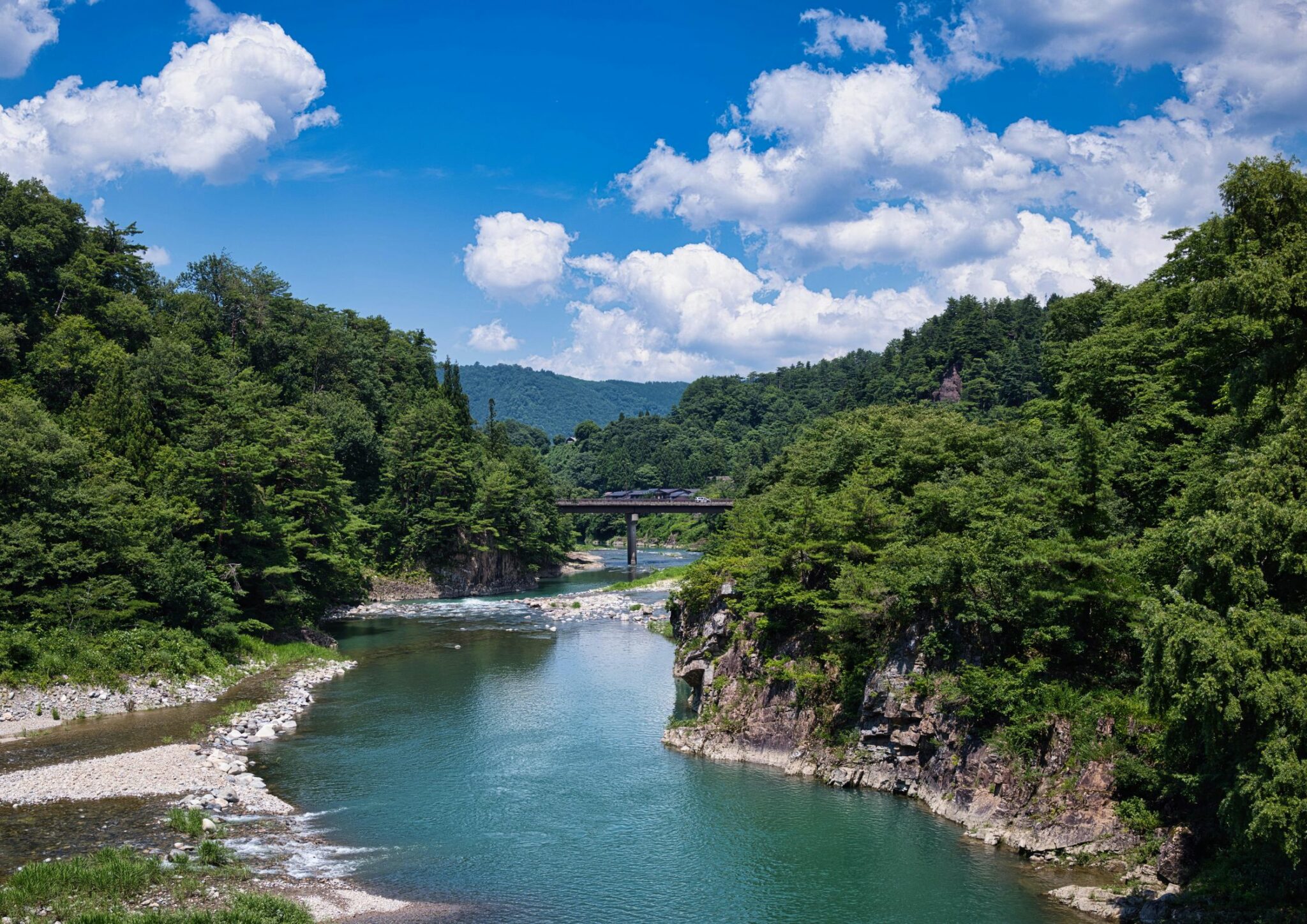
The trip takes place in the Drôme Valley, between Luc-en-Diois, Saillans, Pontaix and Vercheny, following a kayaking route through varied landscapes and picturesque villages.
The trip starts in Luc-en-Diois and concludes in Vercheny, where participants will share their observations with local residents at a public event.
Daily life there
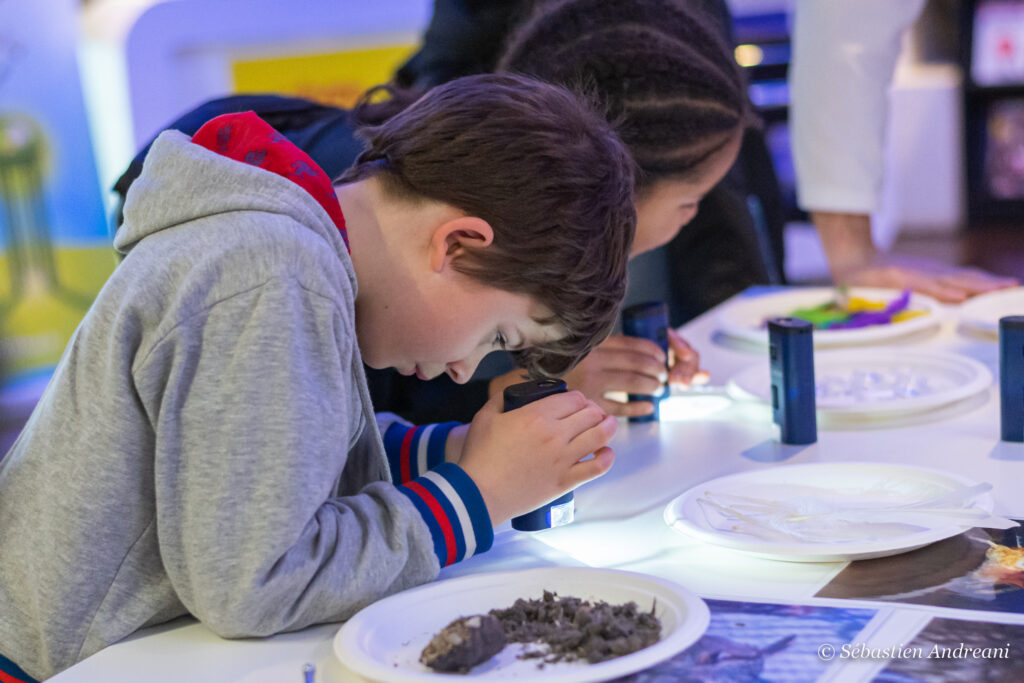
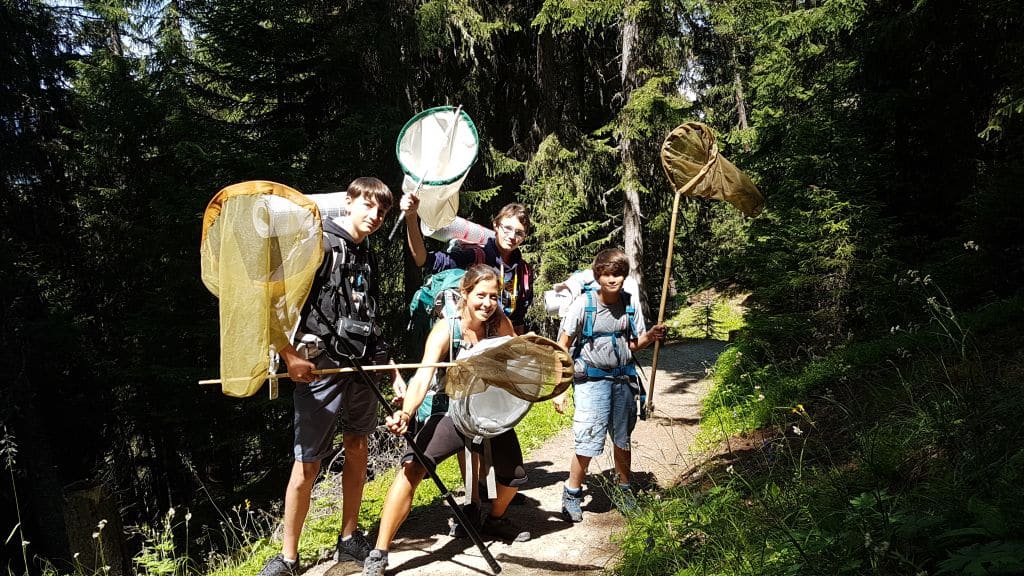
Every day, participants learn how to analyse water quality, observe and identify insects, plants and birds, and contribute to the NGO’s nature surveys.
They carry out genuine research activities: preparing equipment, conducting field surveys, analysing data, writing reports and disseminating results.
Accommodation
The trek offers a complete immersion in nature: nights spent in tents, hammocks or under the stars, depending on the stage of the journey.
Meals are prepared together, and evenings around the campfire foster a sense of camaraderie — not to mention the traditional toasted marshmallows!
Educational benefits & expected outcomes
- Gaining practical knowledge of aquatic environments, freshwater entomology, amphibians and riparian plants.
- Development of scientific skills: observation, identification, data collection, analytical thinking.
- Developing independence, team spirit (through kayaking) and environmental awareness.
- For younger children: an introduction to careers in nature and science; for everyone: raising awareness of biodiversity and its link to freshwater.

About our partner NGO
The partner NGO holds Special Consultative Status with the UN (ECOSOC) and is a member of the AAAS Science and Human Rights Coalition. Specialising in science trips, science and participatory research, the NGO believes that education is the driving force behind the Sustainable Development Goals. It offers a range of participatory science trips for both adults and children.