Français
 English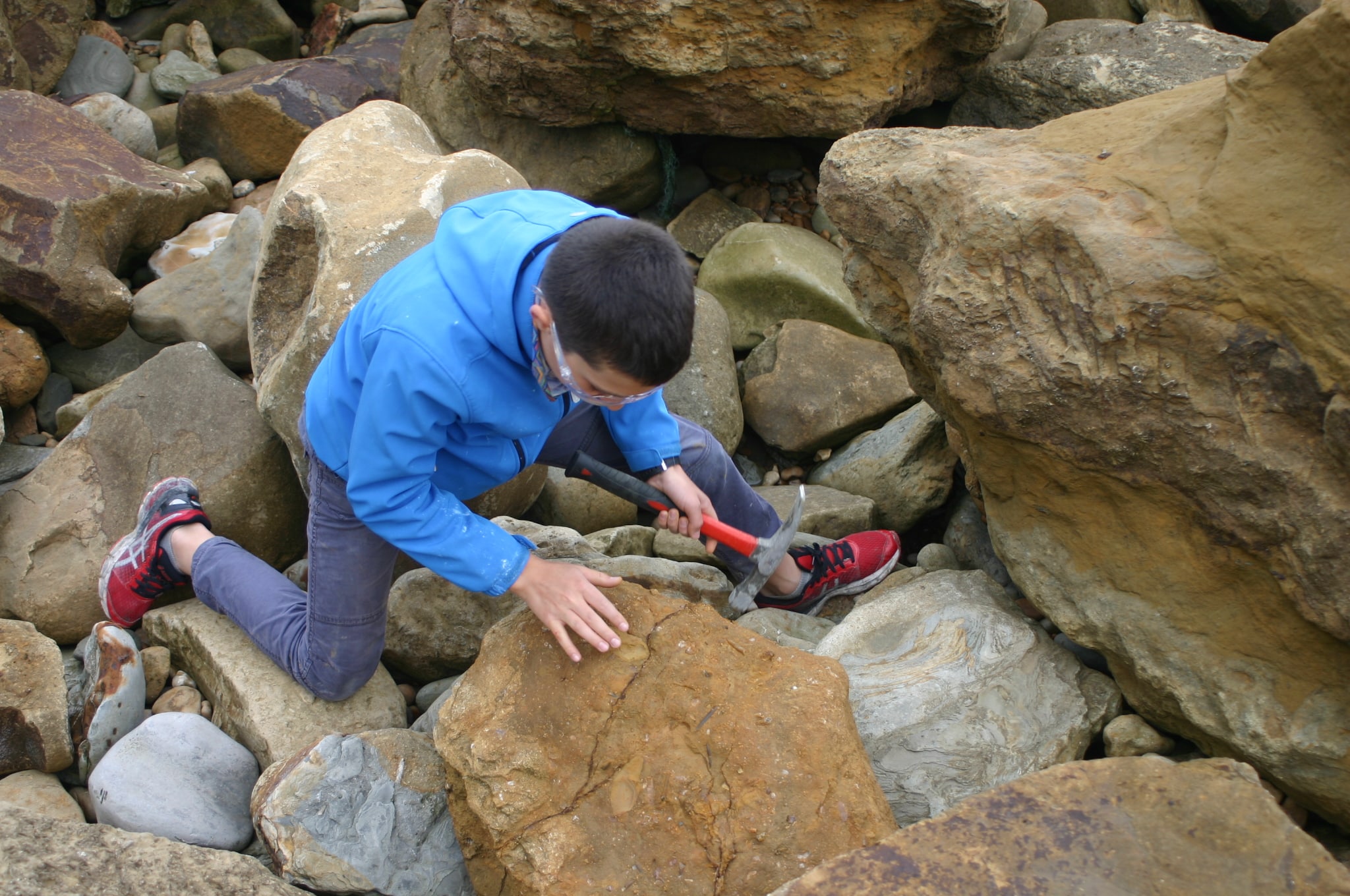


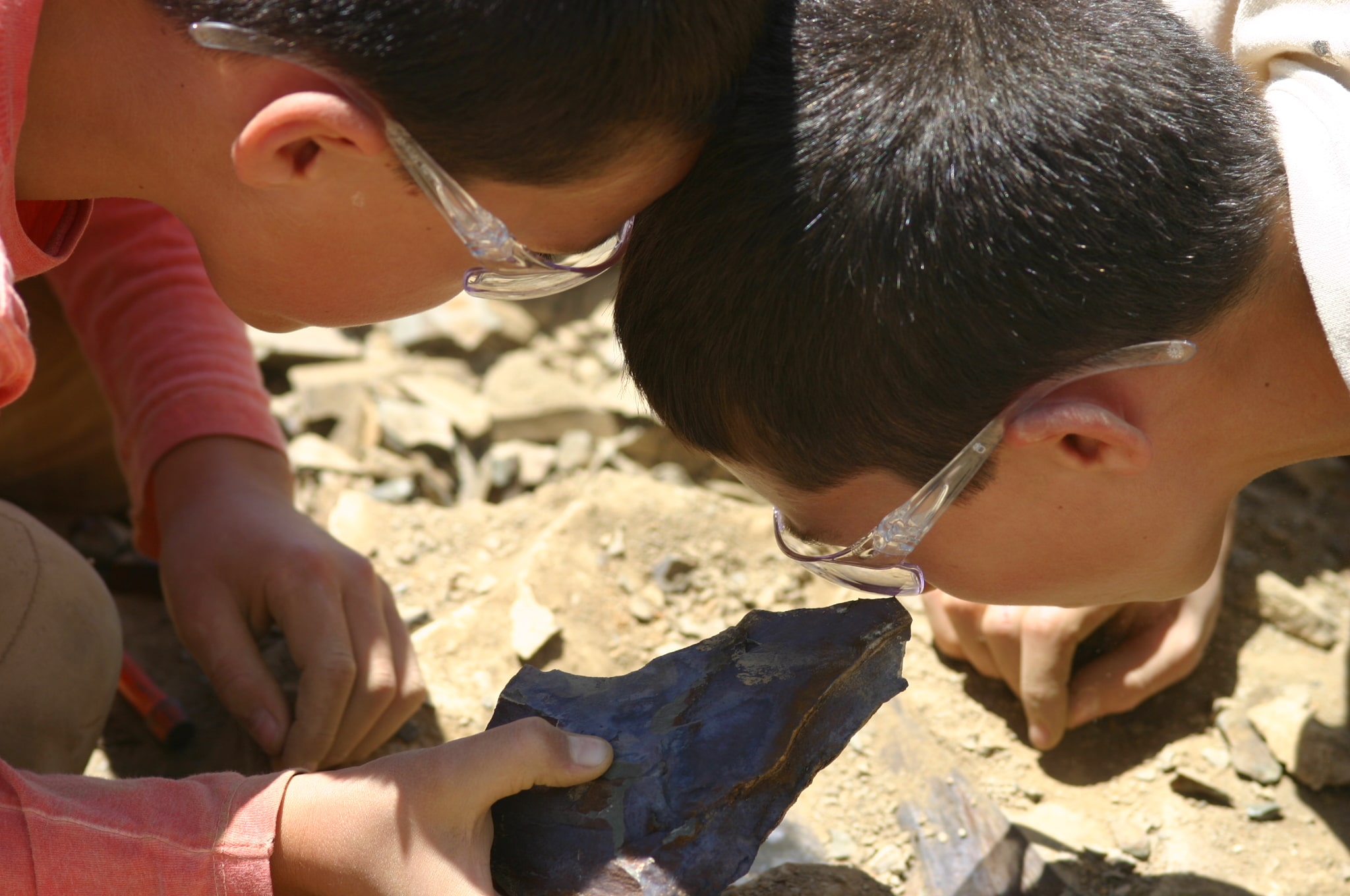
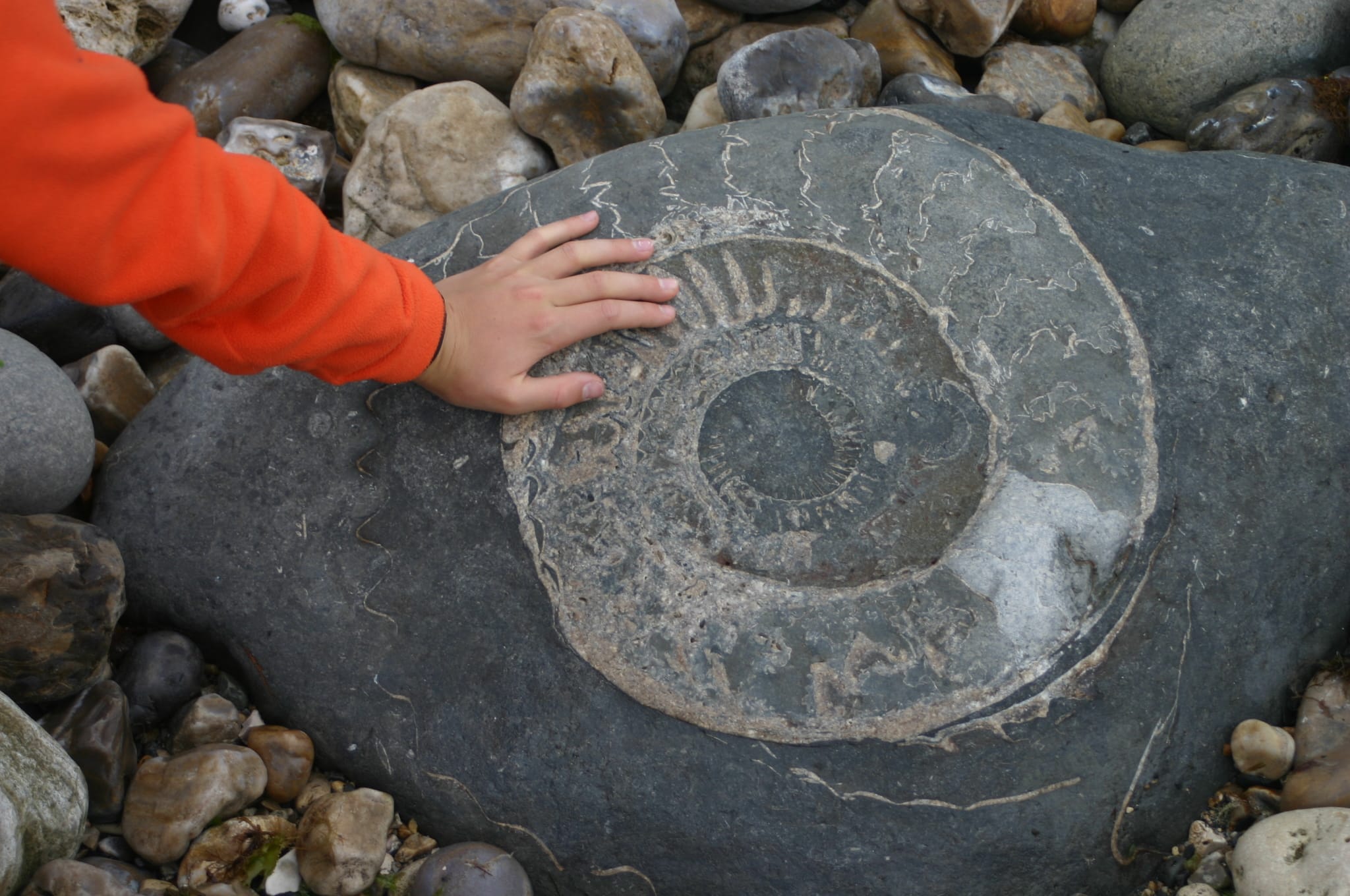
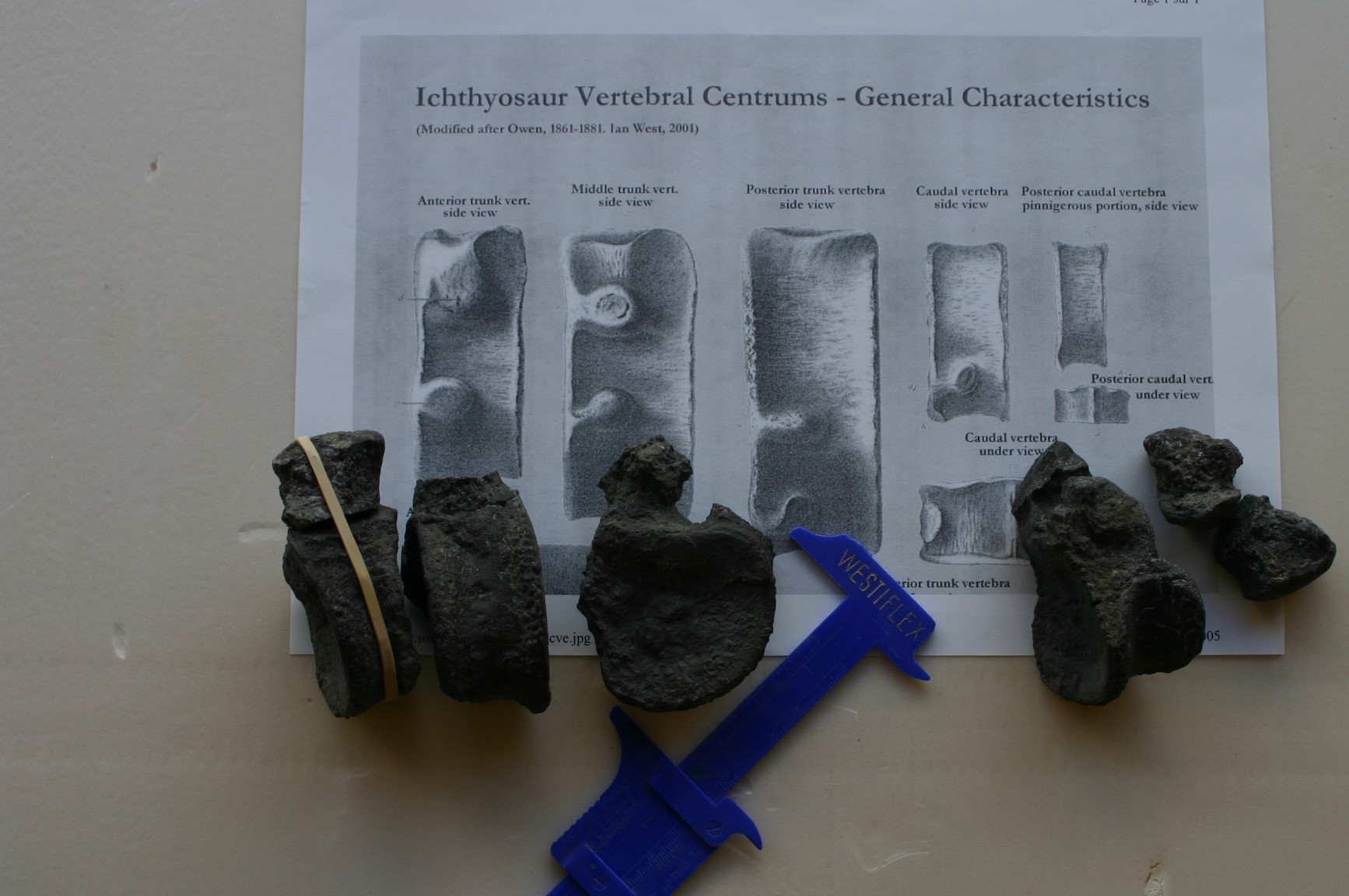
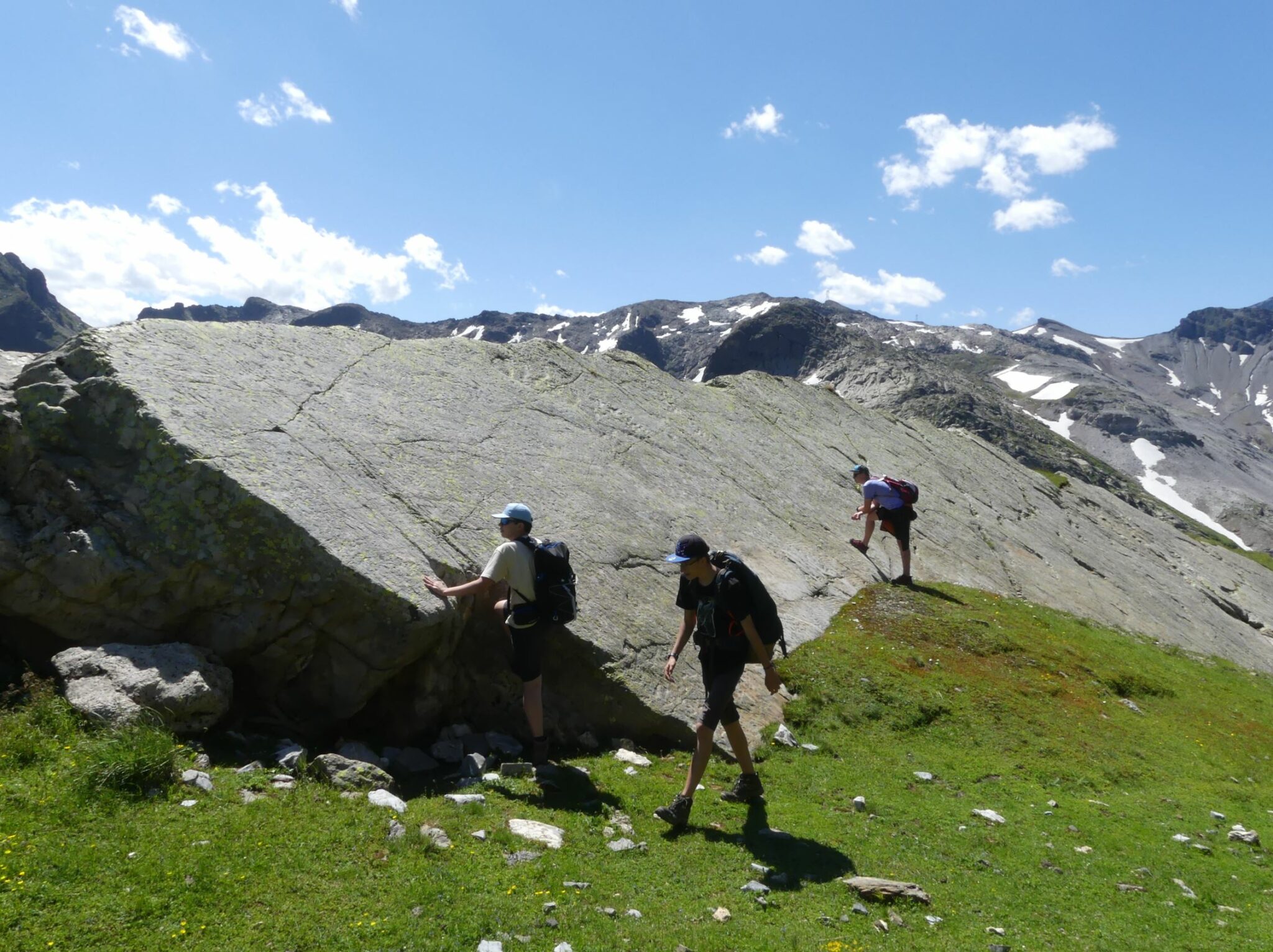
Are you passionate about palaeontology? Come and learn excavation techniques in the south of England and take part in a real research programme. See all our Scientific expedition
Proposal for a palaeontology field trip
This scientific field trip takes place in southern England, in Dorset, one of Europe’s richest regions for dinosaur and prehistoric reptile fossils. The sites, world-renowned for their Jurassic and Cretaceous finds, offer an exceptional insight into the history of life on Earth, set against a backdrop of spectacular coastal landscapes.
Jurassic Base Camp
Designed as an accessible alternative to high-altitude mountaineering expeditions, the ‘Jurassic Base Camp’ trip forms part of a research programme launched in 2014 in partnership with the Geneva Museum of Natural History. It offers participants the chance to get hands-on experience of fieldwork whilst testing and refining techniques used at other sites: excavations, identification, mapping, photogrammetry and the use of drones.
Identification of fossils
For seven days, you’ll step into the shoes of a real-life trainee palaeontologist. You’ll learn techniques for excavating, cleaning and identifying fossils, and you’ll help interpret the finds and document the results. You’ll also keep a logbook based on your field notes, to share the project’s progress and your scientific adventure.
During your stay, you’ll be able to
- Learn about the excavation techniques used by palaeontologists and set off in search of fossils dating back to the age of the dinosaurs.
- Learn how to organise and document your discoveries, whilst drawing your favourite fossils and dinosaurs.
- Discover what goes on in the laboratory: cleaning, preparing and identifying fossils.
- Visit iconic sites and landmarks: the Mary Anning Museum in Lyme Regis, the Dinosaur Museum in Charmouth and the Natural History Museum in Geneva.
- Learn how to find your way around the field and recognise the different geological strata corresponding to the major fossil-bearing periods.
- Explore the countryside to encounter modern-day animals whose distant ancestors lived during the age of the dinosaurs.
- Immerse yourself in the fascinating world of fossils and prehistoric life.
Everyone will play a full part in the research programme and camp life. Day-to-day management is an integral part of the adventure: preparing meals, organising equipment, sharing out tasks… Just like real explorers, you will share all the responsibilities that are part and parcel of a scientific expedition.
- A tax relief of €1,740 is available
- From 8 August 2026 to 15 August 2026
- Aged 13 to 25
The team
The expedition will be led by a team from our partner organisation. The guides have a dual role: to ensure the expedition runs smoothly and to share their knowledge through an educational approach based on hands-on learning and active participation in the project. Specialising in palaeontology, geology — or both fields — they are also trained in project-based teaching and group management. Their aim is to support you both scientifically and personally throughout the trip.
Accommodation
In 2025, this trip is exclusively for teenagers. Accommodation will be in tents and/or bungalows at a base camp set up on arrival. The whole team will live on site and prepare meals together. The camp is ideally situated close to the main excavation sites, which helps to minimise travel time and allows participants to make the most of their time in the field.
The venue
Located a three-hour journey from London, the coastal towns of Charmouth and Lyme Regis are iconic destinations for palaeontologists. The beaches are must-see stops for all dinosaur enthusiasts.
You’ll explore this sunny region, sometimes by the sea, sometimes further inland.
Les avis de toutes les missions Objectif Sciences international

About our partner NGO
The partner NGO holds Special Consultative Status with the UN (ECOSOC) and is a member of the AAAS Science and Human Rights Coalition. Specialising in science trips, science and participatory research, the NGO believes that education is the driving force behind the Sustainable Development Goals. It offers a range of participatory science trips for both adults and children.