Français
 English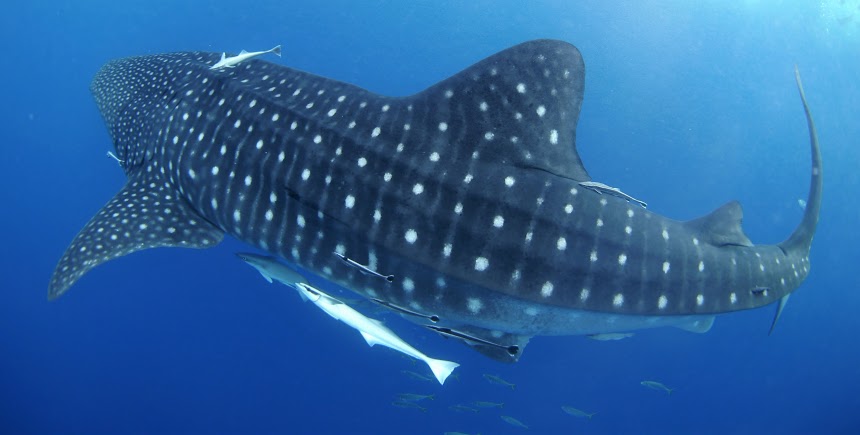
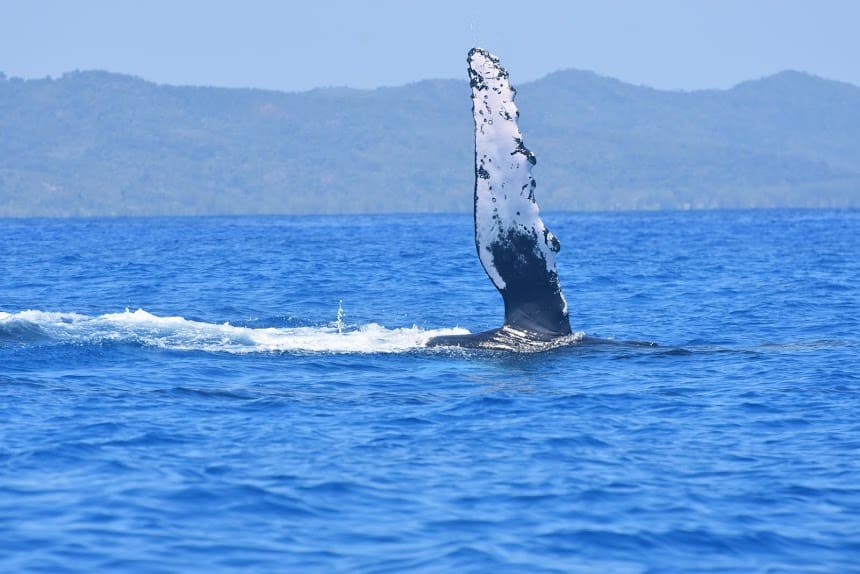
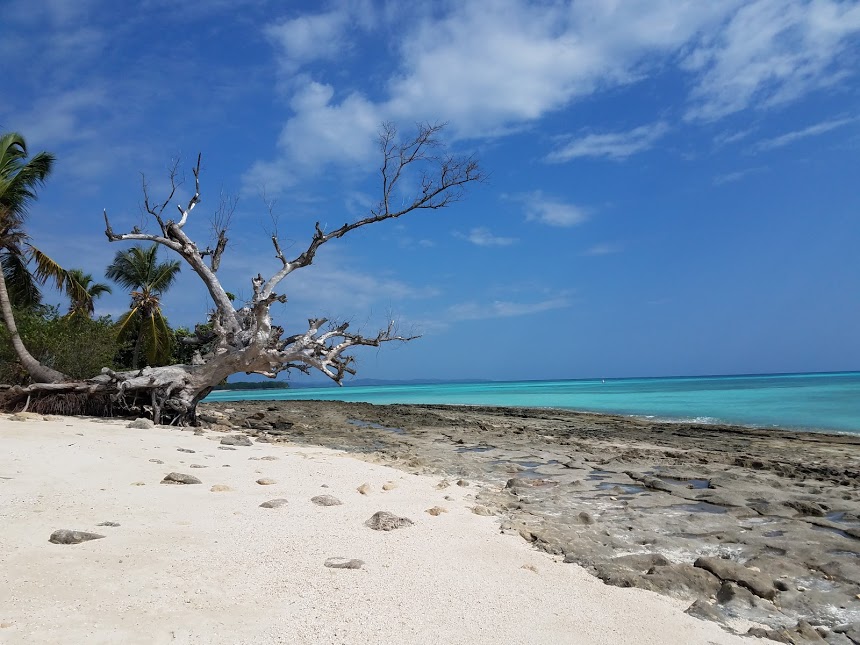
Set off to study whale sharks in Madagascar on the island of Nosy Be. A scientific expedition in the waters off the Mozambique Channel, a region with exceptionally rich marine biodiversity. See all our cetacean expeditions here.
A study of the whale shark in the Mozambique Channel
The research project aims to study the various species of cetaceans in the waters around Nosy Be, a Madagascan island situated in the Mozambique Channel. To date, marine megafauna has been very little studied in this part of the Indian Ocean, particularly the whale shark, which is very common in the region. Conducting scientific research programmes will enable us to better protect this marine megafauna by implementing appropriate conservation measures.
The Shark with a Thousand Stars
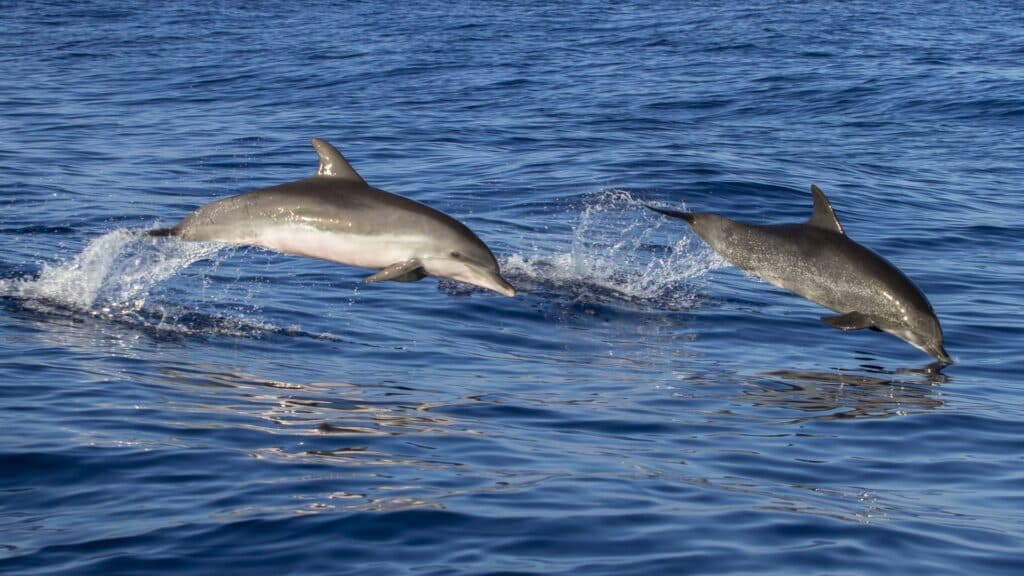
The study of cetaceans involves photo-identification. Each species can be identified by a unique part of its body: the tail fin for whales and the dorsal fin for dolphins. Whale sharks, on the other hand, are identified by a unique combination of spots between their pectoral and dorsal fins. It is these spots that have earned them the nickname ‘thousand-star shark’.
Analysis of individual movement
The photos collected have been entered into an existing database. They help to supplement information on the location and behaviour of the individuals observed. Once analysed, the data collected provides an insight into the movements of the individuals on different scales. Our partner works with the Madagascar Whale Shark Project Foundation on whale shark conservation.
Marine megafauna sightings
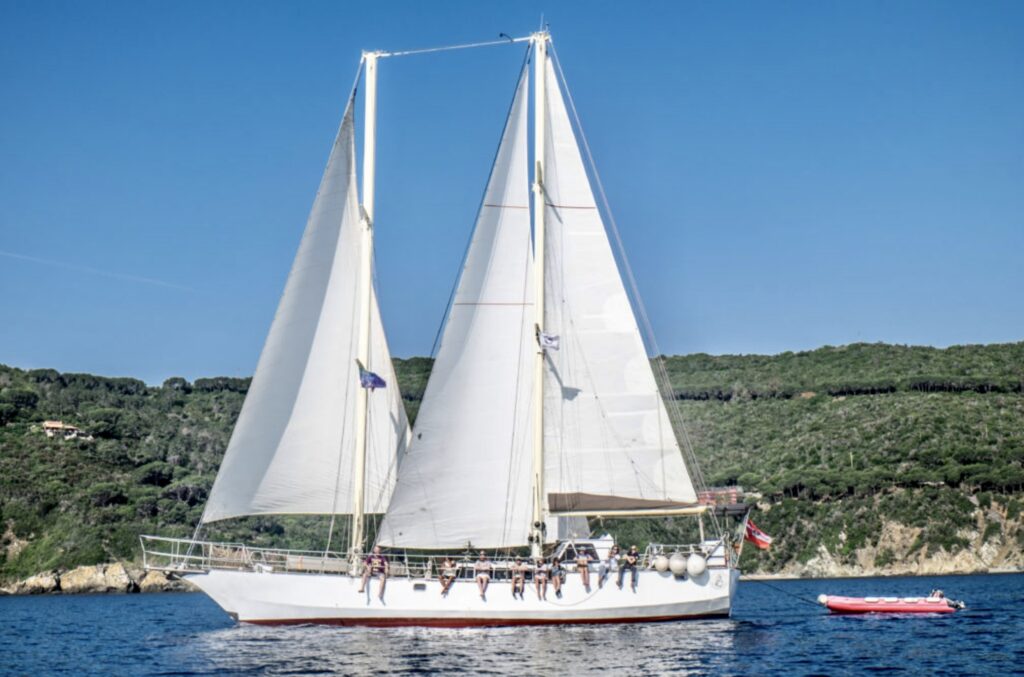
Your days will be filled with boat trips out into Nosy Be Bay in search of marine megafauna. Over the course of 11 days, you will be counting and identifying various species, including whale sharks and green turtles. You will set out in small motorboats. In the mornings, observations will focus on the marine species that you will learn to identify and photograph.
Search for green turtles
The afternoon will be spent searching for green turtles. You will need to count them and assess the condition of their environment. The green turtles of Nosy Be live in an ecosystem consisting mainly of seagrass beds, which are currently being damaged by tourist activities. However, without the preservation of these seagrass beds, the green turtle populations cannot survive.
At the end of the day, back on dry land, you’ll sort through and organise the photos taken during the day. A two-day, one-night camping trip is planned on Nosy Iranja to study the marine megafauna of this remote location.
What you’ll learn during your stay
During this citizen science trip, you will learn about the importance of photo-identification for the study of cetaceans. You will be able to carry out a biodiversity survey in accordance with a scientific protocol. You will learn how to identify the different species and locate them using GPS.
- From 10/10/26 to 20/10/26
- From 21/10/26 to 31/10/26
- Price: €3,965 – €1,348 after tax relief
- Not included in the price
: Airfares
, travel
insurance, personal effects
- Included in the price
: Accommodation
, meals
and supervision by two science educators
- Ages 16 and over – adults
- Language: French and English
- Accommodation
You will be staying at the Ylang Hotel, in a room fitted with a mosquito net. When camping, you will spend the night in a bungalow, which is also fitted with mosquito nets.
- Getting
around You’ll be travelling on foot and by boat. To get to the reserve, you’ll take bush taxis.
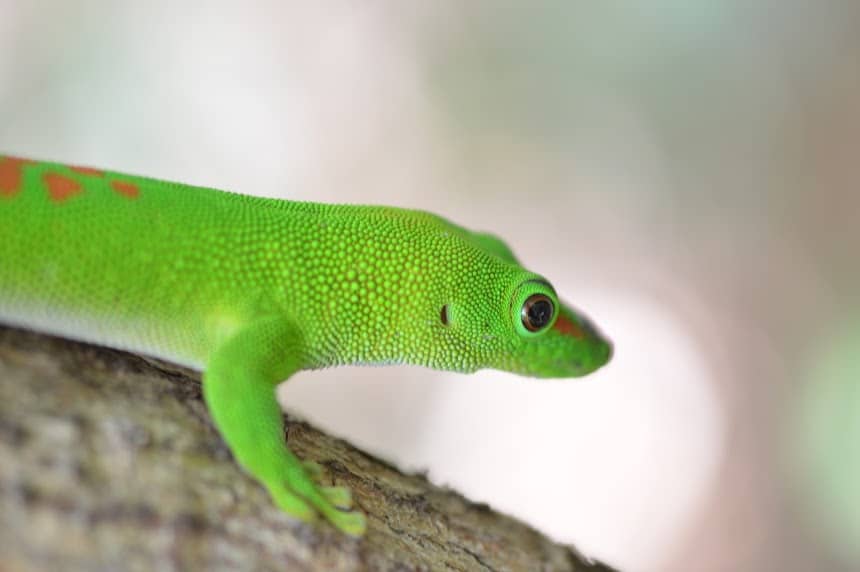
You will be staying on a beautiful island off the coast of Madagascar, home to unique flora and fauna. During your stay, as well as the green turtle and the whale shark, you will be able to spot:
the humpback whale, the pantropical spotted dolphin, the humpback dolphin, the bottlenose dolphin, the long-beaked dolphin, the tropical pilot whale, the hawksbill turtle, the leatherback turtle, the Omura’s whale, the mobula ray and the manta ray…
You’ll also discover the rich Malagasy culture
Tous les avis des missions d’Objectif Sciences international

About our partner NGO
The partner NGO holds Special Consultative Status with the UN (ECOSOC) and is a member of the AAAS Science and Human Rights Coalition. Specialising in science trips, science and participatory research, the NGO believes that education is the driving force behind the Sustainable Development Goals. It offers a range of participatory science trips for both adults and children.
You’re bound to enjoy these trips to protect cetaceans