Français
 English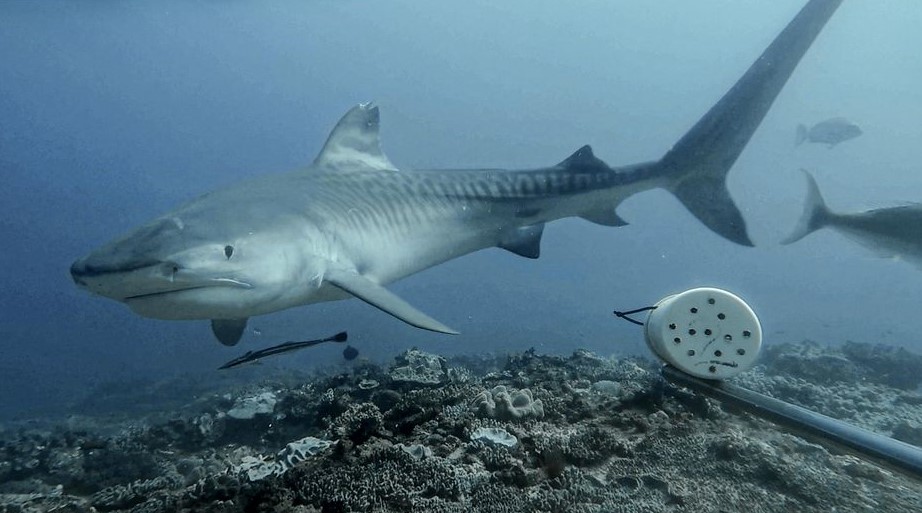
Do you love scuba diving and sharks? Get involved in a marine conservation project at a UNESCO World Heritage Site in South Africa! See all our opportunities in South Africa here
Marine conservation in a UNESCO-designated area
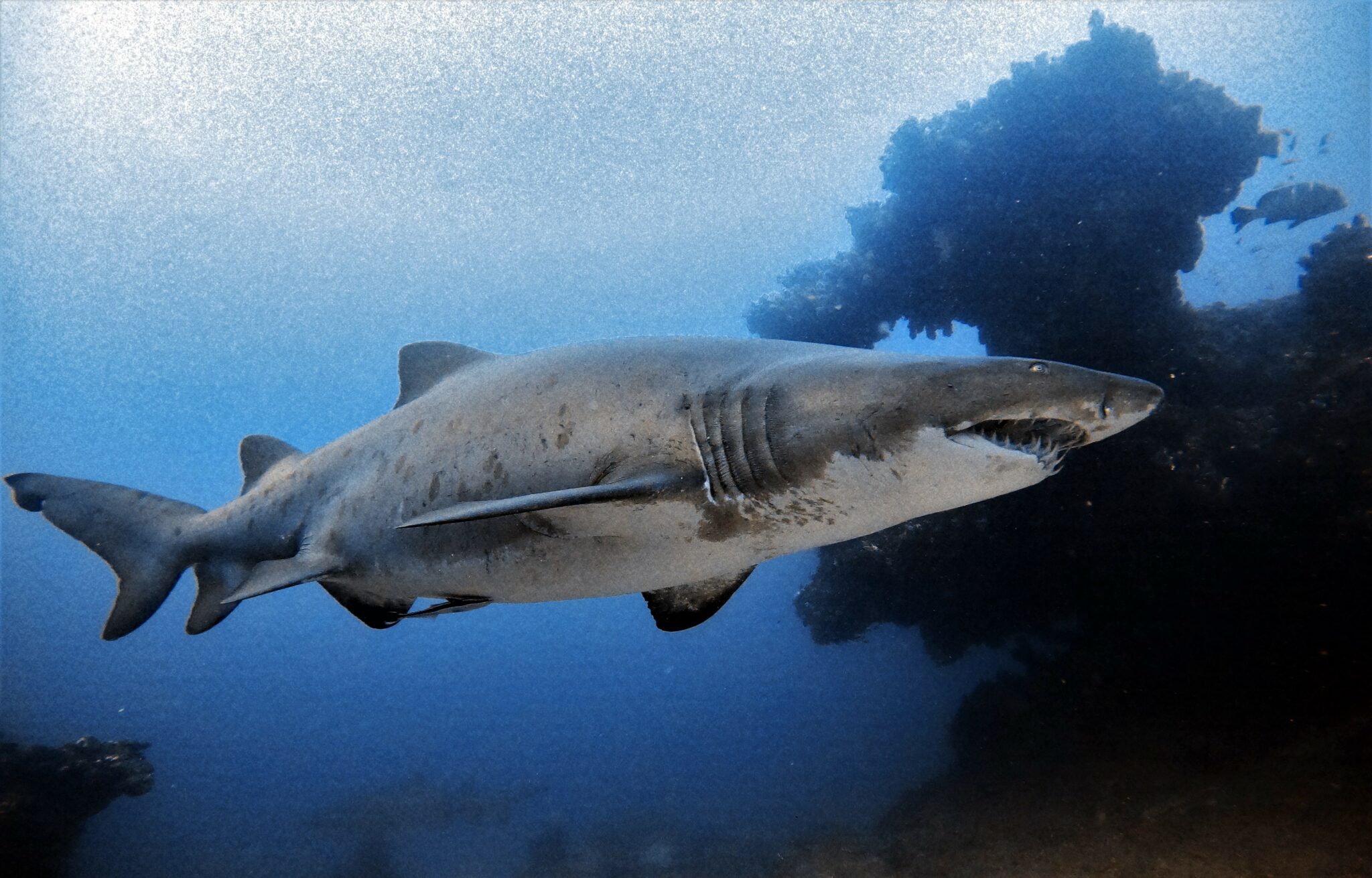
Our partner, Hamba Africa, will place you at a research centre specialising in sharks and marine ecosystems in South Africa, within the iSimangaliso Wetland Park, a UNESCO World Heritage Site. This programme focuses on the study of marine species, particularly sharks, rays and pufferfish. Observations are made whilst scuba diving, snorkelling and from a distance.
Here are the various areas the centre focuses on
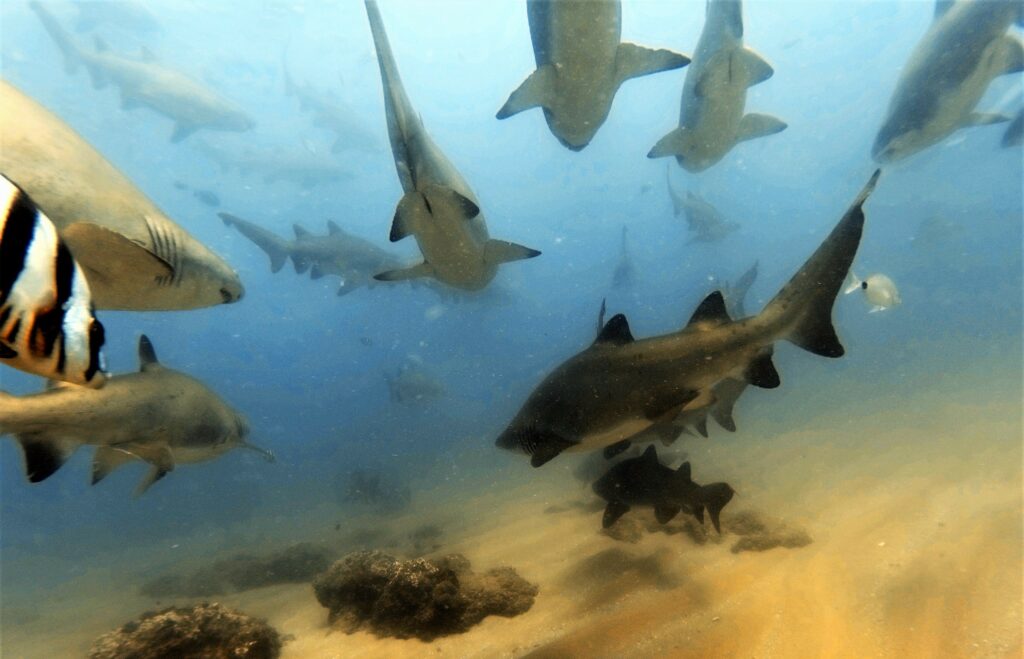
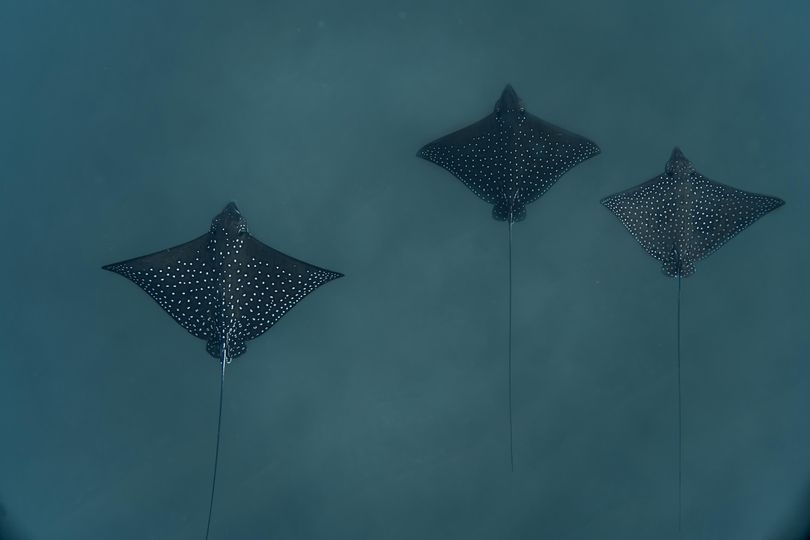
- Research into rays and sharks: sharks and rays are keystone species that influence other species within the ecosystem. Understanding these animals is essential to ensuring the protection of marine ecosystems.
- Turtle reproduction and monitoring: several species of turtle nest on the beaches of tropical South Africa
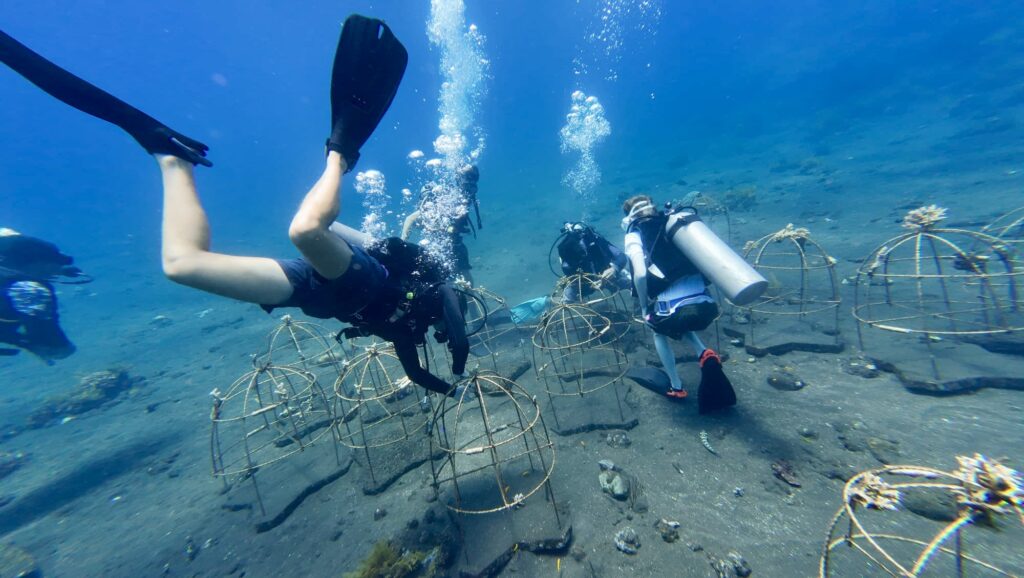
- Study and mapping of coral reefs: the coral reefs in the Sodwana region of South Africa are key areas for biodiversity. As well as serving as a breeding ground for the region’s various shark species, they are also home to many other species, some of which are critically endangered. The research centre is mapping and studying the reef. It is also studying the health of the reef from an acoustic perspective.
- Monitoring predator mortality: the reserve is home to predators such as lions, leopards, hyenas, cheetahs and many more!
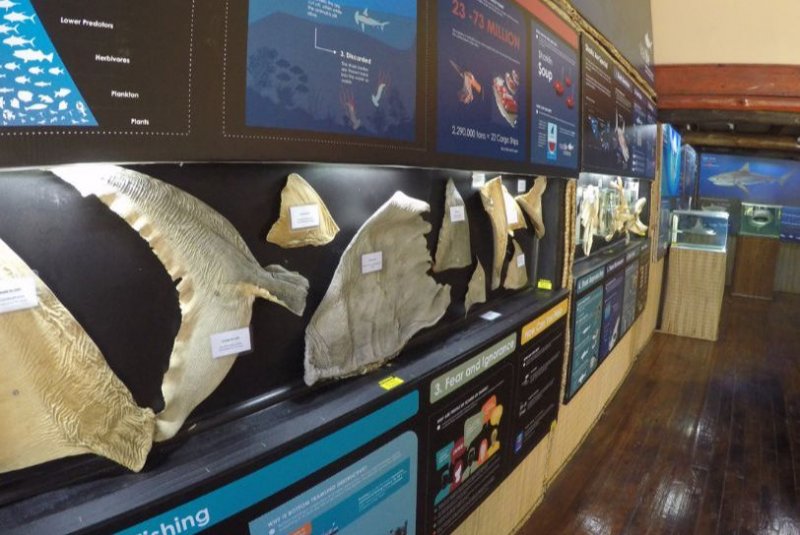
- Public education: the research centre has a laboratory and a museum open to the public.
Volunteers are trained in scientific diving
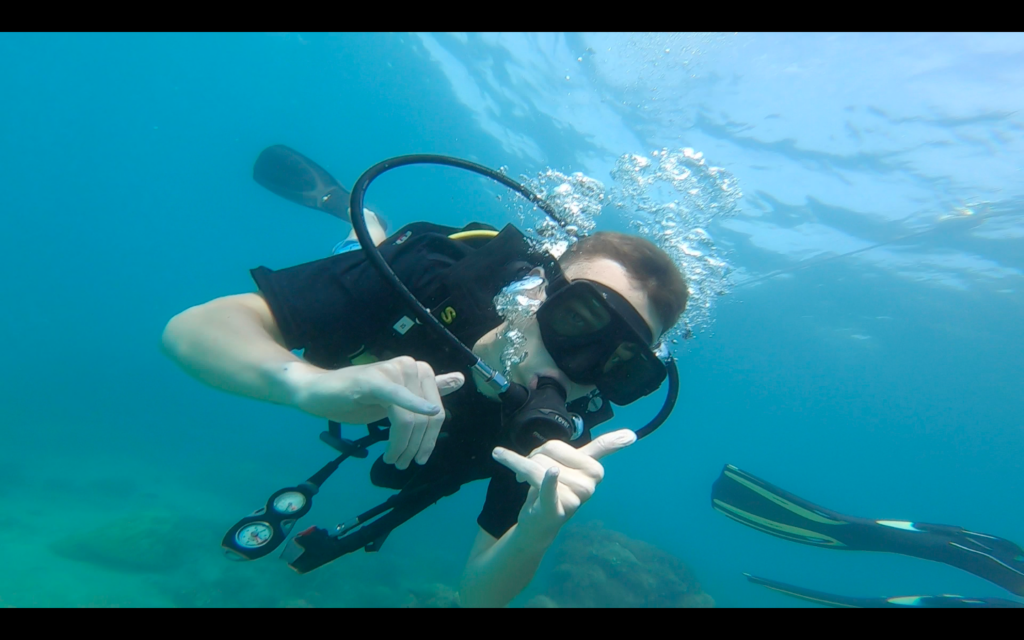
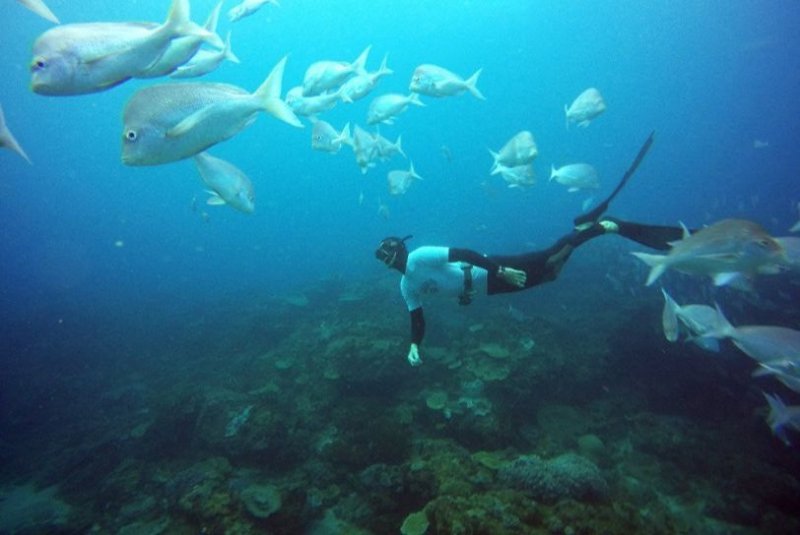
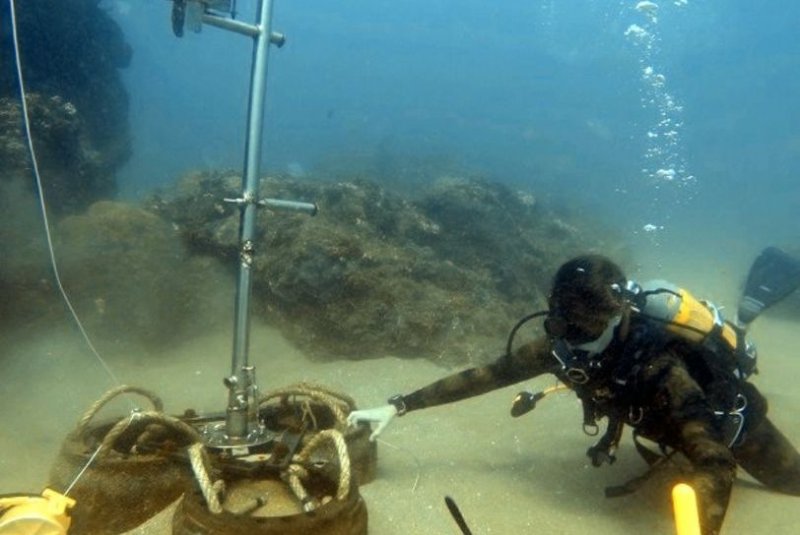
You will be involved in the project from Monday to Friday. You will dive three or four times a week to observe marine life.
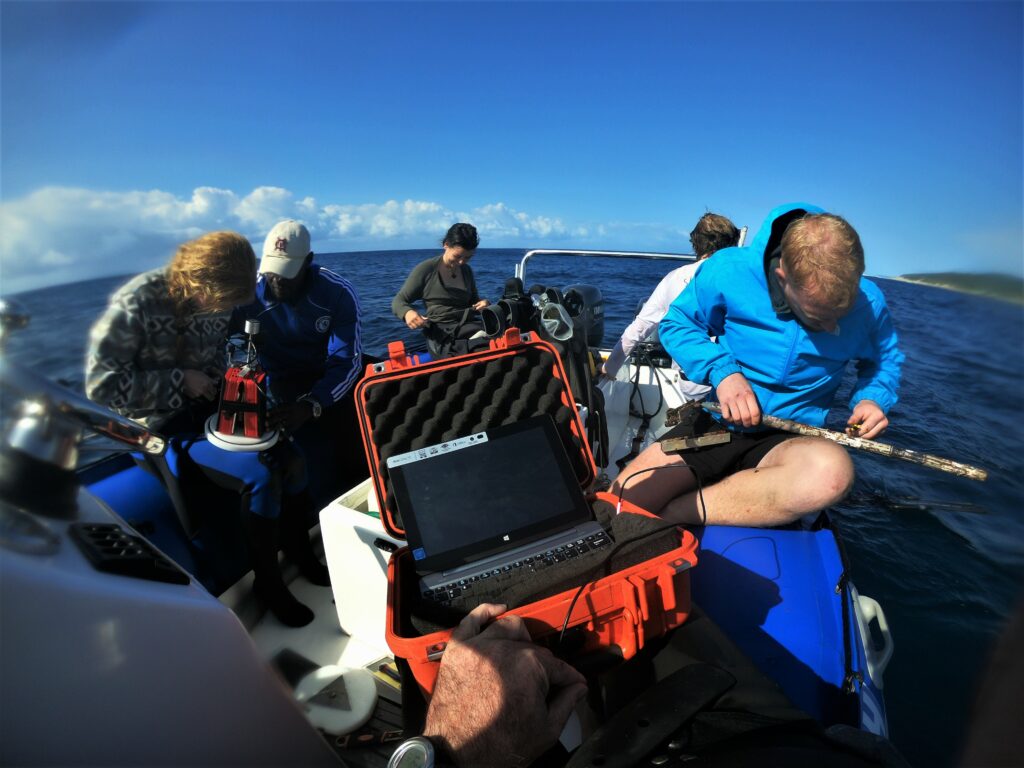
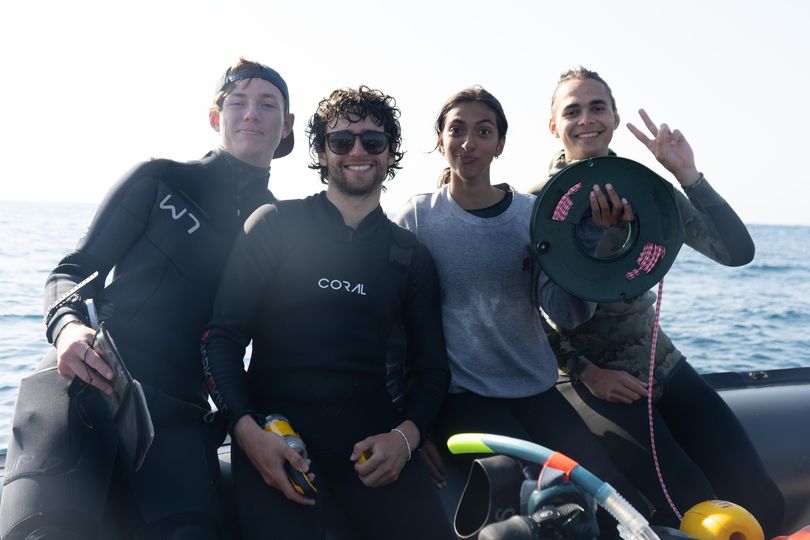
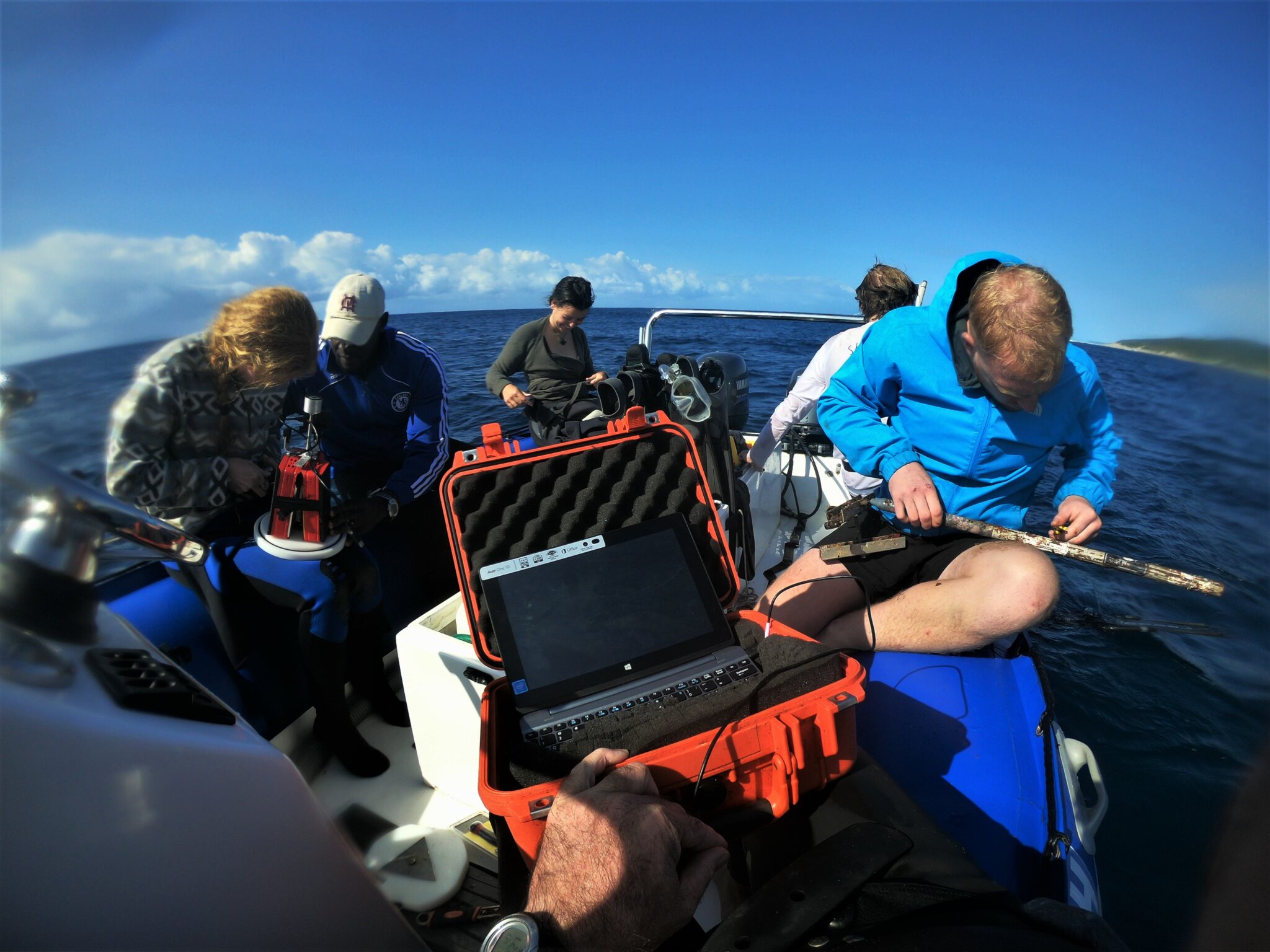
In the mornings, as part of a team, you will prepare the diving equipment and board a boat to reach the dive sites: coral reefs; shark breeding grounds; migration routes…
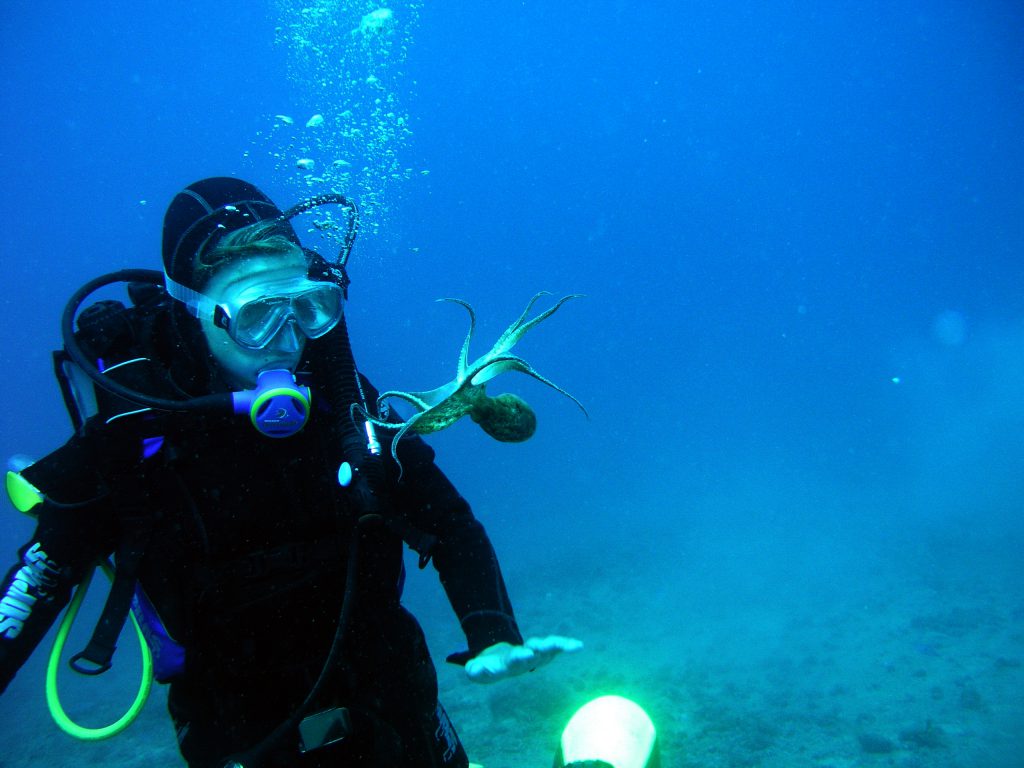
You will collect data by observing sharks and other marine species you encounter.
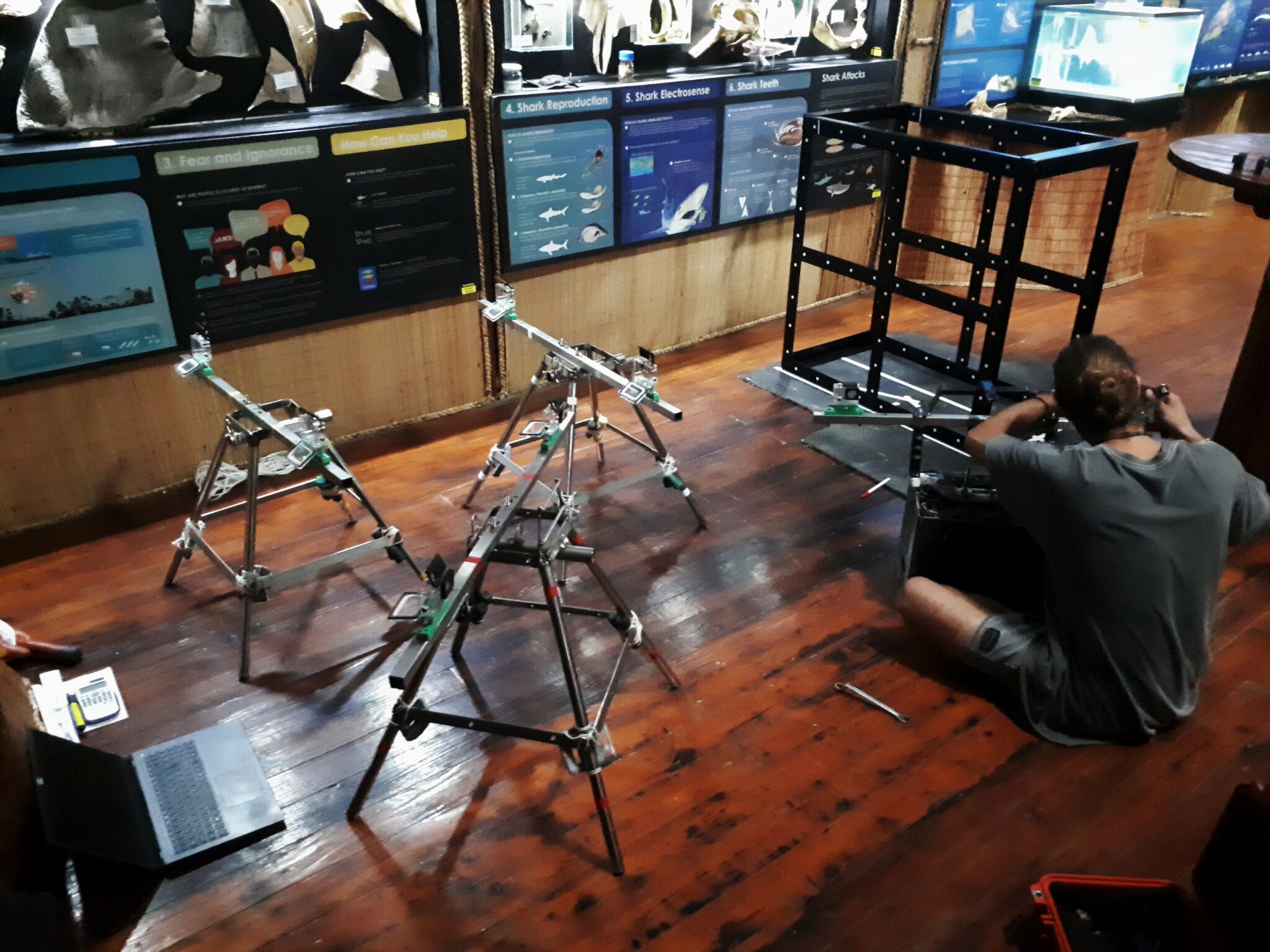
Supervised by professionals, you will be trained in scientific diving. When you are not at sea, you will support the ongoing research and analysis at the research centre by taking part in laboratory work, preparing equipment or even analysing results and conclusions.
Diving with sharks and safety
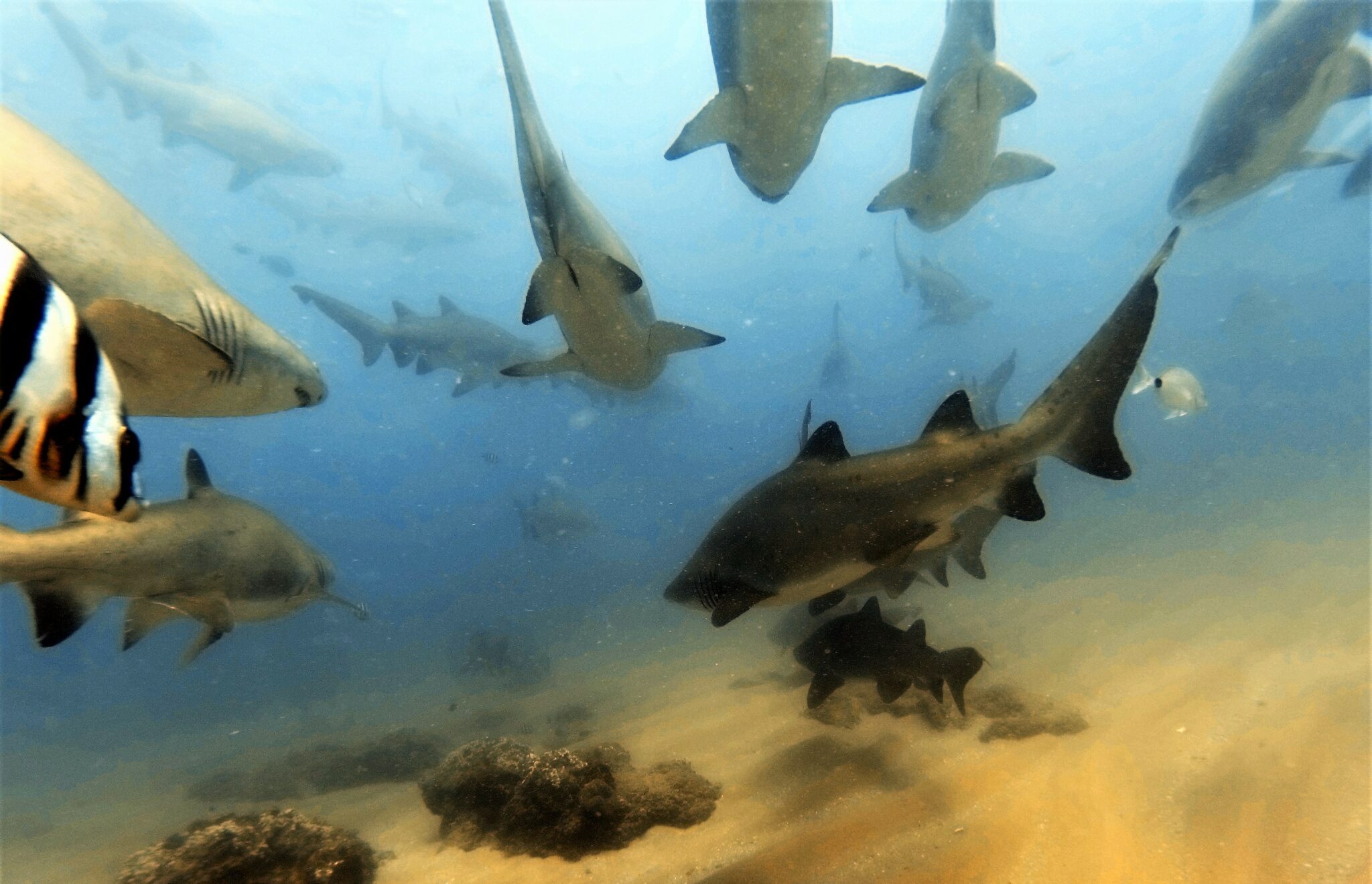
It’s normal to feel a little anxious the first time you go swimming with a shark. Fortunately, the long-toothed sharks that breed in the region do not feed whilst mating or during pregnancy. You’ll develop your skills and confidence by swimming with these animals in complete safety. You will record information such as the breeding site, the individual’s identification and the number of individuals. This information will contribute to the creation of a database on the region’s sharks, for scientific and government purposes.
Dates
From 2 to 12 weeks, all year round. It’s best to arrive at the weekend.
Prices
- 2 weeks: £2,100, or approximately €2,490
- 4 weeks: £2,915, or approximately €3,457
- 6 weeks: £3,530, or approximately €4,186
- 8 weeks: £4,110, or approximately €4,874
- 10 weeks: £4,660, or approximately €5,527
- 12 weeks: £5,450, or approximately €6,464
Diving courses
- 4-day PADI Open Water course – £285 (approx. €338)
- 3-day PADI Advanced Open Water course – £285 (approx. €338)
Included in the price
- Accommodation
- Airport transfers
- Supervision and 3 to 4 dives per week
- Diving equipment
- Entrance to the Park
- Wi-Fi
- Local support in the event of a problem
Not included in the price
- Flights
- Visas, Vaccinations, Travel Insurance
- Food (kitchen available and shopping facilities)
- Diving lessons are charged separately
- From 2 to 12 weeks, all year round
- Ages 18 and over
- Good physical fitness (daily swimming and diving)
- English: intermediate or conversational level
- Vaccinations for travel to South Africa
- Official documents required for travel to South Africa
- Travel insurance
- Although a university degree or relevant professional skills and experience are useful for the projects, they are not essential. Our only requirement is that you are passionate about wildlife, conservation and community development!
The venue
The iSimangaliso Wetland Park and UNESCO World Heritage Site is characterised by diverse ecosystems and unique species. Coastal grasslands and wetlands, bays and lagoons, as well as offshore coral reefs, all offer a vast array of biodiversity. The research centre is your base camp. It is from here that eco-volunteers, researchers and dive masters take part in the projects!
Accommodation
The rooms are equipped with beds, have electricity and provide storage space for personal belongings. If you have specific requirements due to medical or personal circumstances, or if you are travelling as a couple and need a different type of bed, the team will do their best to help you.
The centre has communal areas. The on-site kitchen is very well equipped with gas hobs, an oven, kettles for tea and coffee, microwaves, a fridge, large freezers, cupboards and storage space, as well as drinking water available at all times. The centre has several toilets and showers located throughout the premises. Hot water is available for showers thanks to an on-site gas boiler, but during the summer months, you may prefer to take cold showers.
Laundry facilities
Washing machines are available.
Wi-Fi available
At weekends, or whenever you’re not in the ocean, you can take part in activities in the local area, such as visiting nearby nature reserves. You’ll have the chance to see some iconic African species, such as elephants and lions. You’ll also have the opportunity to go mountain biking.
Tous les avis sur Hamba Africa

About the Partner
The partner organization has existed since 2017. It is owned and managed by safari guides and environmental advocates. The partner organization develops its own research projects and supports other organizations throughout South Africa. Their mission is to conduct wildlife and environmental research in South Africa in support of sustainable development. Through its volunteer programs, Hamba Africa enables volunteers and students to acquire new skills and knowledge.