Français
 English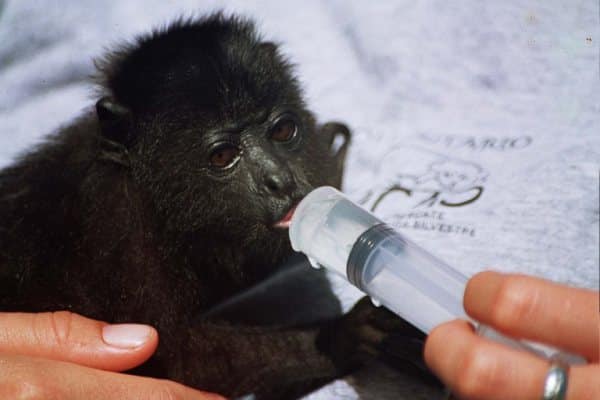
Help protect wildlife by volunteering at an animal sanctuary in Guatemala. An unforgettable experience just a stone’s throw from Mayan archaeological sites. See all the volunteering programmes in americas
Protection of wildlife and its habitat
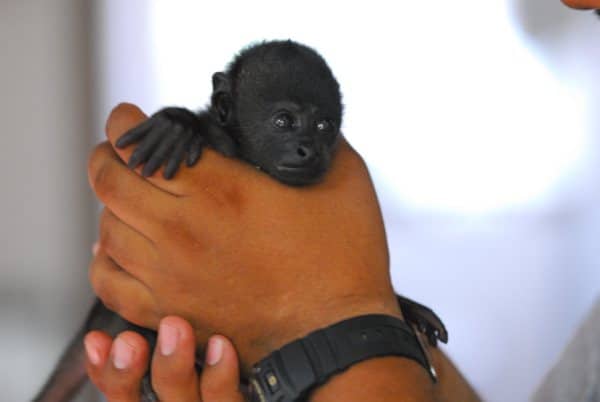
This volunteer project in Guatemala takes place at a wildlife rescue and environmental conservation centre. The centre is dedicated to protecting wildlife and its habitat. It was established in 1989 with the aim of caring for and rehabilitating wild animals destined for sale on the black market.
The centre’s main objectives are as follows
- Ensuring measures to conserve biodiversity
- Protecting and studying wildlife
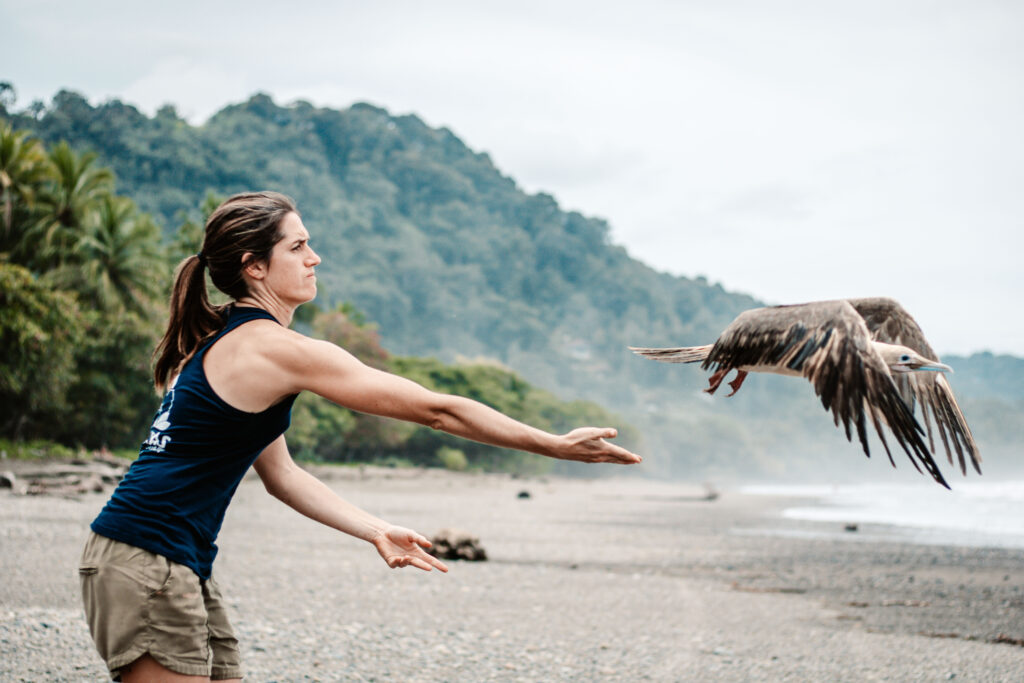
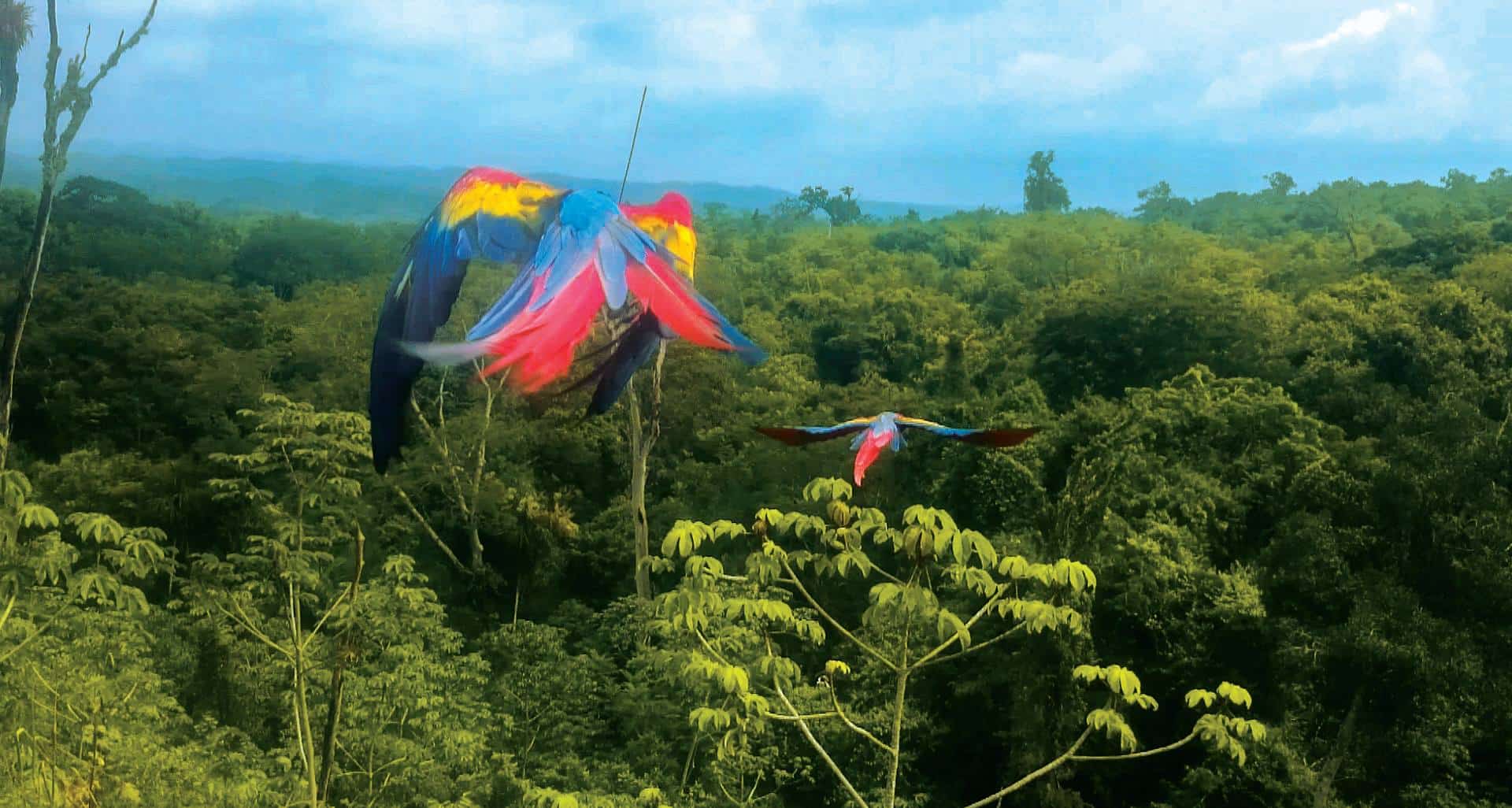
- To rescue wild animals from traffickers and rehabilitate them so that they can be reintroduced into their natural habitat.
- Supporting veterinary research on tropical wildlife
- To assist with the breeding and reintroduction of animals threatened with extinction
- To raise public awareness of the need to protect their environment through an educational programme
- To create alternative sources of income for rural communities so that they can use natural resources sustainably.
- Since its establishment, the animal rescue centre has expanded its activities to include environmental education, the management of protected areas, sustainable community development, ecotourism and reforestation.
400 to 600 wild animals treated each year
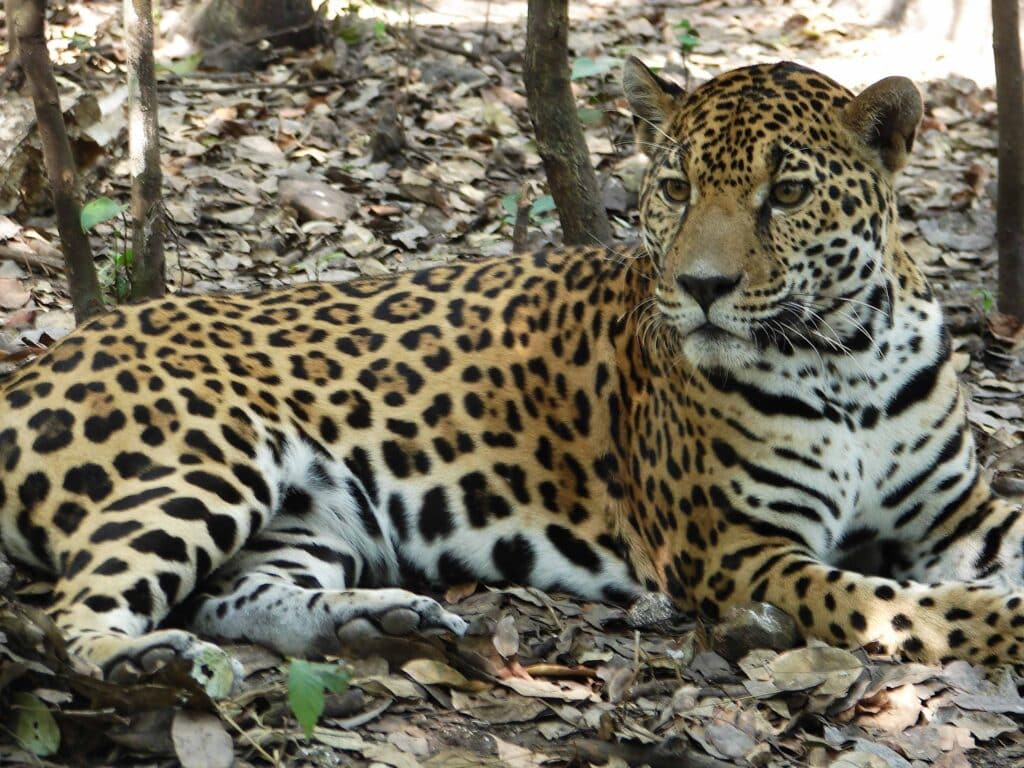
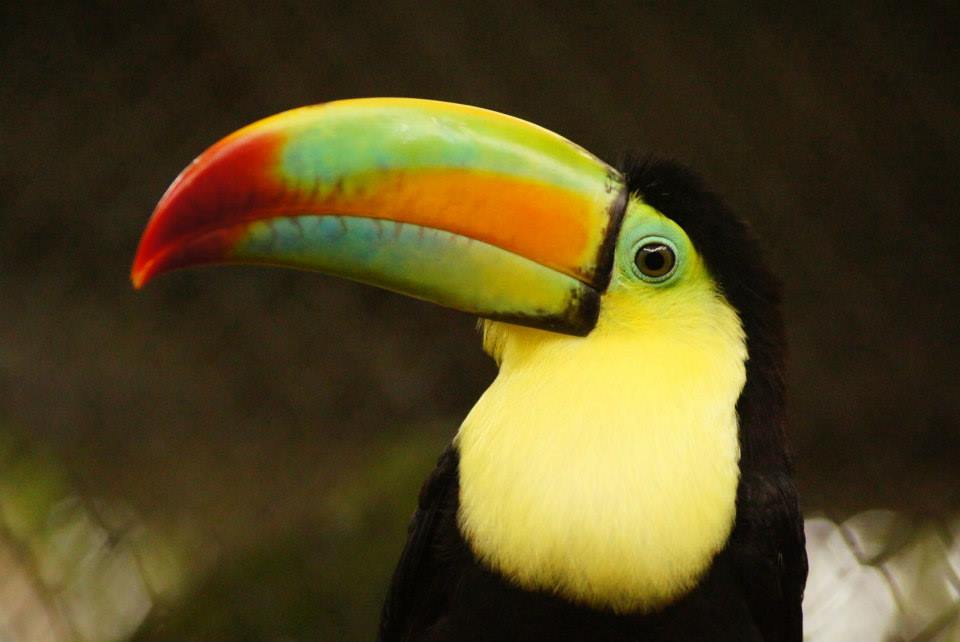
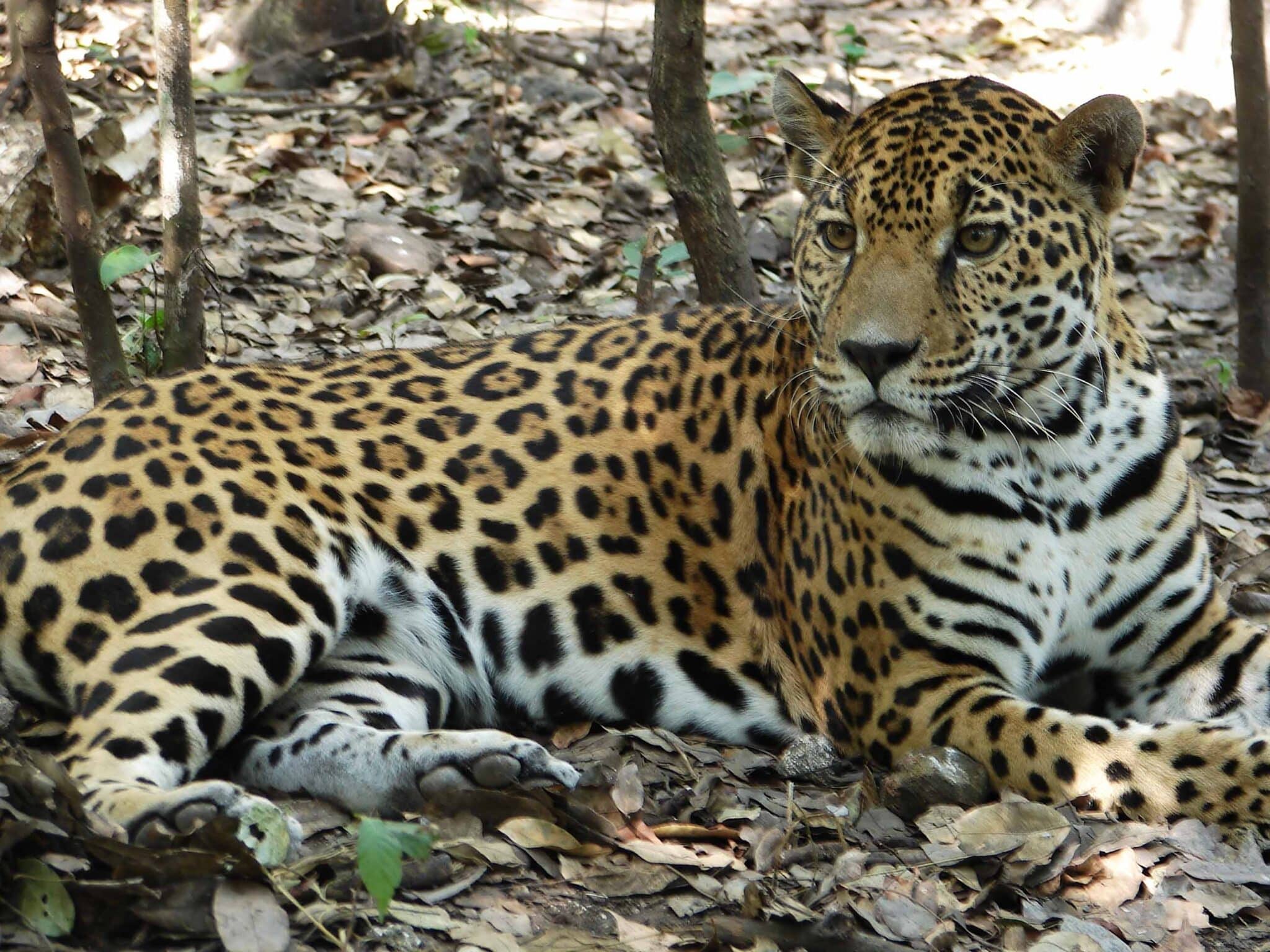
The centre is responsible for treating all confiscated wild animals and reintroducing them into the wild in accordance with an agreement reached with the Guatemalan government. Every year, between 400 and 600 wild animals representing more than 35 different species are treated at the largest and most sophisticated wildlife rescue centre of its kind in Latin America.
Minimise contact with people
Most of the animals arriving at the rescue centre are in poor condition. Many are malnourished, anxious and injured. As a result, the animals are placed in quarantine for at least 45 days. Their general condition, including their health and behaviour, is assessed during this period, and their diet is restored. Working in quarantine requires paying particular attention to the animals’ needs whilst minimising human contact.
The role of volunteers at the wildlife sanctuary
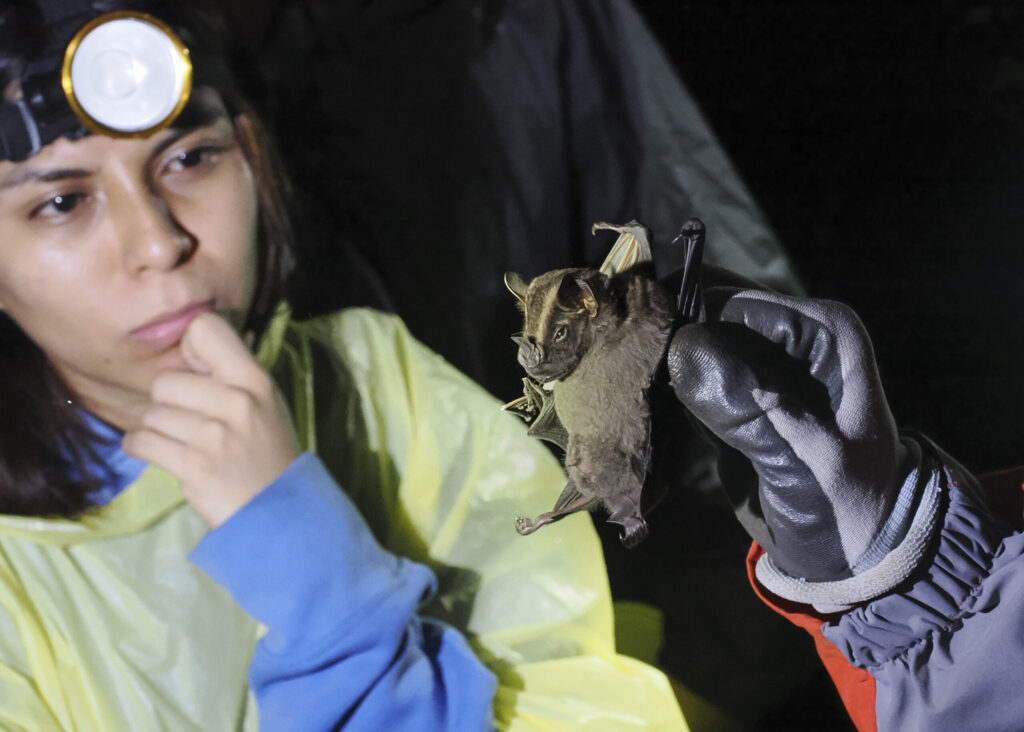
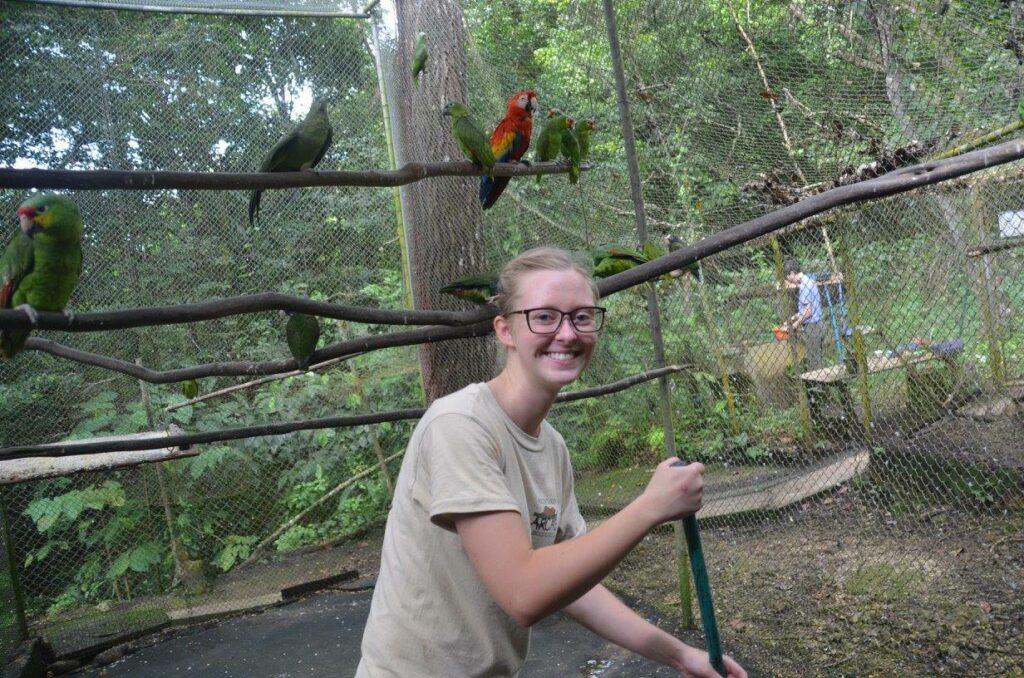
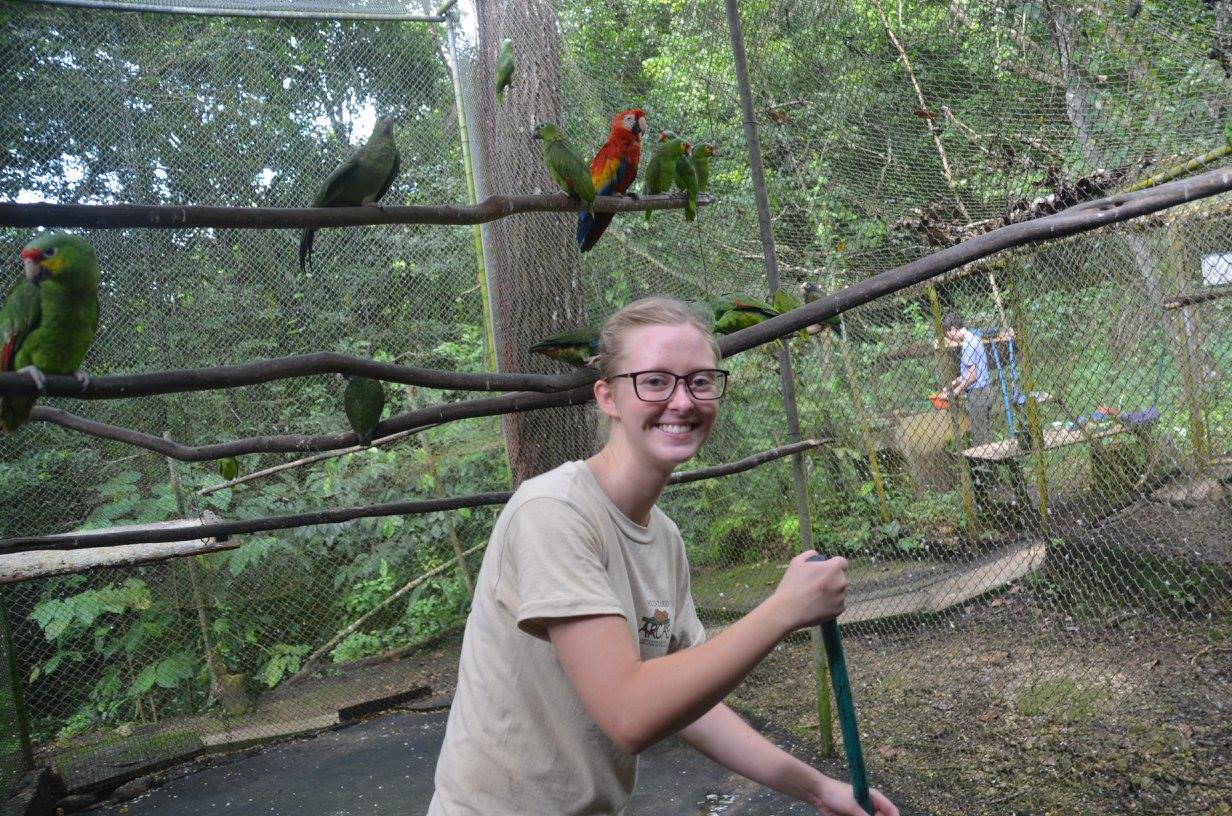
Cleaning the cages, preparing food and monitoring the animals’ health are at the heart of the volunteers’ work. Due to the stress of being captured, many animals have health problems when they arrive at the centre. They require constant monitoring and medical care. Although they need care, the centre’s staff strive to ensure that the animals are not ‘tamed’ by people. The shelter team also asks volunteers not to handle the animals any more than is necessary, as many of them will be released back into the wild. Animals released into the wild that have become accustomed to humans are far less likely to survive.
Physical and psychological needs
Animals kept in captivity also require attention to ensure their physical and psychological wellbeing. These needs can be divided into four categories: environment, dietary requirements, behaviour and care. Whilst avoiding contact with the animals, enclosures must be inspected regularly to ensure that each of these four needs is met. It is essential to preserve the wild nature of these animals.
Work is organised in line with the animals’ internal clock
Everyone at the rescue centre is expected to do their bit. Volunteers are assigned specific tasks. Early in the morning, the animals are fed and their enclosures are cleaned. Rather than following human schedules, the animals operate on their own internal clock, which means early-morning shifts are needed to feed them. Later in the day, when the temperature and humidity make rest a necessity, it’s the ideal time to unwind and relax. This is a time much loved by volunteers for sunbathing, swimming and relaxing by the lake.
As well as the daily routine of feeding and looking after the animals, you will be required to take part in other activities such as:
- The construction of cages or additional structures
- Trail maintenance
- Collecting food for animals and learning about the diets of wild animals.
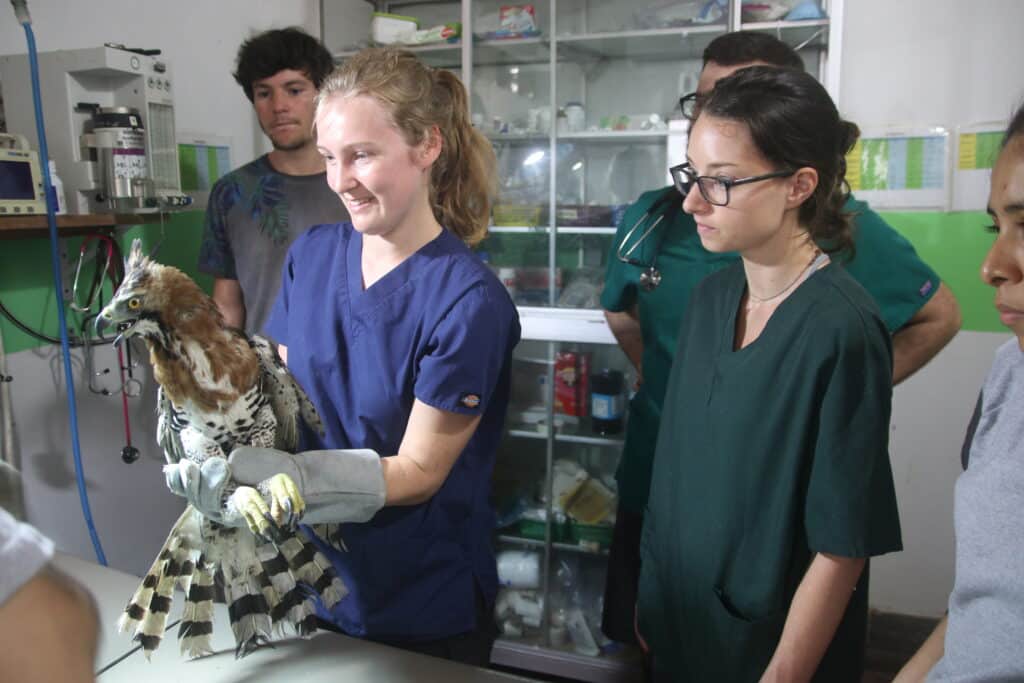
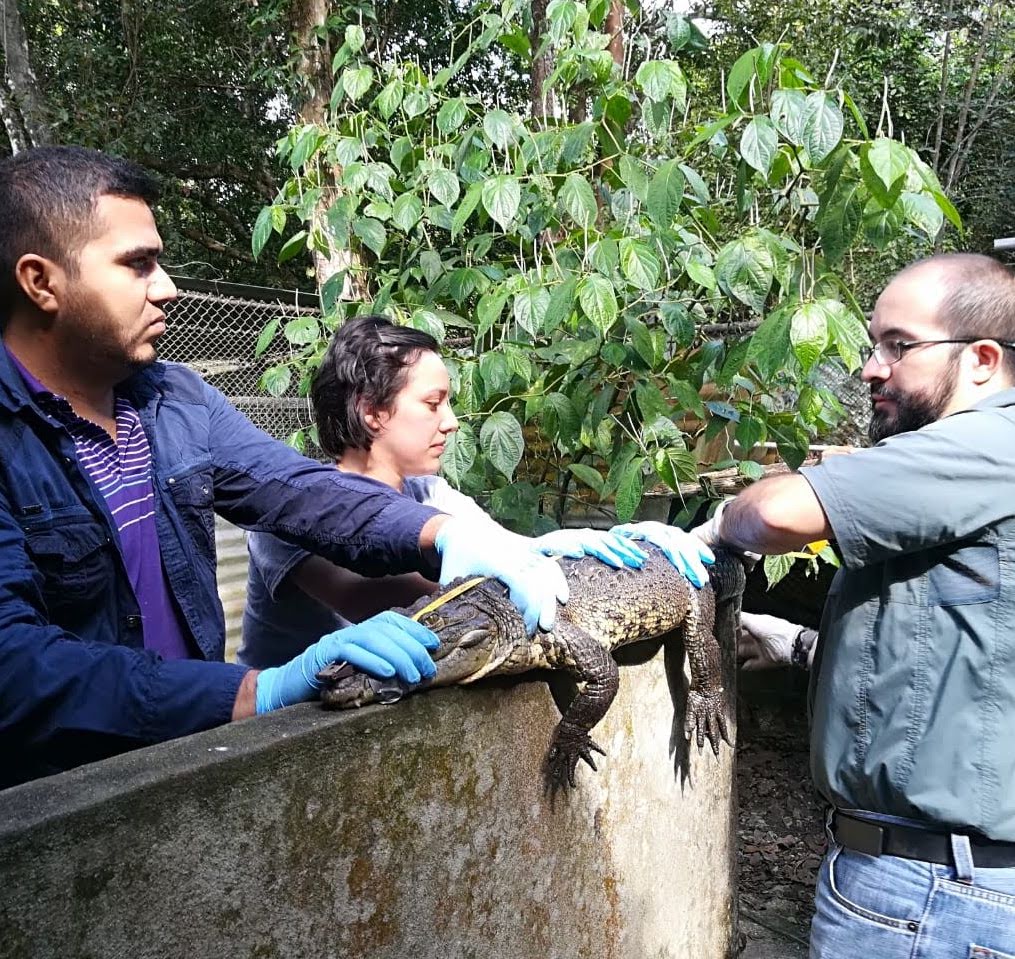
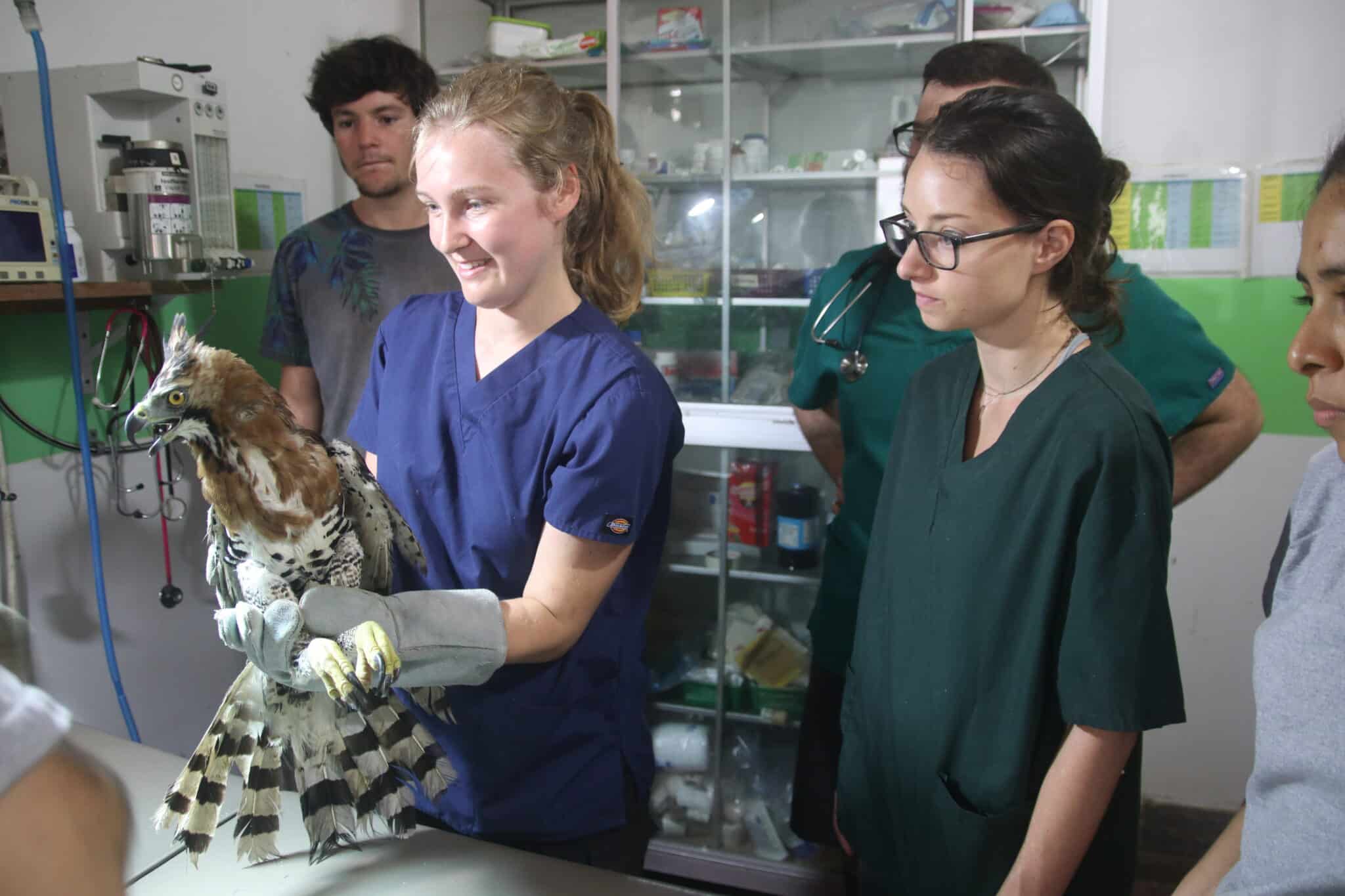
Depending on your training and skills, you may also be required to assist with veterinary procedures and treatments, as well as to take regular blood and faecal samples to monitor the animals’ health. There is plenty of time at night and during those lovely afternoon naps to reflect and listen to the mysterious sounds of the jungle. All the wild animals in your immediate surroundings contribute to the experience. Their lives are in your hands! You just need to pause for a moment, observe and pay attention to realise that preserving our planet’s jungles is a truly worthwhile endeavour.
Please note: tasks may vary. They depend on factors such as the number of volunteers, the time of year, the season, the project’s current needs, and personal motivation. Not all volunteers will be able to participate fully in all of these tasks.
Dates
- All year round, minimum 2 weeks
Prices
- Application fee: €150
- Programme fees: €825 (for a minimum stay of 2 weeks)
- Extra week: €235
Included in the price
- Shared room in the volunteers’ house
- Breakfast, lunch, dinner
- Pick-up in Flores (airport or bus stop)
- Professional advice in English
- Translation of your application documents
- Volunteering placement in Guatemala
- English-speaking support within the country
- A Handbook on Guatemala
- Intercultural Guide
- 24/7 emergency number
- Information on suitable travel insurance
- Certificate of attendance
Not included in the price
- Flight tickets
- Travel insurance
The shelter
The Guatemalan Wildlife Rescue and Rehabilitation Centre is situated on a 45-hectare site near a lake. It features a quarantine area, a veterinary clinic, three large rehabilitation enclosures, a kitchen, a dining room, a workshop, accommodation for volunteers, staff accommodation and a lovely floating jetty. To minimise stress for the animals, the cages and enclosures are scattered throughout the jungle.
Accommodation
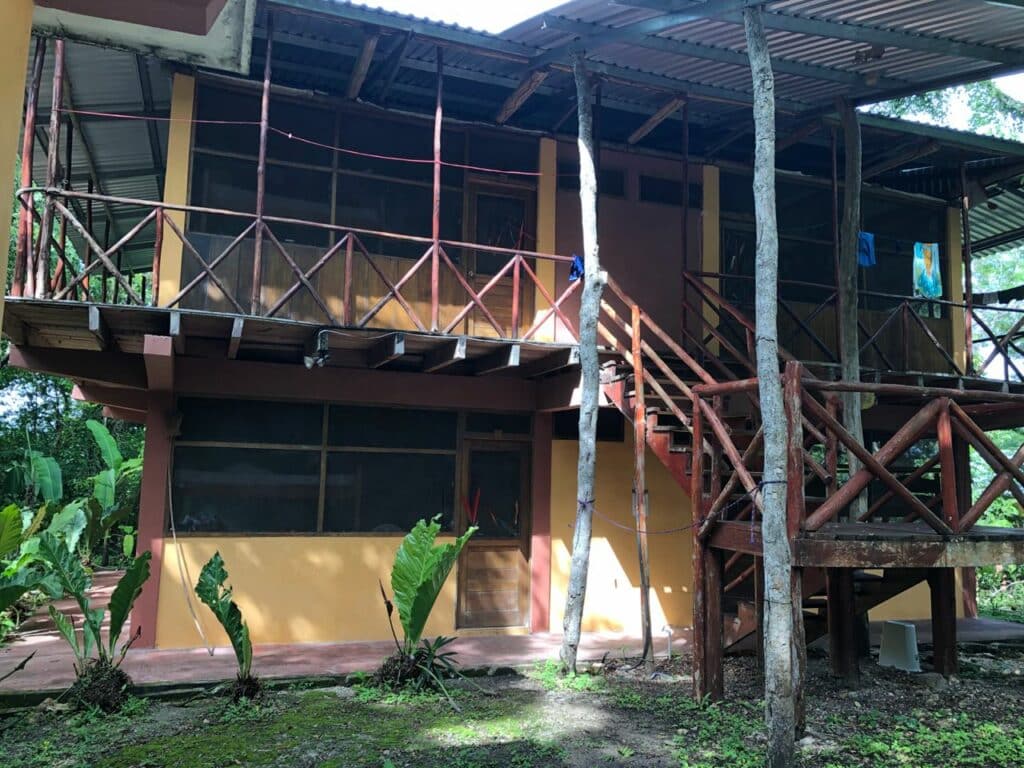
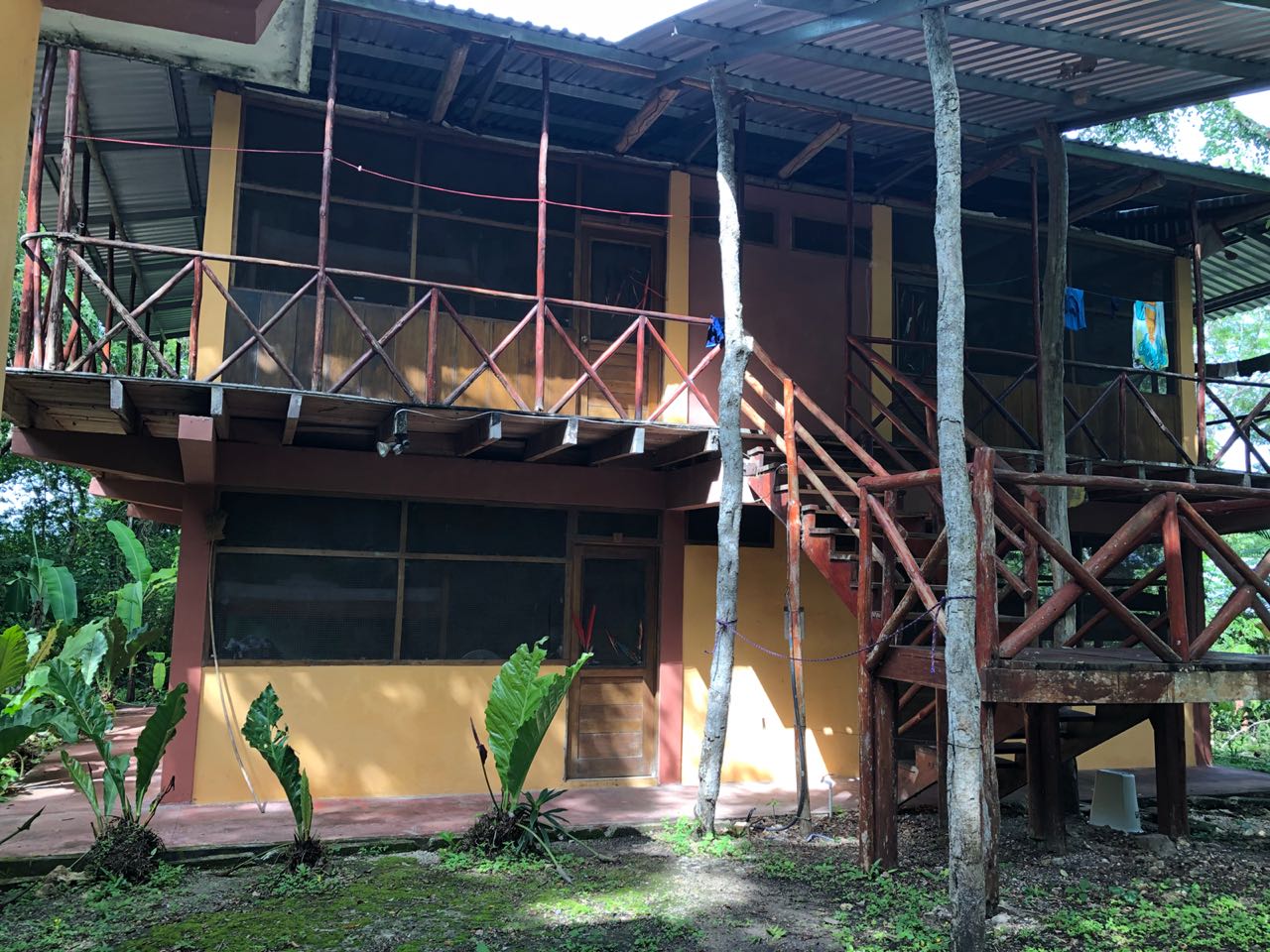
Volunteers live in the volunteer houses, which are large, two-storey wooden buildings set in a magnificent tropical forest. The houses are equipped with wooden bunk beds, showers, toilets and electricity. A lovely floating jetty is available for a swim in the late afternoon. Meals are served in a large kitchen and dining room.
Location
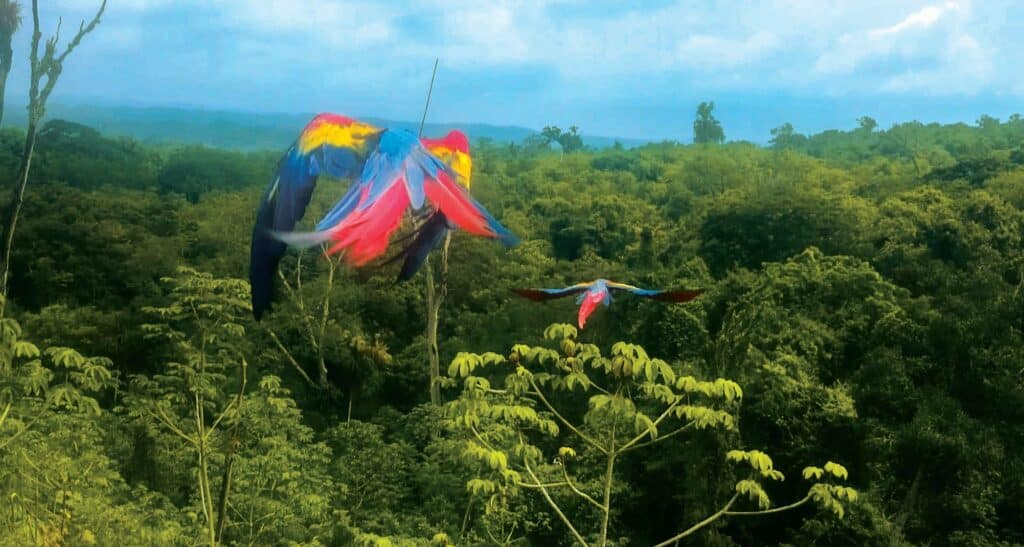
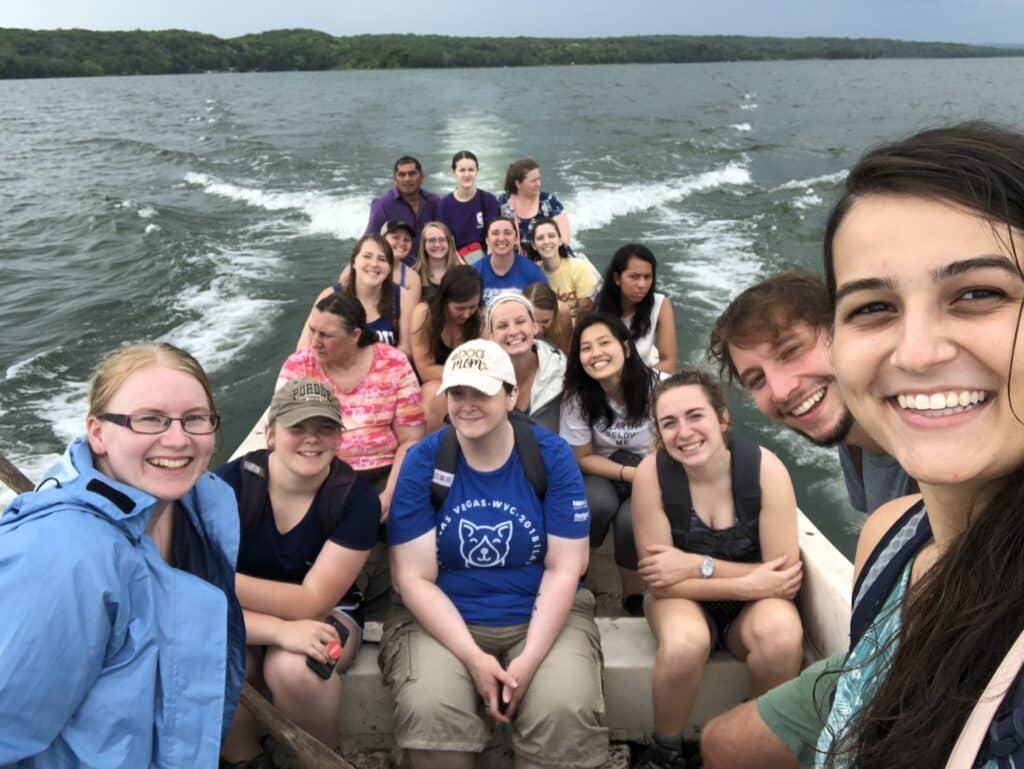
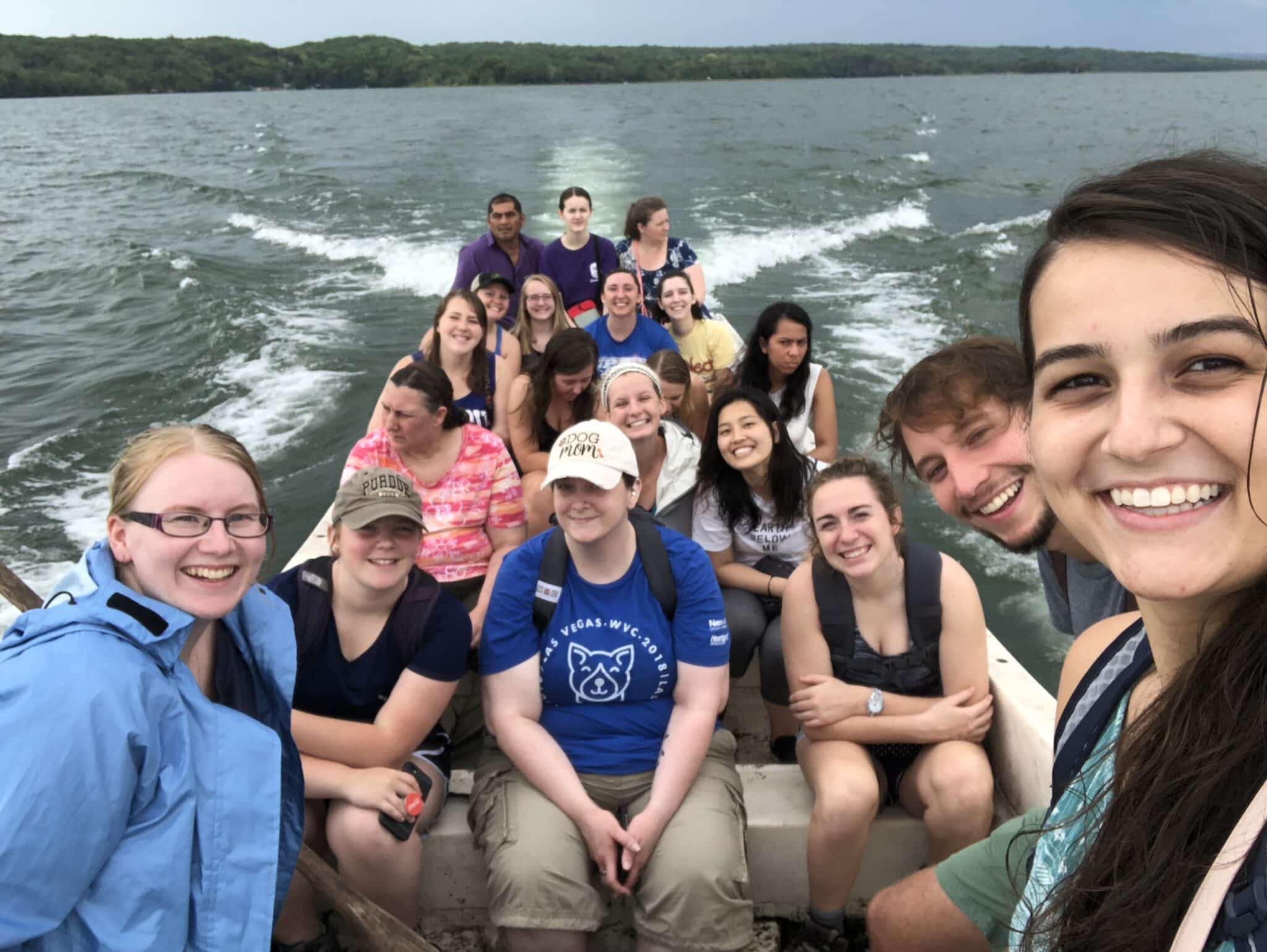
The Petén region, in the north of the country, is home to the magical Lake Petén Itzá, and this is where the volunteering project is based. The centre is situated on the shores of Lake Petén Itzá, and the charming little town of Flores is about ten minutes away by boat or an hour by car. It takes about 12 hours to reach Guatemala City by bus, but there are also daily flights. The region forms part of the Maya Biosphere Reserve which, together with the Calakmul Reserve, the Montes Azules Reserve, the Ro Bravo Reserve in Belize and other reserves in Mexico and Belize, forms the second-largest block of tropical rainforest in the Americas (4.23 million hectares).
The town of Flores is a 10-minute boat ride away, and Tikal, the most famous Mayan archaeological site, can be visited over a weekend. As well as its rich biodiversity, the region is home to several famous and recently discovered Mayan archaeological sites, including the impressive temple complex at Tikal, set in the heart of the jungle. The best thing to do in your spare time is undoubtedly to visit the ancient Mayan ruins at Tikal.
In Flores, you can also watch the sunset from a rooftop bar, explore the ruins of Uaxactún or Yaxha, stroll through the markets in Flores, buy souvenirs, take part in outdoor sports on land or in the water, visit the surrounding nature reserves, etc.
Tous les avis sur les missions South America Inside

The partner agency
The partner is an intercultural agency founded in 2003 by Marion, a German national living in Chile. Marion specialises in organising solidarity-based and participatory trips, eco-volunteering placements, as well as language courses and educational programmes throughout Latin America. This agency offers placements in Chile, Costa Rica, Nicaragua, Ecuador and more. Whether you are a student, a professional or a retiree, these trips are designed for those who want to experience Latin America in a way that goes beyond simply being a tourist.