 Français
 English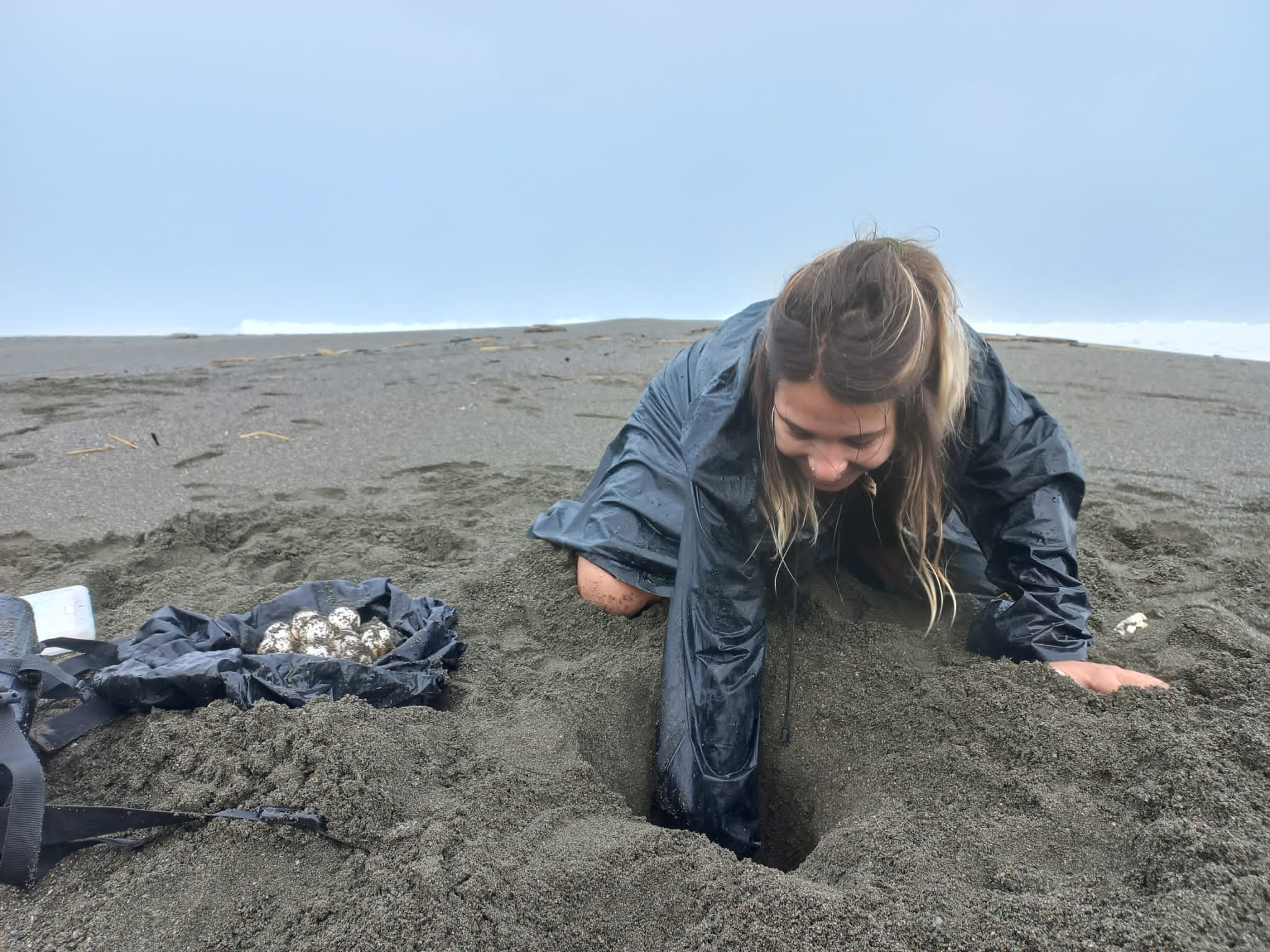
 Etude des tortues marines au Costa Rica, sur la péninsule d’OSA
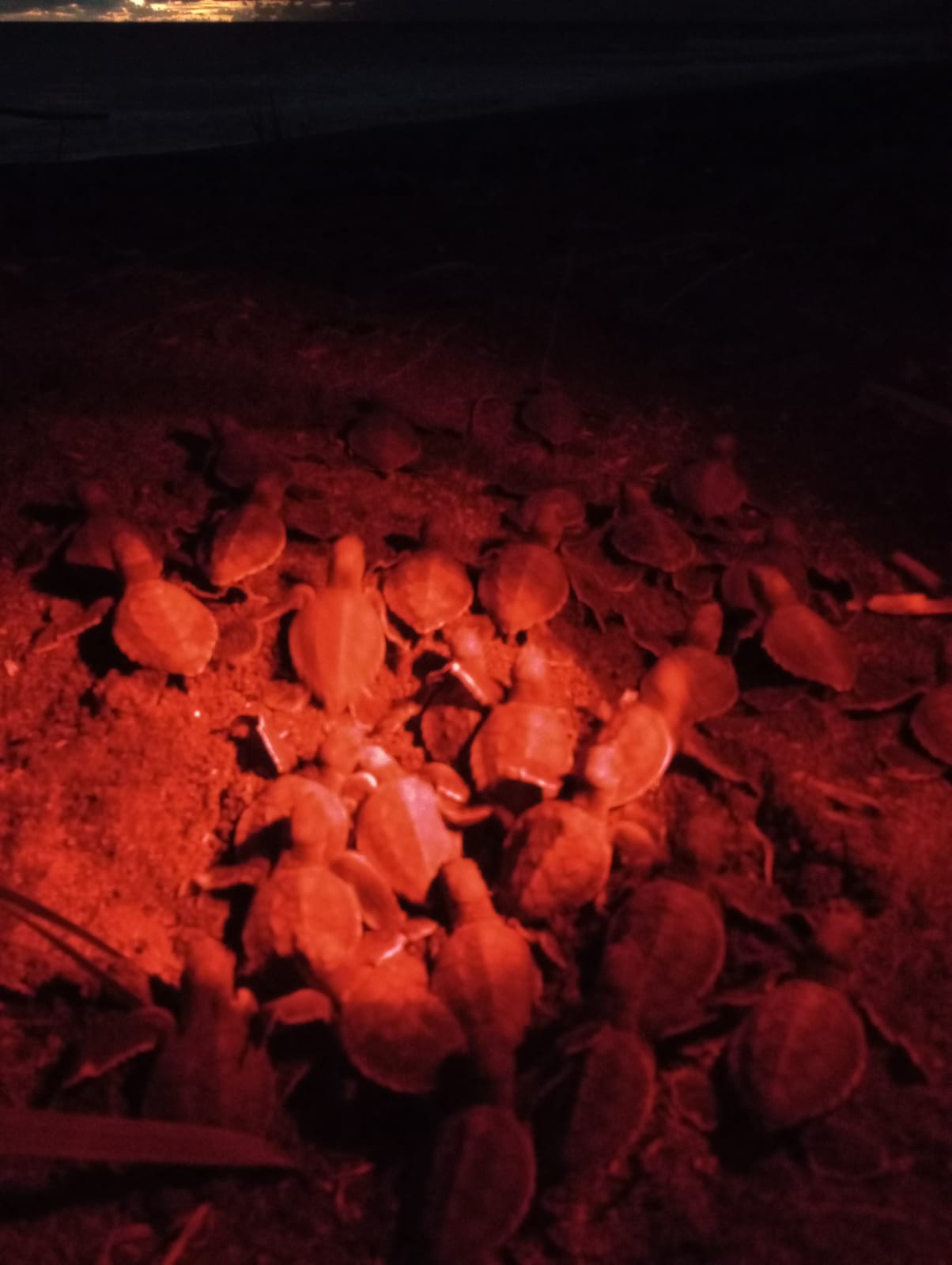
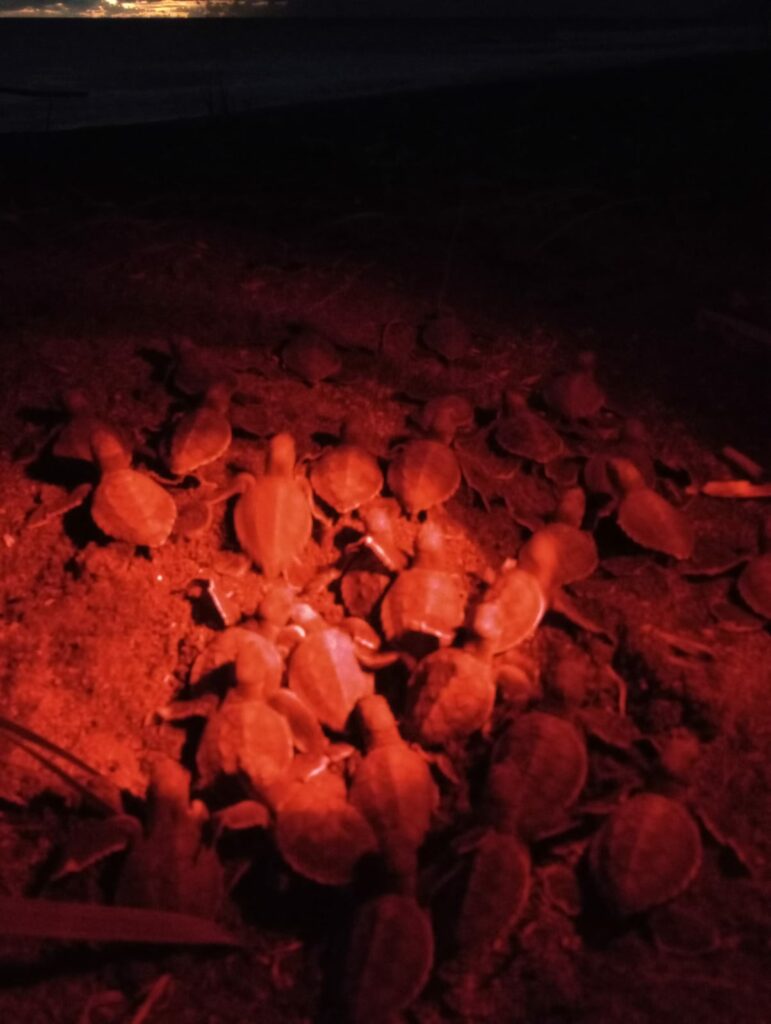 Bébés tortues la nuit
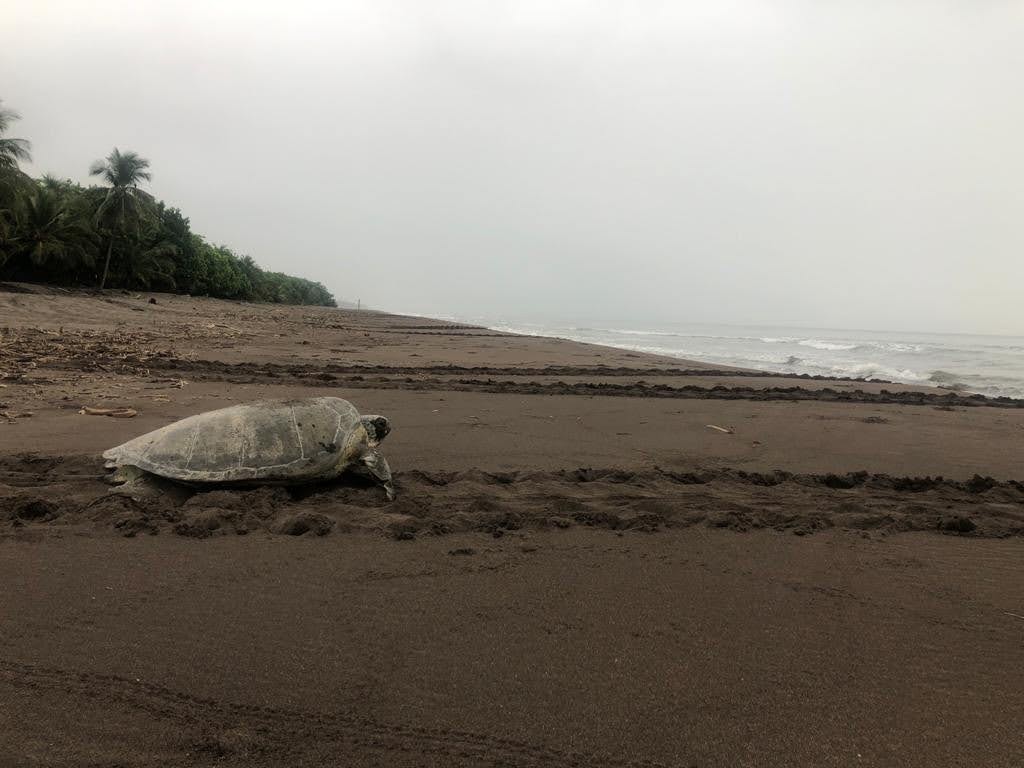
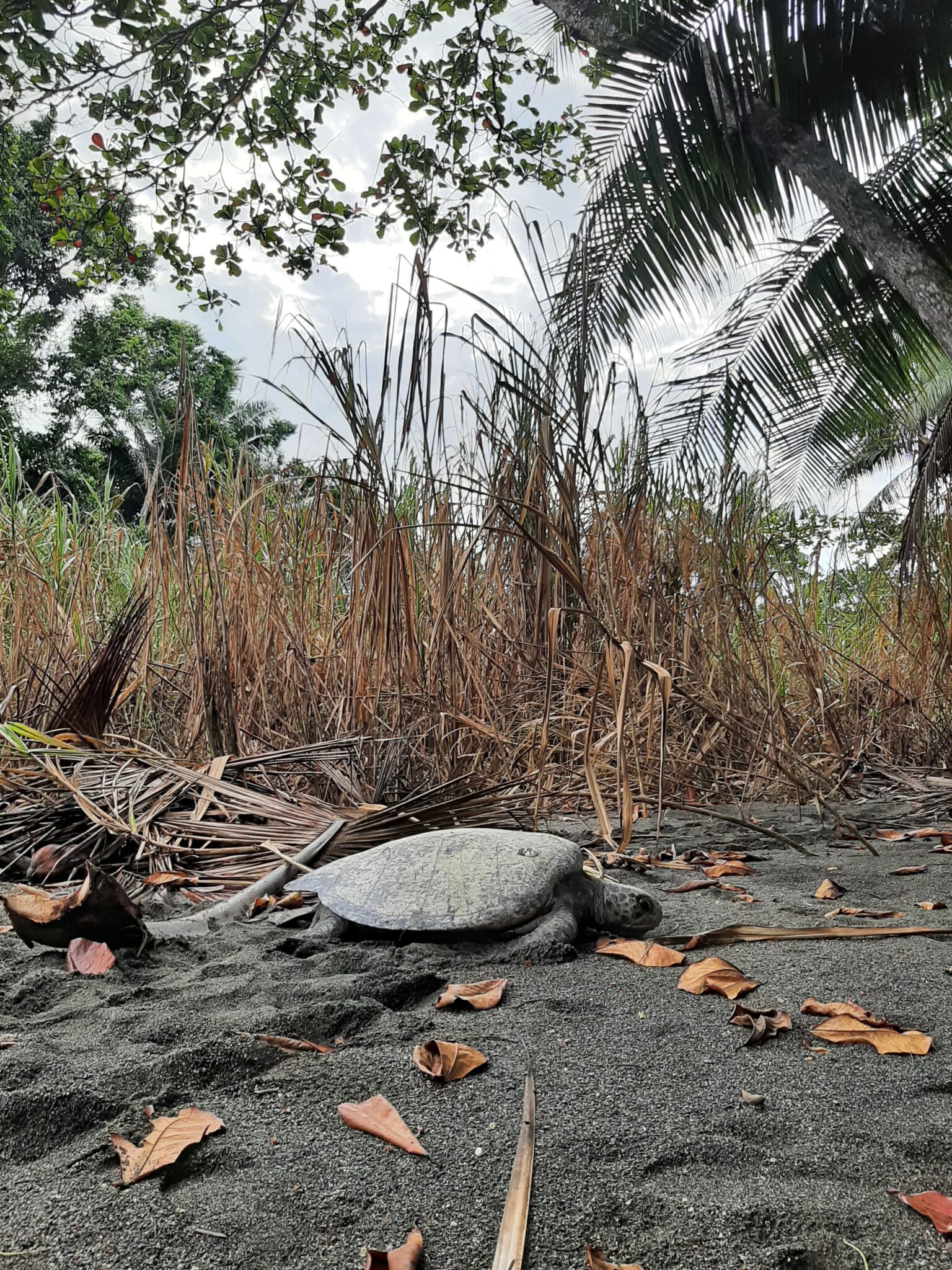
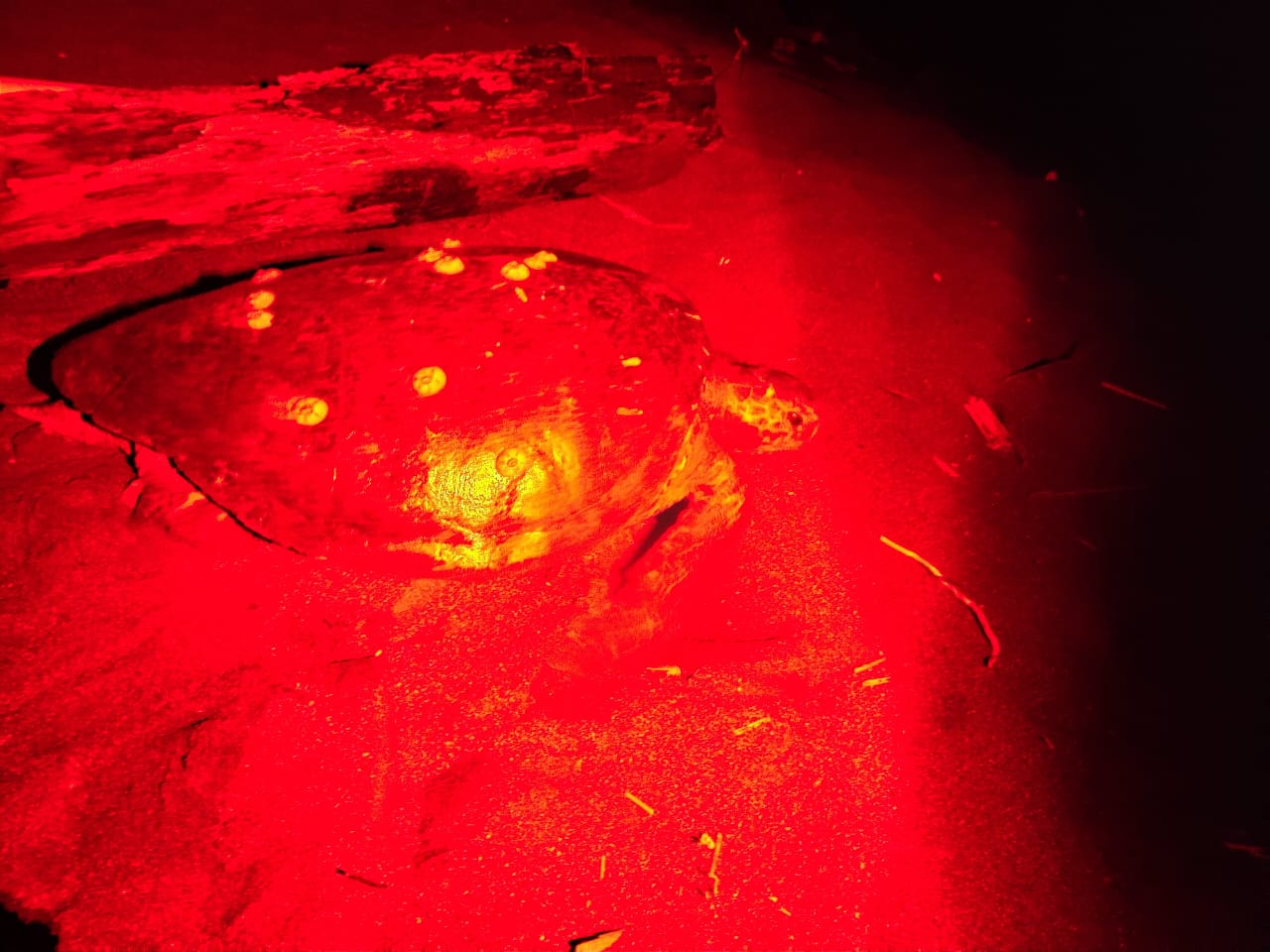
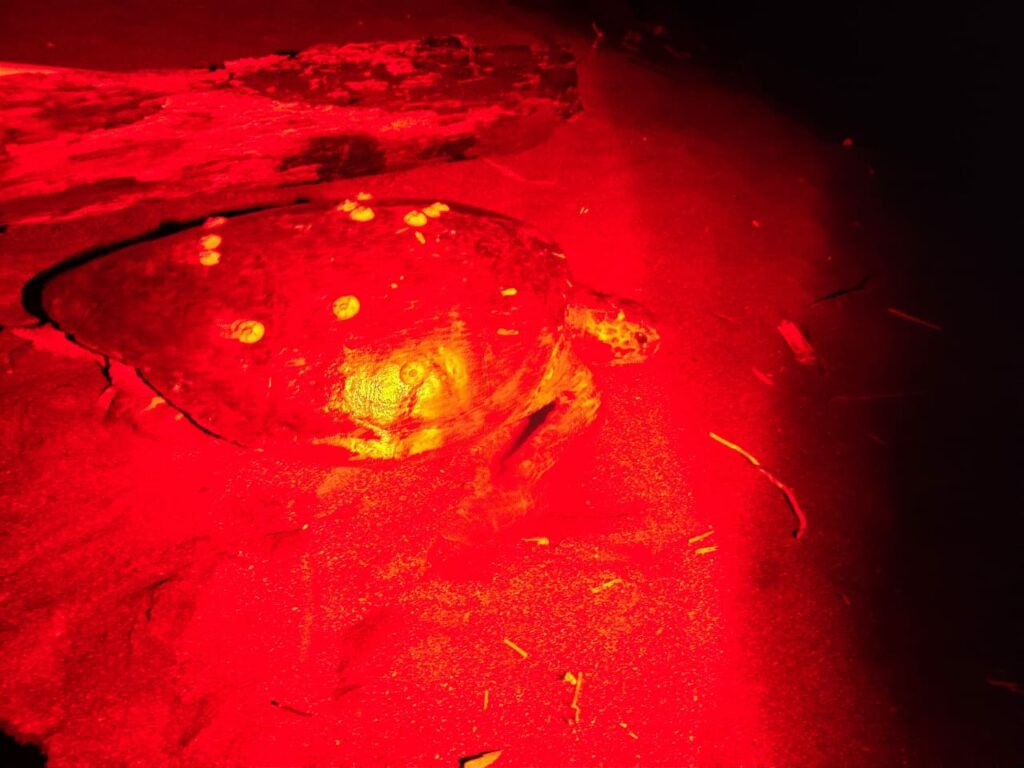 Ponte des tortues marines. Les observations se font toujours à la lumière rouge.
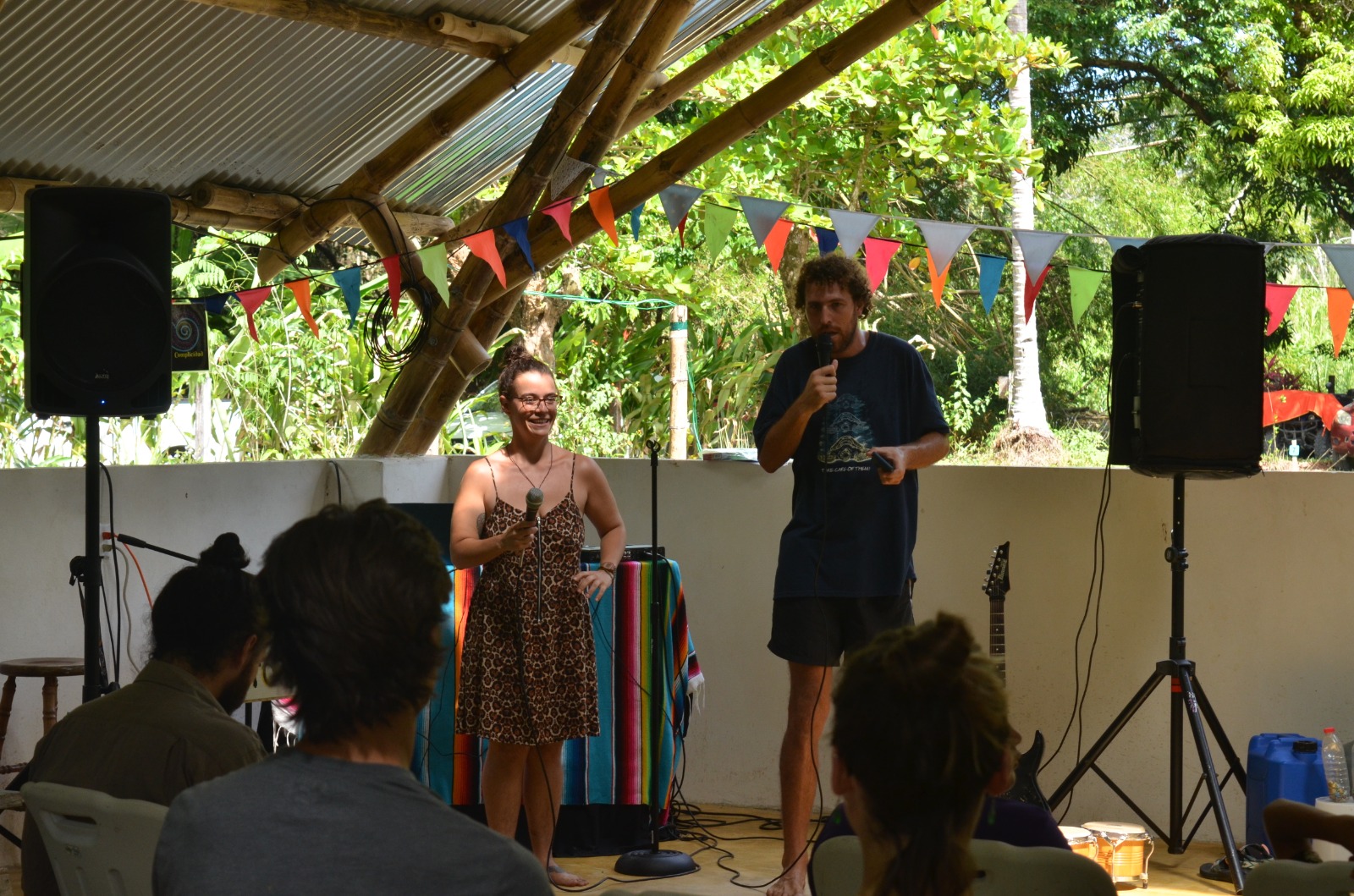
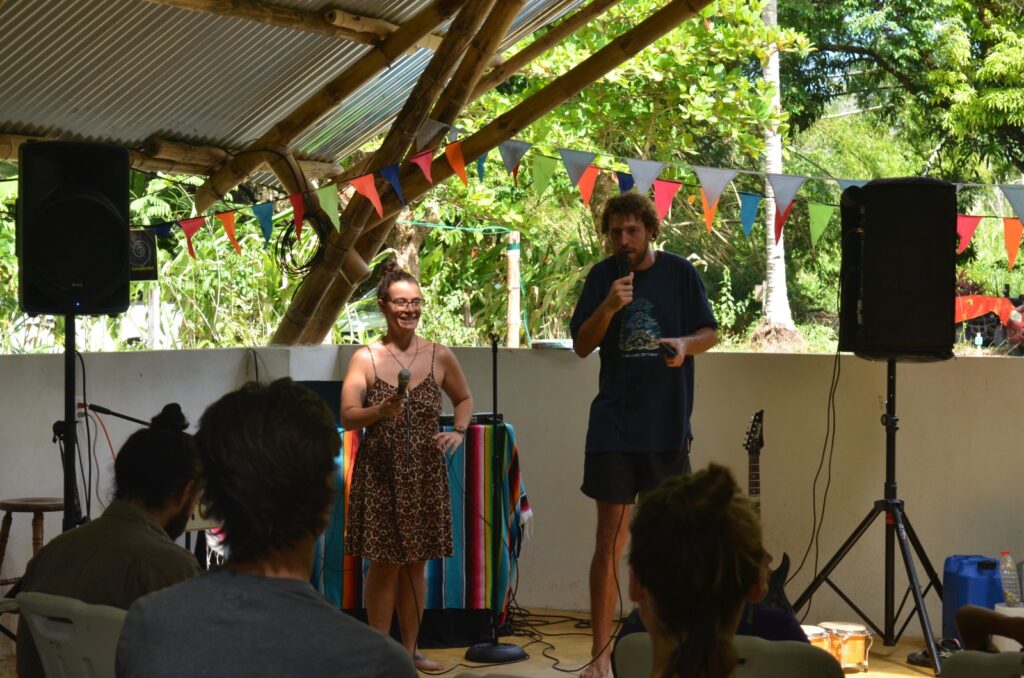 Le projet COPROT intègre les communautés locales.
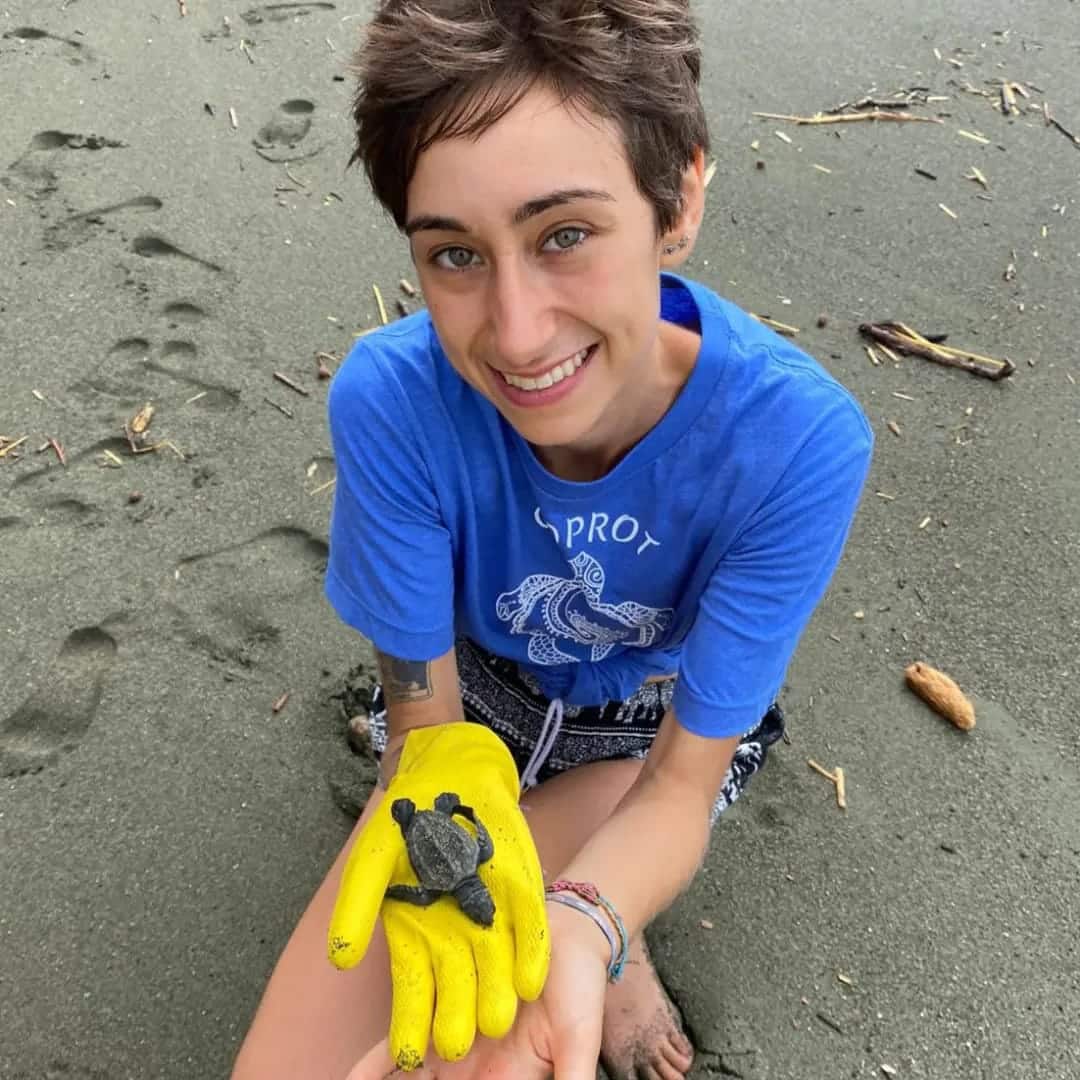
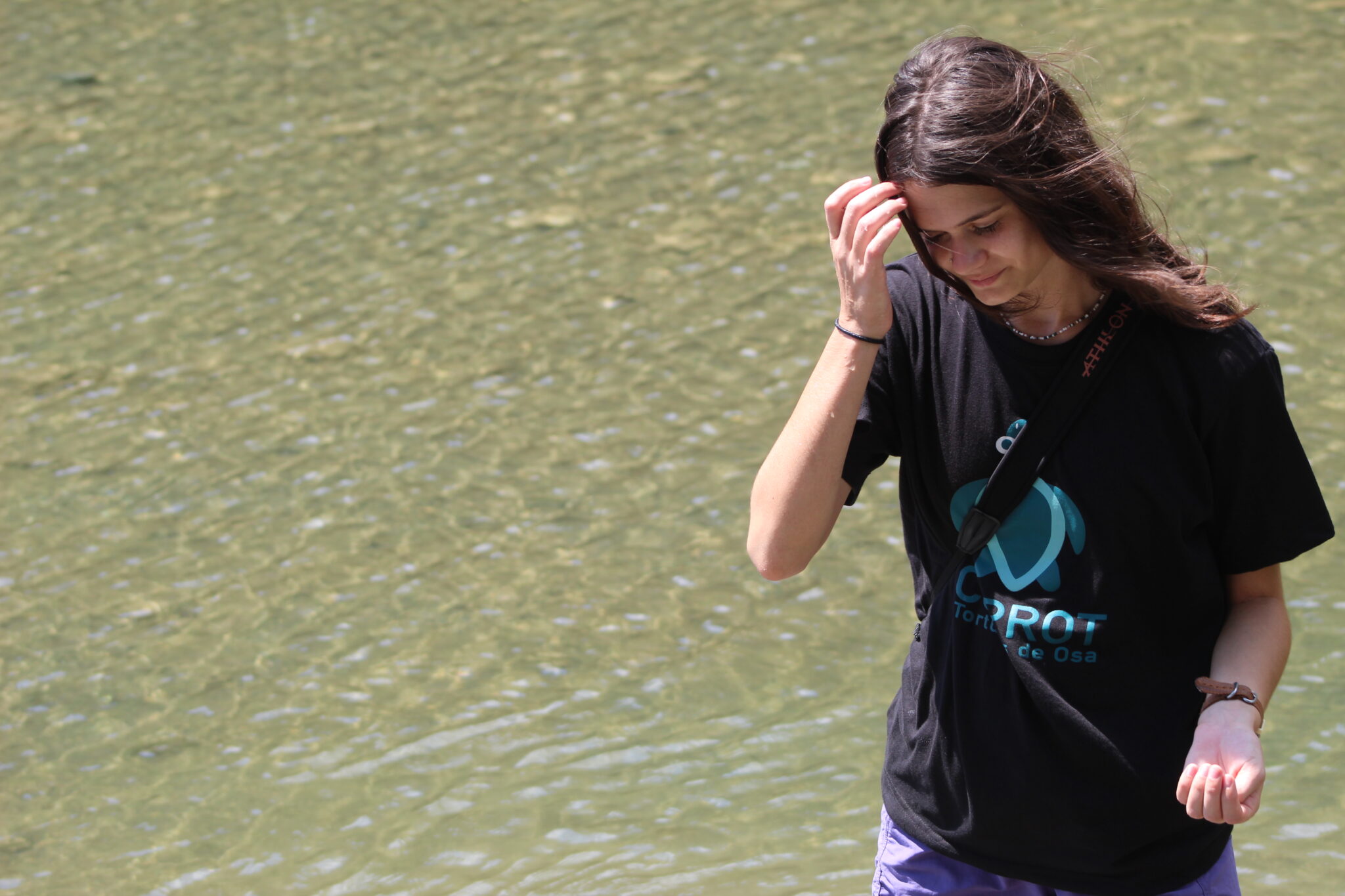
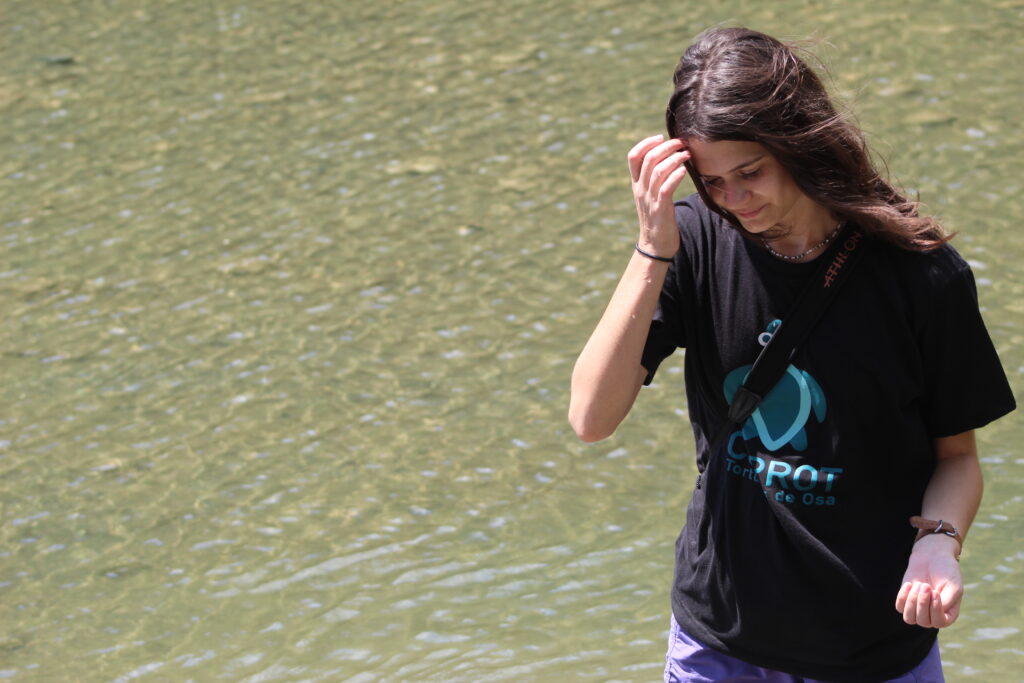 Volontaire sur l’une des plages étudiées
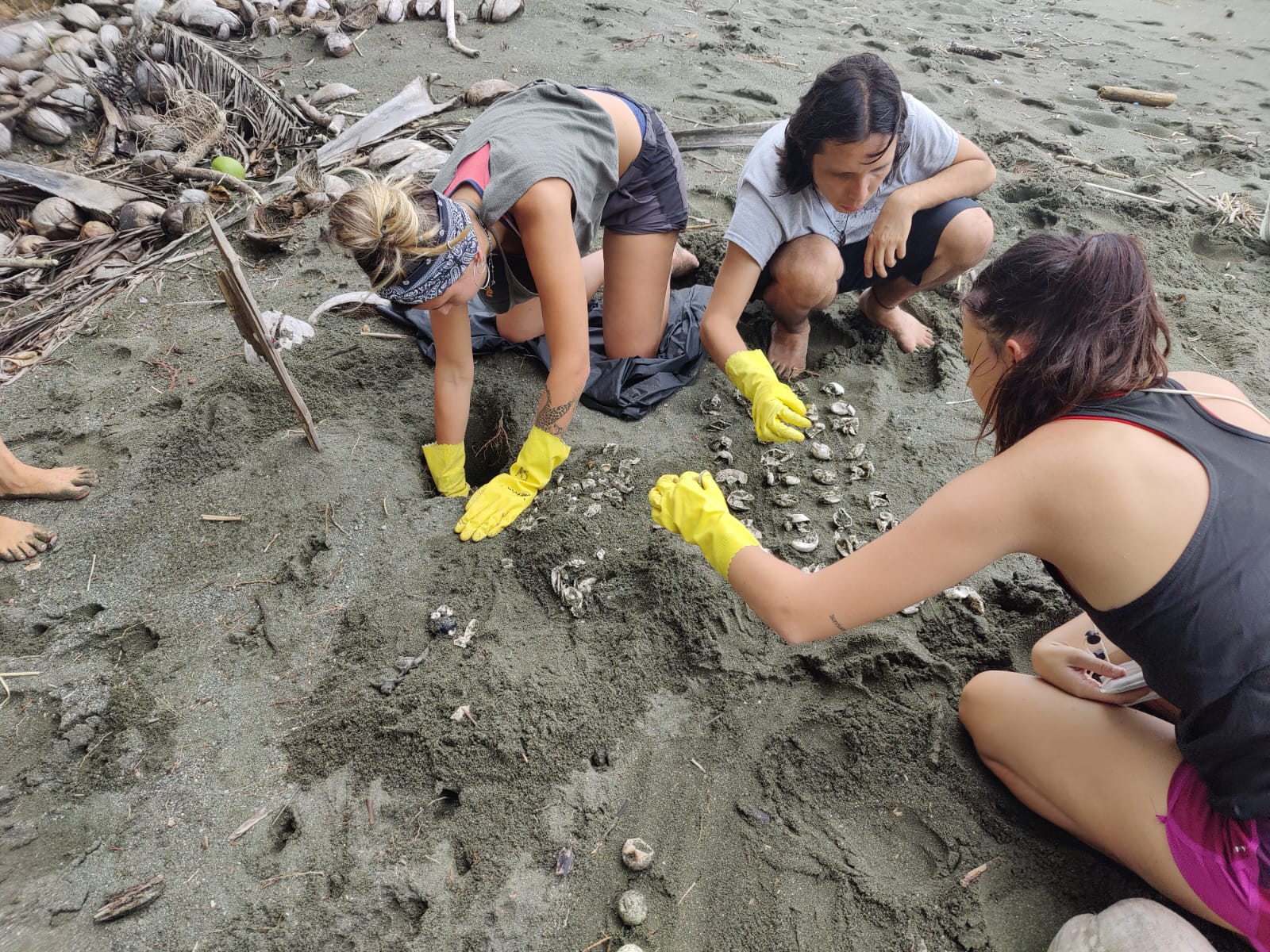
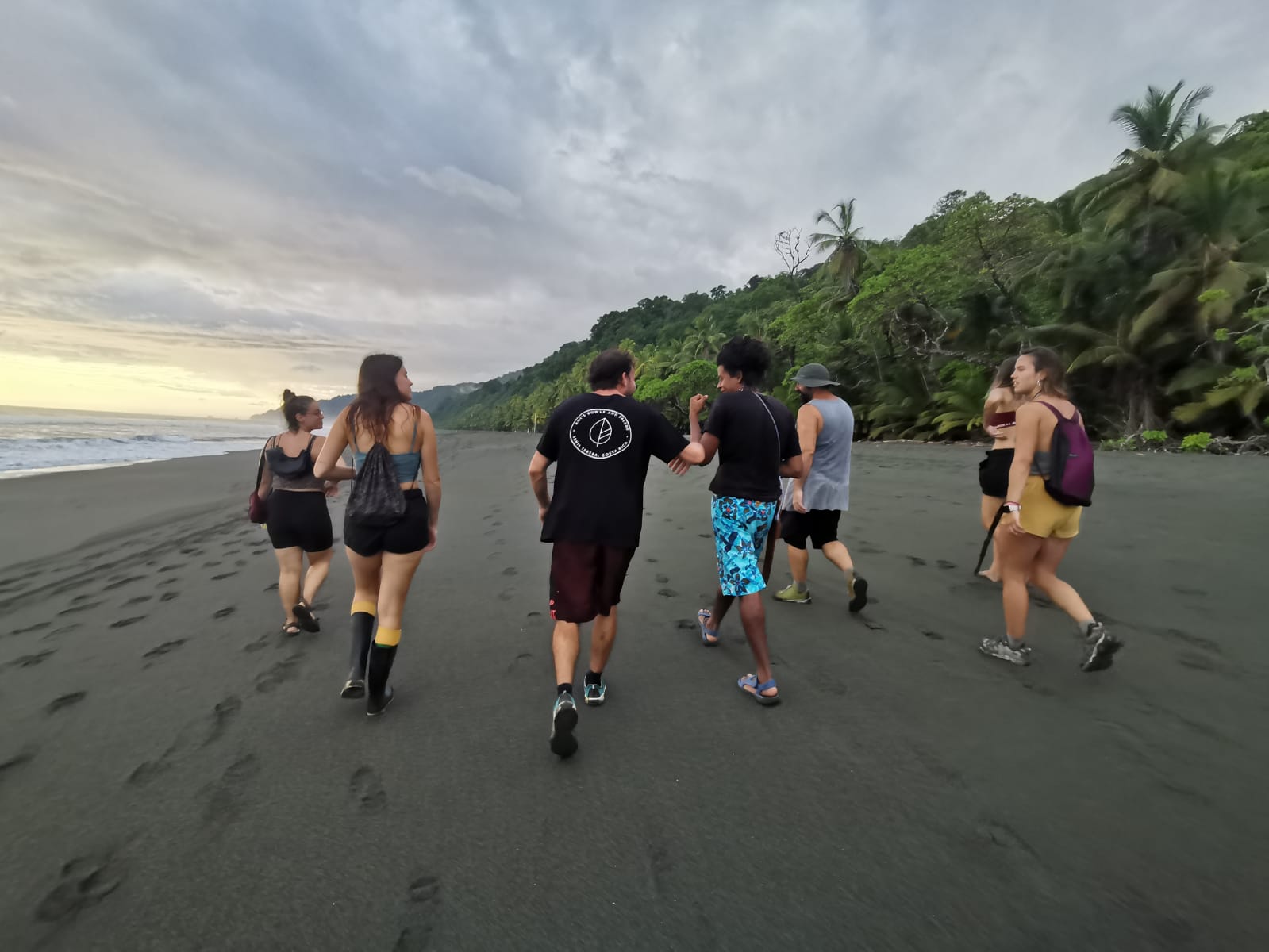
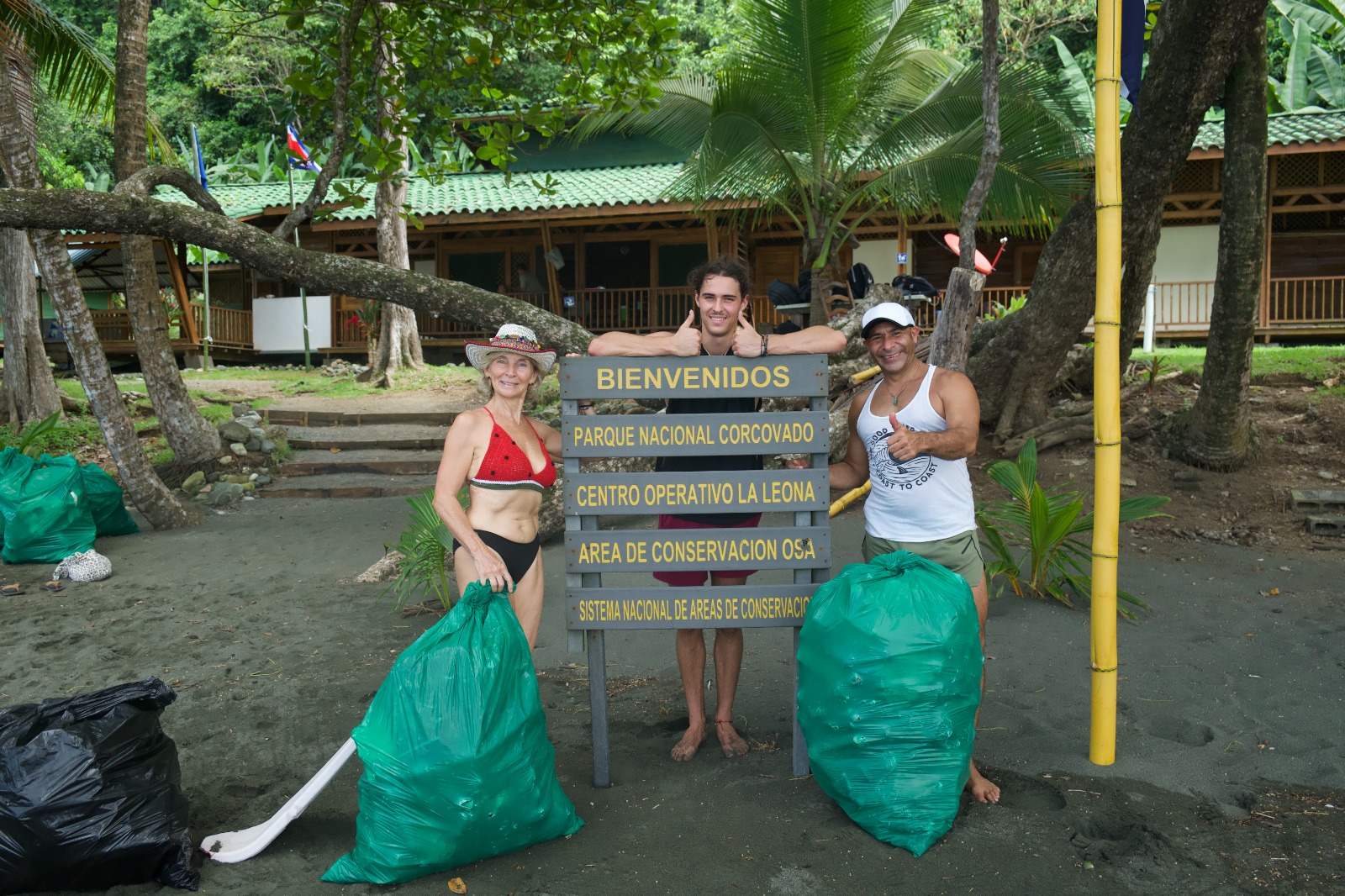
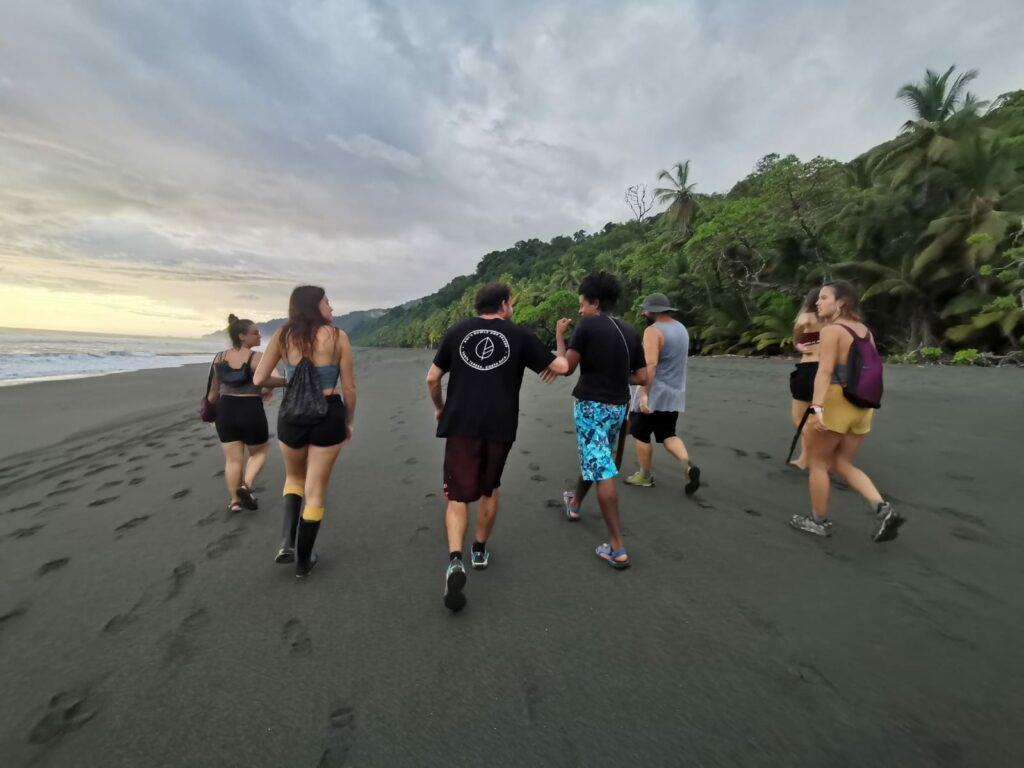 Les patrouilles sur les plages font partie de l’action des écovolontaires
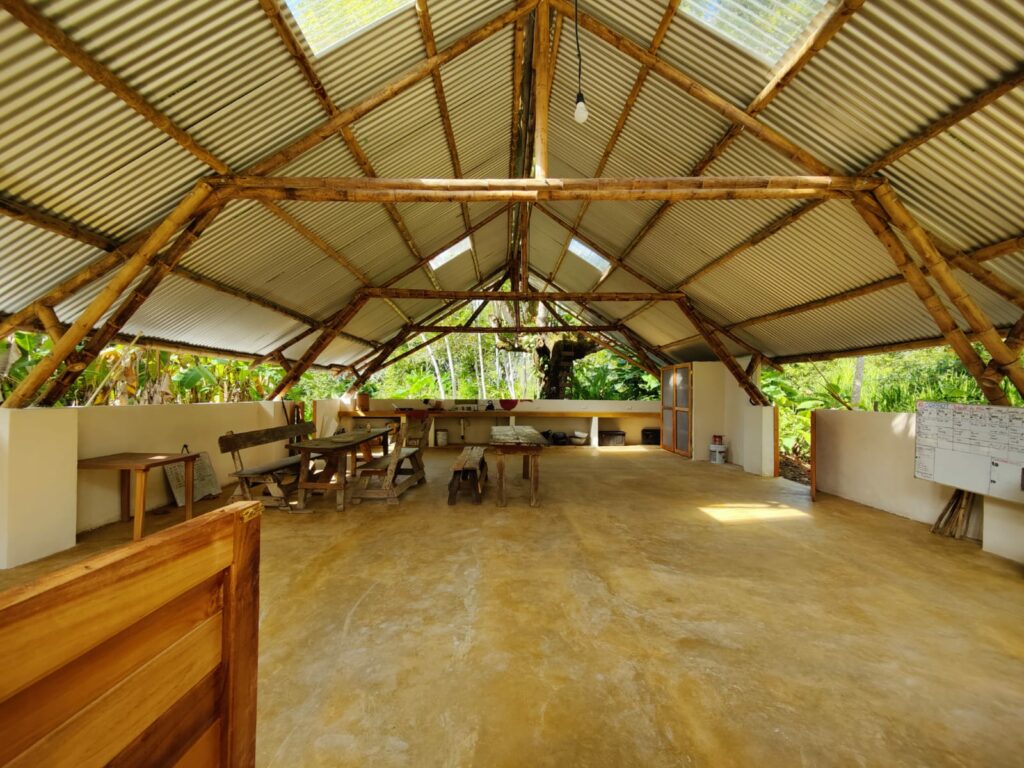 Les conditions de vie sont spartiates
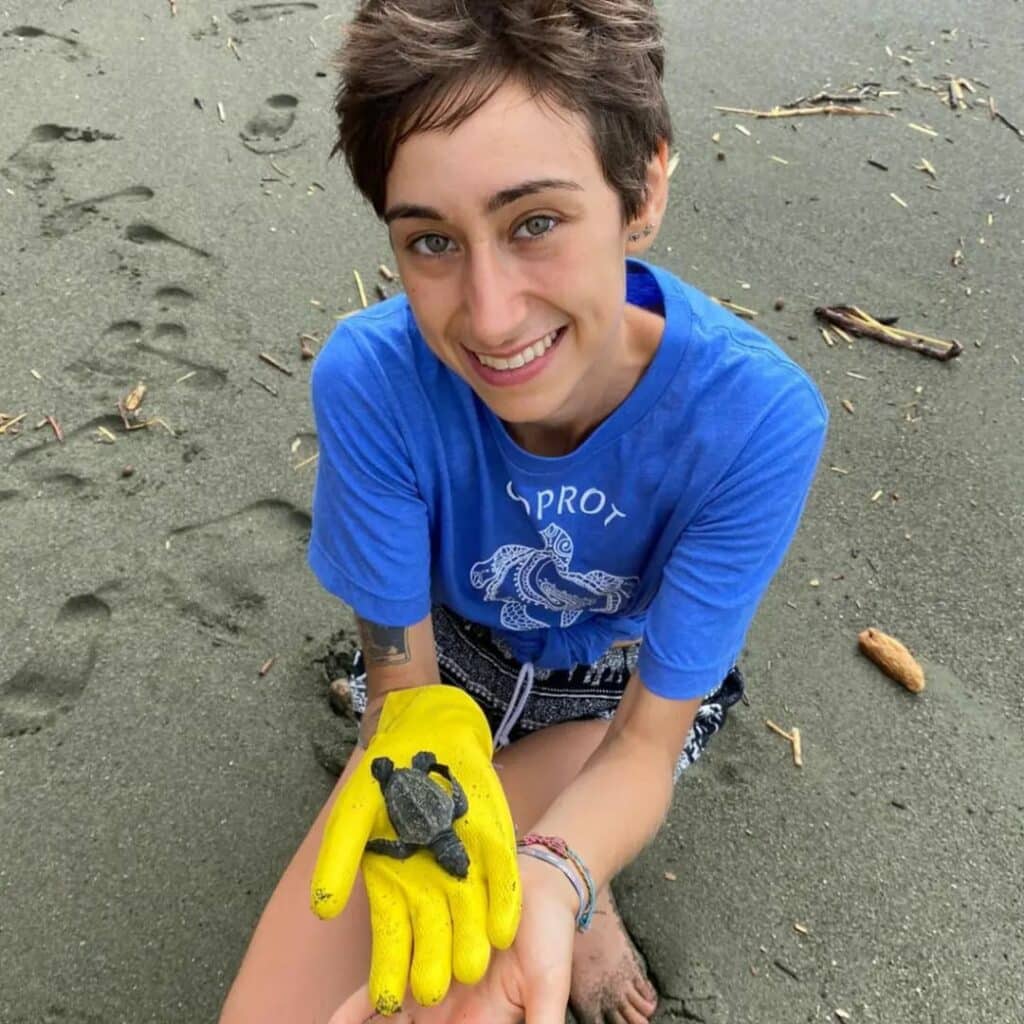
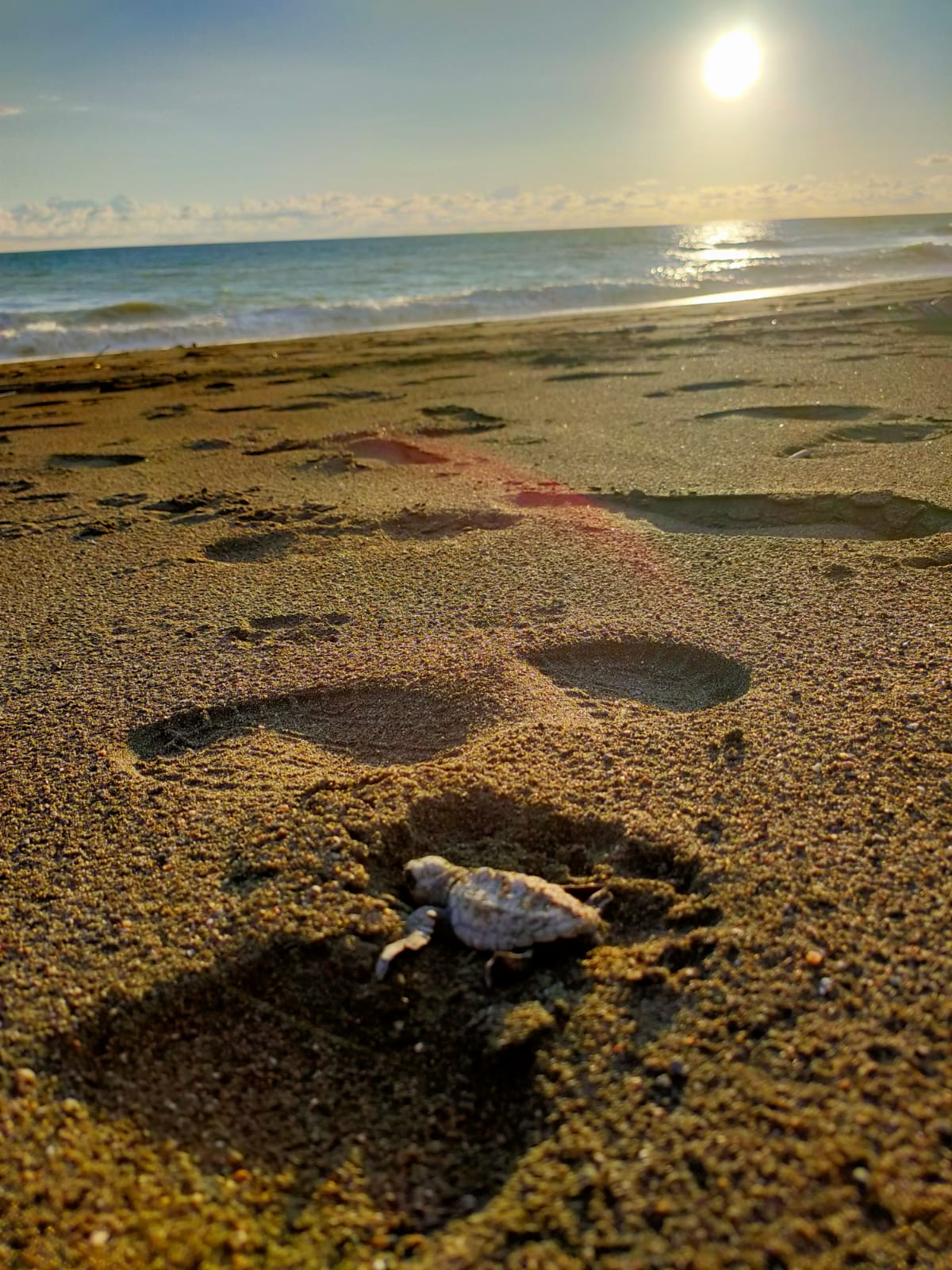
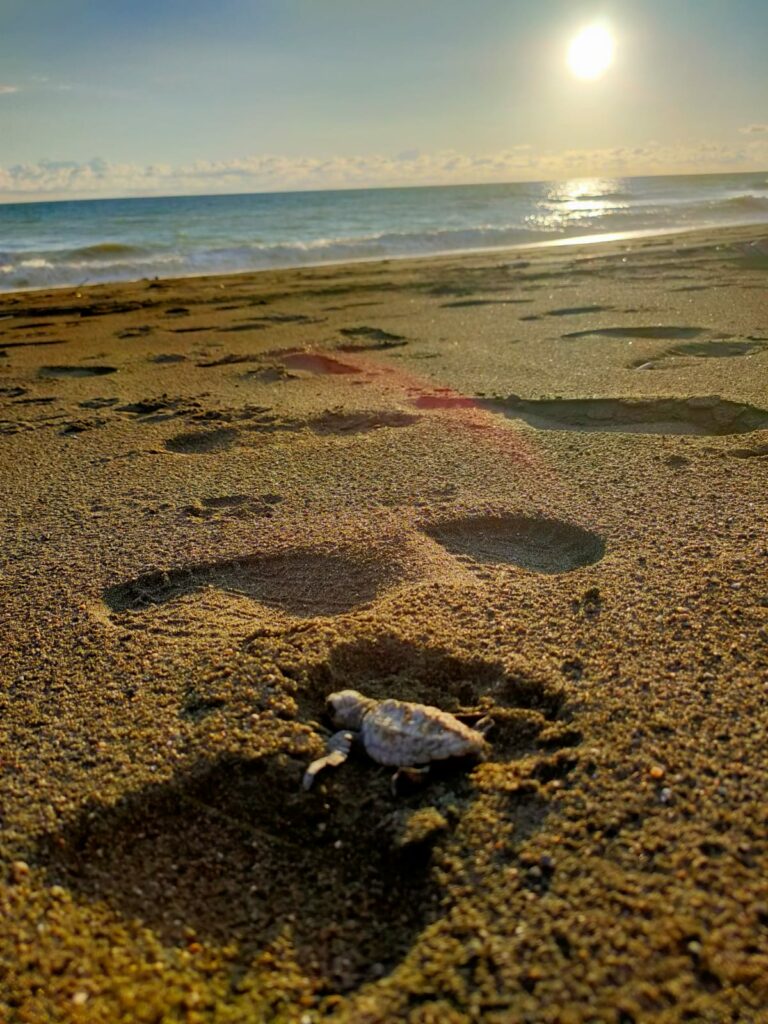 Voir un bébé tortue rejoint la mer, est toujours émouvant !
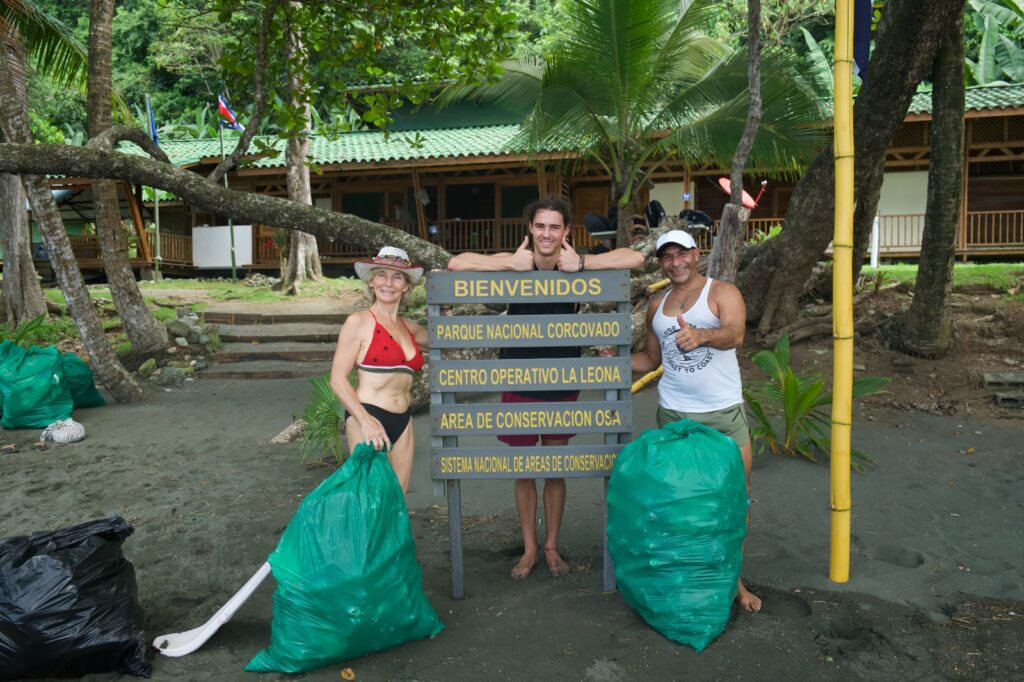 Vous participerez aux différents projets menées par l’organisation.
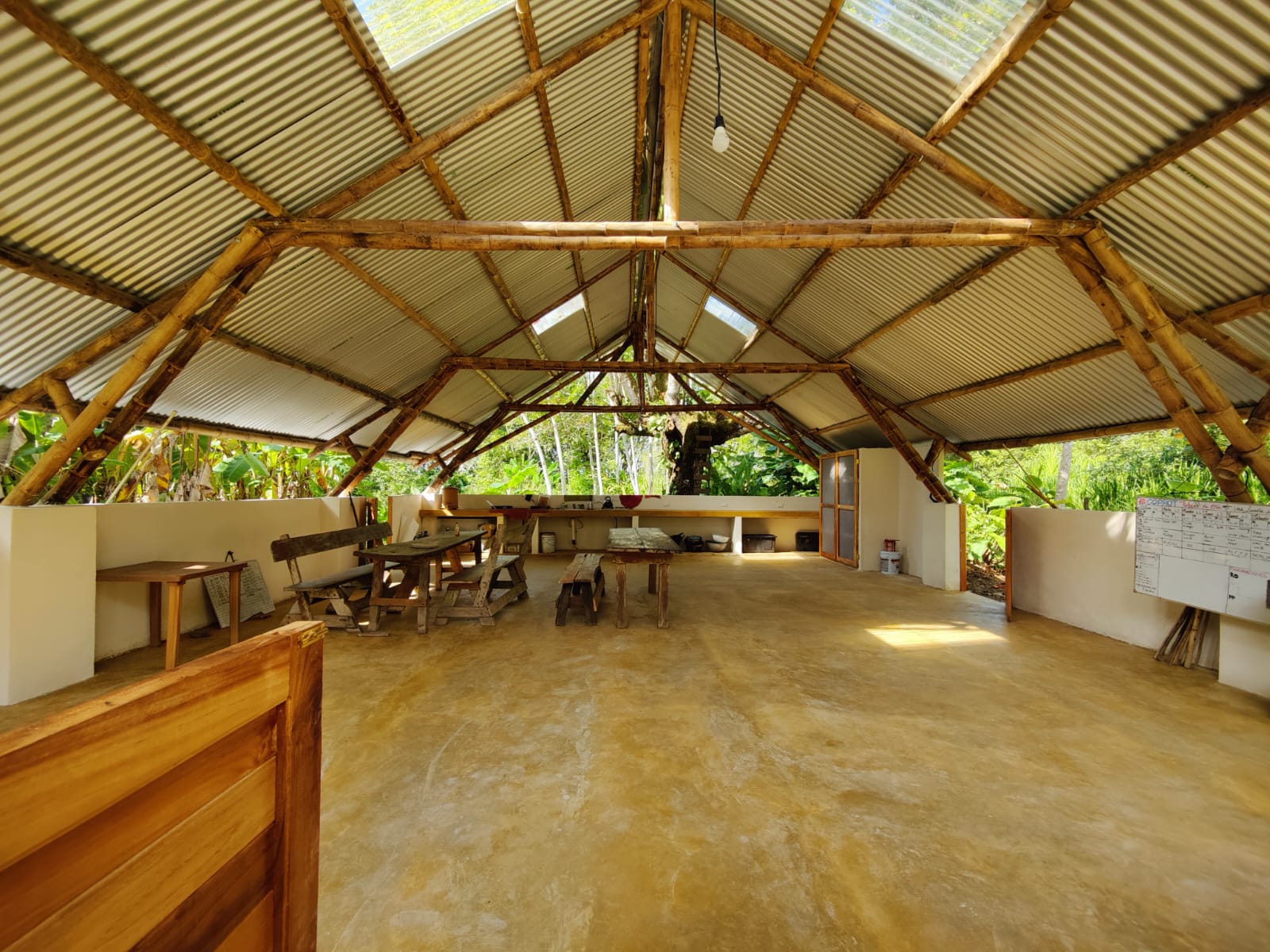
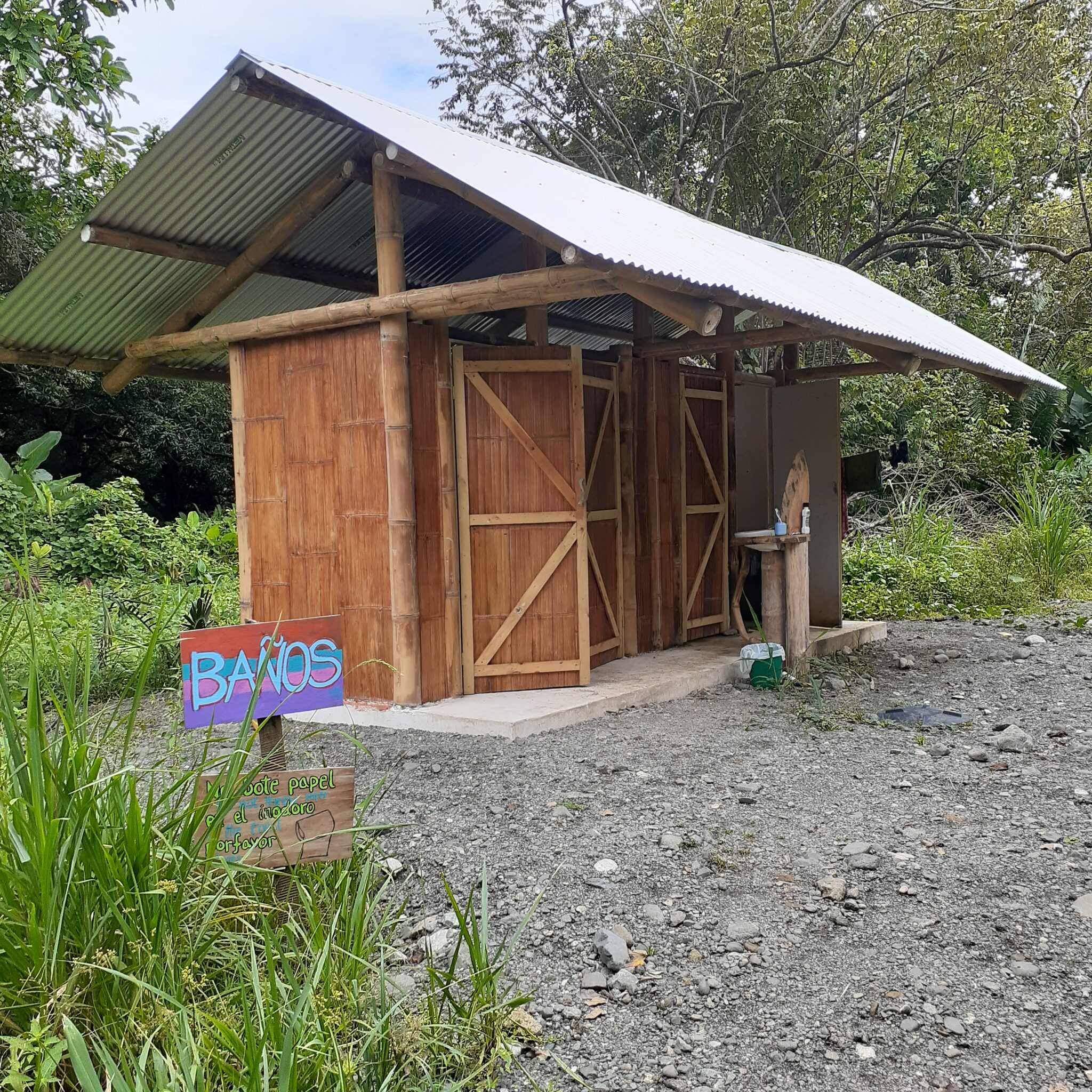
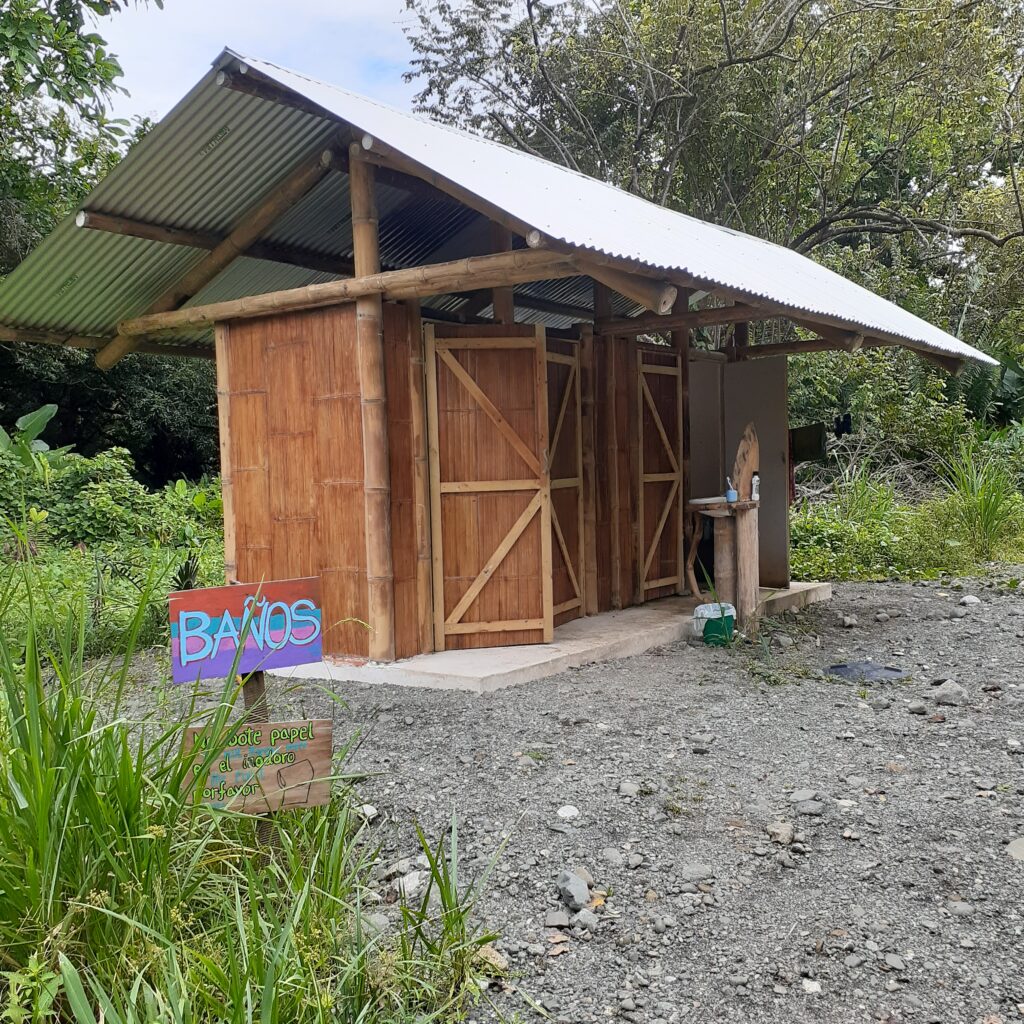 construction locales et écologiques
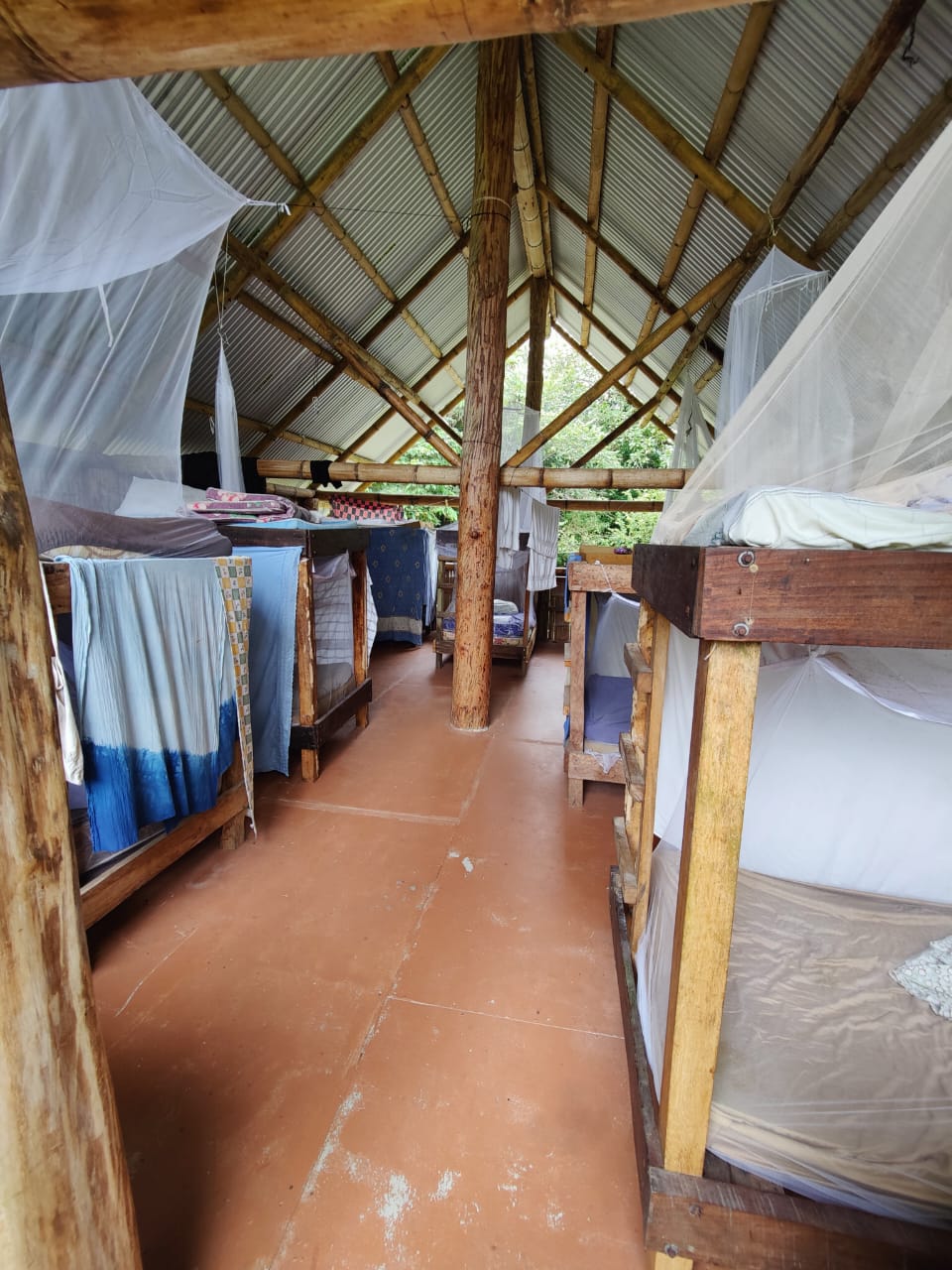
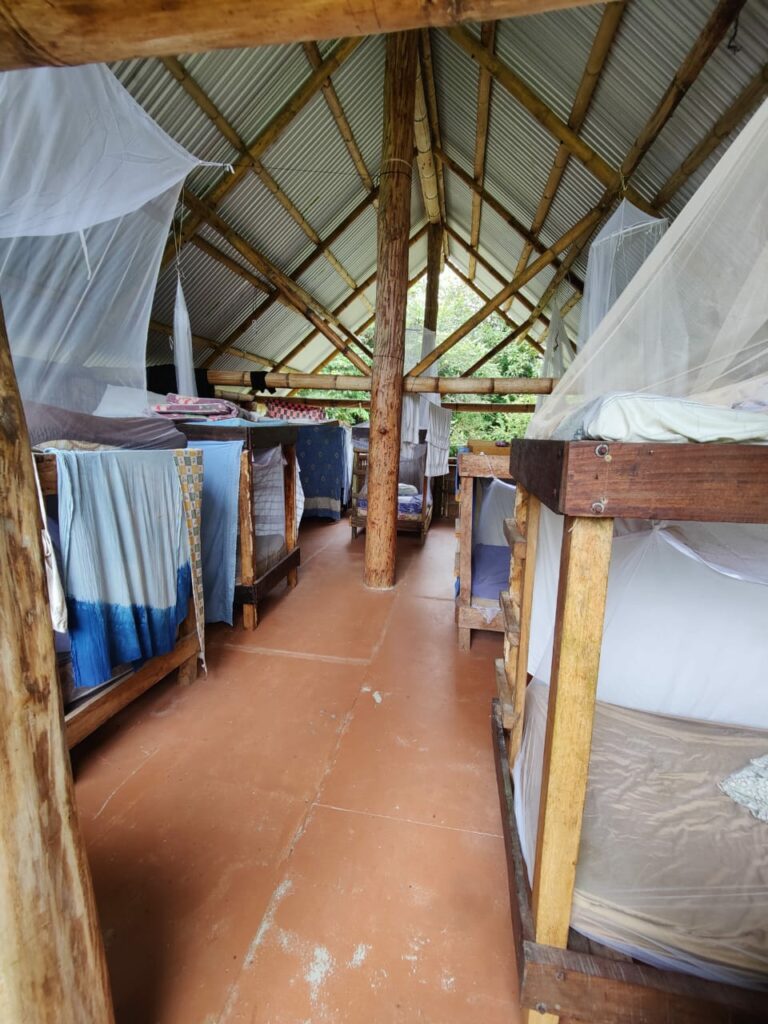 Le dortoir des écovolontaires
 #image_title


Study of turtles in Costa Rica, on the OSA Peninsula. Join a sea turtle research station in one of the most biodiverse places in the world. All turtle programs here
Study of sea turtles in Costa Rica, on the OSA Peninsulaica, sur la péninsule d’OSA
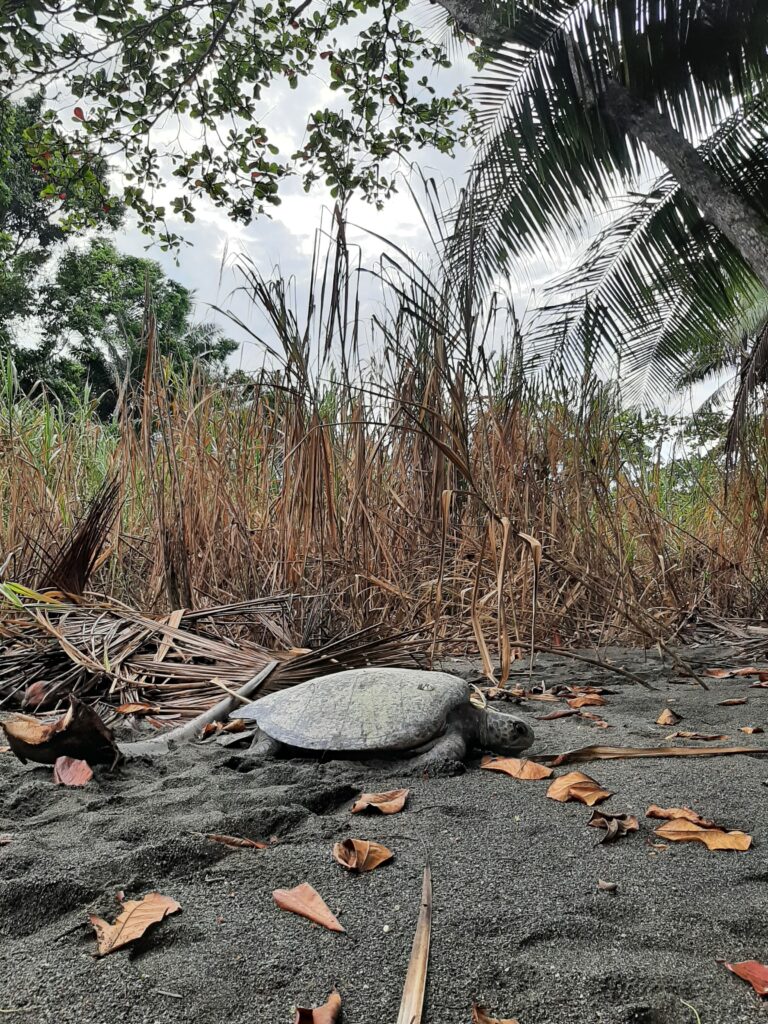
The partner organization was founded in 2018 in response to environmental and social issues in the rural town of Carate, located on the Osa Peninsula in Costa Rica. The beaches of Carate, Pejeperro and Rio Oro are those that welcome the most sea turtles for nesting on the Pacific coast of Costa Rica. Approximately 7,000 nests are laid each year by olive ridley turtles (classified as vulnerable by the IUCN) and Pacific green turtles (classified as endangered by the IUCN).
20% of sea turtle nests are destroyed
However, high levels of poaching and predation have been recorded on turtle nests in the area, causing the destruction of nearly 20% of nests. The Osa Peninsula is home to Corcovado National Park, which is known for harboring one of the richest biodiversities in the world. Also, the economic development of the village of Carate has relied, over the past 25 years, primarily on ecotourism. However, this economic activity has not led to an improvement in the quality of life of the local population, despite a few people having found jobs in eco-lodges. As a result, many residents have turned to illegal or environmentally harmful activities to make a living, such as gold extraction, turtle nest poaching and hunting.
Nearly 10 km of beach protected
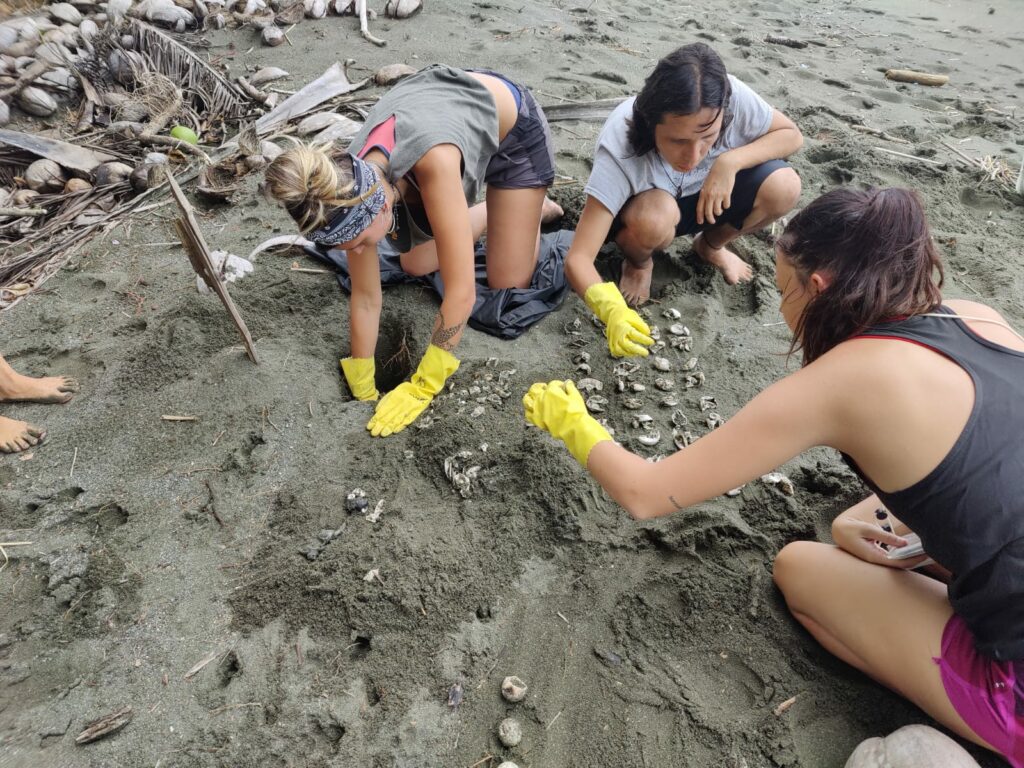
Faced with this situation, the COPROT association was created, with the aim of developing opportunities for the local population in conservation. Since 2018, the association and local communities have been working hand in hand and collecting data on sea turtles. In December 2022, the team expanded its research area by opening a second camp in Carate. Through its activities, the partner association has created paid jobs in conservation, but also in other projects such as construction, transportation, catering and permaculture. The problem of stray dogs destroying eggs has also been addressed and resolved through the construction of hatcheries. The association currently protects approximately 8 km of beach. The goal is to cover 15 km of beach, for which it needs eco-volunteers.es emplois rémunérés, dans la conservation, mais également dans d’autres projets comme la construction, le transport ou la restauration, la permaculture. Le problème des chiens errants qui détruisaient les oeufs a également été pris en compte et réglé par la construction d’écloseries.
L’association protège actuellement environ 8 km de plage. L’objectif est de couvrir 15 km de plage. Pour cela elle a besoin d’écovolontaires.
Act for turtles in one of the most biodiverse places on Earth
If you are looking for a project that allows you to discover one of the most biodiverse places on the planet, meet and protect sea turtles every day, and get involved in the local community, this is the project for you!
Daily beach patrols
As a volunteer, you will lend a hand to research assistants. You will take part in daily turtle monitoring patrols, either in the morning (3–5 hours) or at night (4–7 hours). During patrols, you will protect new nests, record data on nesting females, and release hatchlings! The beaches where you will work are home to nearly 7,000 sea turtle nests each year. Eco-volunteers also take part in all important tasks such as beach clean-ups, as well as community events, plastic recycling, gardening and base camp maintenance. At the Carate camp, where the hatchery is located, you will be able to participate in hatchery-related activities.
Other activities may be offered depending on skills and length of stay, such as:
- Project development
- Social media and website management
- Ecotourism development
- Fundraising / event support
Dates
- All year round except May and June
- Arrivals on Mondays
- The beaches of Carate and Pejeperro are fortunate to welcome turtles almost all year round. However, attendance depends on the species:
- July to December: Olive Ridley turtle
- October to March: Green turtle
- The most active months for nesting and hatching are September to January.
Prices
- $290 per week for 2 weeks. Approx. €269 (varies depending on exchange rate).
- $250 per week for 3, 4 and 5 weeks. Approx. €232 (varies depending on exchange rate).
- $200 per week for 6 or more weeks. Approx. €185 (varies depending on exchange rate).
Included in the price
- Food
- Accommodation
- Supervision
Not included in the price
- Flights
- Travel insurance
- Personal expenses
- From 18 years old
- From 2 to 12 weeks
- Language: English (intermediate level) and/or Spanish (intermediate level)
- Being in good physical shape: sea turtle monitoring can be quite physically demanding (a lot of walking on soft sand). In order to collect the best possible data, the team works mainly early in the morning and late in the evening. It is an opportunity to admire the night sky and witness sunrises.
- The partner organization expects volunteers to support the activities taking place on the beach as well as other environmental tasks. This is not a holiday destination, but a conservation station!
- Being able to live in an isolated environment, far from city amenities.
- Tolerating a hot and humid climate.
- Having an interest in the protection of endangered species.
- Giving the best of yourself!
Accommodation
Both camps, Rio Oro and Carate, are very basic, but have the privilege of being in the heart of nature. You will sleep in open-air dormitories. However, the beds are equipped with mosquito nets. Both camps have bathrooms with toilets and showers as well as shared kitchens. All buildings are constructed primarily with sustainable and/or recycled materials in order to have the least possible impact on the environment. Both camps have simple solar systems to provide a small amount of energy for lighting and charging electronic devices.
Waste management
The team’s goal is to create a “zero waste” camp. Therefore everything must be reused, recycled or sent back to Puerto Jiménez. You are invited to reduce plastic use and to bring biodegradable soaps and shampoos if possible.
Food
The food is vegetarian. Meals are based on rice and legumes, fruit and eggs. Weekly cleaning of the facilities is done as a team.
Arrival
You must make your own way to the camp. The team will provide you with all the information needed. Costa Rica is a tourist-friendly country where getting around is relatively easy.
Step 1: Travel to Puerto Jiménez from San José (where international flights land). The journey from San José to Puerto Jiménez can be made by plane or by bus.
Step 2: Travel to the project. There is a colectivo (white Toyota 4×4) that runs between Puerto Jiménez and Carate and passes by the camp. It runs on Mondays, Wednesdays and Fridays at 6:00 AM and 1:30 PM. Volunteers are advised to arrive in Puerto Jiménez on Sunday in order to take the 1:30 PM bus. In order to arrive at the camp on Monday afternoon, you will need to stay in Puerto Jiménez on Sunday evening. The team recommends staying at the La Palapa Hut Nature Hostel.
During your free time, you will have the opportunity to explore the OSA Peninsula. Some activities can be organized (not included in the price). Please note, however, that the agencies that organize these outings are closed during the low season (October, November, December). Furthermore, rest days are days when there is not always a colectivo available and, generally, it is necessary to form a group to organize these outings.
- Visit to Corcovado National Park
- Surfing at Matapalo
- Horse riding
- Chocolate tour
- Whale and dolphin watching excursion
- Waterfall hiking
- Guided gold mine tour
There are many free activities: night walks, jungle walks, beach clean-ups, games and movie nights, pizza evenings, etc.
About the partner organization
Our partner is a sea turtle conservation and research association on the OSA Peninsula in Costa Rica, founded in 2018. Its work takes place on the most important nesting beaches of the South Pacific. More than 7,000 nests per season for the Olive Ridley and Pacific Green species have been recorded across 8 km of undeveloped beach. The association works closely with the local community and implements a number of social and environmental projects (beach clean-ups, plastic recycling, environmental education, etc.). It calls on eco-volunteers to support the project.
