 Français
 English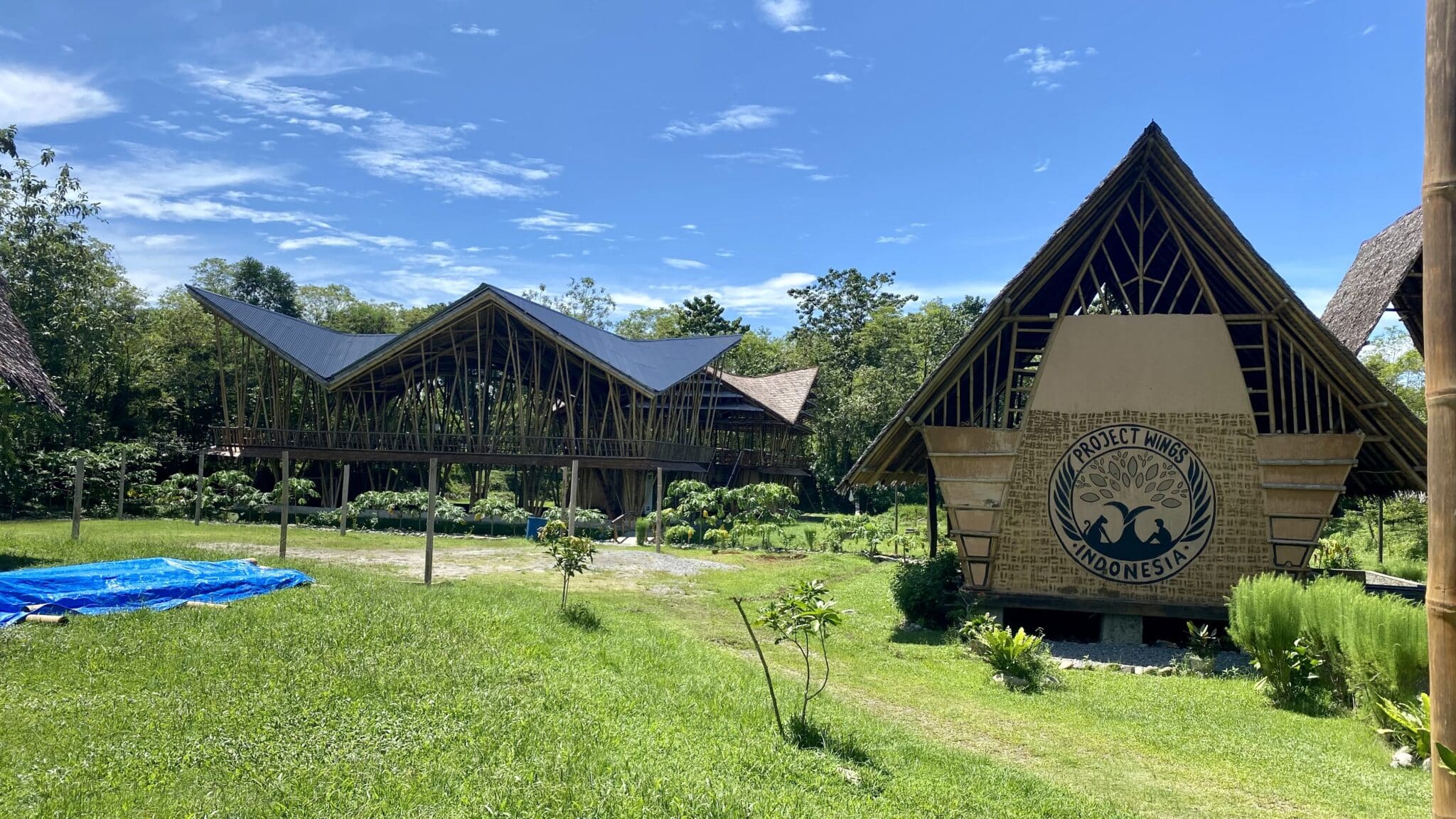
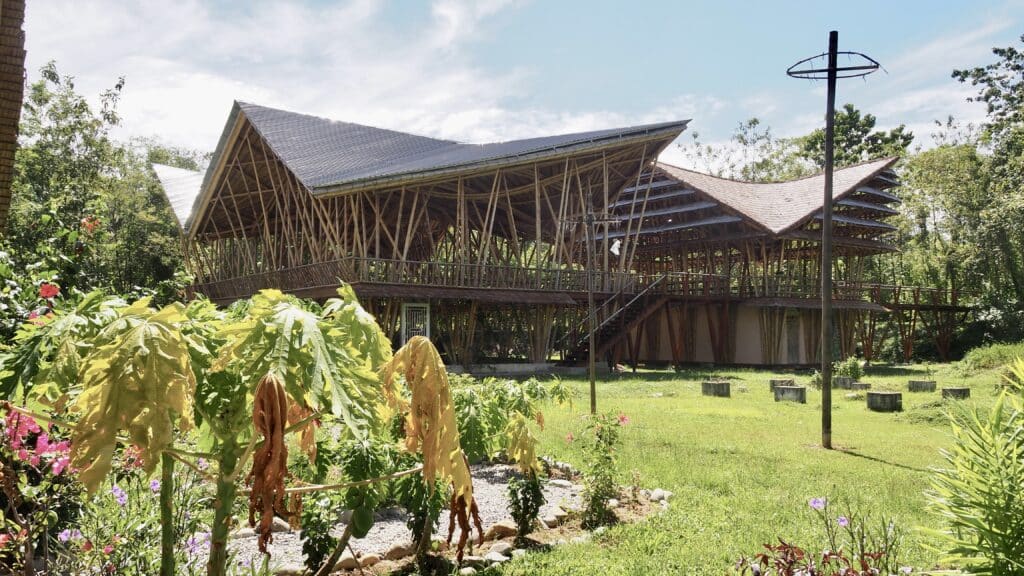 Recycling village
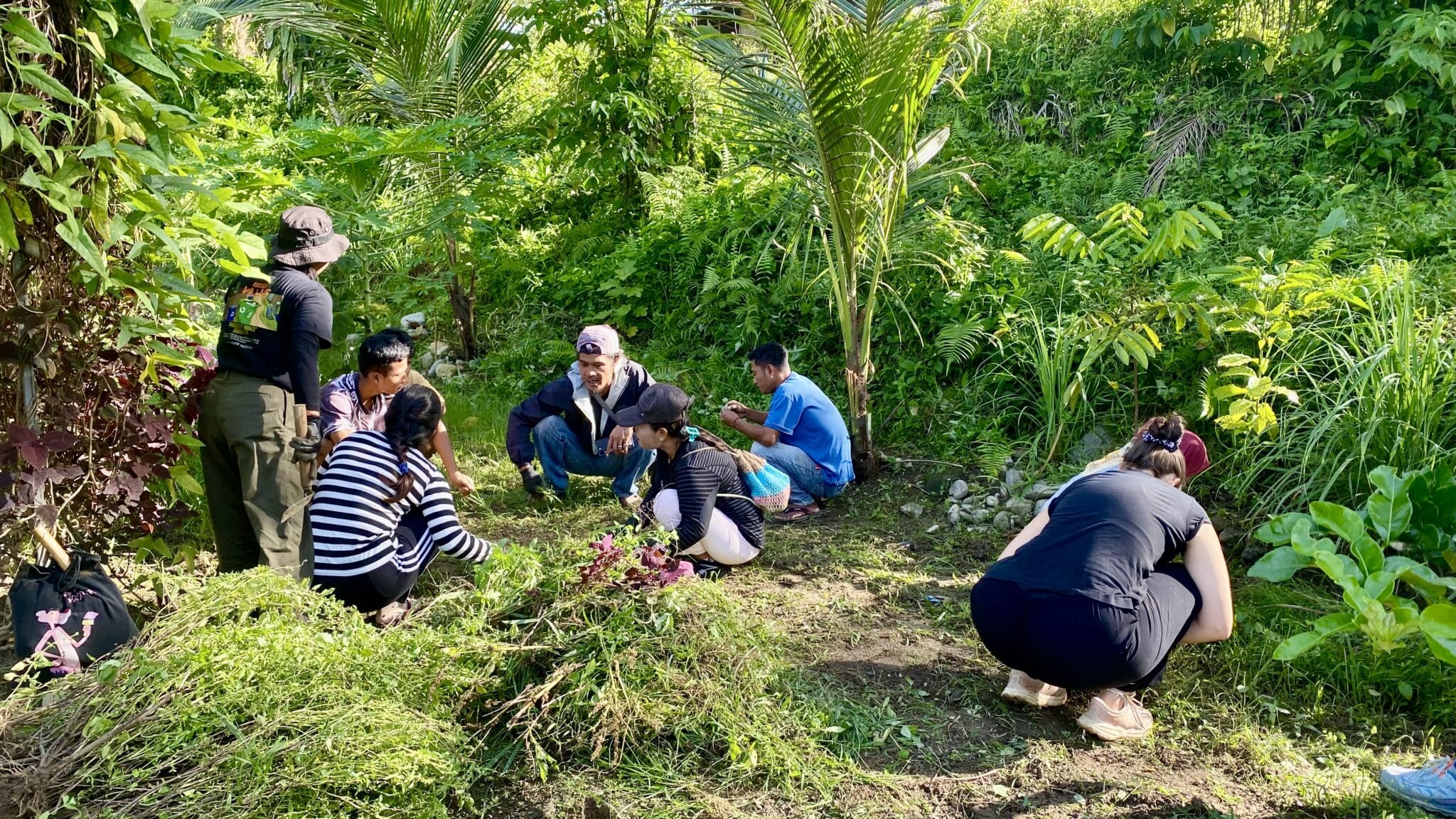
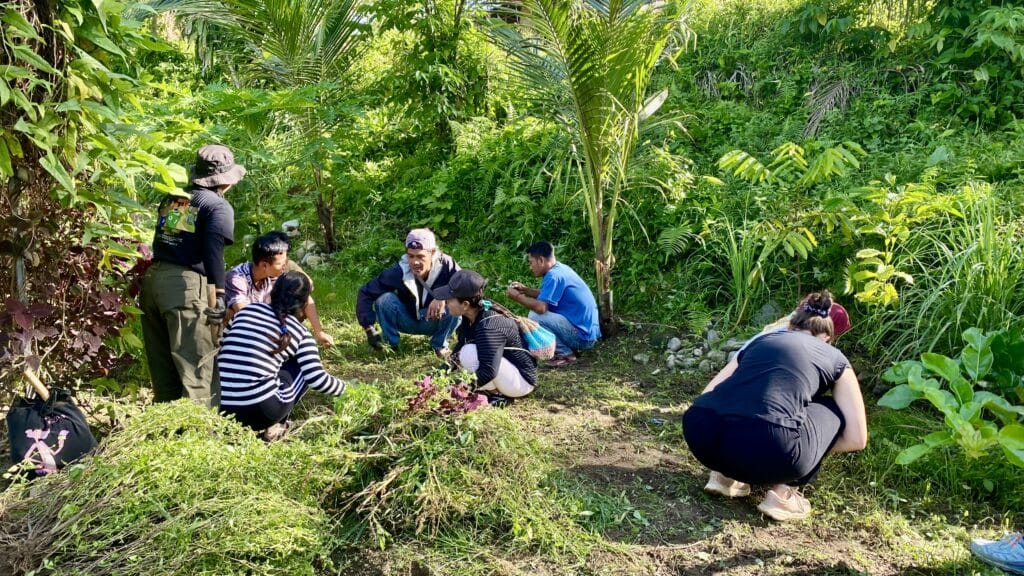 The Recycling Village’s organic farm
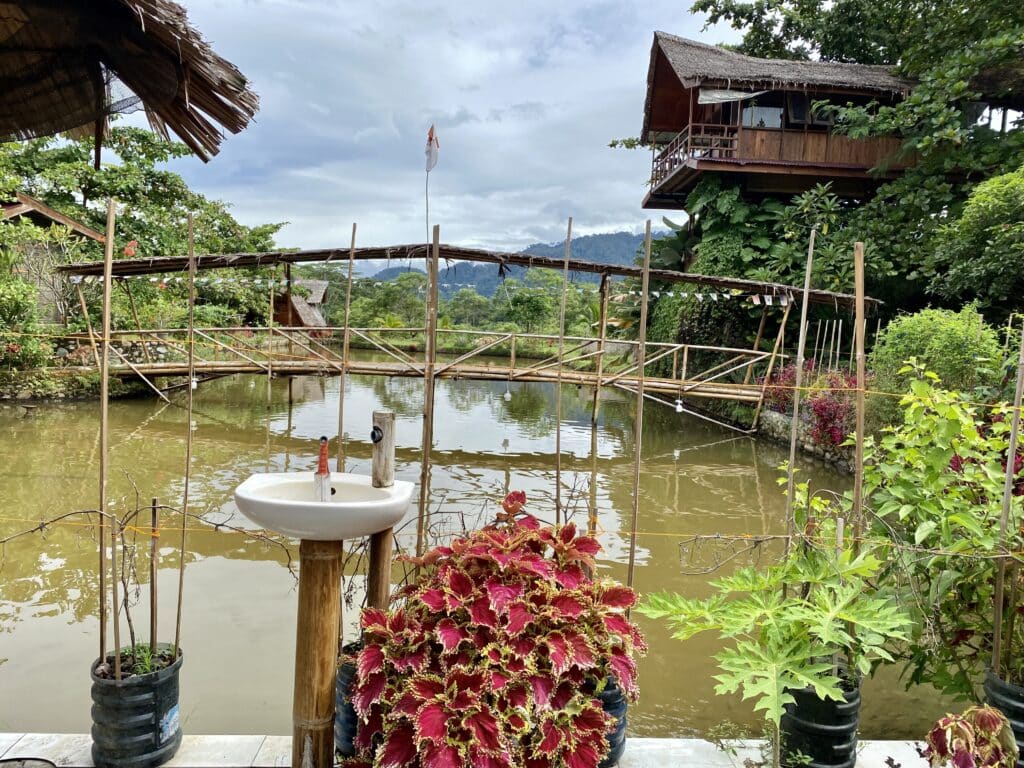 The Projects Wings Eco-Volunteer Village
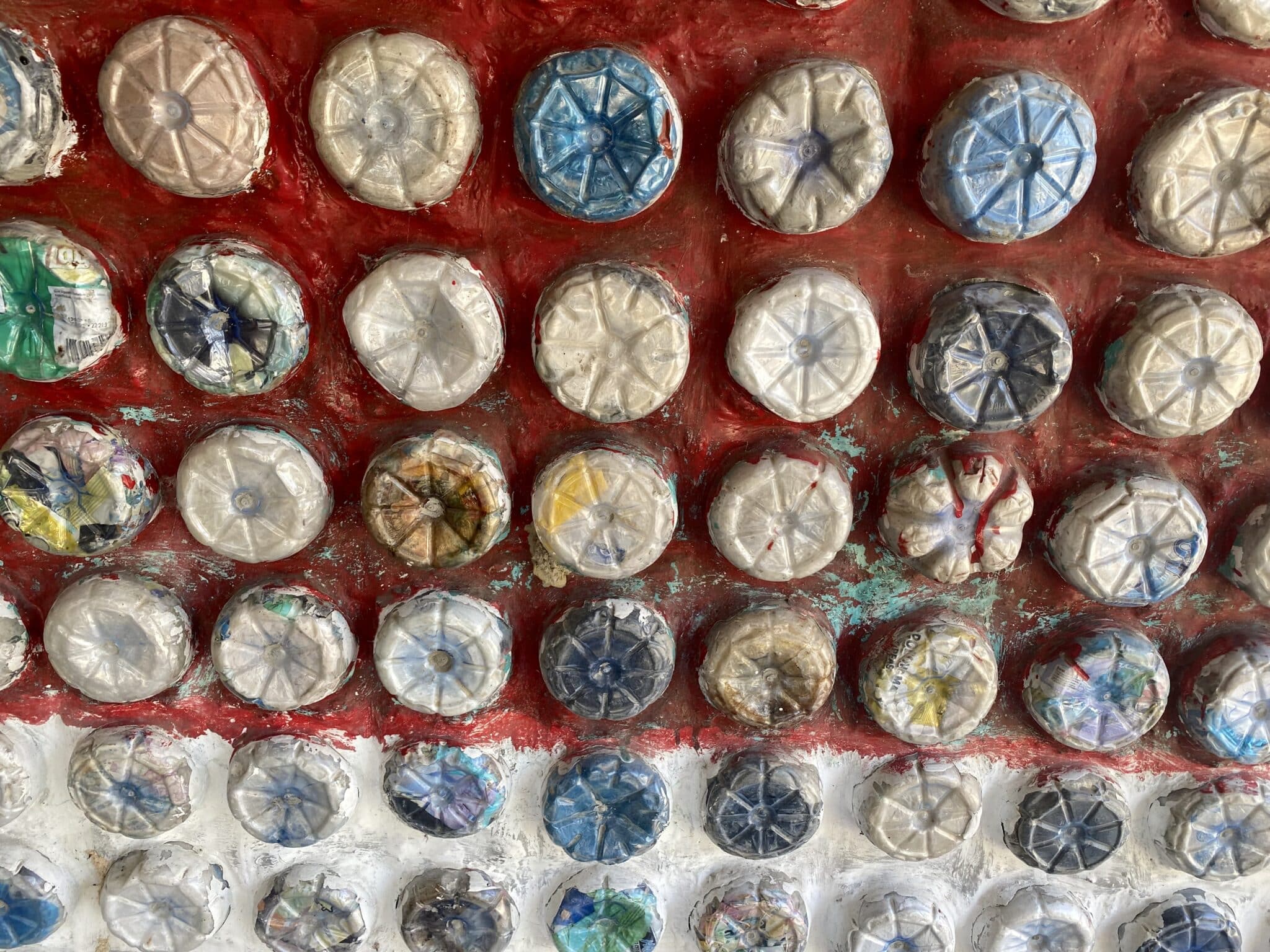
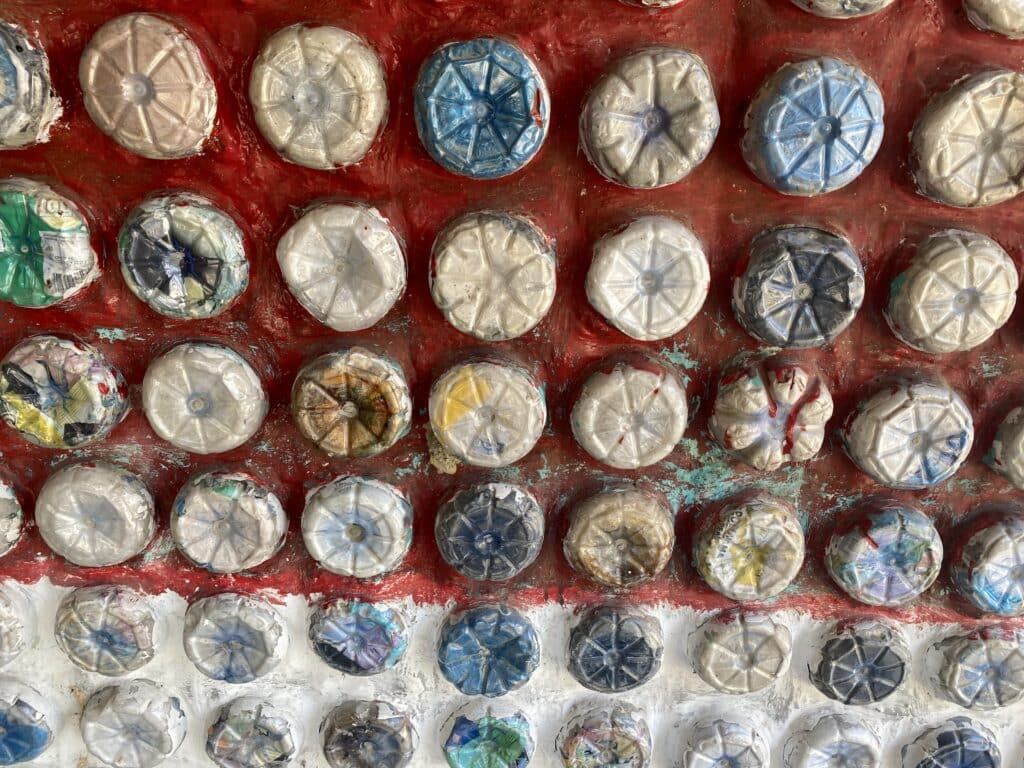 Ecobricks are made from plastic waste
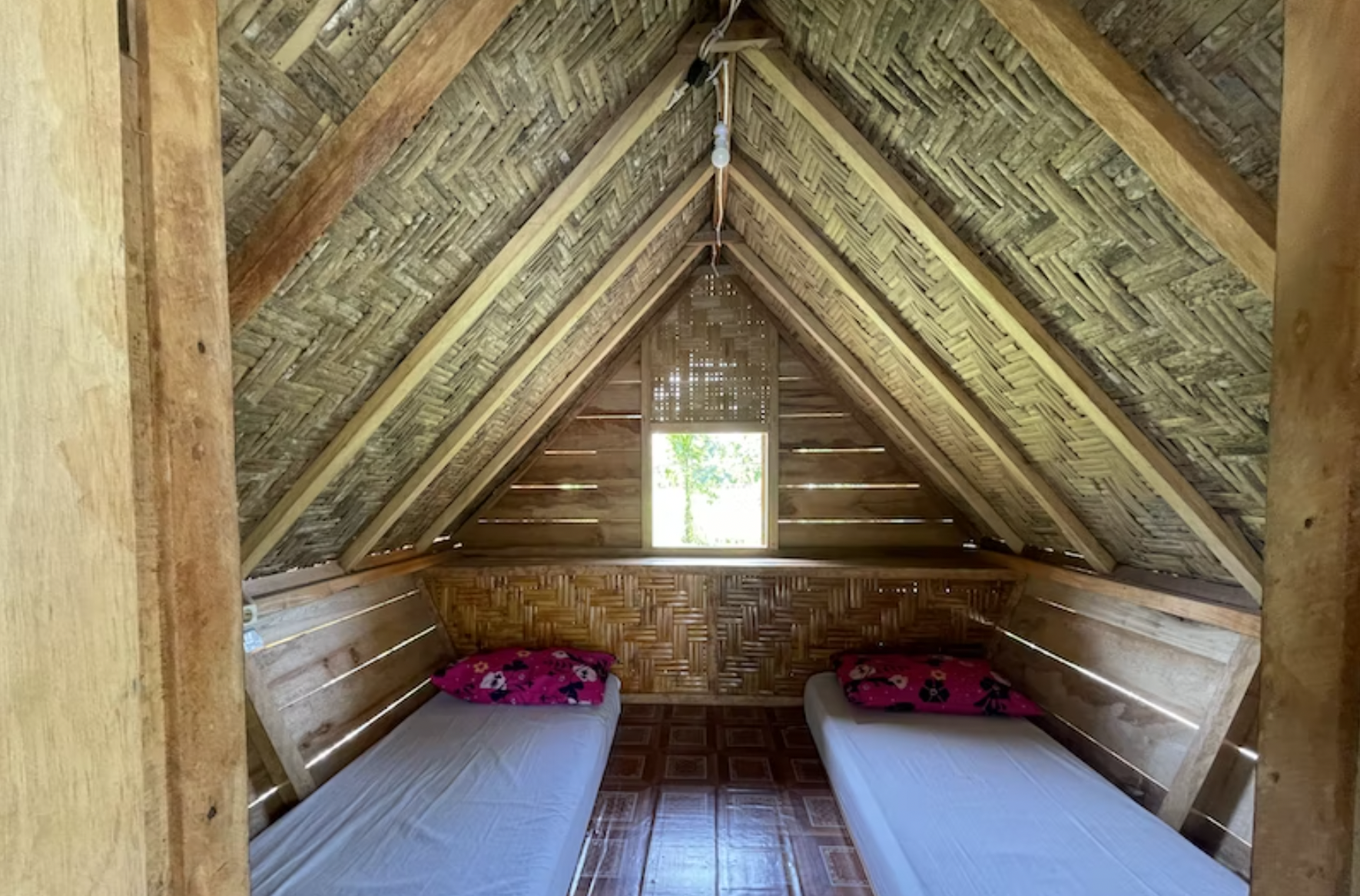
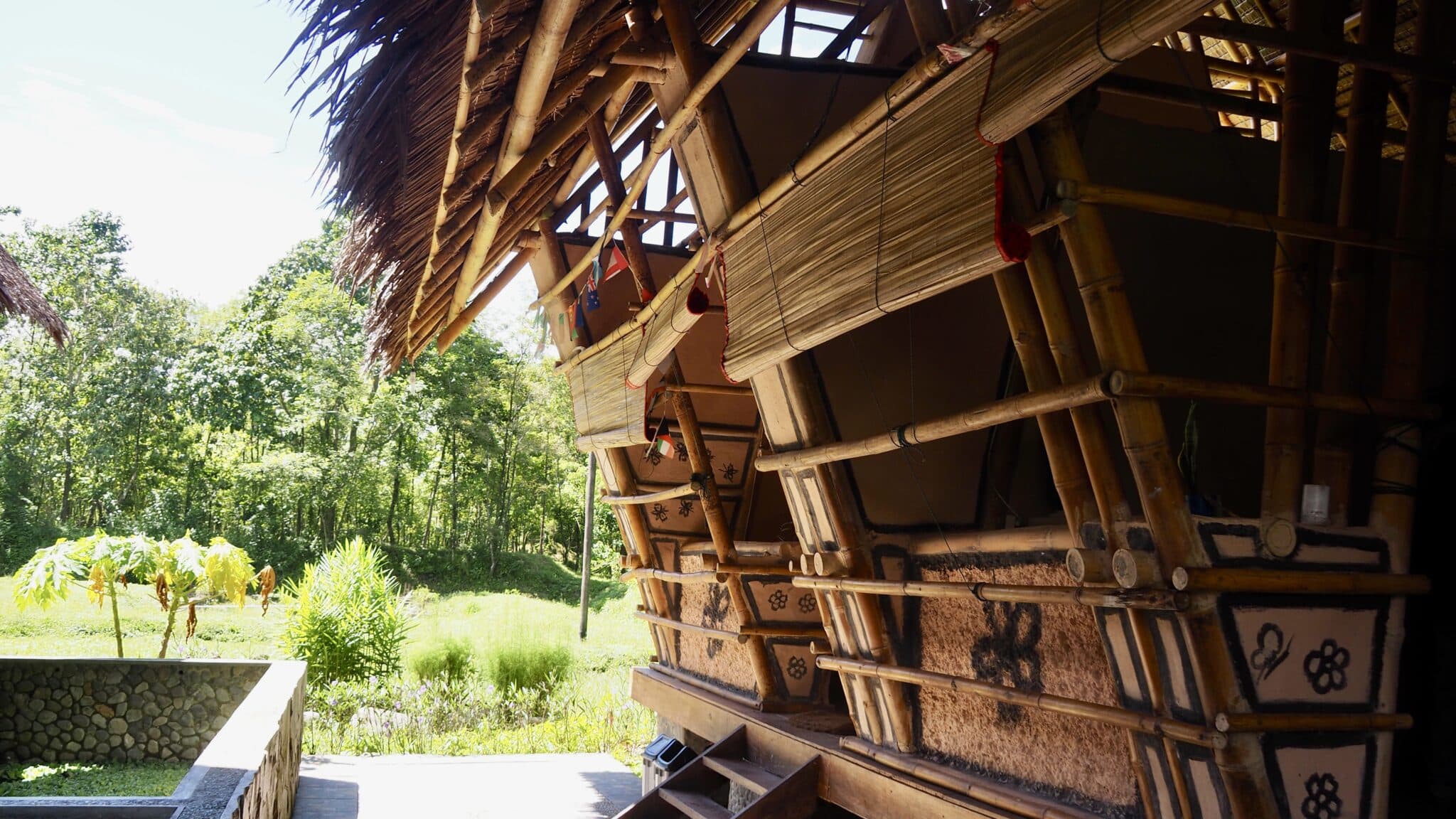
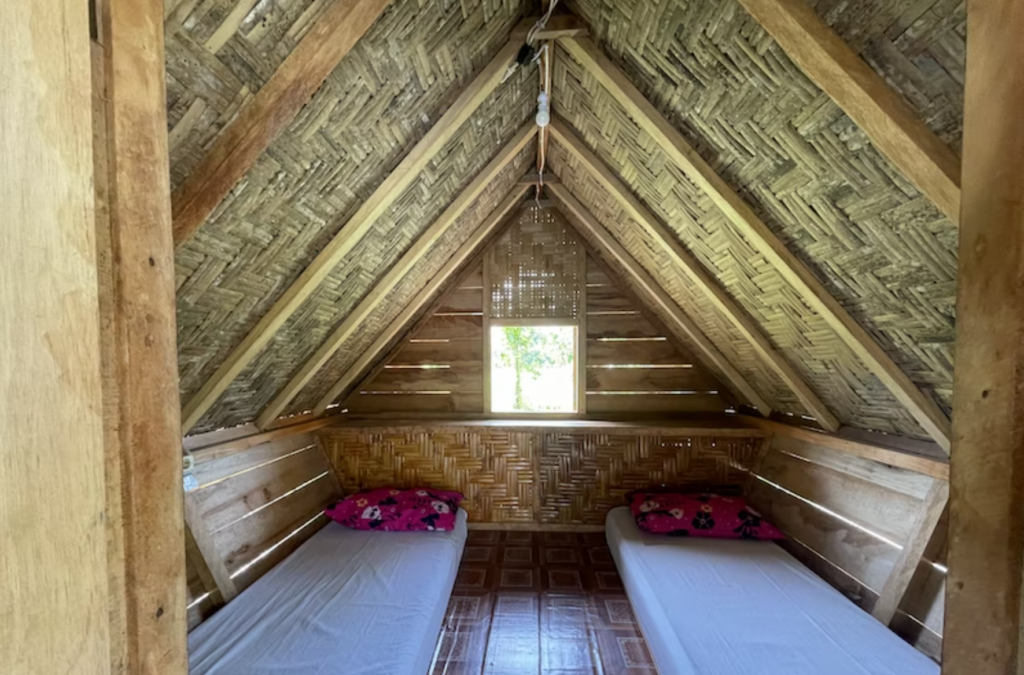 Chicken Hut, the most basic accommodation
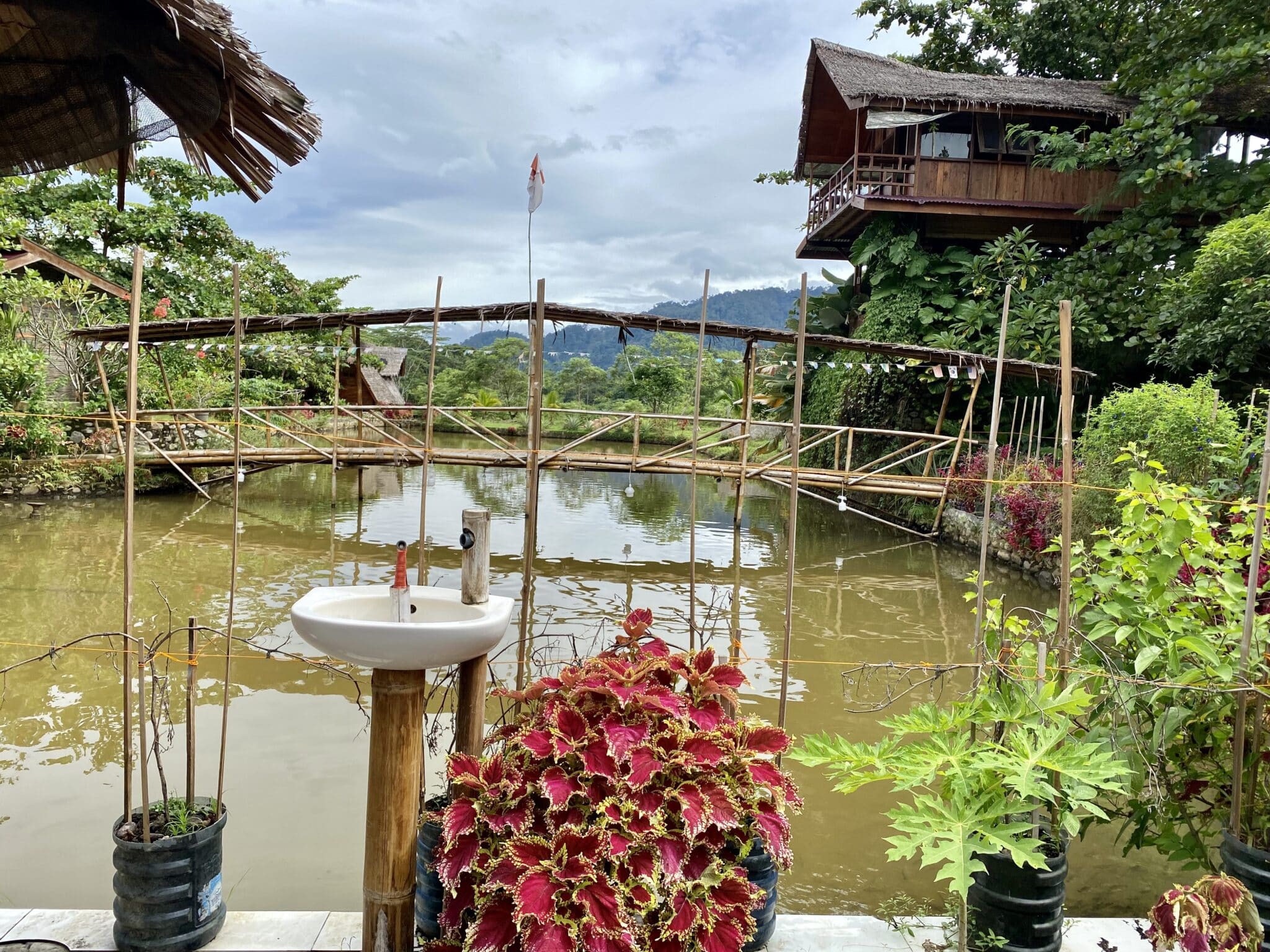
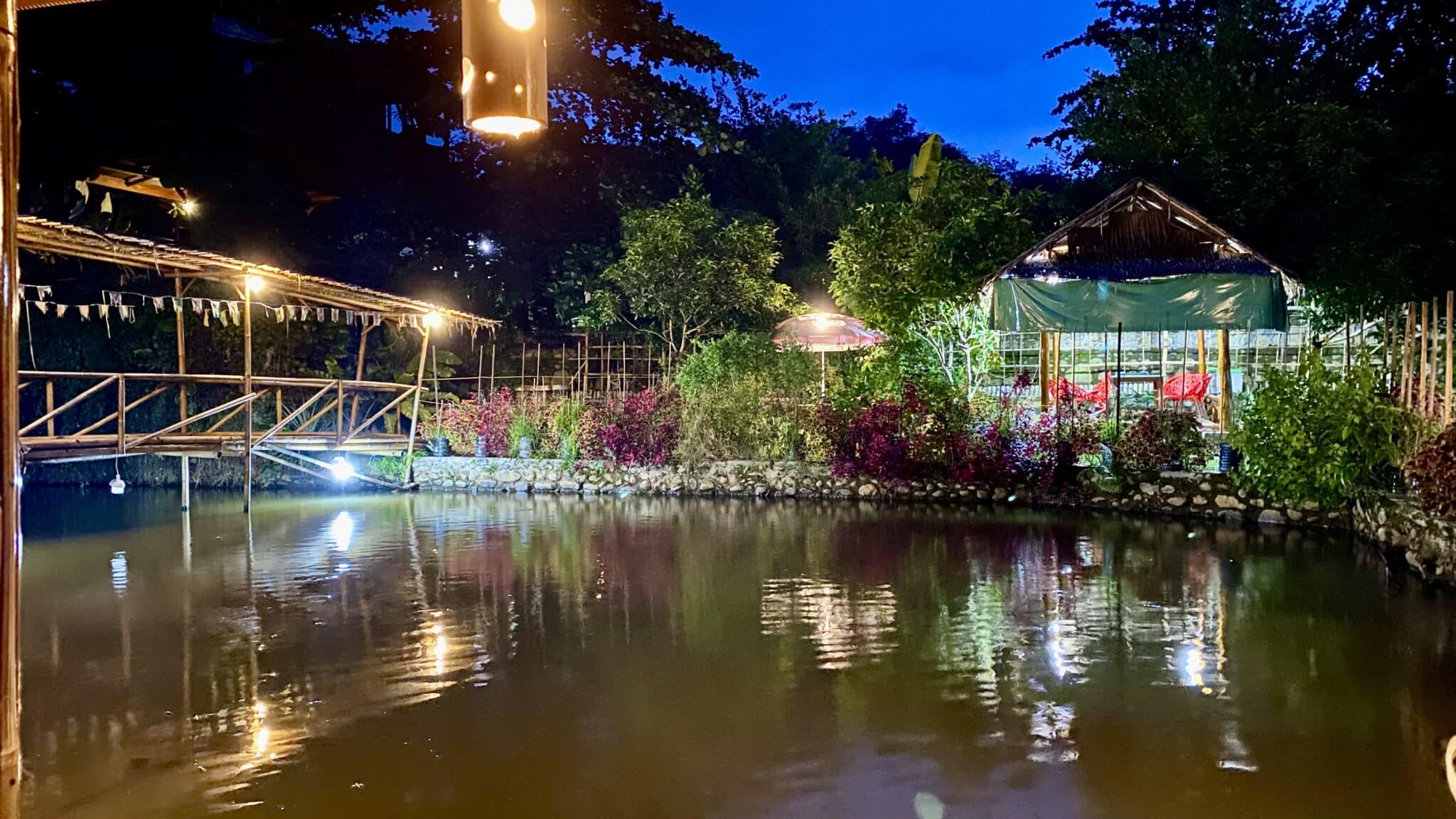
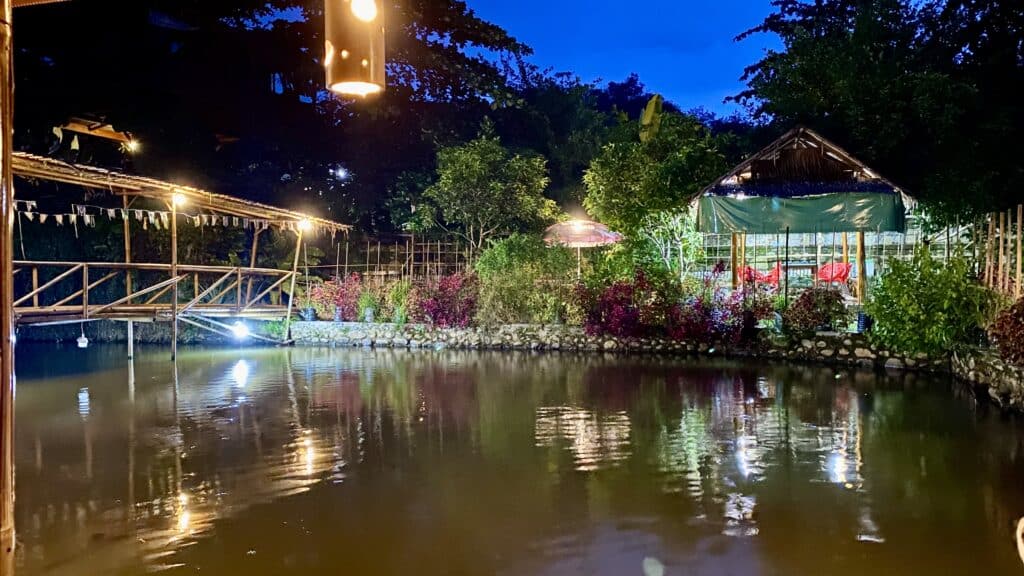 The volunteers' village in Sumatra
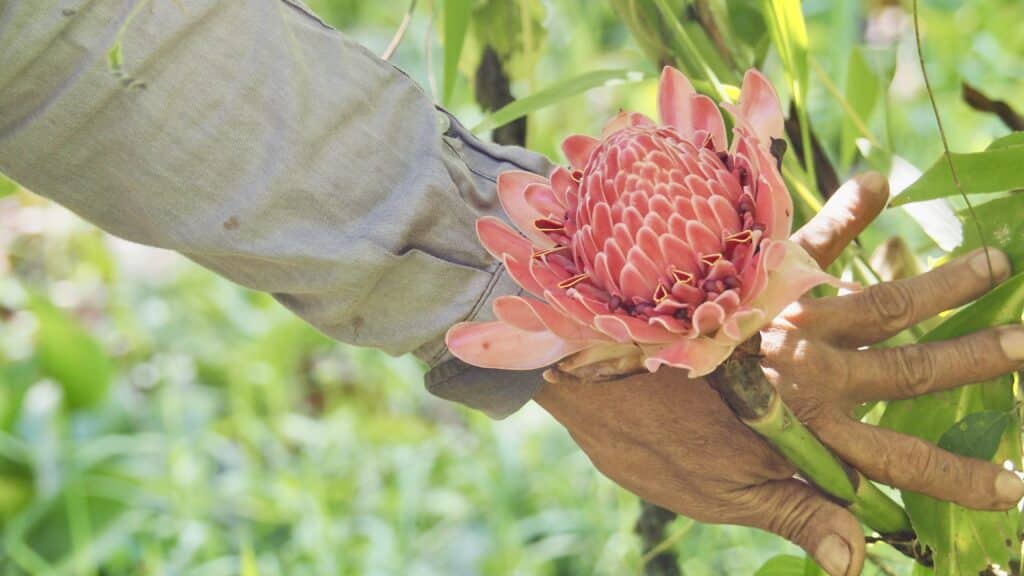 Harmony
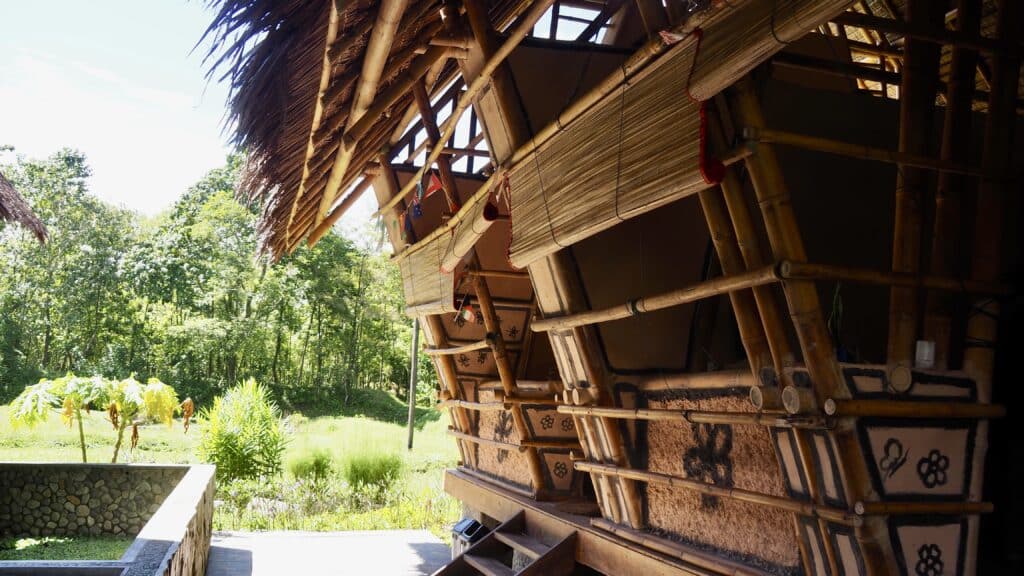 Recycling Village, Indonesia
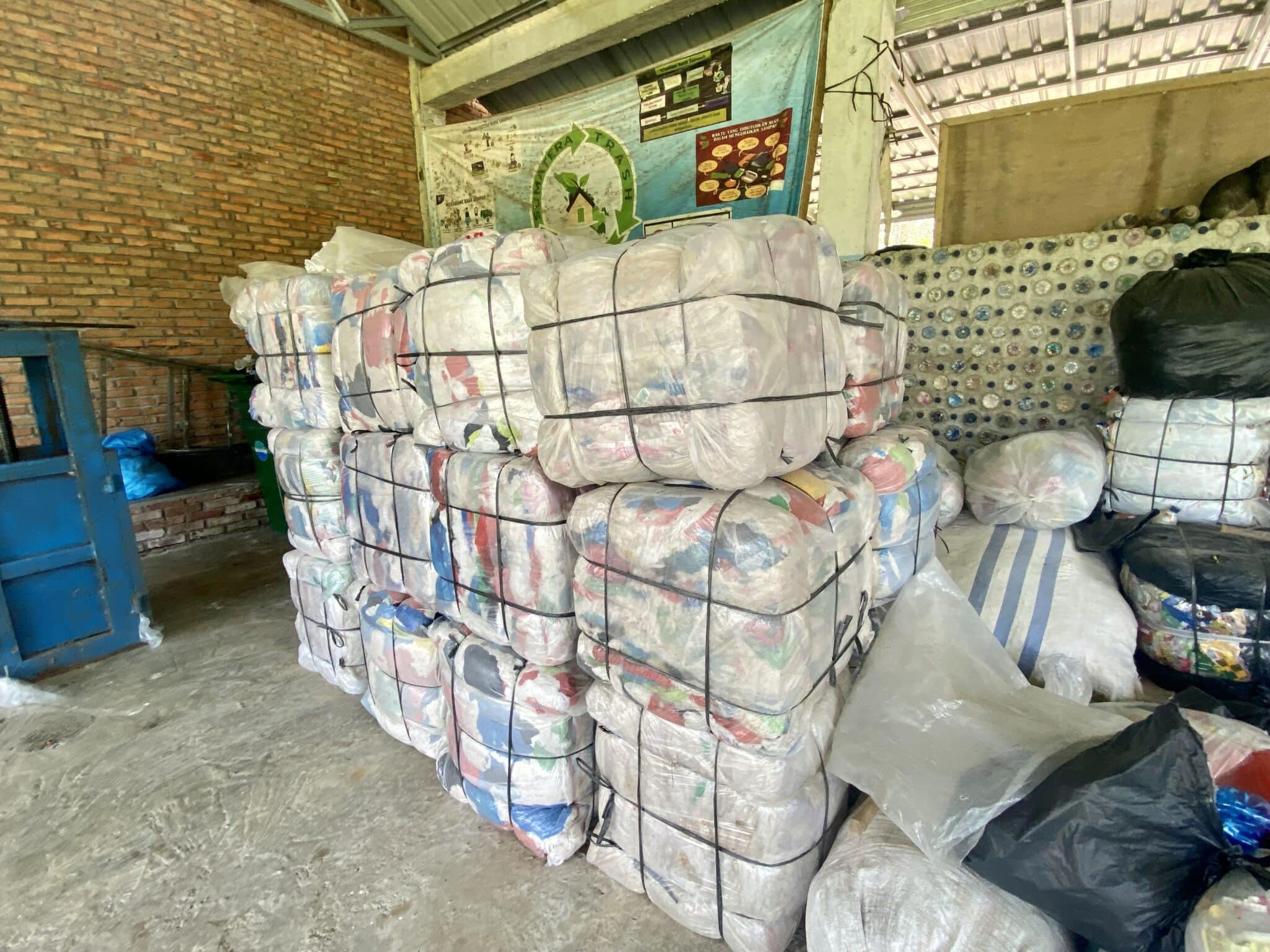
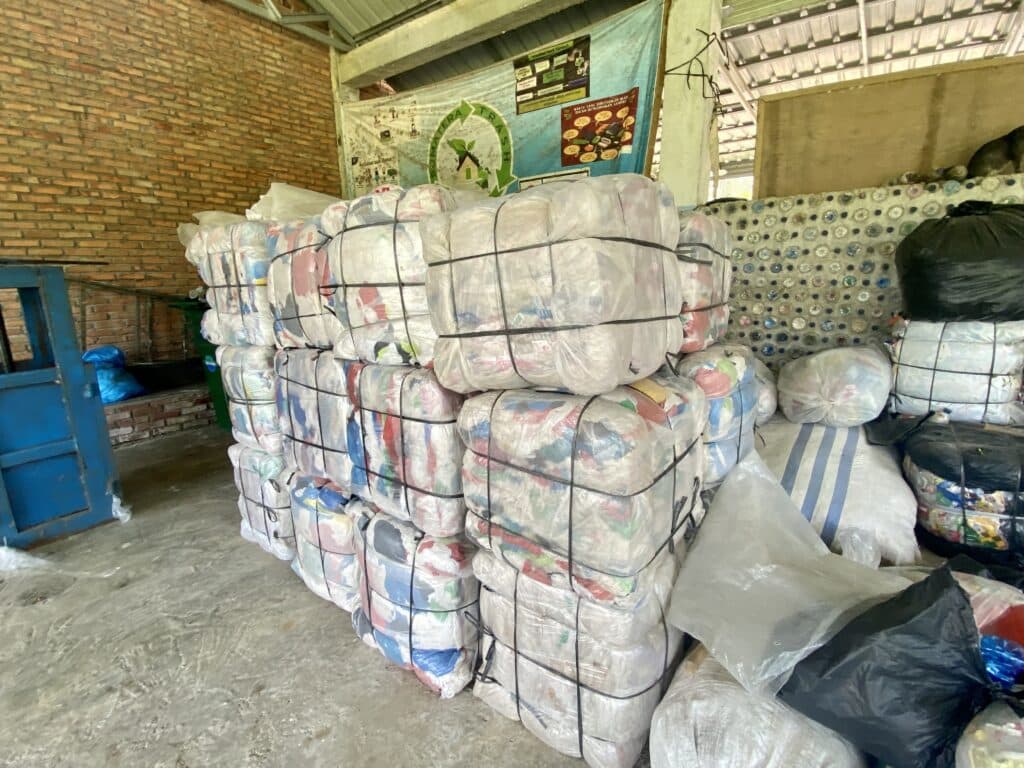 The Trash Bank, the cornerstone of the project
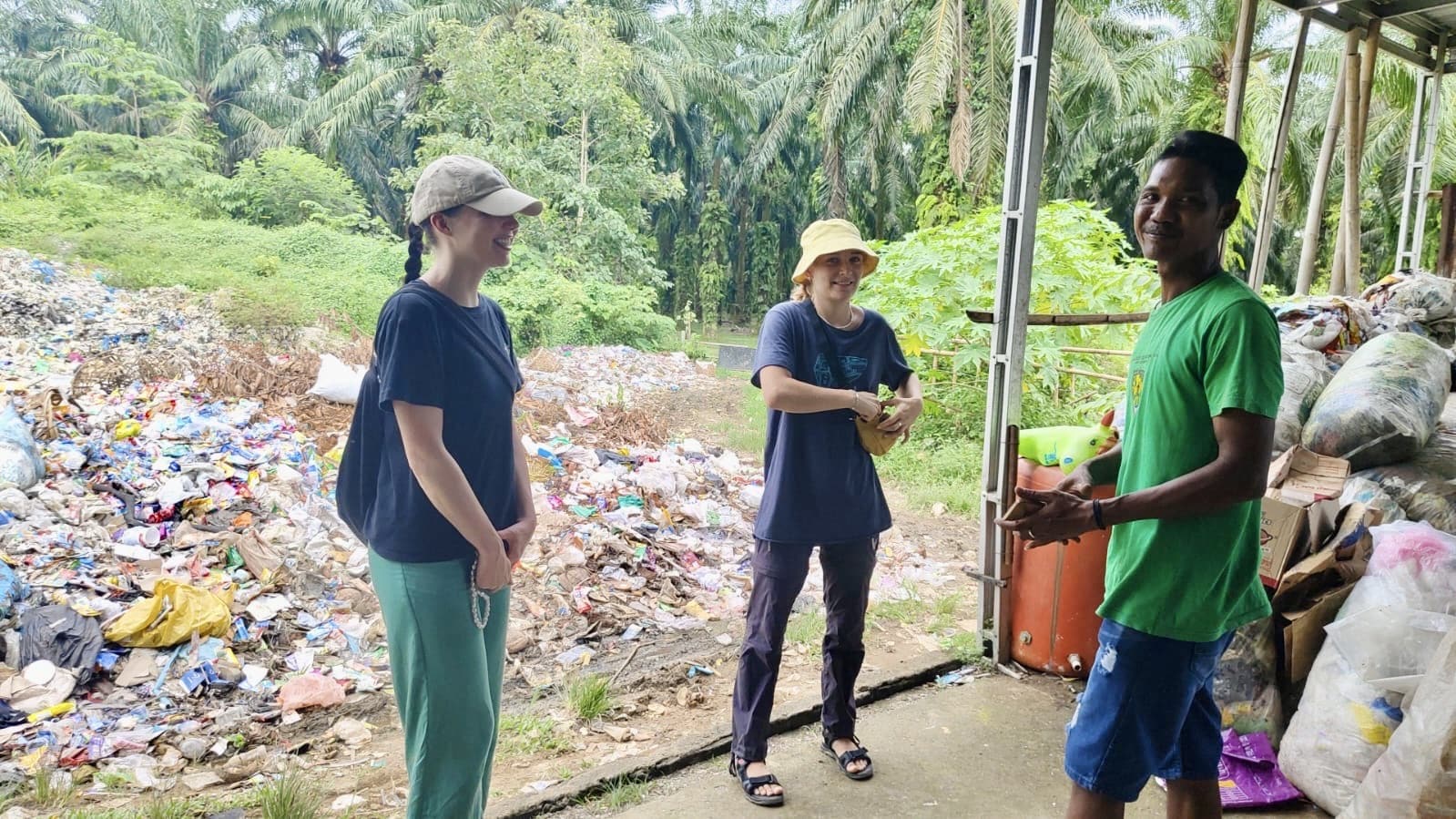
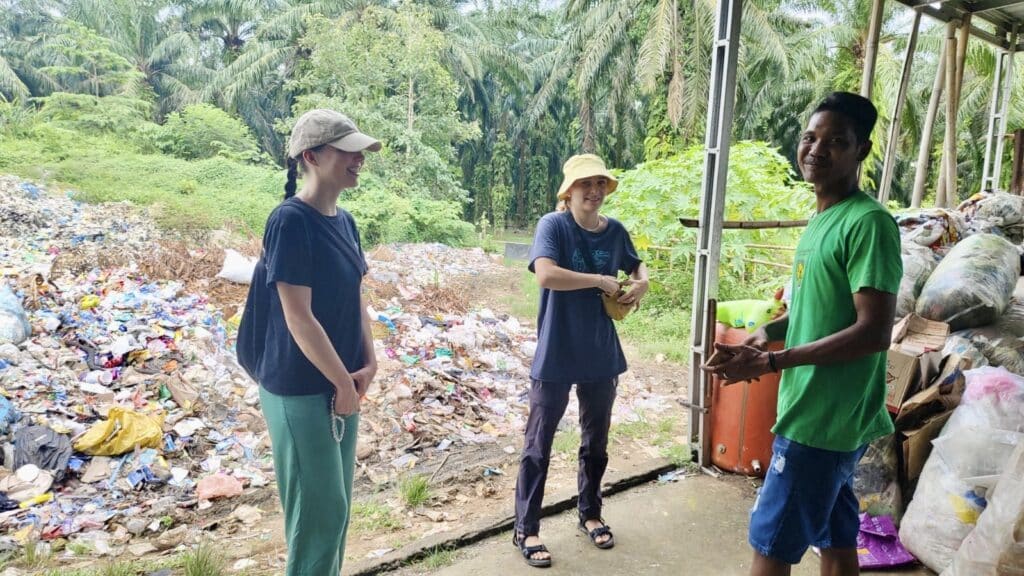 Volunteers at the Trash Bank
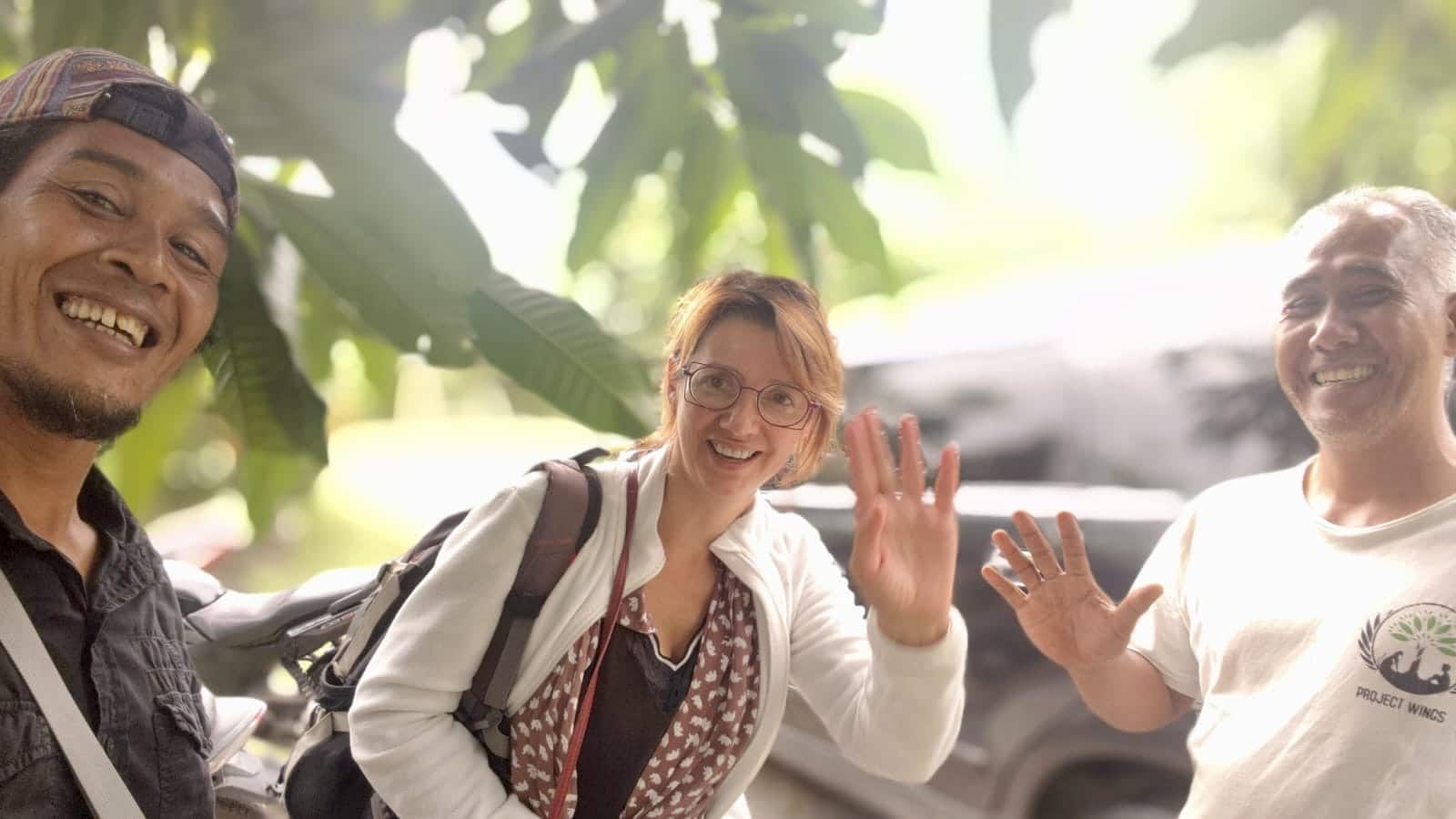
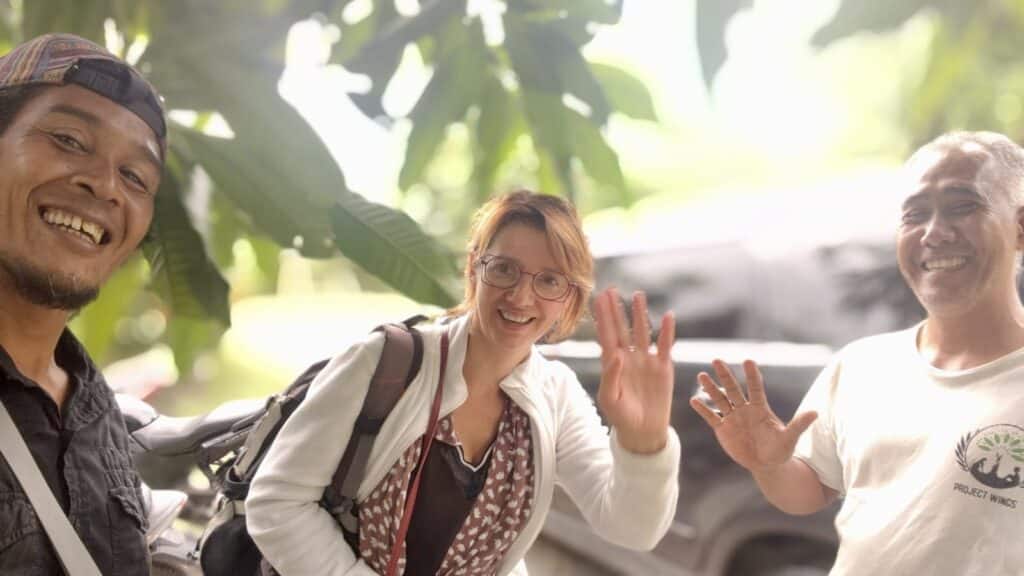 On the left is Anto, the volunteer coordinator; on the right is Tiar, the driver
 Recycling Village, Indonesia
 #image_title
 logo: Projects Wings


Enjoy an immersive experience in North Sumatra, Indonesia, by helping out at one of the world’s largest recycling villages. You might be interested by these programme in Indonesia
A village dedicated to recycling and biodiversity
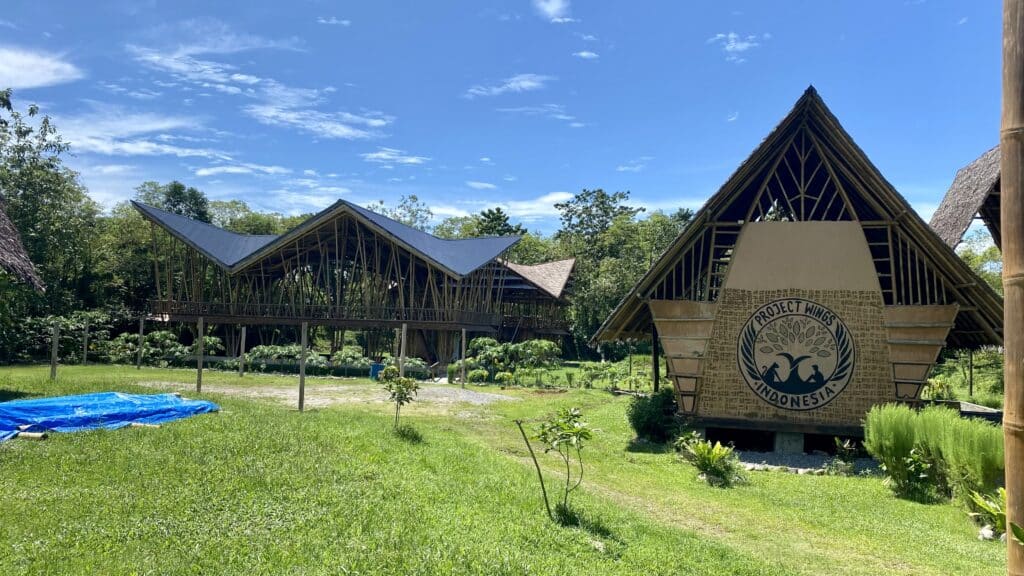
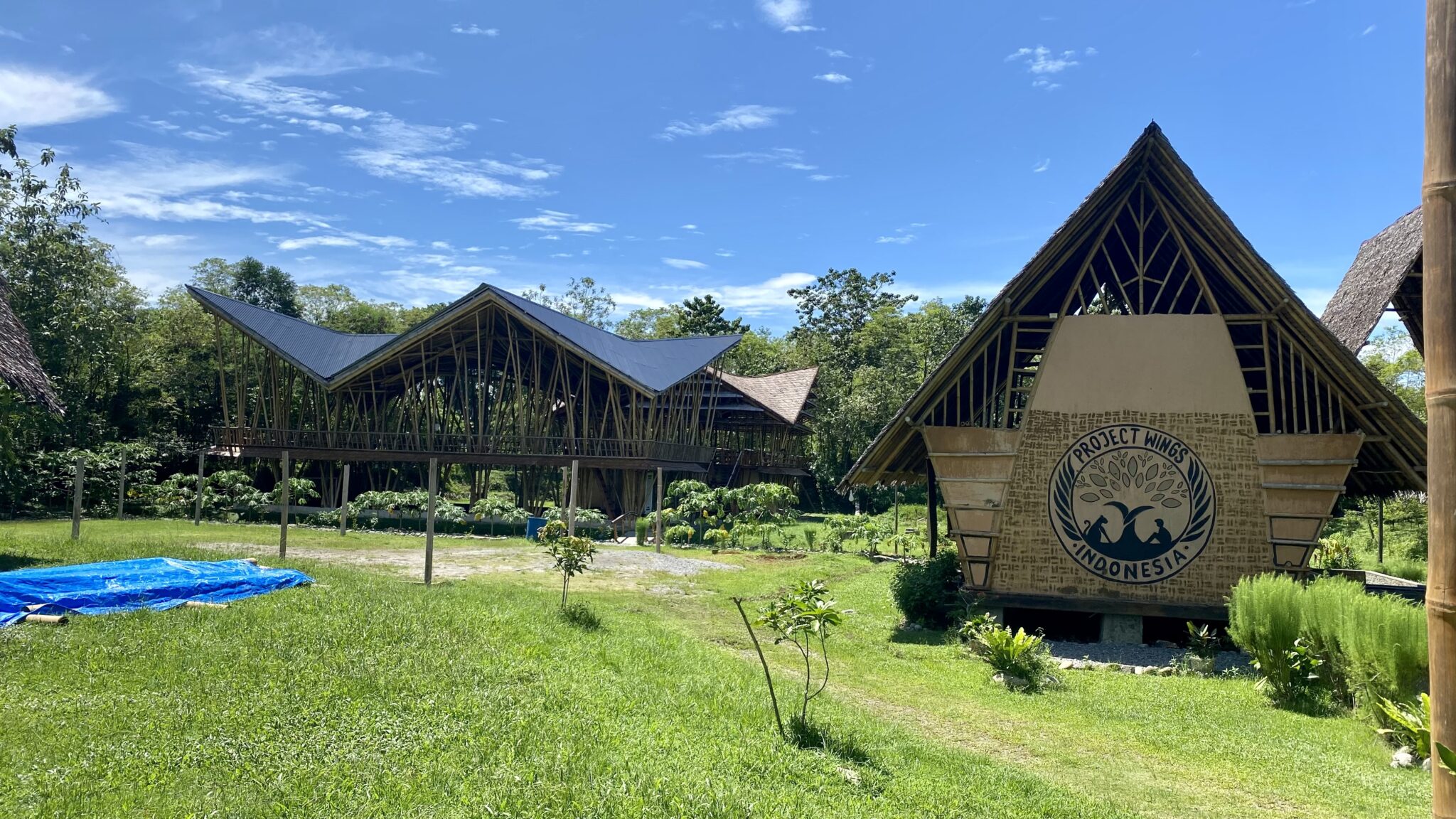
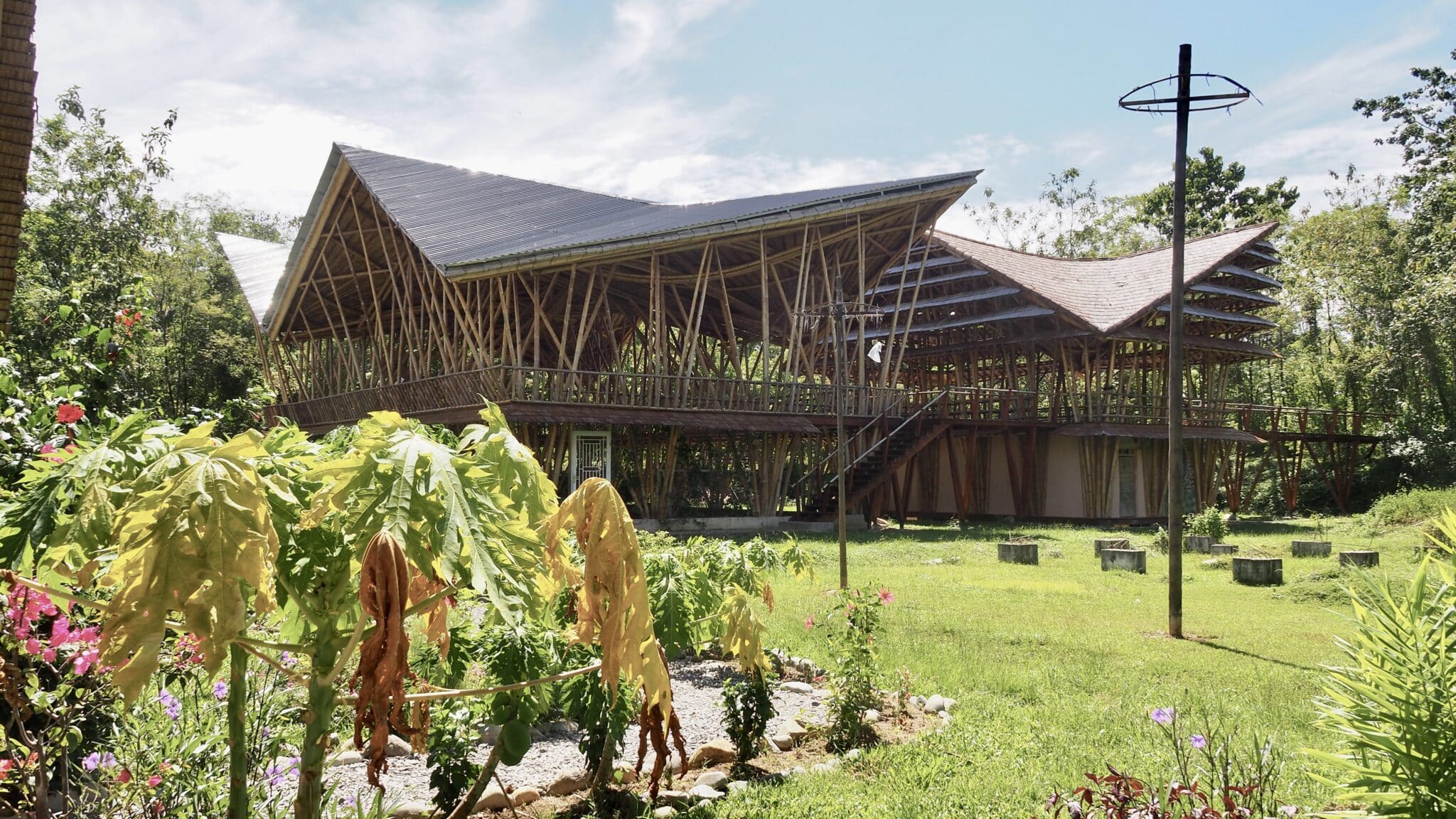
Located in Bukit Lawang, Sumatra, Indonesia, the Recycling Village is one of the largest villages built using sustainable and recycled materials. In fact, the builders used over 250 tonnes of plastic waste and natural materials such as bamboo.
This project is led by a German NGO founded in 2019 by four people seeking to find a way to reduce plastic pollution in Indonesia. Around the Recycling Village, the team is carrying out various initiatives as part of a holistic approach to achieving a good balance between the local population and the preservation of biodiversity.
Here are the main components of the project
- The Recycling Village. This village, built using recycled and sustainable materials, is situated on the edge of the rainforest and covers an area of around 3 hectares. It comprises offices, a co-working space for residents, an educational centre for children, and a market dedicated to the sale of recycled materials…
- Eco-bricks. The NGO has played a major role in developing eco-bricks, which are made from plastic waste. An eco-brick is a plastic bottle filled with plastic waste that is difficult to recycle. The waste is first dried and cleaned before being compacted into plastic bottles. This is to prevent the growth of microorganisms inside the bottle. Eco-bricks were invented in Guatemala in 2003. At the time, Susanne Heisse collected plastic waste and sealed it inside bottles. She used these first ecobricks to build a wall. Her initiative has inspired people all over the world, from South America to South-East Asia and South Africa.
The waste bank at the heart of the project
- The Trash Bank. The Trash Bank is the centrepiece of the project. Waste is brought there by various collectors as well as by members of the public. Sometimes, it can be exchanged for money. When the waste arrives at the Trash Bank, the different materials are sorted, cleaned and dried. They are then ready for recycling. Some companies buy the waste compacted into blocks to use it in new manufacturing processes.
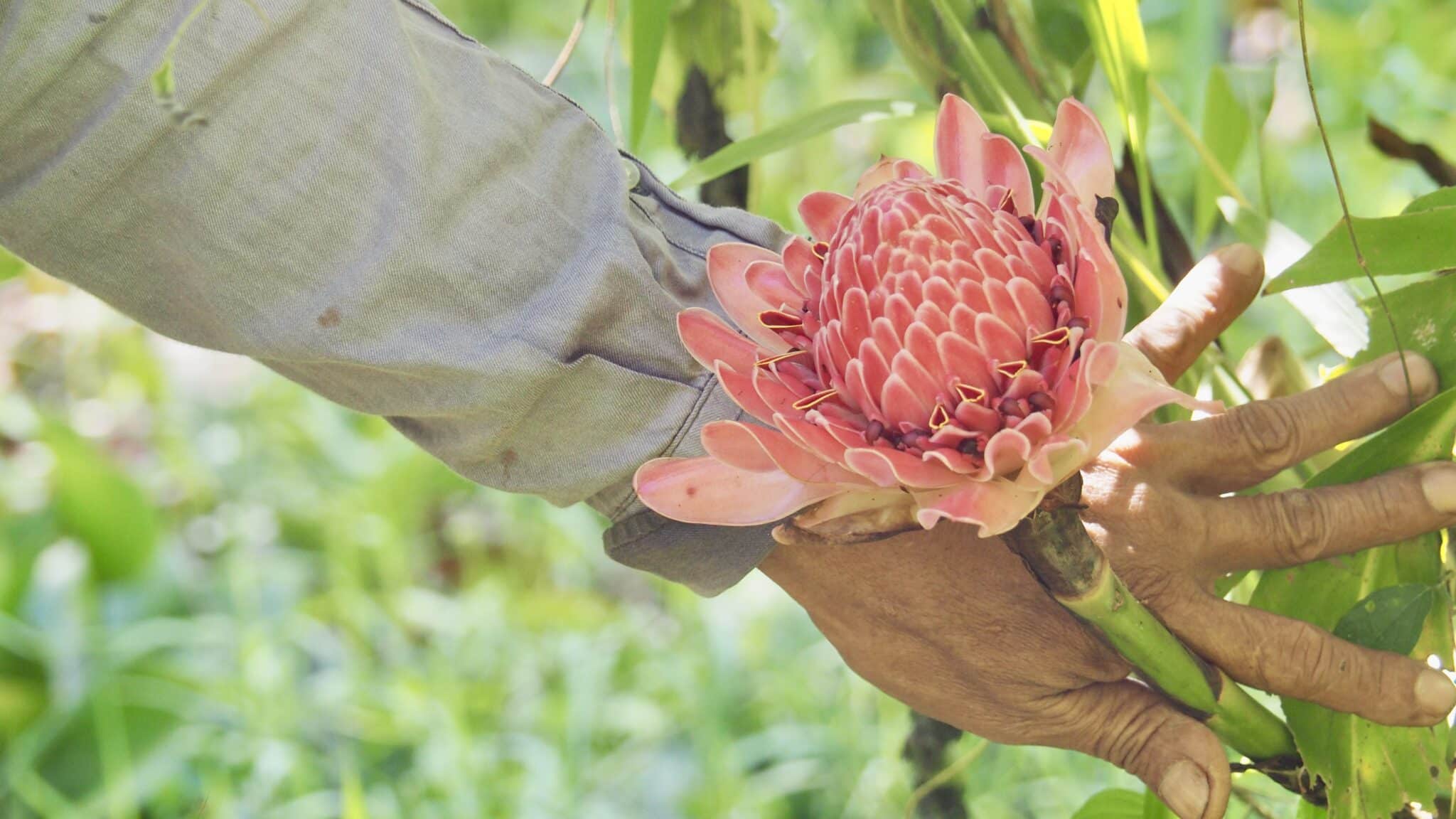
- The eco-farm: the NGO has several hectares at its disposal dedicated to organic farming. Today, in North Sumatra, palm oil monoculture continues to expand. However, this is a crop that depletes the soil and biodiversity and causes chemical pollution of waterways. The project has reintroduced organic mixed farming by replanting fruit trees and vegetables. Once a week, the whole team and the volunteers work together for an hour on the organic farm.
- Medicinal plants: to ensure that knowledge of plants’ medicinal properties is not lost and to pass on this valuable knowledge, an entire garden is dedicated to medicinal plants.
- The educational aspect of the project is, of course, very important. Within the Recycling Village, classrooms welcome children from local communities for lessons on environmental protection as well as English lessons.
The role of eco-volunteers
On the first day, volunteers tour the various projects by motorbike with Anto, the local volunteer manager. You will visit the Recycling Village, as well as the eco-farm, the various plantations, the medicinal herb garden and the Trash Bank.
The following days will be organised according to your interests and the needs of the moment. You can teach English if you feel comfortable doing so, sort waste at the Trash Bank, help out on the eco-farm…
Community activities
Three times a week (Monday, Wednesday and Friday), community activities are organised at 8 am. The whole project team helps out wherever the need is greatest. For example, on Fridays, during the clean-up, rubbish is collected from the village and taken to the Trash Bank.
On the last day of your stay, you will give a short presentation, during which you will share your lessons learnt, your impressions and your experiences, and provide us with your feedback.
- Generally, there are between 5 and 10 volunteers on site at any one time.
- Opening hours: Monday to Friday: 8.00 am to 12.00 pm and 1.00 pm to 5.00 pm; Friday: 8.00 am to 12.00 pm and 2.00 pm to 5.00 pm
Minimum
of one week 1 week: between €153 and €195
3 weeks: between €329 and €429
1 month: between €489 and €669
2 months: between €849 and €1,209
3 months: between €1,259 and €1,799
Included in the price
- Accommodation in the volunteers’ village (various options are available)
- 3 meals a day (except on Sundays)
- Supervision
- Travelling by motorbike to visit project sites
Not included
- Flight tickets
- Travel insurance
- Airport transfer
- Personal effects
- Language level: basic English or Indonesian.
- At least one week.
- Ages 18 and over.
- Being physically fit and able to work outdoors
Housing
Eco-volunteers stay in the volunteers’ village. The accommodation is simple and made of bamboo. There are several options available. Some have their own bathrooms.
Meals
Meals are prepared and served at the volunteers’ village.
The food is mainly vegetarian and locally
sourced. Breakfast: 7:00–8:00; lunch: 12:00–13:00; dinner: 19:00–20:30
Language of communication
In Bukit Lawang, the local language is Indonesian. However, the local team speaks English.
Climate
The climate is hot and humid all year round. The rainiest months are October, November and December. The driest months are January and February
Clothing
Wear clothes that dry quickly and are comfortable to work in. Women must keep their knees and elbows covered. It is advisable to wear loose-fitting, lightweight clothing due to the heat and mosquitoes.
Joining the project
We recommend arriving at Medan Airport. There, a driver named Tiar will meet you; the cost is approximately €40. This should be arranged with the partner before departure. The journey takes 3 to 4 hours, as the roads are in very poor condition and traffic is heavy.
Internet access at the volunteers’ village
Leisure
The Recycling Village is located in Bukit Lawang, a tourist village bordering Gunung Leuser National Park. Gunung Leuser National Park is known for its primary forest, which is home to numerous species, including orangutans. There are plenty of options for organising a trek with an overnight stay in a jungle camp. The elevation gains are not particularly steep, but the heat and humidity mean that these hikes can be physically demanding.
Tous les avis sur Project Wings

About our partner organisation
The partner is a German NGO founded in 2019, which has built what is currently the world’s largest recycling village from 250 tonnes of plastic waste in Indonesia. Its work focuses on species extinction, deforestation and plastic waste management. The NGO has created a self-sustaining system, managed by the local community, which combines environmental protection, nature conservation and animal welfare. The NGO works in collaboration with the University of Münster and the University of Applied Sciences in Koblenz.
