 Français
 English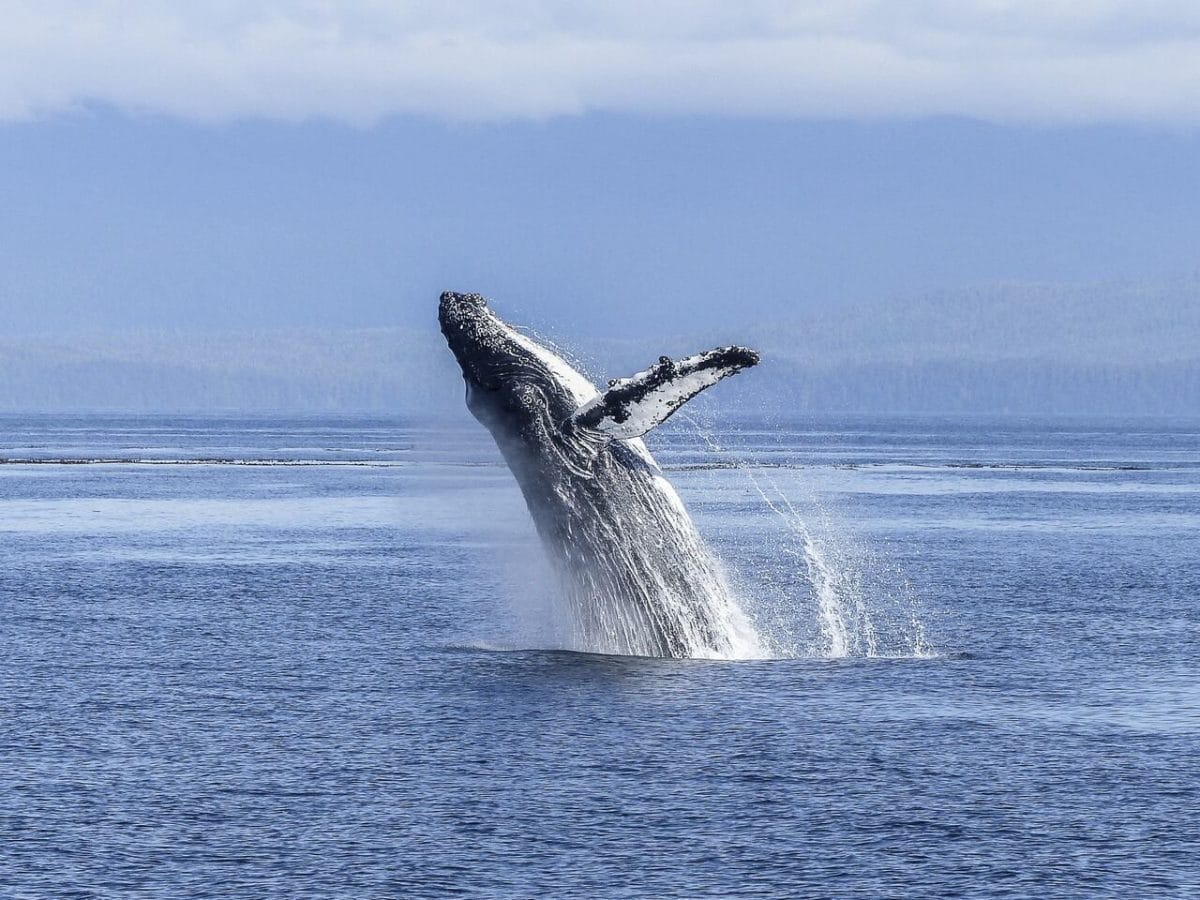
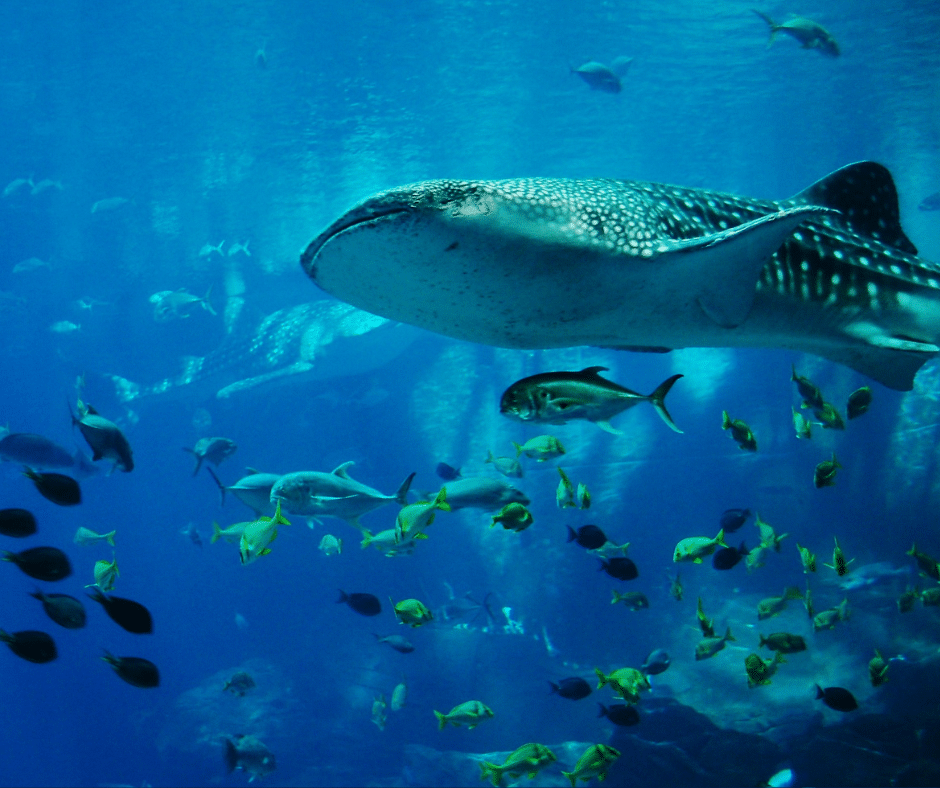
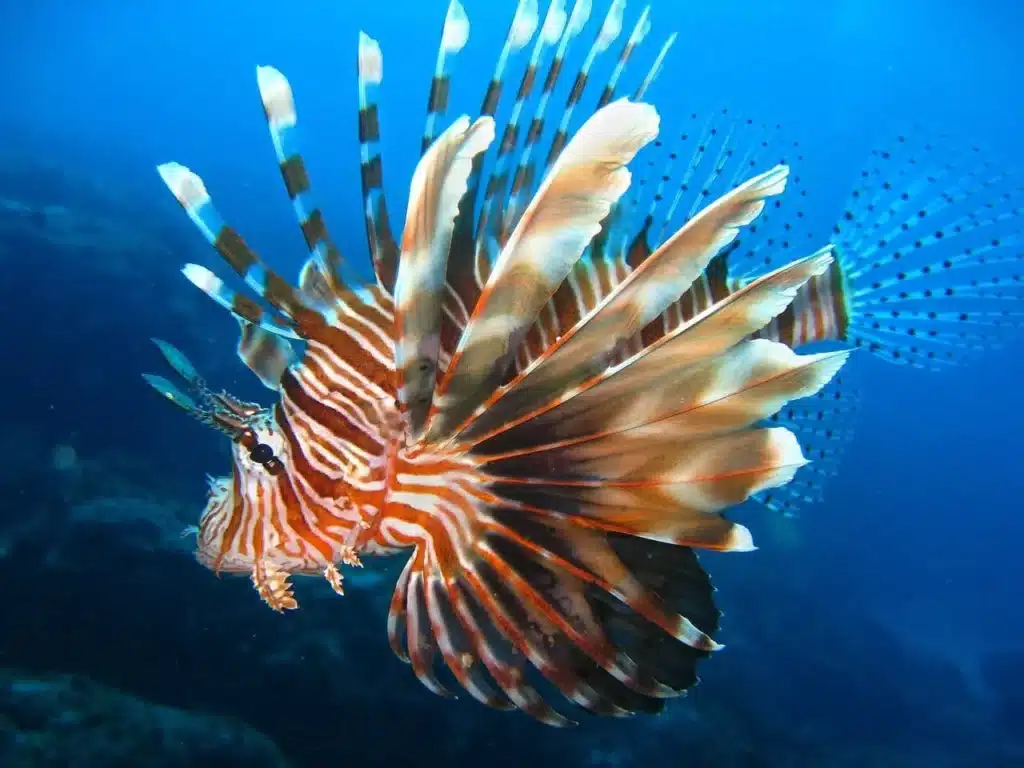
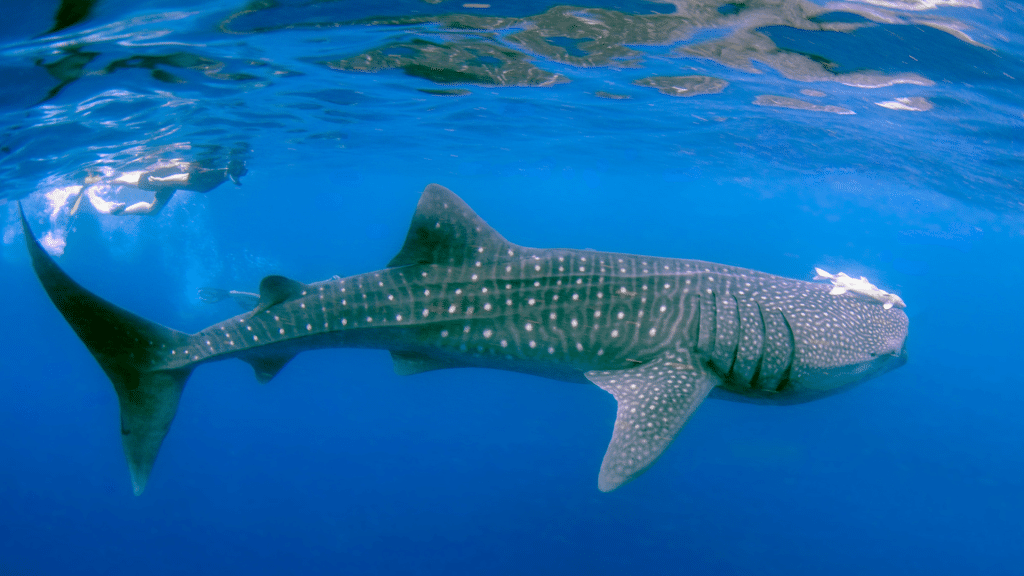
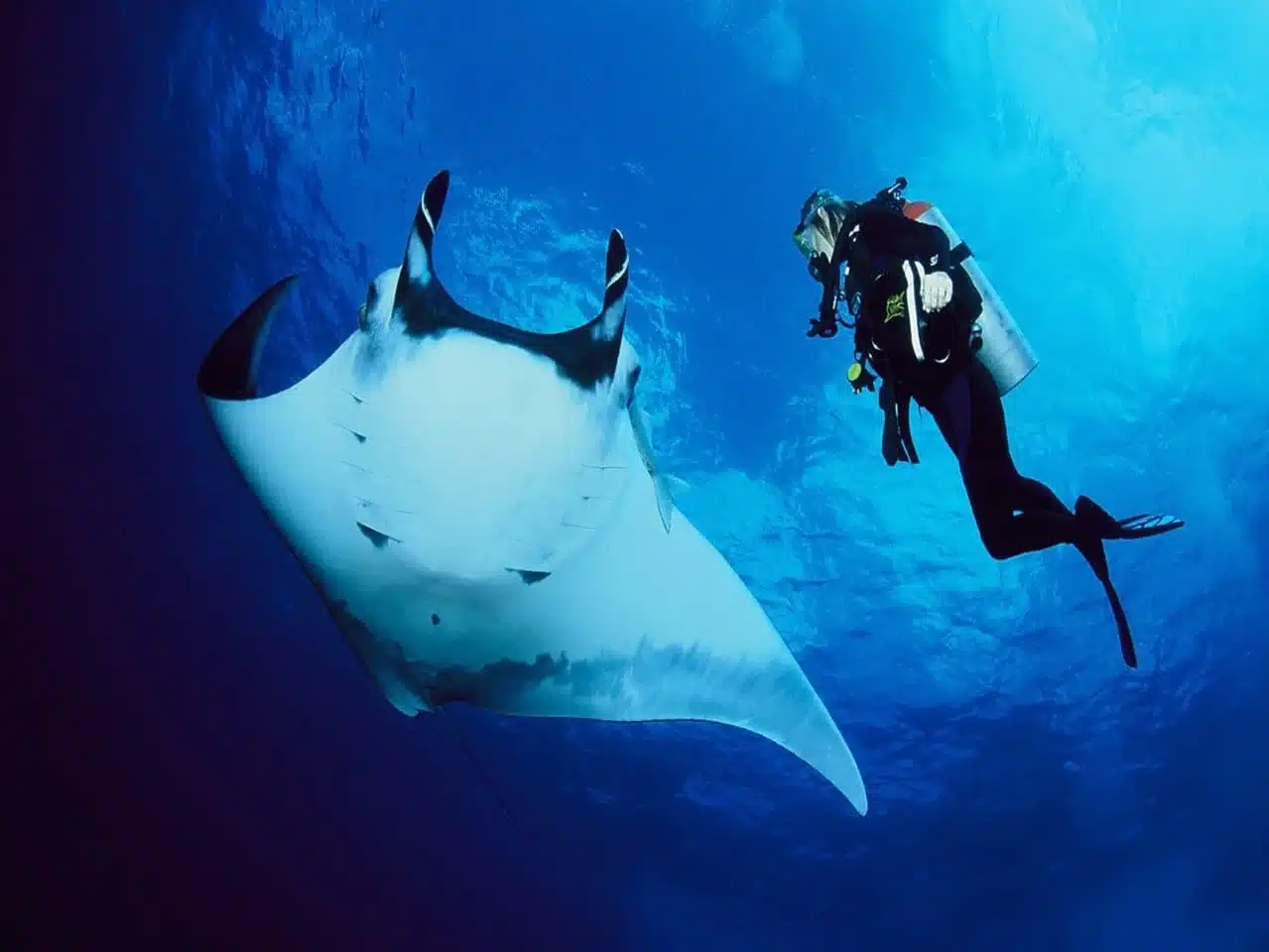
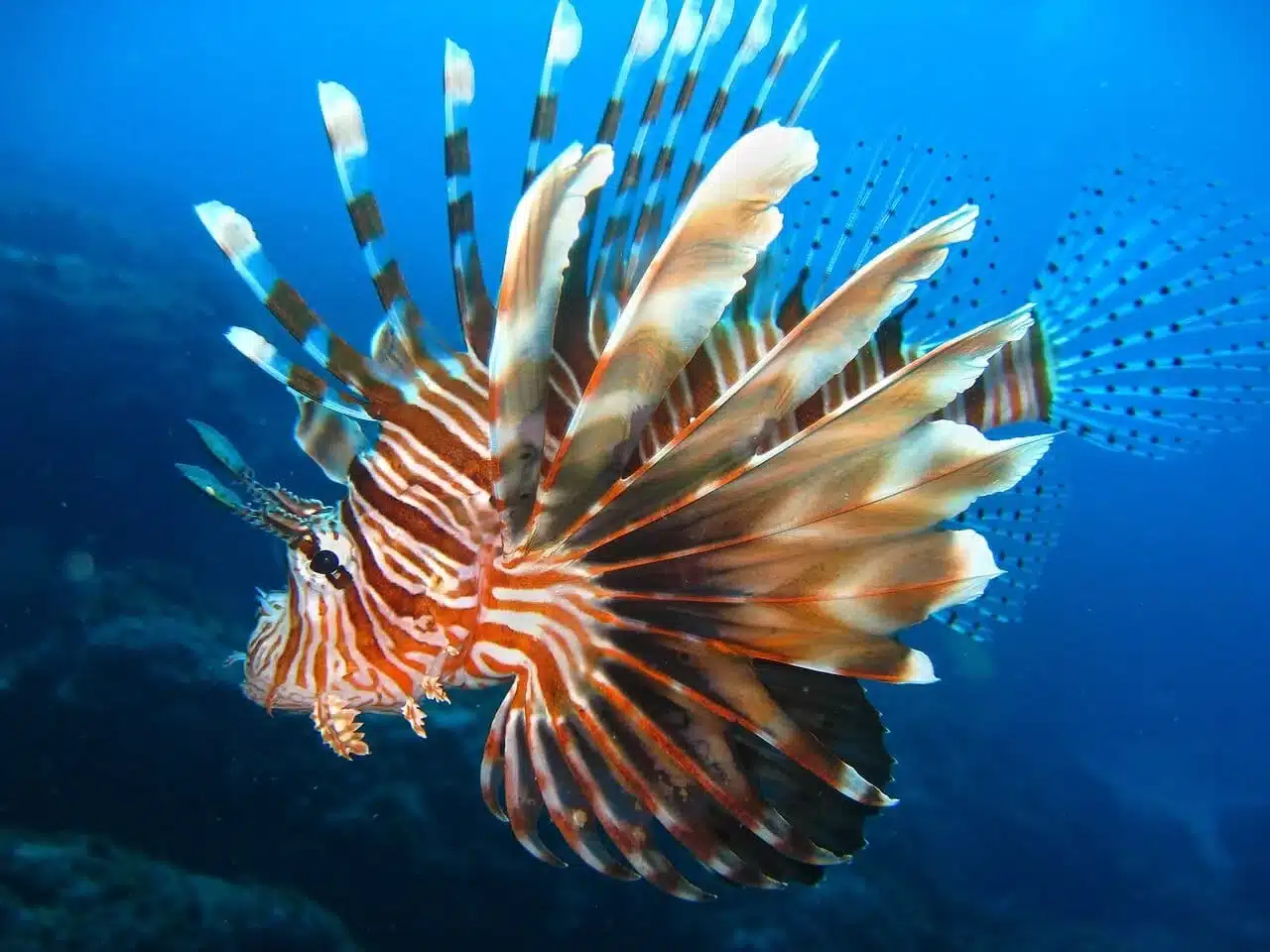
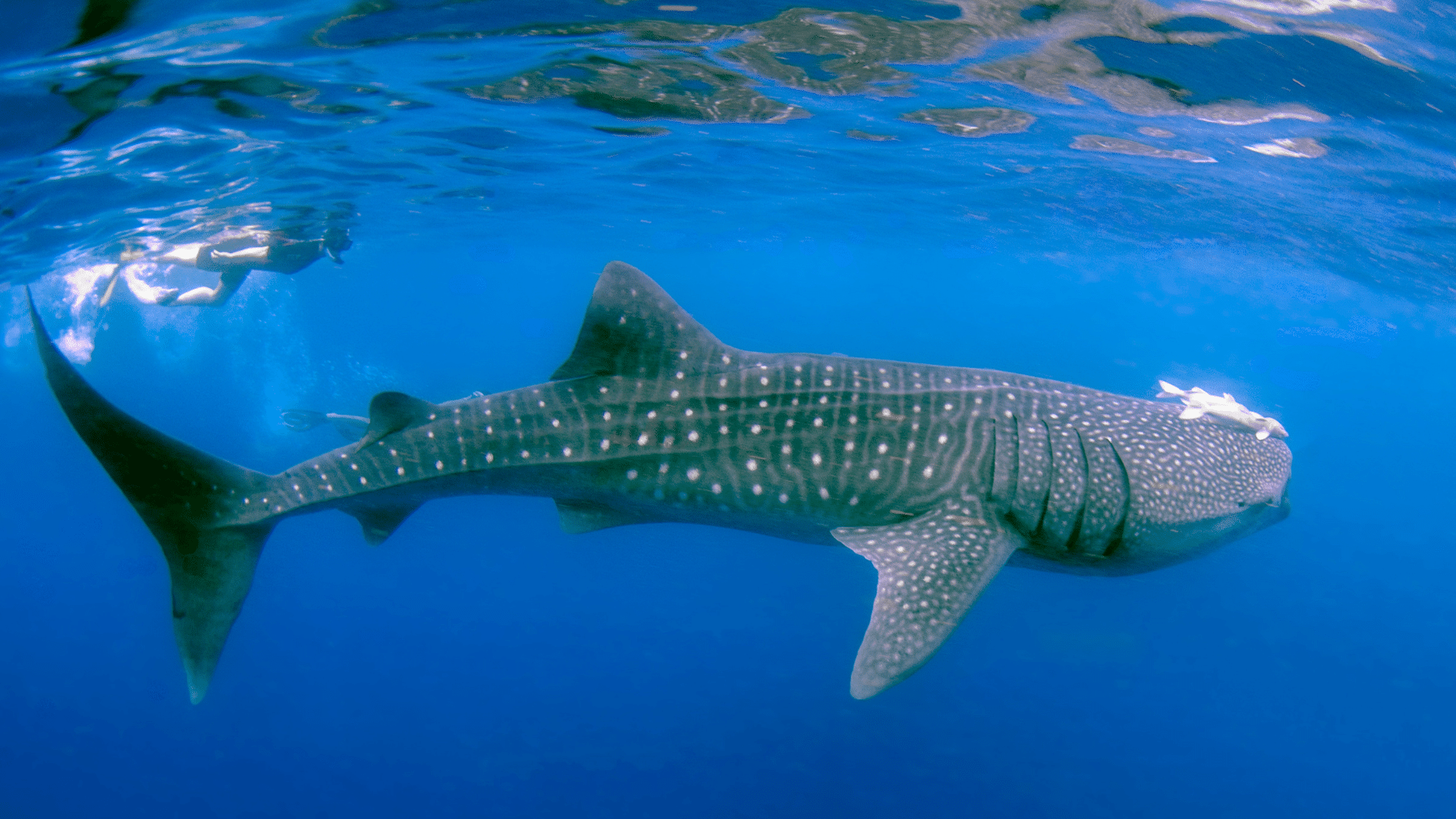
The marine wildlife and whale shark conservation programme offers a unique opportunity to carry out underwater research and gain an understanding of the marine world. You will join a team of qualified scientists at a research centre, giving you exclusive access to the region’s wildlife and ecosystem. The volunteering placements in Africa here
The marine wildlife research programme
You will have the opportunity to help organise marine research activities under the supervision of a team of scientists. You will join the other volunteers to help collect data during scuba dives and ocean excursions along the coast of Tofo in Mozambique. Get ready for an incredible diving adventure that guarantees genuine hands-on experience in marine research and the chance to contribute to an environmental conservation project with a significant impact.
Your work with marine wildlife
The project involves carrying out various types of research on different species.
Some activities take place at specific times of the year, whilst others are carried out throughout the year.
- Sightings of whale sharks, dolphins, coral reefs and seahorses: all year round.
- Turtles: November to March.
- Humpback whales: June to October.
Here is a summary of the research and conservation activities you could get involved in.
- They are taking part in the whale shark census;
- They have the opportunity to study behaviour and underwater photographs;
- They help to collect a wide range of data (location, gender or distinguishing features);
- They observe the coral reefs;
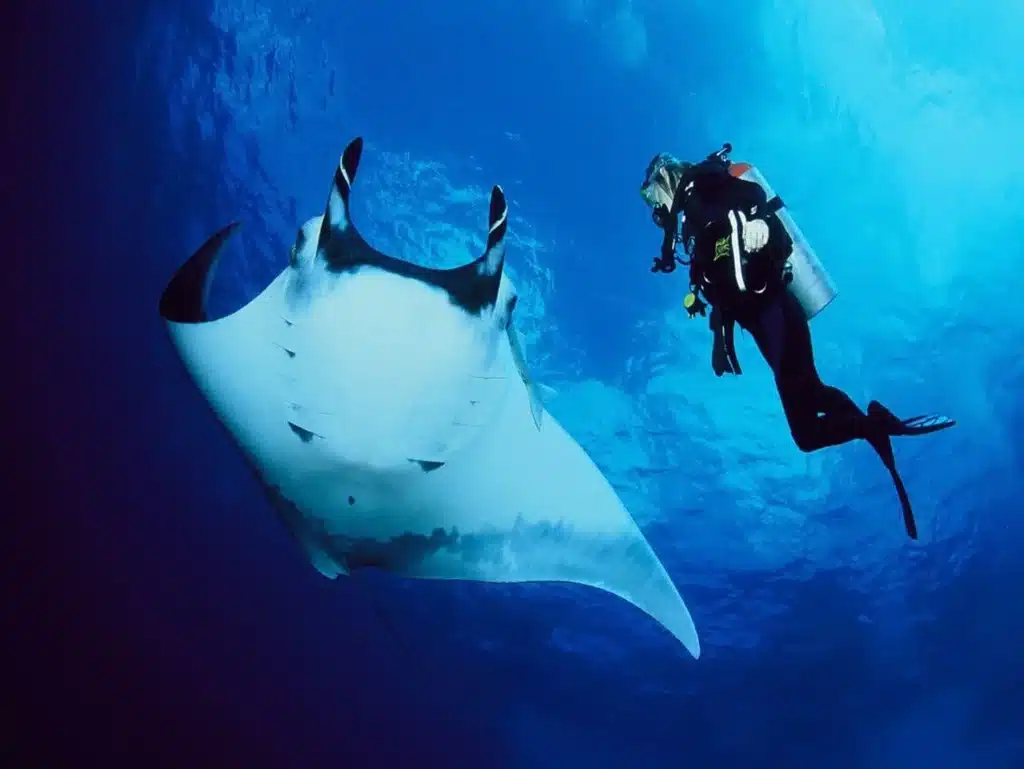
- They take photographs that help to identify manta rays and other endangered species;
- They watch humpback whales and sea turtles;
- They help to clean up beaches and protect the environment;
- They dive with the world’s largest marine species: the whale shark;
- They are developing their expertise on the various species and are involved in their conservation;
- They learn to dive and discover the magic of the underwater world;
- They watch the migration of humpback whales;
- They are involved in marine research and are learning research and analysis techniques.
Some research activities take place throughout the year, whilst others take place at a specific time of year.
- Sightings of whale sharks, dolphins, coral reefs and seahorses: all year round;
- Turtles: from November to March;
- Humpback whales: from June to October;
- Length of stay: 2 to 12 weeks
| Length of stay | Amount payable | |
|---|---|---|
| 2 weeks | €1,849 | |
| 3 weeks | €2,715 | |
| 4 weeks | €3,190 | |
| 6 weeks | €4,340 | |
| 8 weeks | €5,145 | |
| 10 weeks | €6,211 | |
| 12 weeks | €7,276 |
Included in the price
- Airport transfers
- 24/7 support from our local partners
- International diving certification (except for two-week programmes)
- Dives and ocean excursions as part of data collection work
- Accommodation and all meals during your stay
- Donation to the foundation responsible for protection activities.
Not included in the price
- Flight tickets
- Travel and repatriation insurance
- Visa
- You will be asked to provide a CV in English.
- Ages 18 and over. Children and young people aged 4 to 18 are welcome if accompanied by their parents.
- To be able to swim 100 metres without assistance.
- Volunteers who sign up for just two weeks must hold a PADI Open Water or PADI Advanced Open Water diving certification. Others will be given diving lessons.
- People with pre-existing medical conditions or those aged over 45 must also provide a medical certificate for diving.
- People taking Lariam/Mefloquine/Mephliam/Tropicure (or any other similar medication) as a treatment for malaria (prophylaxis) will not be permitted to dive.
- Certified divers must bring their diving licence (showing their most recent recorded dive) with them to the project site as proof.
- Accredited volunteers who do not require a diving course but who have not logged any dives in the six months prior to their departure will be required to sit a diving test before they can take part in their research dives.
Housing
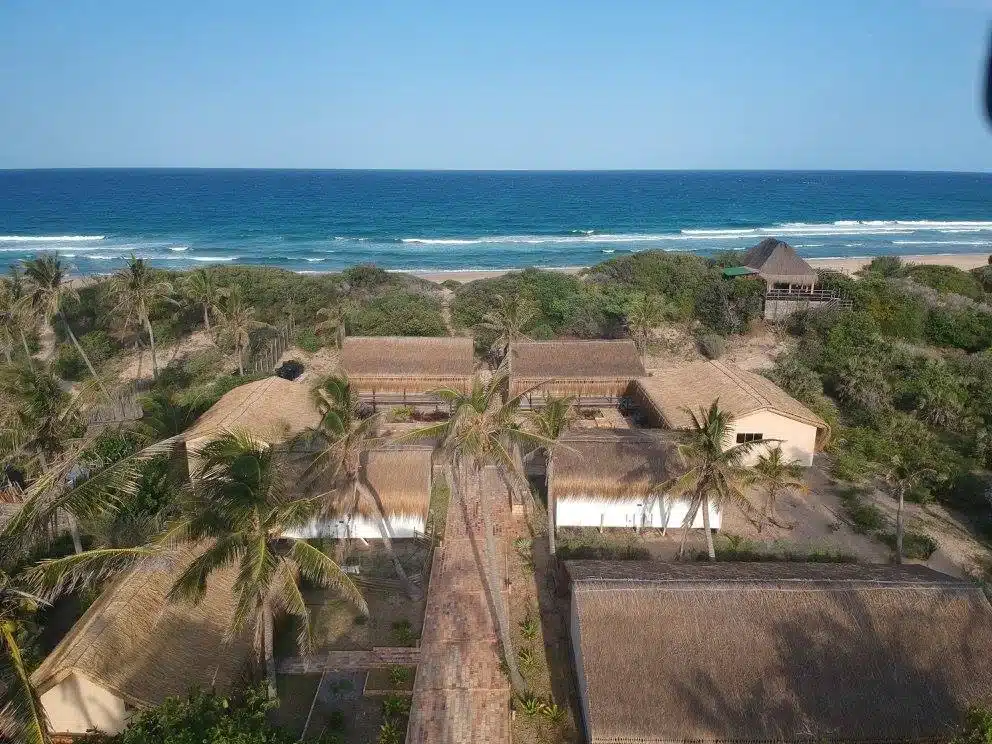
Accommodation: Volunteers are accommodated at Tilak Lodge, situated next to the diving centre and just a stone’s throw from Tofo Beach.
Activities/leisure
On days when you’re not in the water, the social project guides can take you on activities around Tofo, such as Portuguese lessons and historical tours…
Tous les avis sur les missions Freepackers

The partner organisation
The partner organisation’s mission is to encourage participation in ethical and sustainable development projects. It connects NGOs, social welfare organisations and government bodies with volunteers. It promotes solidarity-based and participatory travel. The partner is a certified WYSE Travel Confederation Member. WYSE is a global non-profit organisation representing youth and student travel operators worldwide. It is also a member of the AFNOR commission for the development of the international standard on responsible tourism, a member of the international mobility committee, a certified Australia specialist, accredited by the international ICEF group, a member of the EAIE (European Centre of Expertise, Networking and Resources for the Internationalisation of Higher Education) and a member of the travel4impact Network.