 Français
 English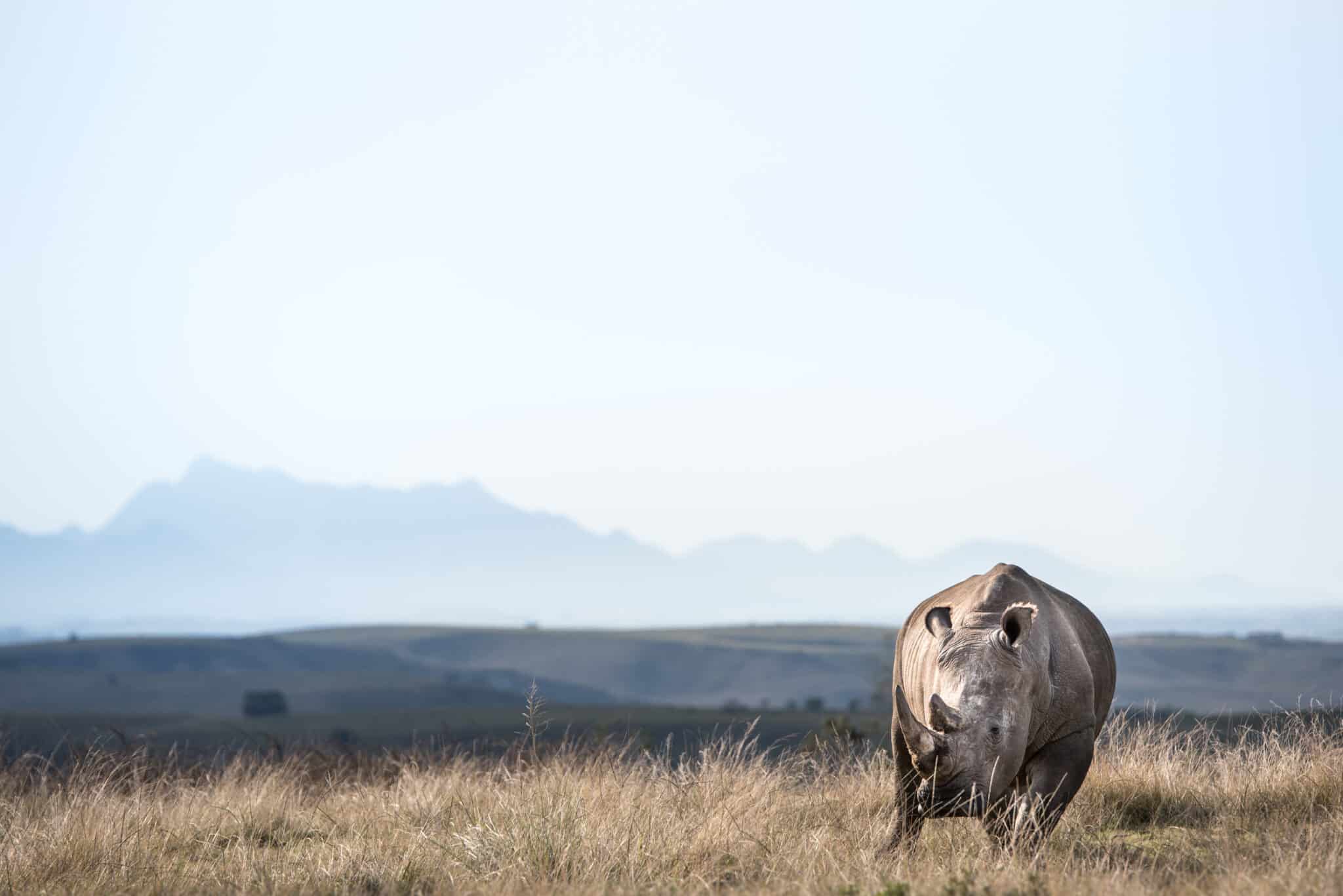


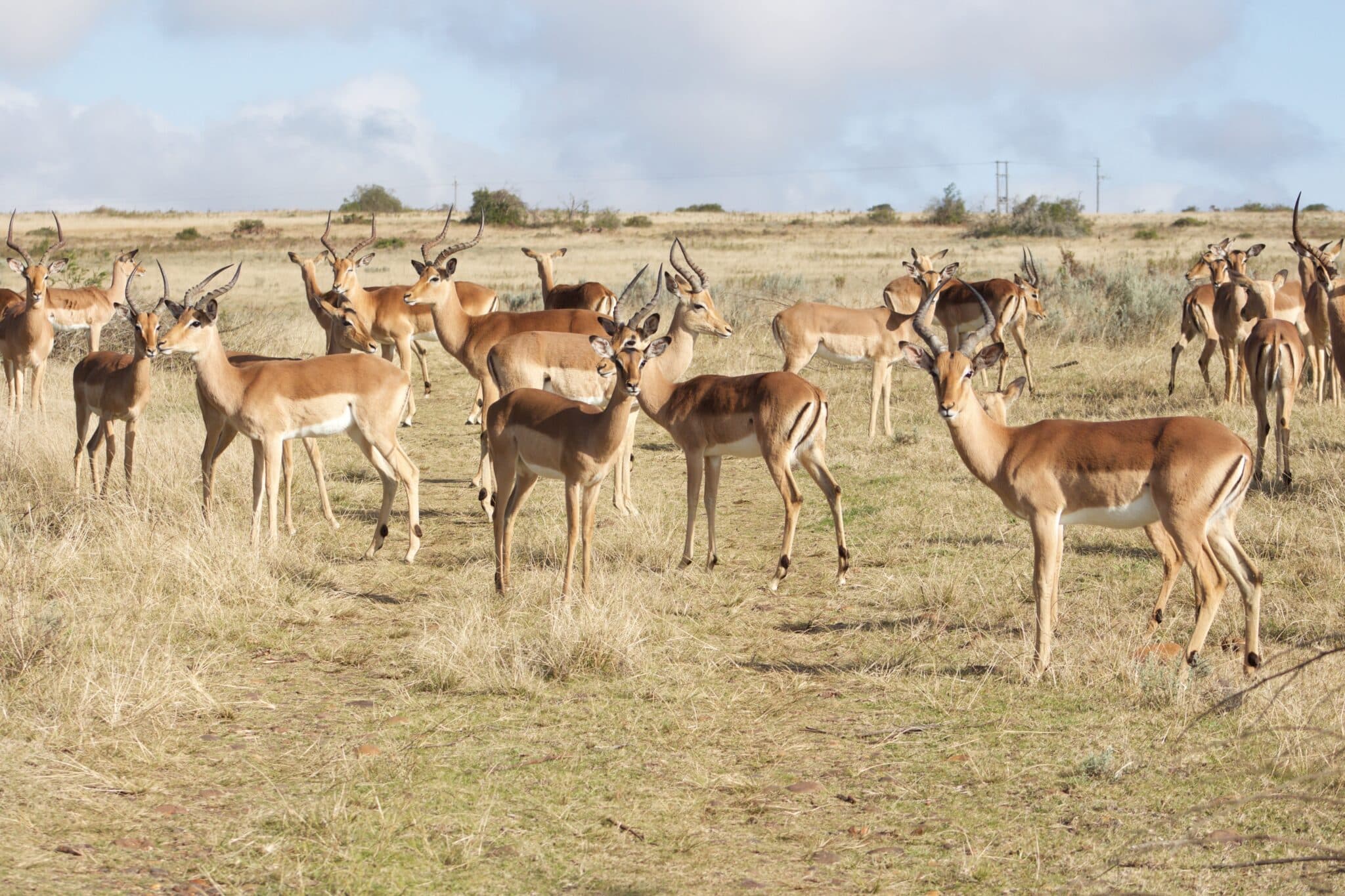
Experience an adventure at a wildlife research camp in South Africa. This research and conservation project focuses, in part, on the study of the white rhino. All missions in Africa
Research and Conservation – Limpopo Province
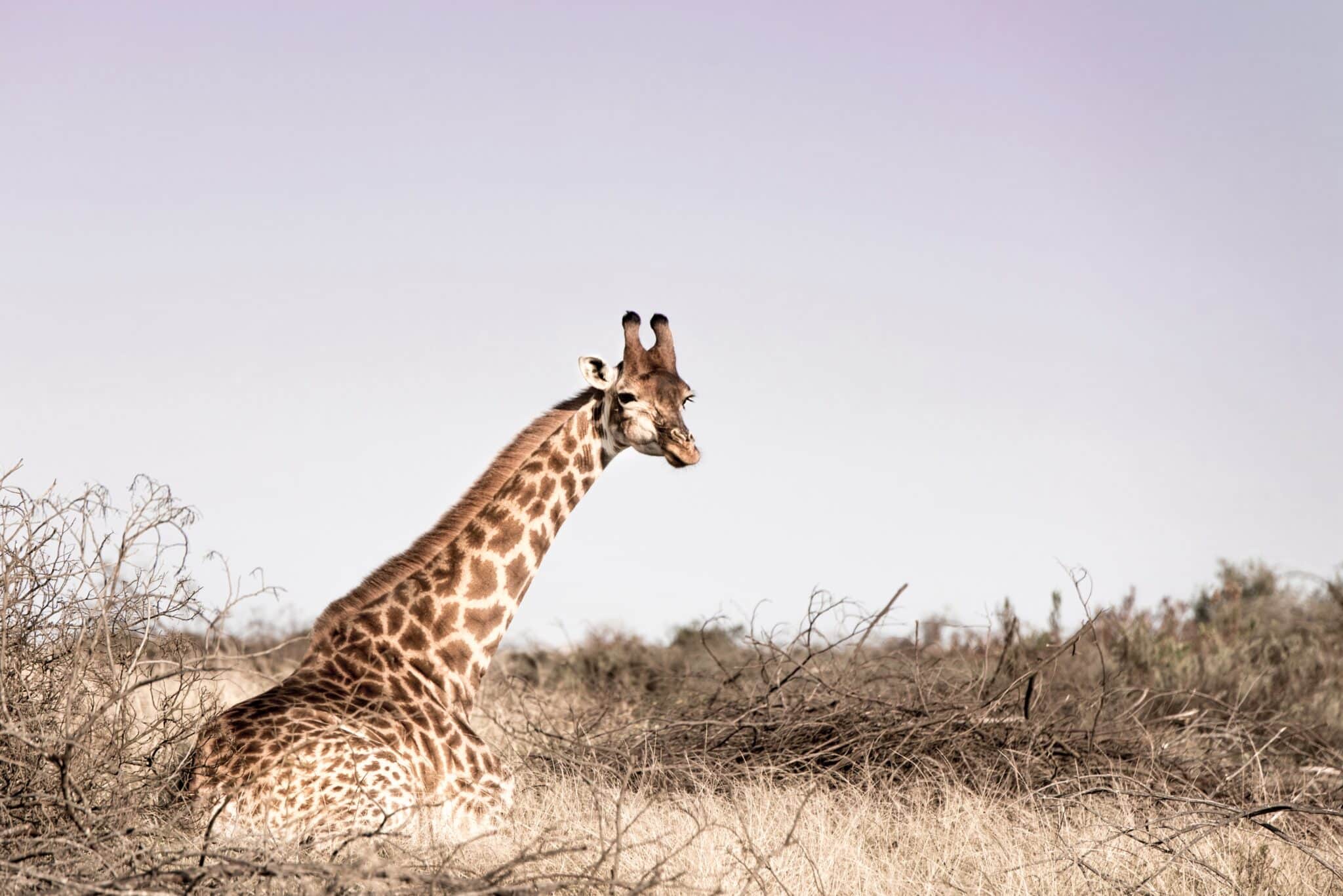
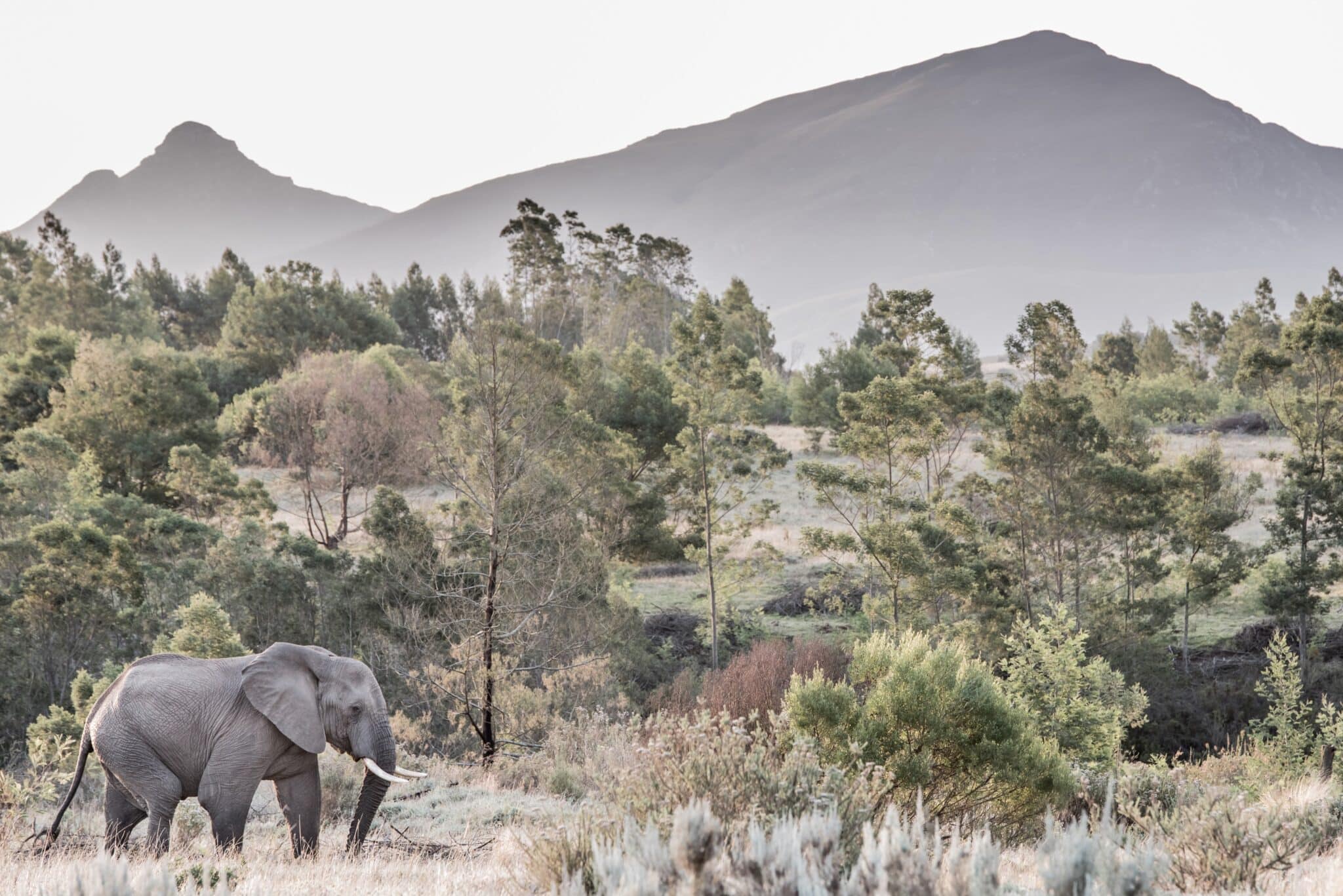
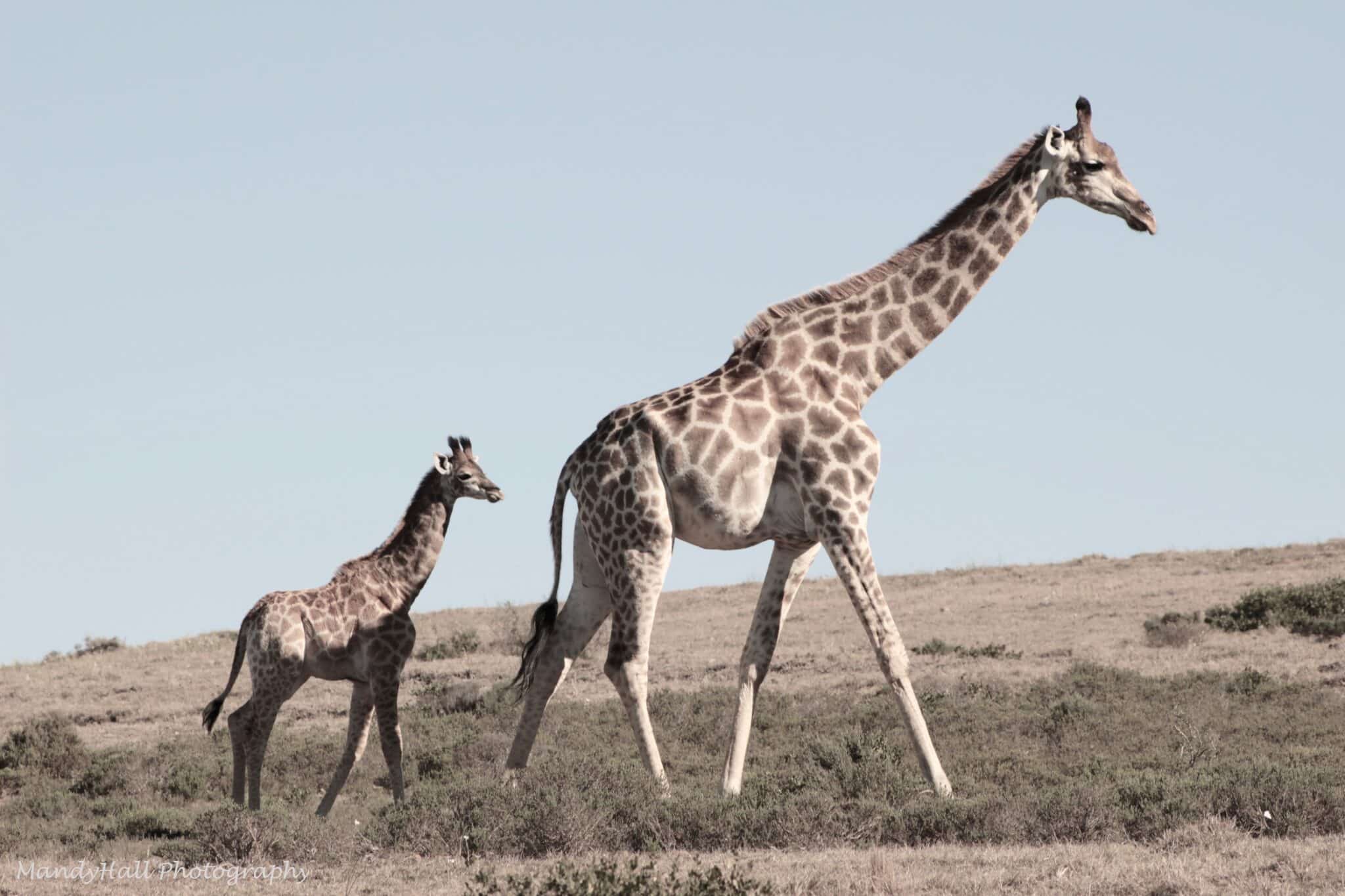
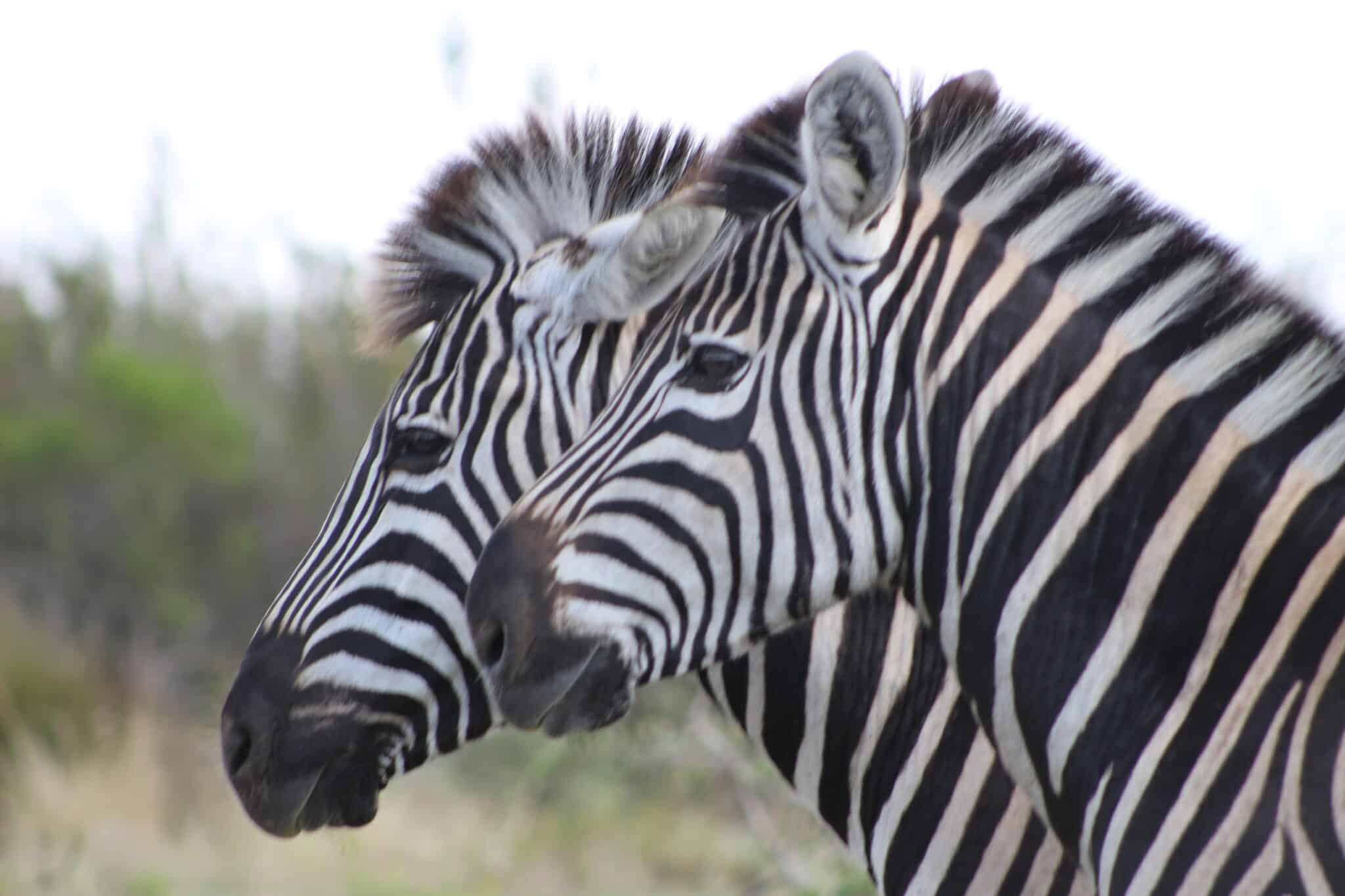
The research and conservation project is based in South Africa, specifically in the Limpopo province, which is renowned for its flora and fauna. For over ten years, the partner organisation, Nkonzo Wildlife, has been focusing on various species, including large predators, as well as herbivores and all endangered species.
The behaviour of the white rhinoceros
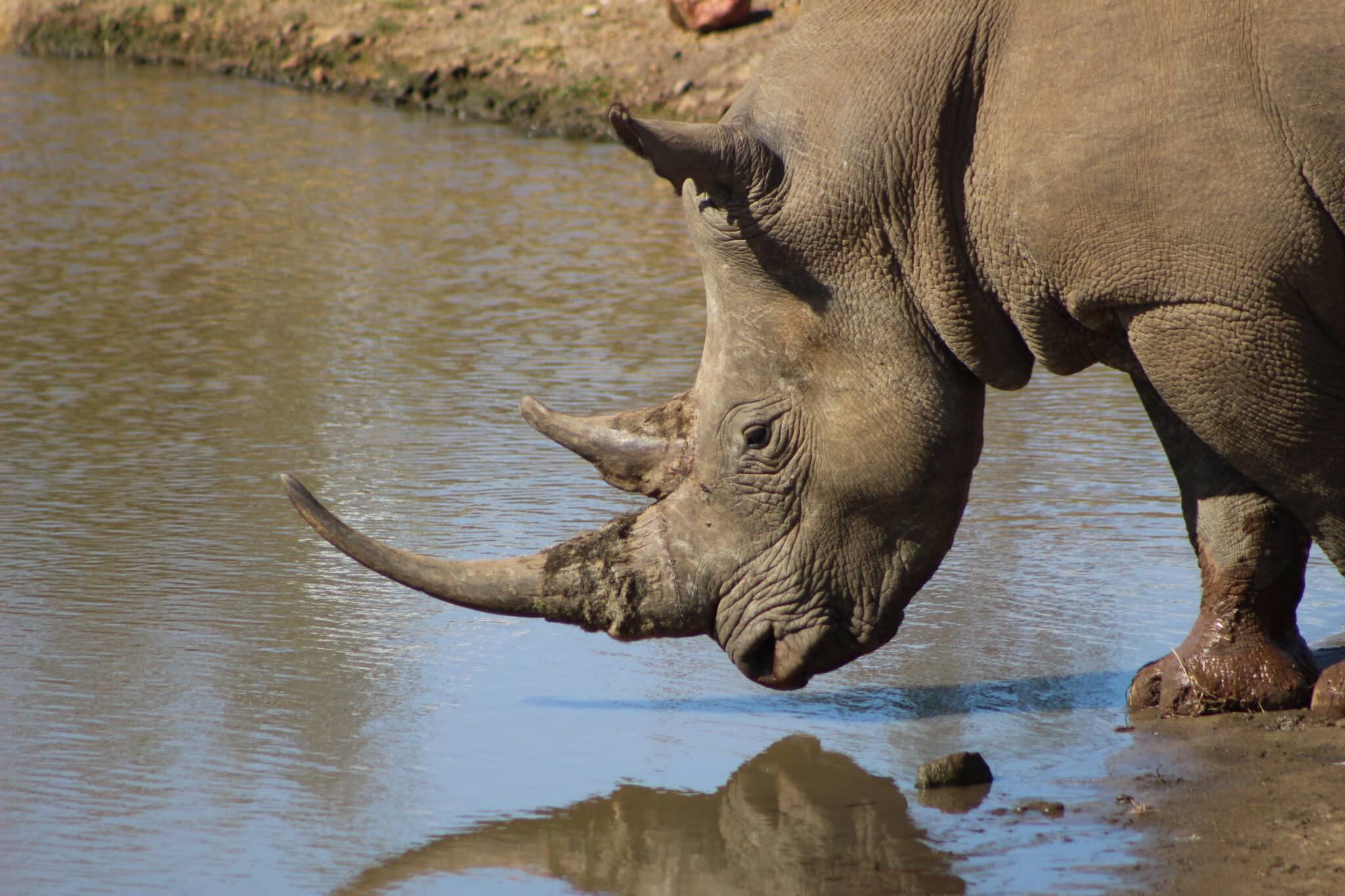
Part of his research focuses on the behaviour of white rhinos, and in particular on the effects of dehorning, a crucial technique used to reduce the risk of poaching. The research also aims to study wildlife behaviour in order to reduce conflicts between humans and large predators. The data collected by the partner organisation helps to shape conservation strategies at both national and international levels. The findings are published in scientific journals.
Awareness-raising policy
The local community is actively involved in the various projects. Nkonzo Wildlife works with neighbouring communities to raise awareness of biodiversity conservation and promote sustainable development. Efforts are being made to empower local people by providing them with conservation-related education and employment opportunities.
The role of the eco-volunteer
As a volunteer with Nkonzo Wildlife, you will enjoy an immersive experience within a reserve where you will study white rhinos. You will take part in fieldwork, including tracking rhinos and monitoring their health and behaviour. You will collect data that will contribute to the development of wildlife conservation strategies and the protection of the white rhino.
For researchers and enthusiasts alike
In addition to field experience, you will explore the various aspects of wildlife management, covering both scientific and conservation policy perspectives. You will deepen your understanding of ecological balance, species protection and the challenges faced by wildlife conservationists today. Whether you are an aspiring conservationist, a seasoned researcher or simply a wildlife enthusiast, this experience will be highly rewarding.
Volunteers take part in various activities
- Taking part in day-to-day fieldwork, such as tracking and monitoring wildlife using telemetry equipment.
- Contributing to data collection and analysis for ongoing research projects.
- Participation in community outreach programmes focused on conservation education.
- Participation in habitat restoration efforts, such as the removal of invasive species and reforestation projects.
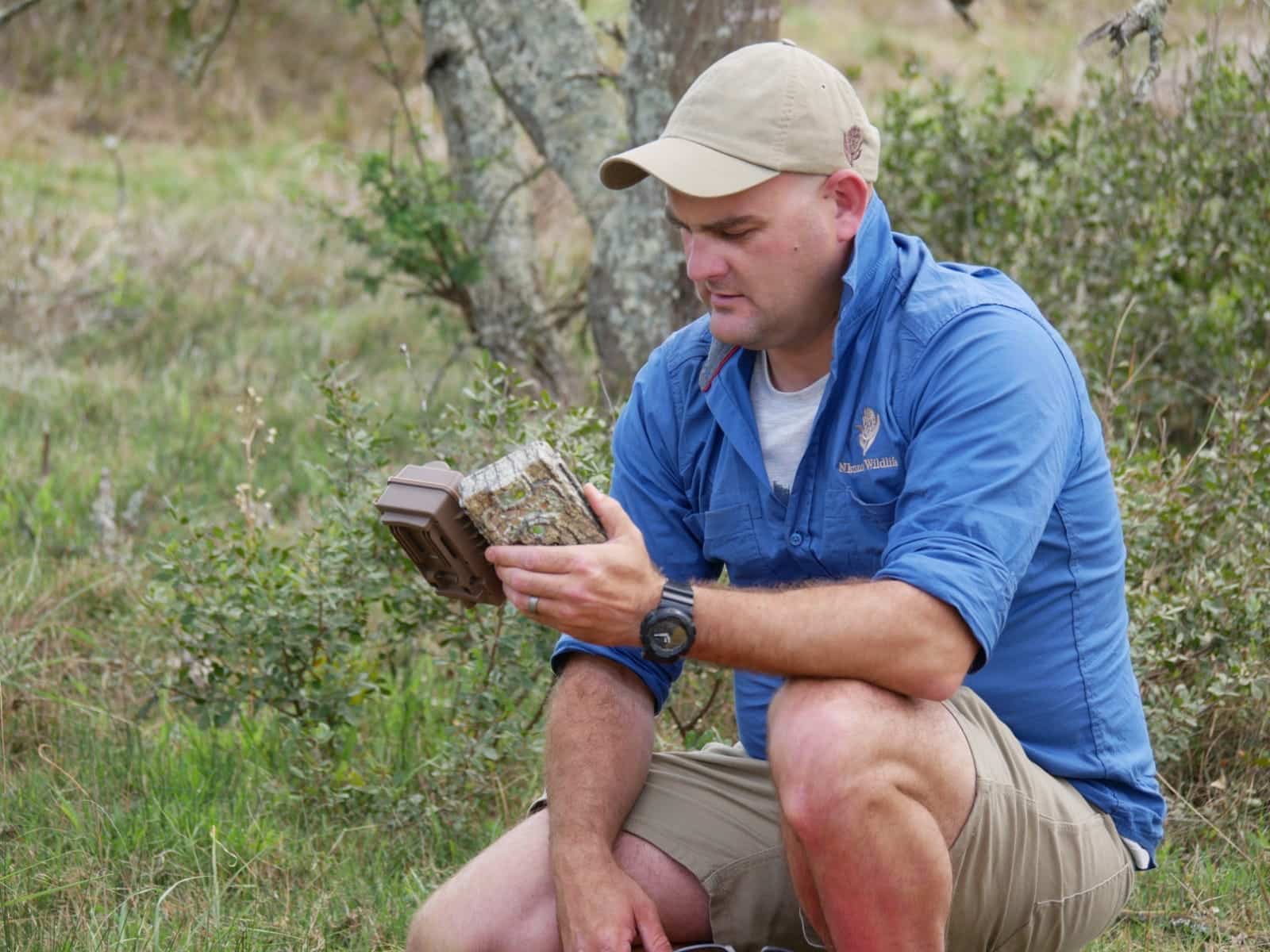
The organisation does not engage in activities that could harm or cause stress to animals. It uses non-invasive research methods, such as camera trapping and GPS tracking, to monitor wildlife without direct interference.Fee and date
The team is here to welcome you from January to the end of November
At least two weeks
Prices
- 4 weeks: £2,299 or €2,721 (depending on the exchange rate)
- 2 weeks: £1,189 or €1,407 (depending on the exchange rate)
Included in the price
- Practical and academic support
- Research equipment: GPS, camera traps, radio, compass, library, shared desktop computer,
- Internet access (Wi-Fi).
- Transfer from Polokwane International Airport
- Accommodation
- Meals
Not included in the price
- Personal expenses
- Travel insurance
- Flight tickets
- Be at least 18 years old
- Be passionate about wildlife conservation and protection. Previous experience in this field is an advantage, but not essential.
- Basic English (it is important to be able to understand the safety instructions)
- The work can be physically demanding. It is advisable to be in good health.
- Before you register, you will always have an interview with the project manager to ensure that your application is a good fit for the project.
The research camps offer shared rooms for four people. Bedding is provided. Bathrooms are shared. A communal kitchen is available, as is a barbecue area. Tap water is safe to drink, and a gas hob/oven and a communal fridge-freezer are available. Each camp has an ‘African bush laundry’ where you can wash your clothes by hand.
Basic Wi-Fi access is available at the camp, but bandwidth is limited.
Electricity: The camps are connected to the municipal electricity supply and experience regular power cuts.
Grocery shopping: a weekly trip into town is arranged for groceries. Depending on vehicle and staff availability, we may only be able to take one participant at a time. This means you will be able to get essential items once a week, but you may need to give your shopping list to another participant who will do the shopping for you.
Travel insurance: you must take out travel insurance. Health and safety: the research camps are currently located in an area with a low risk of malaria, but please consult your doctor before taking any preventive medication.
Climate: As temperatures are often high, it is essential to wear suitable clothing, bring and drink plenty of water, and apply sun cream to reduce the risk of sunburn and heatstroke. Evenings and mornings can be cool.
Clothing: You must wear closed-toe shoes outdoors, use a torch at night, and check your bed linen, towels and shoes to avoid being bitten or stung by insects or snakes.
Arrival: All eco-volunteers should plan to arrive at Polokwane International Airport, where a member of the organisation will be there to meet them. You will usually need to stop over at OR Tambo International Airport.
Tous les avis sur Nkonzo Wildlife

About the organisation
Our partner is a research and conservation organisation based in Limpopo, South Africa. It was established in 2013. Its mission is to promote wildlife conservation through scientific research and ethical practices in wildlife study and management. Nkonzo Wildlife collaborates with various partners, both local and international, including NGOs and the academic community.
