Français
 English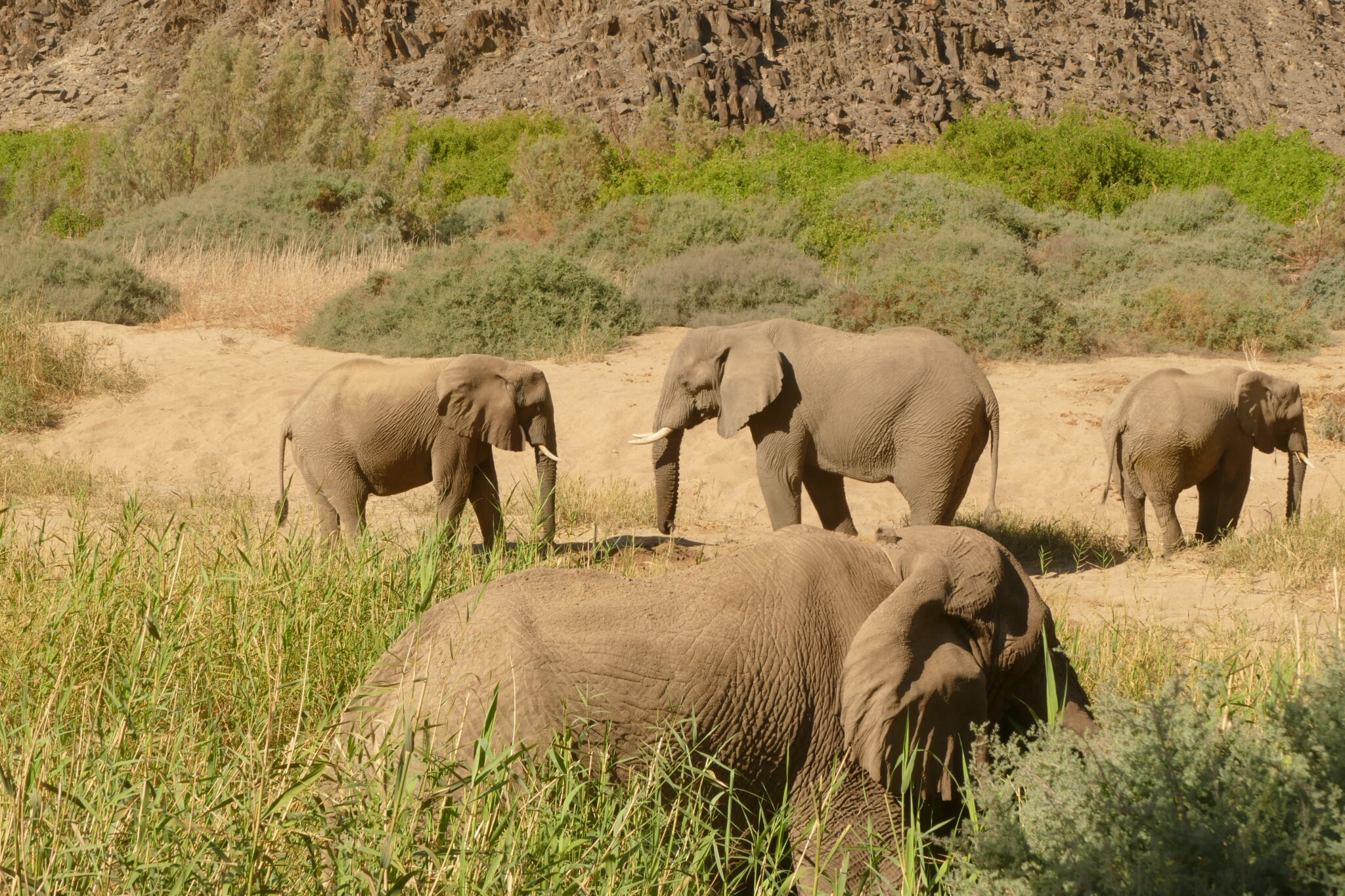
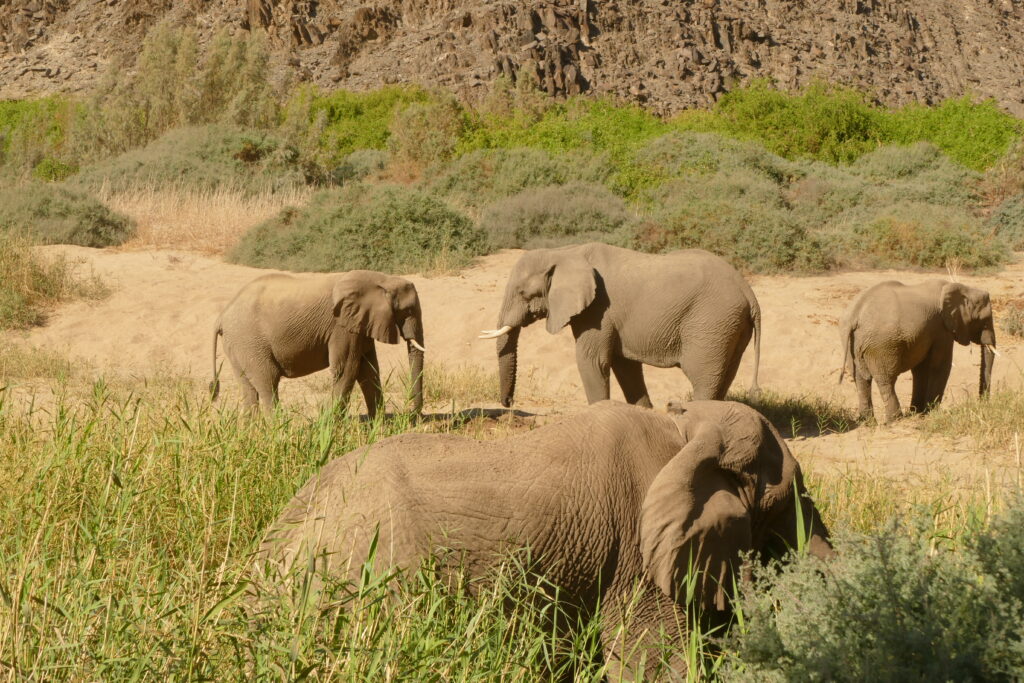 Les éléphants adaptés au désert en Namibie
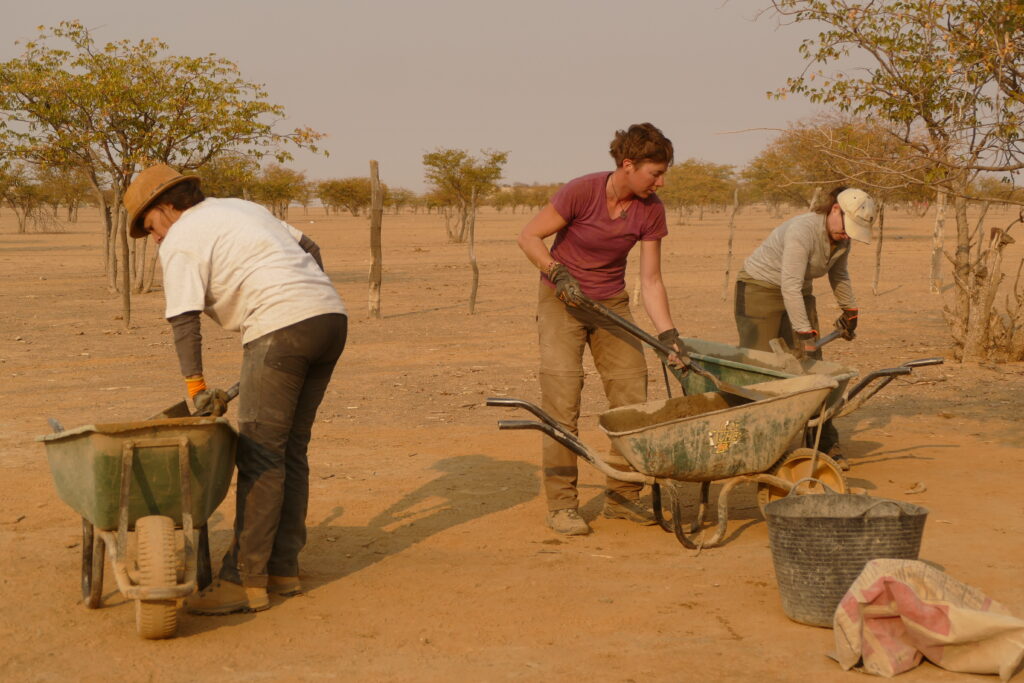 Protégez les éléphants du désert en Namibie
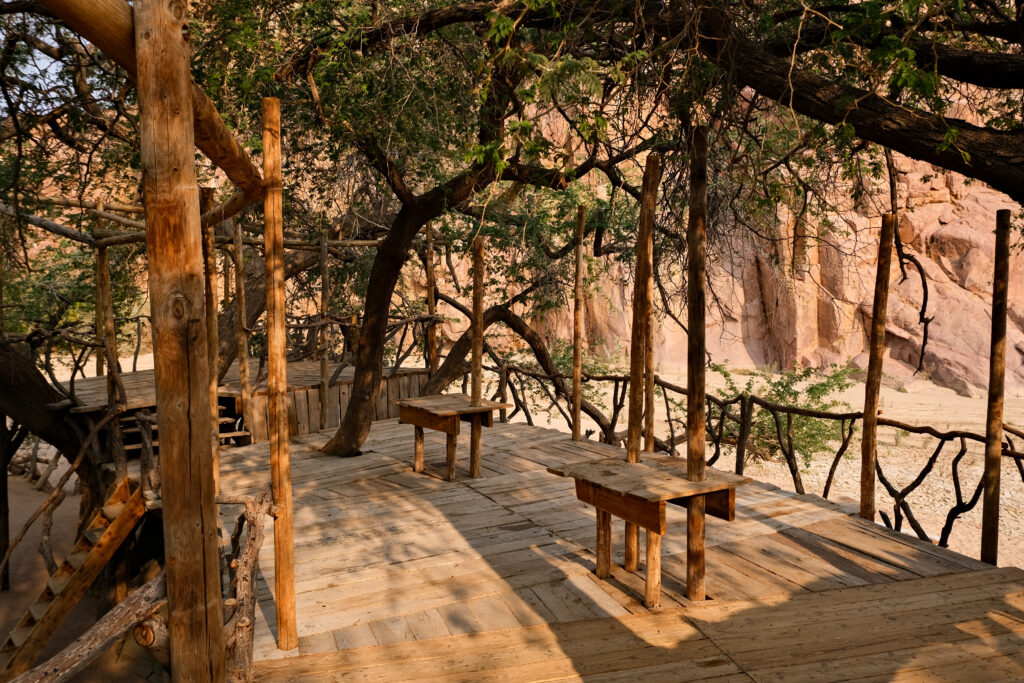 Le camp de base des volontaires en Namibie
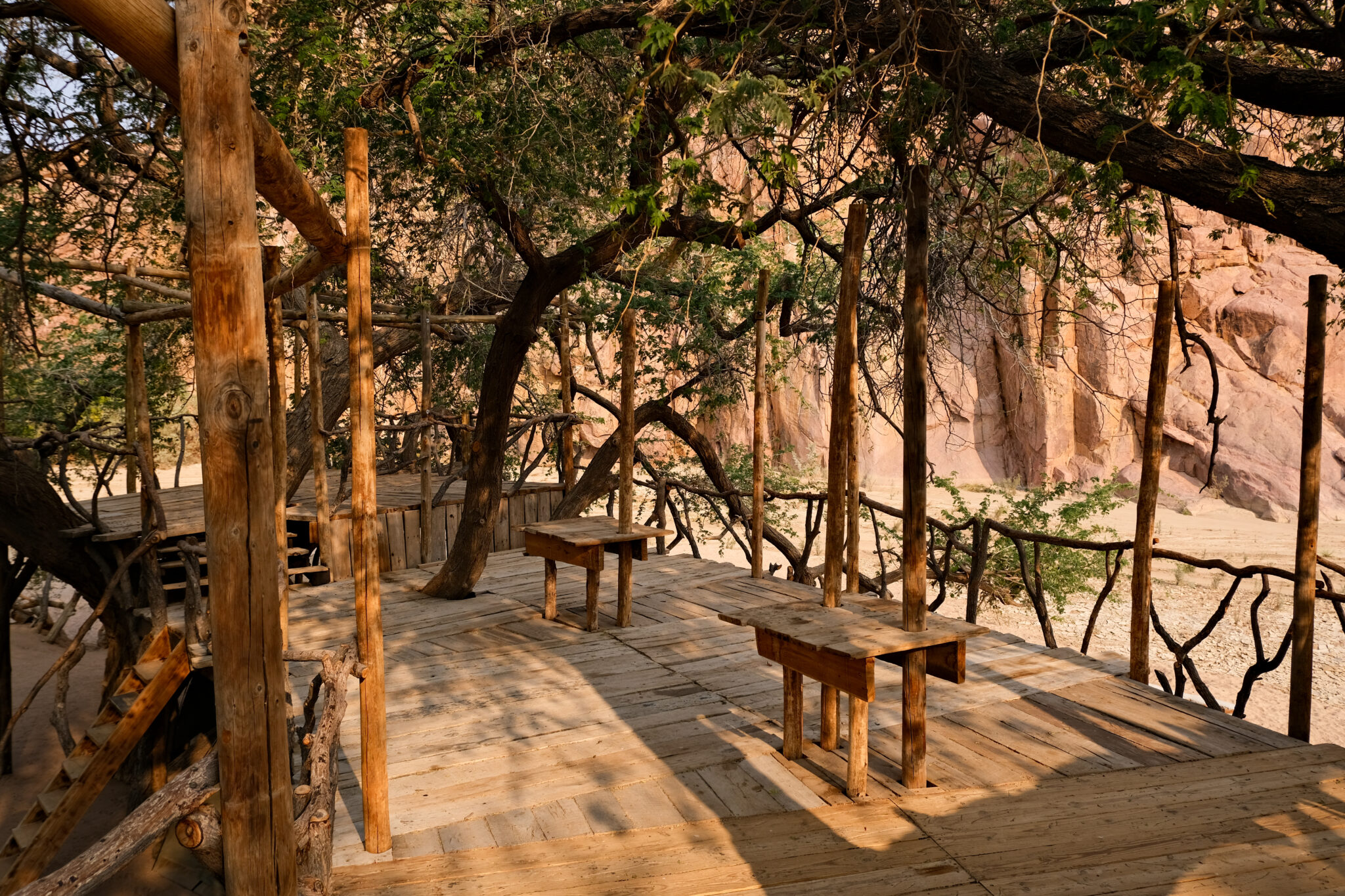
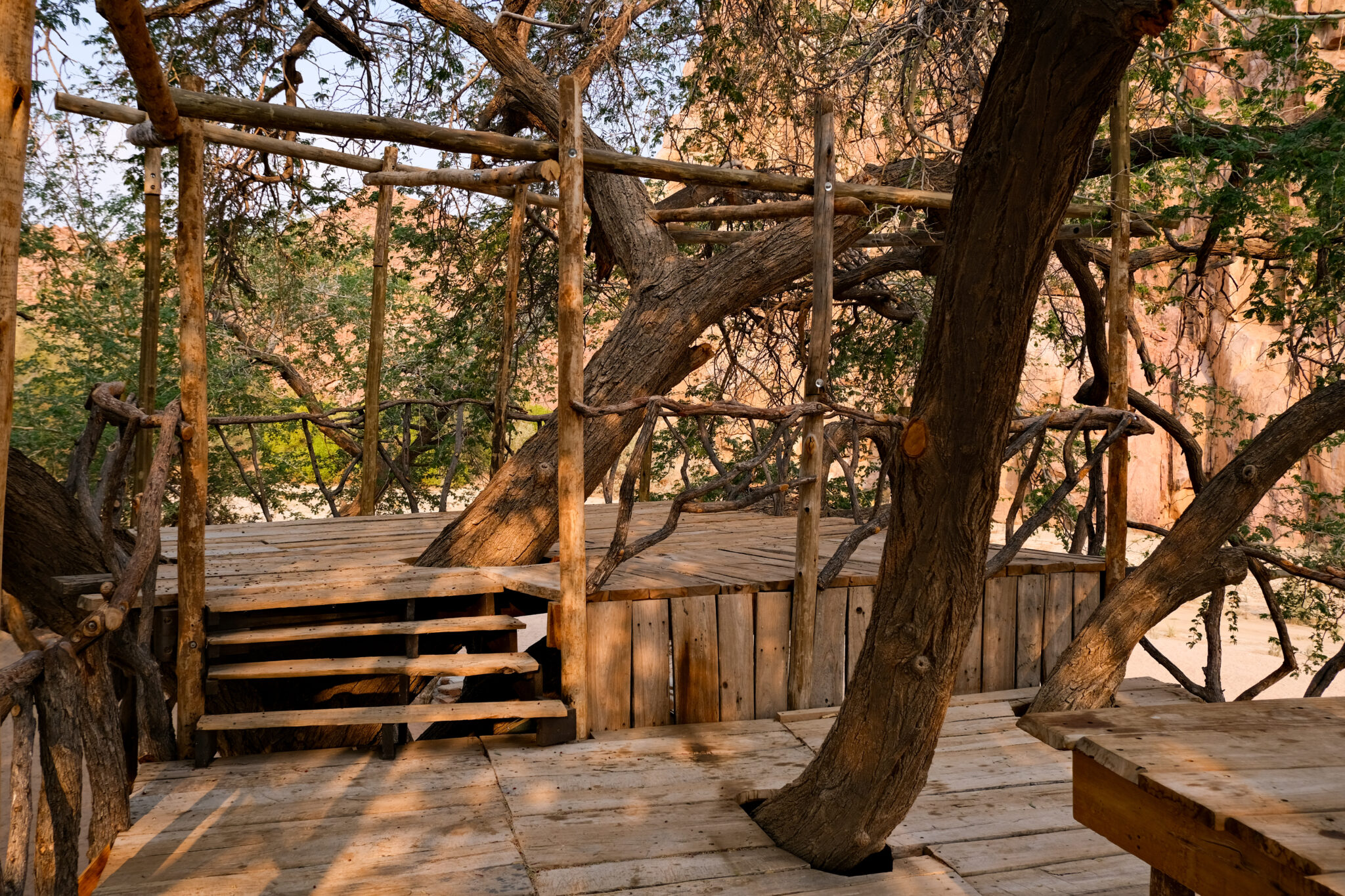
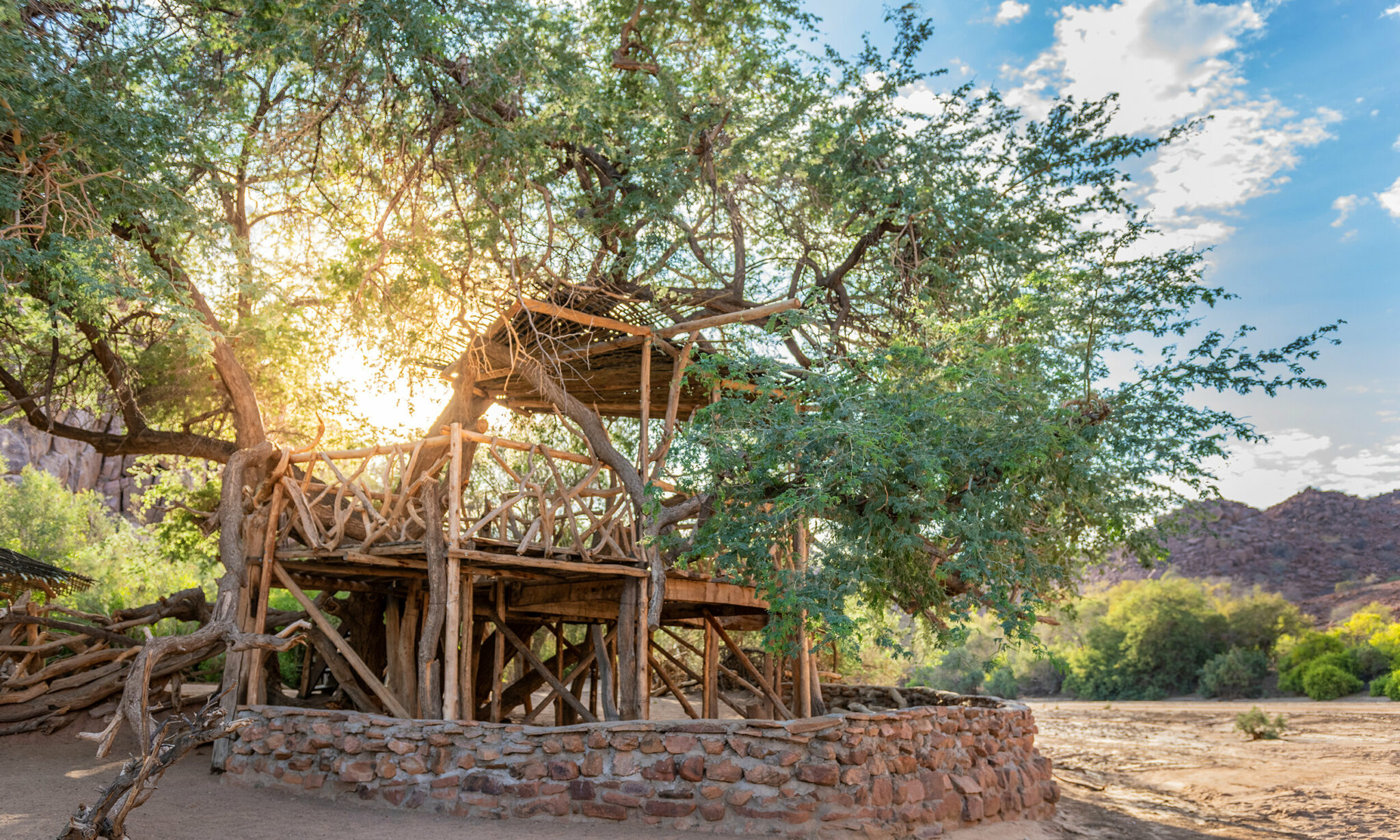
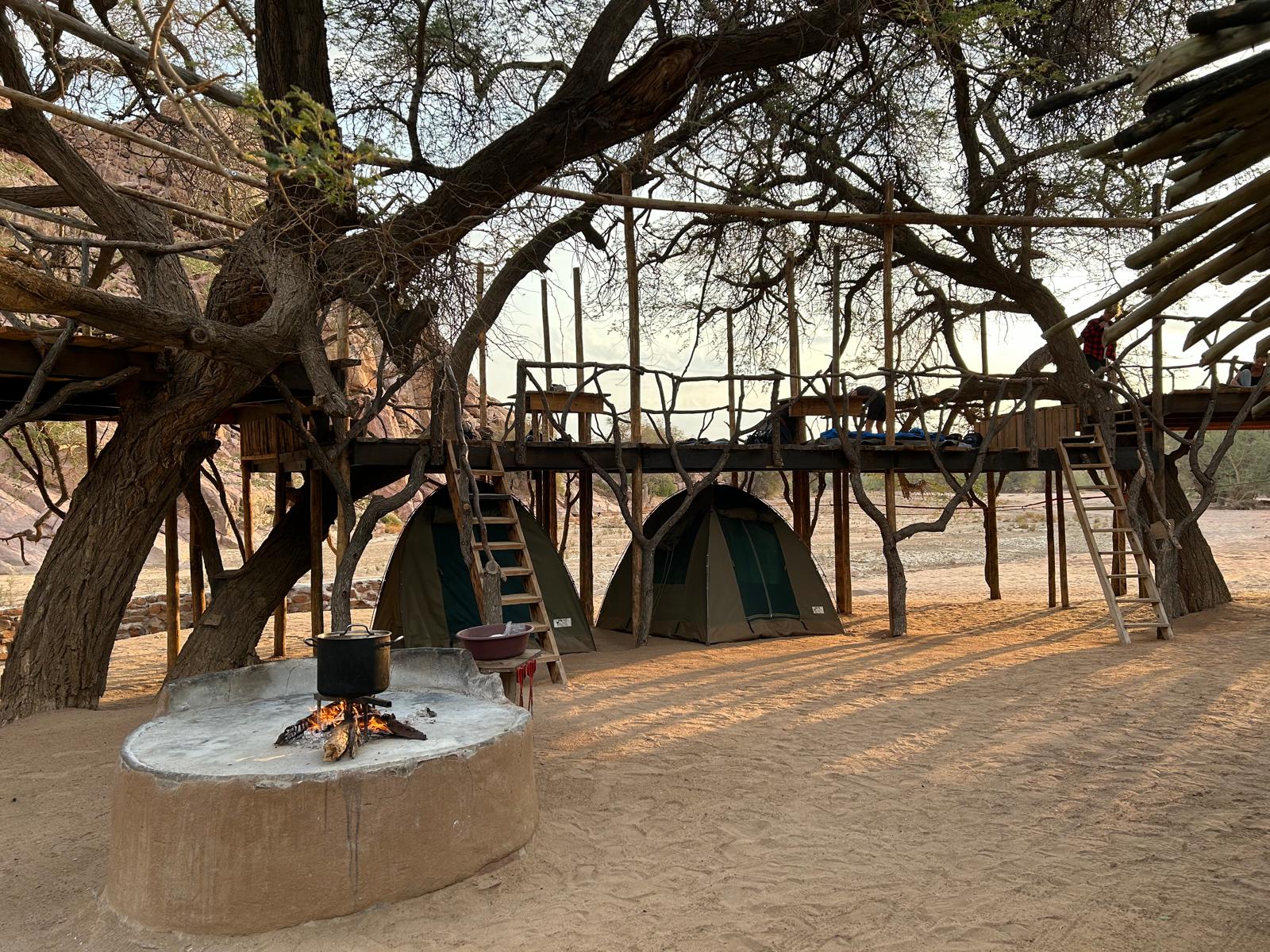
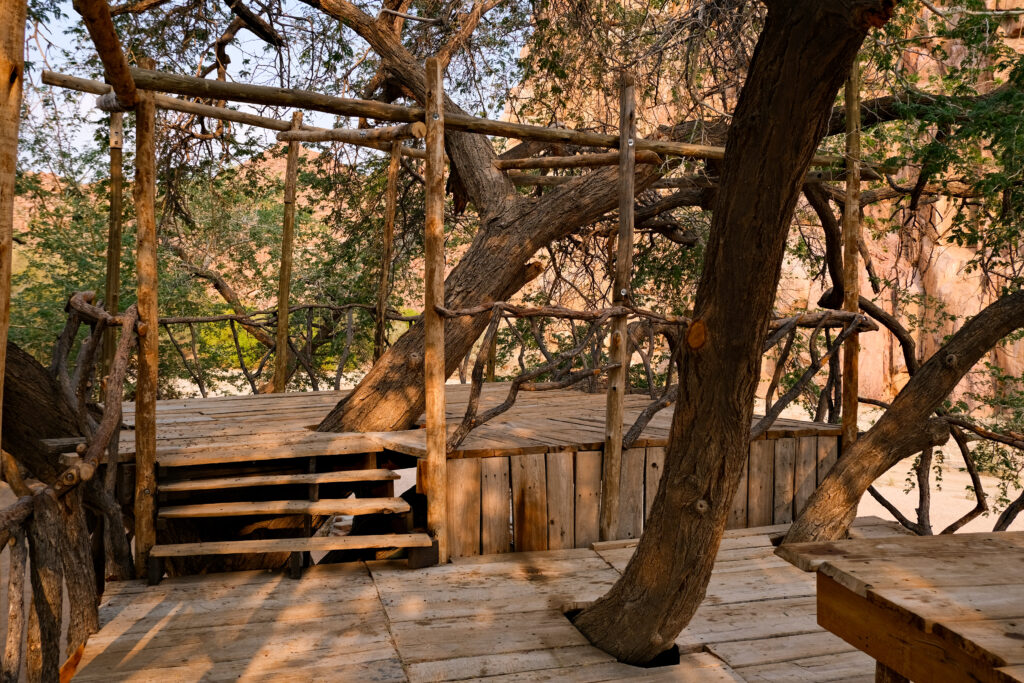 Les écovolontaires séjourneront au camp à EHRA’s Base Camp la première nuit, la dernière nuit et les week-ends.
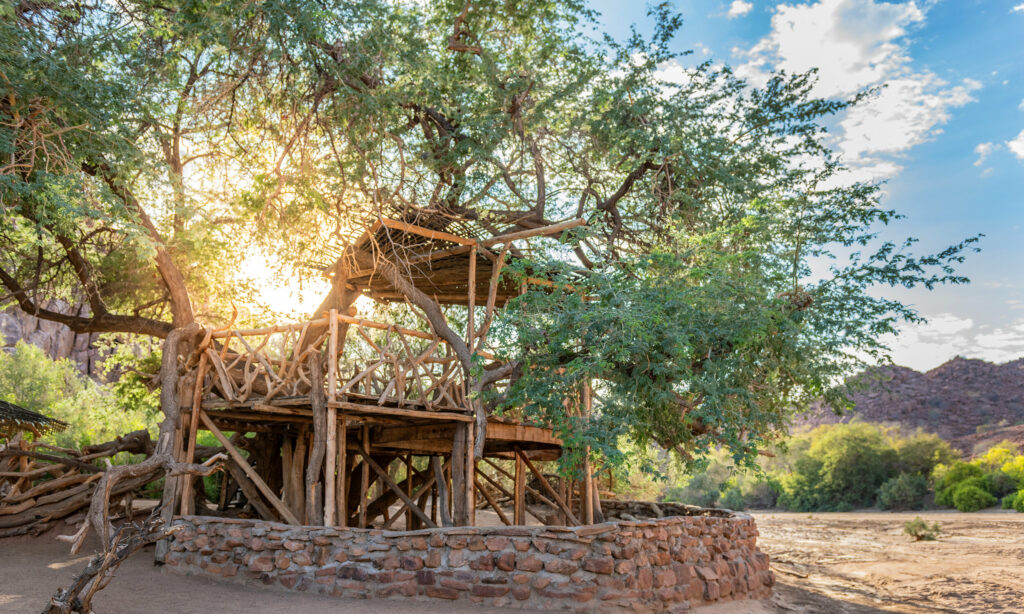 Ce séjour participatif et solidaire en Namibie, est ouvert aux familles
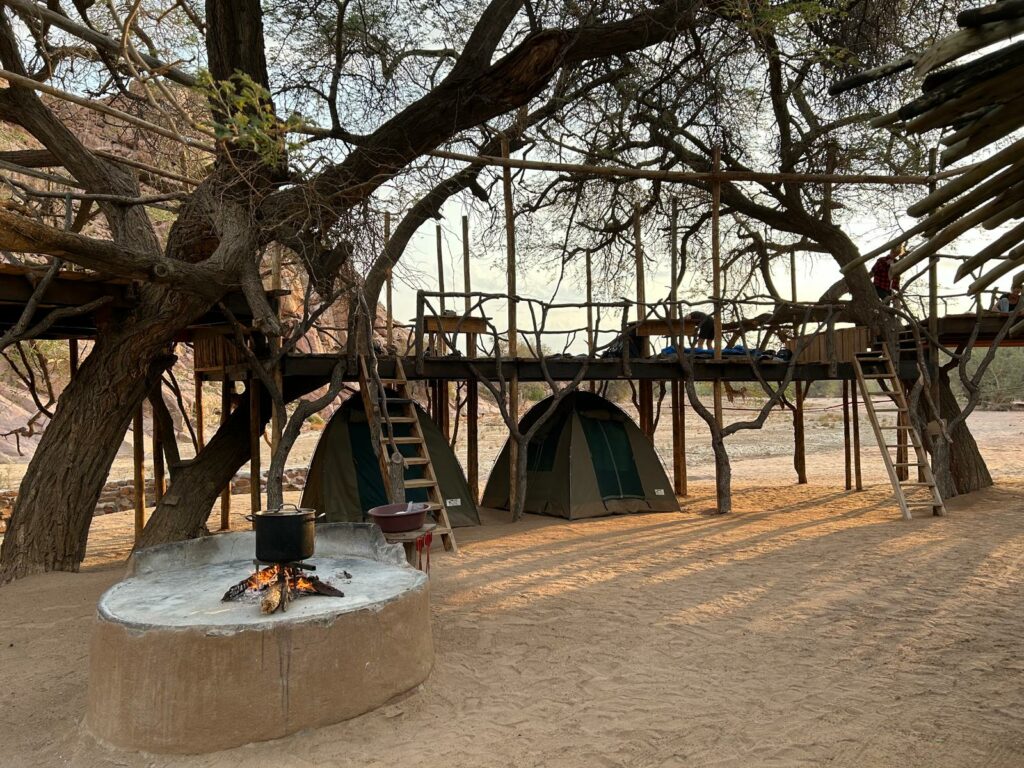 Profitez des belles nuits étoilées de Namibie
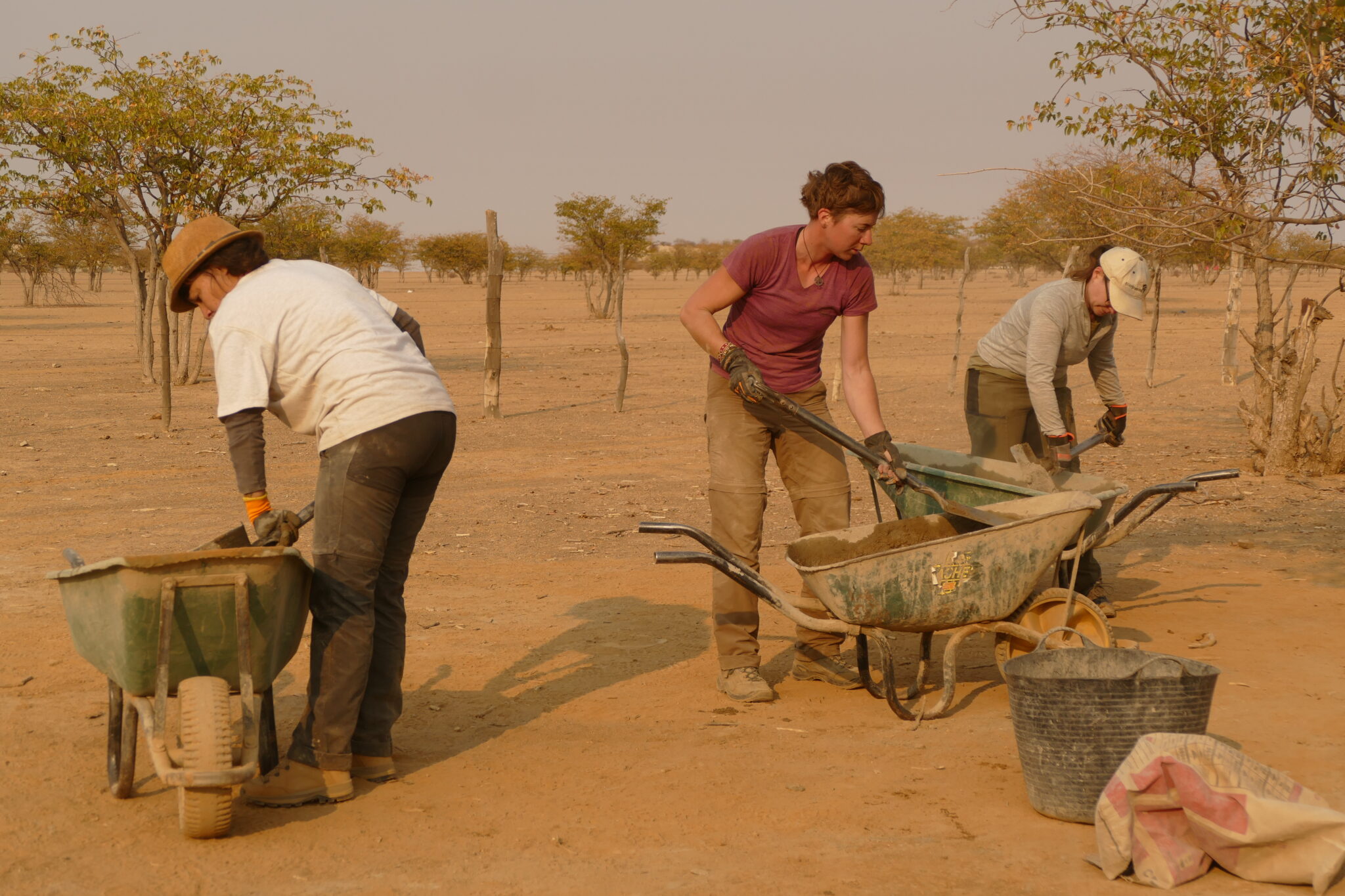
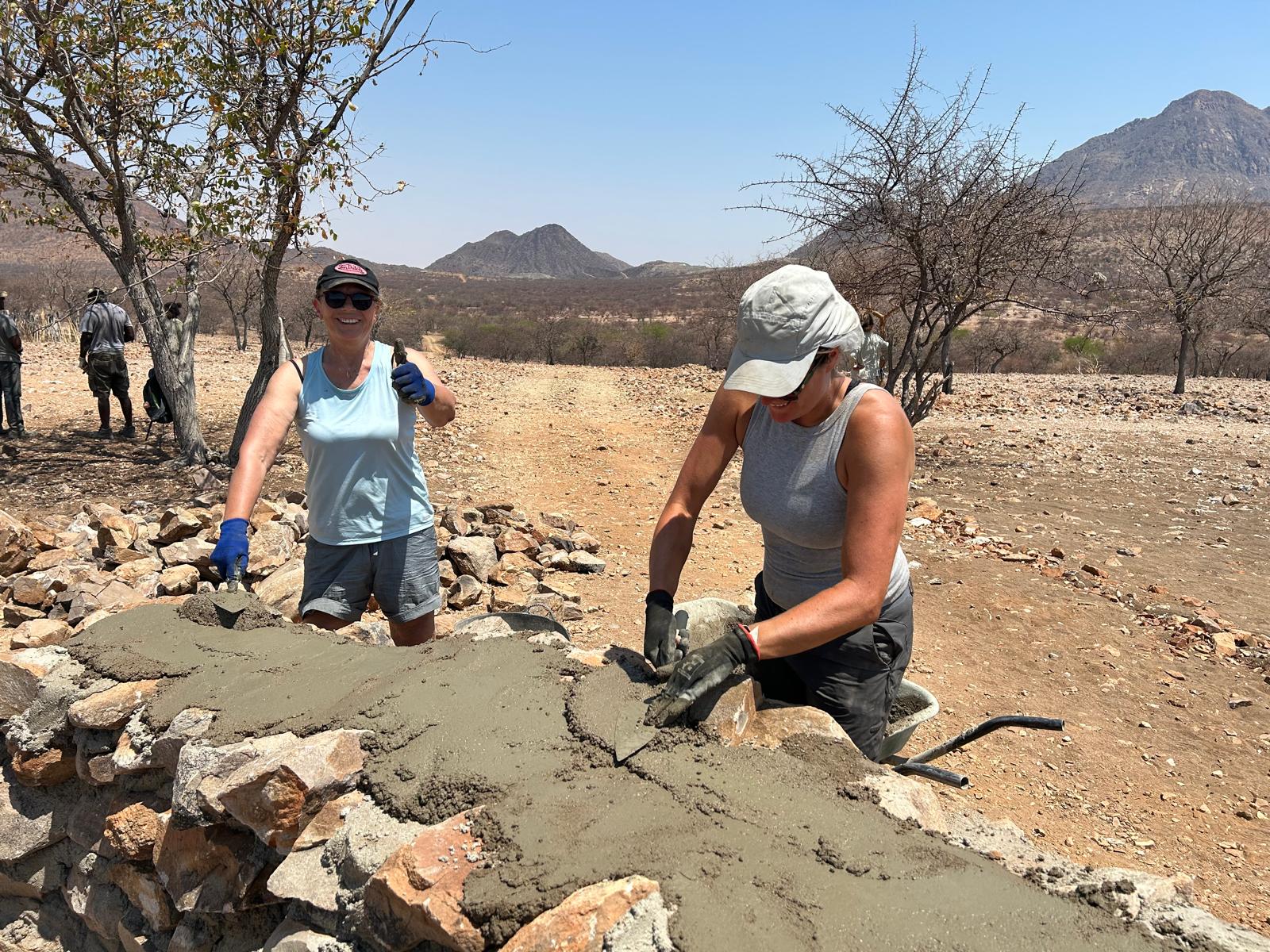
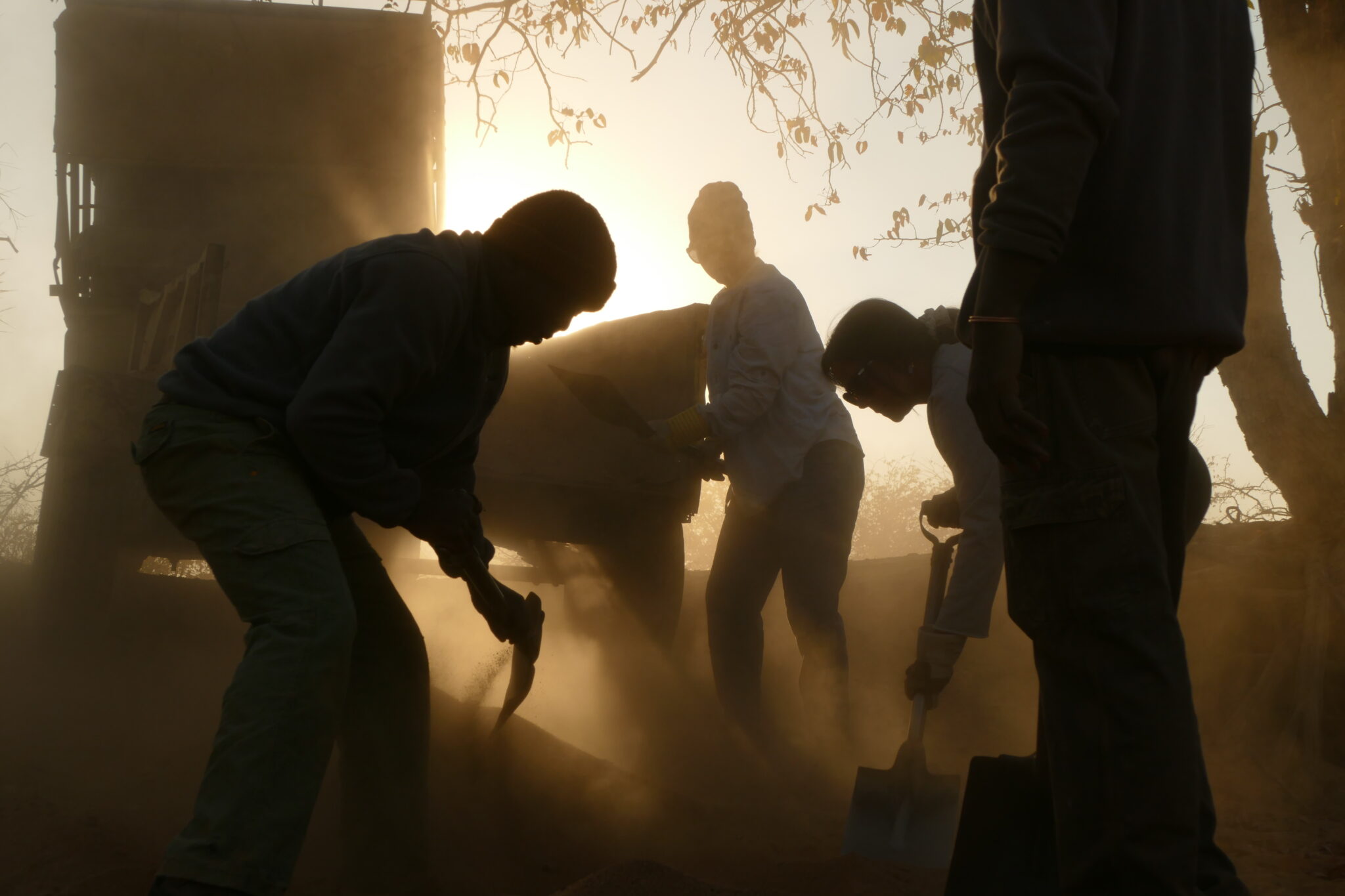
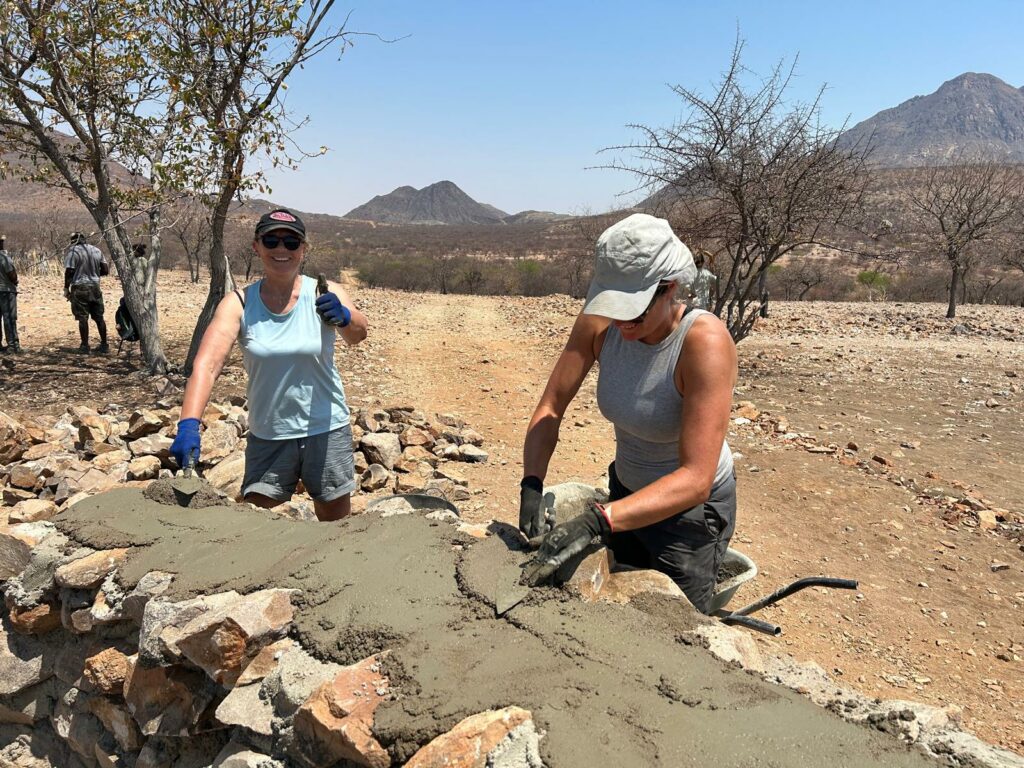 Les volontaires construisent des murs de protection autour des puits
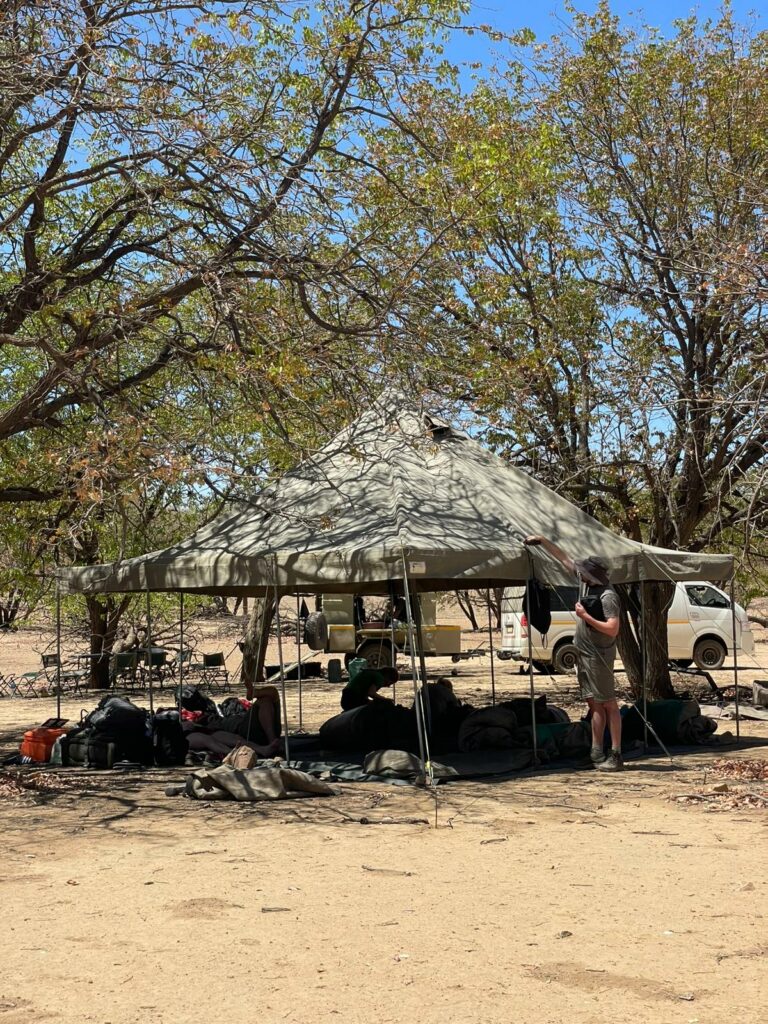 Ces voyages solidaires s’organisent par rotation de 2 semaines
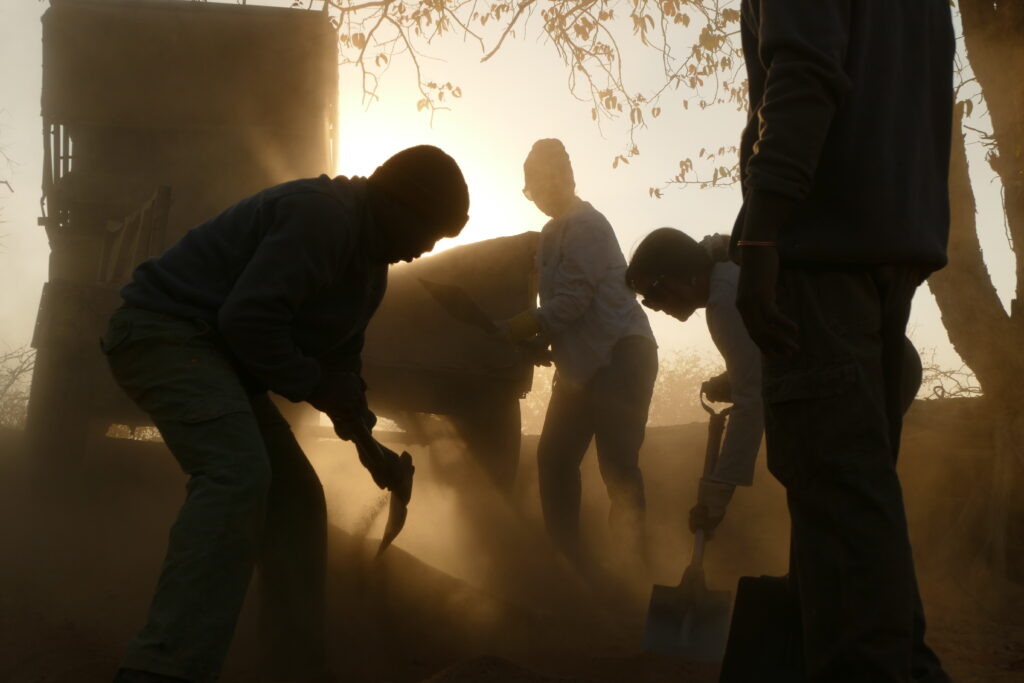 Vivez une expérience formidable dans des paysages époustouflants
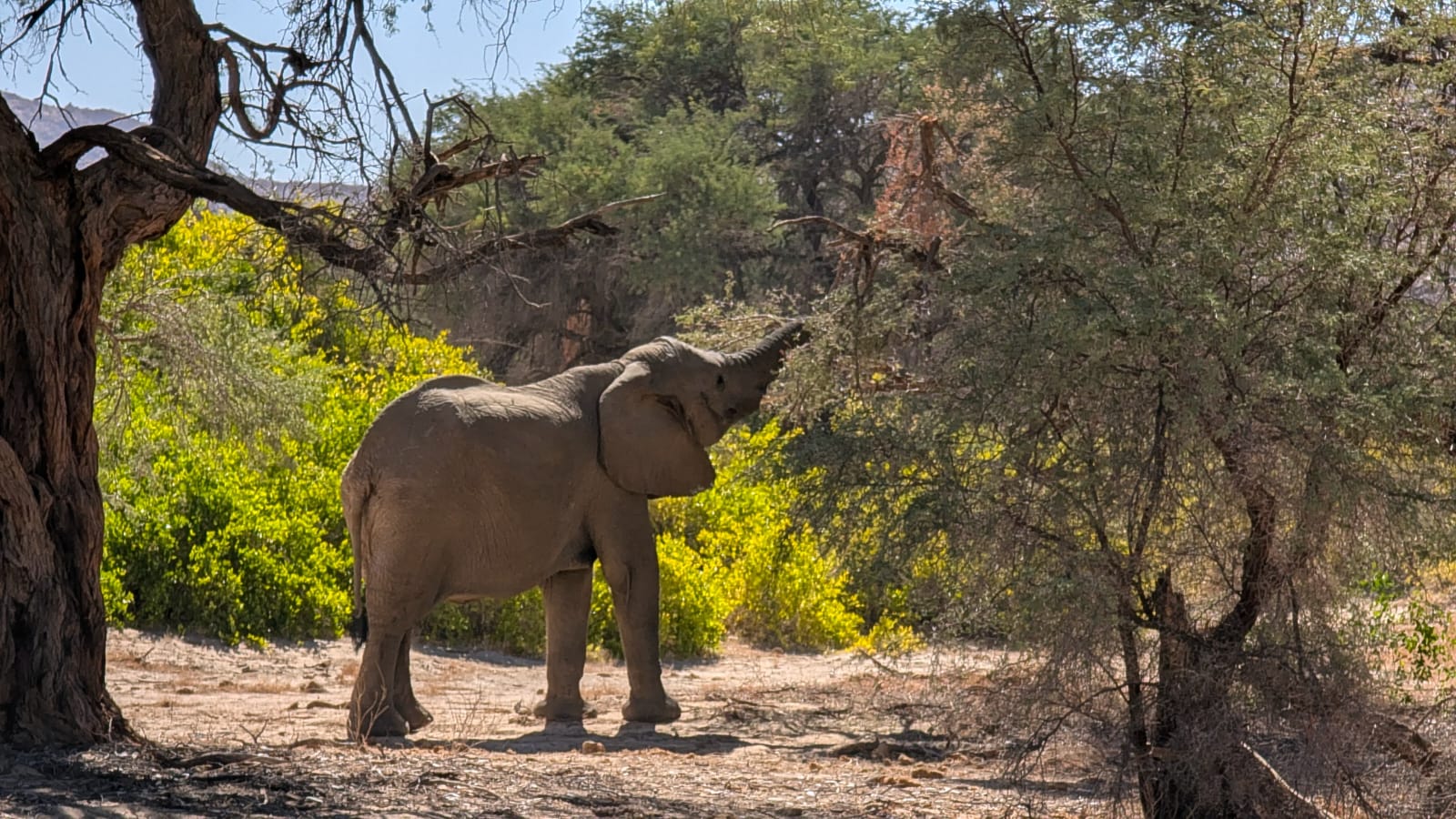
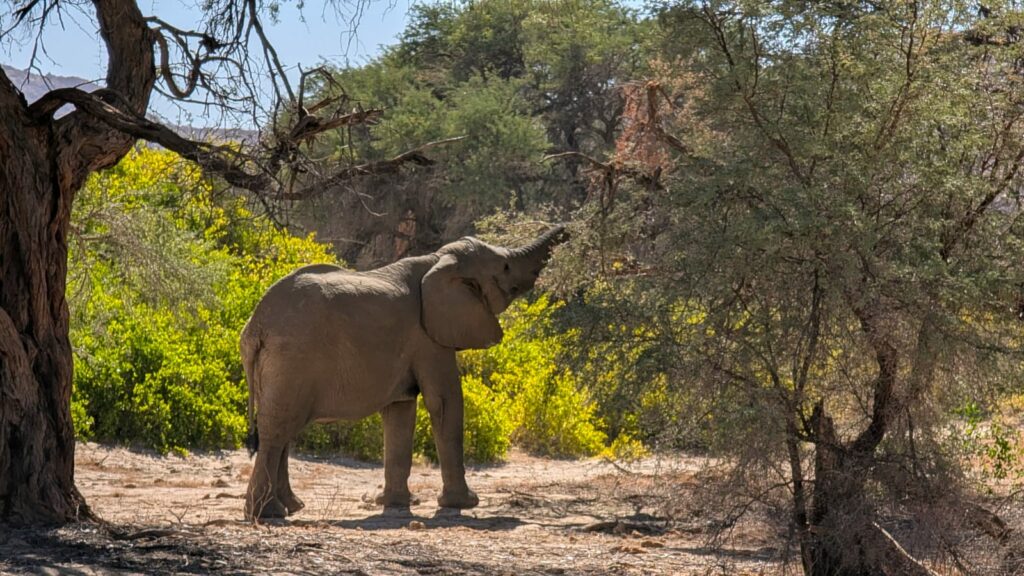 Les éléphants et les humains sont en compétition pour l’approvisionnement en eau dans certaines régions de Namibie
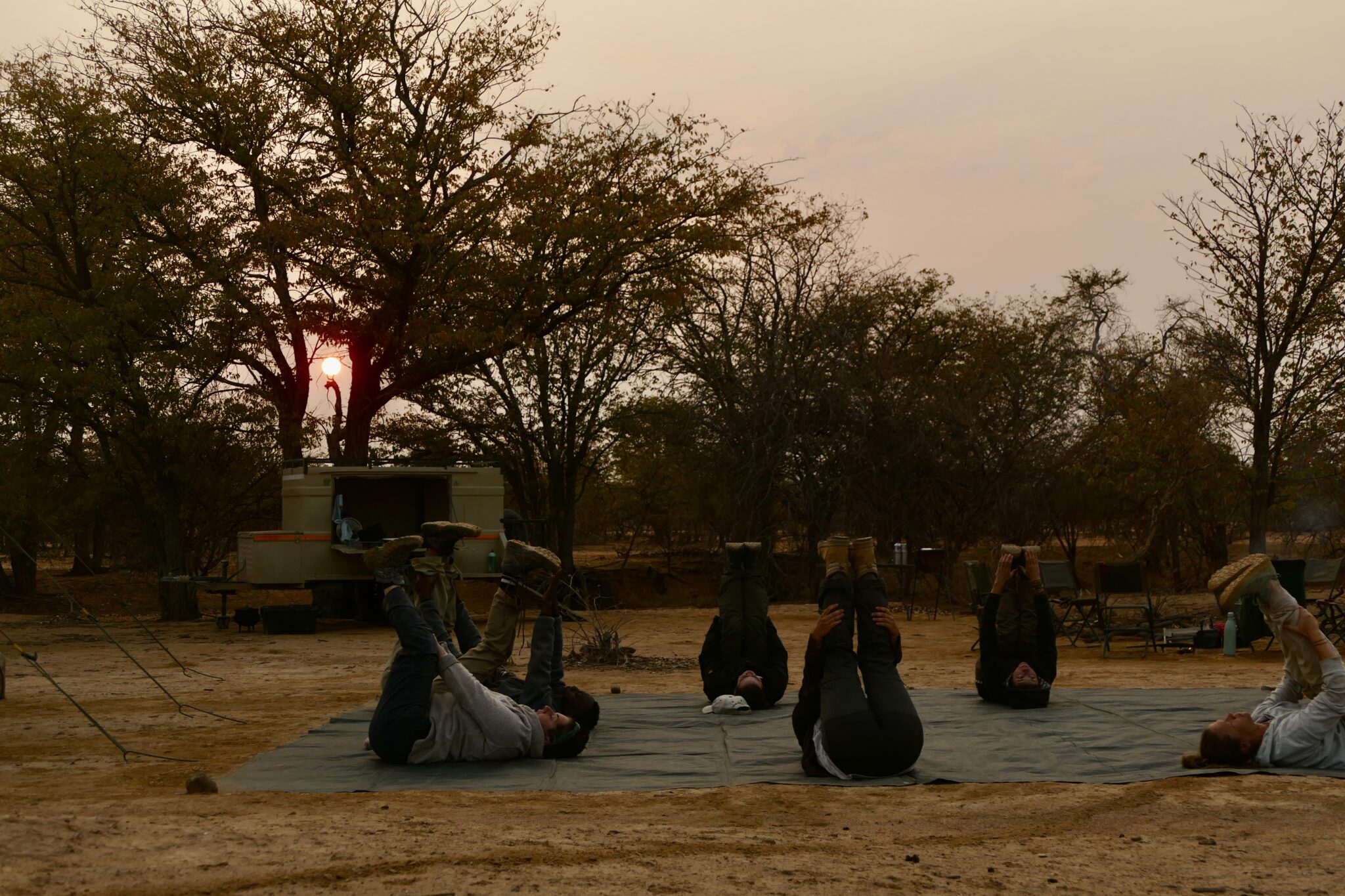
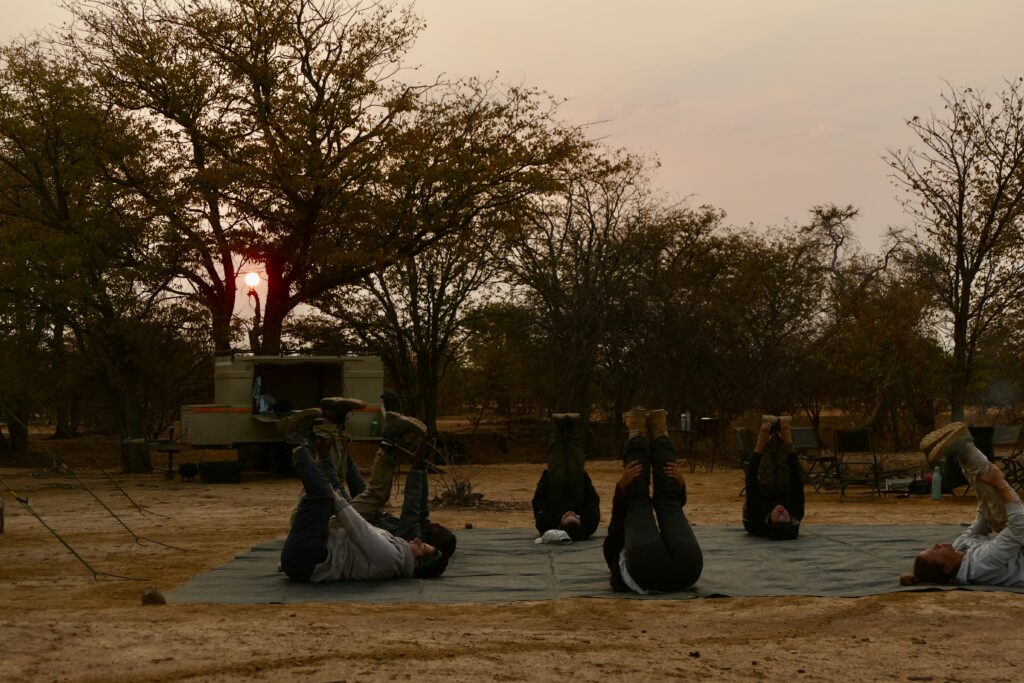 Les belles soirées en camping sauvage en Namibie
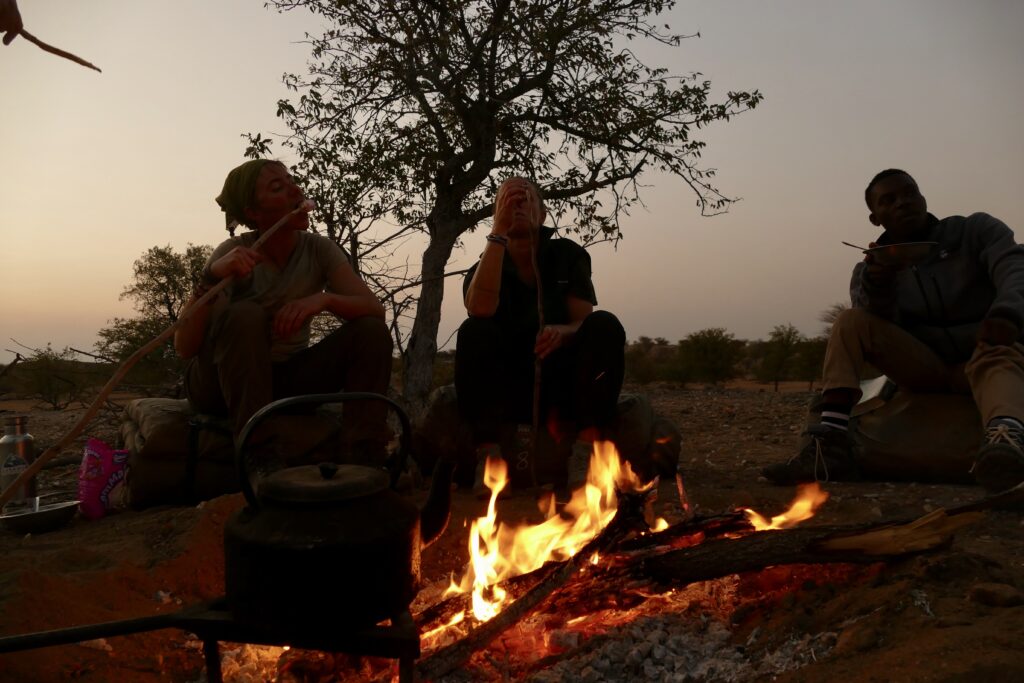 Les nuits sont fraiches dans le désert
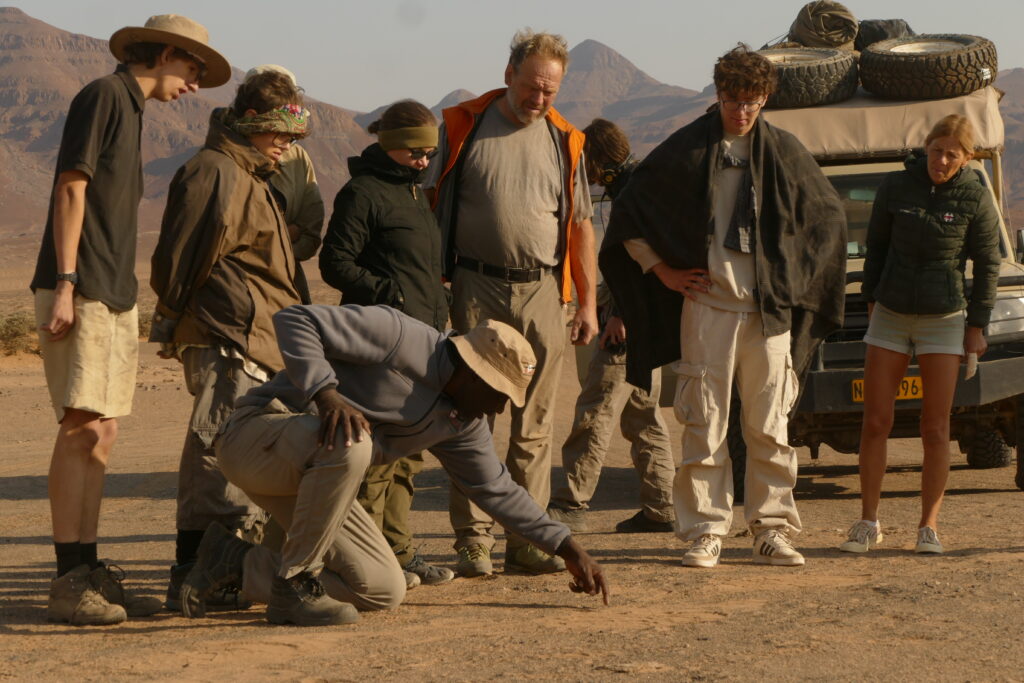 Le projet accueille des volontaires depuis 2004
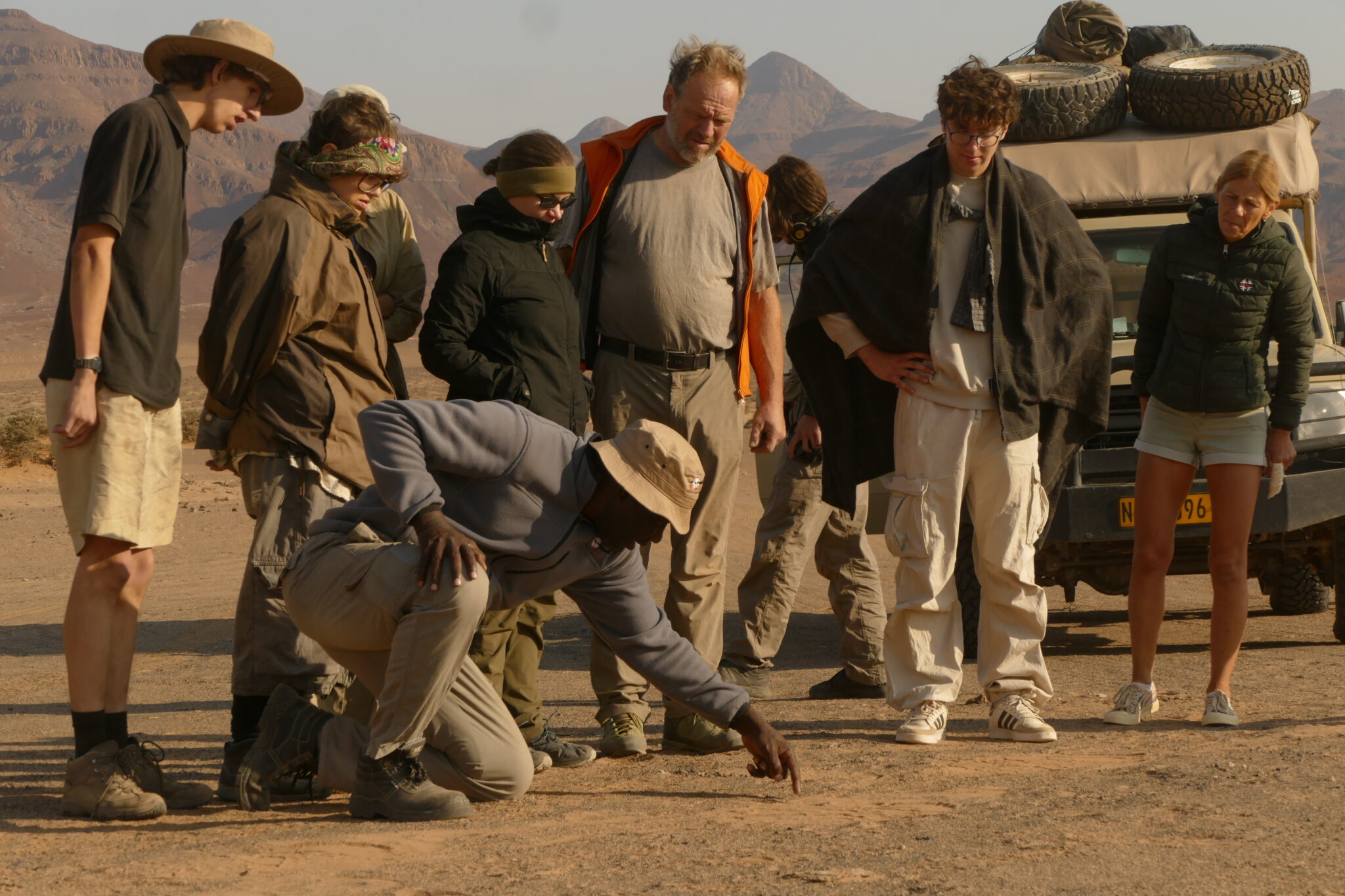
Protect desert elephants in Namibia. Join an NGO working to reduce human–elephant conflict caused by scarce water resources. Experience an incredible adventure in breathtaking landscapes and disconnect from the modern world! Discover all solidarity travel programs in Africa here.
Protect desert elephants in Namibia
Since 2003, our partner Elephant-Human Relations Aid (EHRA) has been dedicated to implementing holistic solutions to human–elephant conflict. The organization’s goal is to protect the desert-adapted elephant population of southern Damaraland in Namibia through conflict mitigation measures.
Desert-adapted elephants
Desert elephants are not a separate species, but African bush elephants (Loxodonta africana) that have made desert environments their home. While they were absent from the Kunene region in the 1980s due to hunting pressure, they returned in 1998, causing damage to homes and water points. This led to conflicts with rural communities that were not used to coexisting with elephant herds.
This conflict has intensified due to scarce resources, particularly water. In search of clean water, elephants compete with local villagers for a resource that is extremely valuable.
Working toward peaceful coexistence
To improve coexistence between humans and elephants, the partner NGO implements several measures in affected areas:
- Protection of water points on local farms
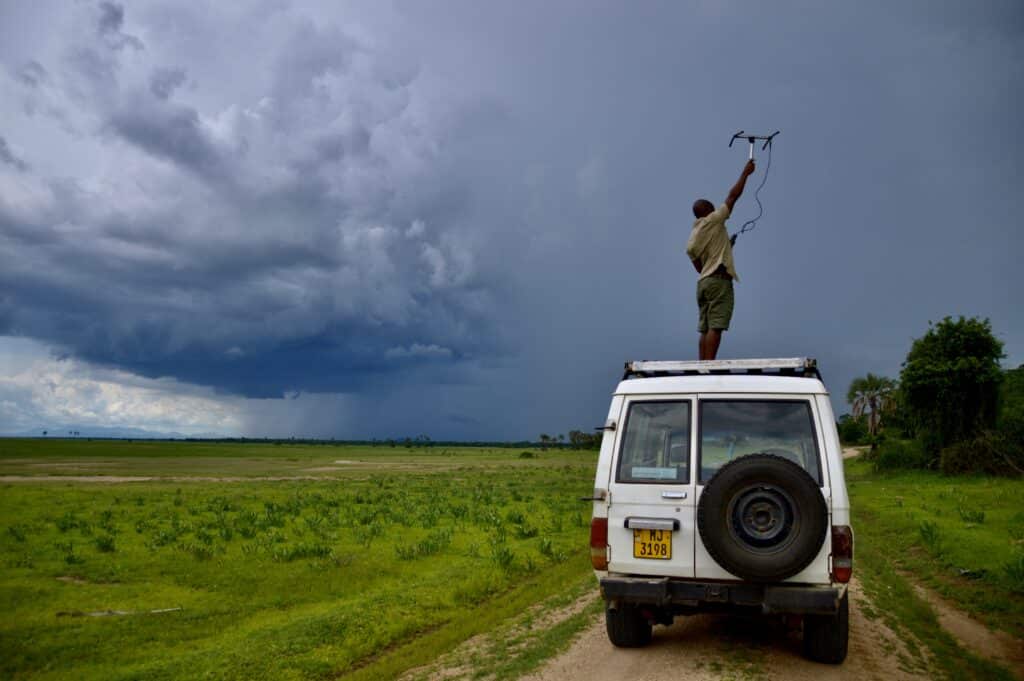
- Vehicle patrols to track and monitor elephants
- Educational programs within local communities to promote harmonious coexistence between elephants and people
EHRA is a pioneer in participatory volunteering programs. The first volunteer group was welcomed in 2004. Over the past 20 years, the organization has hosted more than 3,000 volunteers who have helped build over 200 protective walls around water points.
Construction of walls and elephant monitoring
La mThe mission of the partner NGO is to improve coexistence between humans and elephants in the Kunene region, where both compete for limited water resources. The volunteer program focuses on building protective walls around water points and monitoring elephants. Stays are organized in two-week rotations, and participants may complete multiple rotations.
Week 1 (wall construction)
- Protect water infrastructure by building defensive walls
- Ensure elephants can access water without causing damage
- Collect stones used for construction
Week 2 (mobile patrols)
- Collect data on elephant movements
- Use data to develop strategies to protect water points
- Visit farmers to identify and reduce human–wildlife conflicts
- Record births, deaths, and injuries
- Photo identification
- Note physical traits, individual behavior, and herd dynamics
You will observe elephants in the wild, as well as other iconic species such as black rhinos, oryx, hyenas, leopards, cheetahs, and ostriches.
The Damaraland region is also home to a rich variety of reptiles, including the Namaqua chameleon and several gecko species.
Family-friendly solidarity stays
Twice a year, the partner organization offers a family program open to participants with children. These 10-day stays begin with a construction project based in a local school. Children attending the school live on farms where elephants roam freely, and they are encouraged to develop the skills needed to coexist peacefully with wildlife.
The project may vary depending on local needs at the time. Afterward, participants go into the field to identify elephants and observe other wildlife. Fun and creative activities are also included, all focused on nature and teamwork.
Dates
From 2 to 12 weeks, year-round, except the last two weeks of December and the first week of January. The missions run on a 2-week rotation. Start dates for each mission are listed below.
- Monday 5/01/2026
- Monday 19/01/26
- Monday 2/02/26
- Monday 16/02/26
- Monday 2/03/26
- Monday 16/0326
- Monday 30/03/26
- Monday 13/04/26
- Monday 27/04/26
- Monday 11/05/26
- Monday 25/05/26
- Monday 8/06/26
- Monday 22/06/26
- Monday 6/07/26
- Monday 20/07/26
- Monday 3/08/26
- Monday17/08/26
- Monday 31/08/26
- Monday 14/09/26
- Monday 28/09/25
- Monday 12/10/26
- Monday 26/12/26
- Monday 9/11/26
- Monday 23/11/26
- Monday 7/12/26
Tarifs
| Duration | Fees (adults) |
|---|---|
| 2 weeks | 950 £ |
| 4 weeks | 1850 £ |
| 6 weeks | 2630 £ |
| 8 weeks | 3460 £ |
| 10 weeks | 4200 £ |
| 12 weeks | 4730 £ |
Le tarif en € peut varier en fonction du taux de change
| Family stay dates Children aged 8 to 16 years old | Fees |
|---|---|
| Du lundi 27/07/2026 au mercredi 05/08/2026 | Adults: £975 Children: £925 |
| From Monday 10/08/2026 to Wednesday 19/08/2026 | Adults : 975 £ Children : 925 £ |
Included in the price
- Transfer from Swakopmund to the base camp and return after the end of the project
- Equipment needed for the 2-week stay
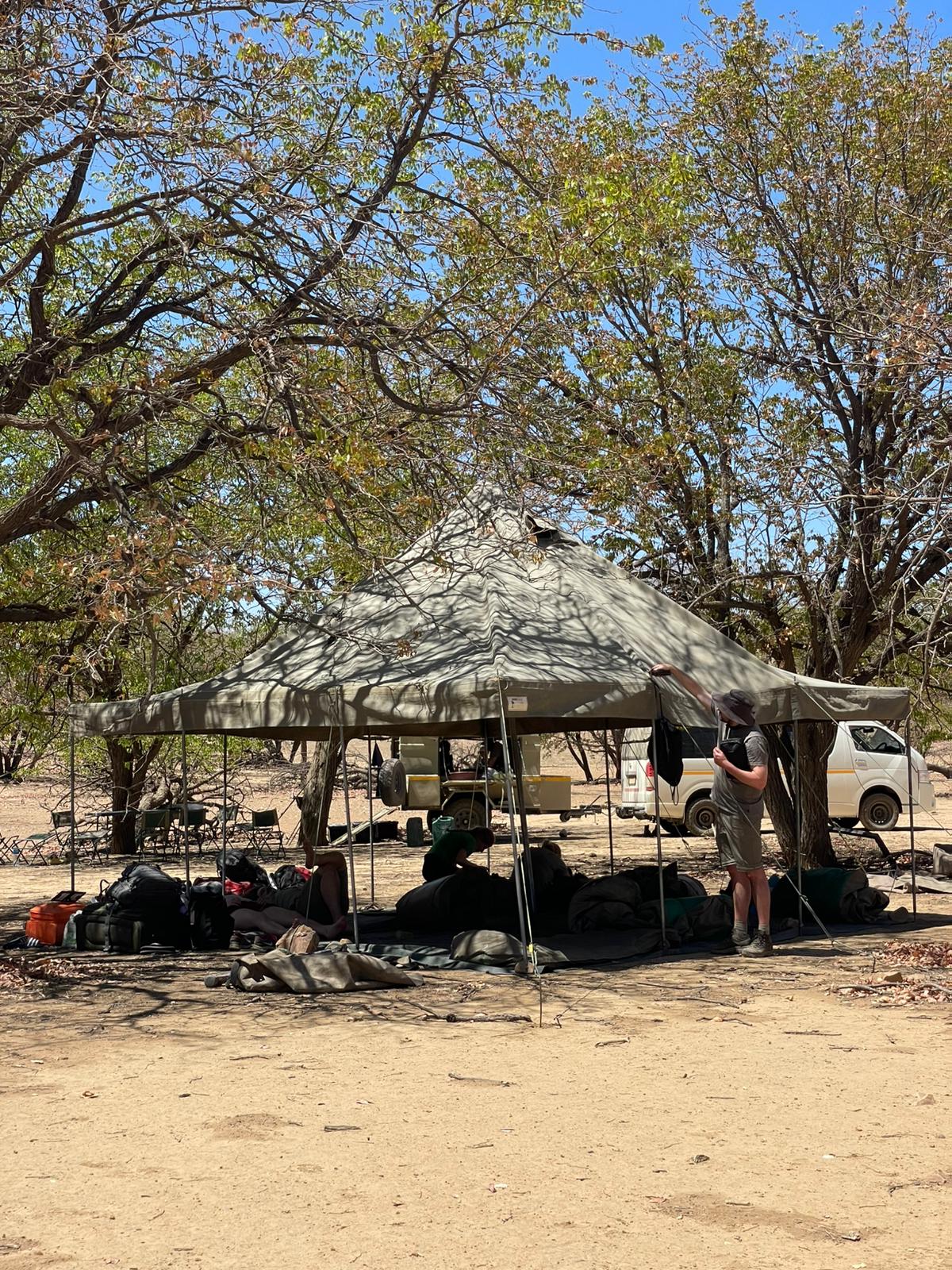
- Tent if necessary. You will normally sleep in a large military-style tent, or under the stars
- 3 meals per day (breakfast, lunch, dinner)
- Coffee, tea, fruit juice, and fresh fruit
Not included in the price
- Airport / Swakopmund transfers (this is an additional cost payable by the volunteer)
- Accommodation in Swakopmund for the night(s) before and after the project
- If staying more than 2 weeks: accommodation in Swakopmund during the weekend between two rotations
- Any additional snacks or drinks not provided by the partner
- Flights
- Travel insurance
- From 18 years old
- From 2 to 12 weeks
- Two special family sessions for children aged 8 to 16 years old
- Families with children over 16 years old are invited to join the standard volunteer program
- Language: English (basic level)
Accommodation
EHRA Base Camp
Volunteers will stay at EHRA’s Base Camp on the first night, the last night, and during weekends. You will sleep on a platform set in a large tree, or in tents. Outdoor showers and toilets are available. Wi-Fi access is available (intermittent).
Bush camping
During the first week, you will camp in a fixed location. During the second week (patrol week), you will be doing mobile bush camping with regular movement. No toilets are available.
Meals
Please indicate any dietary requirements when booking.
Group size
Each group has a maximum of 16 volunteers.
Safety
EHRA operates in safe areas for all activities.
Arrival
EHRA will arrange your transfer from the airport (Walvis Bay Airport or Windhoek Airport) to Swakopmund. They will also assist you in choosing accommodation in Swakopmund. The organization will pick you up in Swakopmund on Monday at 11:00 am.
For arrival flights: if you land in Windhoek, you should arrive on the Sunday before midday. For departure flights: if leaving from Windhoek, do not book a flight before 2:00 pm on the Saturday following the end of your volunteer project.
What to bring
You will get dirty! Laundry can be done after one week.
- Work gloves
- Hat / cap
- Comfortable and lightweight hiking shoes or similar
- Sandals for camp (you must always have proper shoes available)
- Sunglasses
- Fleece sweater (and a warm jacket, as nights can be cold in winter)
- Light neutral-colored clothing
- Lightweight bush clothing in neutral colors (khaki, grey, beige, green – NO camouflage) for the patrol week
- Enjoy an incredible human experience in Namibia, in one of the most stunning regions in the world!
- You will contribute to the protection of desert elephants and help reduce human–elephant conflict over shared water resources.
- Two family departure dates are available each year!
- You will live in the heart of a desert region, camping under the stars, and enjoy breathtaking night skies!
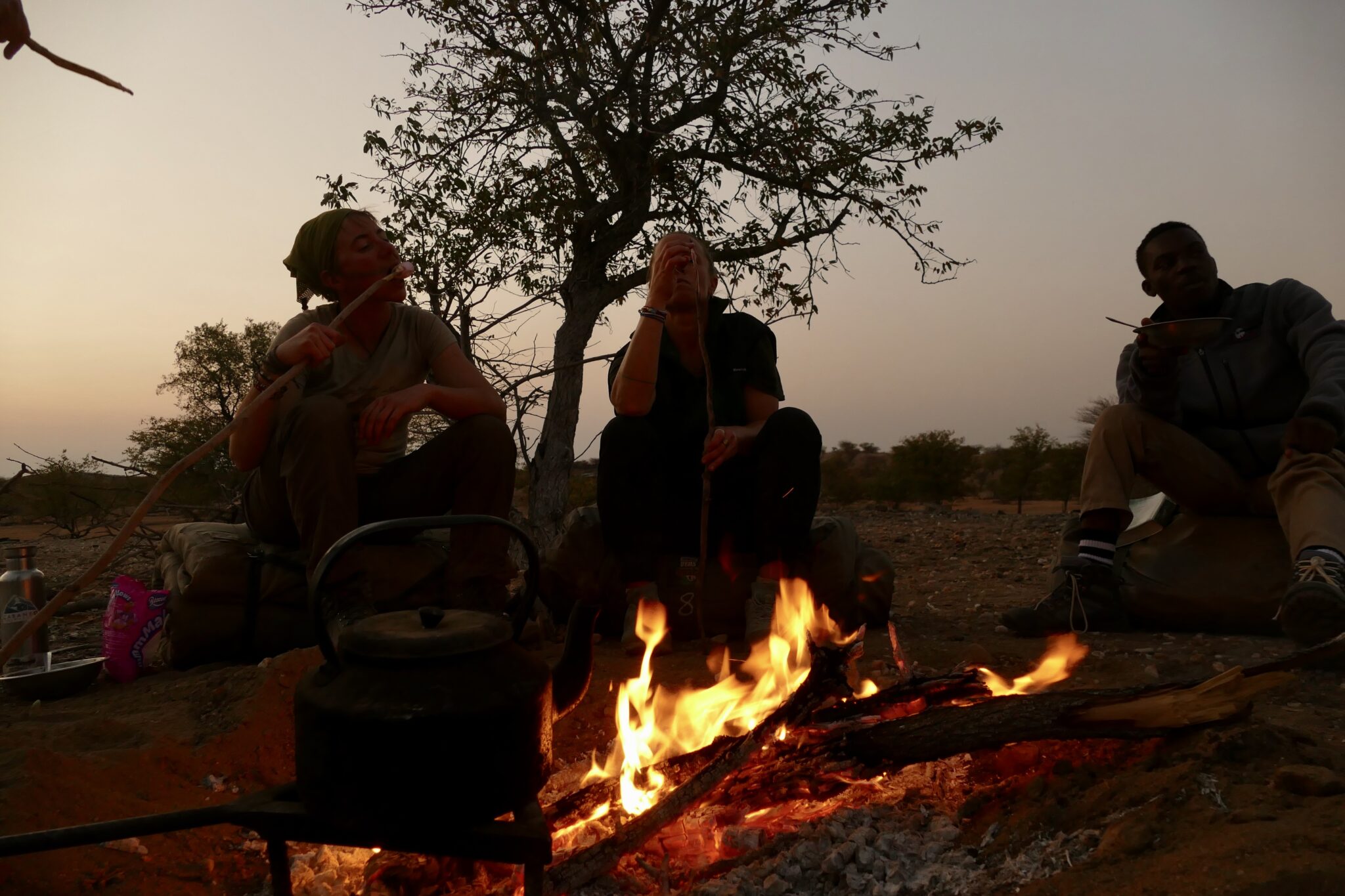
Après une journée de travail, les volontaires aiment s’asseoir autour du feu de camp et parler de leur journée. Le dimanche de la première semaine, avant la semaine de patrouille, ils se rendent dans une petite ville, Uis, où ils passent la journée à déjeuner et à prendre des nouvelles de leur famille et de leurs amis. (il y a le wifi).
Tous les avis sur HERA
About the partner NGO
Our partner is a non-profit organization founded in 2003, dedicated to protecting desert elephants while reducing human–elephant conflict over water resources. It operates in the Damaraland region of Namibia using a holistic approach based on local communities, education, research, and the protection of water resources. To support this mission, the organization has been welcoming volunteers since 2004.