 Français
 English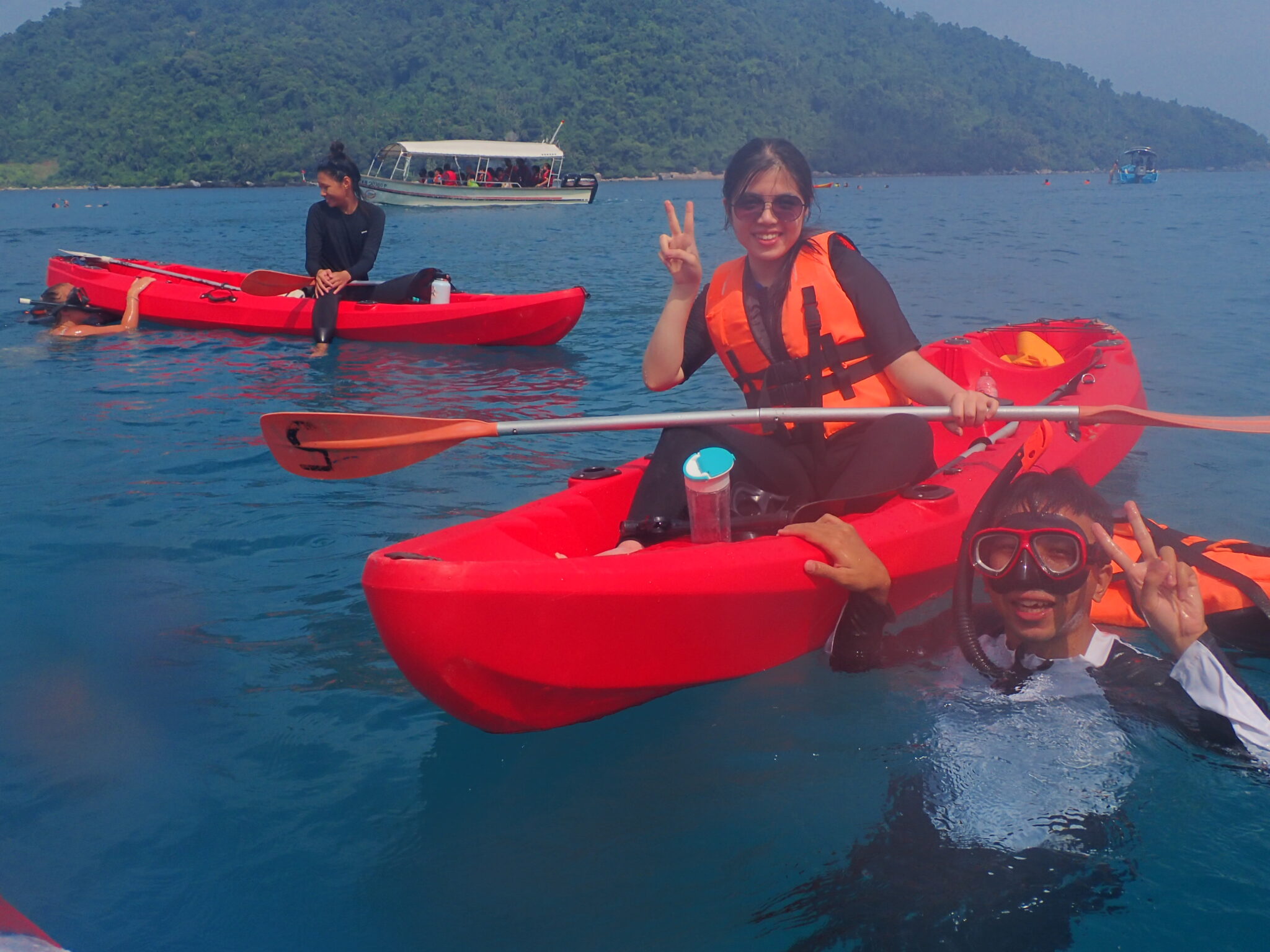
Protect Sea Turtles in Malaysia. Join a Malaysian village on a small island and take part in a positive-impact journey for marine biodiversity. All responsible travel with sea turtles here
The Perhentian Turtle Project in Malaysia
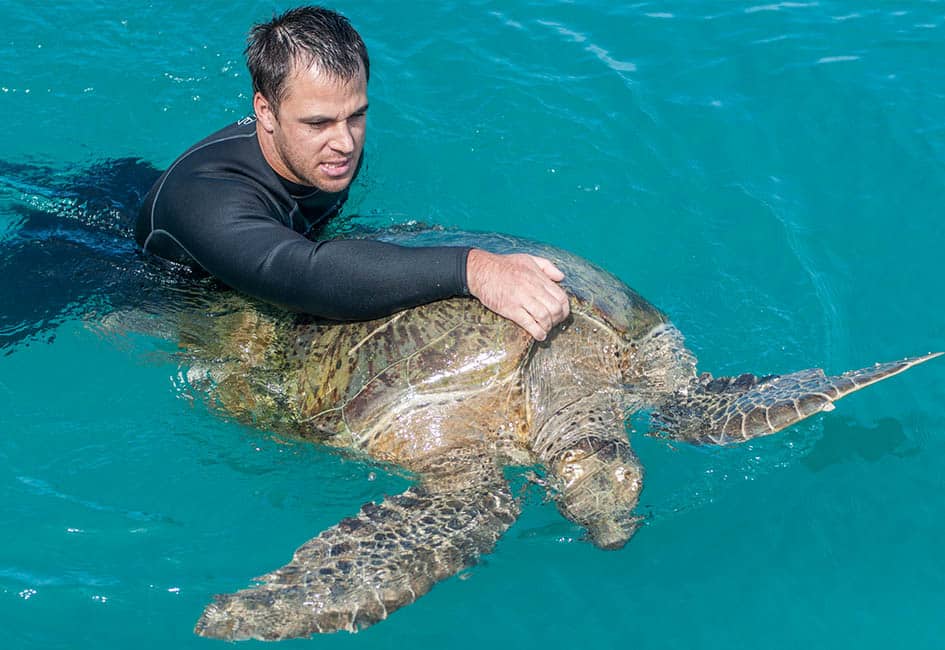
Our partner Fuze Ecoteer has developed three conservation projects on the Perhentian Islands: sea turtle protection, marine ecosystem research, and biodiversity protection education. The Perhentian sea turtle project has been running since 2015. It is carried out in partnership with the local community, the Department of Fisheries (DOF), and the Marine Parks Division.
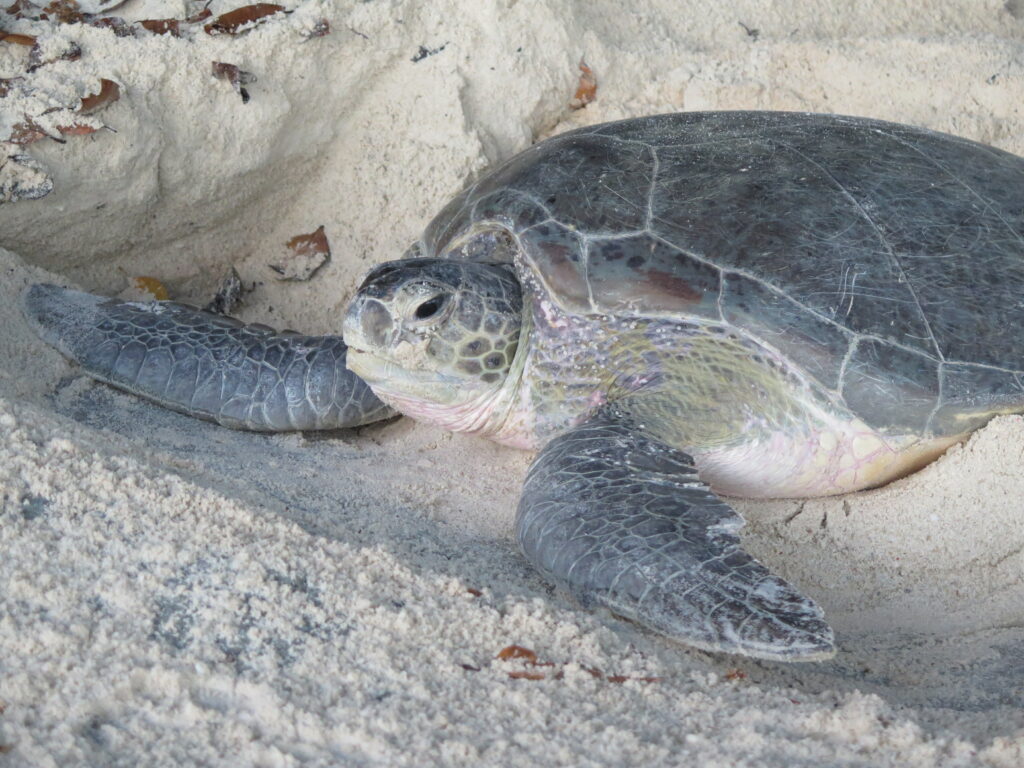
Tourism at the expense of biodiversity It is currently based in two locations: Kampung Pasir Hantu (a fishing village) on Perhentian Kecil and Pantai Tiga Ruang (a nesting beach) on Perhentian Besar. These Malaysian islands are very popular with budget travelers. However, this increase in tourist activity has come at the expense of the environment. The Perhentian Turtle Project (PTP) aims to preserve the sea turtle population by monitoring them, particularly through photo identification. The project welcomes eco-volunteers from April through September.
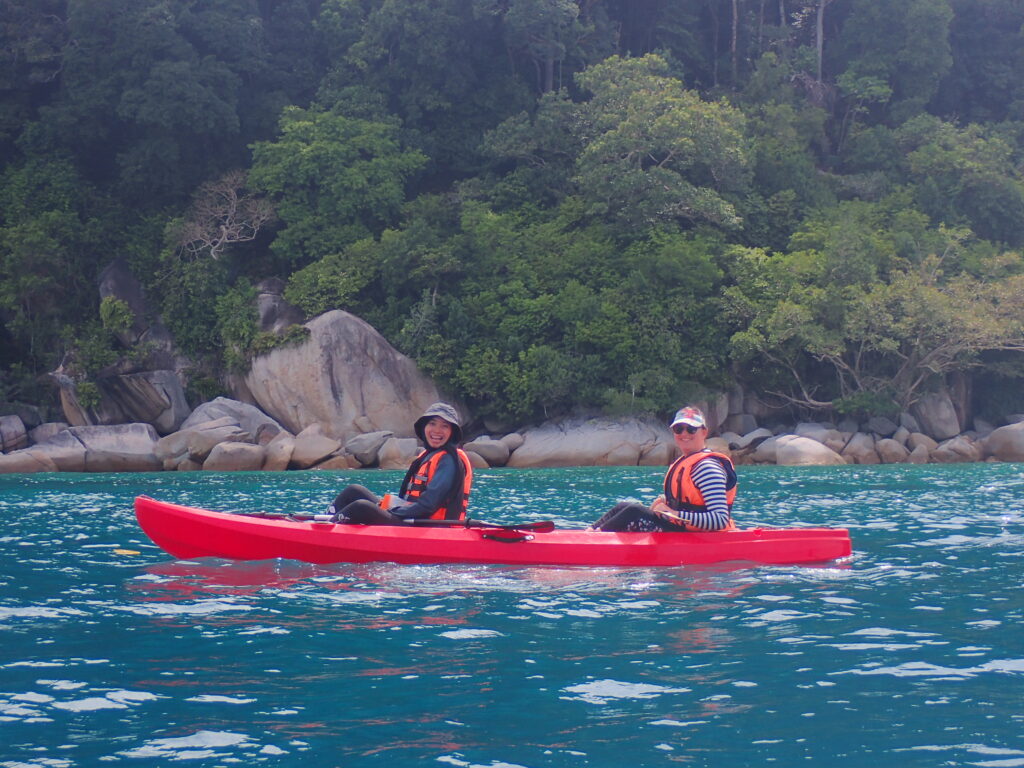
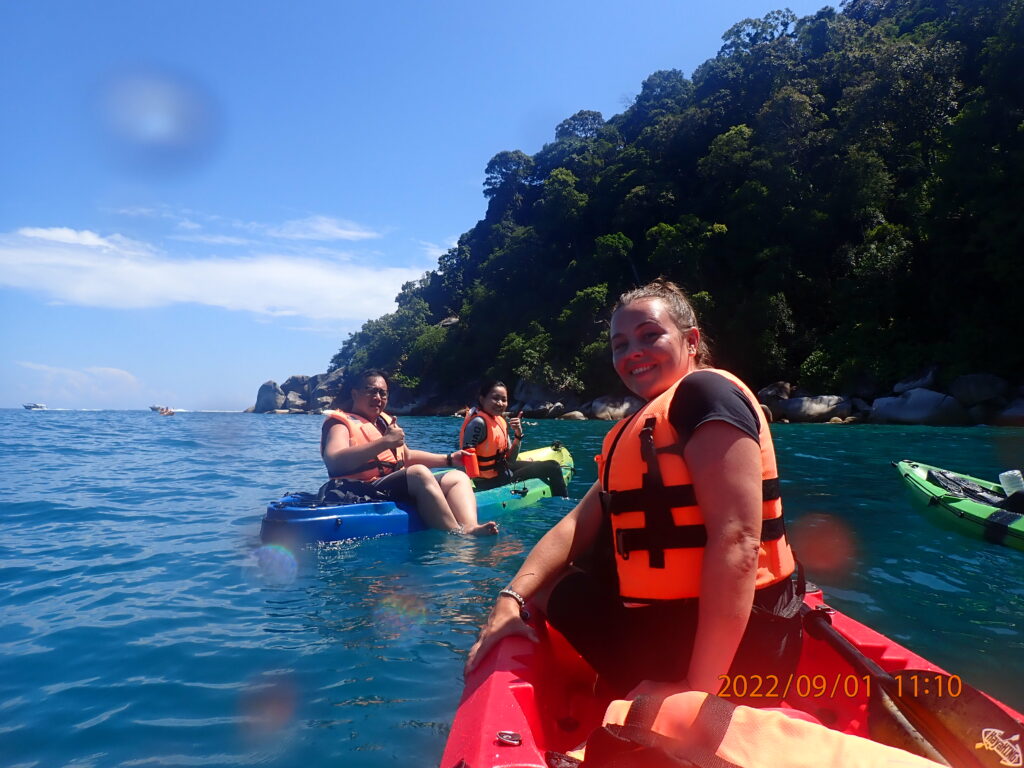
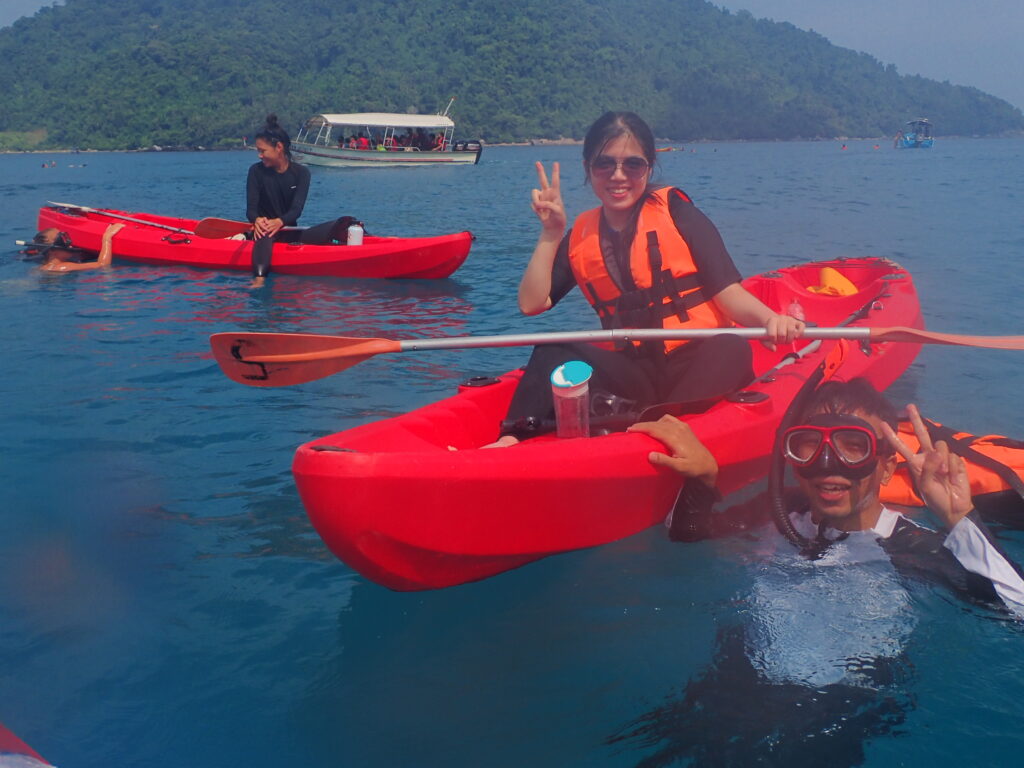
Volunteers investigate sea turtles by kayak
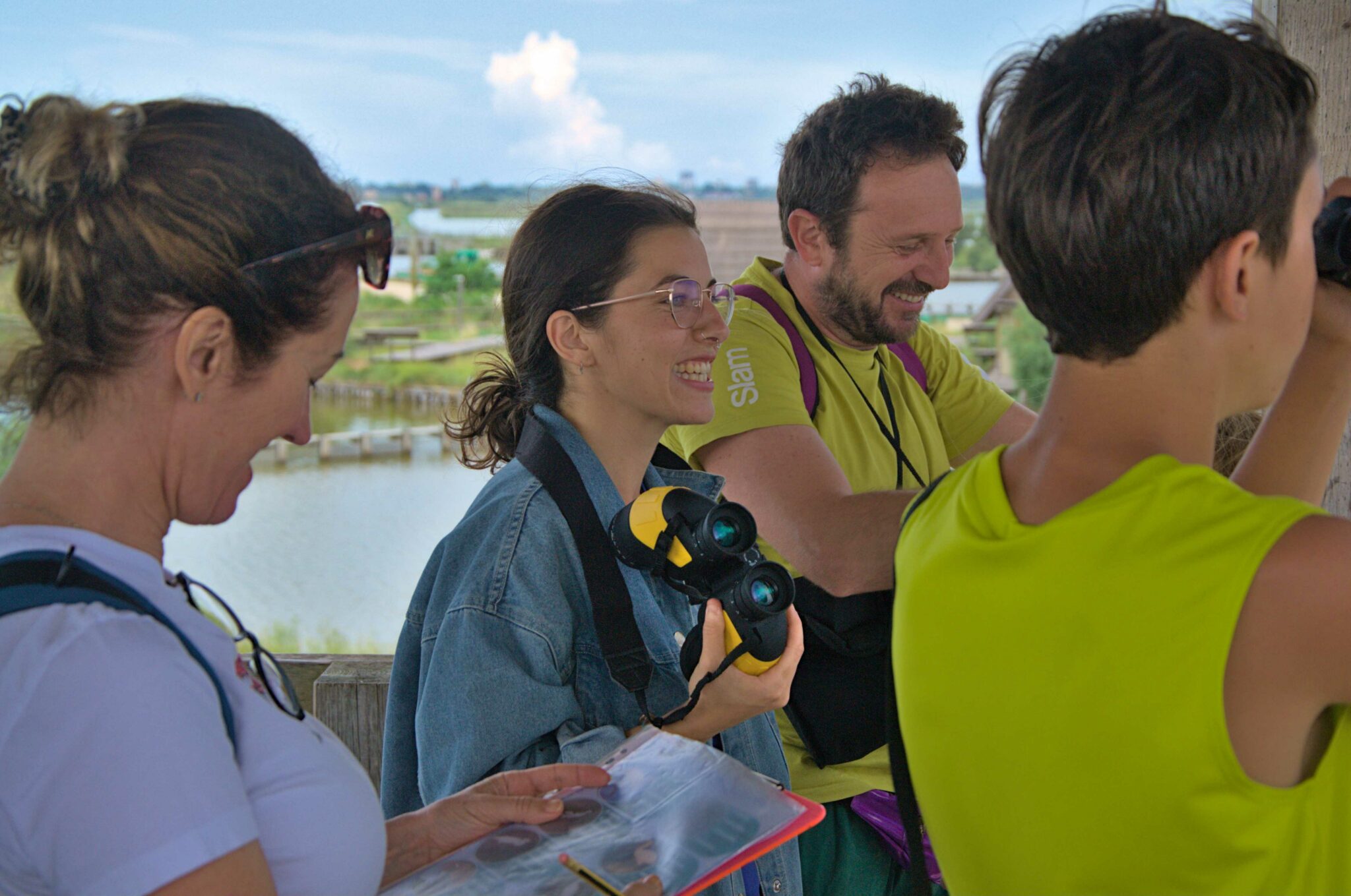
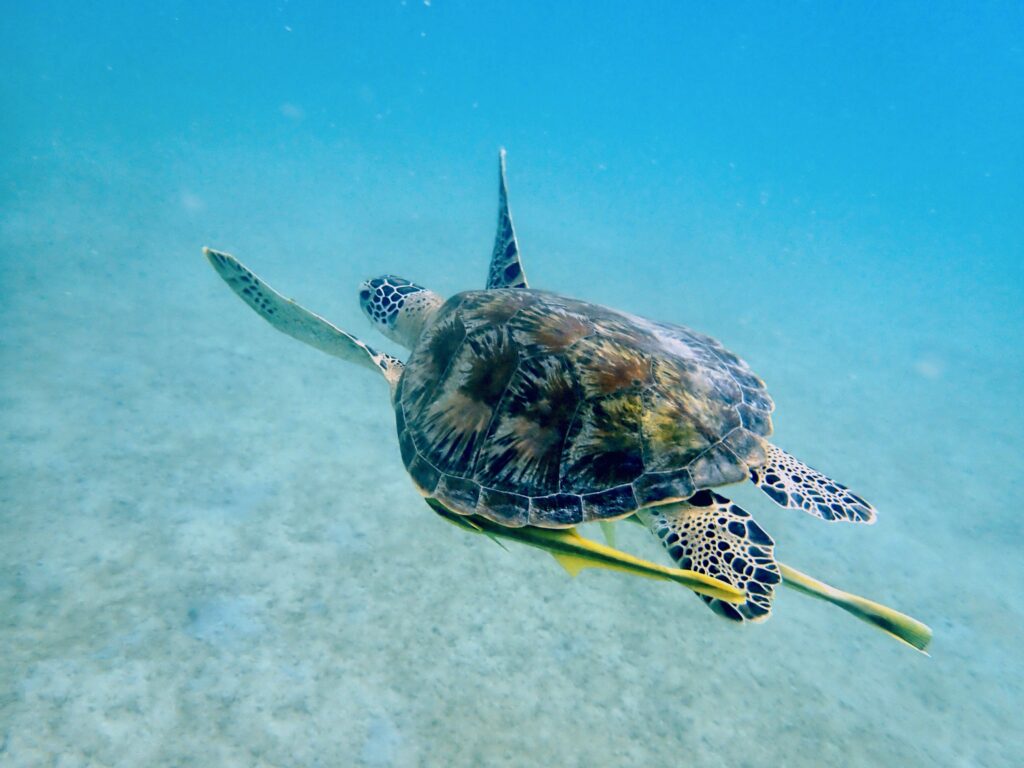
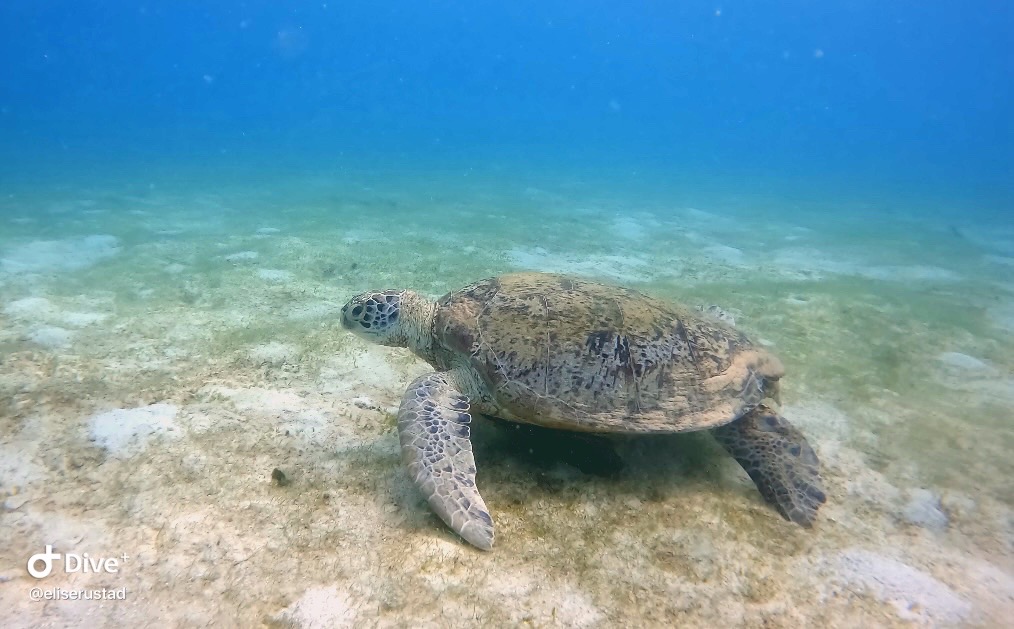
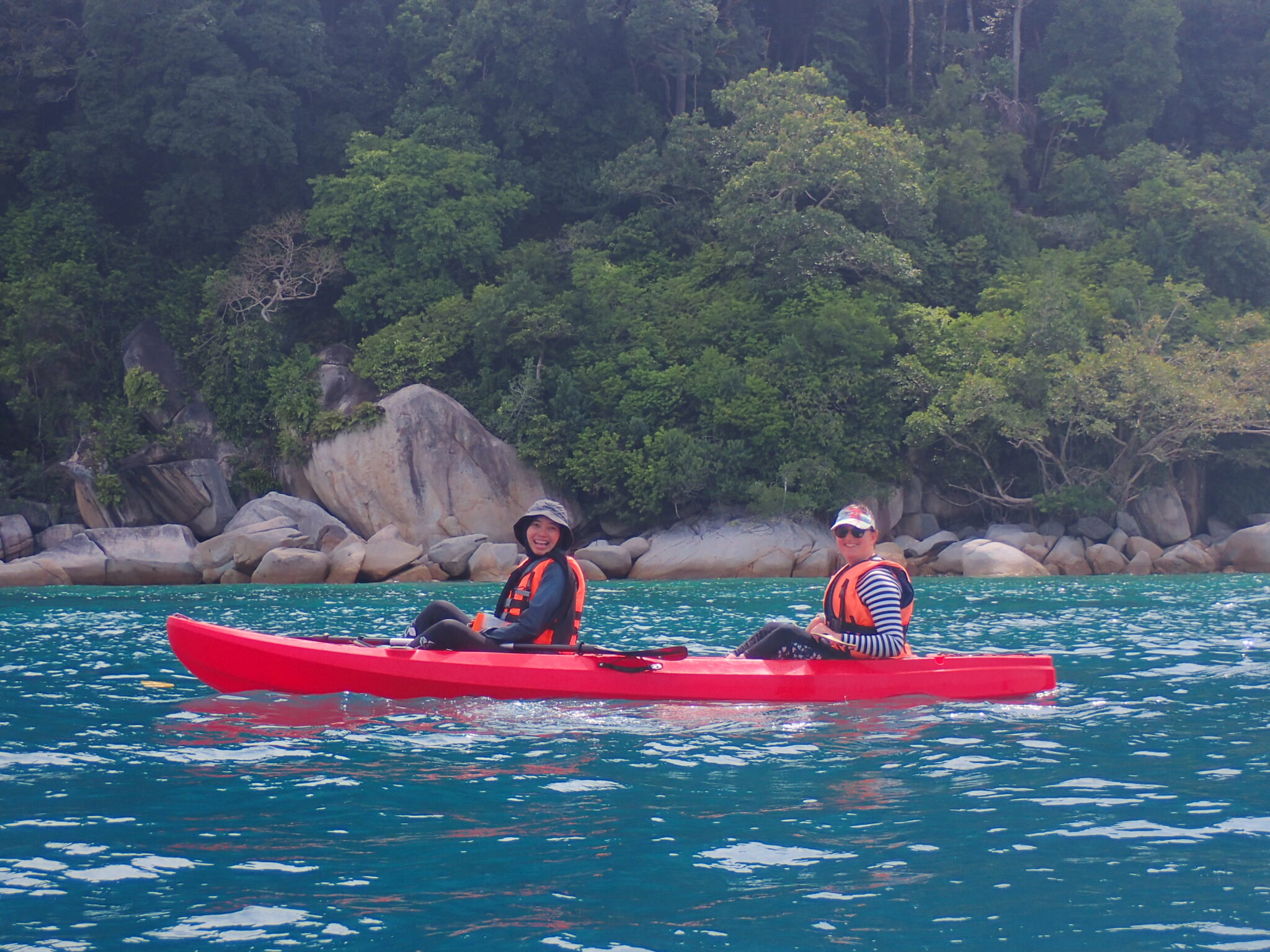
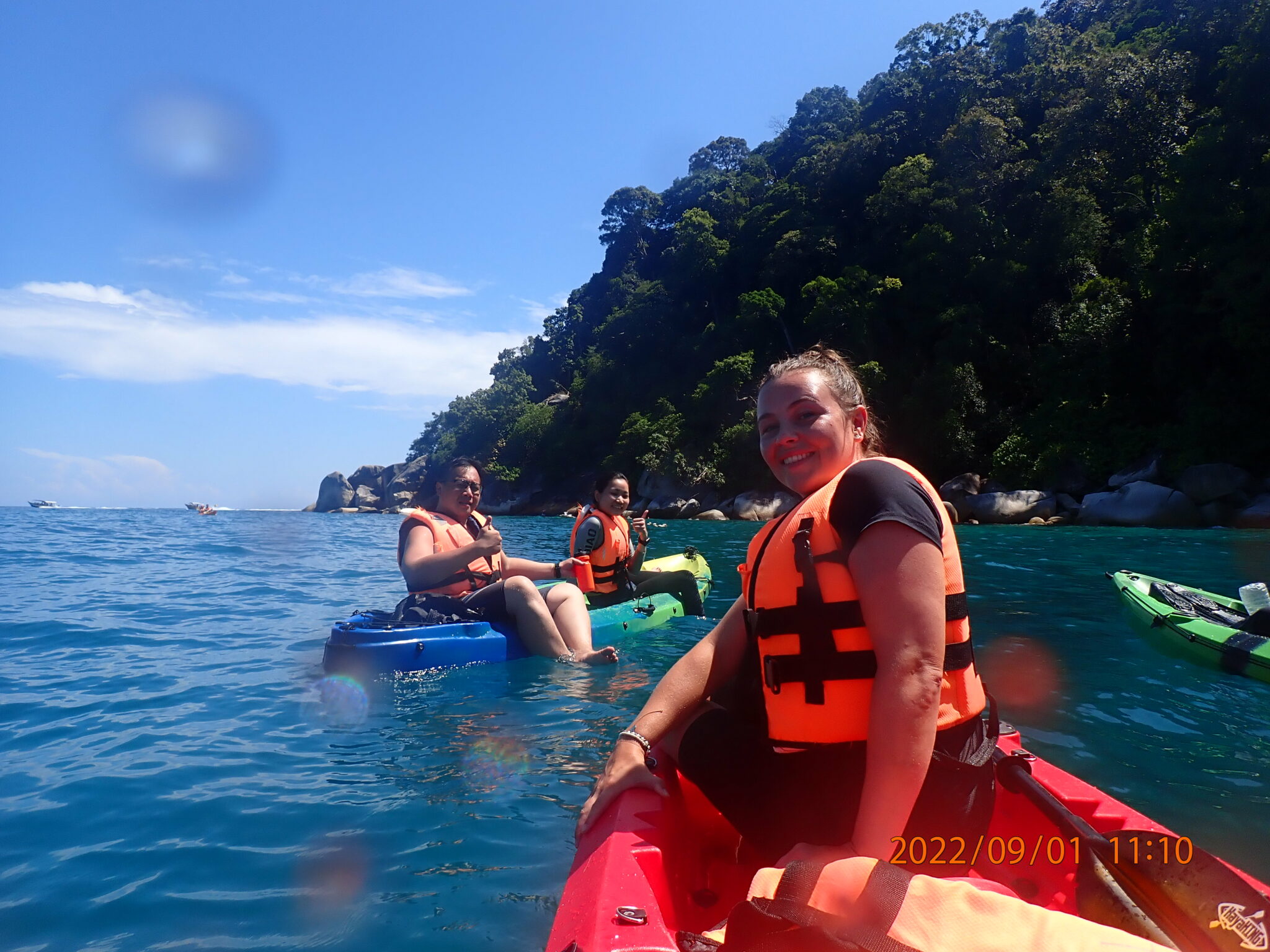
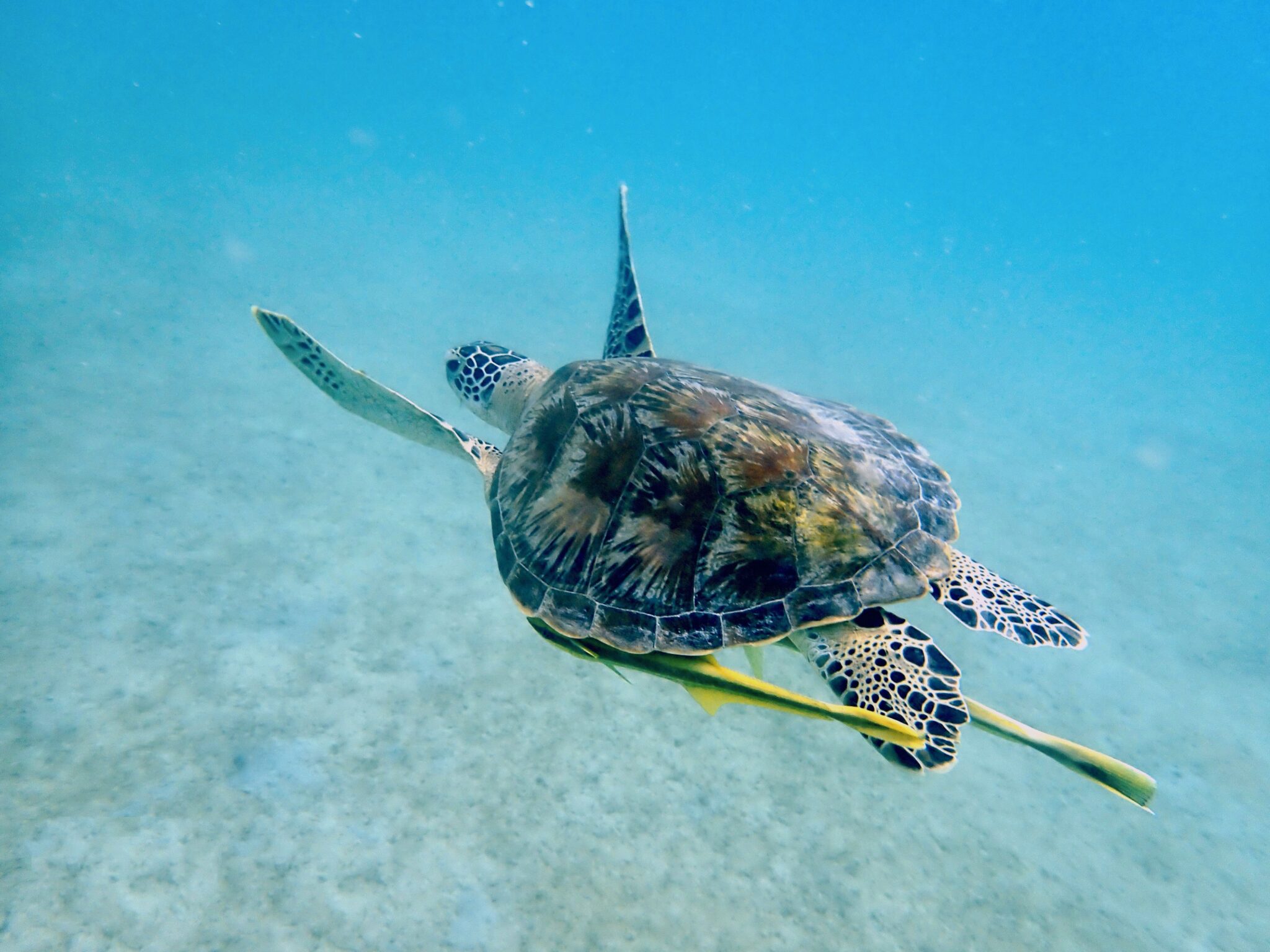
You will travel by kayak to sea turtle feeding sites. You will photograph the turtles from different angles and observe tourist activities. The photos will then be analyzed to identify individuals. If a new individual is identified, the volunteer will be able to give it a name! This information is essential for conservation measures. Thanks to it, the team will be able to determine the number of male and female turtles, identify the areas where conservation efforts should be focused, and track their movements. This data will also be useful to decision-makers in designing the marine park management plan.
Night beach patrols
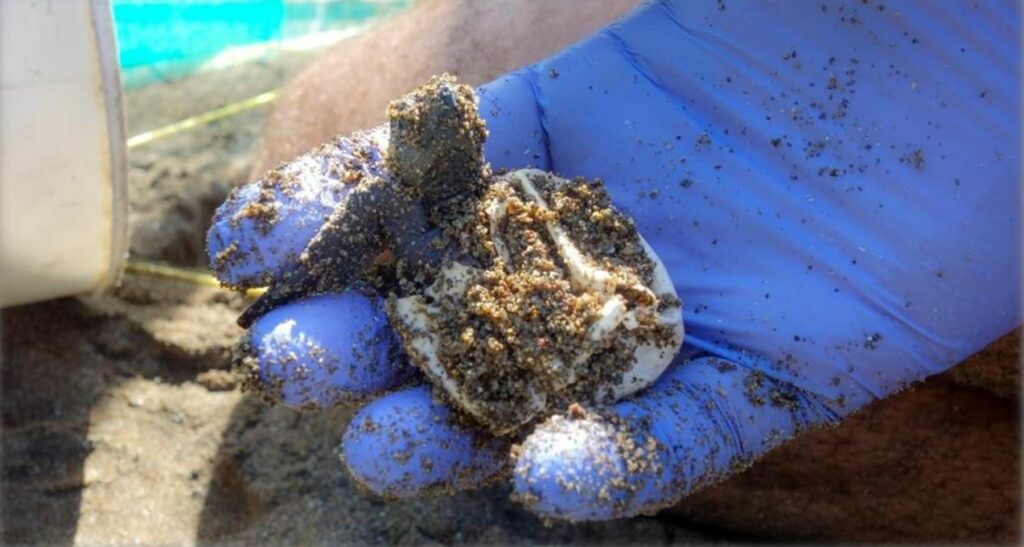
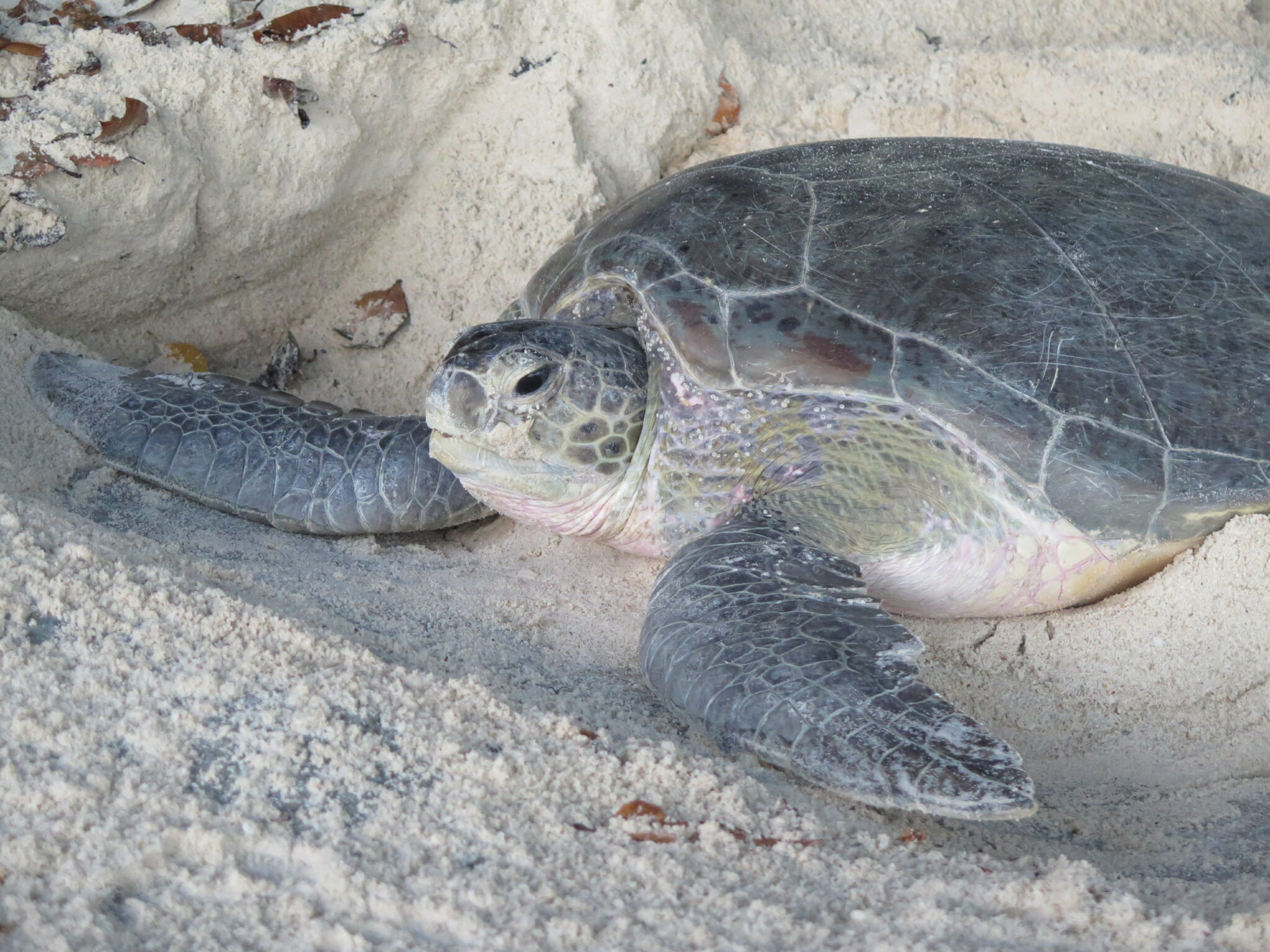
You will patrol the beach at night in search of females laying eggs. You will help collect the eggs while gathering biometric data. These patrols are in addition to those carried out by the forest rangers of the Terengganu State Fisheries Department to strengthen the security of nesting beaches against poachers. The mere presence of the team itself deters poachers from coming to the beach.
Environmental awareness
The team visits diving centres and holiday resorts to raise public awareness about biodiversity protection. An informed public can do a great deal for sea turtle conservation.
Beach clean-ups
We have all seen photos of turtles with a plastic straw stuck in their nose. As a volunteer, you will commit to cleaning the beach once a week, sorting the collected waste…rier les déchets collectés
- Arrivals on Mondays between April and September
- From 2 to 4 weeks
Rates
- 2 weeks: £660
- 3 weeks: £811
- 4 weeks: £962
Included in the rate
- Return boat transfer
- Three meals per day
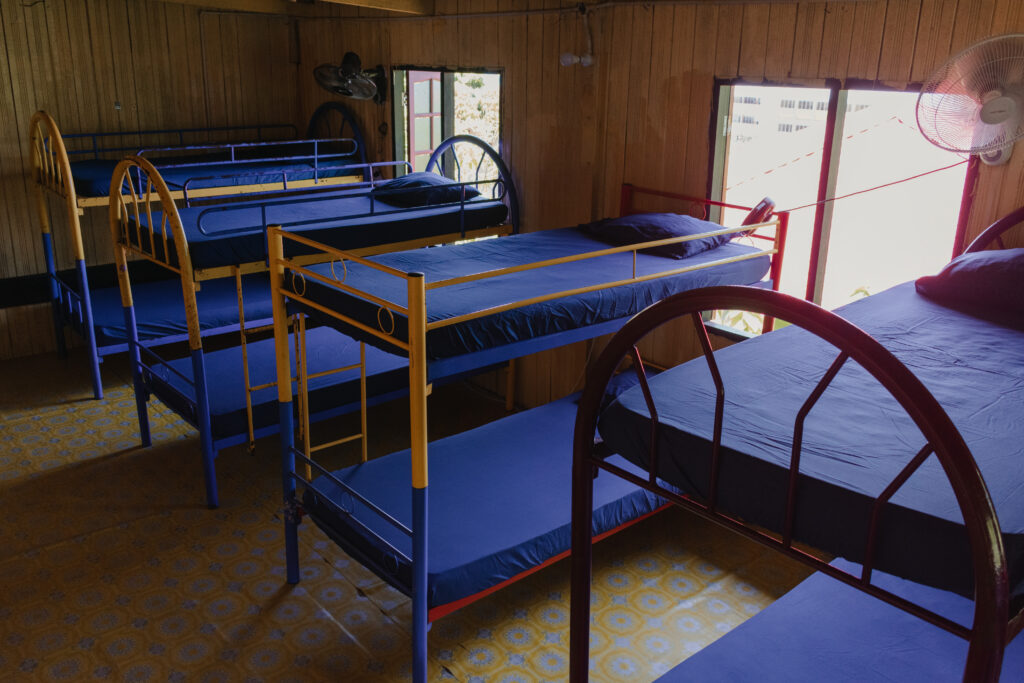
- Dormitory with shared bathroom
- Supervised activities
Not included in the rate
- Travel to Kuala Besut
- Travel insurance
- Personal expenses
- Photograph turtles by kayak
- Observe turtles nesting under the stars
- Visit the magnificent Perhentian Islands in Malaysia
- Take part in a project with a positive impact on biodiversity protection
- Have a cross-cultural experience: you will live in the village and work with the local community. Volunteers will have the opportunity to taste authentic Malay cuisine at the home of one of the PILA (Perhentian Ladies Association) ladies. The Perhentian Ladies Association was founded in 2012 by Fuze Ecoteer. It enables housewives to earn an income.
- From 18 years old
- From 2 to 4 weeks, between April and September
- Good physical condition
- Language: English (basic level)
The location
You will live in a village (Kampung) with a Malay community. As it is a Muslim village, volunteers must adapt their clothing and behaviour while in the village. Pork and alcohol are strictly forbidden. The night is a time of rest for the island’s hard-working residents. It is frowned upon to party late at night or to return home drunk. Making a lot of noise at night is also discouraged, as the houses are very close to one another. For women, the dress code is somewhat more conservative. When swimming on the village beach, women must keep their shoulders and knees covered — that is, wear shorts and a vest or t-shirt — bikinis are not appropriate.
Accommodation
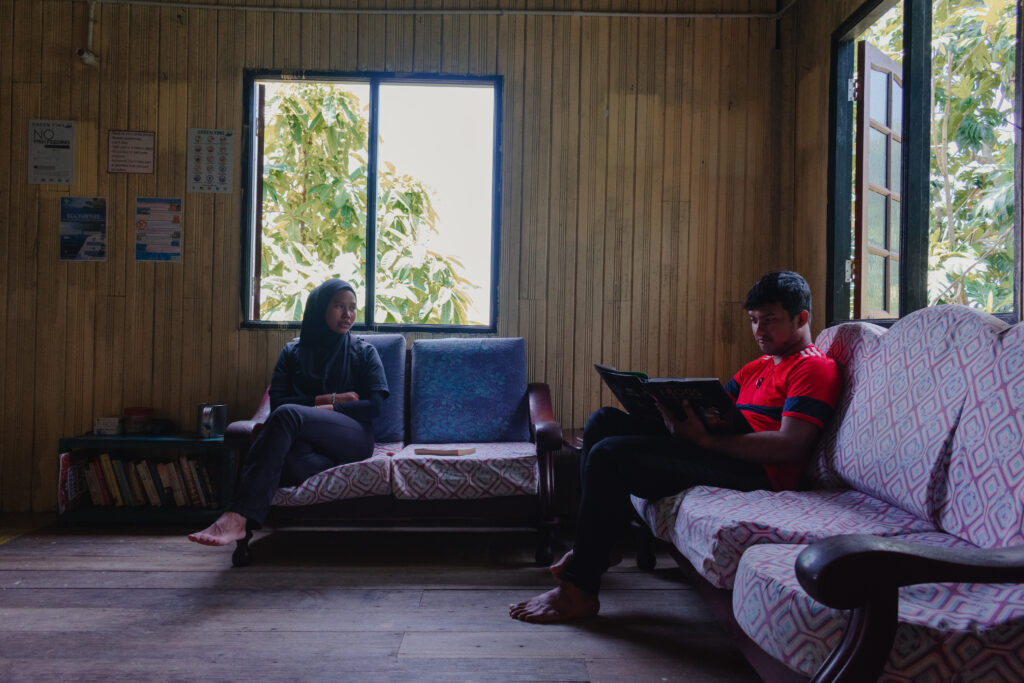
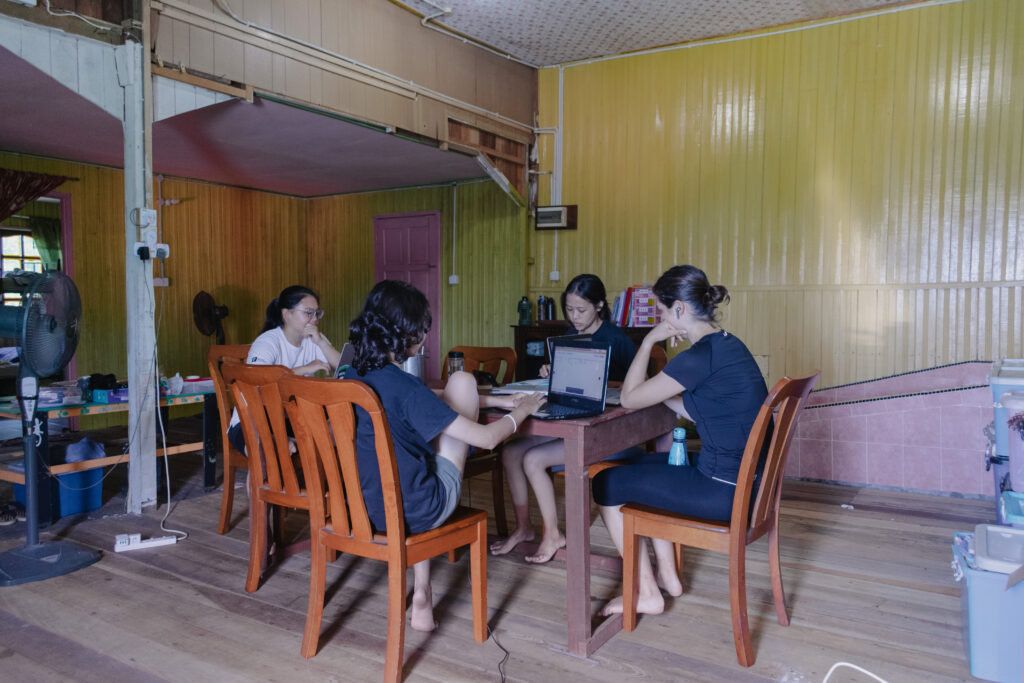
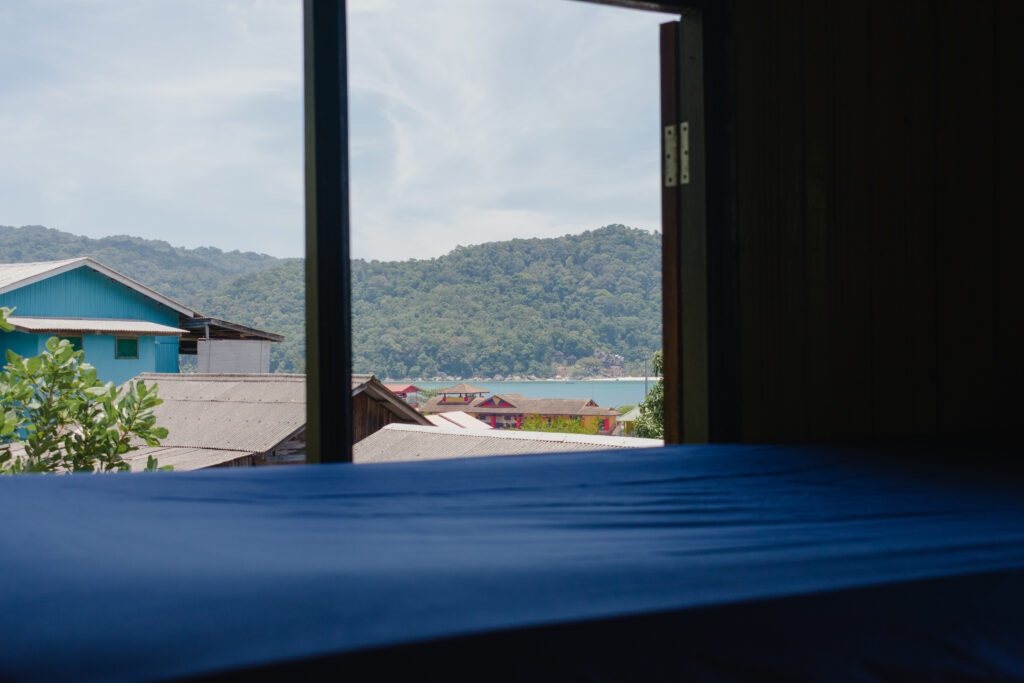
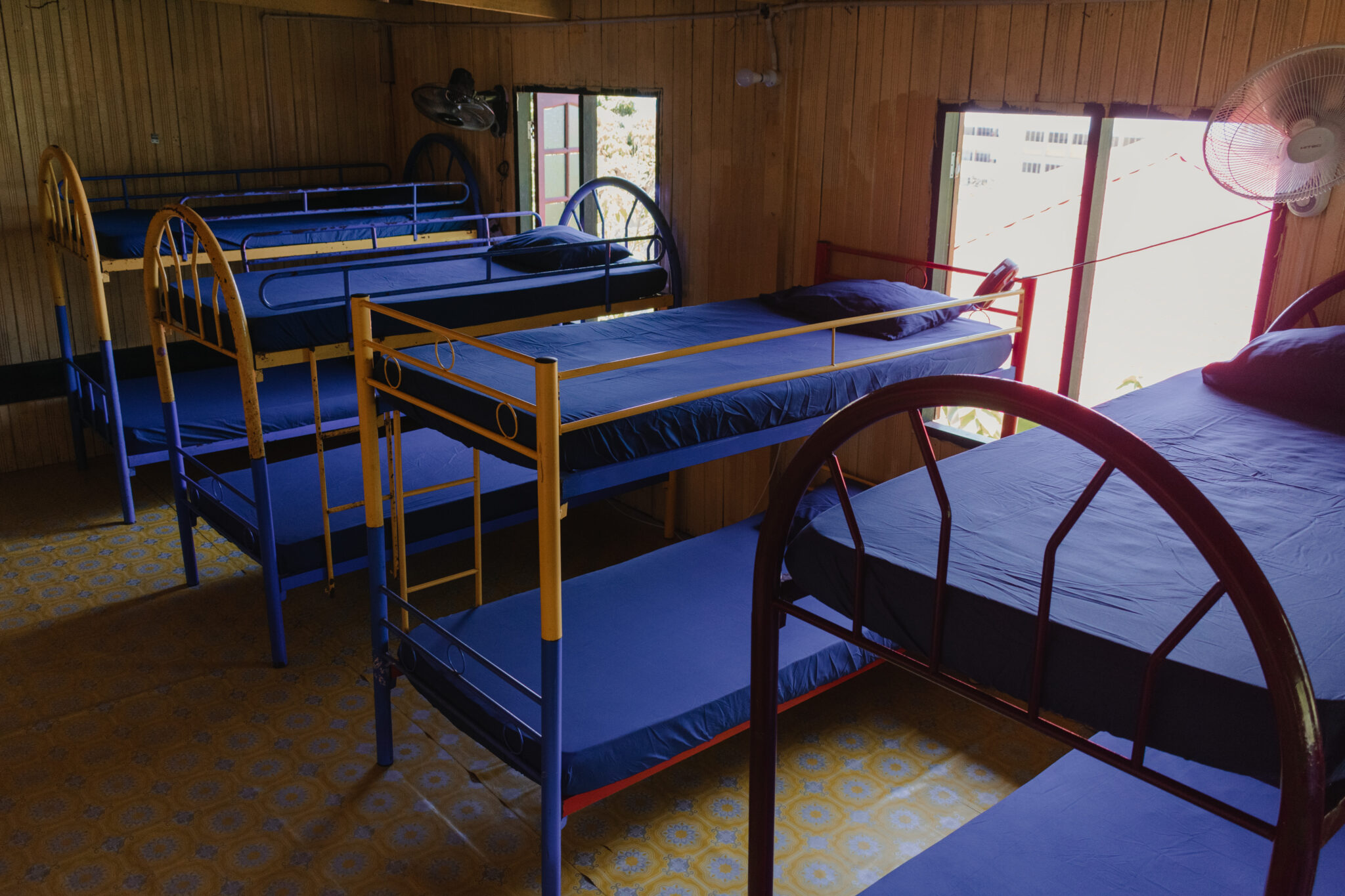
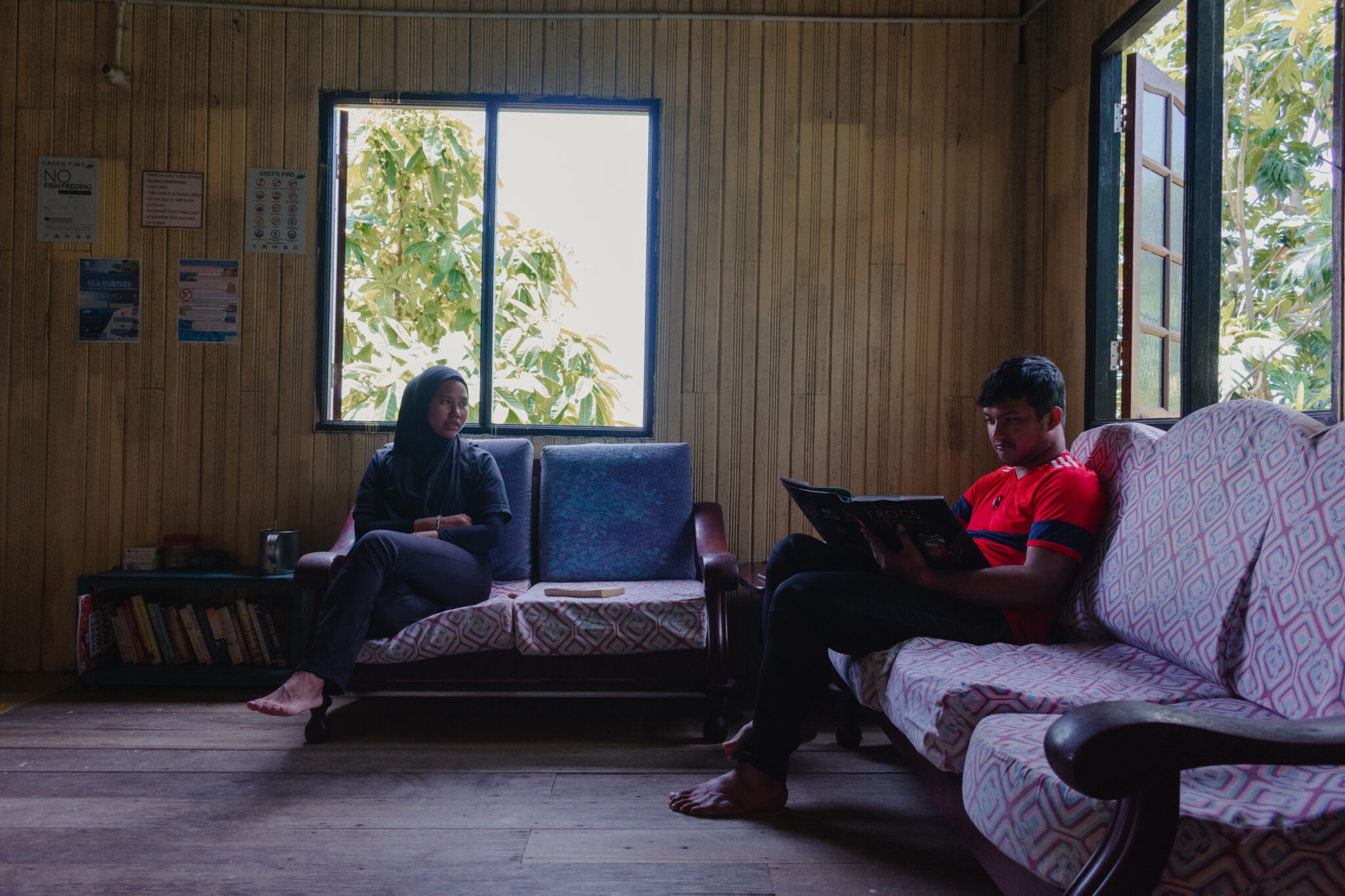
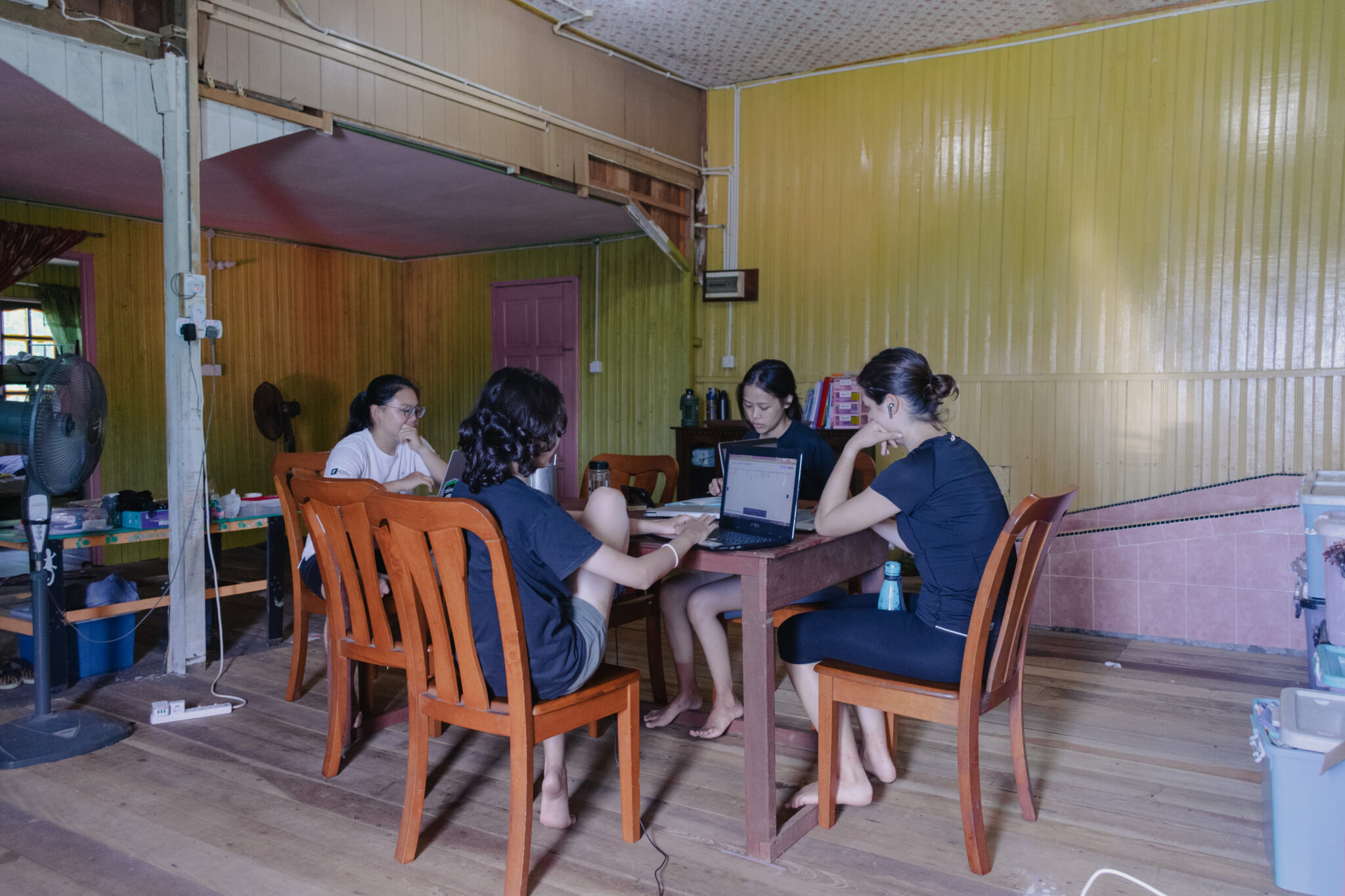
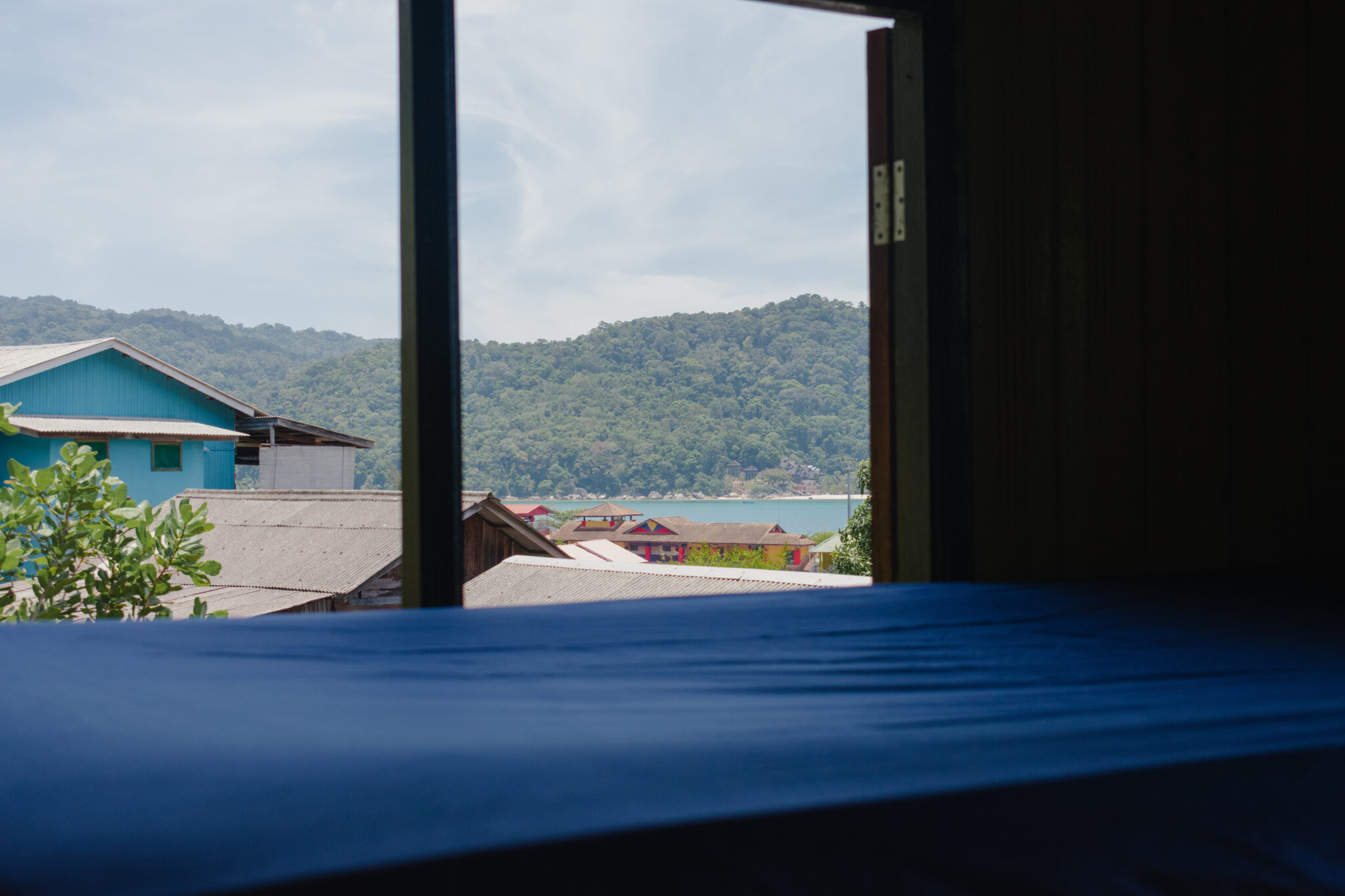
Volunteers will stay at the Fuze Ecoteer Volunteer House, where you will sleep in shared rooms. You will also be required to sleep at the base camp on the nesting beach — Tiga Ruang. You will spend two nights per week there, when carrying out night patrols and other activities during the day. The accommodation is very basic and consists of two huts. There is no electricity, just solar batteries to charge phones; supplies are brought from the village.
Food
Volunteers are not required to cook, but to help with cleaning up. You may however bring your own ingredients.
What to bring
- Wearing long shorts or three-quarter length trousers is compulsory in the village.
- Wearing a shirt or top covering the shoulders is compulsory in the village.
- Water bottle and any other reusable items (shopping bags, food containers, reusable cutlery, etc.)
- Swimwear covering the shoulders and knees.
- Bath towels.
- Mosquito repellent.
- Sandals or flip-flops.
- A small backpack.
- A hat for sun protection.
- Personal medication.
- Hiking shoes if you wish to go hiking.
- Mask and snorkel (the partner has shared ones available).
Arrival
Volunteers can either take a flight to Kota Bharu, then a taxi to the Kuala Besut jetty, or arrive in Kuala Lumpur and take the night bus from Terminal Bersepadu Selatan (TBS) to Kuala Besut. Once in Kuala Besut, you will go to the jetty, to the Safe Park Holiday office (which is only 5 minutes from the main road). Important: please do not take the boat with other operators, as they may charge excessive fees. The team will welcome volunteers on site.
Tous les avis sur les missions Fuze Ecoteer

About the partner
Our partner is a Malaysian social enterprise co-founded by Daniel, who after studying ecological sciences at Plymouth University settled in Malaysia to develop biodiversity protection and ecotourism projects. Fuze Ecoteer has been working in favour of biodiversity and environmental education since 2010. The organisation has developed three conservation projects on the Perhentian Islands: marine turtle protection, marine ecosystem research and biodiversity protection education.