Français
 English
 Protégez les chimpanzés dans un sanctuaire en Zambie
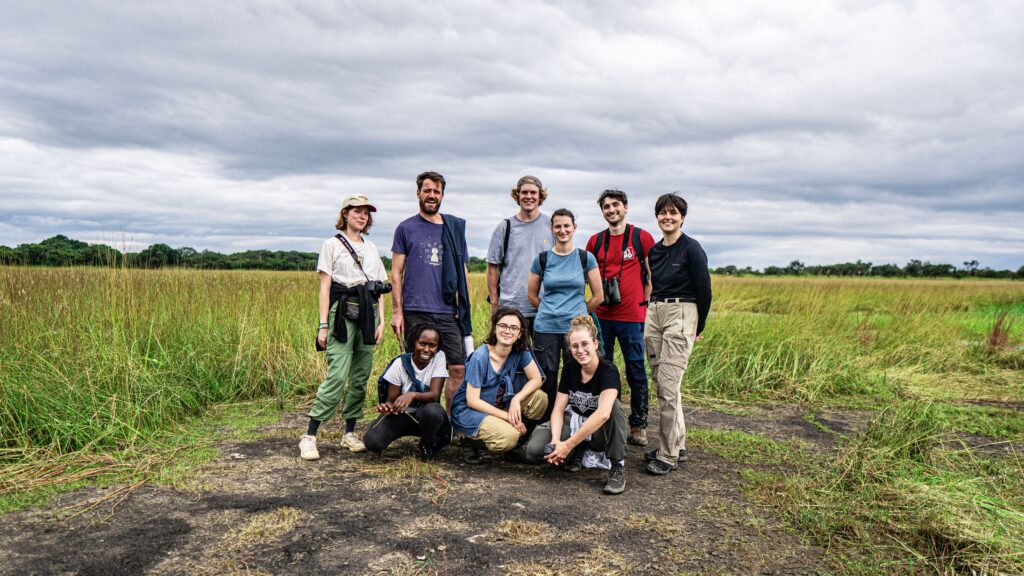 A partir de 18 ans et de 15 ans si accompagné d’un tuteur légal
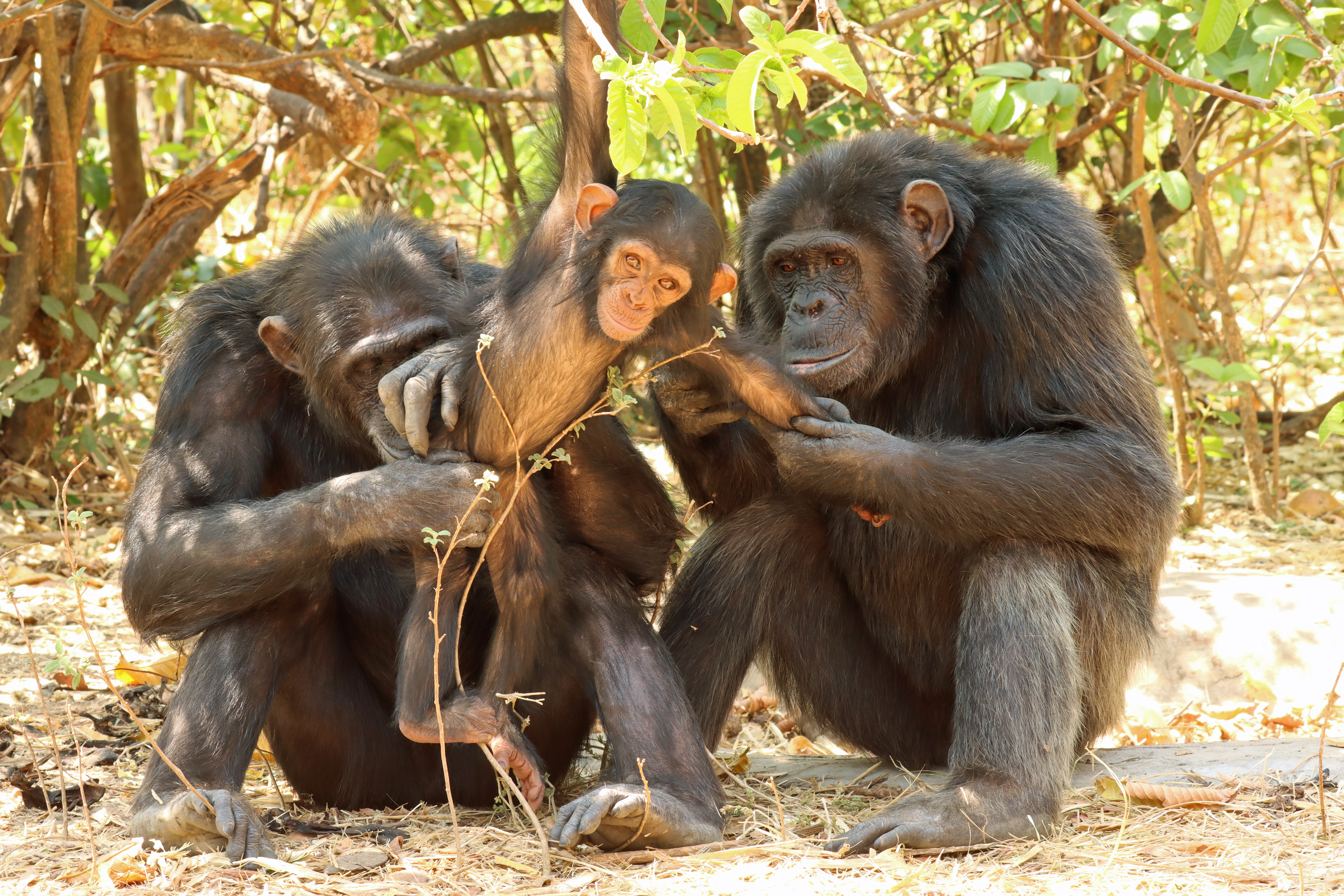 Le plus ancien sanctuaire de chimpanzés au monde
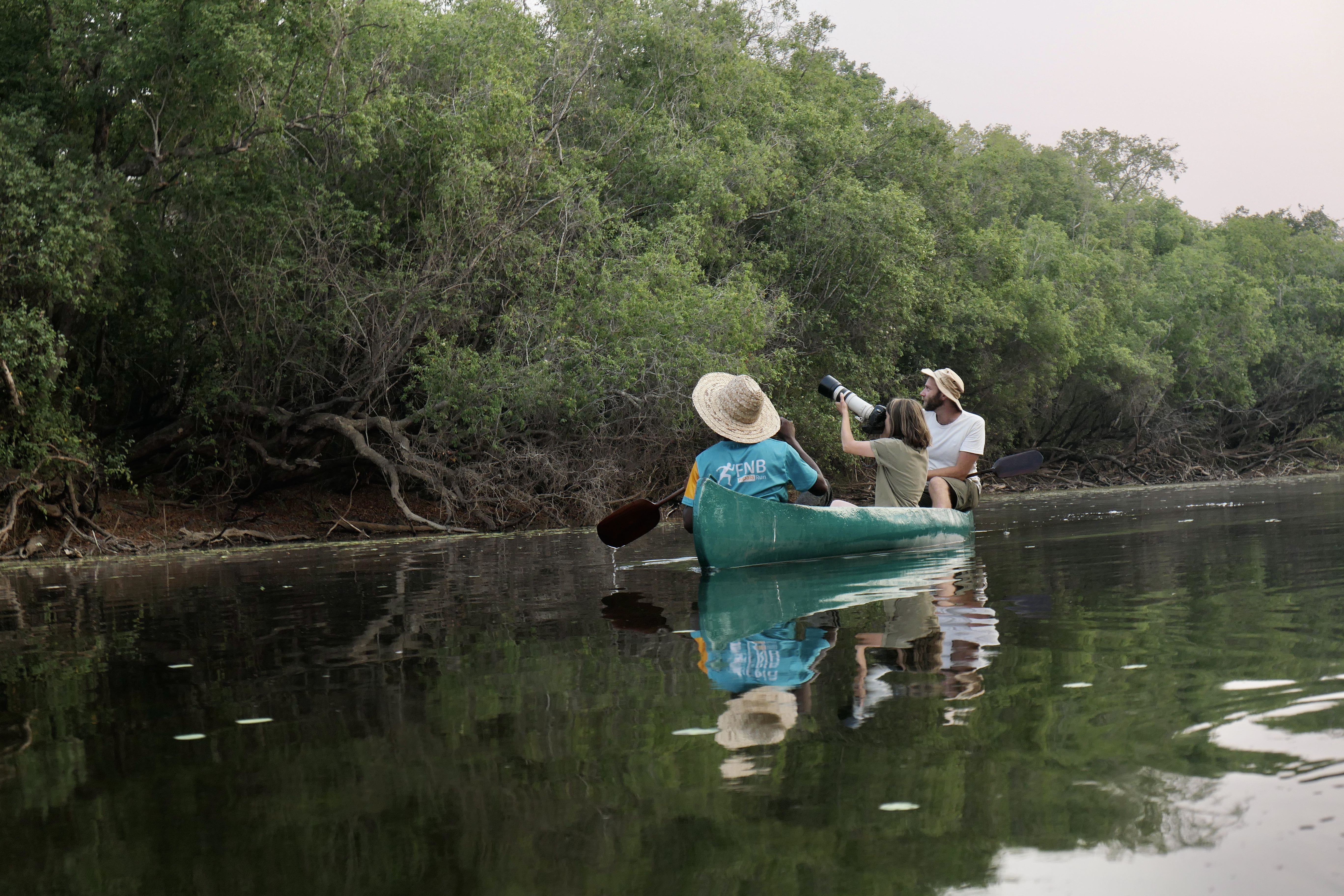 Explorez la rivière en canoë ! .
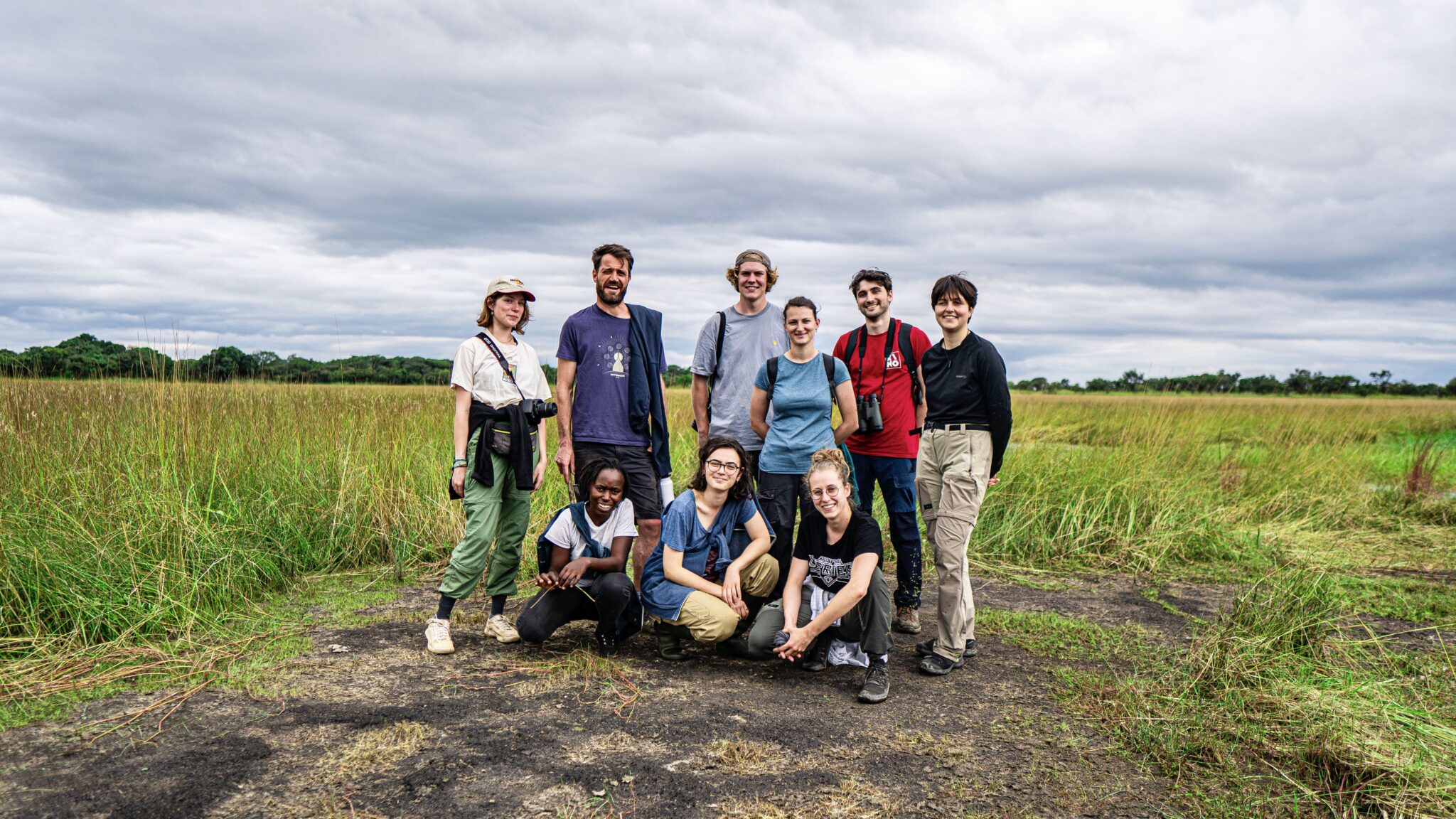
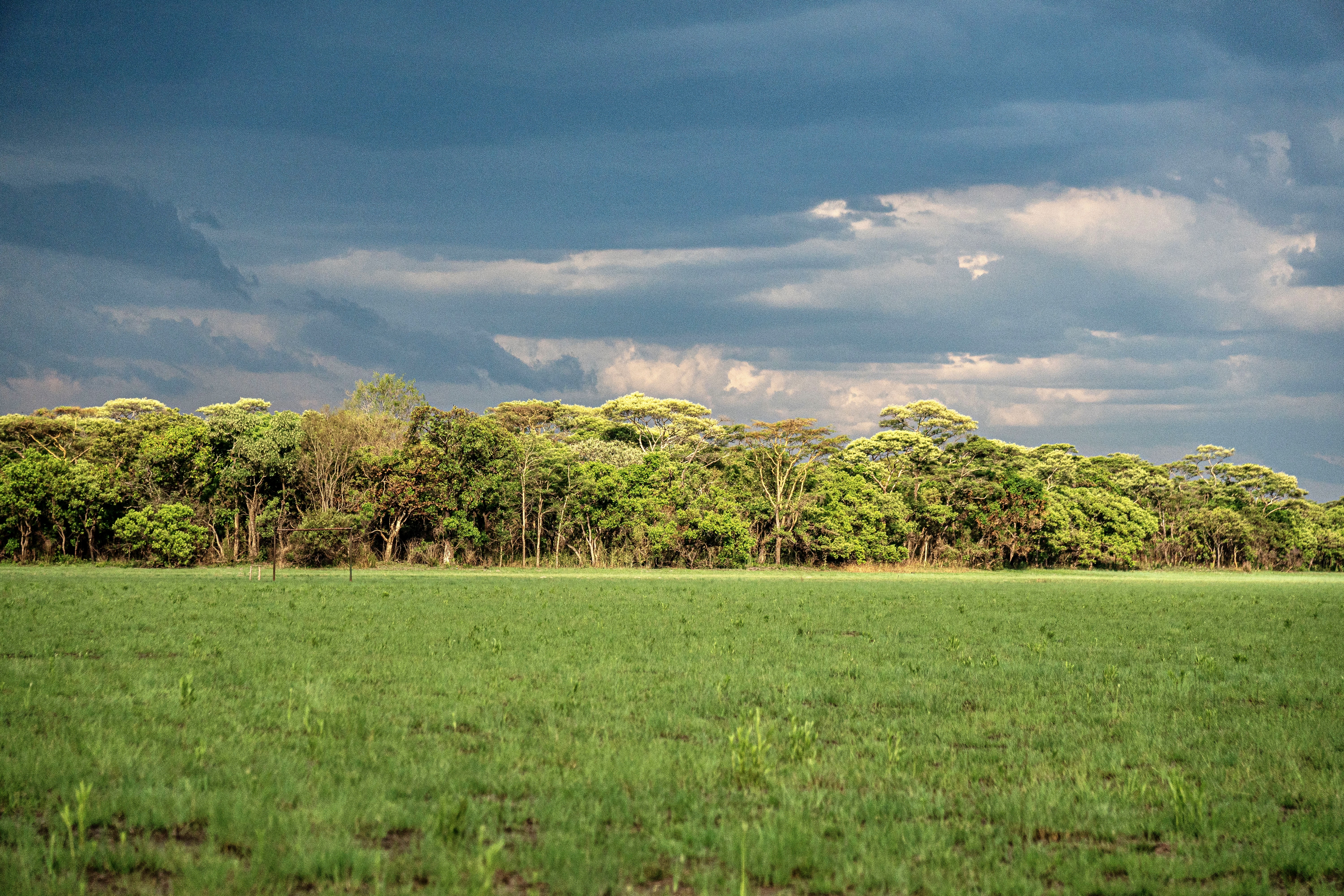 Magnifique paysage en Zambie
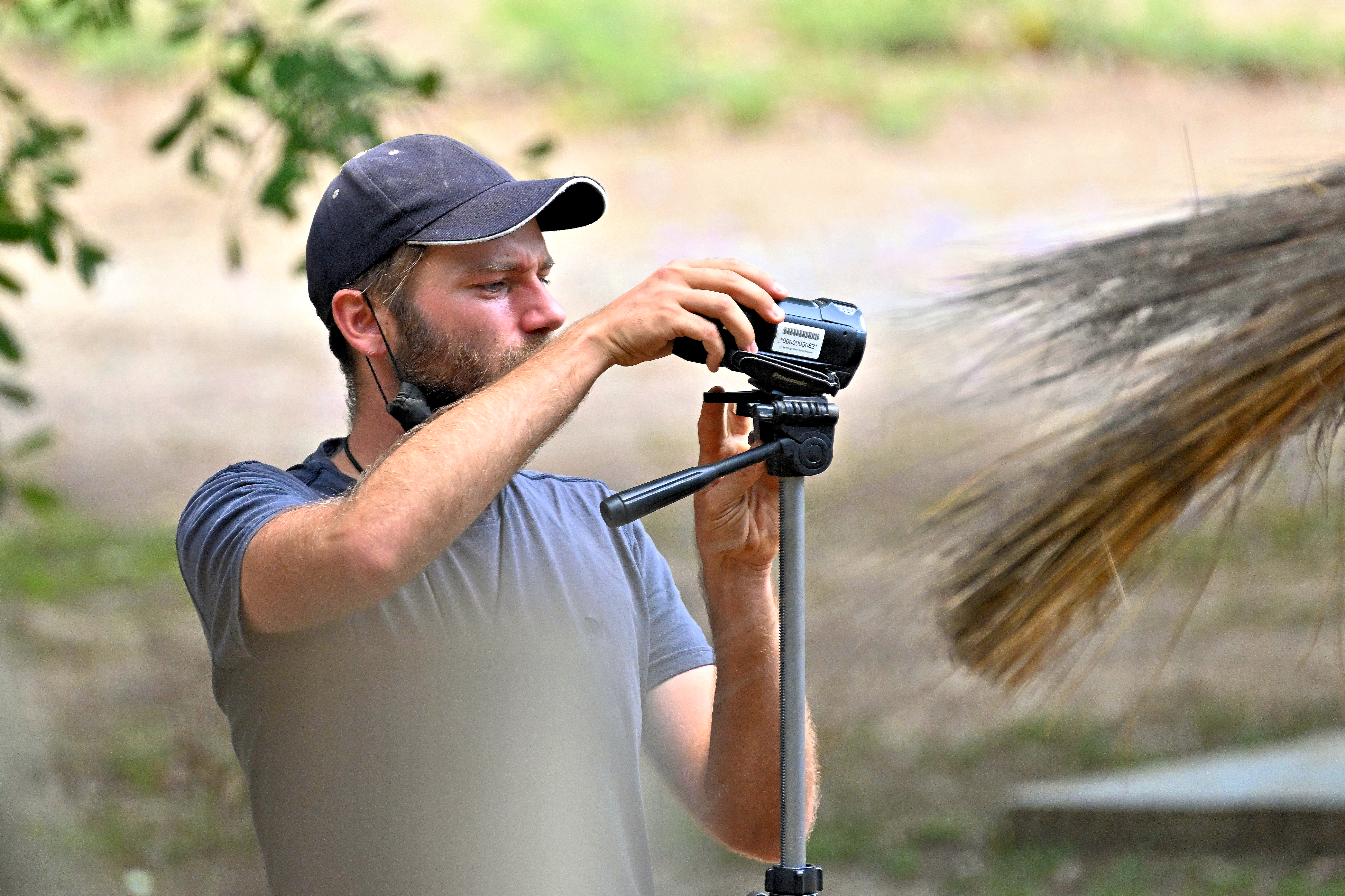 Le programme de volontariat permet de fournir une assistance humaine et financière dans les soins aux animaux
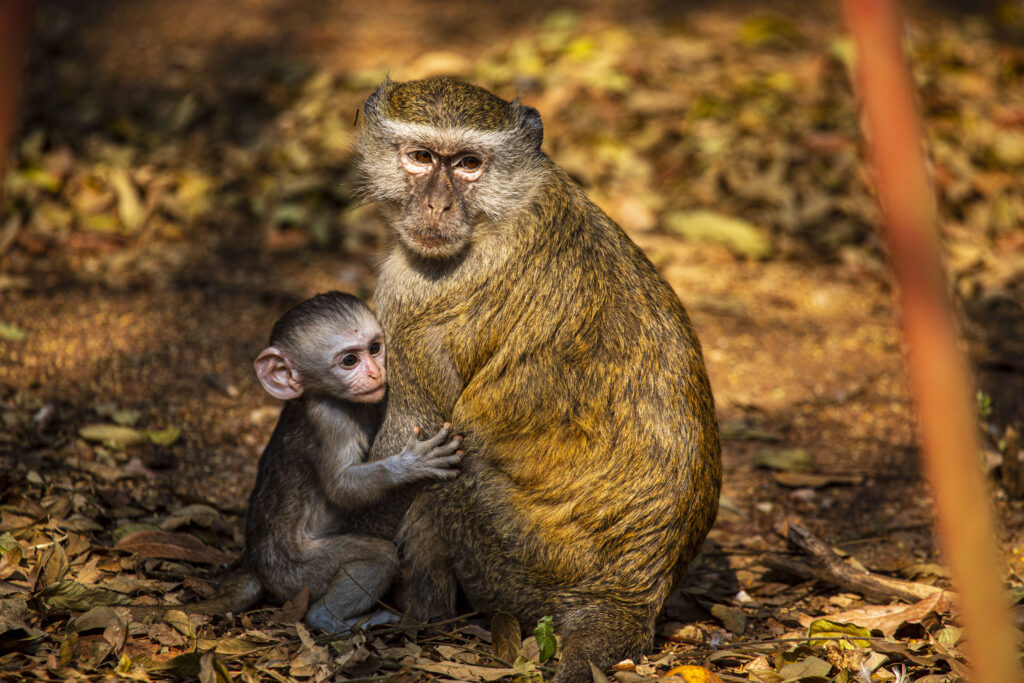 Le refuge s’étend sur 10 000 hectares de forêt de Miombo
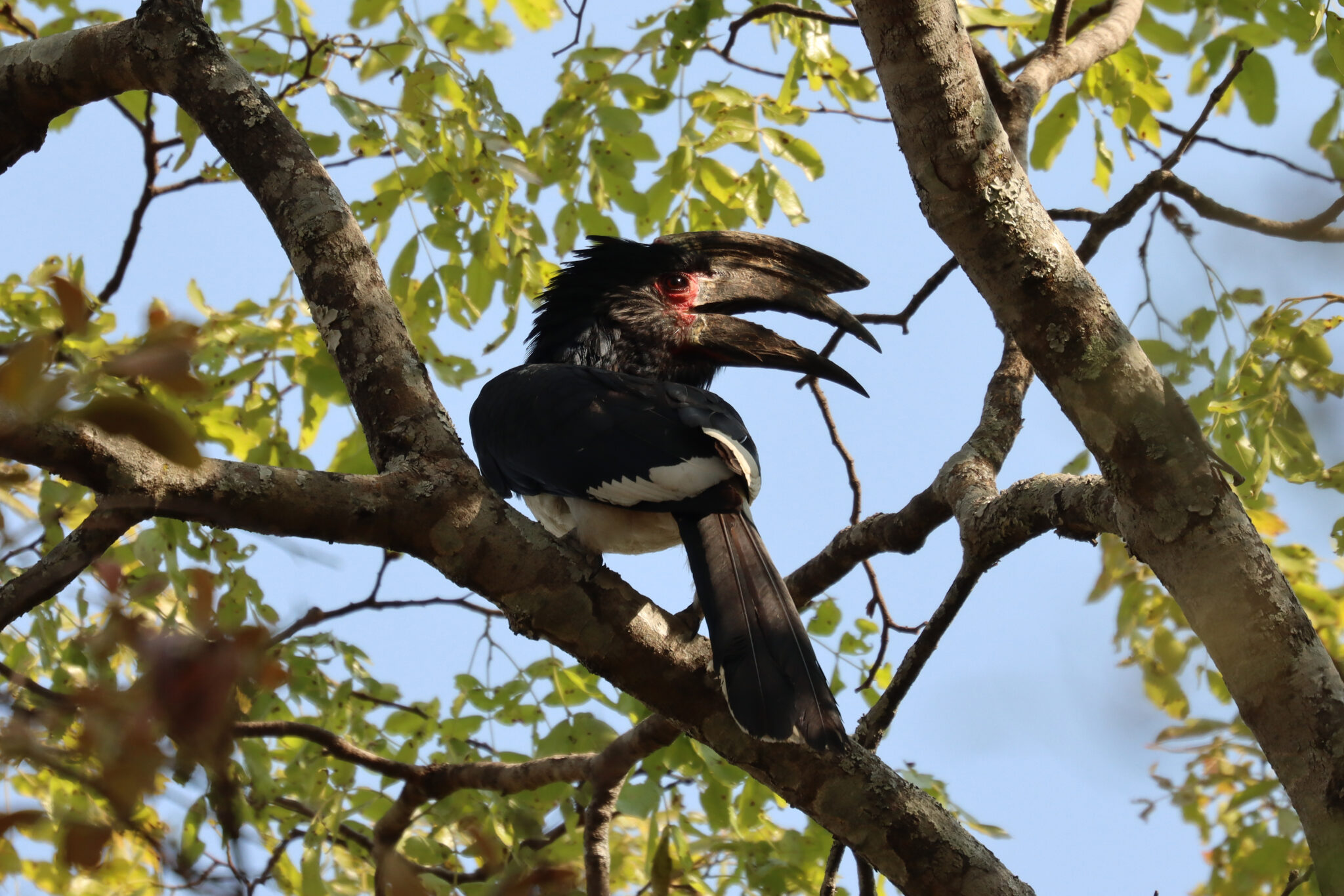
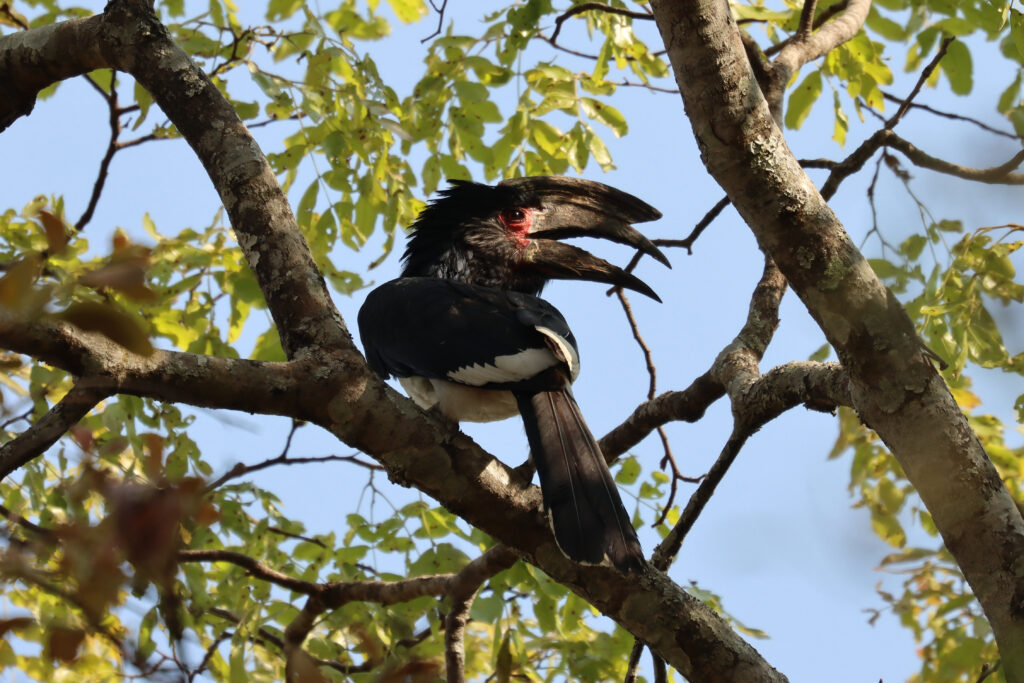 Observez la riche biodiversité aviaire de la région.
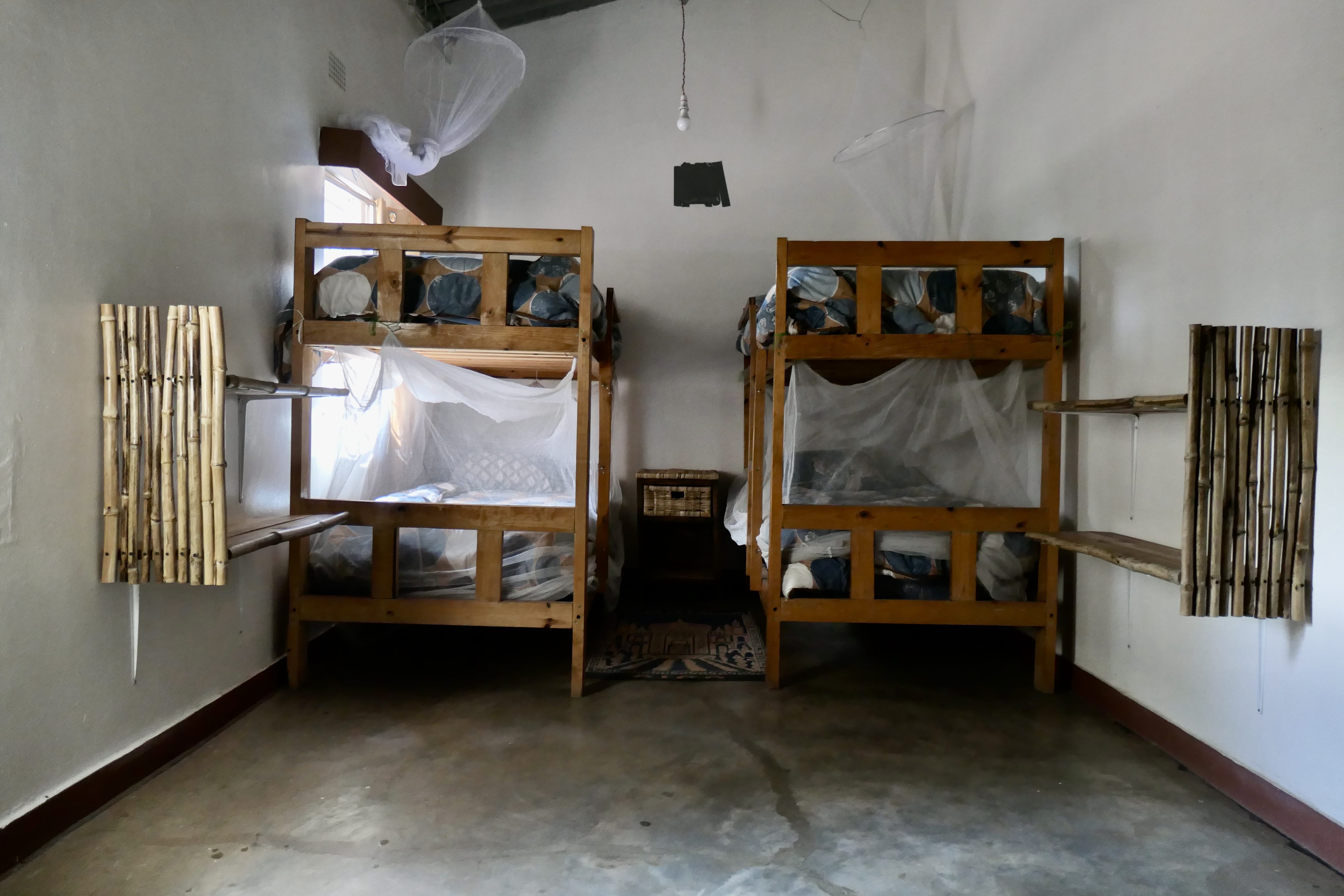 Logement des écovolontaires au Zambie
Protect chimpanzees in a sanctuary in Zambia. Get involved in one of the largest and oldest chimpanzee sanctuaries in the world. All programmes with primates here.
The oldest chimpanzee sanctuary in the world
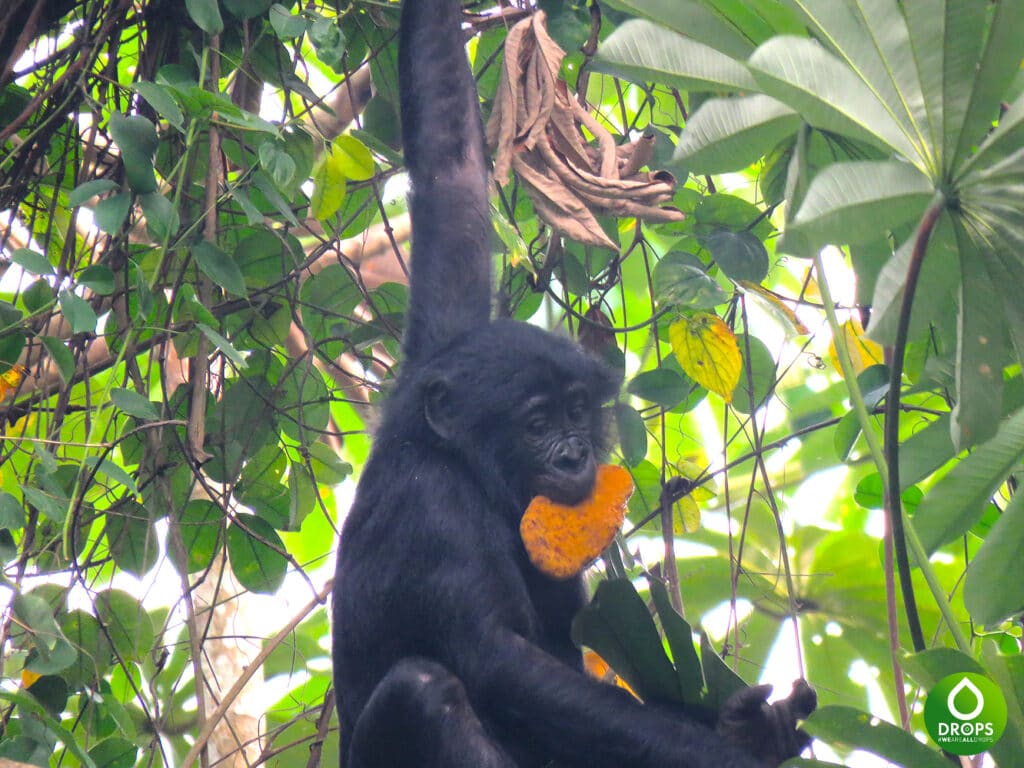
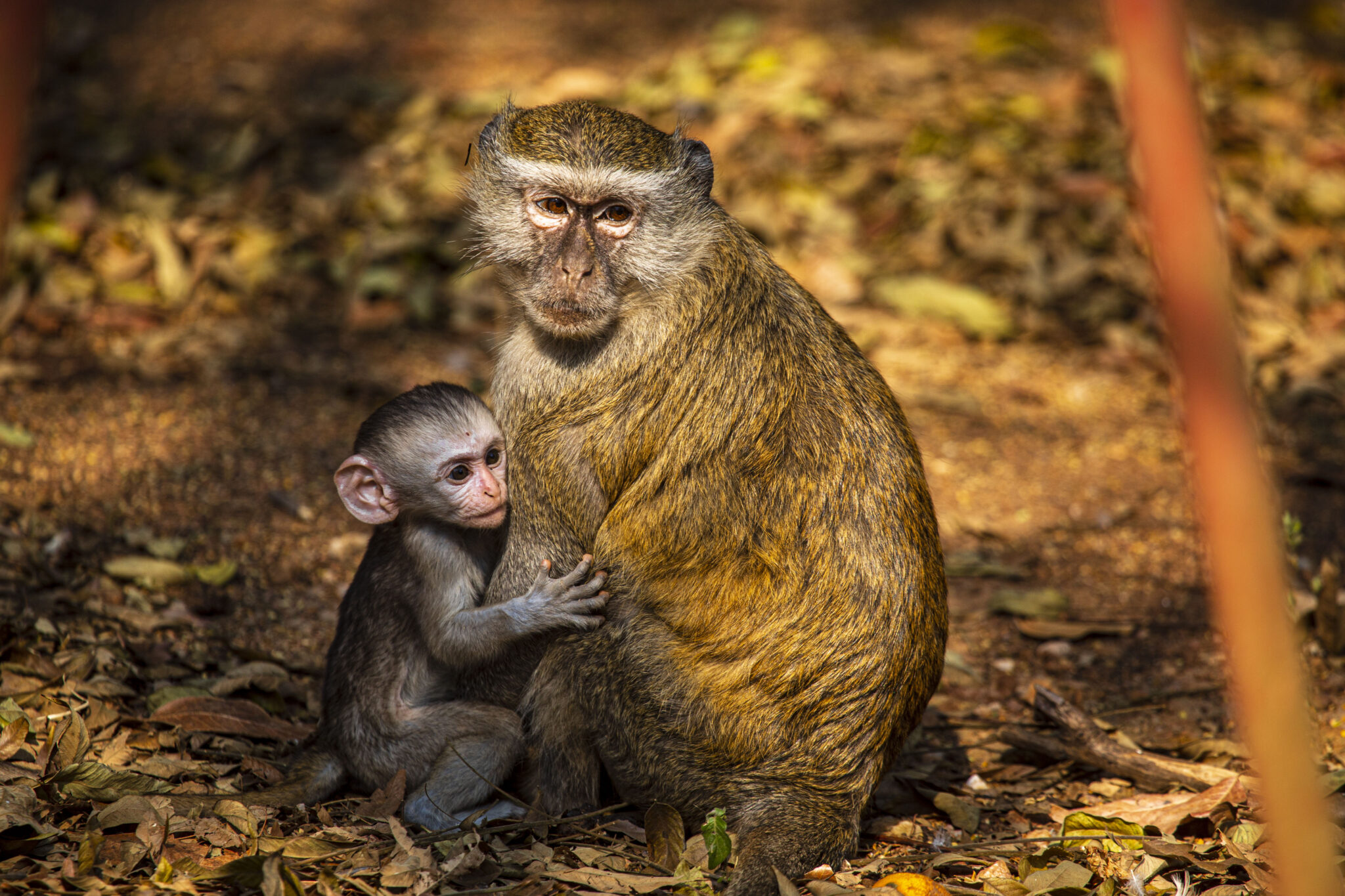
Our partner is one of the oldest and largest chimpanzee sanctuaries in the world. The refuge covers 10,000 hectares of Miombo forest and its mission is to protect and care for chimpanzees, while raising awareness among the local population about wildlife conservation. In addition to being a chimpanzee sanctuary, our partner’s territory is home to a great diversity of animals, particularly birds with more than 300 species. Numerous projects aimed at promoting and passing on the importance of biodiversity conservation in the region have been put in place.
Improving the lives of local communities
Our partner’s project has an important social dimension, aimed at improving the lives of workers and local communities. To achieve this, it actively participates in the creation and funding, in partnership with the government, of the Twampane school as well as the local dispensary, which welcomes all members of the community free of charge. Our partner has also developed sustainable farming practices to provide organic fruit and vegetables to both the community and the chimpanzees. By combining wildlife protection and community development, the centre works towards a sustainable future where biodiversity and the well-being of local populations go hand in hand.
The role of volunteers in the Chimpanzee sanctuary
The volunteering programme provides human and financial assistance in animal care, education and sustainable farming, while fostering a deeper understanding of wildlife conservation and cultural immersion. Volunteers play an important role in various aspects of the projects. Volunteers are essential to the day-to-day operations and long-term goals of the NGO.
Chimpanzee protection and rehabilitation
Activities related to chimpanzee protection may include:
- Feeding and cleaning the enclosures
- Population monitoring, in many cases including the collection of behavioural data
- Participation in designing enrichment activities for the chimpanzees
Educational projects
You may be involved in numerous projects, such as:
- Developing educational programmes for local communities and children
- Awareness-raising activities
- Training sessions, music, art or sports classes
Developing sustainable farming
This may include agricultural tasks such as:
- Planting, harvesting or irrigation
- Developing new projects
Dates
- Year-round: however, the rainy season is more physically demanding and runs from December to March.
- 1 week minimum
Fees
- $275 per week, approximately €261.
Meal options:
- $50 (approximately €48) per week for one meal per day.
- $100 (approximately €95) per week for two meals per day.
- $125 (approximately €119) per week for three meals per day. Volunteers may also choose to prepare their own meals using the shared kitchen facilities.
- $280 (approximately €266) for return transport between Chimfunshi Wildlife Orphanage and Ndola Airport.
Prices in euros may vary depending on the exchange rate.
Sonnet 4.6
- From 18 years old if travelling alone, or 15 years old if accompanied by a legal guardian.
- Level of autonomy: volunteers must be capable of leading their own project and working independently, while respecting the sanctuary’s rules.
- Physical fitness: good physical fitness is required.
- Volunteers will need to walk or cycle distances of 4 to 8 km to reach their workplace on unpaved paths.
- Language level: an intermediate level of English is preferred to facilitate communication, although the volunteer coordinator and the Animal Care Manager are French-speaking.
- Registration process: applicants must complete an application form, submit a CV translated into English, a cover letter, and for long-term placements, two letters of recommendation. Once the application has been accepted, a health test, including an HIV test and a tuberculosis test, as well as proof of vaccination, will be required.
Accommodation
Volunteers are housed in shared houses with basic but clean and secure facilities. Shared bedrooms and communal bathrooms are available. Drinking water and electricity are available on site, but the sanctuary is in an isolated area with its own network. It is therefore important to be mindful and not to overuse these resources.
Food
Volunteers can choose from full board options or cook for themselves. Supermarkets and local markets are accessible once a week for shopping.
Arrival
Airport welcome: a transfer service is offered from Ndola airport, to be arranged in advance to facilitate your arrival.
Security
It is advisable to keep valuables in a safe place and to always be aware of your surroundings.
Visa
For European Union citizens, a tourist visa can be obtained on arrival at the airport, free of charge, and is valid for 30 days, renewable twice free of charge for a total of 90 days.
Volunteers will have the chance to enjoy a variety of activities during their free time, such as:
- Canoeing on the Kafue: exploring the river by canoe, offering stunning scenery and wildlife watching opportunities.
- Bird watching: access to observation sites to discover the rich avian biodiversity of the region.
- Visits to local markets: participation in the Musenga Market to discover fresh local produce as well as handcrafted souvenirs.
- Excursions: the possibility of visiting Mutenda Falls for days of swimming and exploration, or the Nsobe Game Camp for a safari experience.
- You will be getting involved in the largest and oldest chimpanzee sanctuary in the world.
- You will develop your knowledge of chimpanzees.
- You will discover the culture of Zambia.
- You will visit a magnificent region.

About the partner NGO
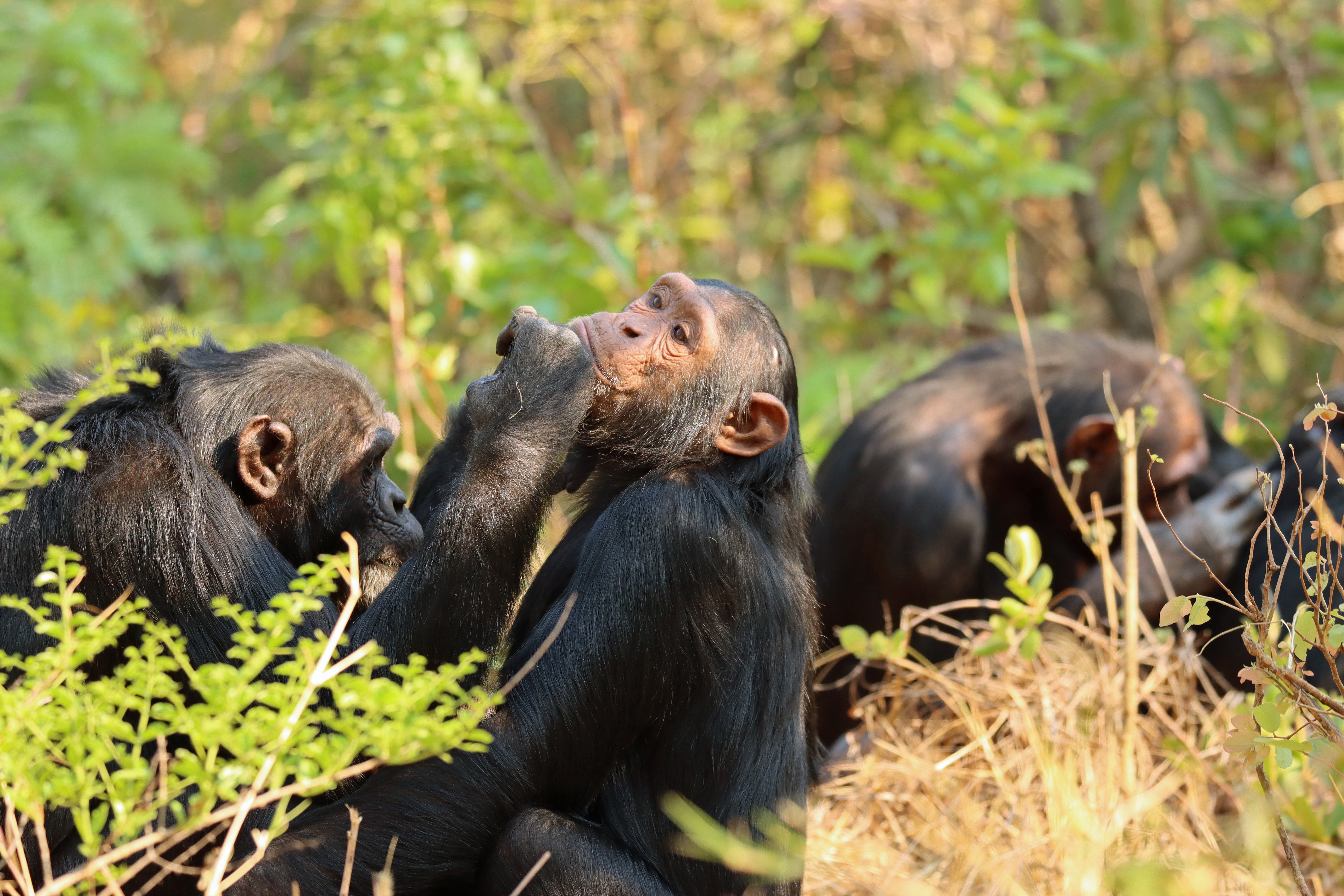
Founded in 1983, our partner NGO’s mission is to protect and care for chimpanzees, while raising awareness among the local population about wildlife conservation. Many of the chimpanzees taken in come from illegal trade and private owners. They rescue these animals through the relevant authorities and provide them with a new habitat that closely resembles their natural living conditions. The chimpanzees live in family groups in large enclosures, with access to care facilities.