Français
 English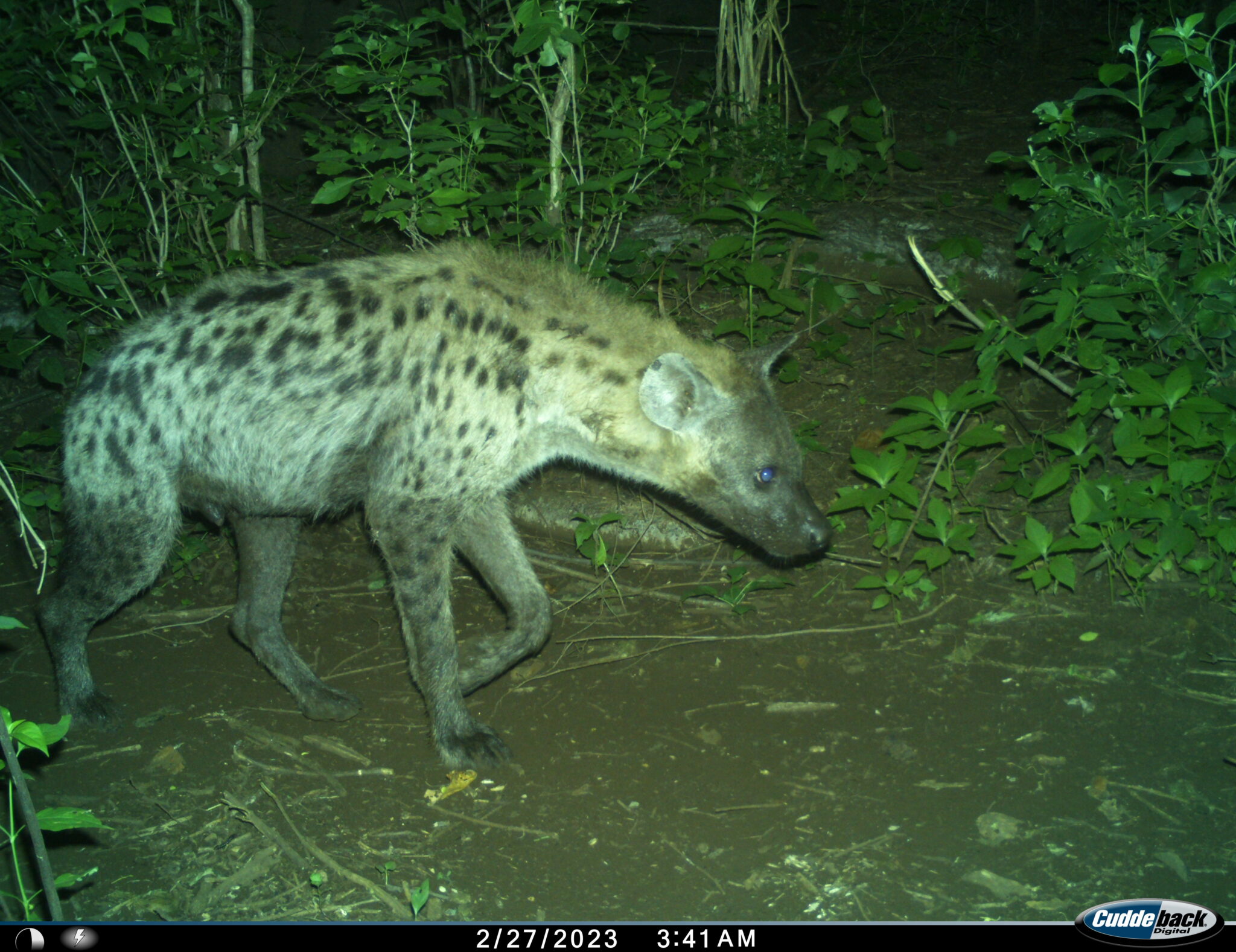

Protect the hyenas in Tanzania. Join a team working to reduce human-wildlife conflict in the Ngorongoro. See all our programmes in Africa here
Research and conservation of hyenas in Tanzania
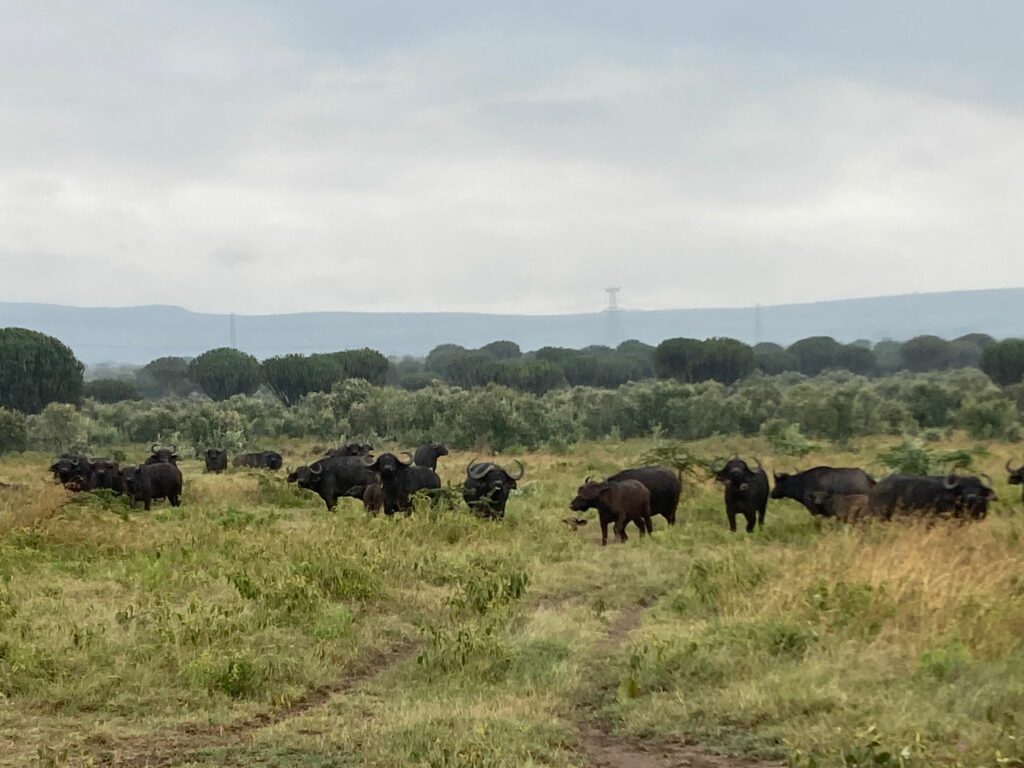
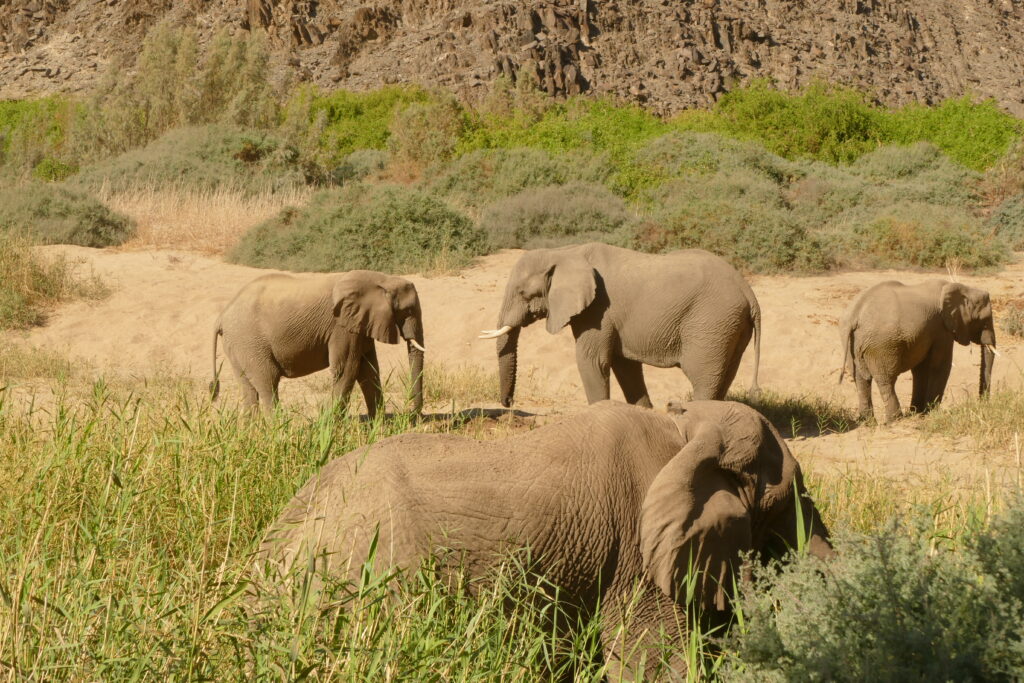
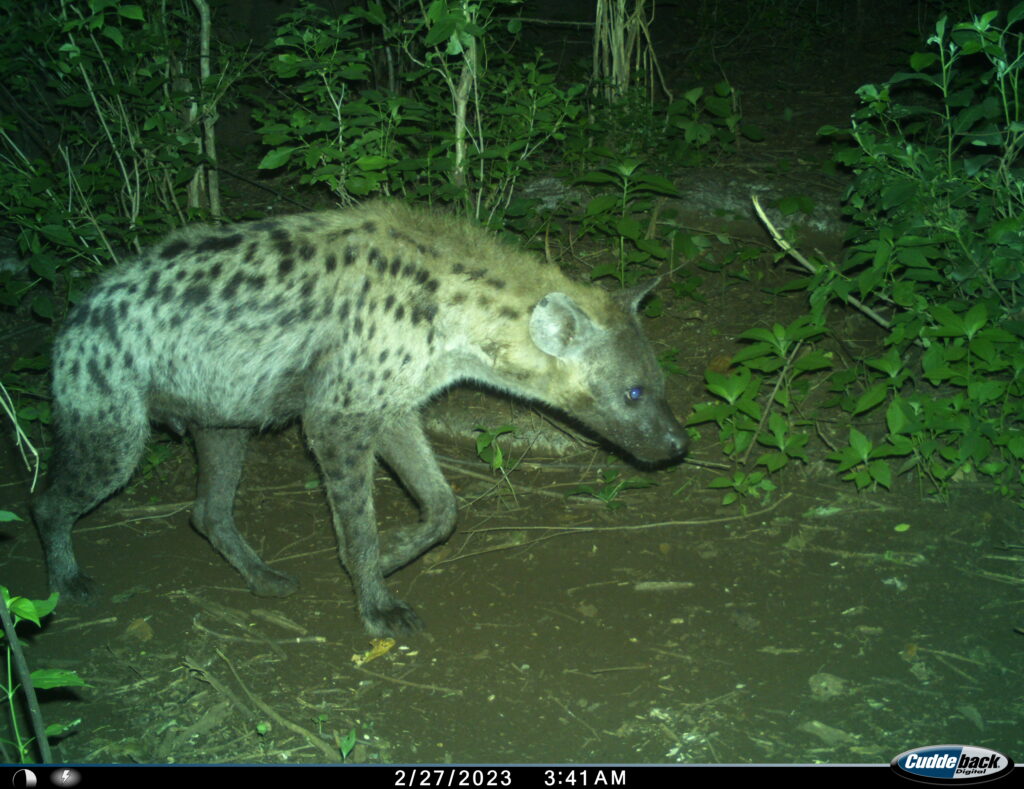
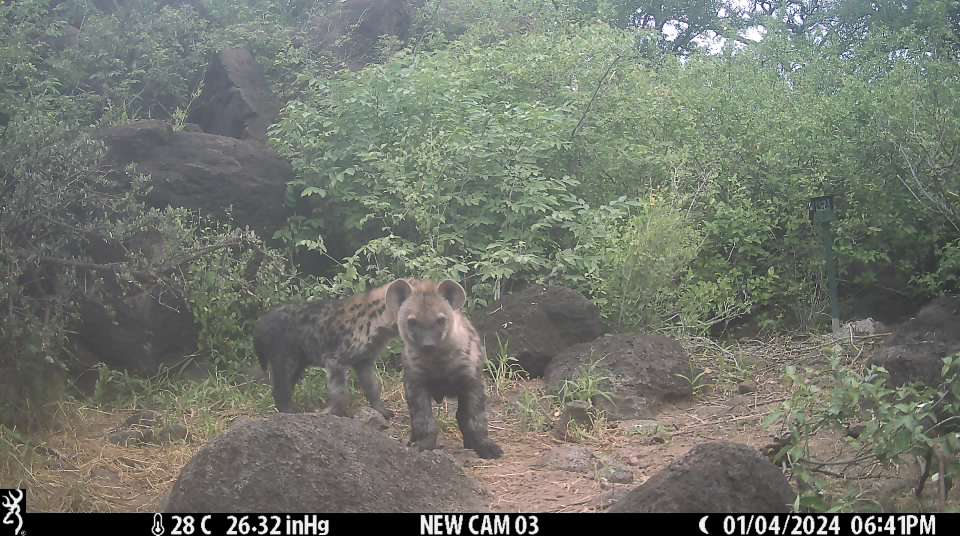
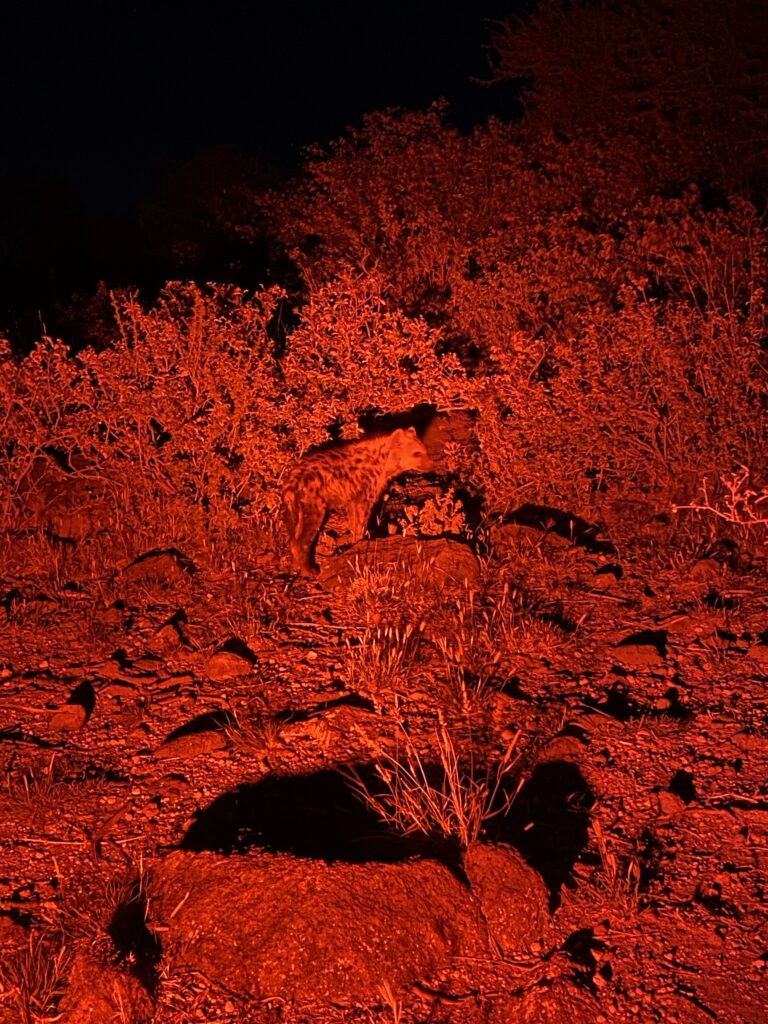
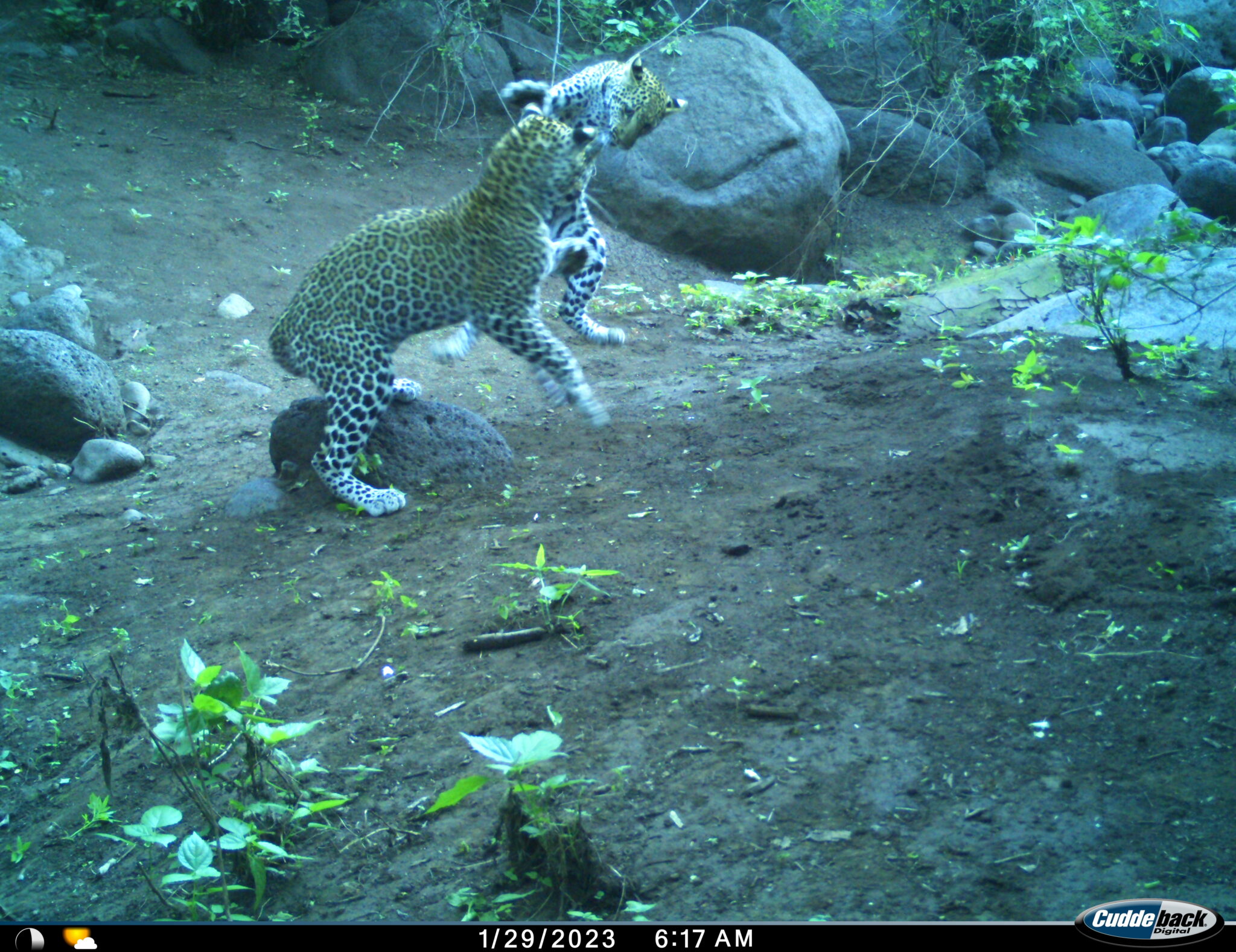
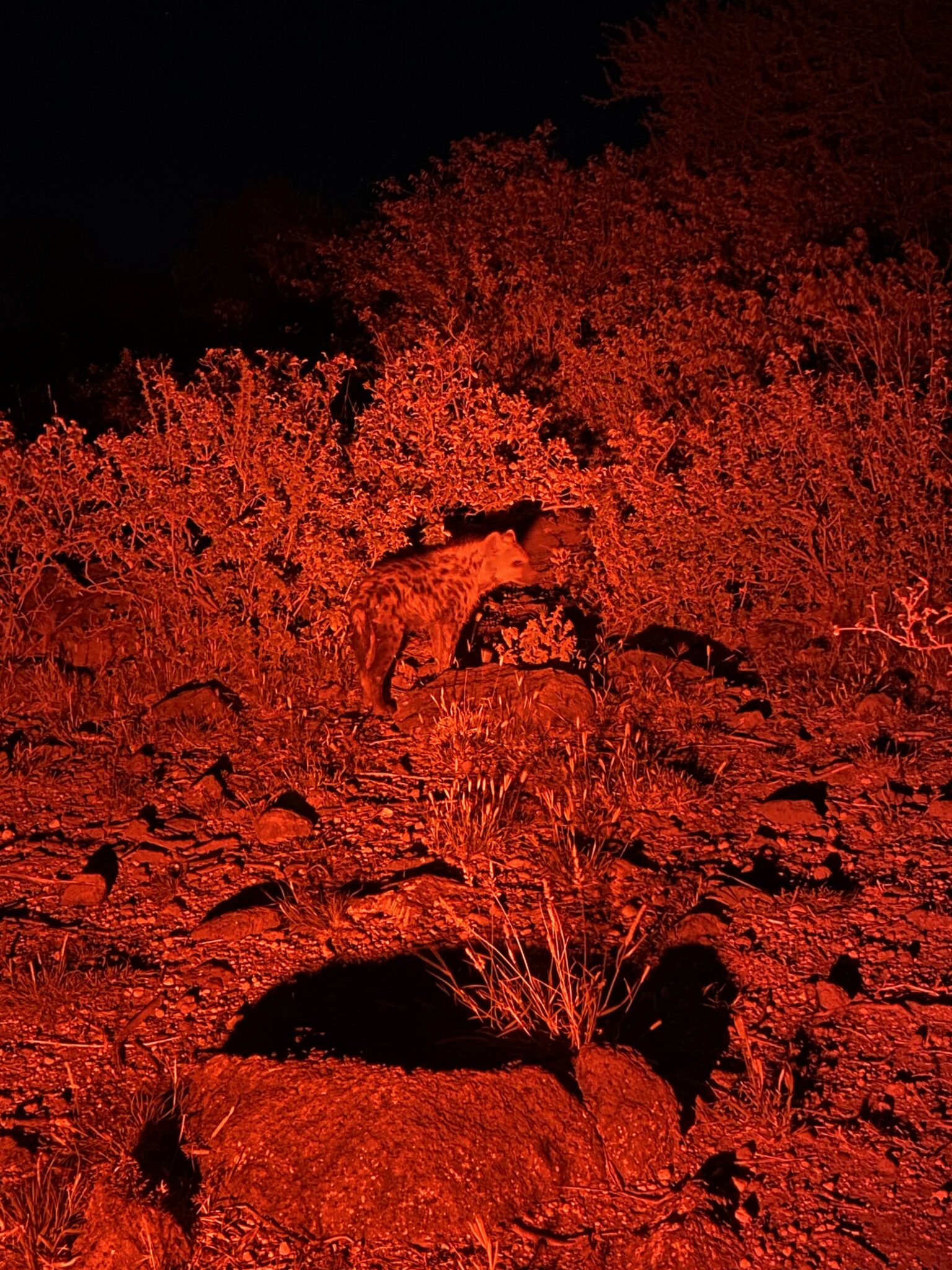
Get involved in a hyena conservation project whilst helping to reduce human-wildlife conflict in the stunning Ngorongoro Conservation Area in Tanzania. Nestled on the eastern shore of Lake Eyasi, our partner United Tanzania’s hyena research camp offers a front-row seat to some of the planet’s most dynamic wildlife! The camp is situated within a migration corridor between the Ngorongoro Crater and Manyara National Park. Its location is therefore unique for observing iconic species such as buffalo, elephant, eland, zebra and impala. This area also provides a suitable habitat for the striped hyena, classified as near threatened by the IUCN, as well as the more commonly seen spotted hyena. If you’re ready to get involved in a conservation project in the field and aren’t afraid to get your hands dirty, this project is for you!
Camera trapping, identifying dens, collecting droppings…
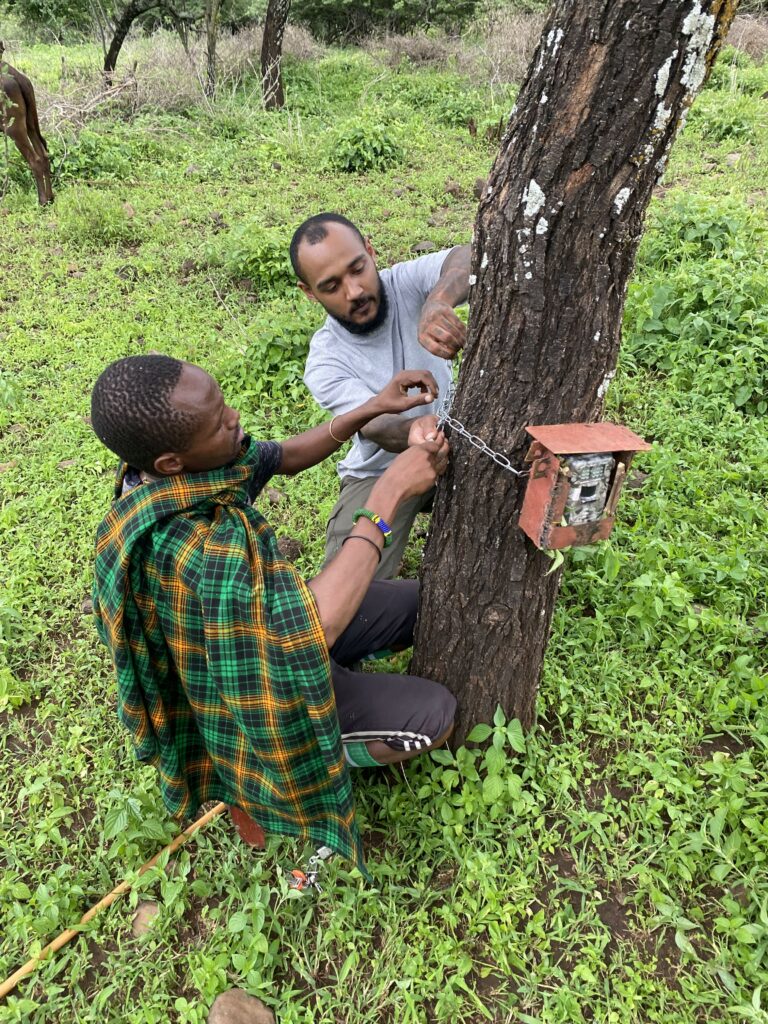
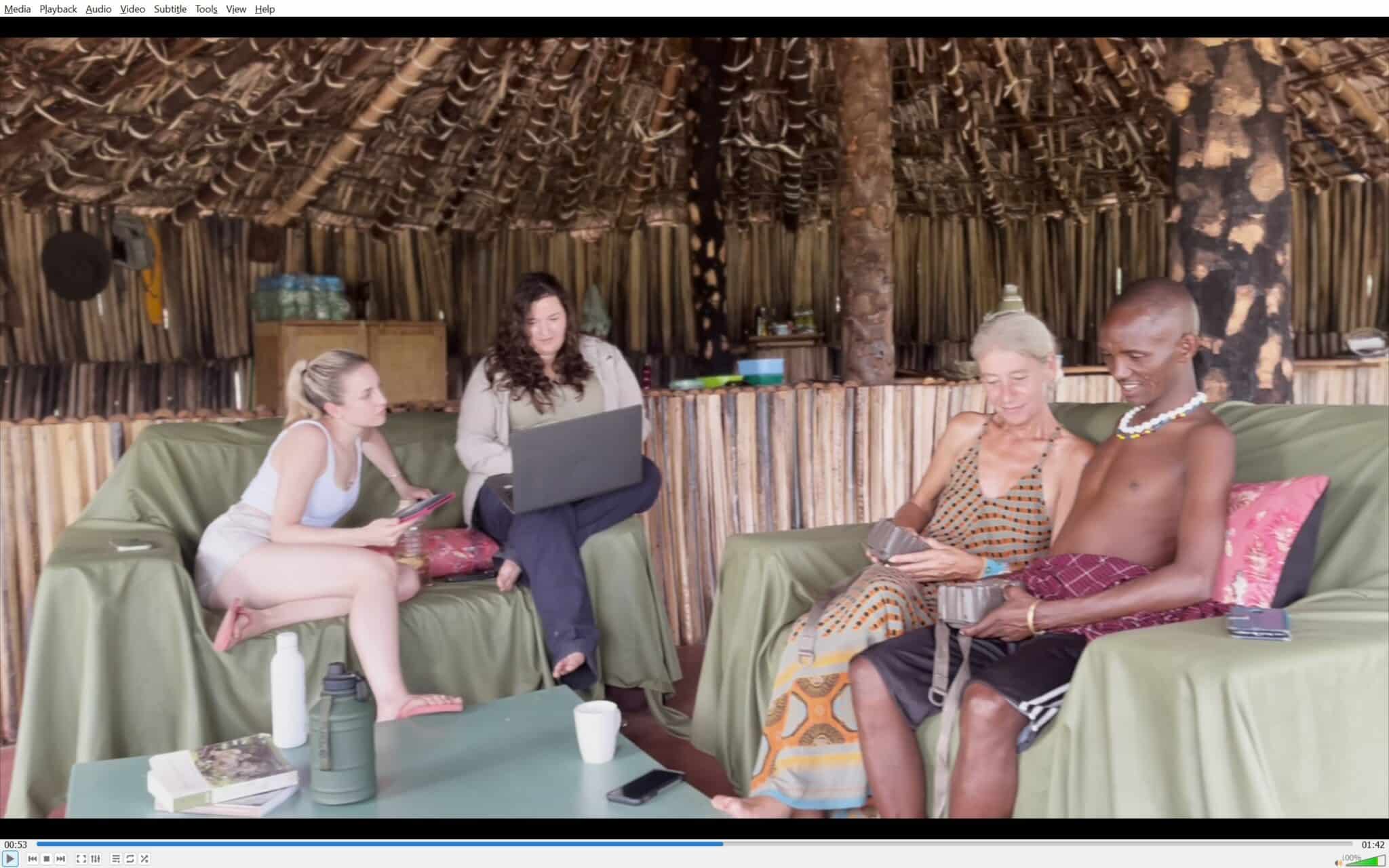
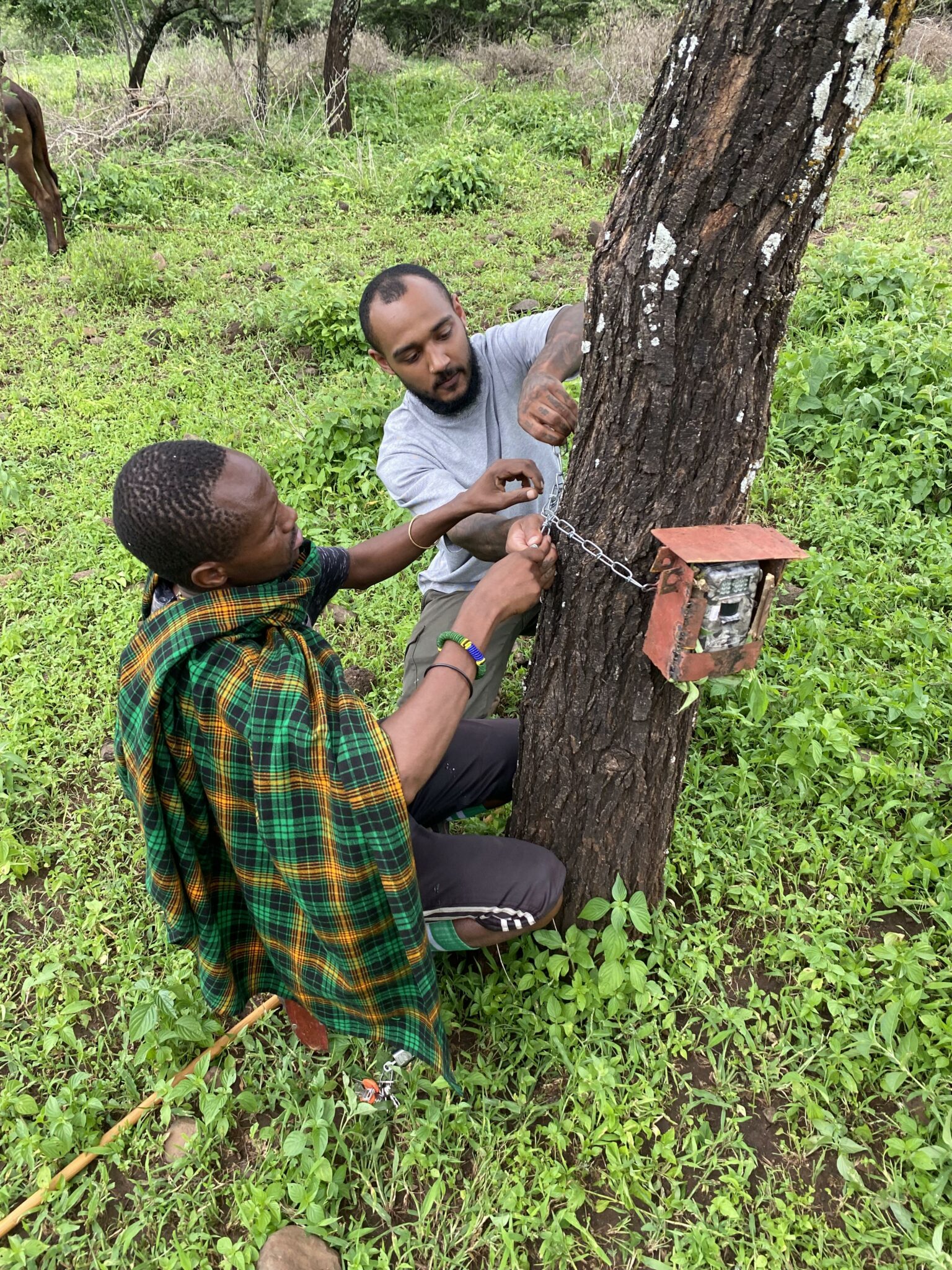
As an eco-volunteer, you will work alongside our partner’s team. You will carry out field research and take part in exciting activities such as tracking, camera trapping, identifying dens, collecting droppings for analysis, checking traps and monitoring clans. You will play a key role in collecting data that is essential to understanding and protecting these wild animals.
Eco-volunteers take part in various tasks, including:
- Raising awareness among the local population, particularly through discussions with boma (households), which helps to strengthen the relationship between local people and wildlife.
- Take part in our hyena habituation programme, which will allow you to get up close to the animals whilst helping to ensure their long-term protection.
- Photographic identification and individual profiling of hyenas, with a view to gaining experience in using tools such as GIS and R-Statistics.
- Teaching at a local secondary school.
- Throughout the year, special initiatives such as rabies eradication and neutering programmes for local communities offer a rare opportunity to contribute to both animal health and community well-being.
Depending on your skills and interests, volunteers can also get involved in photographic documentation, social media outreach, fundraising campaigns or even drafting grant applications.
The activities you’ll be involved in are as dynamic as the environment itself, and the programme will vary according to the season and the ever-changing needs of the research.
Dates
- From 2 to 12 weeks, all year round
Prices
The rate is on a sliding scale based on the length of stay
- 2 weeks: €1,400
- 4 weeks: €2,400
- 6 weeks: €3,300
- 8 weeks: €4,100
- 10 weeks: €4,800
- 12 weeks: €5,400
Included in the price
- Accommodation
- 3 meals a day
- Cleaning and laundry service
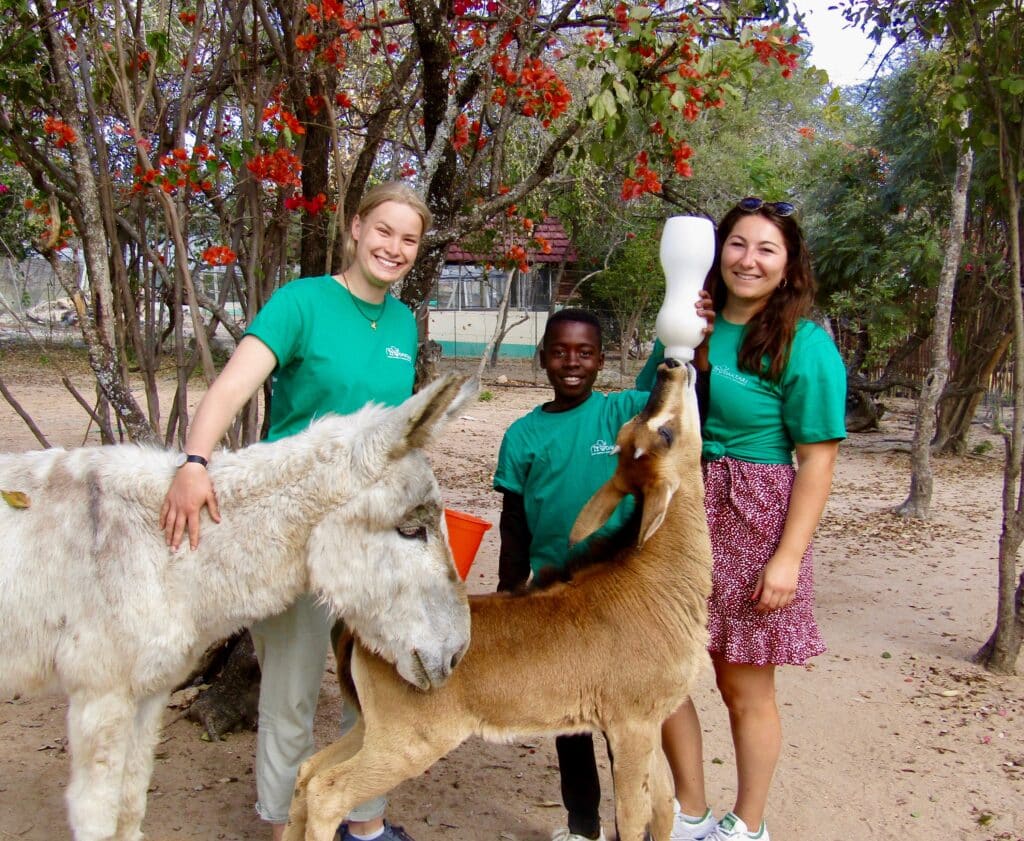
- Partner T-shirt
- Project training
Not included in the price
- Flight tickets
- Travel insurance
- Personal expenses
- Visa on arrival
- Ages 18 and over
- Families welcome
- Language: German or English (intermediate level)
- A genuine interest in wildlife conservation
- Be in good physical shape: you will be required to go on long walks in the bush.
- Be flexible, adaptable and dynamic
- To be able to live in a remote area, far from the conveniences of the city, surrounded by bushland.
- Coping with the heatwave.
- Unlock your full potential!
- You are taking part in research on hyenas in Tanzania
- You are helping to ease the conflict between humans and wild animals.
- You’ll enjoy a wonderful experience on the shores of Tanzania’s third-largest lake, ideally situated close to the stunning Ngorongoro Conservation Area.
Accommodation
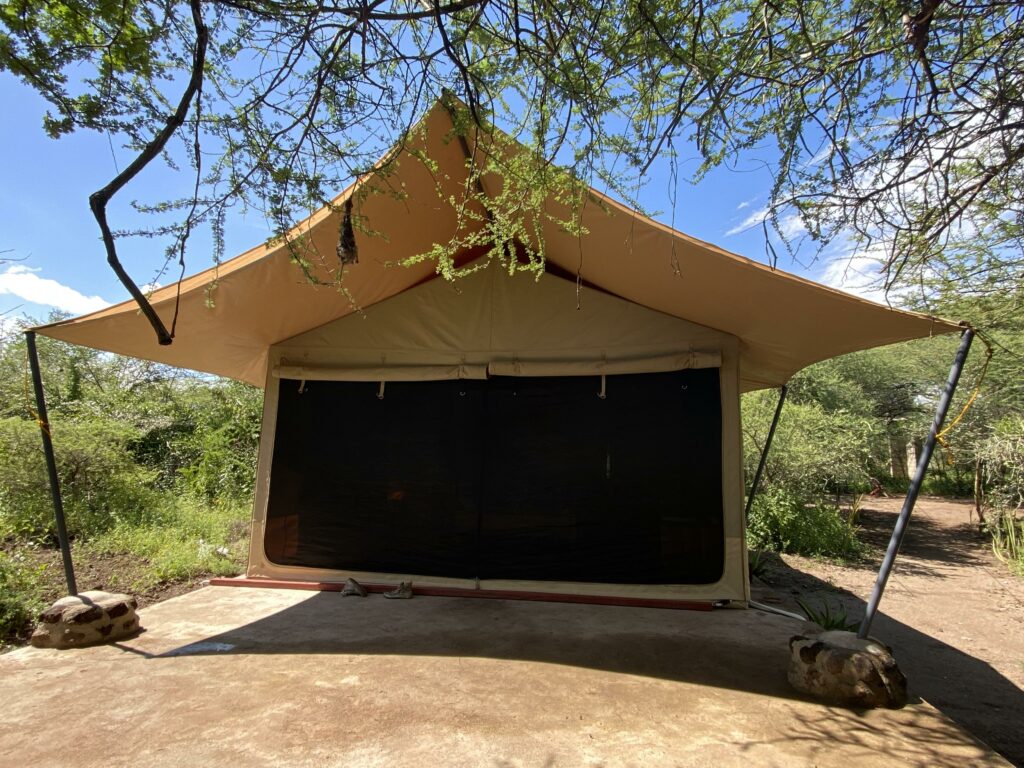
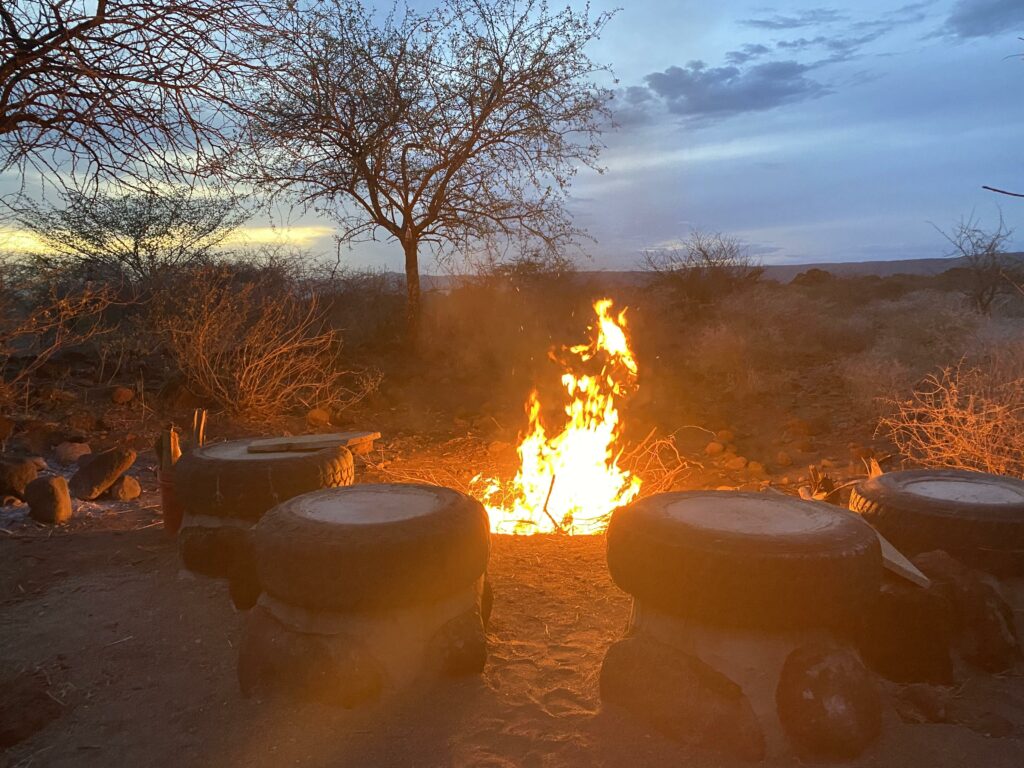
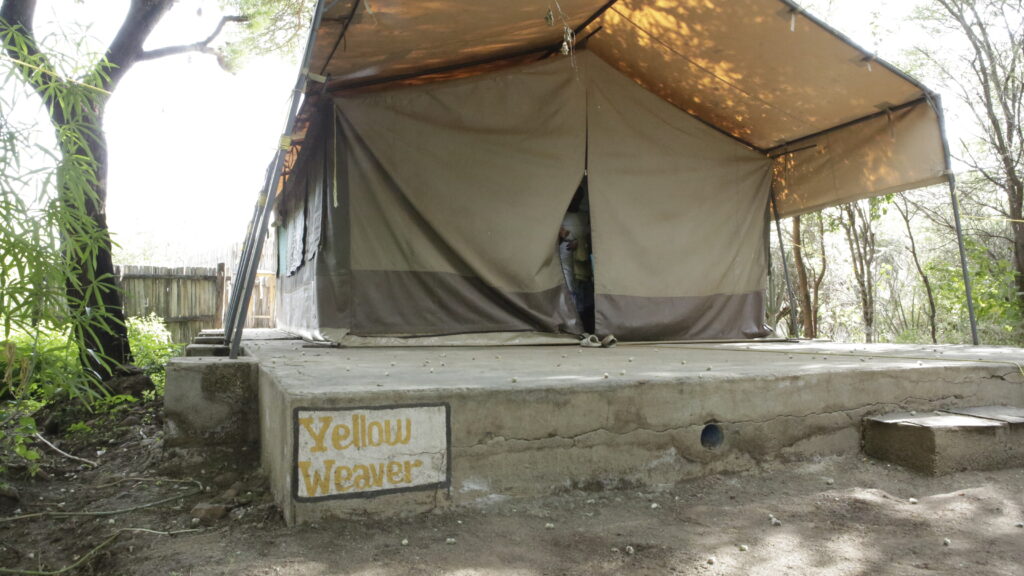
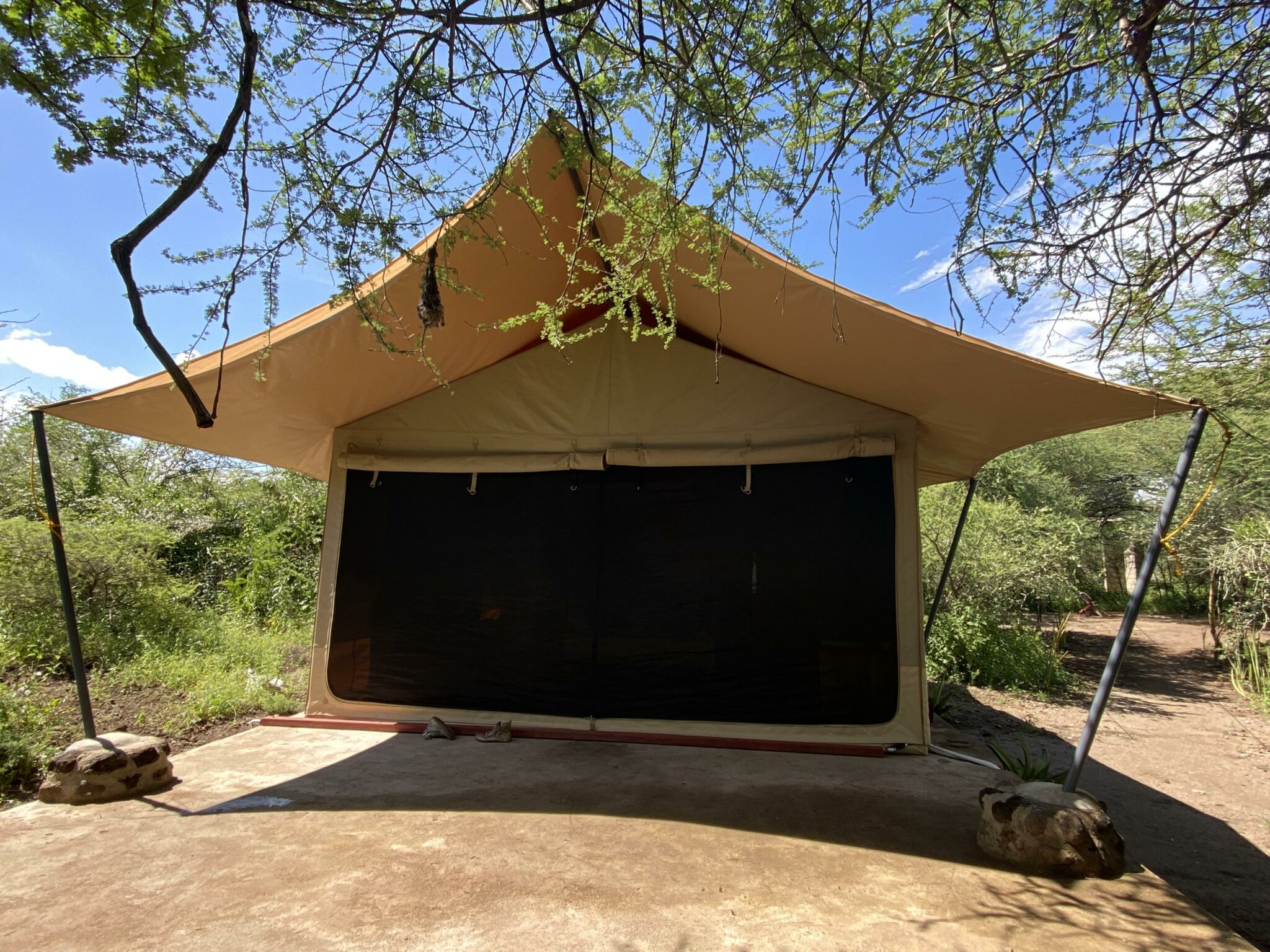
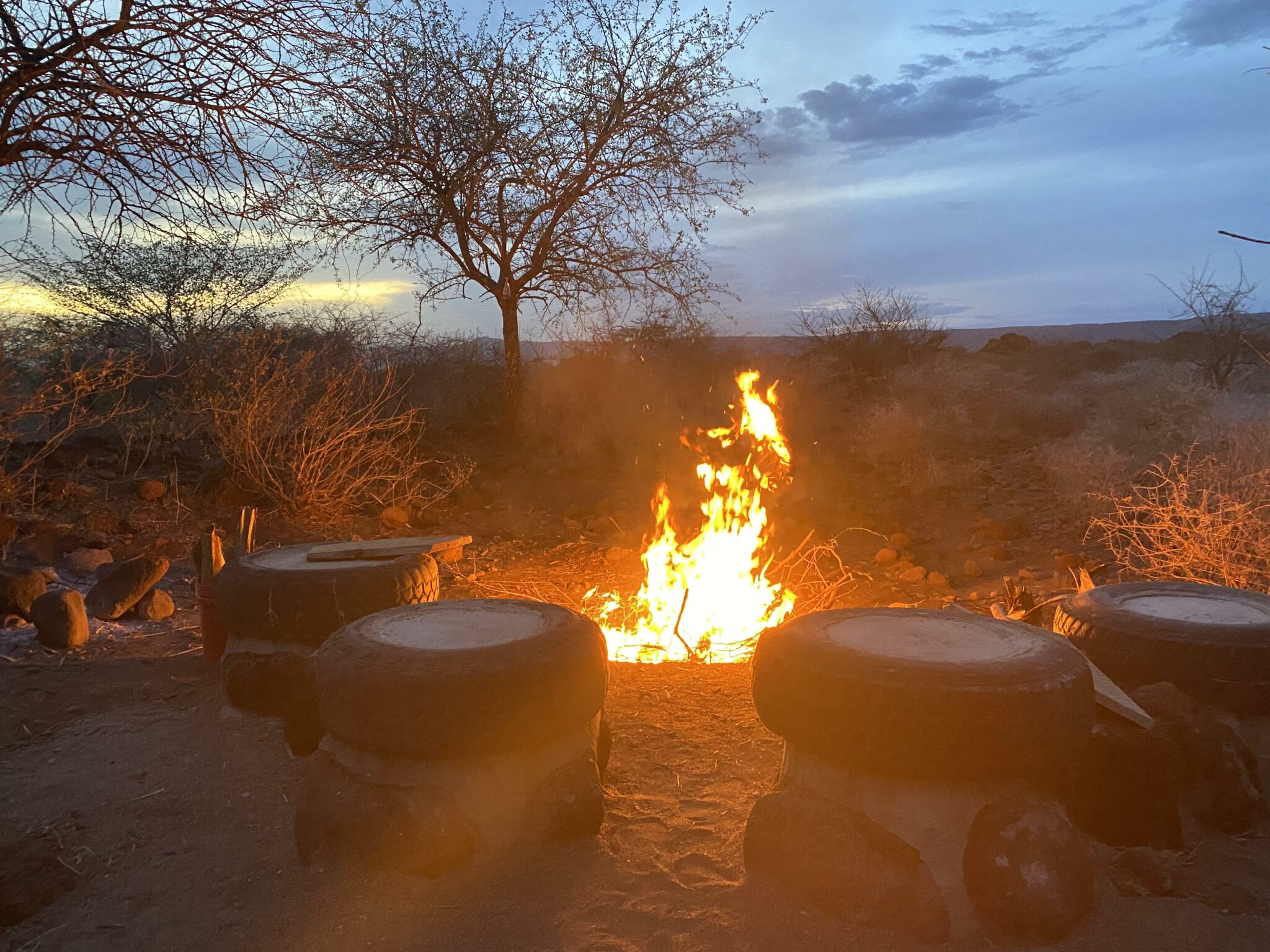
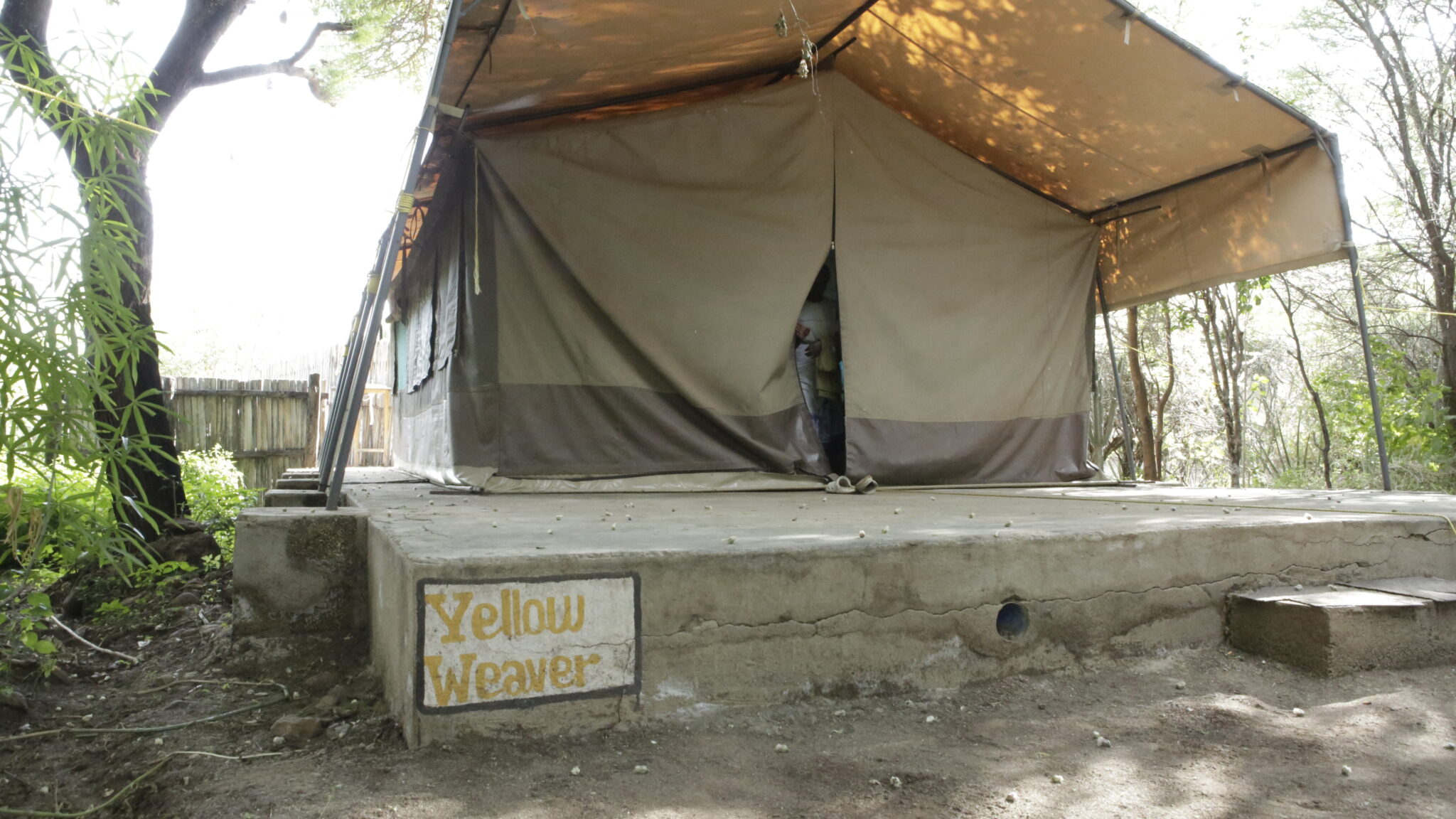
The camp offers basic but comfortable accommodation, with shared safari tents, mosquito nets and communal bathrooms. You can enjoy outdoor showers and relax by the campfire, listening to the cries of hyenas beneath the starry African sky. Local materials are used wherever possible and the camp is powered by solar energy. Meals are served al fresco.
Meals
Three meals a day are provided and drinking water is available at will. The food consists of vegetables, meat, rice, spaghetti and local specialities such as Makande and Ugali, as well as seasonal fruit. Most of the dishes are local. The camp also has beehives and a vegetable garden with cucumbers, green peppers, lettuce, carrots and other vegetables
Arrival
United Tanzania can arrange a pick-up for you at Kilimanjaro International Airport or Arusha Domestic Airport. United Tanzania can also organise your arrival and departure via public transport. Tanzania is a tourist destination where it is relatively easy to get around. But don’t forget that Tanzania is a developing country and patience is required. There are no fixed bus timetables and travelling by public transport takes time. Allow for a visa fee of 50 USD at the airport (in cash).
Takeaway
- A sleeping bag if possible (it can sometimes get cold at night)
- A torch
- Medicines you may need
- Laptop, tablet, mobile phone
- Books and films (to download before arrival)
- Clothing (long-sleeved tops, fleece and 2 pairs of boots for the bush)
- Swimwear (we can use the swimming pool at one of the lodges)
- Waterproof
- Flip-flops
- Hat
- Backpack
- Water bottle
- Camera
- Binoculars
- Mosquito repellent cream
- Travel adaptors
- In your free time at the weekend, there are a number of activities and places to visit
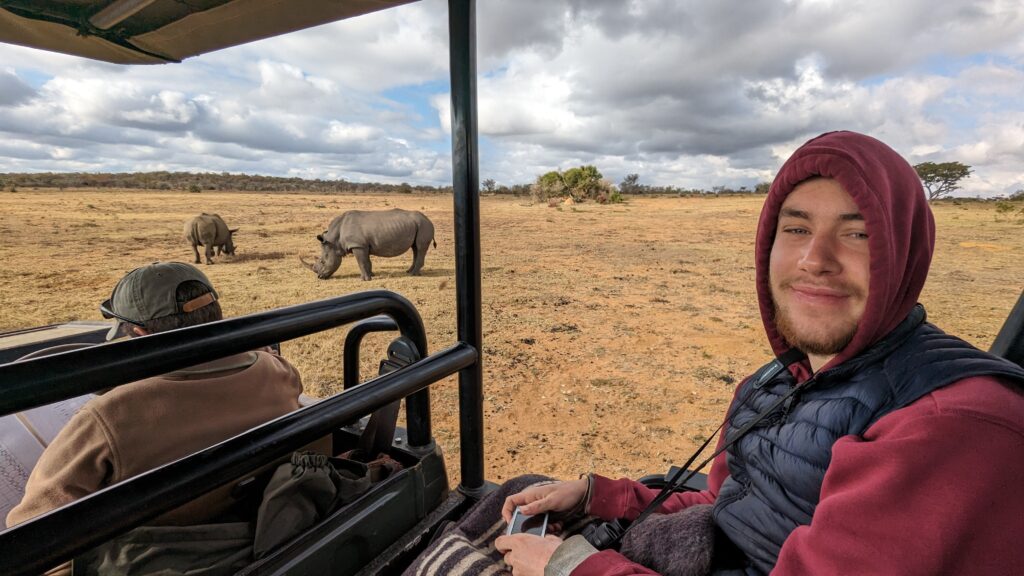
- Lake Eyasi is located close to all the major national parks in the north of the country. Our partner organises weekend excursions using our project vehicle, a four-wheel-drive Land Cruiser with a pop-up roof, which is the ideal vehicle for a safari.
- The surrounding national parks are
- Serengeti National Park,
- the Ngorongoro Crater,
- Tarangire National Park,
- Manyara National Park, and
- Lake Natron.
- A range of activities will be organised (not included in the price), such as cultural excursions to meet the Hadzabe and Datoga tribes, a trip on one of the fishing boats, a visit to the hot springs, evening walks, mountain hikes, a lakeside picnic, or joining in our Friday parties, and much more besides.

About the partner
United Tansania e.V. was founded in 2020 (originally under the name Endangered Species Conservation Foundation). It is an international NGO based in Berlin, Germany. The founder and director is a qualified veterinarian. She works with a field research assistant from the UK who holds a master’s degree in endangered species conservation. There are six permanent staff members on site. The project’s base camp is located at Lake Eyasi in the Ngorongoro Conservation Area, in northern Tanzania.