Français
 English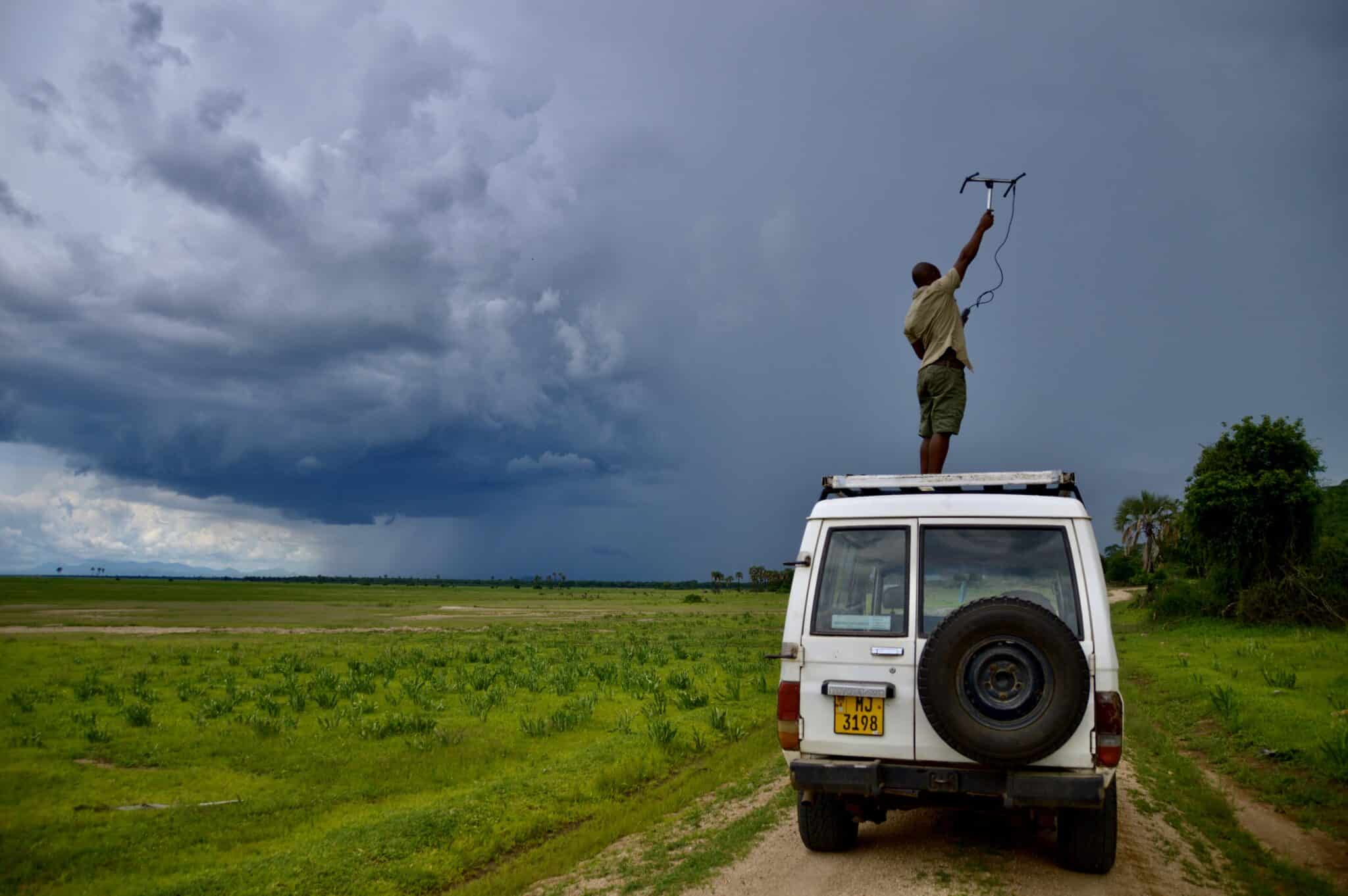


Embark on a wonderful adventure in the heart of Liwonde National Park in Malawi as a wildlife research eco-volunteer. See other wildlife monitoring projects here
The project is taking place in the beautiful Liwonde National Park
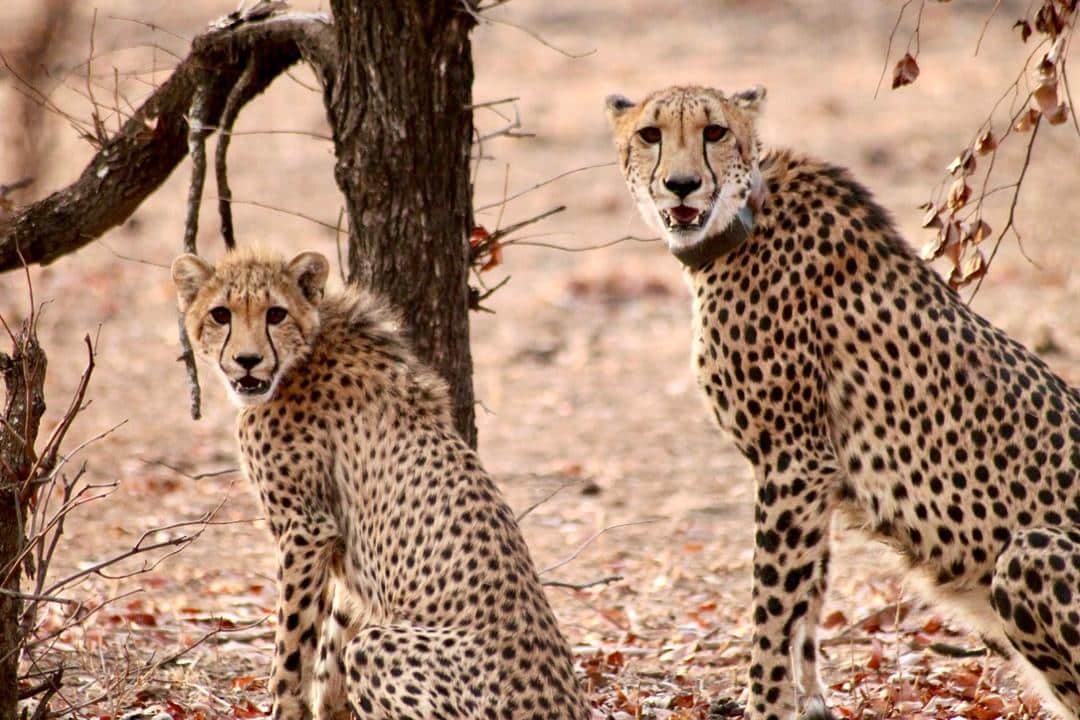
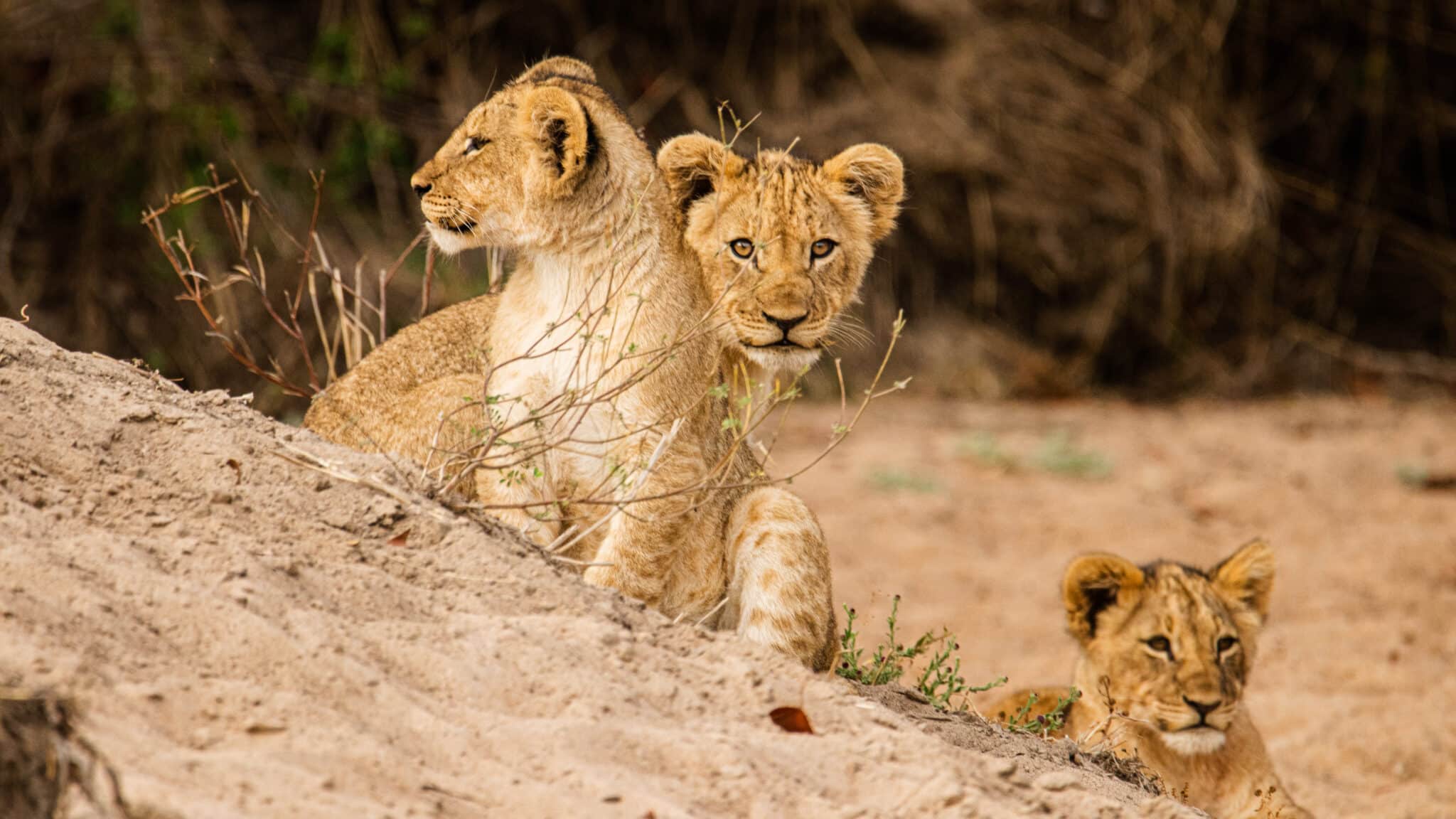
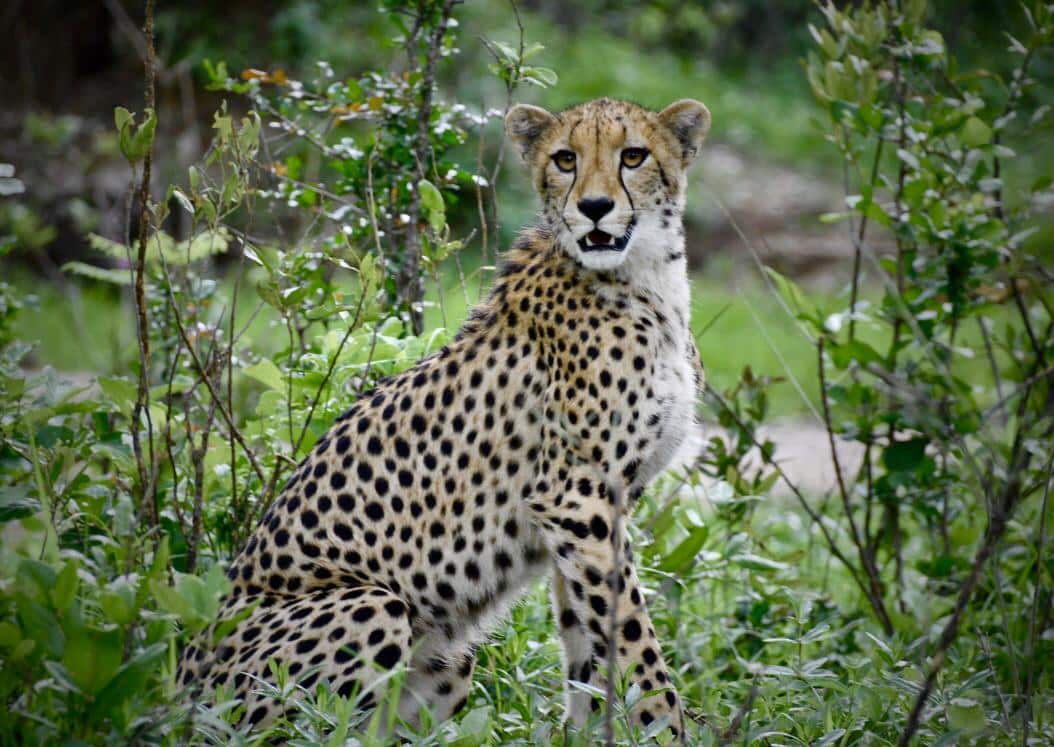
Malawi’s extraordinary flora and fauna face a number of threats that are causing the destruction of biodiversity. Among these threats are deforestation, human-wildlife conflict, and the illegal trade in products such as ivory and bushmeat. Our partner’s research programme focuses on monitoring ‘vulnerable’ species in the magnificent Liwonde National Park. You will work with iconic species such as lions, cheetahs, hyenas and vultures, and you will collect data that will directly inform conservation strategies. Please note that elephants and rhinos are not studied by the programme. You will, however, observe them during your travels
Fieldwork with wildlife
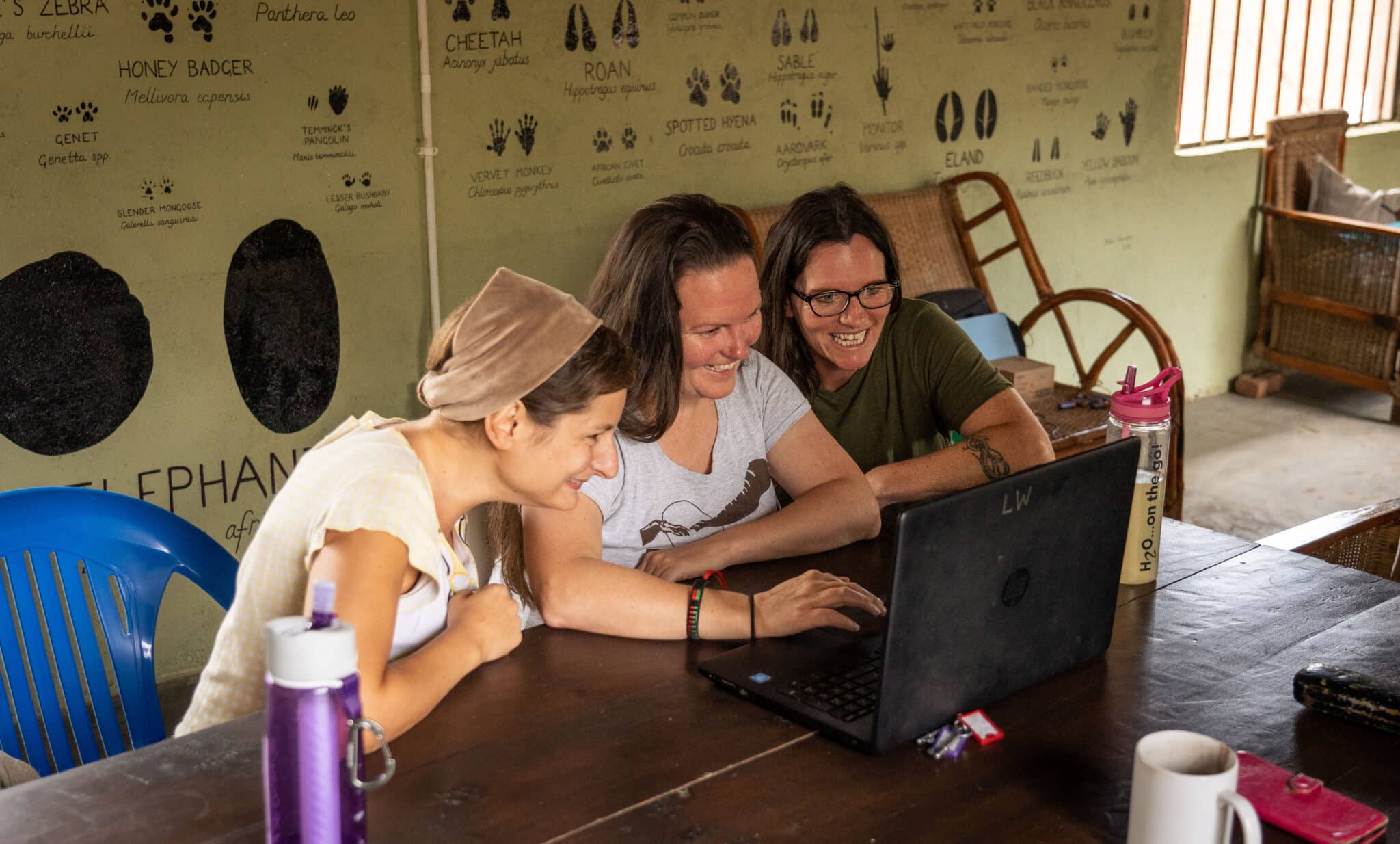
Fieldwork is demanding and involves getting up early, working long hours and having plenty of patience! Activities include radio tracking of target animals, checking camera traps and recording sightings. As part of a small team, you will learn how to carry out VHF radio tracking, identify animals, set up camera traps and record data.
You’ll experience some truly special moments
You will also experience unique moments and gain a deeper understanding of the individual and group behaviour of wild animals. For example, you may witness a new male lion taking control of a pride, watch a cheetah teaching its cubs to hunt, or observe the behaviour of vultures and predators around a carcass.All tracking activities are carried out by vehicle (our partner runs two trips a day, one at 5 am and the other at 3 pm). Tracking animals requires constant movement. This is why the team does not stop the vehicle very often, unless they need to check a camera trap, for example.
Evenings spent listening to the sounds of the bush
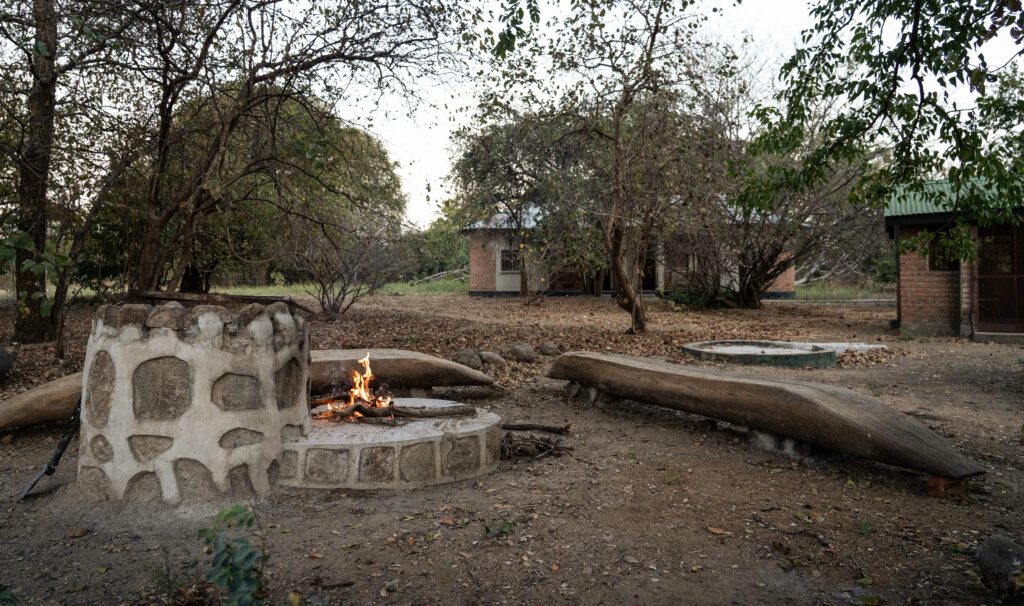
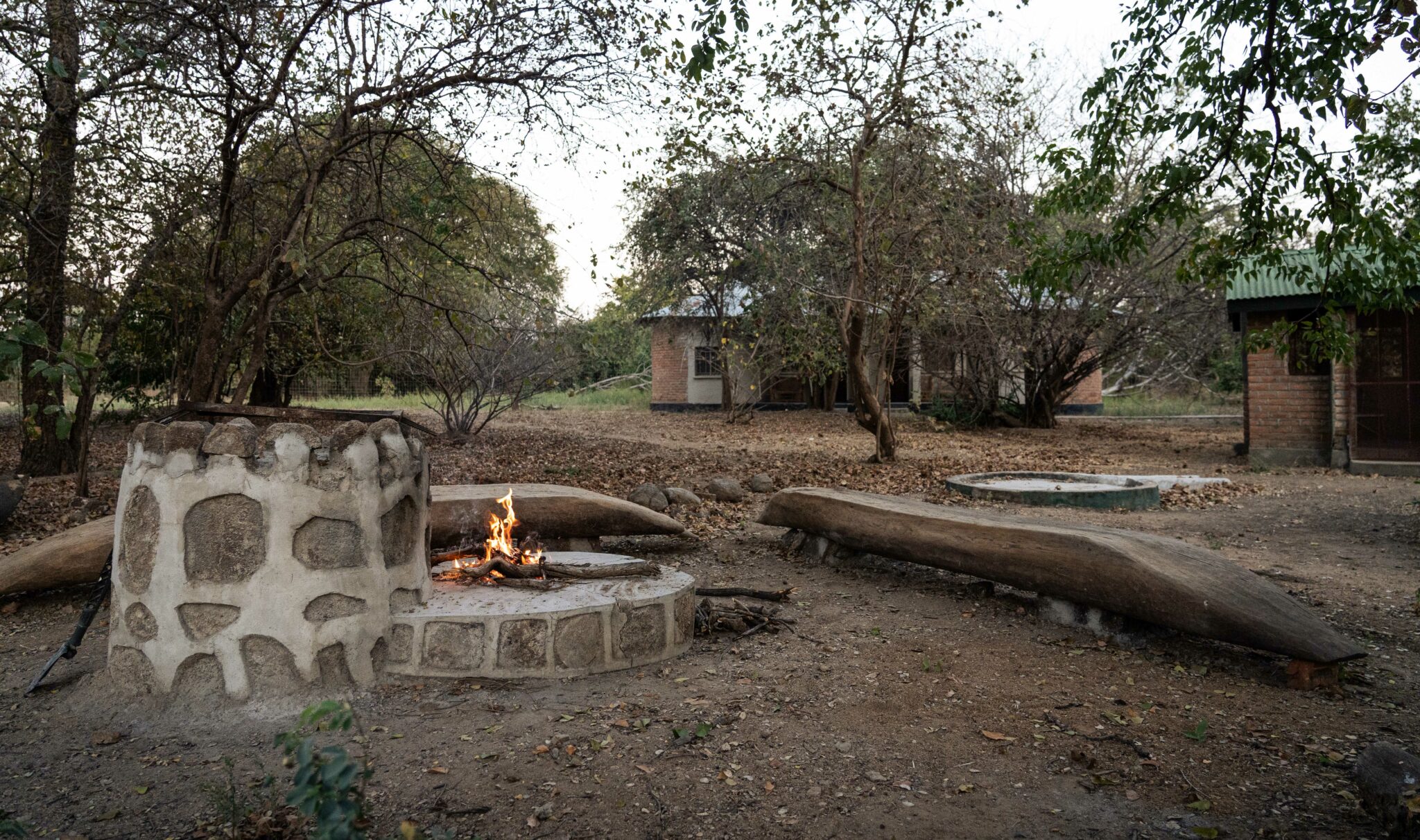
The vehicle will have to travel along very rough and muddy tracks during the rainy season. Fieldwork usually lasts five and a half days a week. Participants will sometimes have downtime between the morning and afternoon monitoring sessions. However, you may spend whole days in the field (less so during the wet season). In the evening, participants chat around the campfire, listening to the sounds of the bush!
Duration:
Between 2 and 12 weeks, all year round. Annual closure between 20 December and 3 January. Please note that during the rainy season (November–April), there will be fewer patrols as the animals are less visible.
Prices
- 2 weeks £1,500, or approximately €1,782
- 3 weeks £1,942, or approximately €2,308
- 4 weeks £2,445, or approximately €2,668
- 5 weeks £2,817, or approximately €3,348
- 6 weeks £3,155, or approximately €3,750
- 7 weeks £3,477, or approximately €4,132
- 8 weeks £3,769, or approximately €4,479
- 9 weeks £4,044, or approximately €4,805
- 10 weeks £4,287 (approximately €5,095)
- 11 weeks £4,527, or approximately €5,380
- 12 weeks £4,744, or approximately €5,638
Included in the price
- Accommodation
- Food, tea, coffee
- Airport transfers and all transport related to the assignment
- Supervision
- Local SIM card and T-shirt
Not included in the price
- Flights
- Visa
- Vaccination and TB screening
- Personal belongings and excursions
- Ages 18 and over
- English: basic level
- Minimum 2 weeks, maximum 12 weeks (may be longer, but this is decided on a case-by-case basis)
- Location: Liwonde National Park
Accommodation
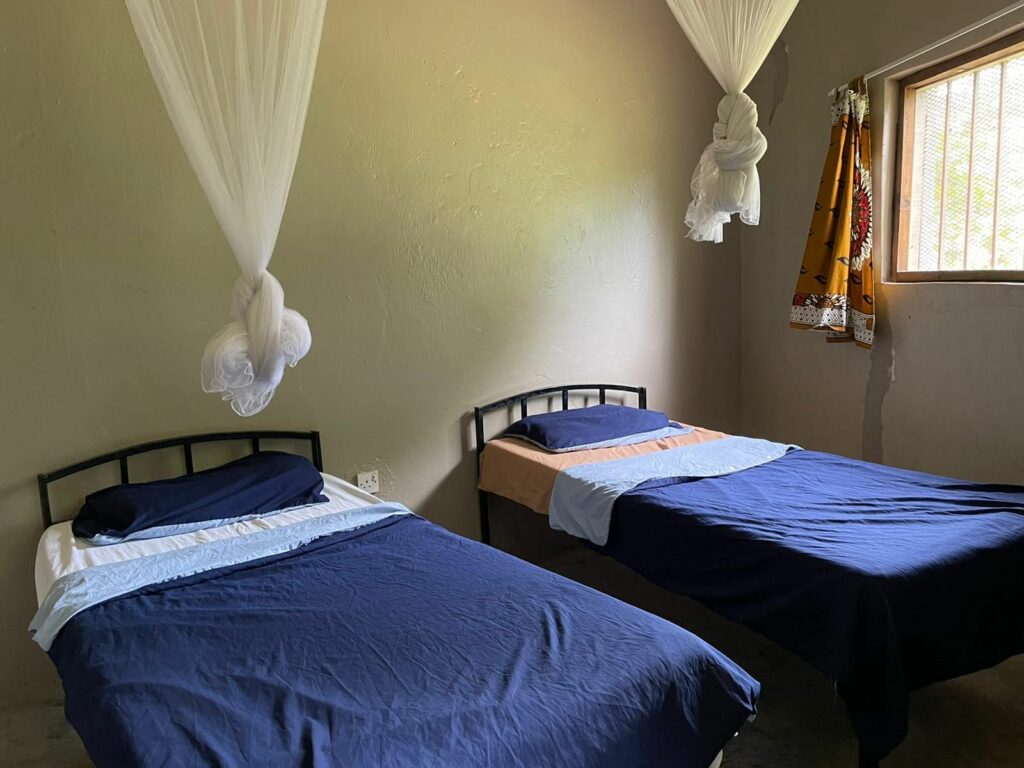
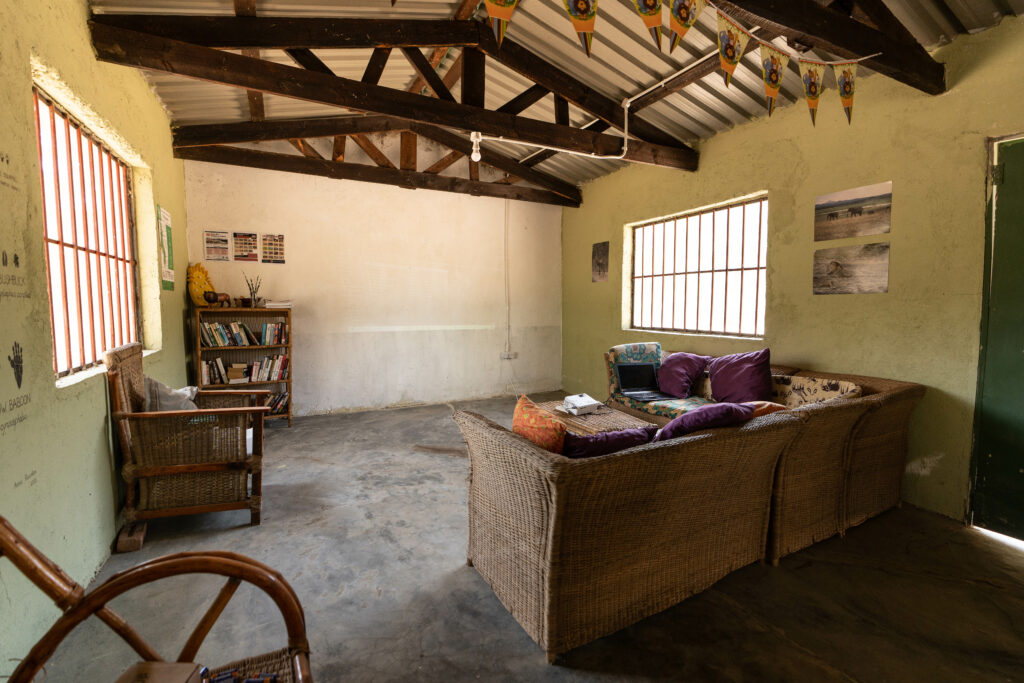
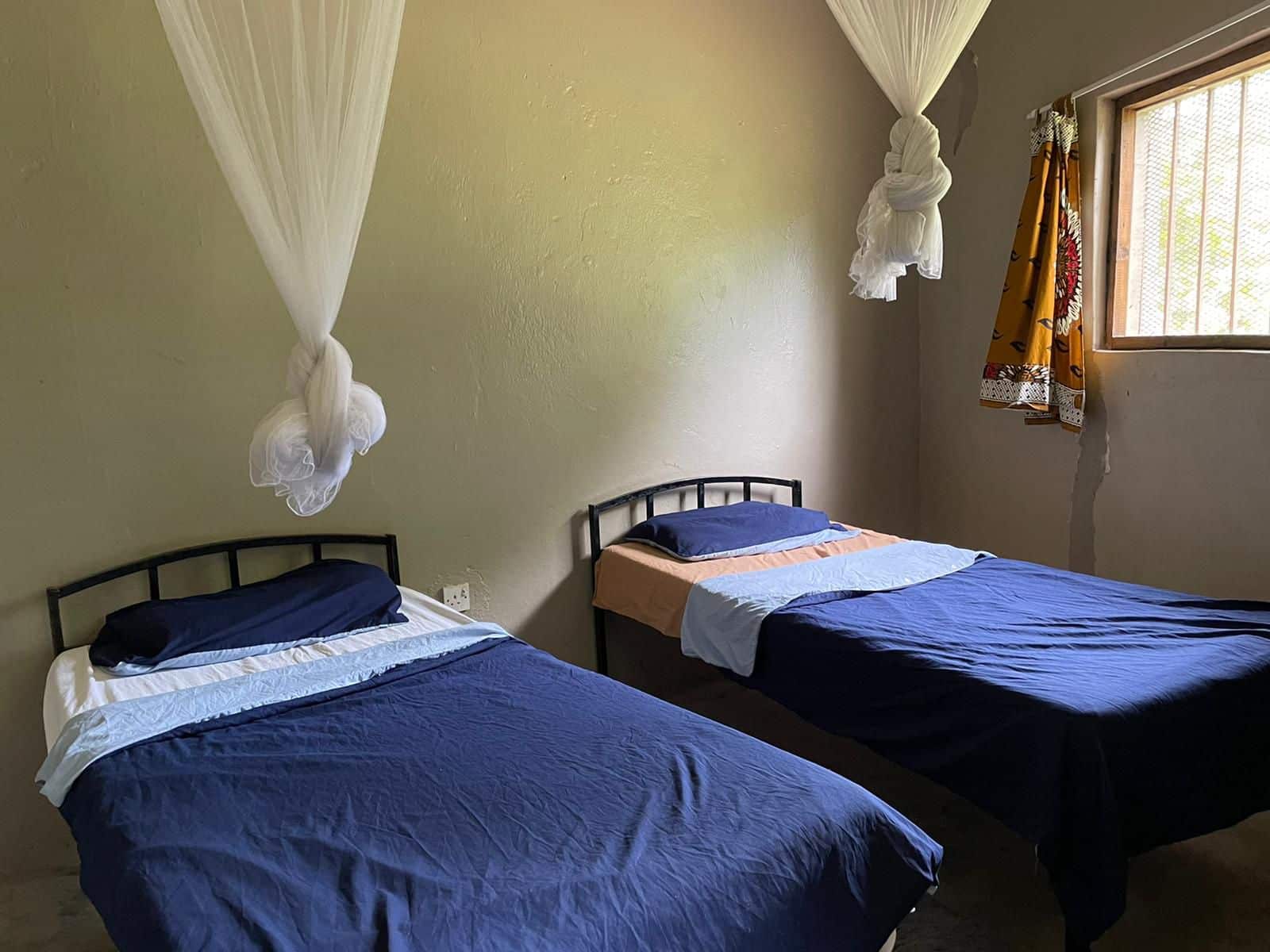
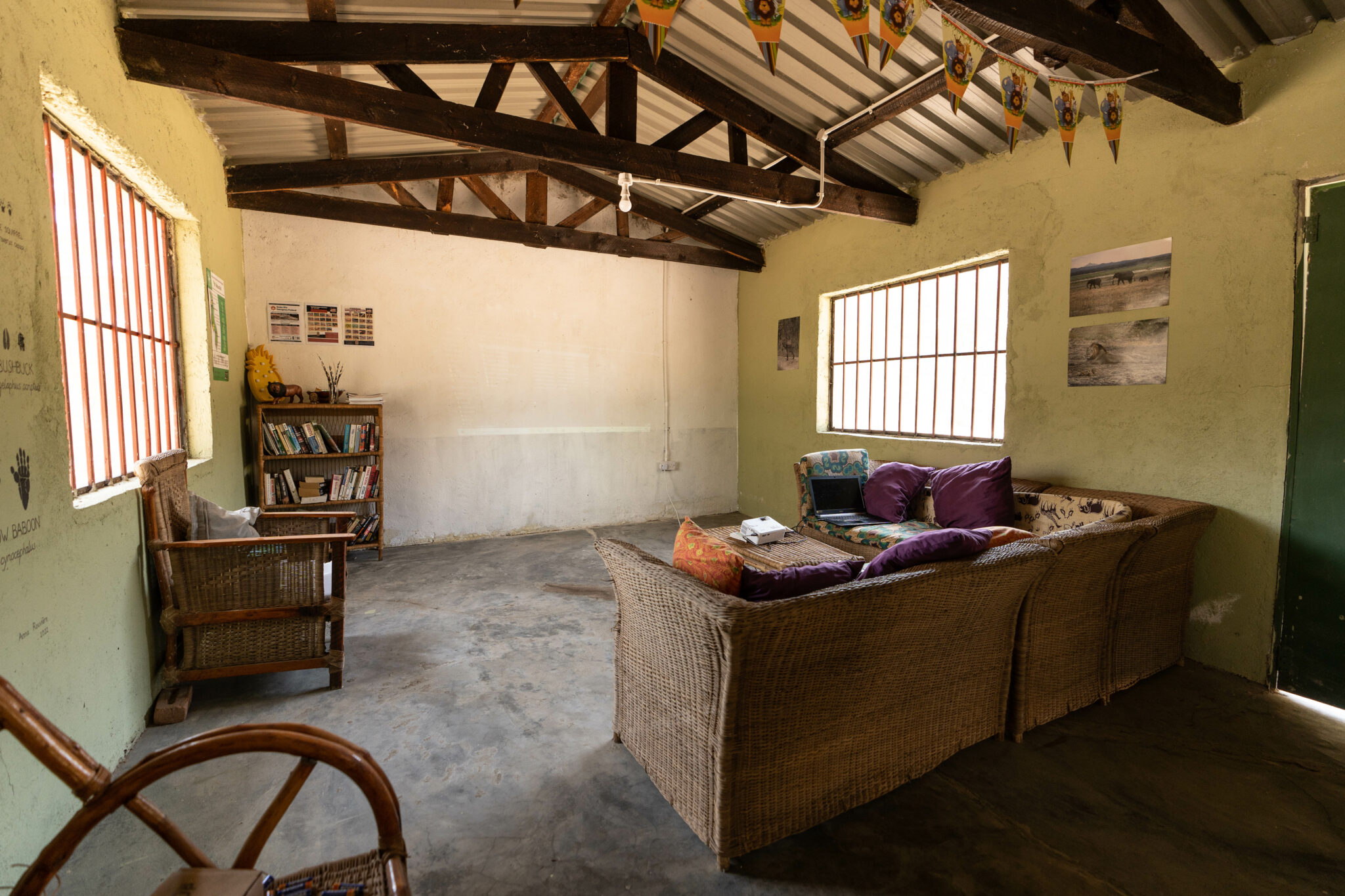
The research camp is a ‘basic bush’ style camp. It is organised around communal living, and participants are accommodated in shared rooms. It can accommodate up to five volunteers at a time. There is a large kitchen and an open-air fire pit. The facilities include flush toilets and hot showers. Electricity at the research camp is intermittent and often supplied by a backup power source, which is why the team recommends limiting the number of devices that need charging. Although there is no WiFi available, there is mobile phone coverage at the camp, and staff will help you get data for your mobile phone so that you can contact your loved ones.
Venue
Liwonde is located in southern Malawi, a four-hour drive from Lilongwe. It is one of the best wildlife viewing sites in Malawi. Liwonde is home to some of the country’s largest populations of elephants and black rhinos. Situated on the famous Shire River, the habitats are varied, ranging from vast floodplains to cathedral-like mopane forests. In recent years, Liwonde has been the site of wildlife translocations and reintroductions. It is one of the main parks in Malawi where carnivores, including cheetahs and lions, can be observed.
Meals
Meals are taken together and the cooking and cleaning are shared by all participants. Please let the team know if you have any special dietary requirements. As the Liwonde site is quite a distance from the city, the variety of food available may be more limited than at the Lilongwe Wildlife Centre.
Arrival
It is best to arrive on a Monday or Tuesday, although arrivals are possible on other days of the week. A member of our team will meet you at the airport.
Fieldwork generally takes place five and a half days a week. Participants will sometimes have free time between the morning and afternoon monitoring sessions, although our work is unpredictable and may involve full days in the field (less so during the rainy season). In the evenings, you can sit around the campfire, listen to the sounds of the bush and discuss the day’s events. Volunteers are entitled to one and a half days off per week, although it is possible to request whole weekends off for travel (within reason)!

About the partner
The partner is one of Malawi’s leading conservation organisations. It was established in 2008. The NGO manages Malawi’s only wildlife sanctuary and runs a range of other programmes focusing on wildlife rescue and welfare, biodiversity research, conservation justice, environmental education and campaigning.