Français
 English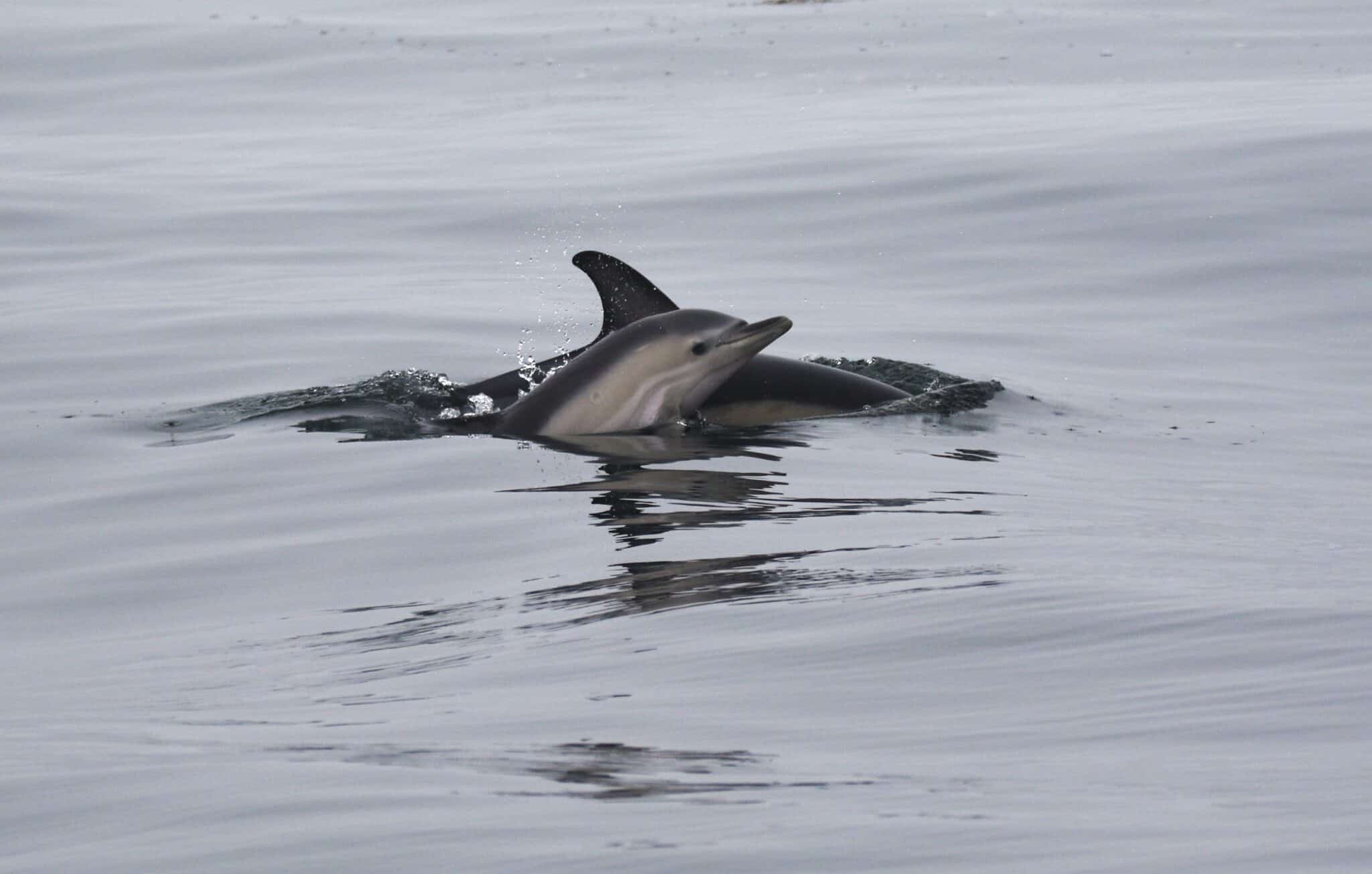
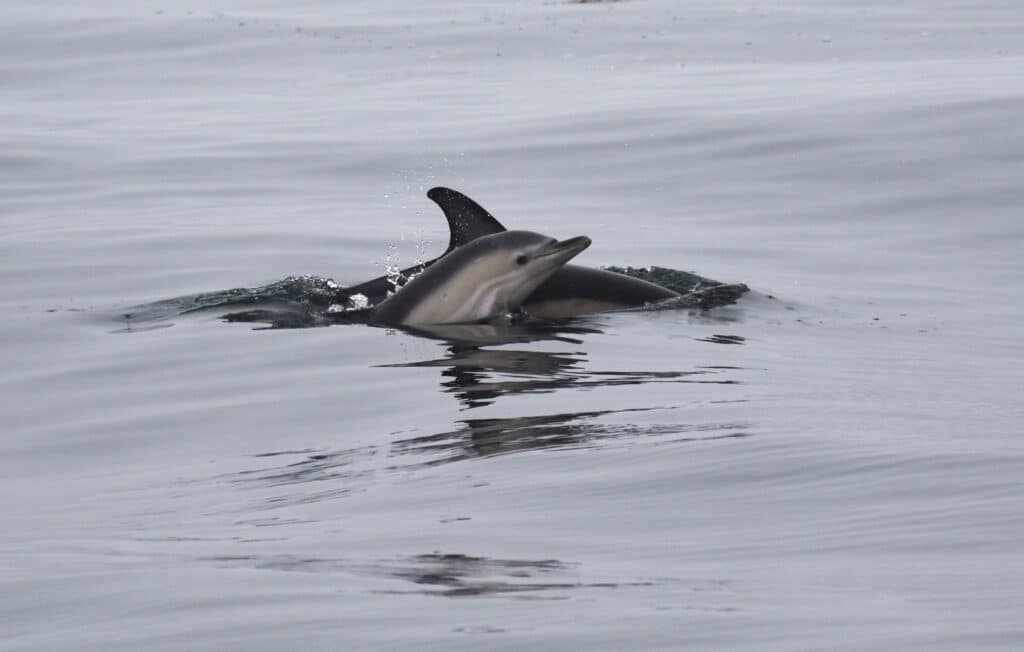
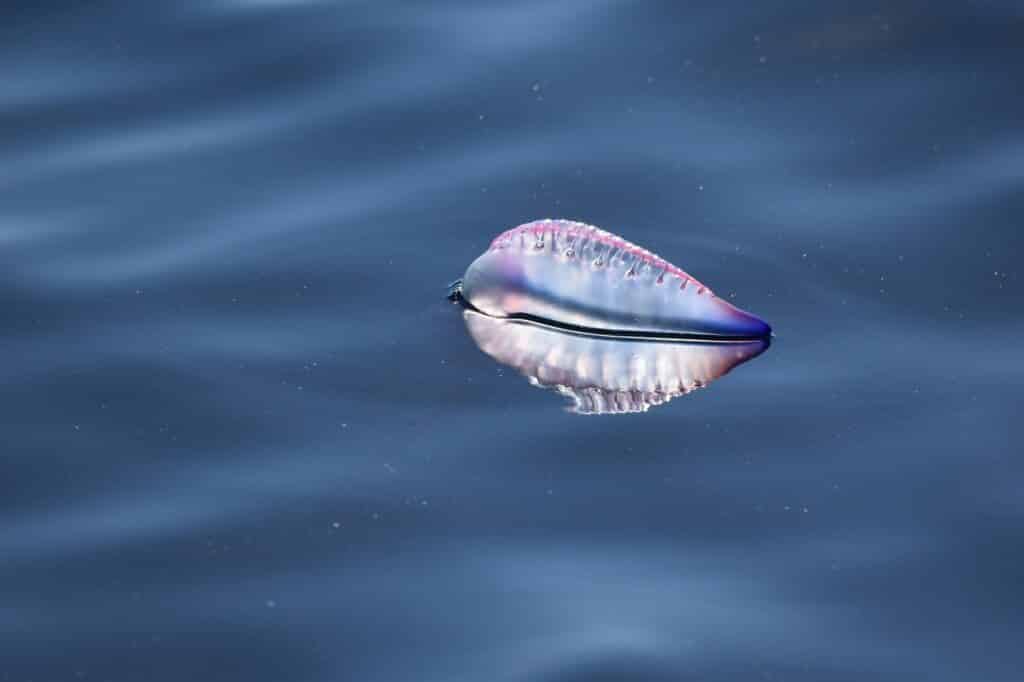
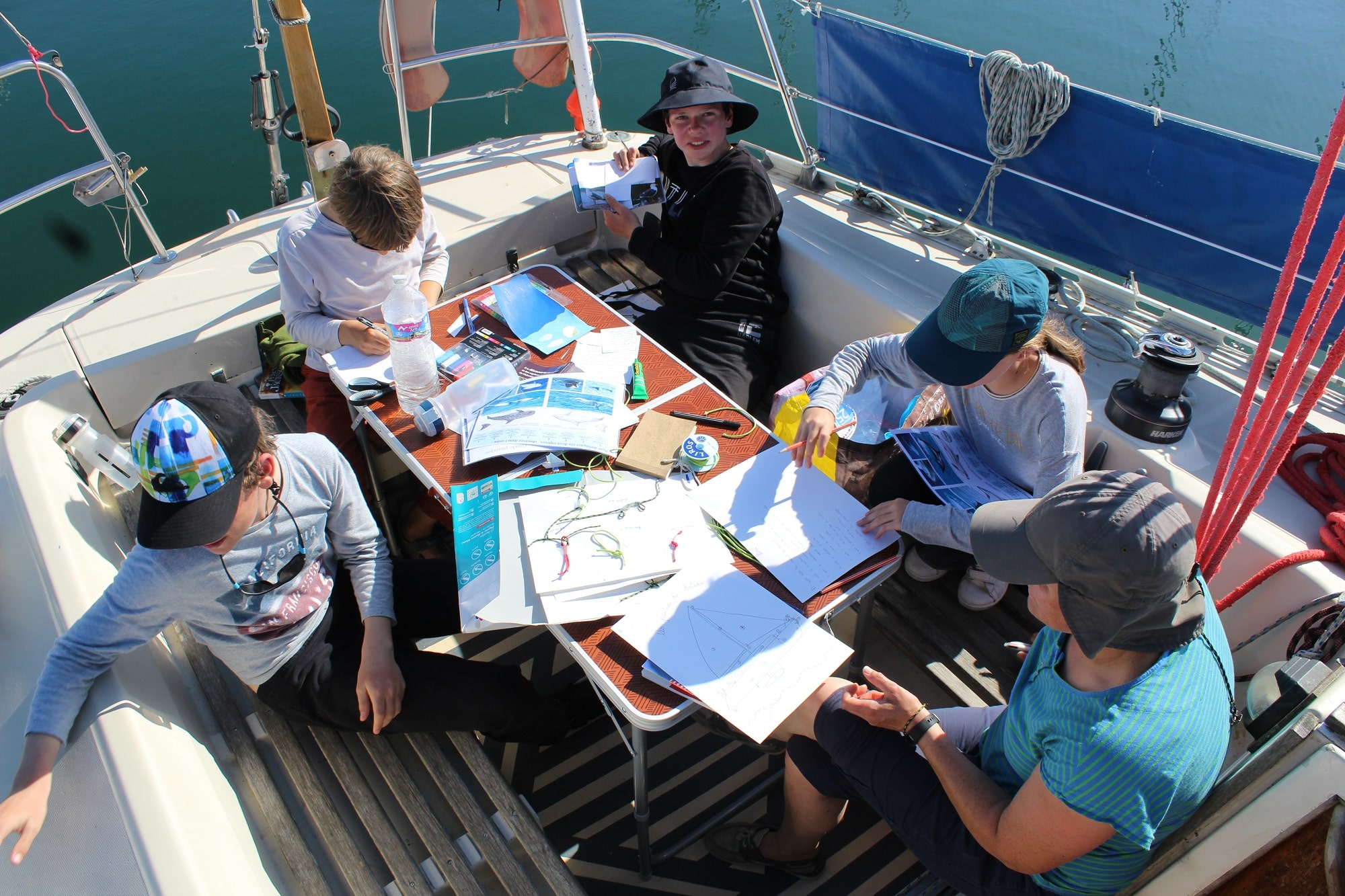
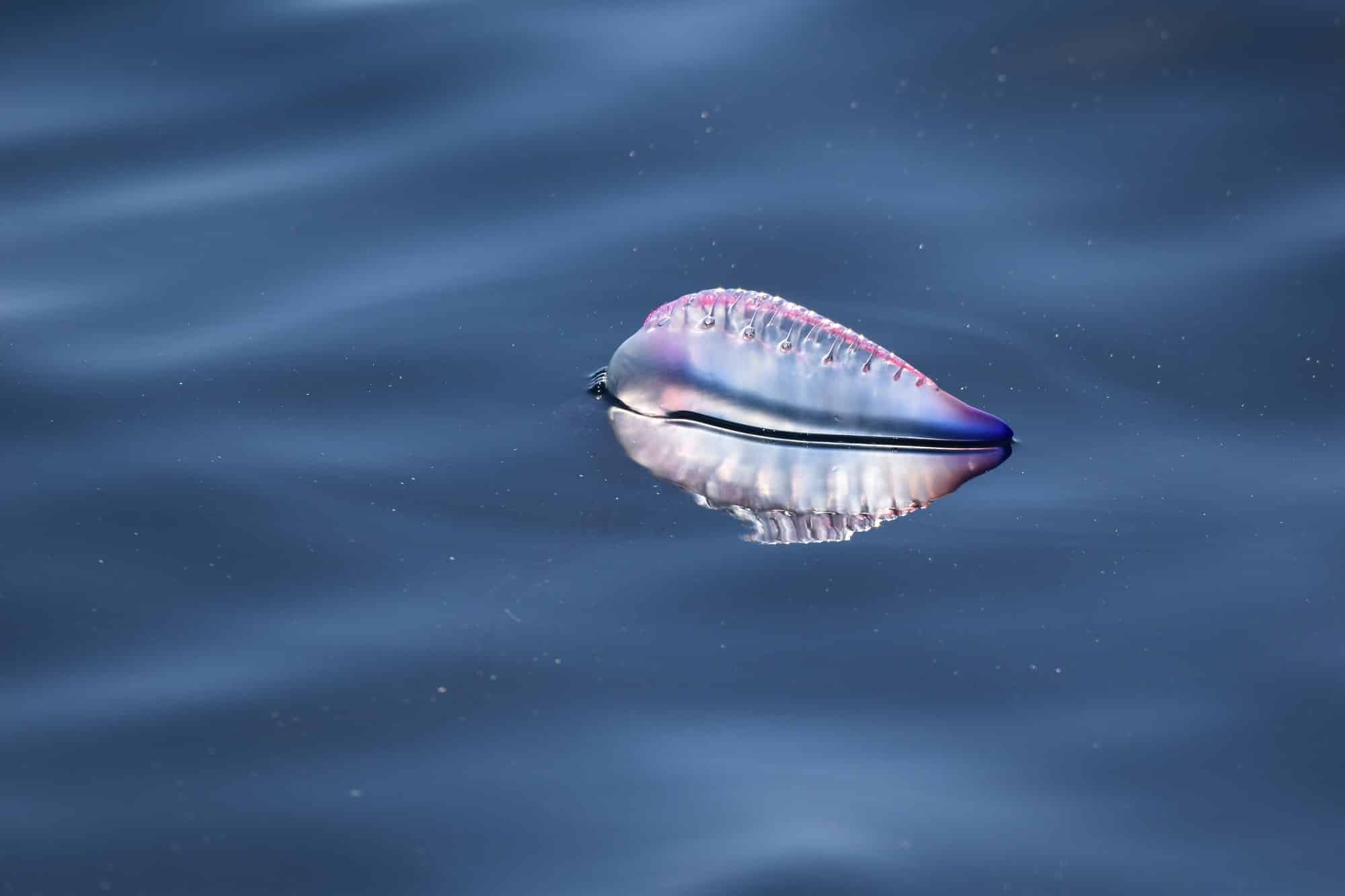
This summer (2026), our partner is organising boat trips between Granville and Île d’Yeu. On the programme: monitoring cetacean populations, studying jellyfish, and collecting plankton and microplastics using a Manta net. See all cetacean missions here.
Research into and conservation of bottlenose dolphins
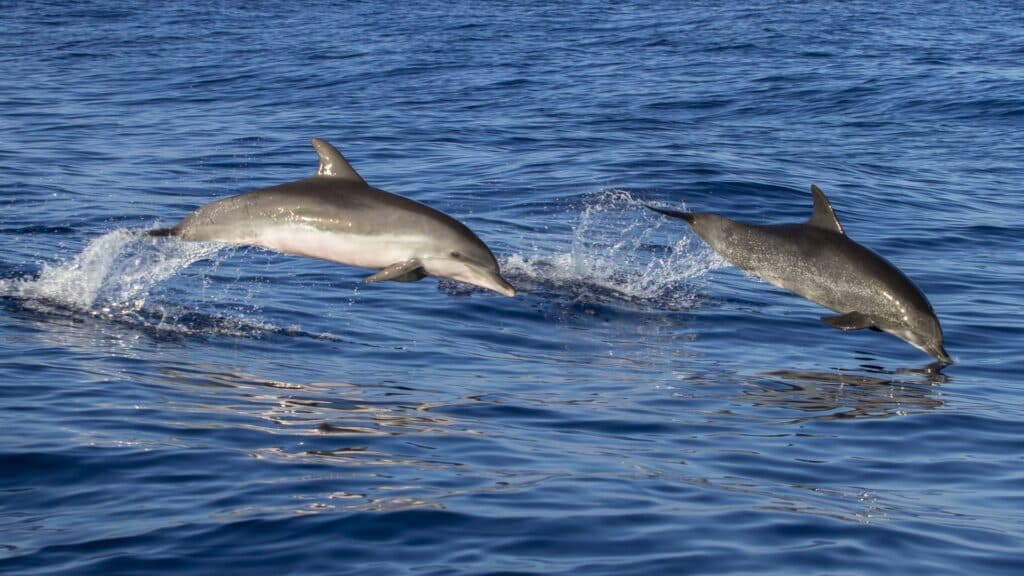
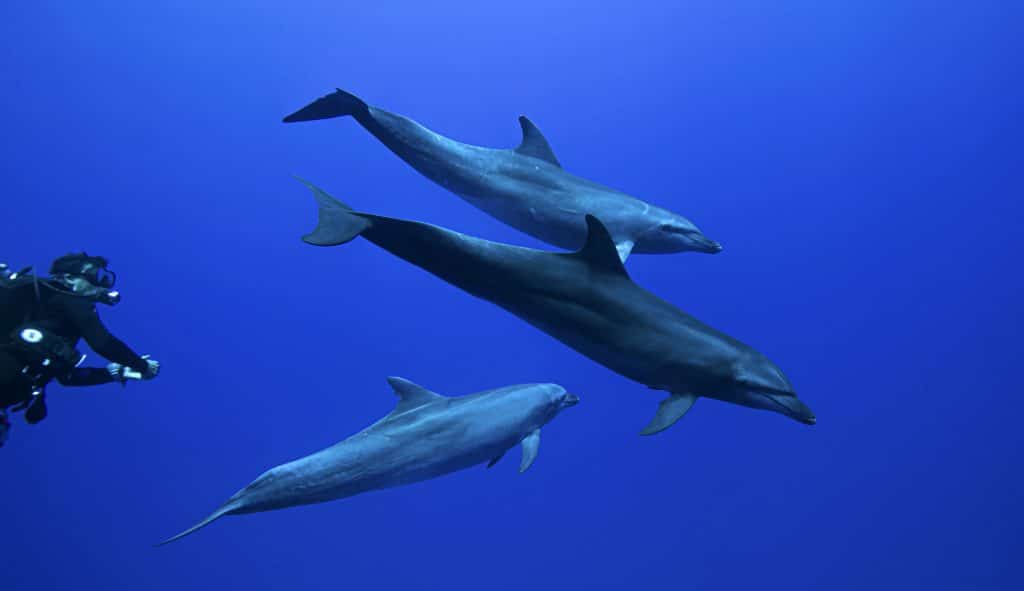
The aim of the scientific project is to study the bottlenose dolphin populations found in French mainland waters: the Molène archipelago, the Sein archipelago, Chausey Island, Jersey and Guernsey. The presence of bottlenose dolphins is a good indicator of the health of the ocean. Analysing their movements and characteristics provides scientists with information about the marine ecosystem. However, in recent years, groups of dolphins have become scattered.
Jellyfish, plankton and microplastics
The scientific sailing expeditions will enable researchers to monitor dolphins as well as jellyfish. Surveys of plankton and microplastics are also on the agenda. The study and protection of cetaceans require accurate population monitoring and an analysis of their social interactions.
Are there any leaders? Is there a group hierarchy? Are there any solitary individuals? Do the groups remain the same size? These are all questions that need to be answered. The data collected during the field trips will contribute to the national monitoring of this megafauna. Microplastic analysis is carried out in partnership with OceanEye, whose laboratory is responsible for analysing the samples collected.
A study of dolphins
Three sailing trips are planned for the 2026 season.
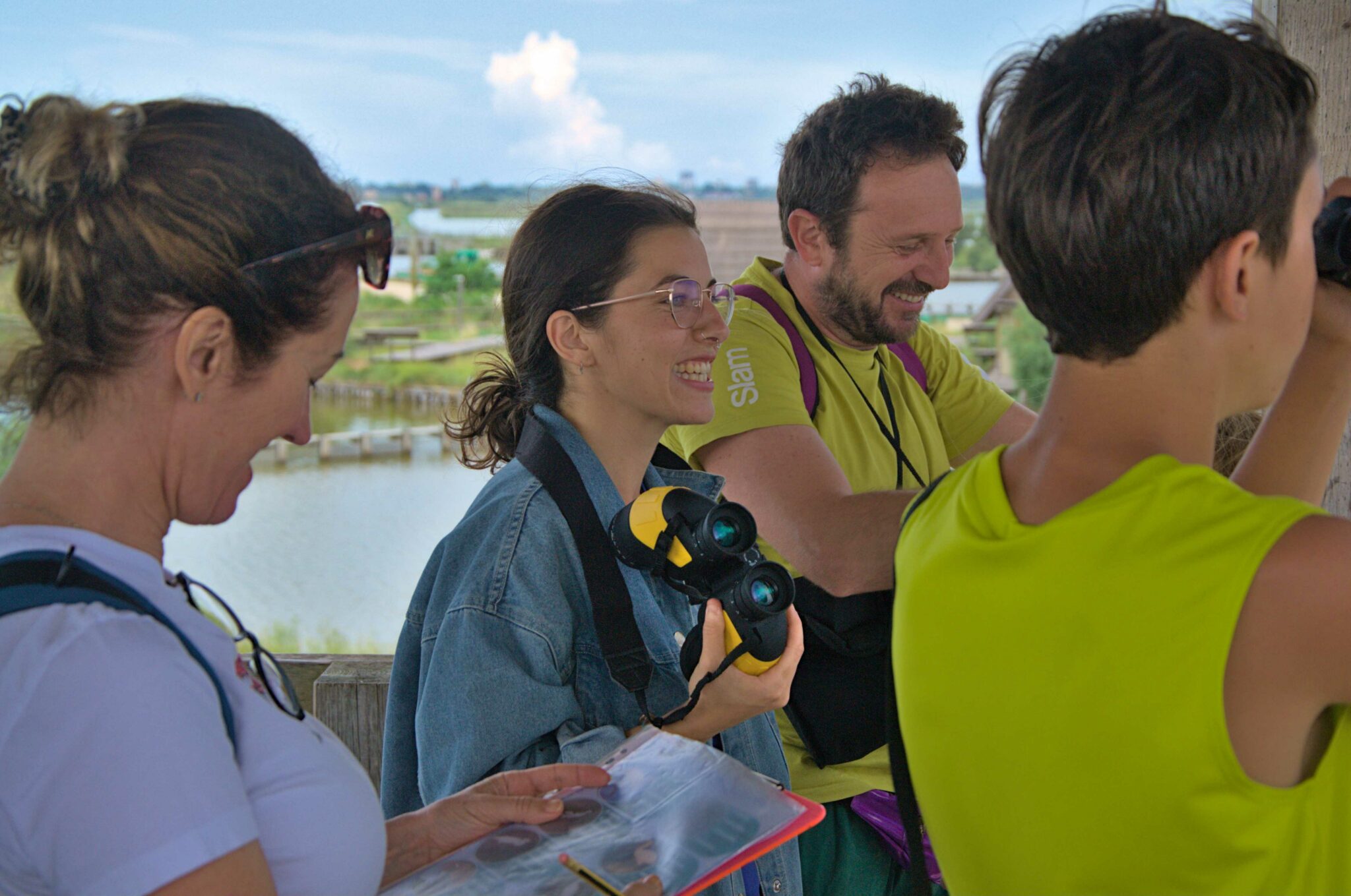
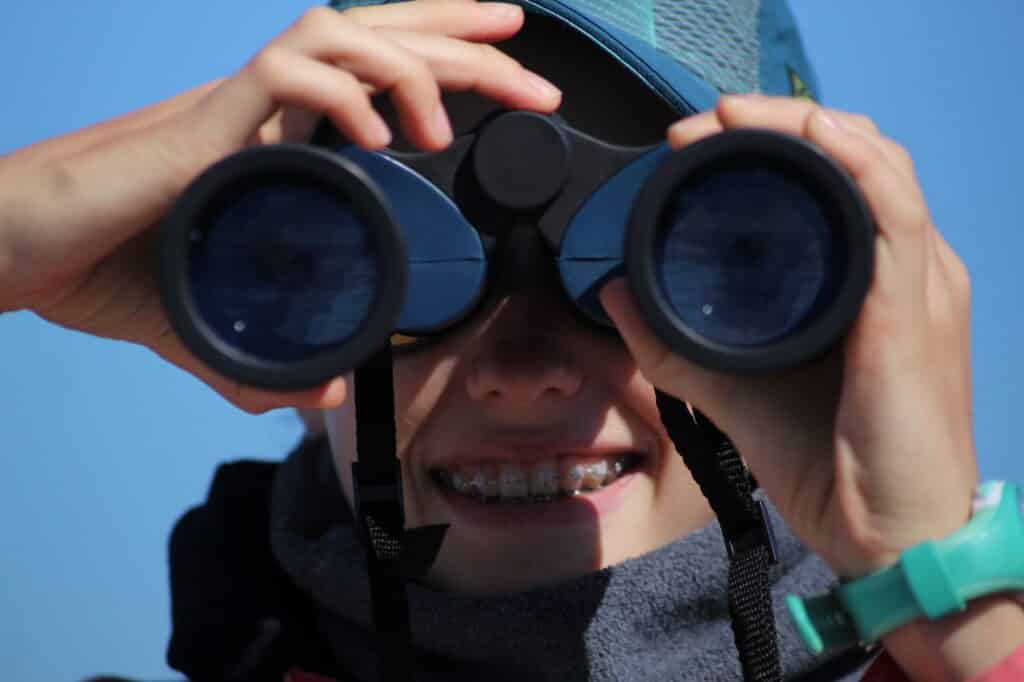
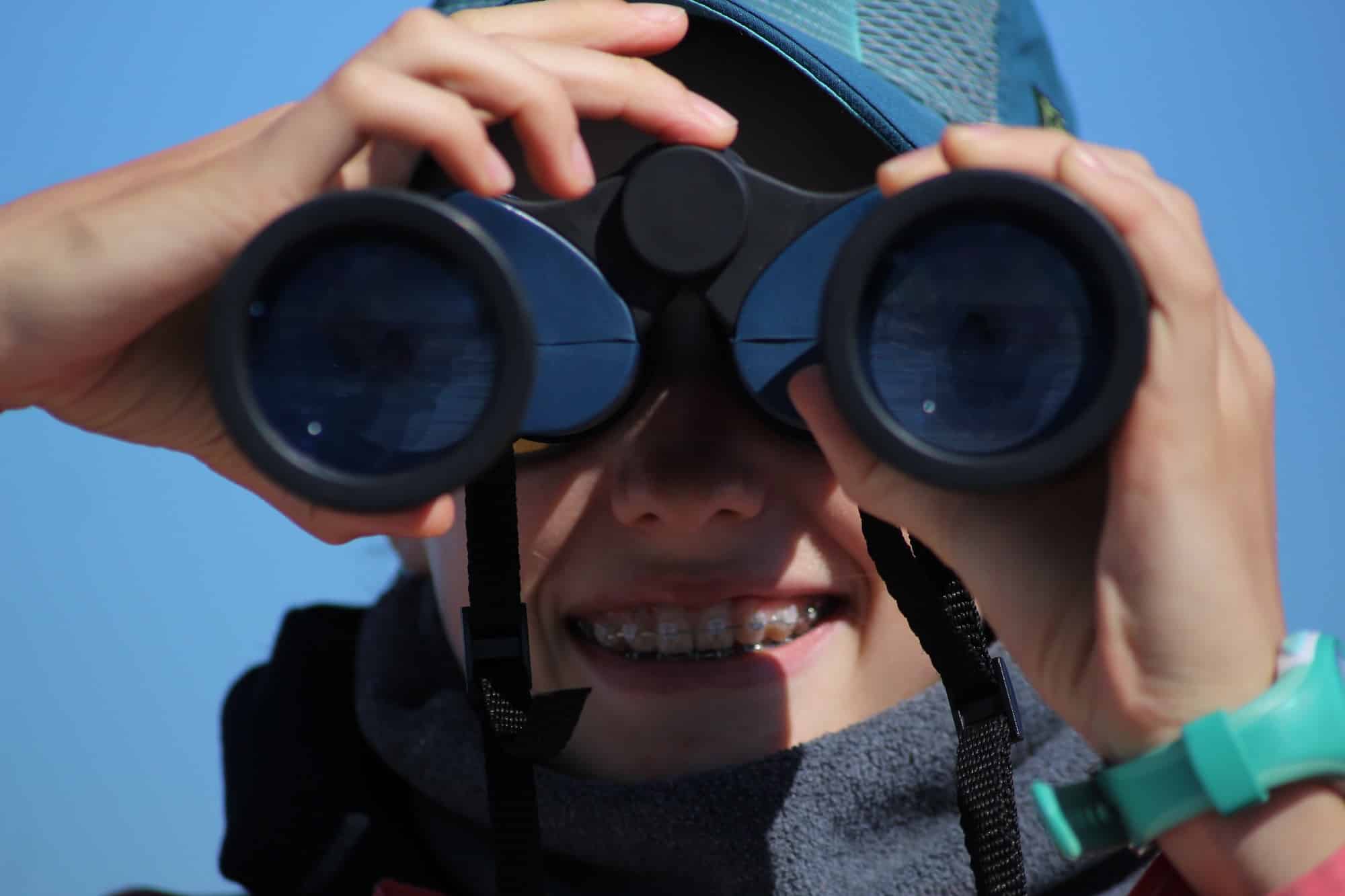
You will observe the cetaceans from the sailboat. When you spot a pod of dolphins, the boat will approach whilst maintaining a sufficient distance to allow you to observe their behaviour without disturbing them. Cetacean watching is done with the naked eye, using binoculars and a compass.
The technique of photo identification
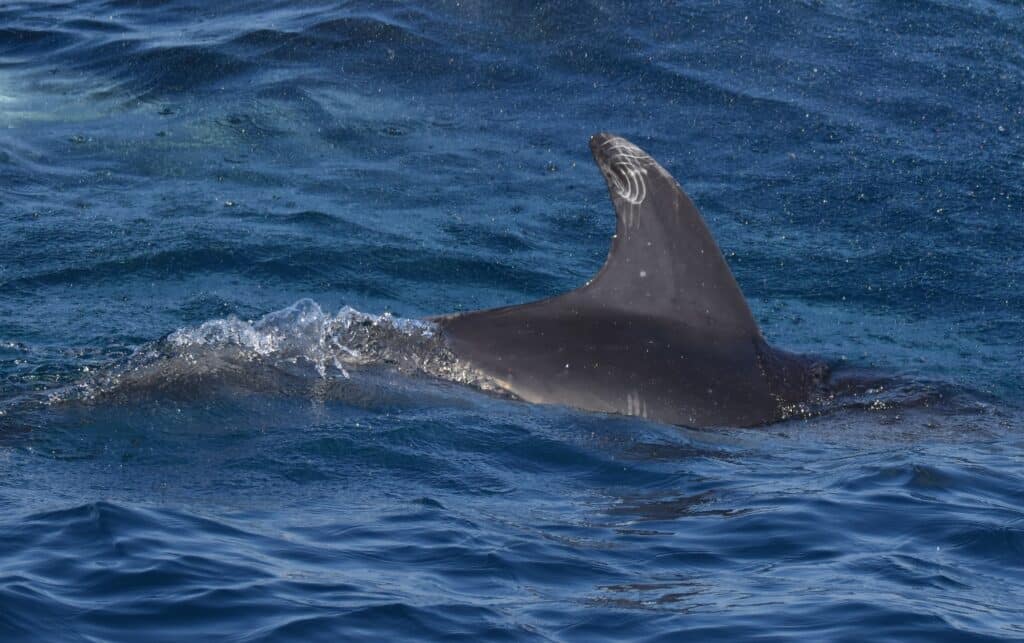
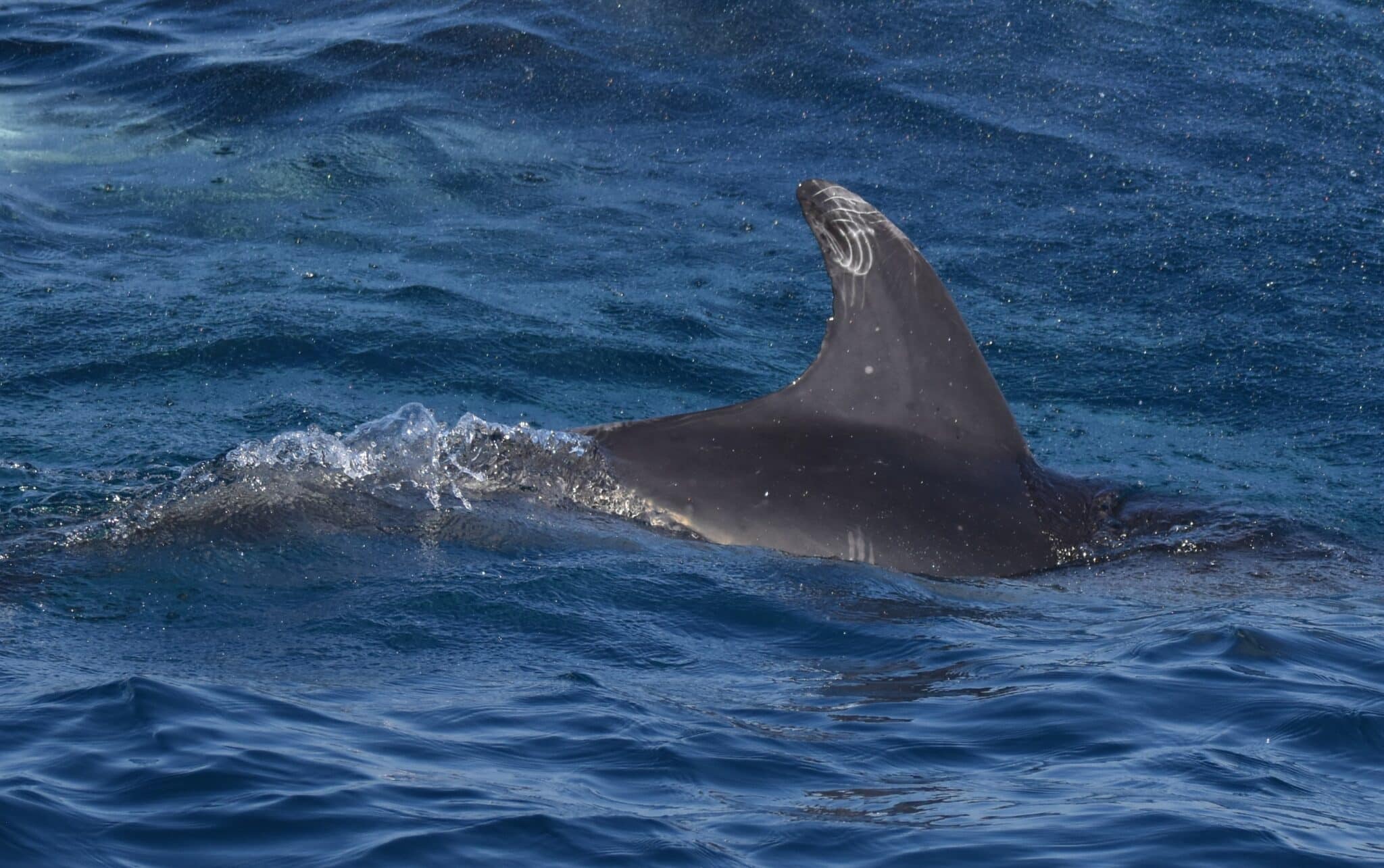
The method used to study cetaceans is photo-identification. You will therefore take photos of their dorsal fins to identify them individually. For bottlenose dolphins, the dorsal fin is unique, much like our fingerprints. Identification sheets will be provided. The photos of the dorsal fins will then be entered into a database. This database allows researchers to know when and where each individual has been sighted.
Involvement in navigation
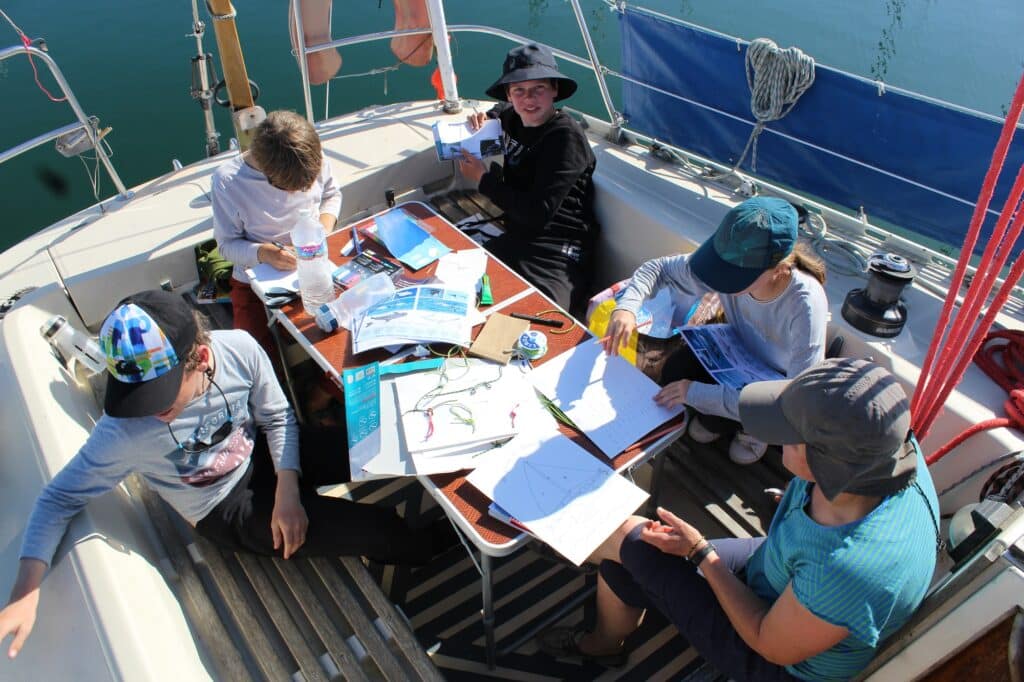
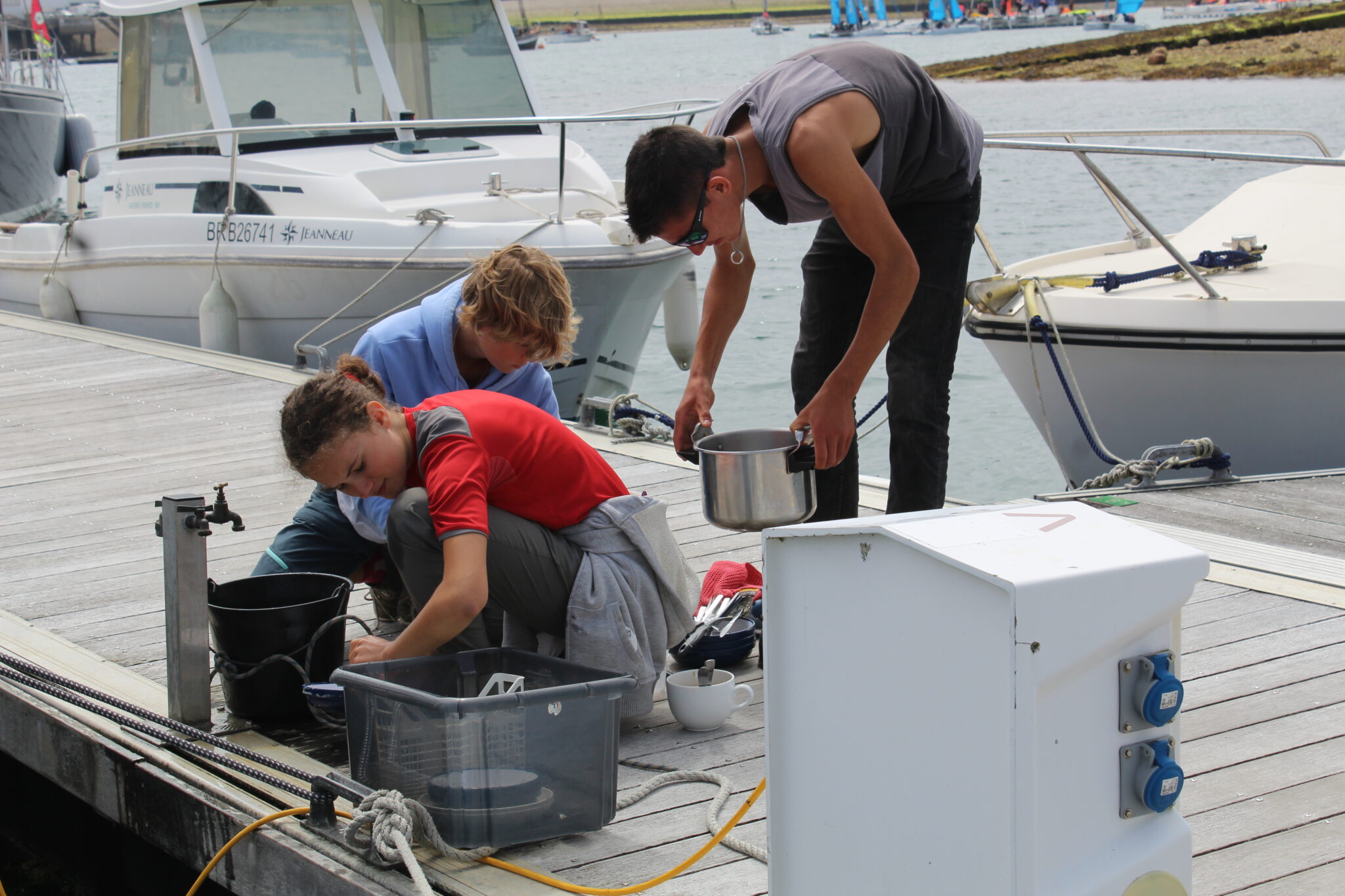
You will regularly set a plankton net and, once the sample has been collected, examine a few drops of water using a binocular magnifying glass. Outside of these specific observation periods, you will learn how the sailing boat operates by gaining an introduction to manoeuvres and marine cartography. Mapping tools, both paper and electronic, are essential for locating cetacean sightings. You will take part in the various tasks of life on board: cooking, rest, plankton sampling, weather monitoring, and so on.
During this citizen science trip, you will learn
- Photo ID
- Non-intrusive wildlife observation techniques
- How the sailing boat works, as well as navigation and life on board.
Price: From €2,475.20 / €816 after tax relief *
Session 1: 2–9 August 2026 (ages 12–17)
Session 2: 9–16 August 2025 (aged 16 and over)
Session 3: 16–23 August 2026 (ages 12–17)
Tax Deduction *
The partner NGO is recognized for the high-quality, meaningful, educational, and solidarity-based nature of its programs and training courses dedicated to achieving the Sustainable Development Goals.
The NGO operates on a donation-action principle: a person makes a donation and takes part in one of the NGO’s activities. Please note that the donor and the participant may be two different people.
As such, the cost of the training course or scientific expedition may be tax-deductible up to 66% in France, in accordance with current French tax regulations.
- Participants must be able to swim. A certificate of swimming proficiency must be provided at the time of registration.
- French-speaking mission
- Ages 12 and over
- No scientific knowledge is required
- You will learn to identify the different species of cetaceans and marine mammals.
- You will practise identification photography.
- You will observe the dolphins’ behaviour in a non-intrusive manner.
- You will learn how to observe wildlife whilst minimising disruption to their way of life and physiological needs.
- You’re in for a wonderful sailing adventure in a stunning setting!
- You will be involved in the navigation as well as life on board.
The venue
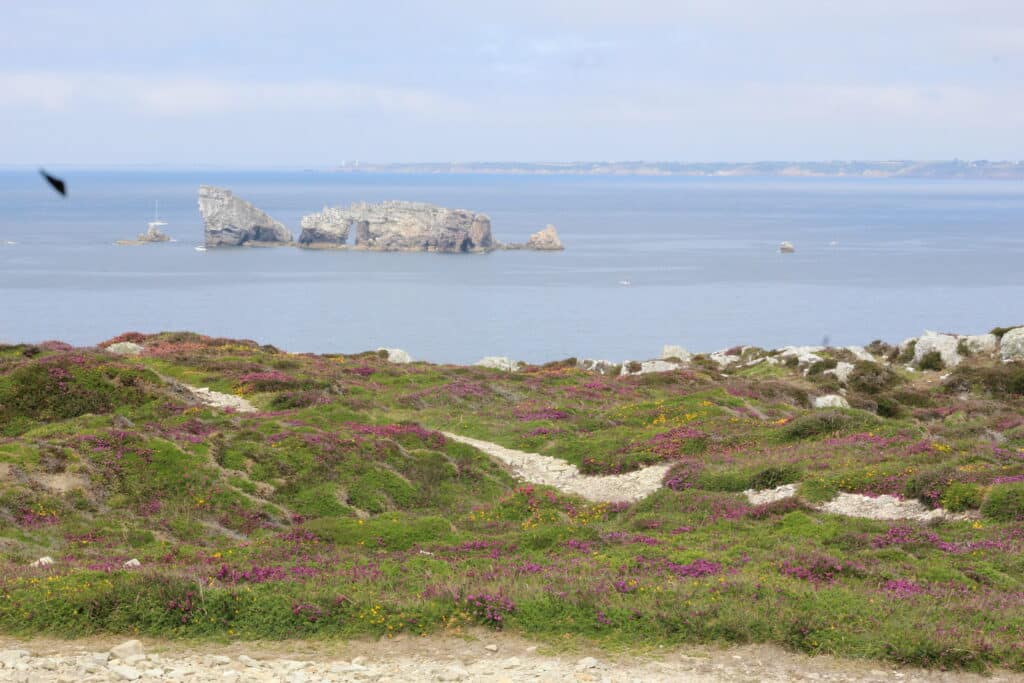
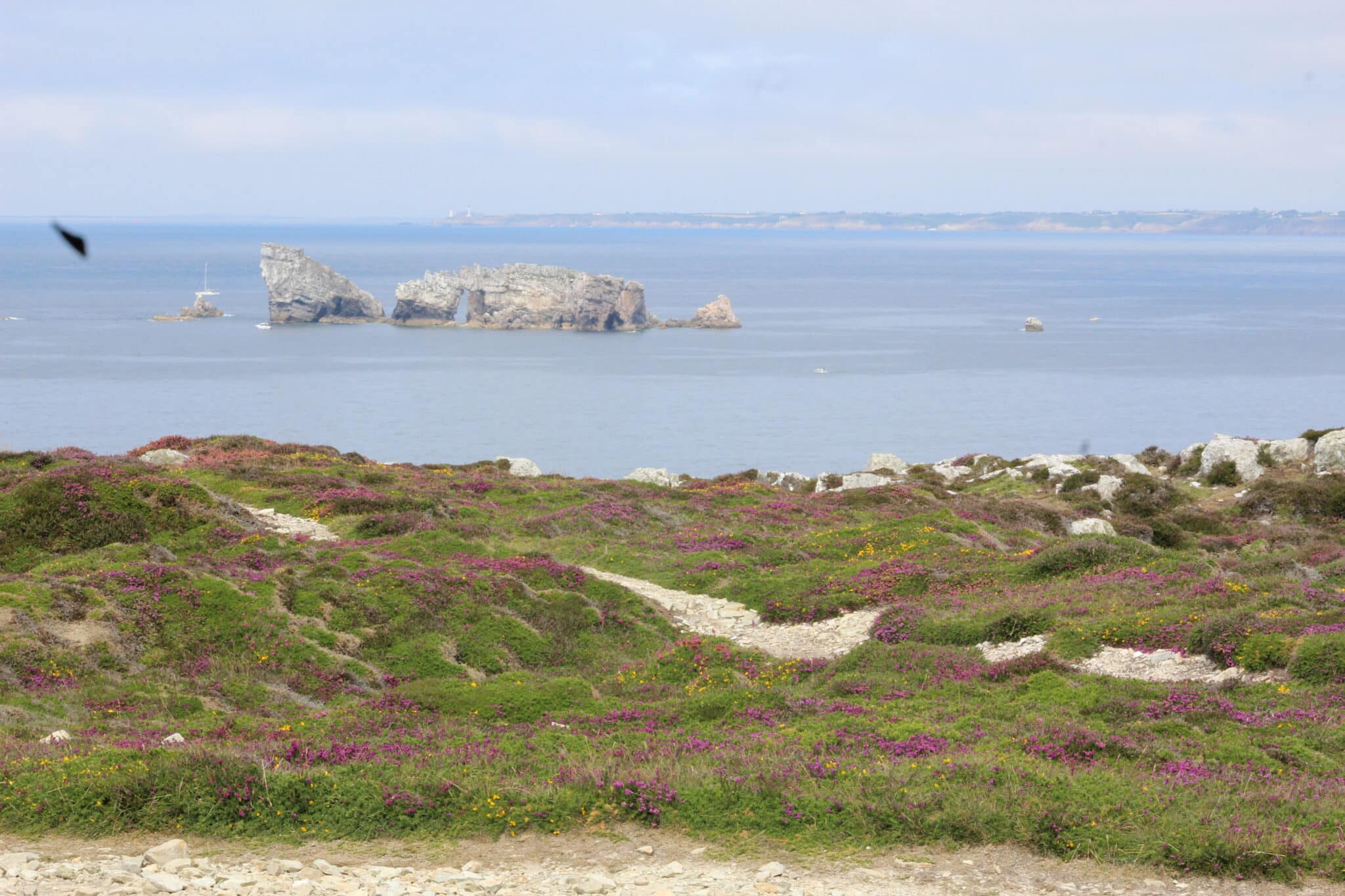
You will sail through the Normandy-Brittany Gulf:
nestled between sea and land, and straddling Brittany, Lower Normandy and the Channel Islands, the Normandy-Brittany Gulf is home to a remarkable natural and cultural maritime heritage! These archipelagos are home to the largest population of bottlenose dolphins [Tursiops truncatus] in mainland France. Well sheltered from the prevailing swell by the Channel Islands, the numerous islets and archipelagos (Chausey, Minquiers, Écréhoux) form a maritime area open to challenging yet thrilling navigation. The Normandy-Breton Gulf is, on a global scale, one of the systems subject to the strongest tidal regimes.
Accommodation
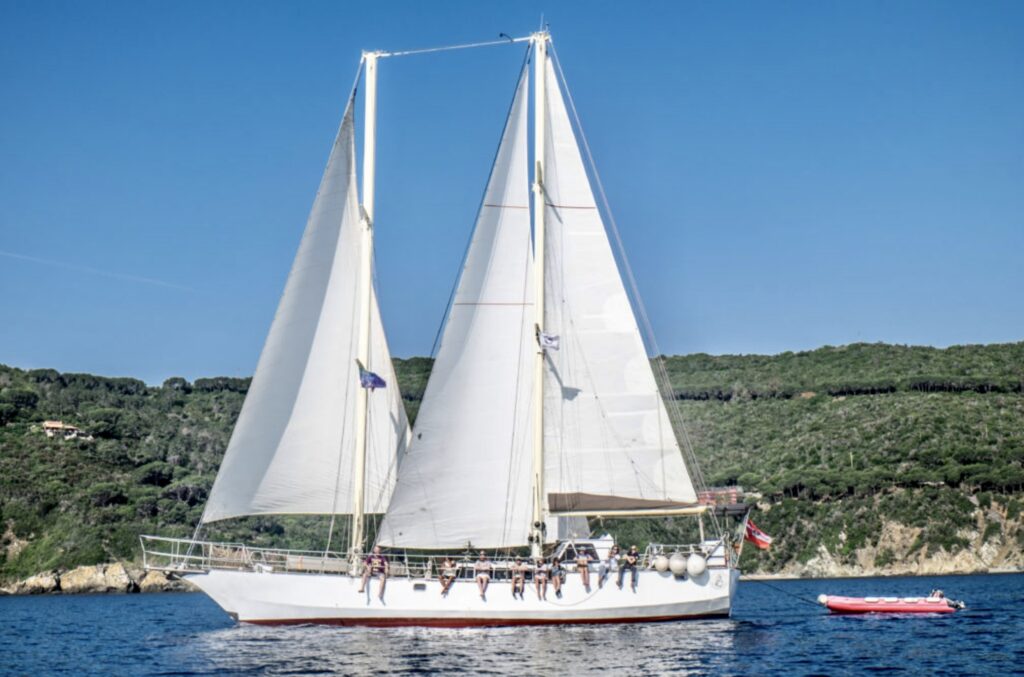
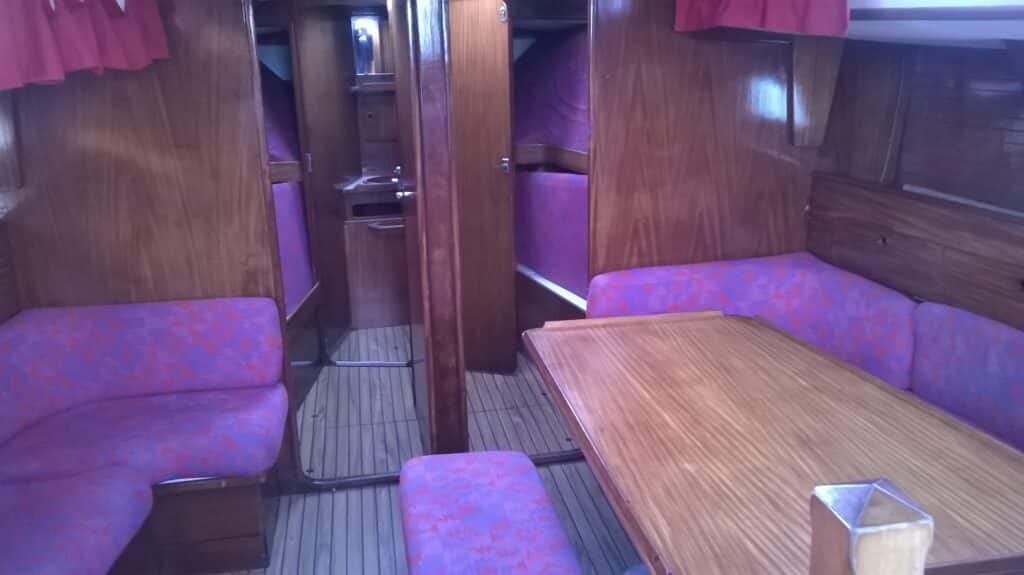
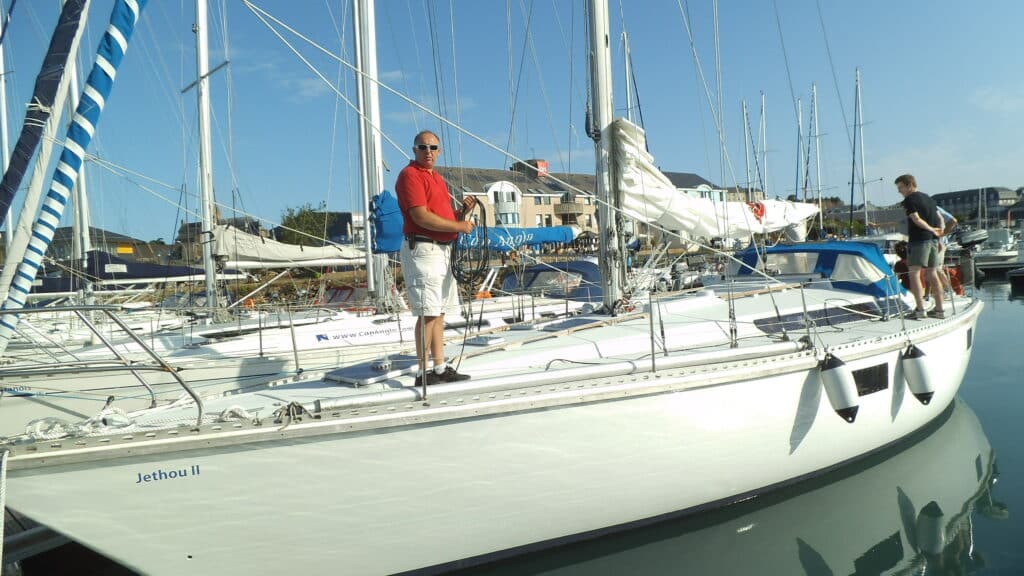
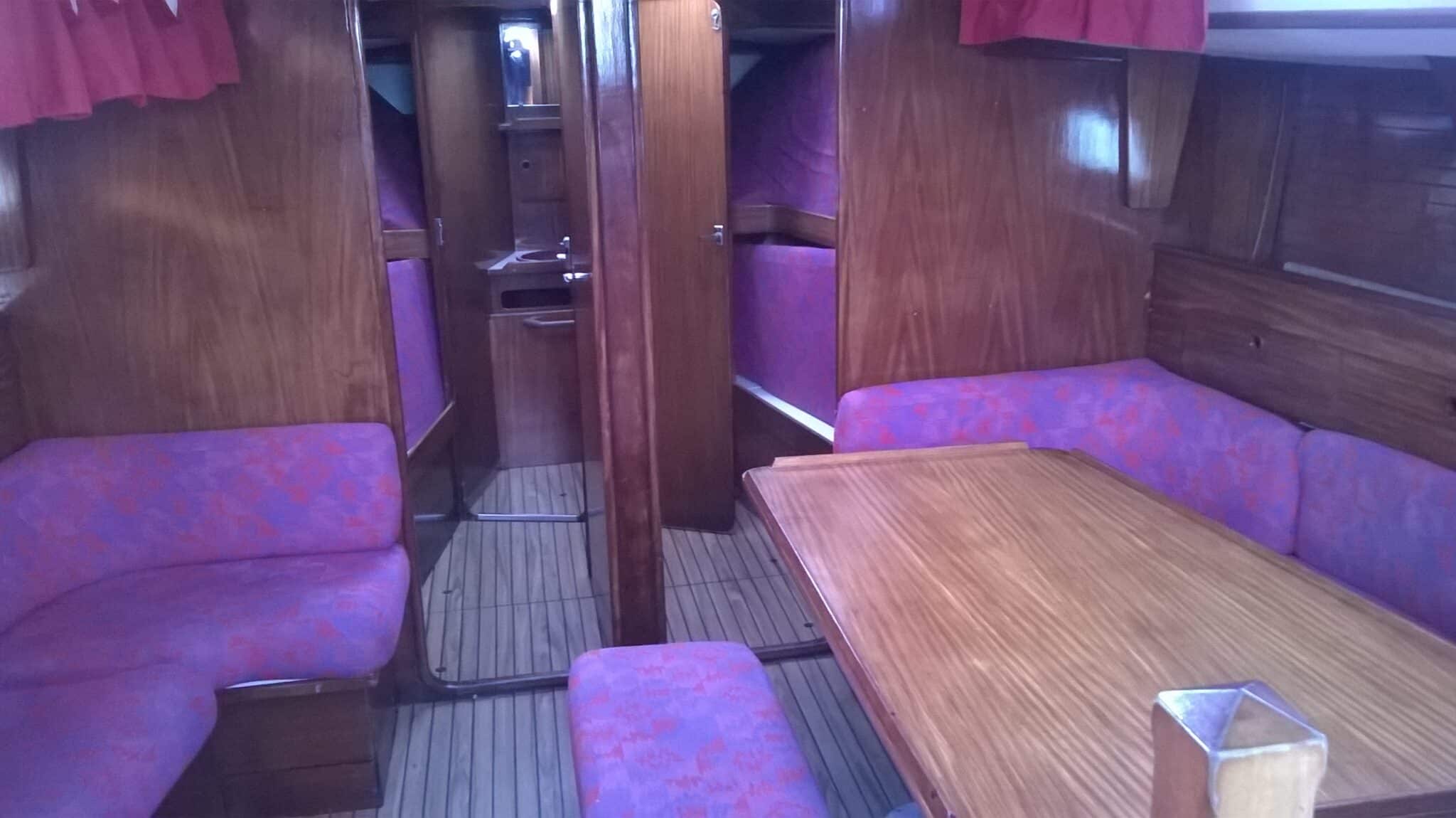
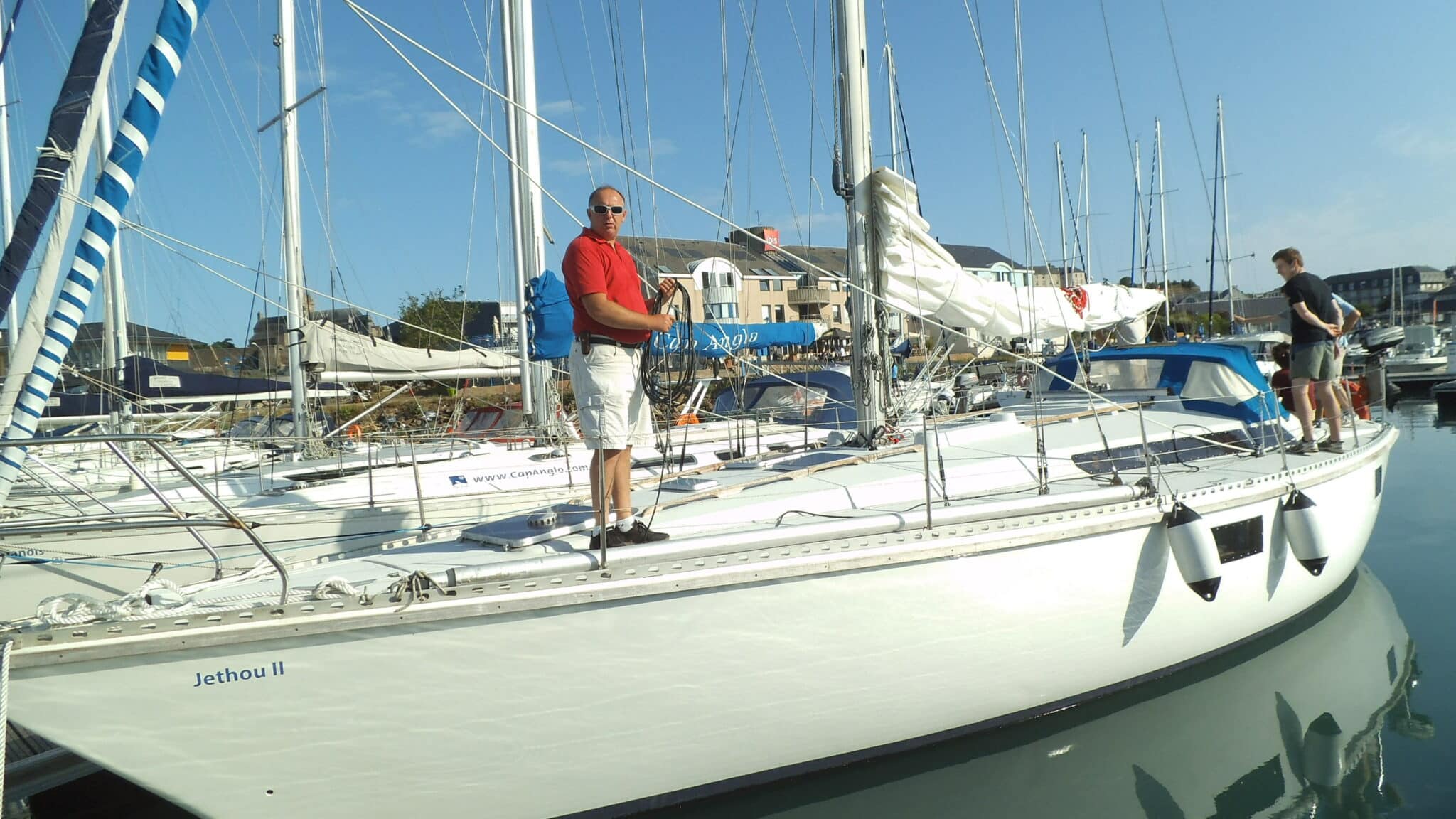
You will be staying on board a 12.6-metre-long sailing boat. It has four cabins, a large central area with a kitchenette, and a toilet.
Supervision
The trips are supervised by a professional skipper and a science educator.
Tous les avis des missions d’Objectif Sciences international

About our partner NGO
The partner NGO holds Special Consultative Status with the UN (ECOSOC) and is a member of the AAAS Science and Human Rights Coalition. Specialising in science trips, science and participatory research, the NGO believes that education is the driving force behind the Sustainable Development Goals. It offers a range of participatory science trips for both adults and children.
You’re sure to enjoy these trips focused on cetacean conservation