Français
 English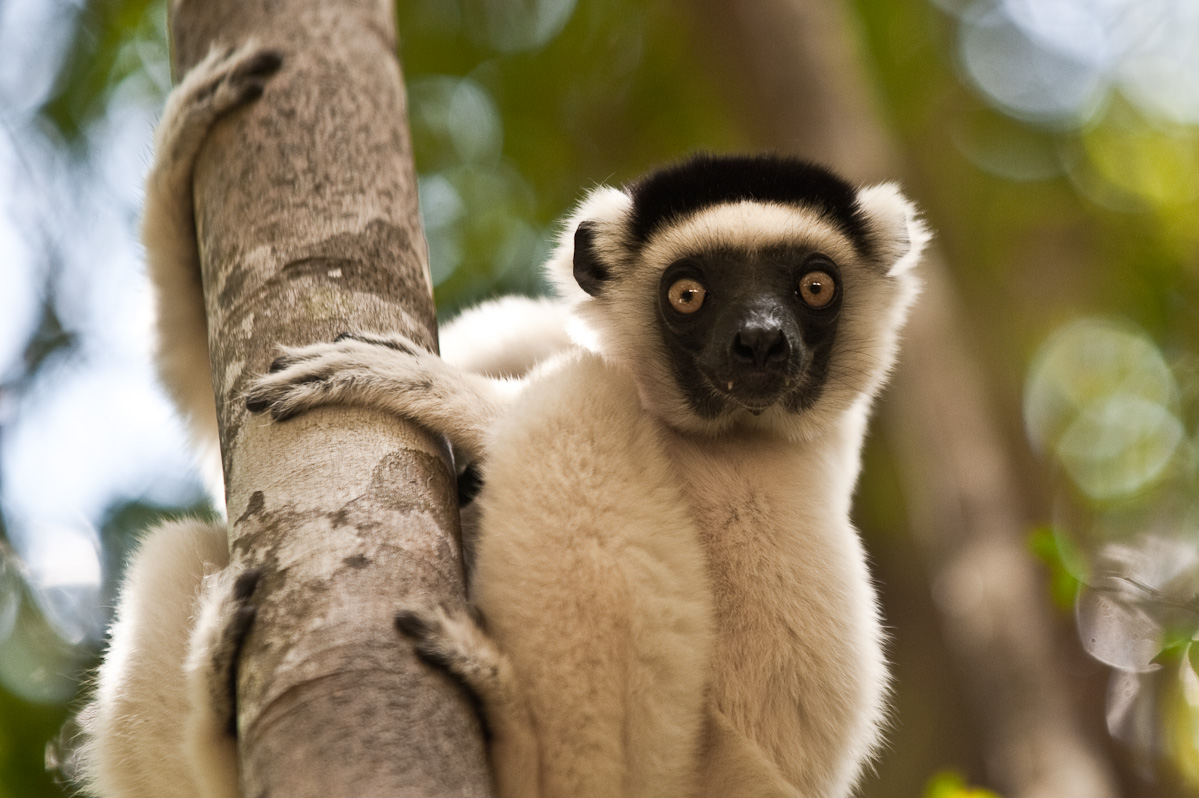


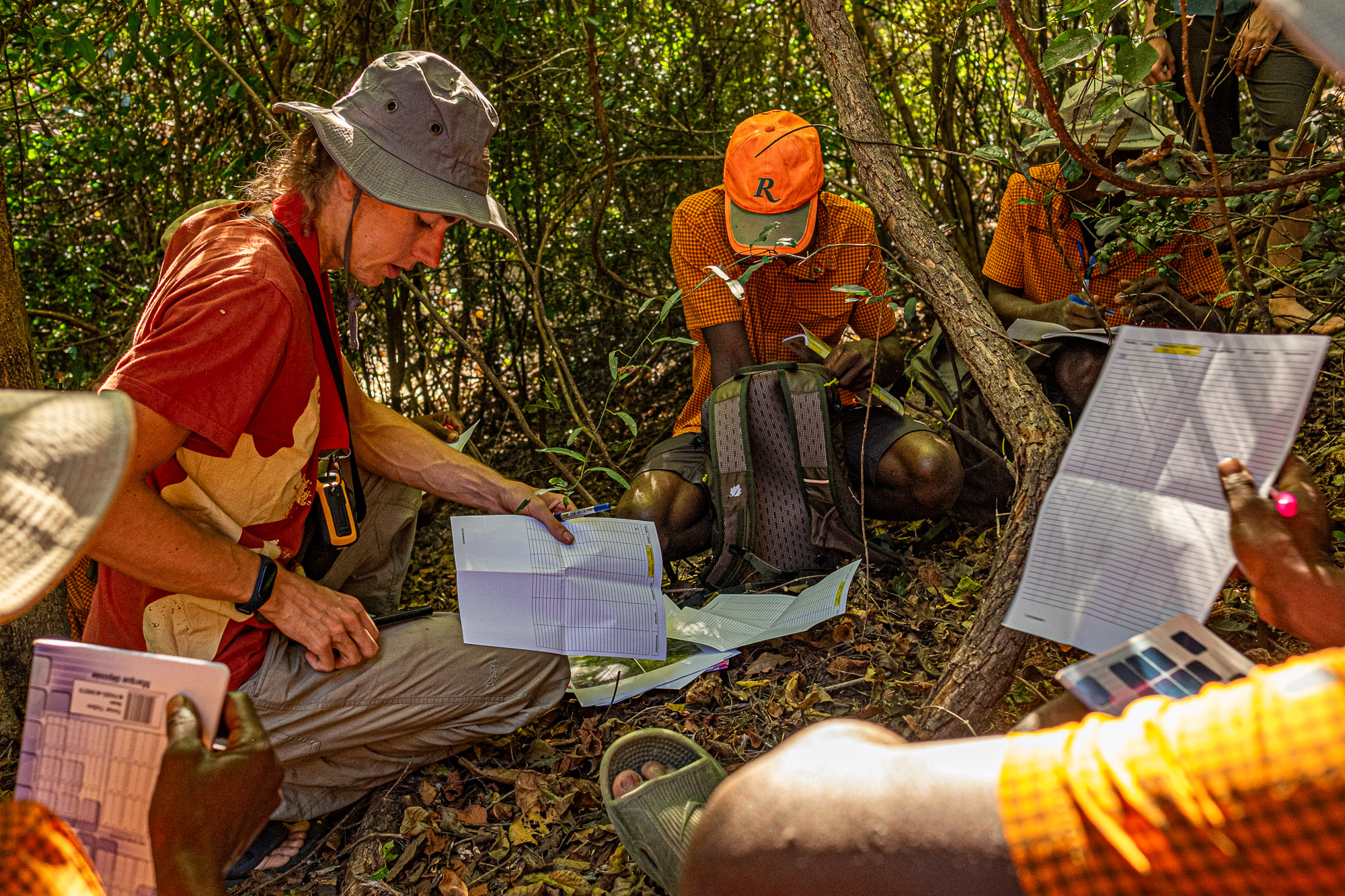
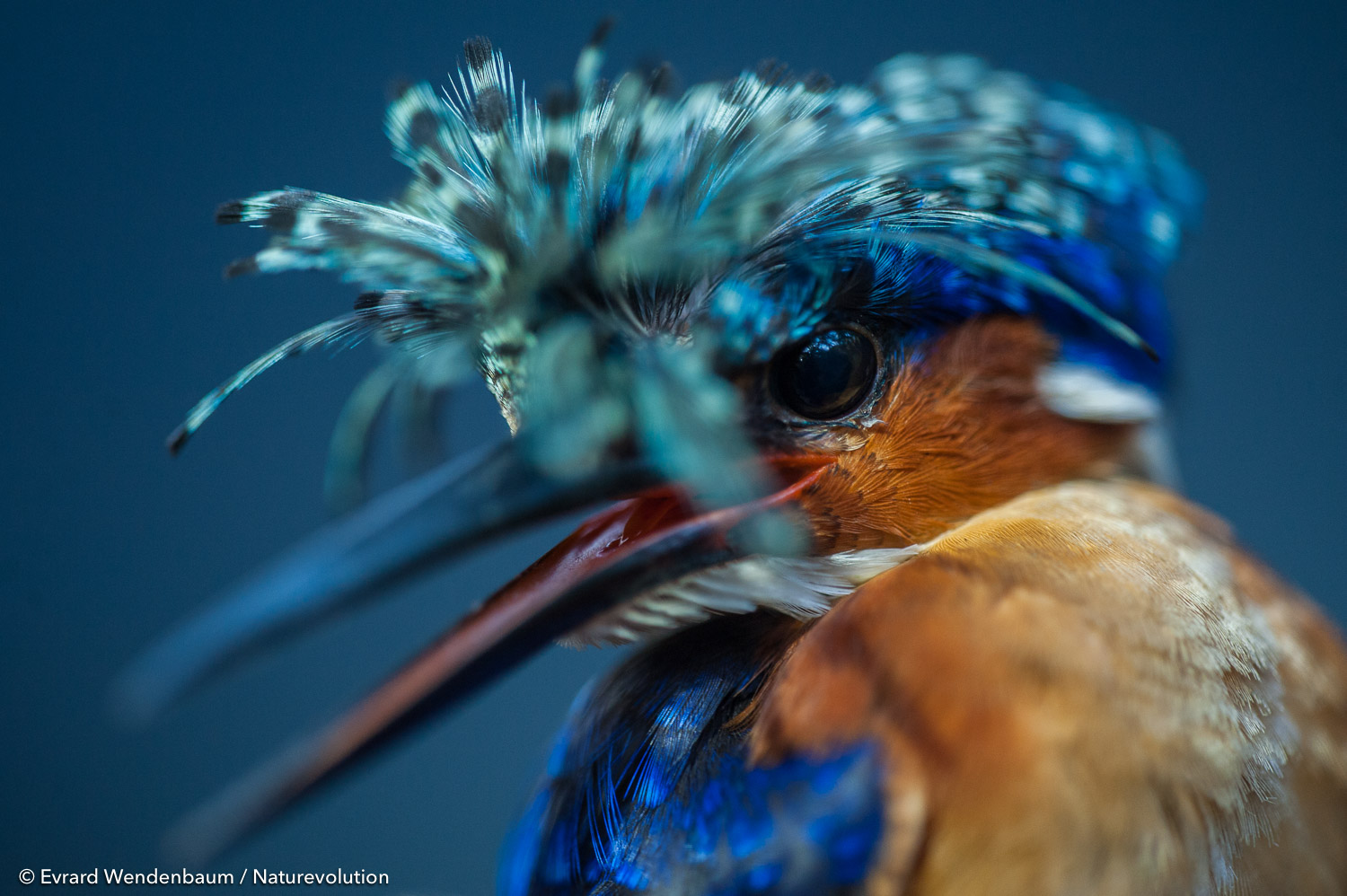
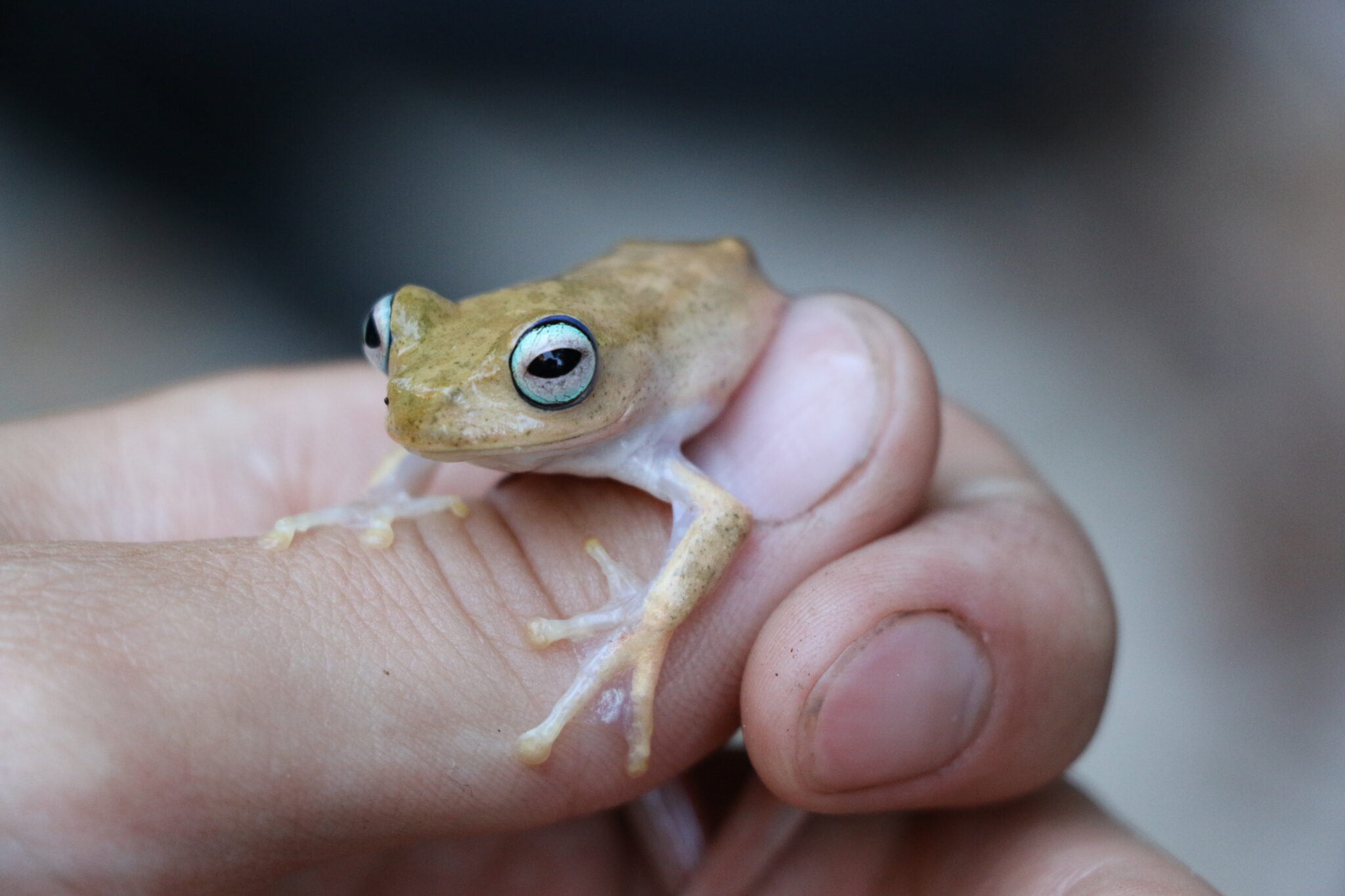
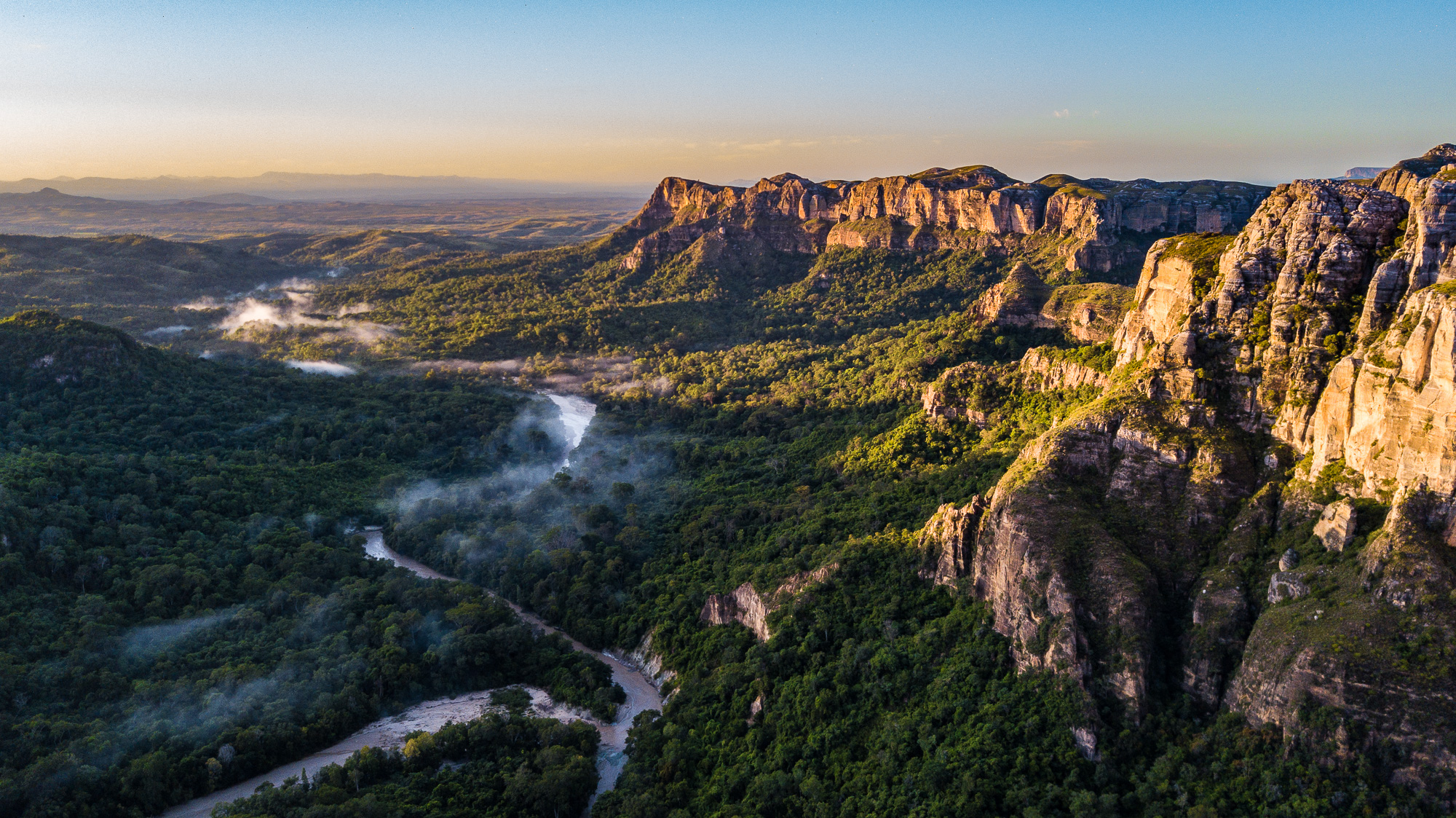
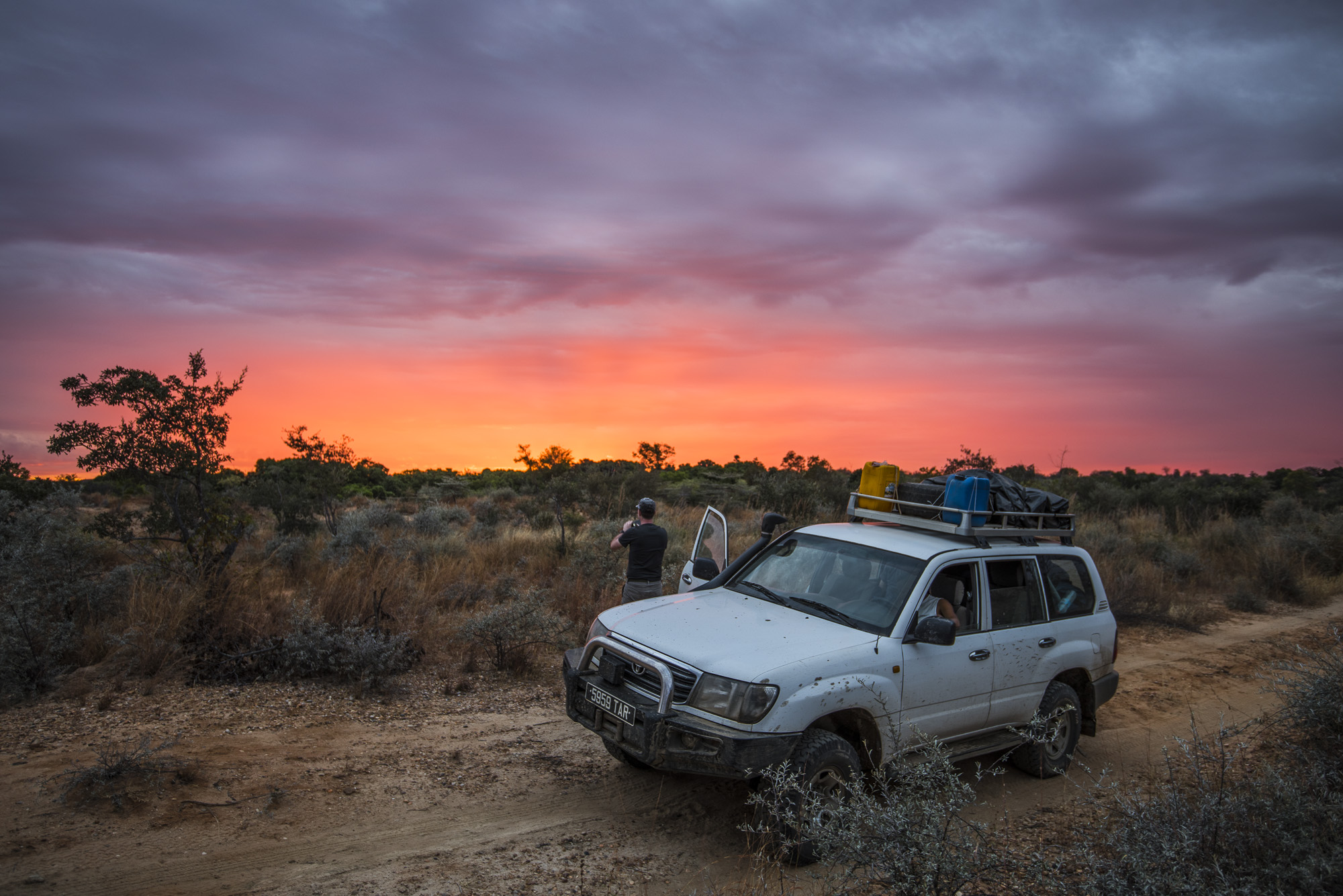
Head deep into Madagascar’s spectacular Makay Massif and help protect this unique biodiversity hotspot. Take part in a citizen science expedition involving species observations and surveys, ecological fieldwork, wildlife monitoring and biodiversity surveys.
Discover all our scientific expeditions here.
Citizen Science to Better Understand the Makay Massif
The Makay Massif, located in south-western Madagascar, is a unique ecosystem rich in endemic biodiversity, protected in part by its natural isolation. However, this sanctuary is increasingly threatened by human pressures, including bushfires, poaching and the illegal harvesting of natural resources. These activities are degrading its fragile ecosystems and putting rare species and their habitats at risk.
Establishing a Protected Area in Madagascar
To help establish a protected area for this exceptional ecosystem, our partner has developed a range of scientific conservation initiatives. These include citizen science expeditions designed to improve and update our knowledge of the Makay Massif, its biodiversity and the history of human settlement in the region.
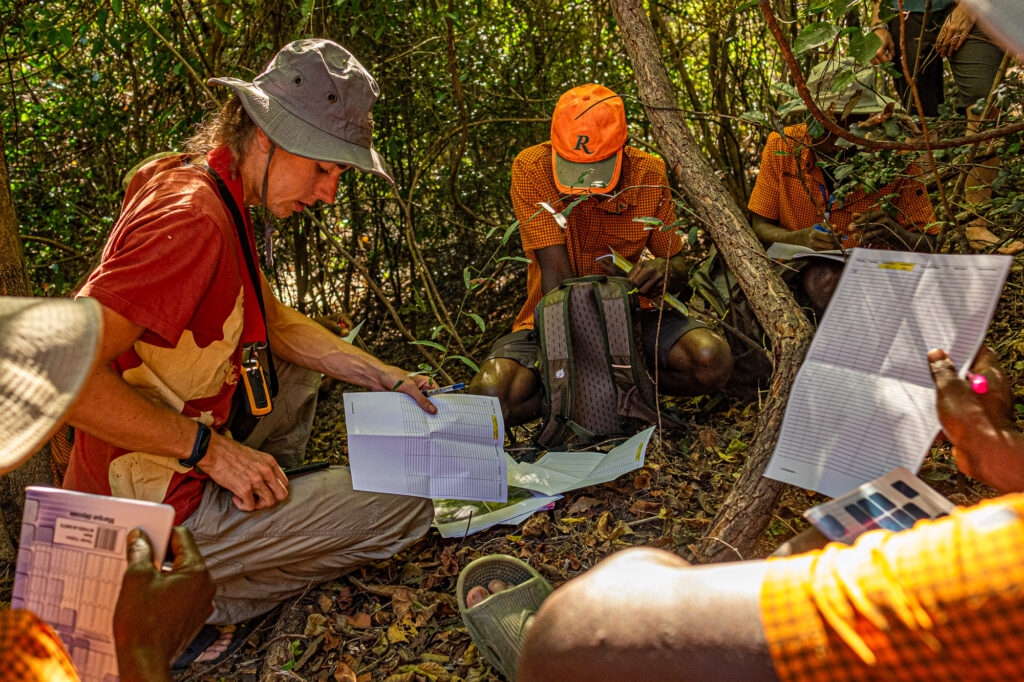
Participants may contribute to population monitoring, behavioural studies and wildlife and plant surveys. Depending on the project and the expertise available, they may also assist researchers with their fieldwork, contribute to mapping the Makay or take part in archaeological surveys.
Identifying Key Taxonomic Groups
Monitoring and documenting the biodiversity of the Makay provides valuable scientific evidence to support the creation of a protected area and its long-term sustainable management.
The aim of these expeditions is to identify key threatened taxonomic groups and, subsequently, to develop and implement conservation action plans. Scientific research can provide valuable insights into the health of natural ecosystems, the ecosystem services they provide and their relationships with local communities.
These expeditions complement other projects that involve travelling to remote and difficult-to-access areas of the Makay to search for rare species and improve our geographical knowledge of the region.
Species and Groups Studied
- Lemurs: 11 species have been recorded. Verreaux’s sifakas and Red-fronted lemurs are monitored through daytime transects, while nocturnal surveys are conducted to observe species such as mouse lemurs.
- Reptiles and amphibians: Active searches in rivers and forests are carried out to identify snakes, chameleons and amphibians, using specialist field guides.
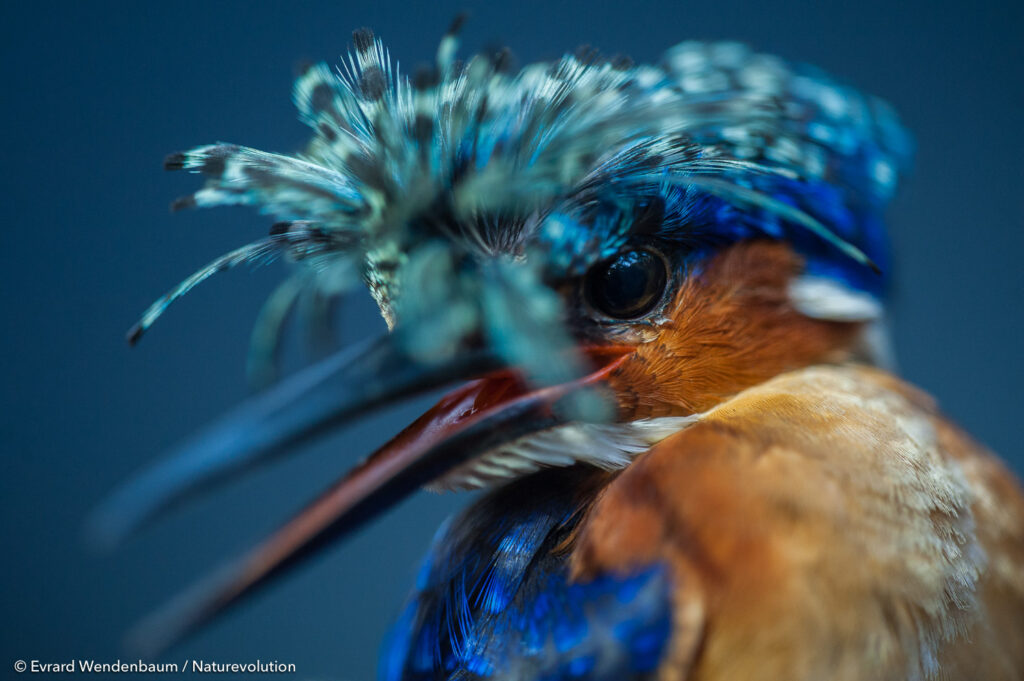
- Birds: Regular bird surveys follow protocols established in 2017. Depending on participants’ skills and the project requirements, birds may also be captured and individually monitored as part of long-term studies.
- Insects and other arthropods: Identification and photography of the smaller inhabitants of the massif help document its lesser-known biodiversity.
- Plants: Botanical surveys are carried out throughout the year in collaboration with expert botanists.
- Fungi: No comprehensive survey has yet been conducted, but a project is awaiting a partnership with a mycologist.
Your Role as an Eco-Volunteer in the Makay Massif
- You will contribute to scientific research and the conservation of local wildlife and plant species by taking part in ongoing field studies and biodiversity surveys.
- Observe endemic species of the Makay Massif: lemurs, reptiles, amphibians, birds, insects and more.
- Collect scientific data: field observations, biodiversity surveys, measurements and data analysis to assess the health of ecosystems, following established research protocols.
- If you wish, you can also:
- Create Artistic and Audiovisual Content
- If you have skills in photography, video, illustration, content creation or other artistic and audiovisual fields, you can create a field journal or capture the beauty of the Makay.
- Your perspective can help inspire, raise awareness and showcase the work of our partner in Madagascar to protect the exceptional ecosystems and biodiversity of the Makay Massif.
|
Departure from Tana |
Return to Tana |
Duration |
Fee |
|---|---|---|---|
|
14 March 2027 |
2 April 2027 |
3 weeks (Herpetology Special) |
€2,750 |
|
18 April 2027 |
30 April 2027 |
2 weeks (Lemur Special) |
€2,000 |
|
16 May 2027 |
4 June 2027 |
3 weeks (Ornithology Special) |
€2,750 |
|
20 June 2027 |
2 July 2027 |
2 weeks (Herpetology Special) |
€2,000 |
|
8 or 15 August 2027 |
27 August 2027 |
2 ou 3 weeks (Lemur Special) |
€2,000 ou €2,750 |
|
24 October 2027 |
5 November 2027 |
2 weeks (Ornithology Special) |
€2,000 |
|
28 November 2027 |
17 December 2027 |
3 weeks (Lemur Special) |
€2,750 |
|
4 October 2026 |
4 October 2026 |
2 weeks |
€2,000 |
|
18 October 2026 |
18 October 2026 |
2 weeks |
€2,000 |
The full cost of your expedition, including the international flight, is eligible for a tax deduction: 66% for individuals, 75% if you are subject to France’s IFI wealth tax, and 60% for companies.
fNot included in the priceNon compris dans le tarif
- International flight and airport taxes
- Personal equipment (tent, clothing, hiking shoes, sleeping bag, water bottle, backpack, headlamp, etc.)
- Anti-malaria medication and vaccinations
- Madagascar entry visa
- Extra drinks and snacks, as well as souvenirs
- Hotel accommodation and any other expenses outside the official expedition dates
- Travel cancellation insurance for your flights
Included in the price
- Logistical costs
- Transportation*, meals and hotel accommodation
- The on-site expedition team and supervision
- All equipment required for the expedition
- Advance planning and coordination to ensure that your stay runs smoothly
* Please note: Transportation is the main cost of the expedition. Reaching the Makay is a long journey and therefore requires a significant amount of fuel. The tracks are particularly challenging, which means our partner has to use high-quality vehicles, resulting in higher rental costs and almost systematic repair expenses. For safety reasons, the vehicles must also remain with the team throughout the expedition, significantly increasing the rental period and associated costs.
- Management and administration costs
- Monitoring and evaluation of the results and impact of the expeditions
- Promotion and outreach for the expeditions
- Administrative processing of registrations
- Evacuation/repatriation and third-party liability insurance
- Membership of the partner association
- Donation to the Conservation Programme
- Salaries for project staff working in the field throughout the year
- Research and development of conservation strategies and practical solutions aimed at protecting the Makay as a whole
- Travel required by project teams to develop and implement the programme
- Day-to-day management and fundraising activities in France, which are essential to the success of the conservation programme
- Purchases and investments required to develop and successfully implement conservation projects
Beyond your direct contribution, your presence is essential because:
As an eco-volunteer, you become an ambassador for raising awareness of the environmental and social challenges facing these regions, both in France and internationally.
You help share the challenges faced by these territories and highlight the conservation and development initiatives carried out by our partner. By taking part, you contribute to international citizenship and solidarity, becoming a global citizen committed to protecting some of the world’s last biodiversity strongholds and empowering local communities.
Essential Financial Support
Your participation in the expedition is considered a donation and helps fund a range of local and sustainable development initiatives carried out by our partner association in Indonesia, Madagascar and France.
- Field supervision: These expeditions are supervised by our local partner, in particular by the rangers, who are also among the leading experts on the Makay’s forests. Some expeditions may also be accompanied by Malagasy and/or international researchers.
- Expedition activities: The scientific protocols and specific activities for each expedition are planned approximately one month before departure, based on the needs identified in the field.
- Remote locations: You will be immersed in particularly remote and spectacular areas, experiencing a new culture and discovering unique natural ecosystems. It is a once-in-a-lifetime adventure that will take you far beyond your usual environment and comfort zone, while allowing you to contribute to protecting the remarkable biodiversity of the Makay Massif.
- Unforeseen circumstances and the nature of the expedition: Field expeditions are subject to unforeseen circumstances and are not organised ecotourism holidays. Eco-volunteering is an adventure, and your activities may vary depending on conditions in the field—but your contribution will always be valuable.
- Physical fitness: You must be in good physical condition. A medical check-up prior to departure is required.
- No scientific qualifications required! You do not need a scientific background or any particular qualification—just motivation, enthusiasm and a strong desire to learn!
- What we expect from you: Above all, we are looking for volunteers who are positive, easy-going and full of energy!
The Location
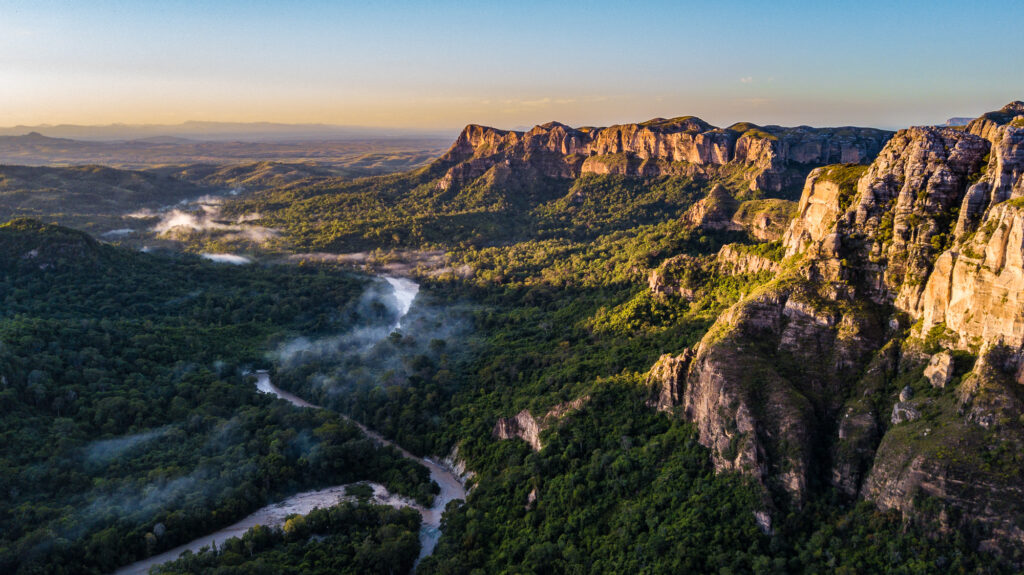
The Makay Massif, located in south-western Madagascar, is a vast 4,000 km² labyrinth of canyons shaped by the erosion of crystalline rock formations that are hundreds of millions of years old.
This unique landscape, made up of towering yellow sandstone formations, is home to forest-covered plateaus and vegetation typical of dry environments, while its deep canyons harbour lush, humid vegetation. This largely unexplored biodiversity hotspot is home to rare and endemic species, protected in part by the region’s natural isolation. May be moved once during the expedition, but it generally remains in one location so that the team can carry out its research protocols effectively.
Food
Meals are prepared using supplies purchased in the capital, supplemented by locally sourced products provided by villagers. Depending on the season, these may include mangoes, bananas, tomatoes, leafy greens, mutton, turkey, chicken and other local produce.
Everyone can take part in preparing meals and washing up. You will drink water from local rivers, which can easily be filtered. Water used for cooking is systematically boiled by the team. A few beers and soft drinks may occasionally be available in local villages. Some meals are also shared in local villages, giving you the opportunity to discover traditional Malagasy cuisine while supporting local communities.
Transport
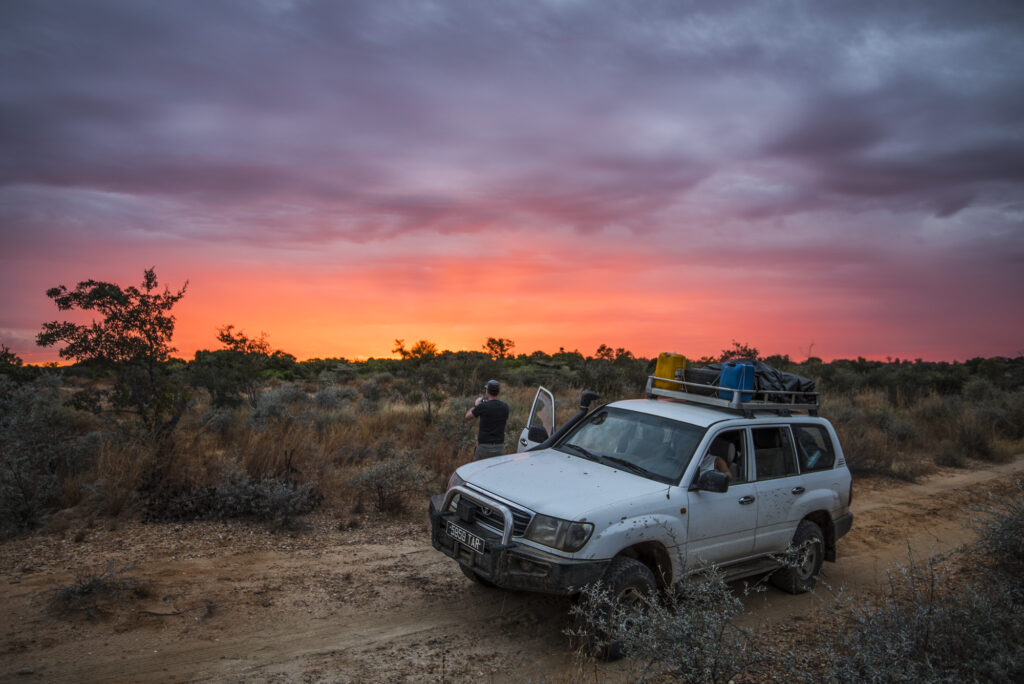
Travel by 4×4 vehicle from the capital to the Makay Massif.
Laundry
As conditions in the field are very basic, there is no conventional laundry service. Clothes are washed by hand using environmentally friendly natural soap and locally available water. We recommend bringing lightweight, quick-drying clothing.
Wi-Fi & Connectivity
The Makay is extremely remote, so Wi-Fi and mobile connectivity are very limited.
This is a unique opportunity to disconnect from everyday digital life, fully immerse yourself in the eco-volunteering experience a