 Français
 English
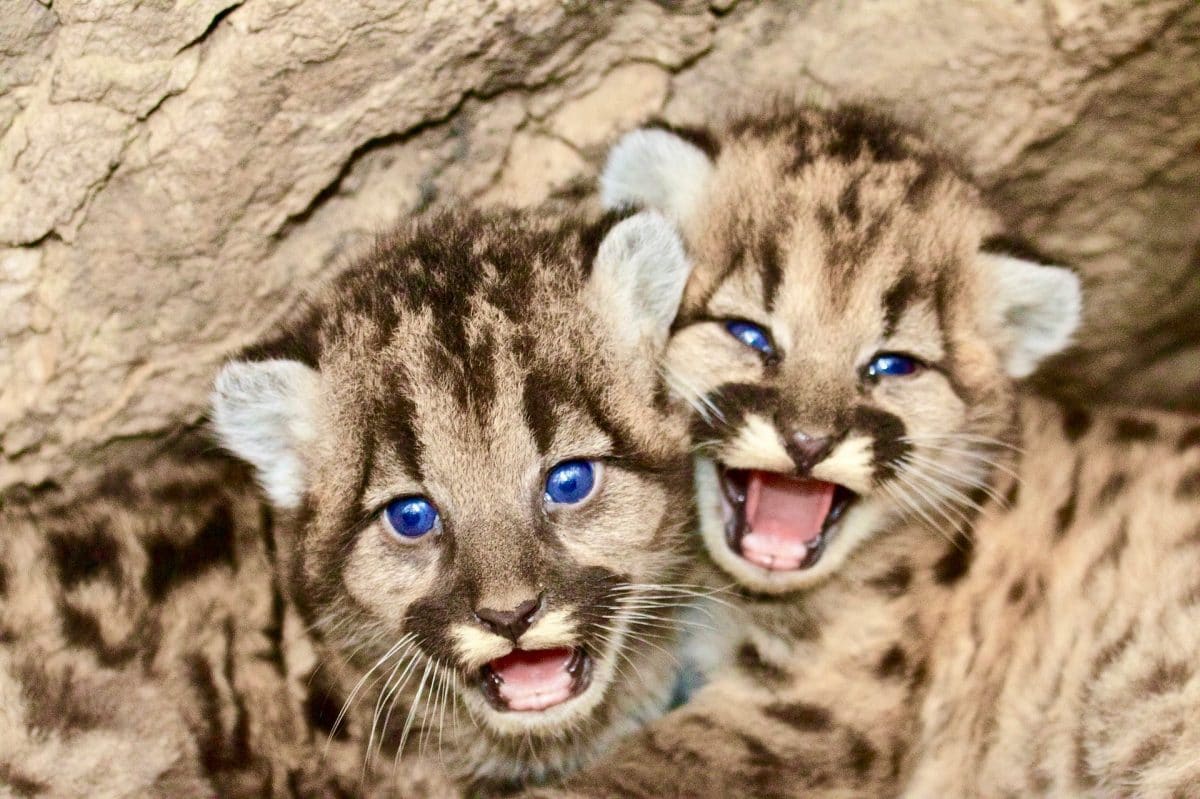

In short: an ethical volunteering project serves biodiversity and the project team, and offers eco-volunteers a great experience. By a great experience, we mean a trip where you learn, make yourself useful and live in harmony with nature. You should never go to touch animals or to consume nature, as we see far too often. Nor should you expect four-star service! With that said, here are the red flags to look out for, both on the ground and in what an organization tells you, and the signs that set a serious project apart.
What is an ethical project?
An ethical conservation project has a clear objective: to protect or restore a species, a habitat or an ecosystem. Eco-volunteers come to assist with this work. As part of eco-volunteering programmes – which are a form of regenerative tourism – your support takes two forms: practical action and financial redistribution.
In practical terms, an ethical project:
- Puts the welfare of animals and the environment first and foremost, even before the comfort or wishes of volunteers;
- Aim for a measurable outcome: animals released, hectares replanted, data shared with scientists, beaches protected…
- Work with local residents and authorities, not alongside them;
- Is transparent about its activities, its funding and how your contribution is used.
We’re not going there to touch animals
This is the most important rule – and the one most often forgotten. A wild animal is not a pet. Stroking it, carrying it or taking photos of it does not help it in any way. Even if, on occasion, you might give it a bottle or hold it in your arms, bear in mind that this is always done in a very specific context, usually linked to providing care.
In most cases, contact with humans:
- Jeopardises its release: an animal accustomed to humans no longer fears them, which puts it at risk once released, and may also endanger local communities;
- It causes him stress, even if he doesn’t always show it;
- Transmits diseases in both directions, from humans to animals and from animals to humans;
- Runs a business: where tourists pay to cuddle babies, there is a constant need for new babies. This is the case, for example, with certain lion cub breeding facilities linked to caged hunting.
In a reputable care centre, contact is kept to a minimum and is often carried out by trained carers. As a volunteer, you will mostly be preparing food, cleaning the enclosures or observing the animals from a distance. It’s less spectacular, but it’s what gives them a chance to return to the wild. Of course, not all animals are released back into the wild, as sometimes their health prevents them from doing so.
Red flags on the ground
If you notice any of these situations, either before or during your assignment, ask questions.
With animals
- Photos or selfies of volunteers holding wild animals.
- Walks with wild animals, elephant rides or swimming with elephants.
- Animals that perform demonstrations, tricks or shows.
- Animals kept chained up, in cages that are too small or lacking in enrichment.
- Breeding in captivity without a recognised reintroduction programme.
- Baby animals are always available, whatever the season.
- Swimming with dolphins or other marine animals in captivity.
- Feeding wild animals to lure them into view of tourists.
On sea turtle missions
- Volunteers who handle eggs or baby turtles unnecessarily.
- Baby turtles kept in a tank to be displayed, or released in broad daylight for a photo.
- The use of white lights or flashes on nesting beaches at night.
In the organisation of the project
- Untrained volunteers who carry out veterinary care or tasks reserved for professionals.
- No local team, or residents confined to menial tasks.
- Volunteers who are taking jobs away from local people.
- No one can tell you what happens to the animals, or what the collected data is used for.
Reforestation and soil regeneration projects
- Planting a single species, or non-native species (eucalyptus, teak, pine), rather than a variety of native species.
- Trees planted in places where there was no forest to begin with: savannahs, grasslands, peat bogs. This means destroying an ecosystem rather than restoring one.
- No follow-up after planting: no one knows how many seedlings survived.
- There is one important rule in the natural world: it is the diversity of plants that creates robust ecosystems and rich soils.
Red flags in the speech
Certain promises – whether on a website or in correspondence with the organisation – are worth taking a closer look at.
- “You’ll be able to stroke / bottle-feed / take the animals for a walk.” Interaction with the animals is presented as a selling point: this is the number one warning sign.
- “The animals are used to people; they love the volunteers.” An animal intended for release must not, in fact, become accustomed to people.
- “All the animals are orphans rescued from poachers.” That’s sometimes true, but ask where they come from, how many arrive each year and how many are rehomed.
- “We’ll release them when they’re older.” Ask how many animals have already been released, where, and what follow-up has been carried out.
- ‘Guaranteed sightings!’ In the wild, nothing is guaranteed. This promise often hides the fact that the animals have been lured or are in captivity.
Signs of an ethical project
Conversely, here is what should put your mind at rest.
- A policy on limited contact with animals, clearly explained before your arrival.
- A target for the release of rescued animals, with figures and monitoring where possible.
- Partnerships with universities, researchers, national parks and local authorities.
- A committed local team, involved at every stage of the project.
- An honest description of the tasks, including the less glamorous ones: cleaning, carrying, data entry, and starting over.
- A briefing and a code of conduct on arrival.
- Transparency about funding: the project explains what your contribution goes towards.
- Published results: activity reports, shared data, scientific publications.
The price says nothing about the ethics of a mission
It’s a persistent misconception: that an expensive project must necessarily be a rip-off or, conversely, a guarantee of quality. It’s neither one nor the other. The price of a project depends on several factors:
- The actual cost of hosting: accommodation, meals, supervision, local transport, the cost of living in the country, the local team’s wages, equipment…
- The number of intermediaries between you and the project. Each agency adds its own fees, and when one agency works through another, the costs add up.
- Some organisations receive grants.
The same project, on the same site, can therefore cost very different amounts depending on how you book it. The ethos of the project, however, remains the same. A very cheap project can be excellent, and an expensive one can be just as good. Price is never a substitute for asking the right questions: what does the project do, how does it treat the animals, and what exactly does your contribution cover?
Questions to assess the ethical aspects of a project
- What is the conservation objective of the project, and what results has it achieved in recent years?
- What is your policy on contact with animals?
- Where do the animals come from, and how many are released each year?
- Which scientists, universities or authorities do you work with?
- What will my day-to-day tasks involve?
- How many volunteers do you take on at any one time?
- Who supervises the volunteers on site?
- What exactly does my contribution cover?
- Can I get in touch with former volunteers?
A reputable project is happy to answer these questions, even if it sometimes takes a while to do so: its teams are often out in the field.
Eco-volunteer selects the projects
Since 2009, Eco-volontaire has been selecting the field projects and agencies featured on the platform based on their genuine commitment to biodiversity. We examine what each organisation does, how it treats animals and the environment, and how it works with local teams. This list is no substitute for your own vigilance: the questions above are still worth considering before every trip. And if, whilst you’re there, anything strikes you as unethical, please let us know. Your feedback helps us to improve our list. Finally, the matchmaking service is free of charge and commission-free: the price shown is the venue’s price, with no additional charges.
