 Français
 English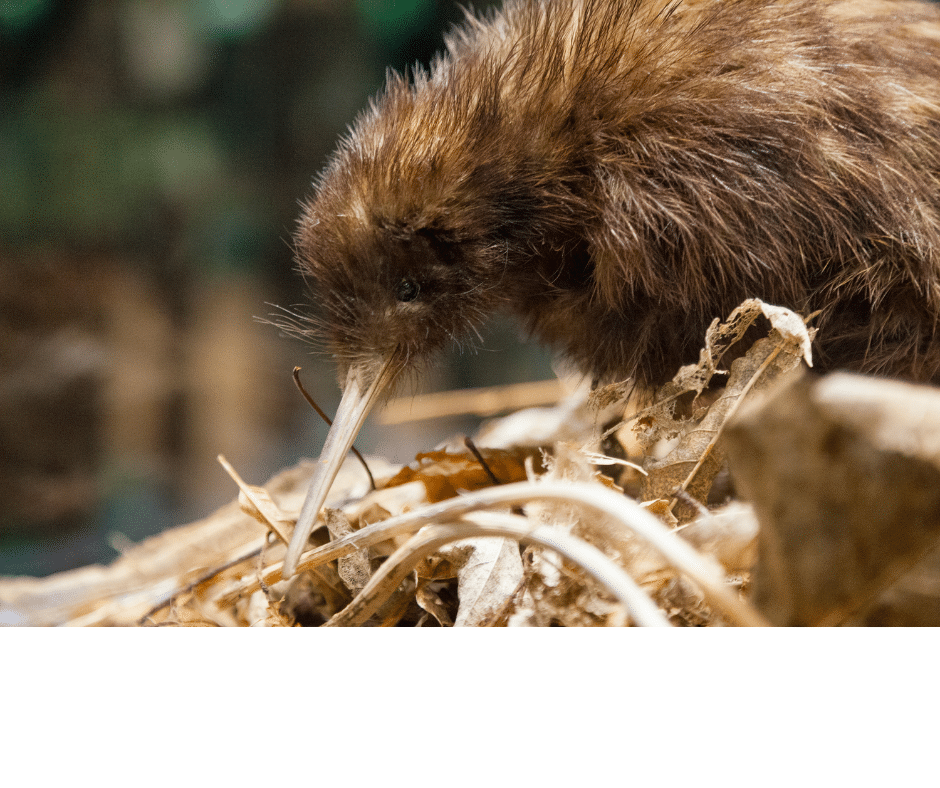
Get involved in protecting New Zealand’s magnificent forests! Embark on an amazing adventure and reconnect with nature, far from the city. See all our projects in Oceania here
Endemic species and thousand-year-old trees
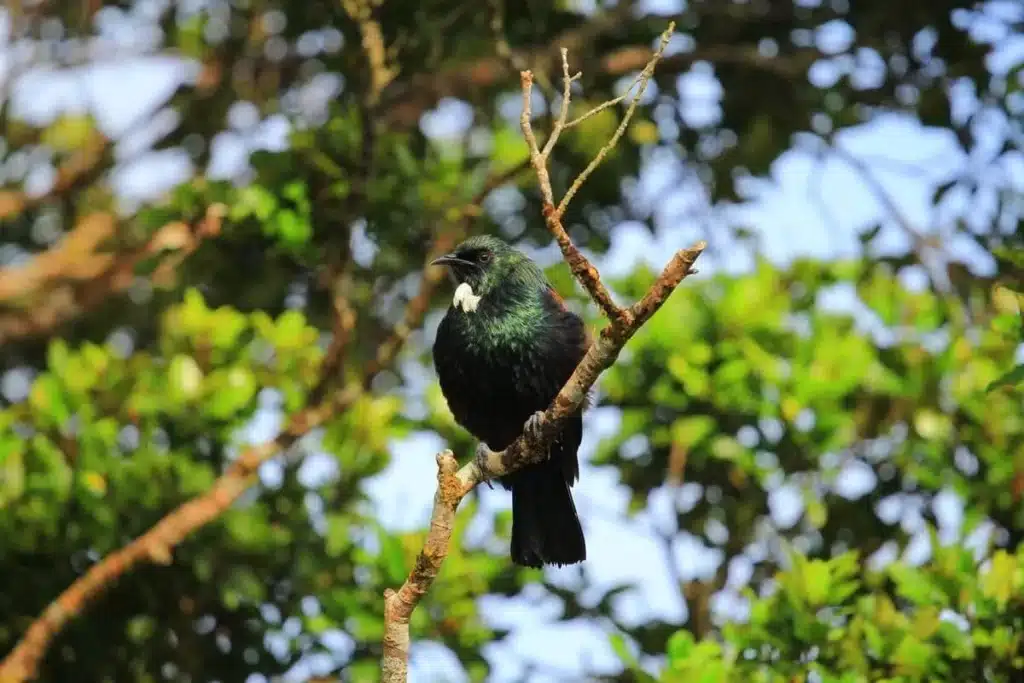
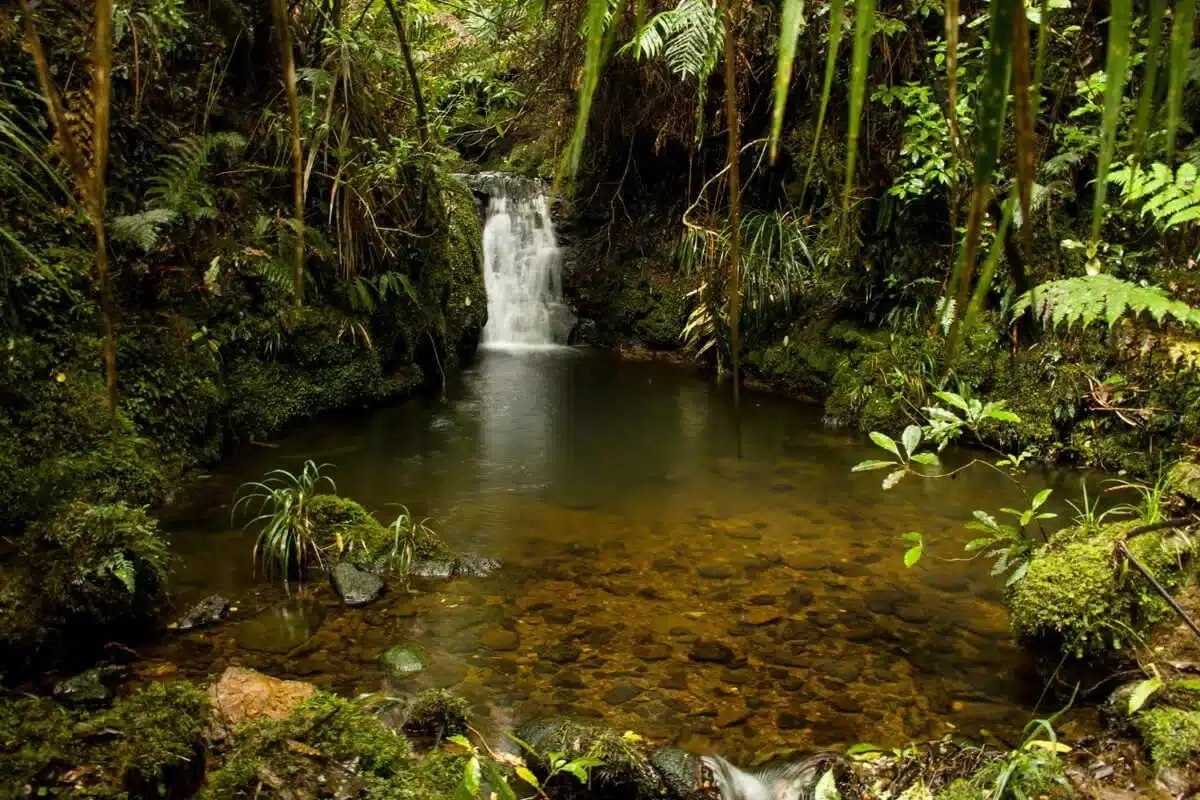
New Zealand is one of the most remote places on Earth, known for its lush forests teeming with endemic species. Unless its biodiversity is constantly protected, invasive plants and urbanisation could cause this treasure to disappear forever.
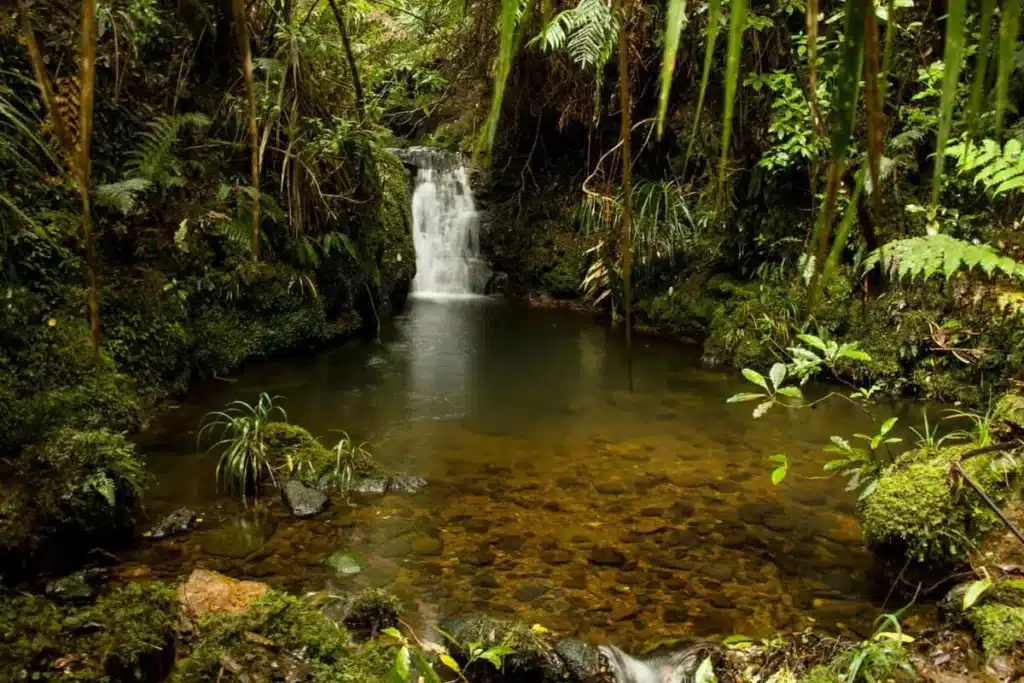
During this eco-volunteering mission, you will be working in a nature reserve located in the north of New Zealand. This reserve overlooks the ocean and consists mainly of woodland. It is a unique place, far from any major town, with the nearest settlements 2 kilometres away.
150 hectares of forest undergoing regeneration
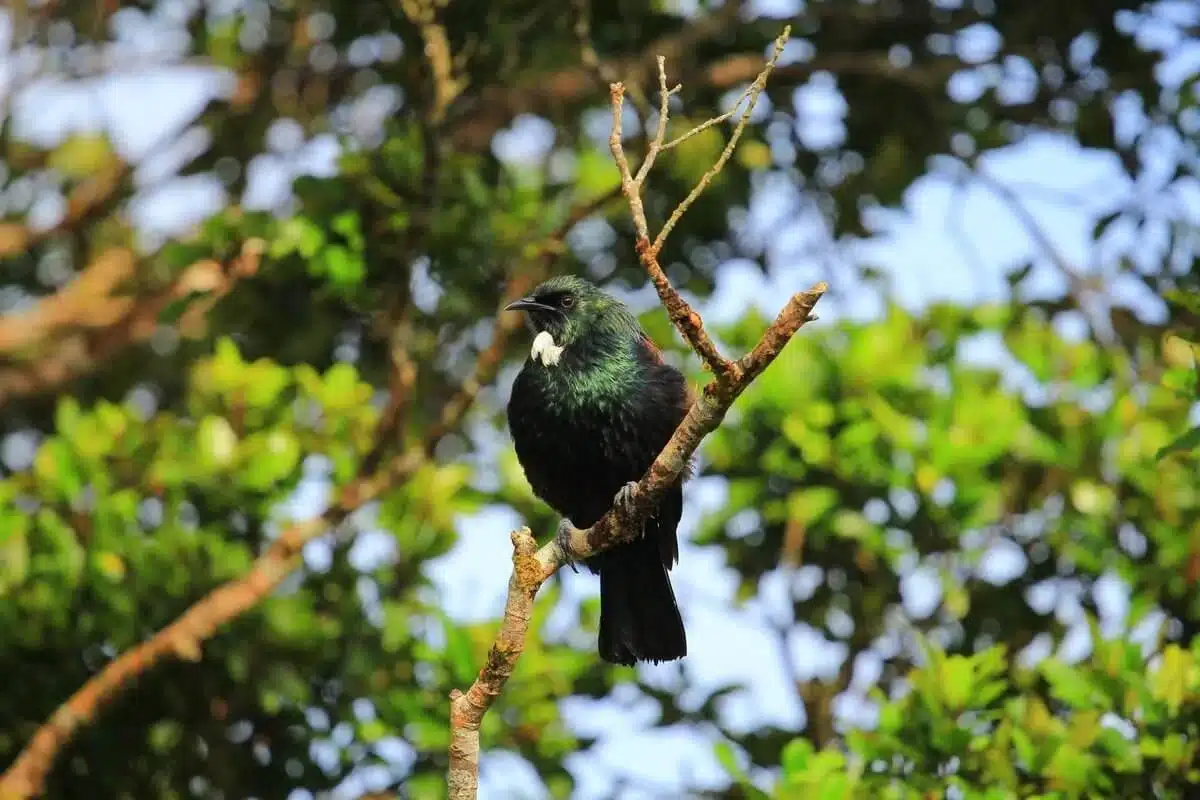
The nature reserve comprises 150 hectares of regenerating rainforest. It is a designated native forest where no logging is permitted. The many endemic species that live there, including the famous kiwi, require active protection against introduced pests. Indeed, cows, possums, rabbits and wild goats indiscriminately graze on the young plants, thereby preventing the forest from regenerating. Possums, rats, ferrets and wild cats eat the birds’ eggs and chicks.
Protecting native species
The aim of the programme is to reduce the number of pests so that young plants and native birds have a chance to reach maturity. The reserve management works with the Department for the Environment, and volunteers work hand in hand with forest rangers and learn the latest nature conservation techniques.
The role of the eco-volunteer in the New Zealand nature reserve
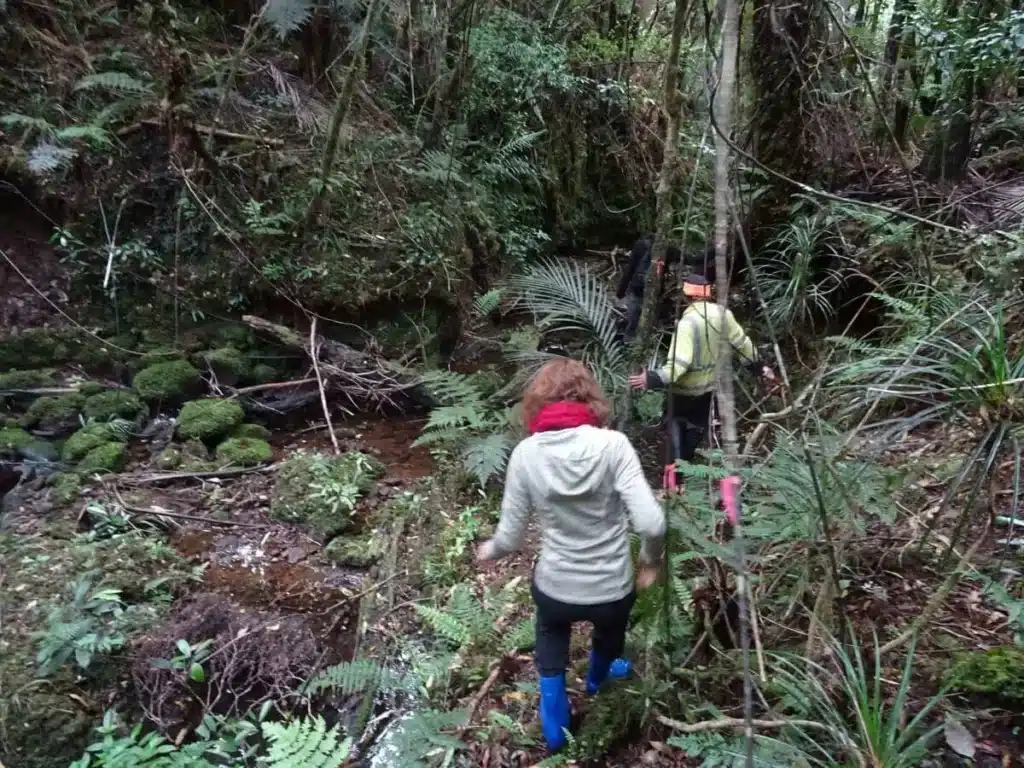
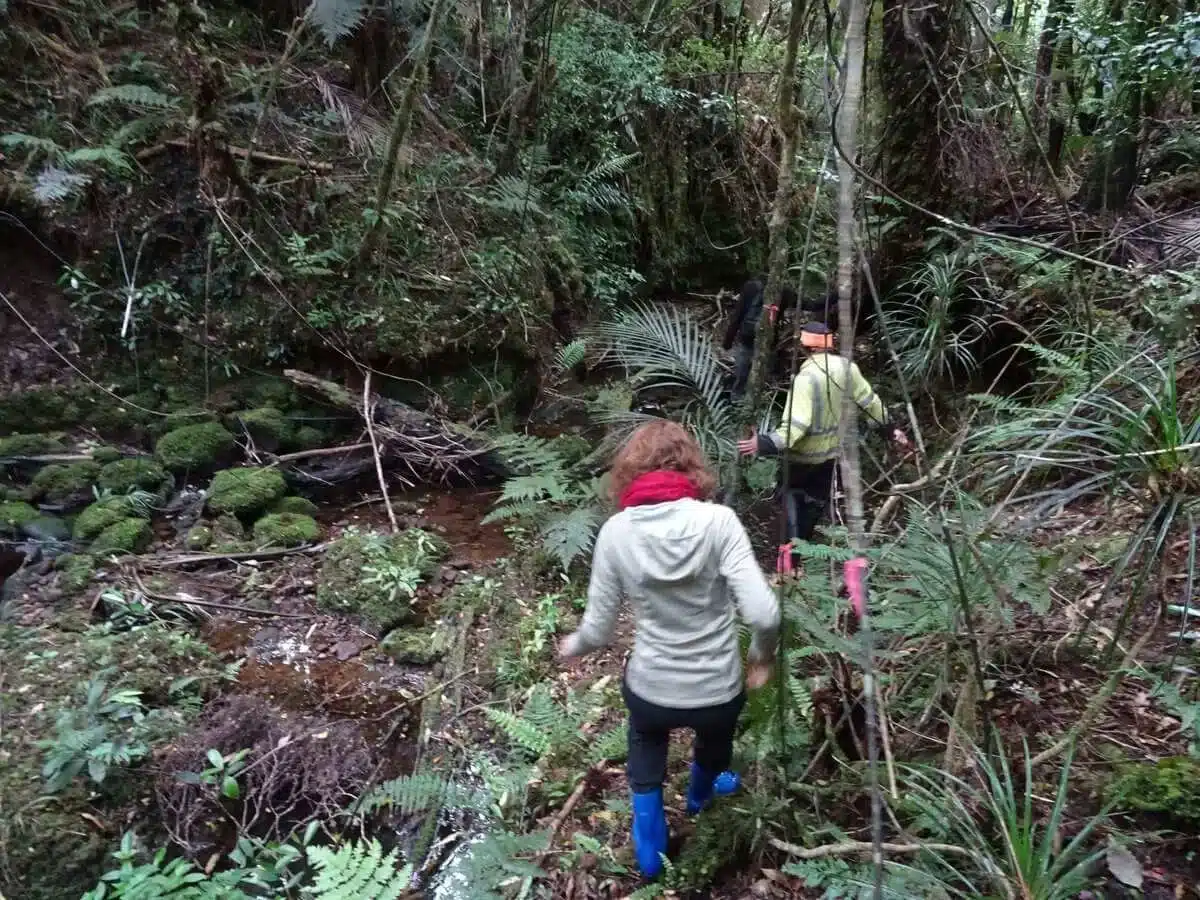
As a volunteer, you will discover the ecosystem of New Zealand’s rainforest and the animals that live there. Through the training you will receive, you will gain an understanding of the conservation challenges faced by local authorities. You will help protect the biodiversity of four different forests, including a thousand-year-old forest.
You will receive in-depth training to achieve a high standard of conservation.
The work of eco-volunteers involves a range of tasks:
- Conservation activities such as pest control and monitoring of native species. These activities include: clearing trails, trapping, monitoring kiwis and snails, installing surveillance cameras and analysing data.
- Grounds maintenance and assistance with various maintenance tasks
You will learn
- Find your way through a lush forest using a map, a compass and landmarks.
- Use a radio to communicate or in an emergency.
- To plan, prepare and carry out a number of conservation activities.
- To identify and map forest trails.
- Identifying New Zealand’s plants and trees.
- To tackle environmental challenges.
- Techniques for protecting kiwis in New Zealand.
Departures on the first and third Monday of the month between November and March
| Duration | Price | |
|---|---|---|
| 1 week | €440 | |
| 2 weeks | €825 | |
| 3 weeks | €1,155 | |
| 4 weeks | €1,452 | |
| 5 weeks | €1,815 | |
| 6 weeks | €2,178 | |
| 7 weeks | €2,541 | |
| 8 weeks | €2,905 | |
| 10 weeks | €3,630 | |
| 12 weeks | €4,356 |
Included in the price
: Transport between Dargaville and the sanctuary
; Supervision and guidance
; Meals
; Accommodation
; Weekly sightseeing tour of the region
; Donation to the reserve
. Not included in the price
: Airfares
; Visa
; Travel and repatriation
insurance; Transport to and from Dargaville
- 18 years old for girls and at least 20 years old for boys
- Intermediate level of English
- You will be required to attend an interview if you wish to stay for more than three weeks.
- Comprehensive travel insurance.
- Not a smoker and not a vegan.
Accommodation and meals
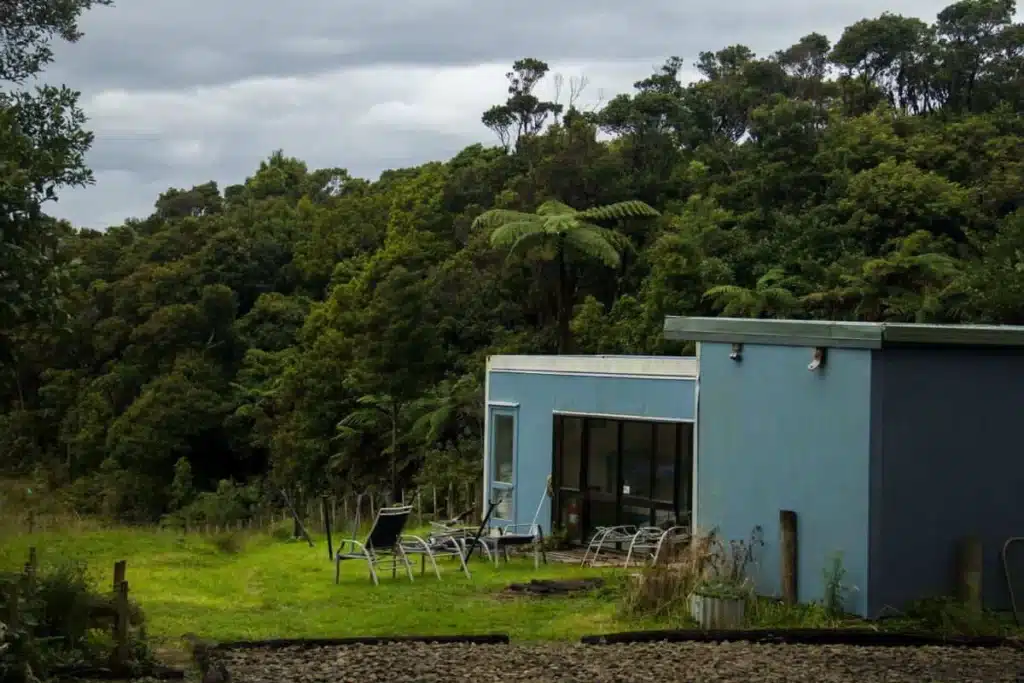
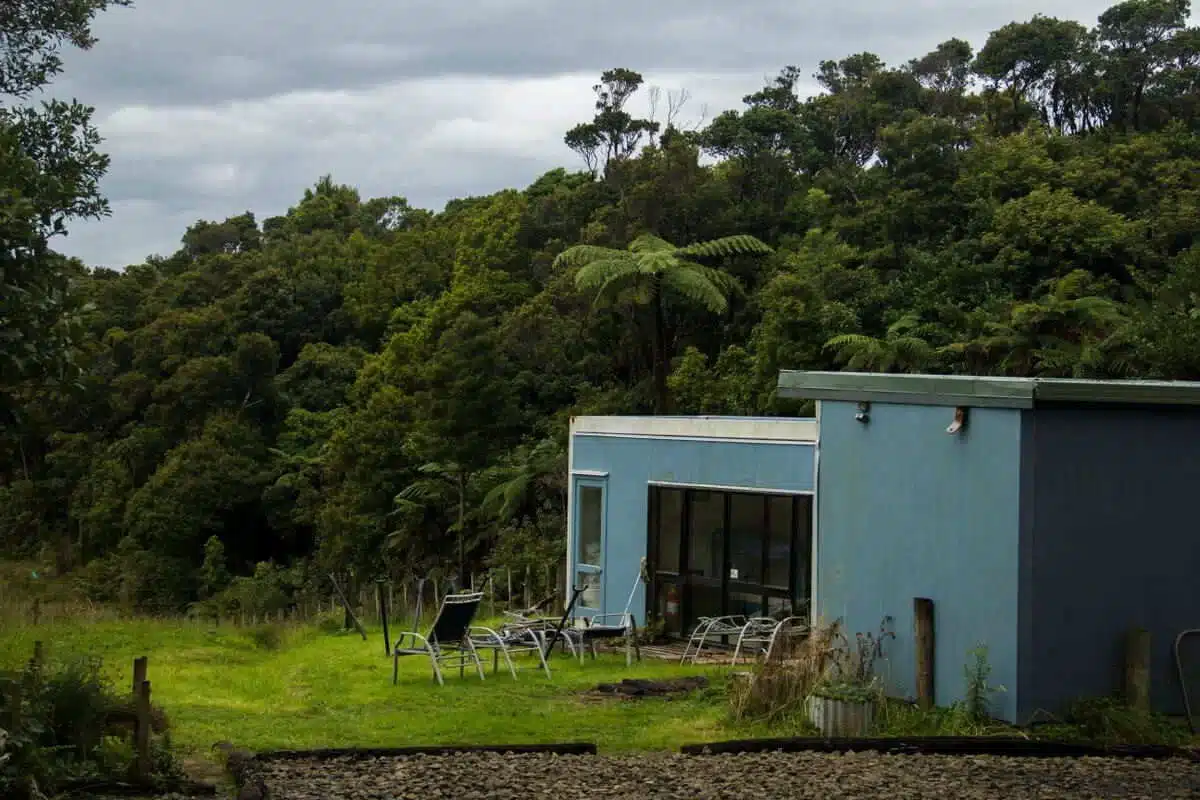
The accommodation is basic but functional. You’ll be staying in dormitories and will have access to hot showers.
Everyone is welcome to help prepare meals.
How do I get to the site?
From Auckland, you will need to take two buses to get to Dargaville (the first bus goes from Auckland to Whangarei, and the second from Whangarei to Dargaville). Someone will be waiting for you in Dargaville before 5.30 pm to take you to the project. Participants with their own vehicle should go to the Whangarei Hub at the same time and follow the group to the sanctuary.
For the return journey, you will be dropped off in Dargaville on Monday at 7.30 am (for the bus to Whangarei).
Due to the sanctuary’s remote location, it is best to bring everything you need and do any last-minute shopping before leaving Whangarei.
You will stay in a sanctuary on the edge of the forest, far from the city. This will be a unique opportunity to reconnect with nature and with yourselves. You will walk alongside Tane Mahuta, a 2,000-year-old tree!
Far from the distractions of modern life, you will learn to observe and listen to the forest. You will hear the birdsong and appreciate the gradual movement of the stars across the night sky.
You will discover the magnificent Kai Iwi Lakes and have the chance to climb Tokotoka Peak.
About the partner
The partner is an organisation dedicated to protecting New Zealand’s native flora and fauna. Its aim is to protect and expand a dynamic ecosystem whilst raising awareness of the importance of environmental conservation. This goal is achieved with the help of a small group of international volunteers, with whom they learn, work and explore this unique rainforest.