 Français
 English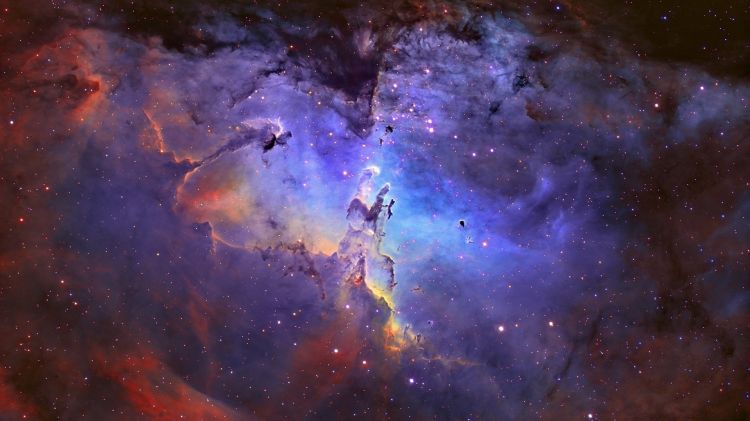


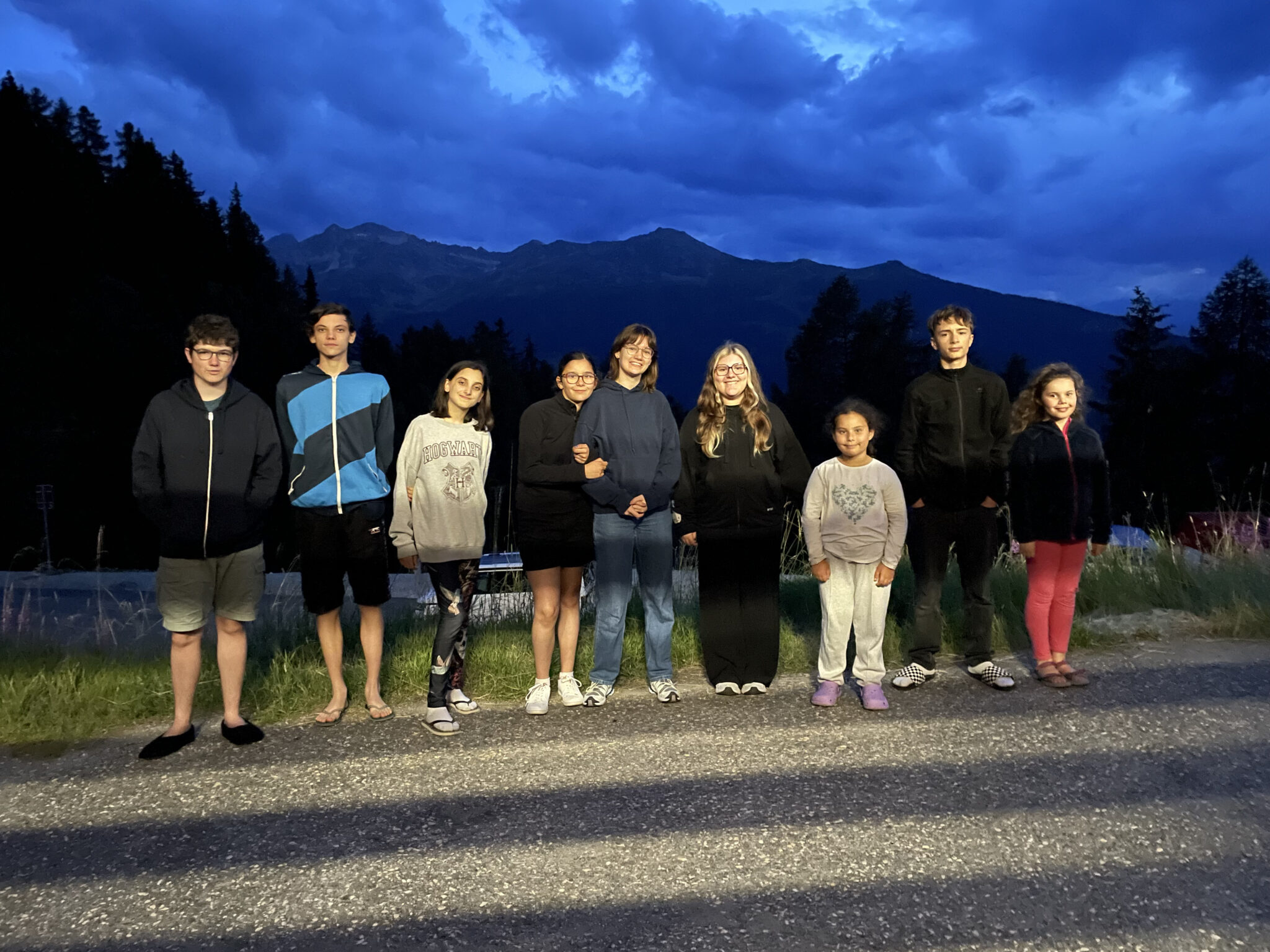
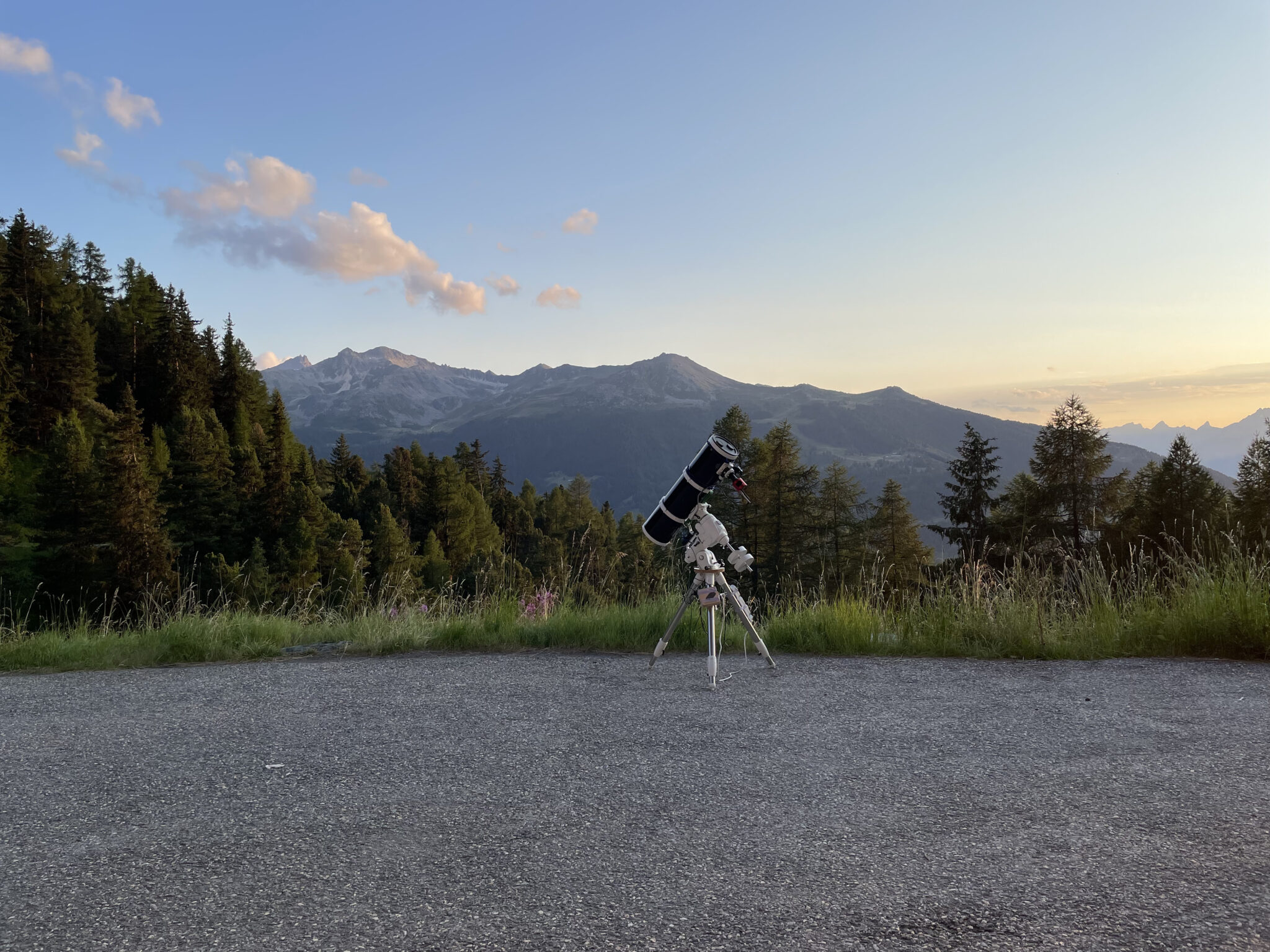
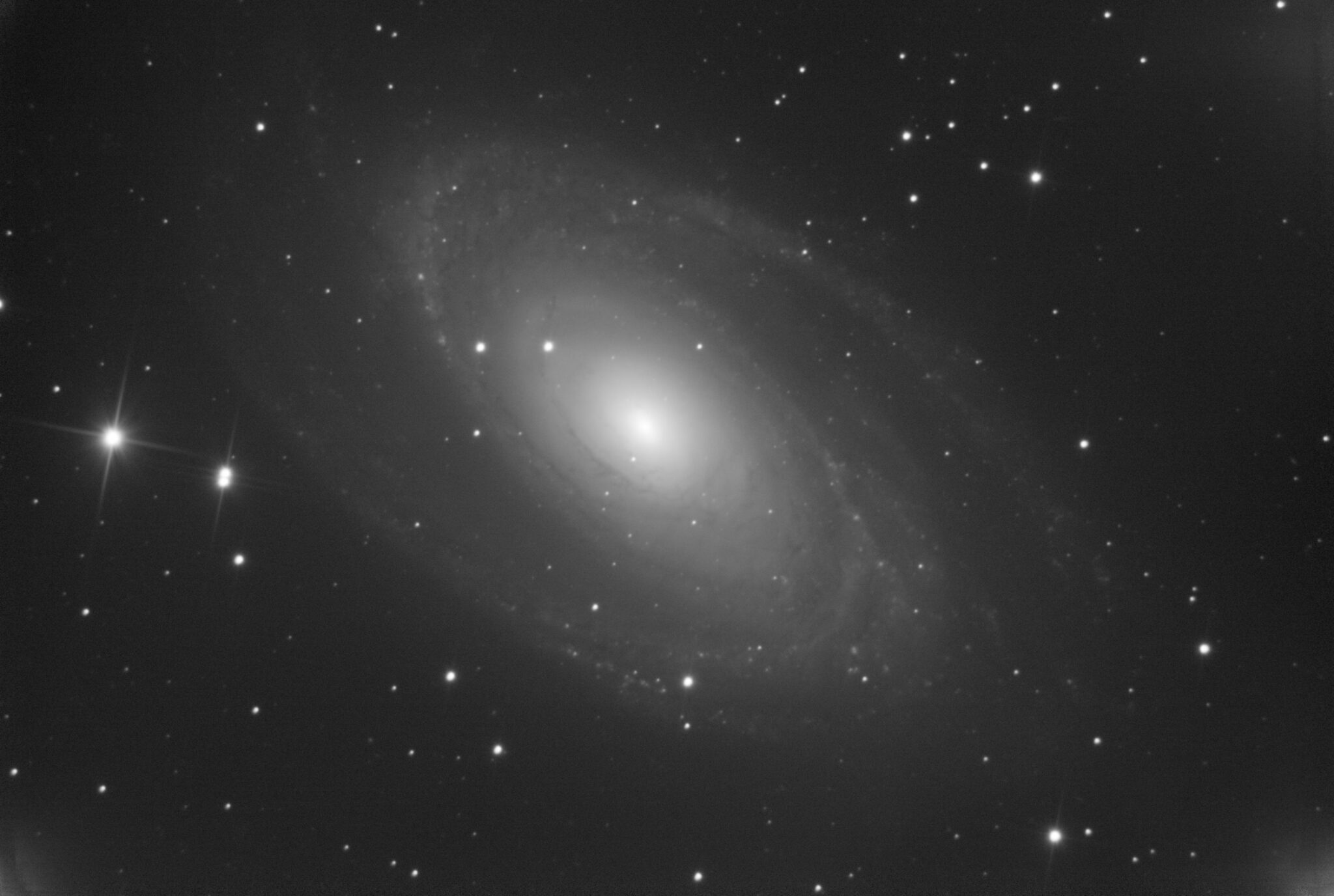
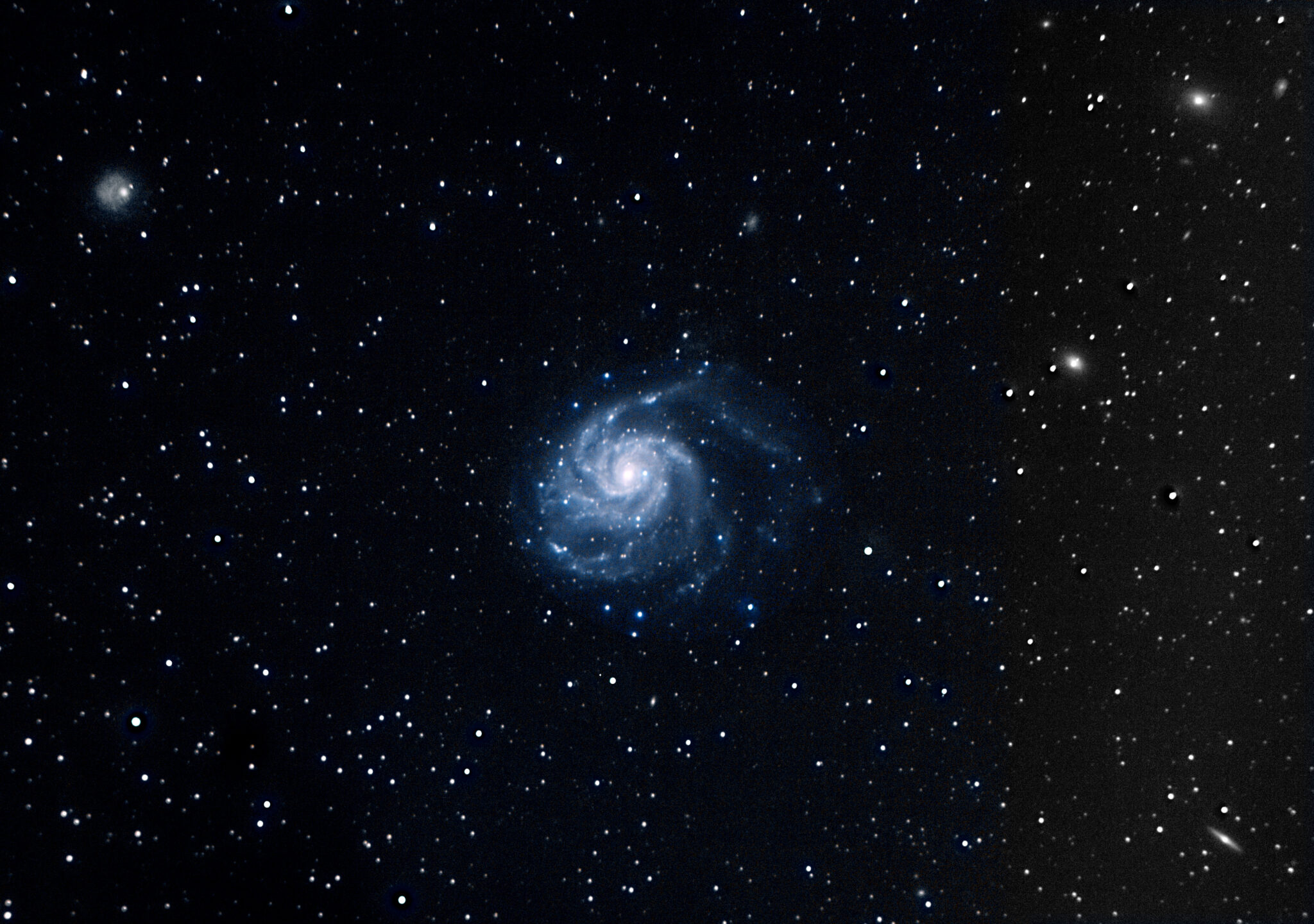
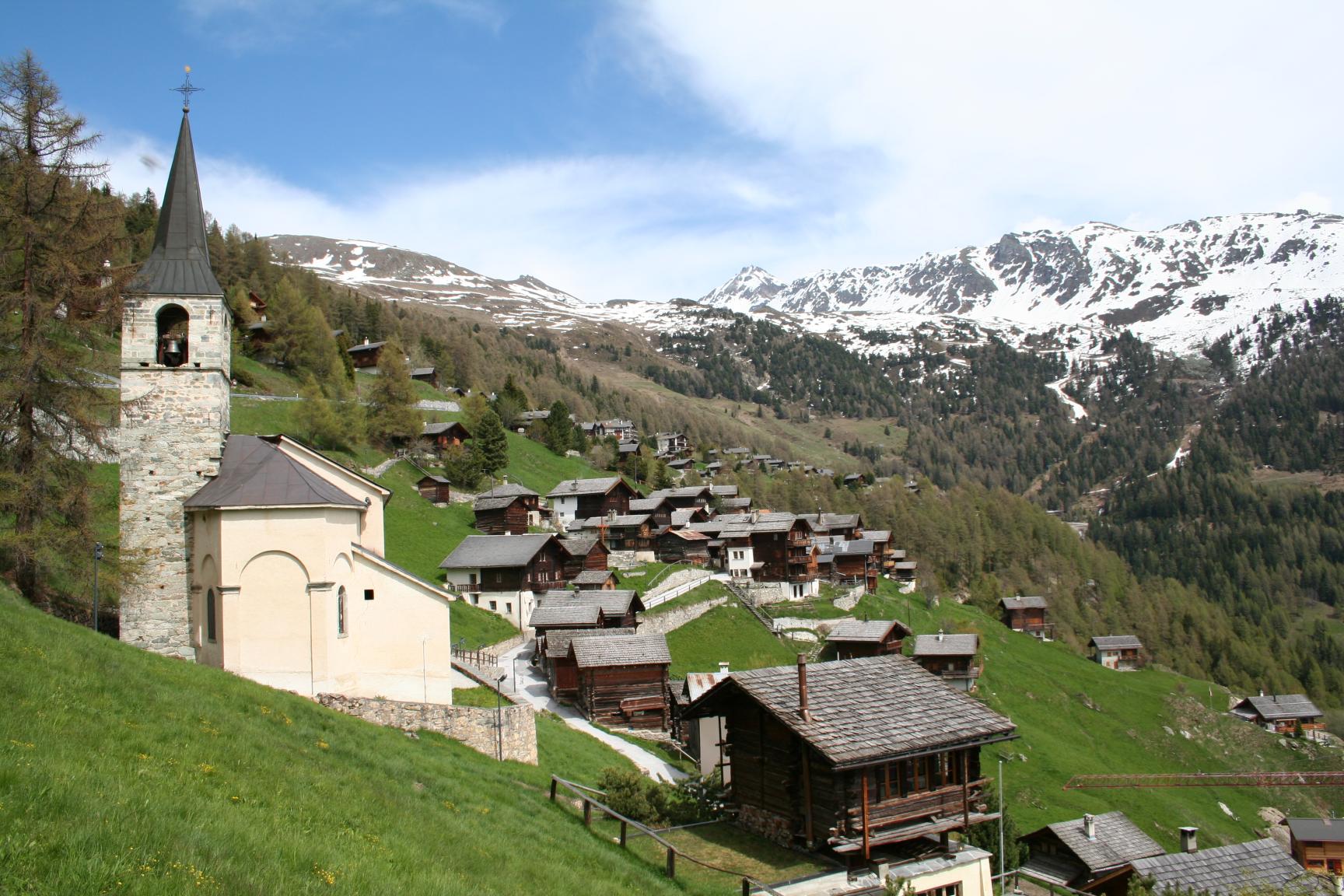
Are you interested in astronomy, stargazing and the mysteries of the Universe? Then this trip is for you. Under the guidance of science educators, you’ll learn how to use telescopes, take astrophotography shots and take part in a real-life sky-survey project in collaboration with the François-Xavier Bagnoud Astronomical Observatory in Saint-Luc. All participatory science trips here
Are you fascinated by the sky and the stars? Would you like to unravel the mysteries of the universe? Set off to explore the cosmos at a science camp in the Val d’Anniviers in Switzerland. Thanks to the Stars Finders programme. During this summer camp, you’ll learn how to observe the sky, use telescopes and the basics of astrophotography. Depending on age and individual levels of astronomy knowledge, two groups will be formed: one will focus on discovery and an introduction to the subject, whilst the other will delve deeper into the detection of exoplanets. Children in the discovery group will learn to recognise the constellations and the North Star. They will be introduced to using a telescope. They will understand how the various objects in the universe were formed, what an exoplanet is…
Detection of exoplanets
Those in the advanced group will take part in the scientific research project, using photometry to detect exoplanets. They will learn what an exoplanet is and how they are detected, before being trained in the basics of photometry – specifically, measuring a star’s brightness using a camera attached to a telescope. The exoplanets detected will be catalogued as part of the Exoplanet Transit Database programme, which seeks to answer the following questions: what do exoplanets look like? What are the chances of finding a system similar to the solar system? Are we alone in the universe?
- This trip is organised in collaboration with the François Xavier Bagnoud Astronomical Observatory in Saint Luc.
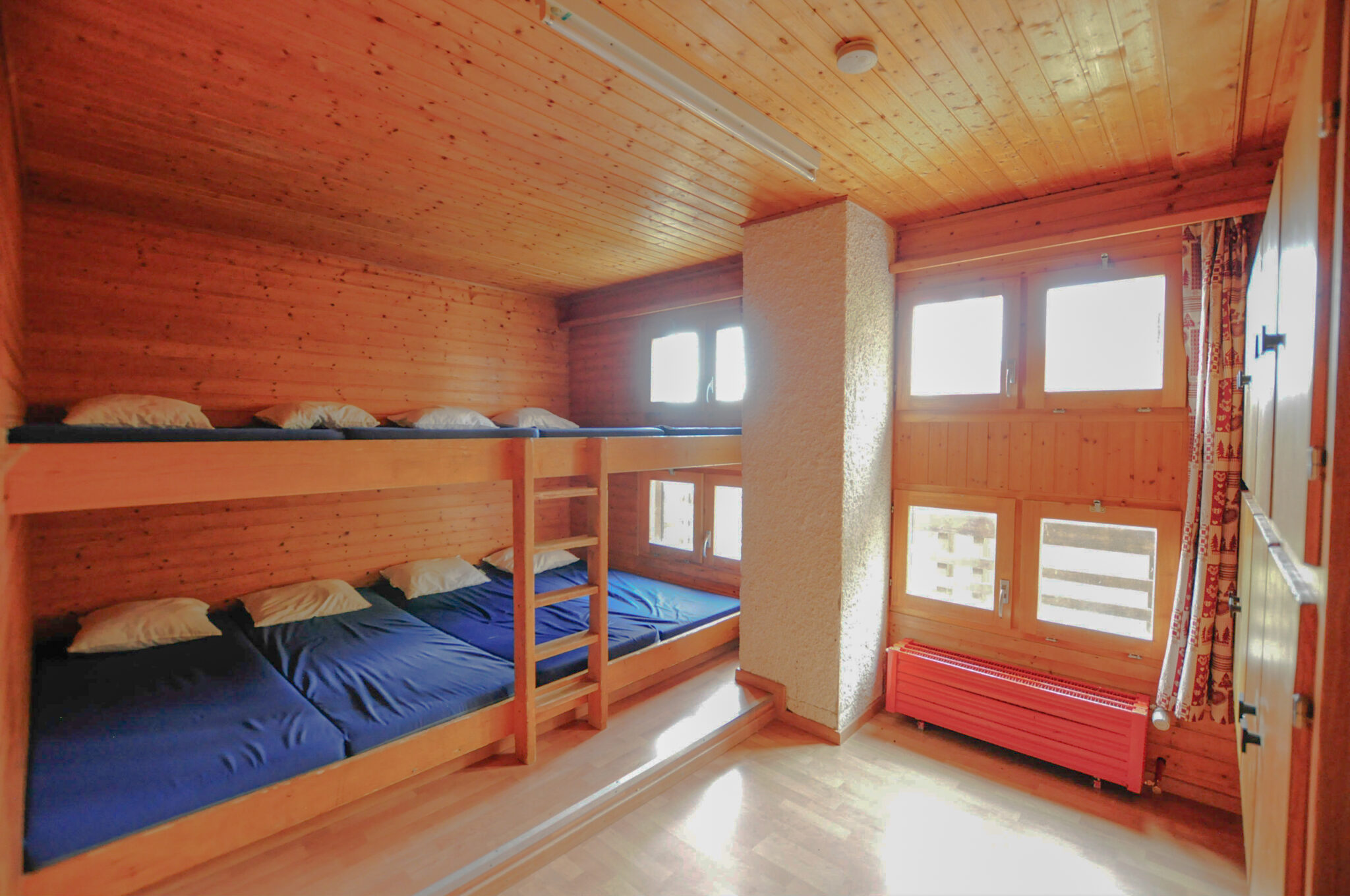
- Accommodation in the Val d’Anniviers at the Auberge Les Choucas, with one night spent camping.
Objective of the Star Finders mission
- Introduce participants to astronomy and stargazing: constellations, stars and exoplanets.
- Explore further using photometry and astrophotography techniques: measuring the brightness of stars (transit method) to detect or supplement data on exoplanets.
- Contribute to a scientific database via the Exoplanet Transit Database programme: measure the transits of already known exoplanets in order to gain a better understanding of stellar systems.
- To raise awareness of Earth’s place in the Universe and the importance of public participation in scientific observation.
Activities & typical programme
- Observation evenings: setting up telescopes, selecting targets, collecting light curves or photographs.
- Level 1 introductory course: exploring the night sky, learning about astronomical instruments, identifying constellations, and setting up a telescope.
- Advanced course (Level 2/3): photometry techniques, astrophotography, image processing, analysis of light curves.
- Daytime sessions: preparing for the evening (checking the weather, setting targets, organising activities), scientific or recreational activities in the afternoon, games and evening gatherings.
- High-altitude camp (once a week) for total immersion in the mountain environment and optimal observation.
DATES
- From 5 July 2026 to 12 July 2026
- From 5 July 2026 to 19 July 2026
- From 12 July 2026 to 19 July 2026
- From 12 July 2026 to 26 July 2026
- From 19 July 2026 to 26 July 2026
- From 19 July 2026 to 2 August 2026
- From 26 July 2026 to 2 August 2026
- PRICES
- 1 week: €1,190
- 2 weeks: €2,290
Stay eligible for tax deduction*
Tax Deduction *
The partner NGO is recognized for the high-quality, meaningful, educational, and solidarity-based nature of its programs and training courses dedicated to achieving the Sustainable Development Goals.
The NGO operates on a donation-action principle: a person makes a donation and takes part in one of the NGO’s activities. Please note that the donor and the participant may be two different people.
As such, the cost of the training course or scientific expedition may be tax-deductible up to 66% in France, in accordance with current French tax regulations.
Skills / recommended profile:
- Interest in astronomy, photography and citizen science.
- Age: children (aged 7 and over) to adults, depending on the session.
- Reason for observing at night (the main activities take place at night).
- Good physical condition required for daytime hiking in the mountains and overnight camping at high altitude.
Accommodation & logistics
- Accommodation at Auberge Les Choucas, a friendly hostel in the Val d’Anniviers, offering dormitory-style rooms (for 4 to 10 people) with communal areas.
- Transport: the valley is served by a chairlift, a funicular and post buses – good access whilst keeping the carbon footprint to a minimum.
- Altitude: ~2,000 m for the village of Chandolin, camping at around 2,600 m and higher.
- A balanced diet.
- Chairlift approx. 50 m away, convenient access to mountain activities.
Supervision
- Supervision by science educators. Scientific partnerships, notably with the Geneva Observatory.
Educational benefits & expected outcomes
- Introduction to astronomy: the solar system, stars, exoplanets, transits, radial velocities, photometry.
- Development of technical skills: setting up and using instruments, taking astrophotographs, image processing, scientific analysis.
- Raising awareness of participatory research, the value of Earth in the Universe, and scientific rigour.
- Building team spirit, independence (camping) and observational skills.
- For younger participants: an introduction to scientific careers, or simply a chance to discover science and the universe.

About our partner NGO
The partner NGO holds Special Consultative Status with the UN (ECOSOC) and is a member of the AAAS Science and Human Rights Coalition. Specialising in science trips, science and participatory research, the NGO believes that education is the driving force behind the Sustainable Development Goals. It offers a range of participatory science trips for both adults and children.
