Français
 English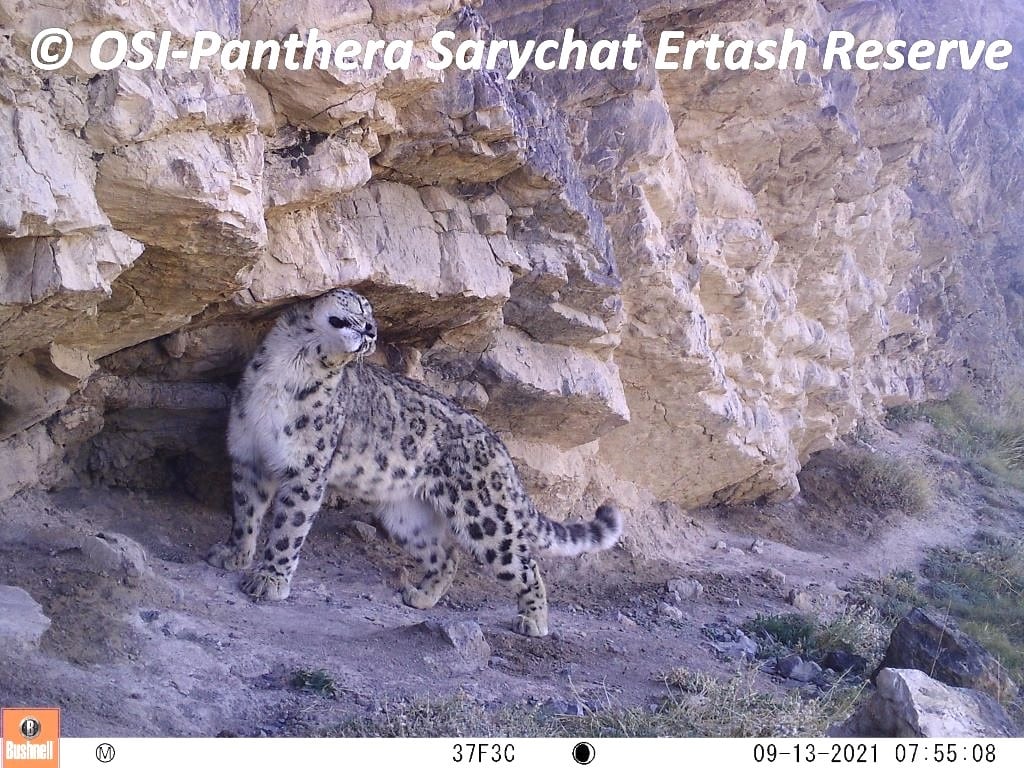
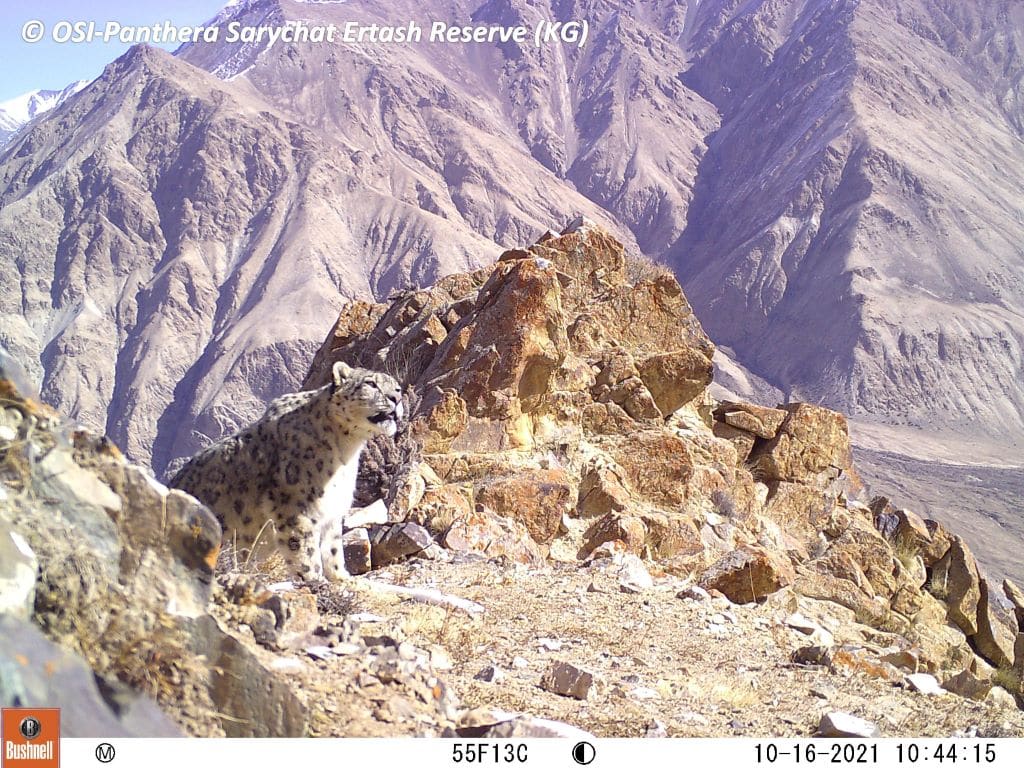
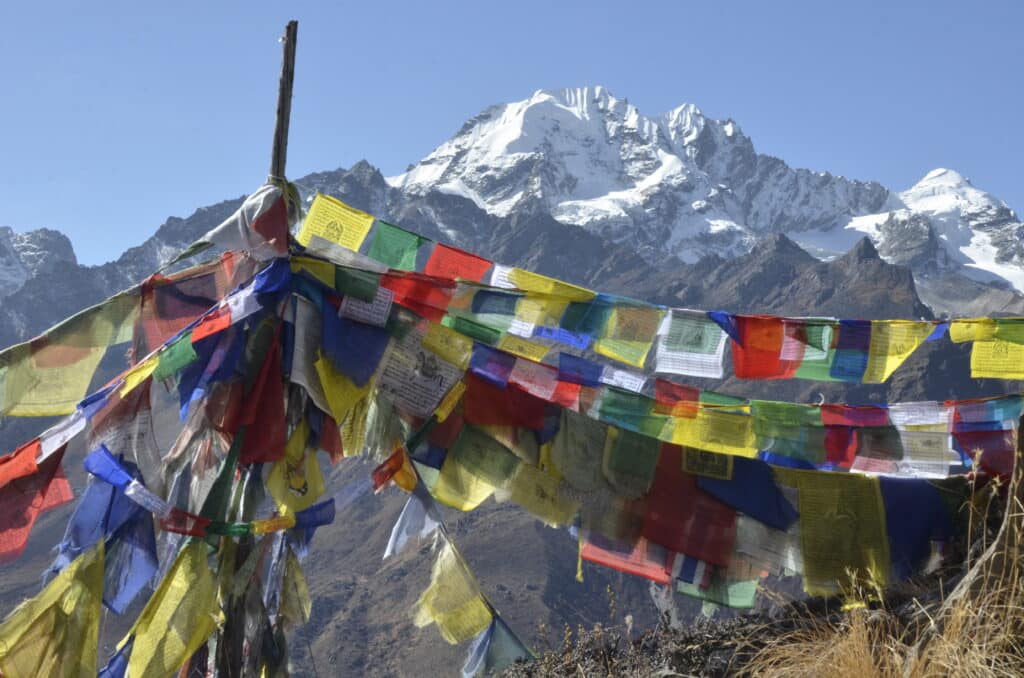
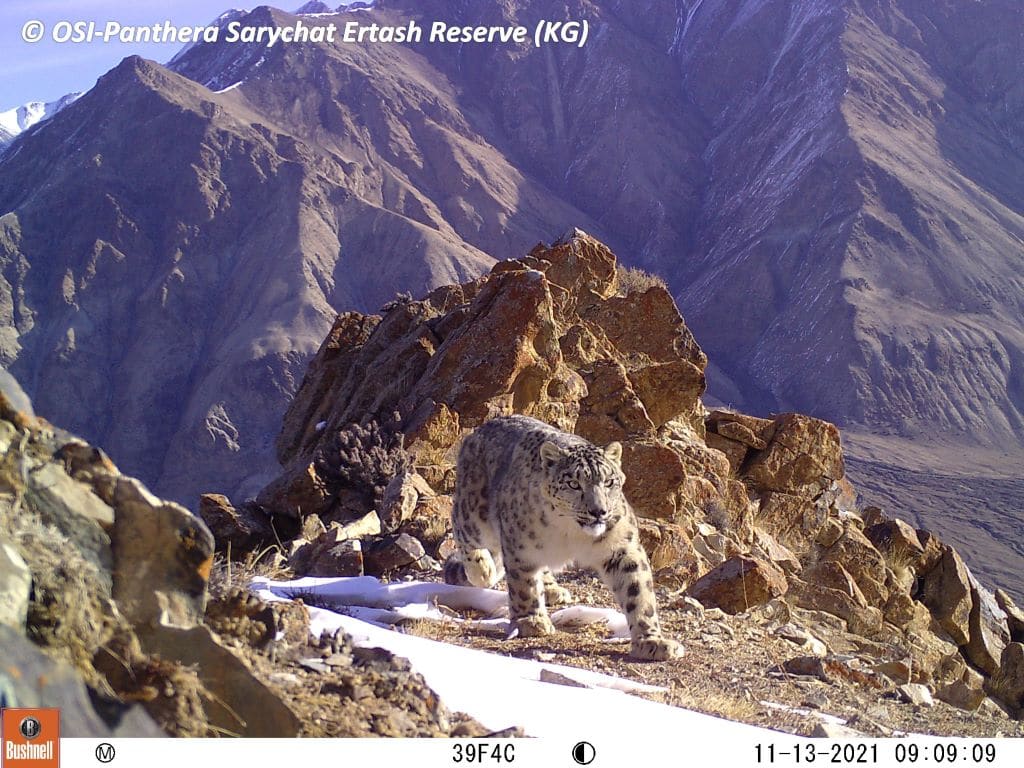
Take part in research into one of the world’s most iconic big cats, in Nepal, in the heart of the Himalayas: the snow leopard.
In the footsteps of the snow leopard in Nepal. Embark on an adventure in the heart of the Himalayas to study the snow leopard and discuss environmental conservation issues with the local community.
In the footsteps of the snow leopard in Nepal
The snow leopard is one of the world’s most enigmatic big cats. It lives in remote and hard-to-reach areas across a dozen Asian countries. Between 300 and 500 individuals currently live in Nepal. The snow leopard, also known as the ‘once’ or ‘himchitouw’ (in Nepali), is an integral part of Nepali culture. However, the snow leopard is currently endangered. It is suffering from the degradation of its natural habitat due to human activities. It is a victim of poaching and the conflicts this causes with livestock farmers.
Non-invasive monitoring of the snow leopard
The NGO you will be working with has been running a snow leopard research programme since 2006. The aim of this programme is:
- Non-invasive monitoring of snow leopard (Panthera uncia) populations and Himalayan wildlife.
- Populating a database in partnership with the reserves and local stakeholders.
- Raising awareness of biodiversity conservation among participants in the field trip and local communities.
- Support for those involved in nature conservation in Nepal.
Your contribution to the snow leopard project in Nepal
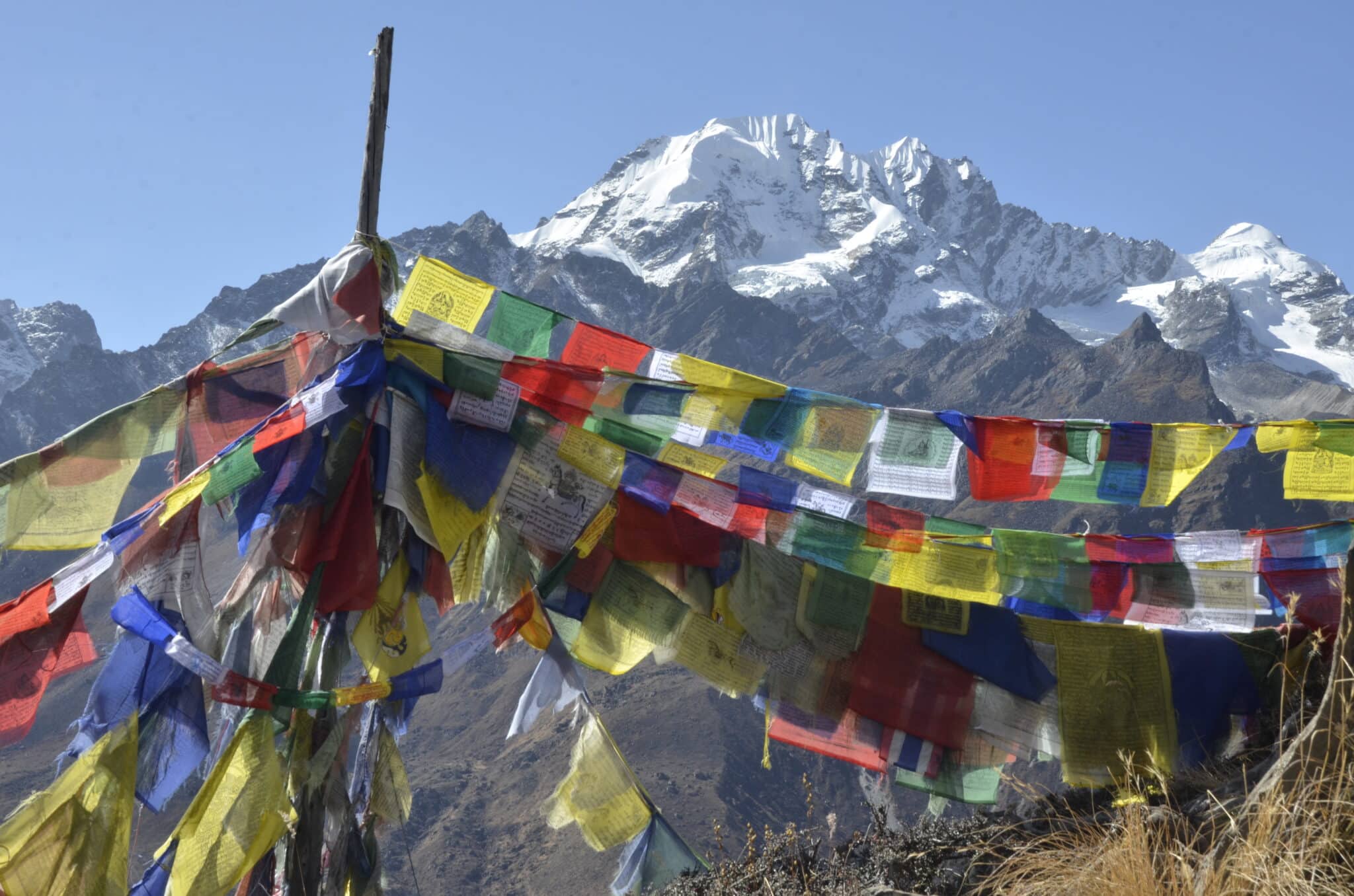
The expedition takes place either in the Langtang National Park, located north of Kathmandu along the Tibetan border, or further south around the Gosaikunda lakes.
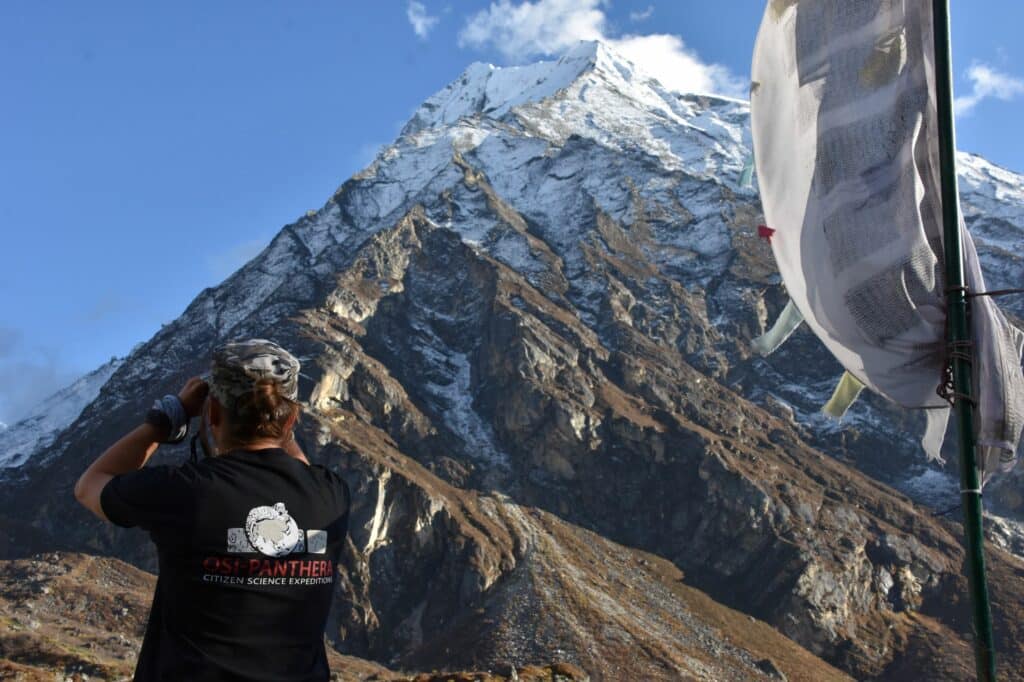
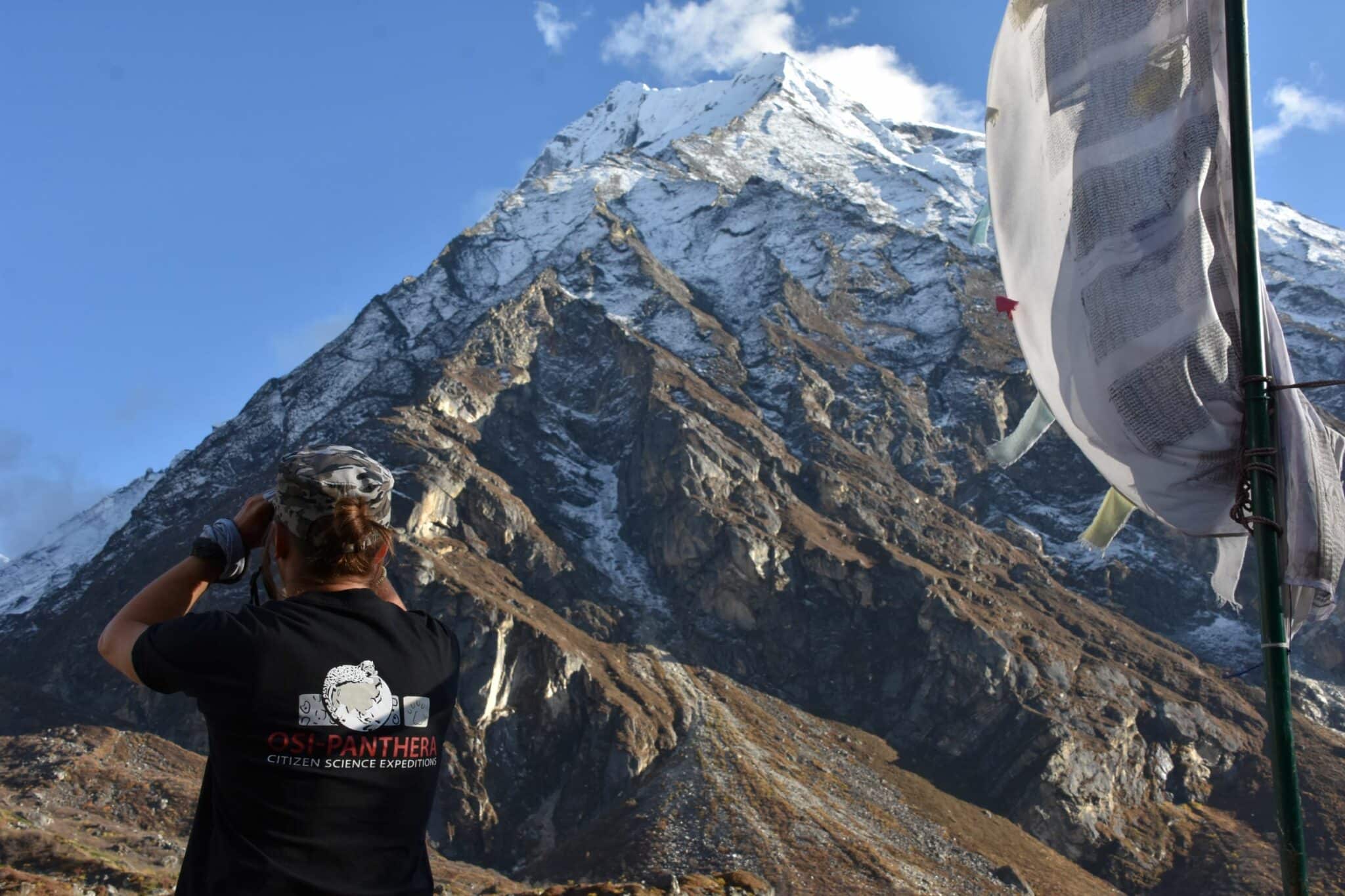
Every day, in small groups accompanied by science educators and Nepalese guides, you will explore the mountains of the Nepalese Himalayas to gather data on the snow leopard. The main objective of the project is to provide evidence of the presence of this mountain phantom in the areas under study.
In the heart of the Himalayas
The aim of this expedition is also to study the flora and fauna of the nature reserve. The park is home to a rich variety of wildlife, including over 50 species of mammals, 345 species of birds, numerous amphibians and reptiles, 30 species of fish and 55 species of butterflies. On the lookout for the slightest sound or movement, you’ll explore the heart of the mountains equipped with binoculars, a GPS and a notebook to locate and observe wildlife. You’ll also be tasked with taking part in two outreach sessions with the local community on the importance of preserving biodiversity.
- From 19 April 2026 to Thursday 7 May 2026 – 19 days in the Langtang Reserve
- From 18 October 2026 to 31 October 2026 – 14 days at the Gosaïkunda campsite
- From 18 April 2026 to 6 May 2026 – 14 days in the Langtang National Park
- From 17 October 2026 to 30 October 2026 – 19 days at the Gosaïkunda campsite
- Price: €5,160 for 19 days, €3,790 for 14 days – Tax relief may be available *
Tax Deduction *
The partner NGO is recognized for the high-quality, meaningful, educational, and solidarity-based nature of its programs and training courses dedicated to achieving the Sustainable Development Goals.
The NGO operates on a donation-action principle: a person makes a donation and takes part in one of the NGO’s activities. Please note that the donor and the participant may be two different people.
As such, the cost of the training course or scientific expedition may be tax-deductible up to 66% in France, in accordance with current French tax regulations.
- Open to adults, families with children aged 14 and over, and unaccompanied minors aged 16 and over.
- Zero waste: one of the principles of this expedition is to leave no trace behind. Everyone takes their rubbish home with them.
- Fitness level: these treks are suitable for everyone, with a choice of ‘Active’, ‘Comfort’ and ‘Family’ options, and take place in favourable weather conditions in spring and autumn. You’ll walk for around 5 hours a day in the mountains, on easy-to-walk trails. Depending on the type of trip you choose, you may cover an elevation gain of up to 1,000 metres.
- French-speaking support
- Motivation is key! This trip requires active participation to ensure the success of the NGO’s scientific project.
Accommodation and meals
On arrival in Bhaktapur, you will stay in the heart of the old town with two potter brothers who will introduce you to their craft.
In Kathmandu, both on the way there and back, you will be staying at the Yellow House, just a few minutes’ walk from the lively Thamel district.
During your first few days in the reserve, you will sleep in small traditional Nepalese dwellings. These accommodations are basic but comfortable. They provide access to a bed and a shower. You will enjoy delicious meals carefully prepared by your hosts.
When you venture outside the towns and villages, you will sleep in tents amidst the tranquillity and beauty of the Himalayan mountains. A large tent provides a space to share convivial meals and lively evenings around the fire with the whole Franco-Nepalese team.
The venue
The Langtang
Nature Reserve Located north of Kathmandu, along the Tibetan border, the Langtang Nature Reserve offers a wide variety of landscapes and is home to a rich biodiversity. Langtang National Park is one of Nepal’s 12 national parks. It opened in 1976 and was the very first national park in the Himalayas.
Gosainkunda is known for its lakes, one of which lies at an altitude of 4,380 metres. Legend has it that the lake was formed when Shiva pierced the earth with his trident (trishula), after he had drunk the poison from the churning of the cosmic ocean (Samudramanthan) and desperately sought cold water to quench the overwhelming heat of the poison. Lake Gosaikunda and its associated wetlands were designated a Ramsar site on 23 September 21007.
- This unique solidarity trip in the footsteps of the snow leopard in Nepal is one of a kind. You’ll embark on a scientific adventure in the heart of the Himalayas.
- You are fully committed to studying the snow leopard and its habitat.
- You’ll receive support in French, whilst interacting with the local community.
- Your actions are making a real difference. It is thanks to this citizen science expedition that the snow leopard is being studied and protected in this part of the world.
- You are sharing a collective and personally transformative journey.
- You develop patience and humility.
All reviews of Objectif Sciences International’s missions

About our partner NGO
The partner NGO holds Special Consultative Status with the UN (ECOSOC) and is a member of the AAAS Science and Human Rights Coalition. Specialising in science trips, science and participatory research, the NGO believes that education is the driving force behind the Sustainable Development Goals. It offers a range of participatory science trips for both adults and children.