Français
 English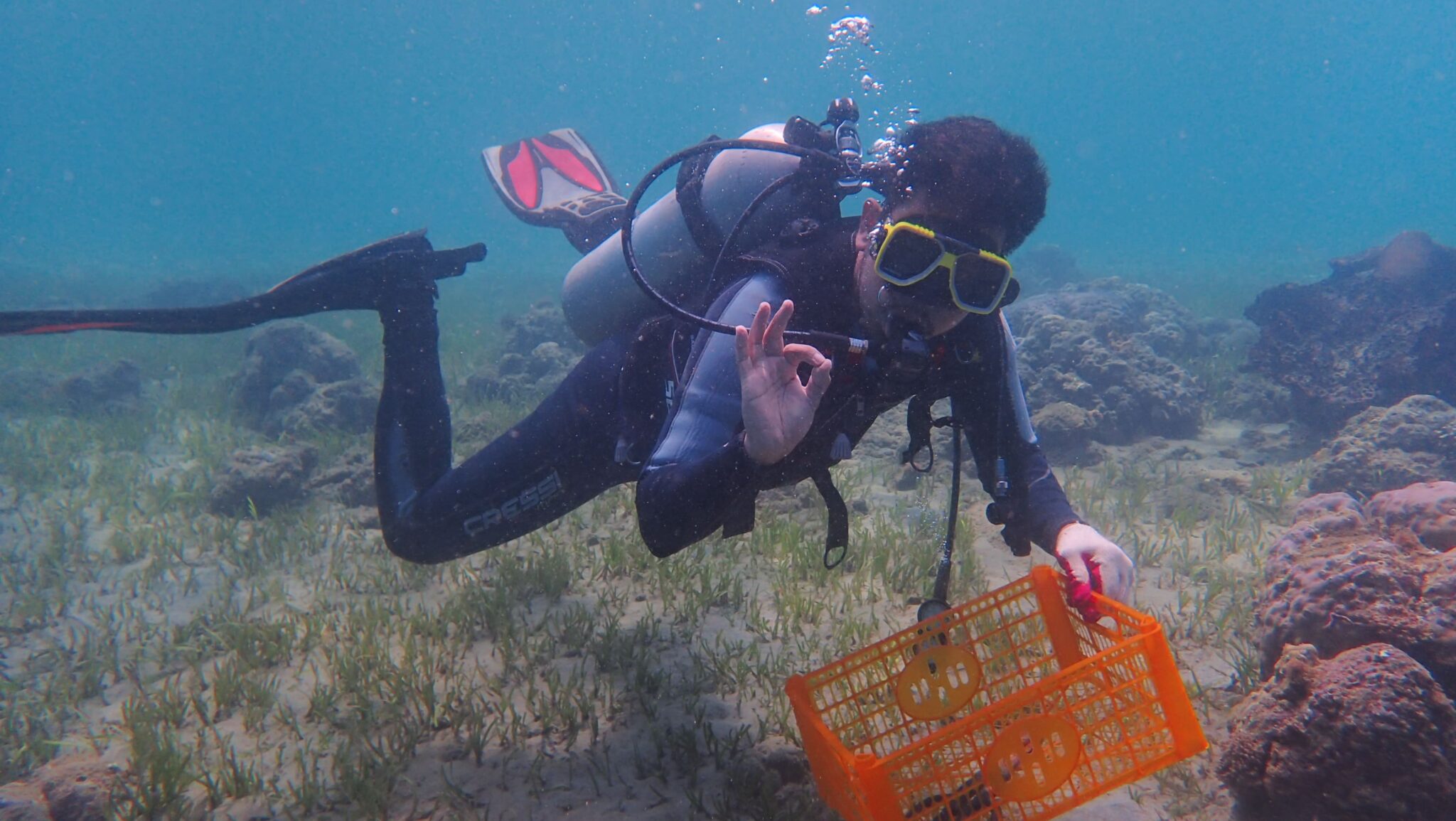




Dive into the heart of the Coral Triangle and help protect one of the planet’s richest and most threatened marine ecosystems. As an eco-volunteer, you’ll take part in citizen science dives to help restore coral reefs and raise awareness among local communities about sustainable marine management. See all missions to protect coral reefs here.
Protecting a fragile treasure trove of biodiversity
At the heart of the Coral Triangle, the Konawe region in the south-east of the Indonesian island of Sulawesi boasts an underwater world of inestimable richness. Yet this exceptional ecosystem is under threat: mining is destroying habitats, plastic waste is polluting the waters, and invasive species are threatening local biodiversity.
In response to the threats facing Konawe’s marine ecosystems, our partner has launched the “Marine & Coastal” project to protect these underwater treasures and preserve the fragile balance between humans and the aquatic world. The project’s objectives are:
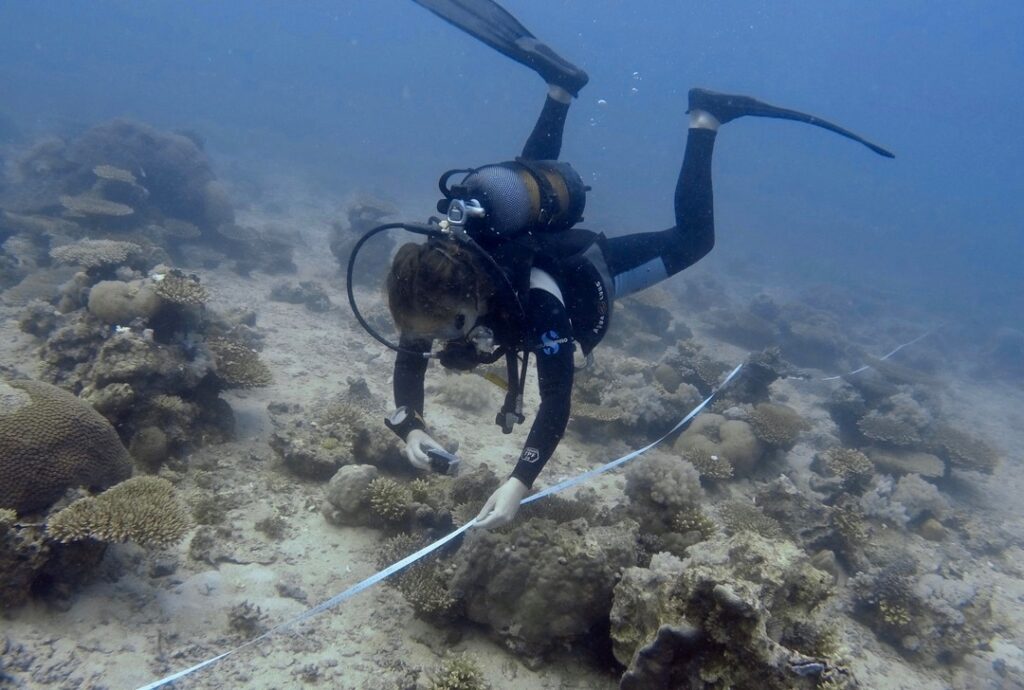
- Ecological research and monitoring: our partner carries out rigorous monitoring of marine biodiversity, particularly the condition of coral reefs, through observation, data collection and analysis in accordance with established scientific protocols.
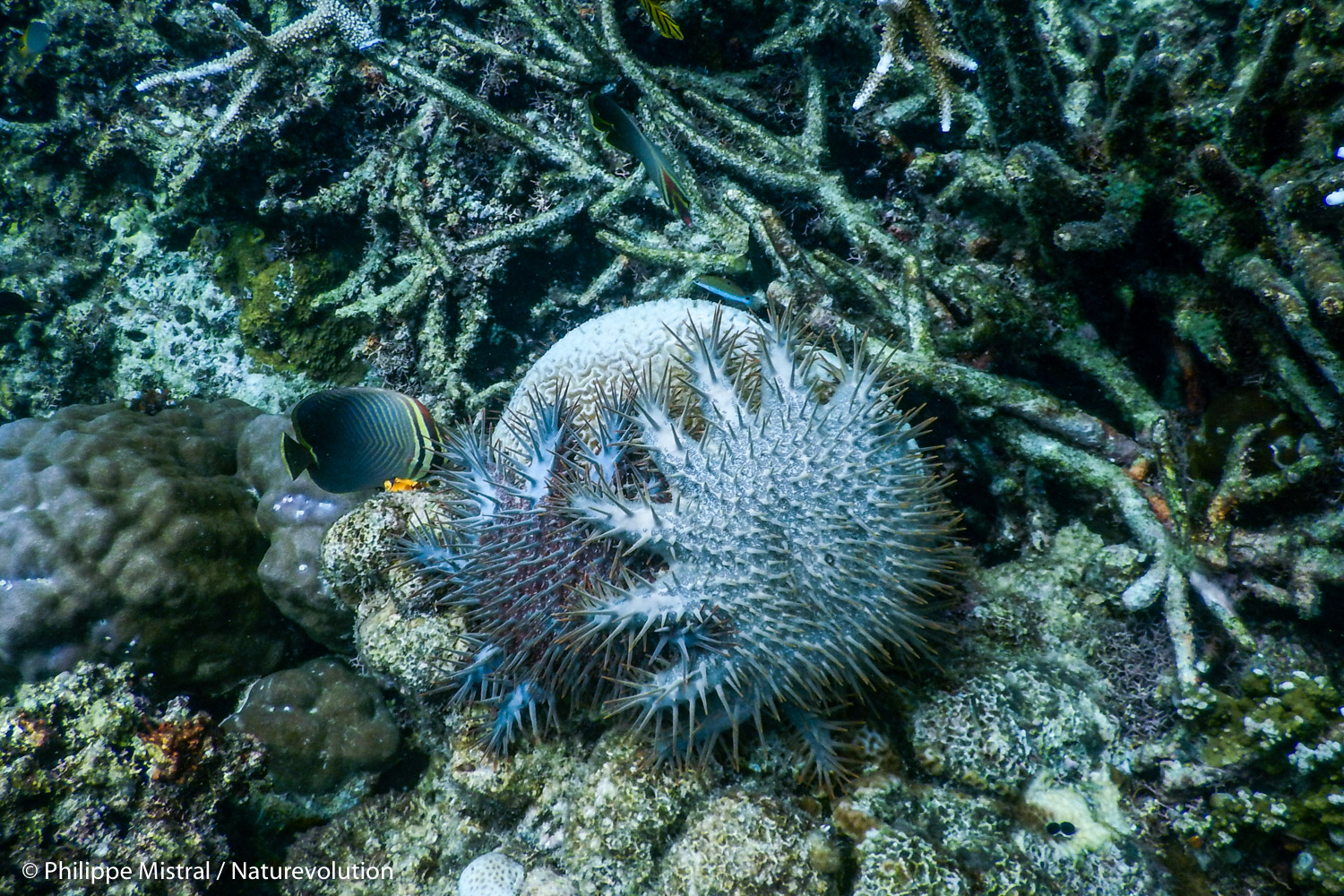
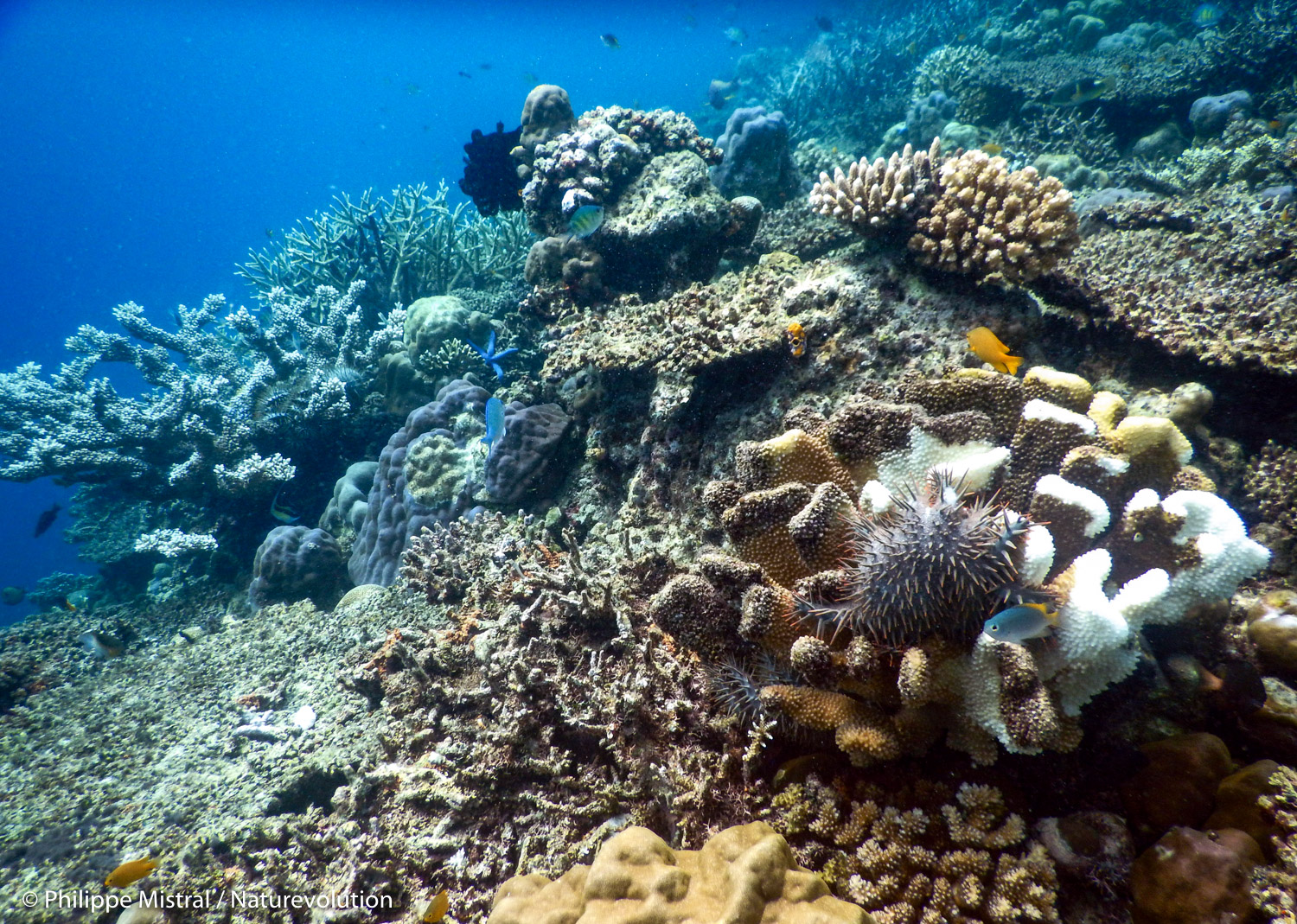
- Restoration and protection of ecosystems: initiatives aim to rehabilitate coral reefs, promote their regeneration and combat the spread of the crown-of-thorns starfish, an invasive species that destroys coral.
- Community awareness and engagement: working with local communities to build their capacity in the sustainable management of marine resources, promote responsible fishing practices and organise awareness-raising workshops.
- Advocating for sustainable development: by influencing decision-makers, our partner promotes eco-friendly tourism and the sustainable management of fish stocks, thereby ensuring food security for local communities and the preservation of biodiversity.
- Raising global awareness: the threats to the seabed are global in nature, and our lifestyles have a direct impact on these distant ecosystems. It is essential to educate and engage people around the world on these environmental issues to encourage commitment across borders.
The work of eco-volunteer divers
This citizen science diving expedition is part of the “Marine & Coastal” project. You will be directly involved in the following activities:
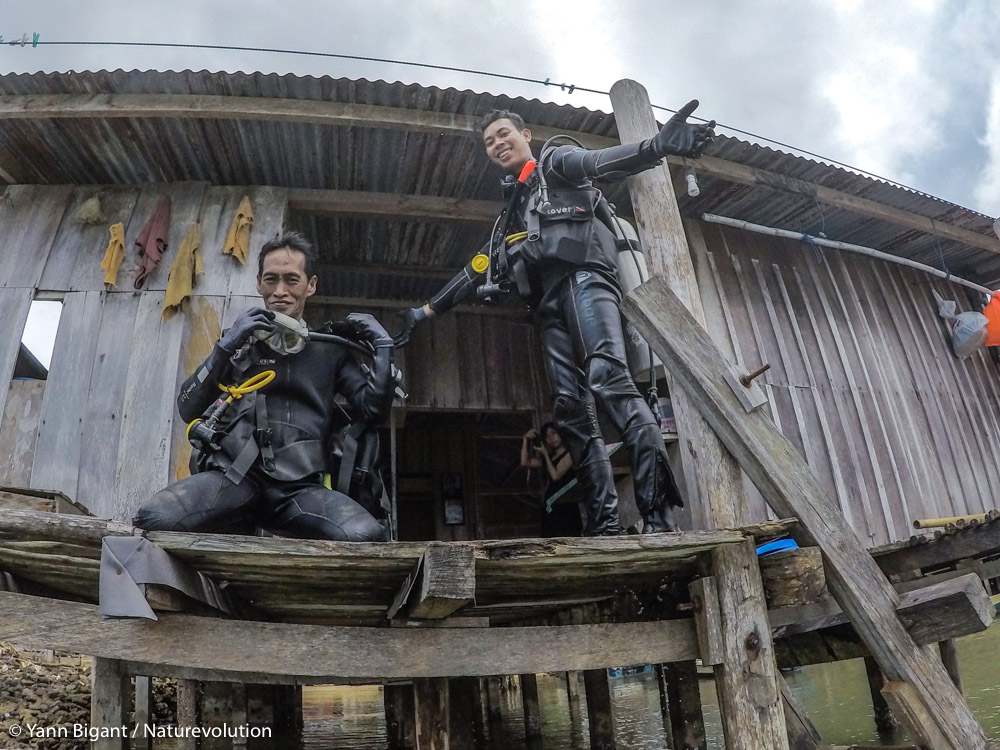
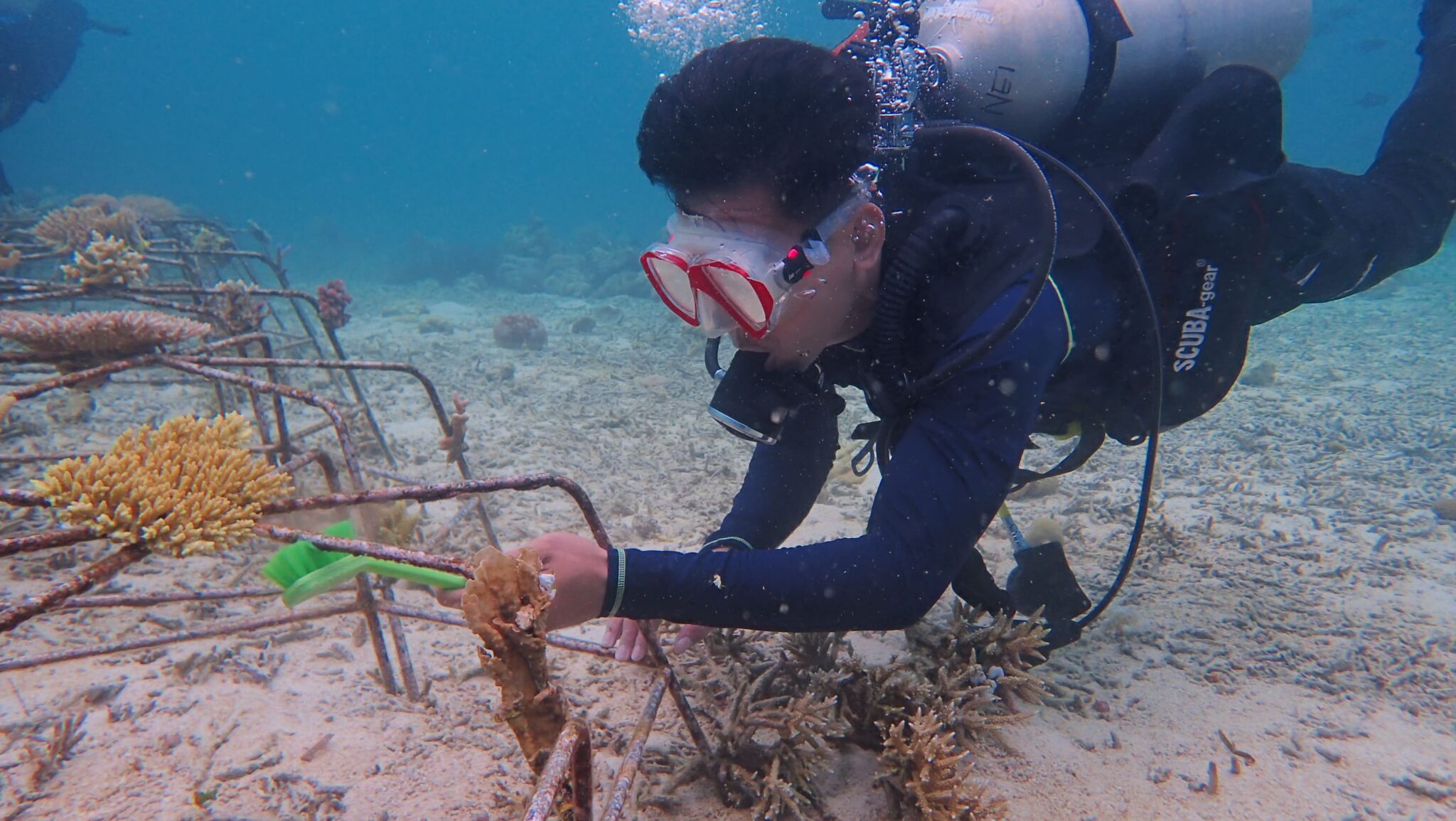
- Ecological monitoring: You will take part in scientific dives to survey underwater flora and fauna and monitor the condition of coral reefs.
- Combating invasive species: you will help manage crown-of-thorns starfish, which threaten the survival of coral reefs.
- Raising awareness among local communities: you will take part in workshops and discussions to promote the sustainable management of marine resources.
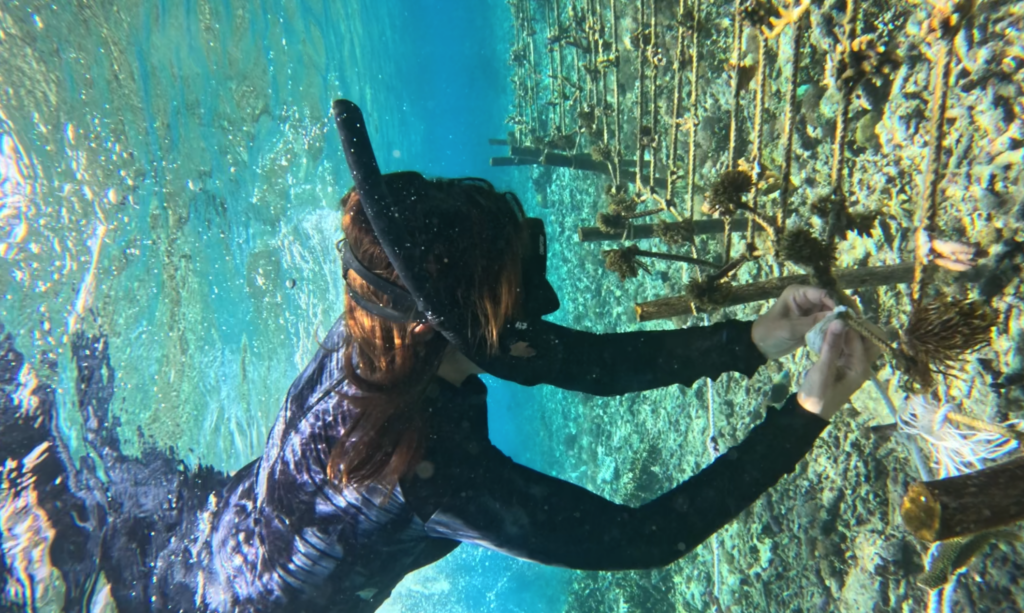
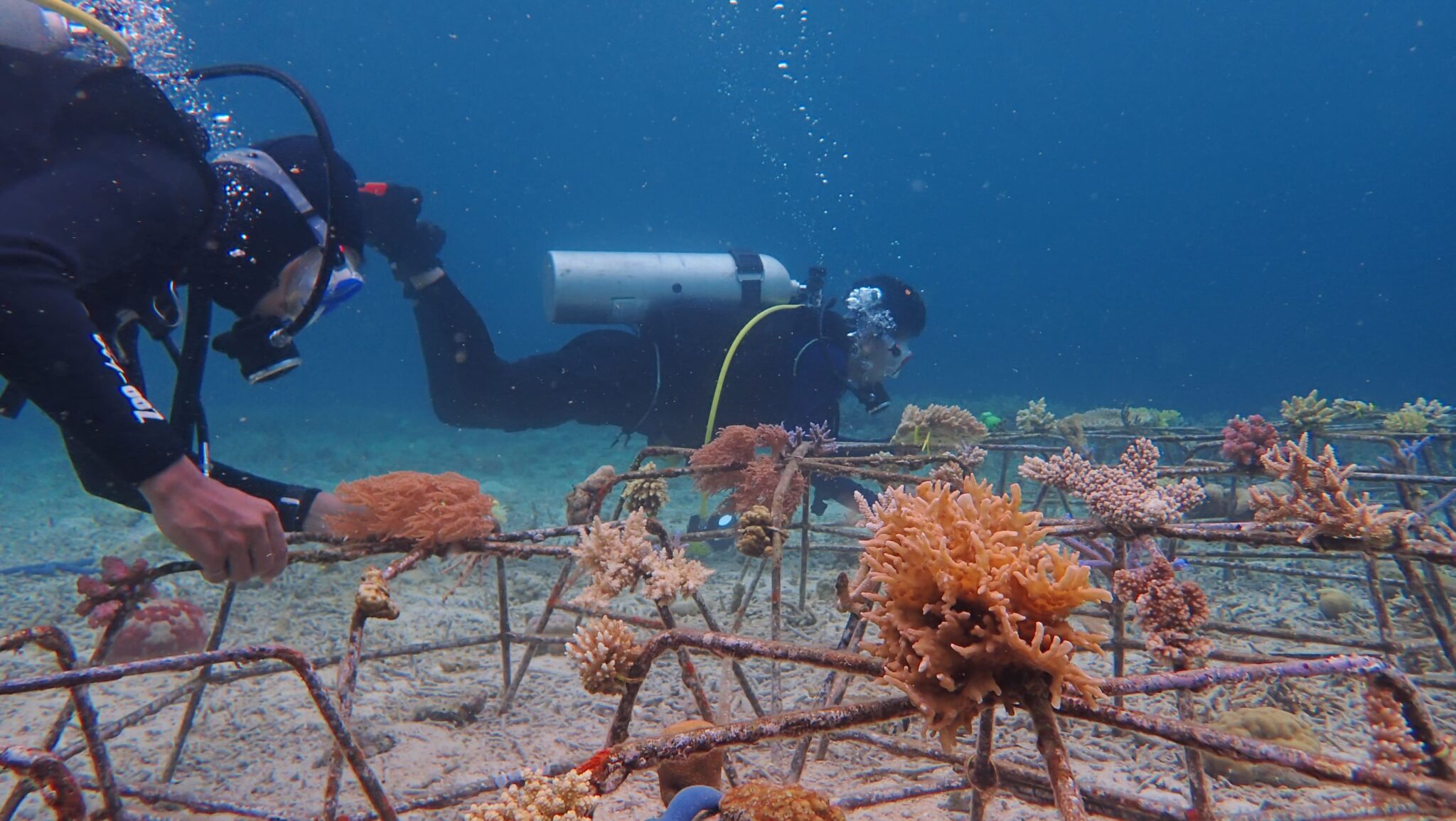
- Ecosystem restoration: you will help to replant mangroves and regenerate damaged coral reefs.
If you wish, you can also
Creating artistic and/or audiovisual content: If you have artistic and/or audiovisual skills (video, photography, illustration, content creation, etc.), you can keep a diary or capture the beauty of the surroundings. Your perspective will help to inspire wonder, raise awareness and highlight the work of Naturevolution Indonesia in preserving marine ecosystems.
|
Departure from Kendari |
Return from Kendari |
Duration |
Fee |
|---|---|---|---|
|
9 November 2026 |
20 or 27 November 2026 |
3 weeks |
2 weeks : Scuba Diving Option : €2,200 Snorkelling option: €1,800 / 3 weeks Scuba Diving Option : €3,000 Snorkelling option: €2,500 |
|
7 December 2026 |
18 December 2026 |
2 Weeks |
Scuba Diving Option €2,200 Snorkelling option: €1,800 |
|
21 December |
January 1st 2027 |
2 Weeks |
Scuba Diving Option €2,200 Snorkelling option: €1,800 |
|
22 March 2027 |
2 April 2027 |
2 weeks |
Scuba Diving Option : €2,200 / snorkelling option : €1,800 |
|
19 April 2027 |
30 April 2027 |
2 weeks |
Scuba Diving Option €2,200 Snorkelling option: €1,800 |
|
14 June 2027 |
25 June 2027 |
2 weeks |
Scuba Diving Option €2,200 Snorkelling option: €1,800 |
|
9 August 2027 |
20 or 27 August 2027 |
2 ou 3 weeks |
2 weeks : Scuba Diving Option : €2,200 Snorkelling option: €1,800 / Snorkelling option: €2,500 |
|
13 September 2027 |
24 September 2027 |
2 weeks |
Scuba Diving Option €2,200 Snorkelling option: €1,800 |
|
22 November 2027 |
3 December 2027 |
2 weeks |
Scuba Diving Option €2,200 Snorkelling option: €1,800 |
|
20 December 2027 |
31 December 2027 |
2 weeks |
Scuba Diving Option €2,200 Snorkelling option: €1,800 |
All costs associated with your assignment, including airfare, are tax-deductible: up to 66% for individuals, 75% if you are liable for the IFI, and 60% for businesses.
- 2 people = 10% discount
- 3 people = 15% discount
- 4 people = 20% discount
Not included in the price
- International flight + airport taxes
- Personal equipment (tent, clothing, footwear, sleeping bags, water bottle, rucksack, headlamps, etc.)
- Antimalarial drugs and vaccines
- The visa
- Additional drinks and snacks, as well as souvenirs
- Hotel accommodation and any other expenses incurred outside the official dates of the mission
- Cancellation insurance for your flight tickets
Included in the price
- Logistics costs:
- Transport*, meals, hotel accommodation
- The on-site mission management team
- The equipment required to carry out the mission
- Planning ahead to ensure everything goes smoothly during your stay
* It should be noted that transport is the main cost item because: hiring the motorboat needed to reach the Sombori-Labengki archipelago and carry out our operations there is relatively expensive. The canoe journeys along the Lalindu River to reach the Matarombeo massif are also very costly.
- Management fees
- Measures to promote the missions
- The administrative processing of registrations
- Repatriation insurance and third-party liability
- Membership of Naturevolution
- Monitoring and evaluating the outcomes and impacts of missions
- Donation to the conservation programme
- Salaries for project staff working in the field throughout the year
- Research and development of strategies and measures aimed at ultimately safeguarding all the region’s ecosystems
- Travel by our teams required for the development of the project
- The day-to-day management and fundraising activities in France, which are essential to the success of the conservation programme
- Purchases and investments that enable the development and smooth running of projects
Beyond your direct actions, your presence is essential to us!
An international civic commitment
As an eco-volunteer, you will help raise awareness of the environmental and social issues facing these areas in France and around the world. As a first-hand witness, you will help highlight the challenges and the actions taken by Naturevolution to address them. You will be part of an initiative promoting citizenship and international solidarity, committing yourself as a “global citizen” to the protection of these last remaining biodiversity sanctuaries and the empowerment of local communities in the region.
Essential financial support
Your participation in the mission constitutes a donation and helps to fund various local and sustainable development initiatives in the areas where our partner operates in Indonesia, Madagascar and France!
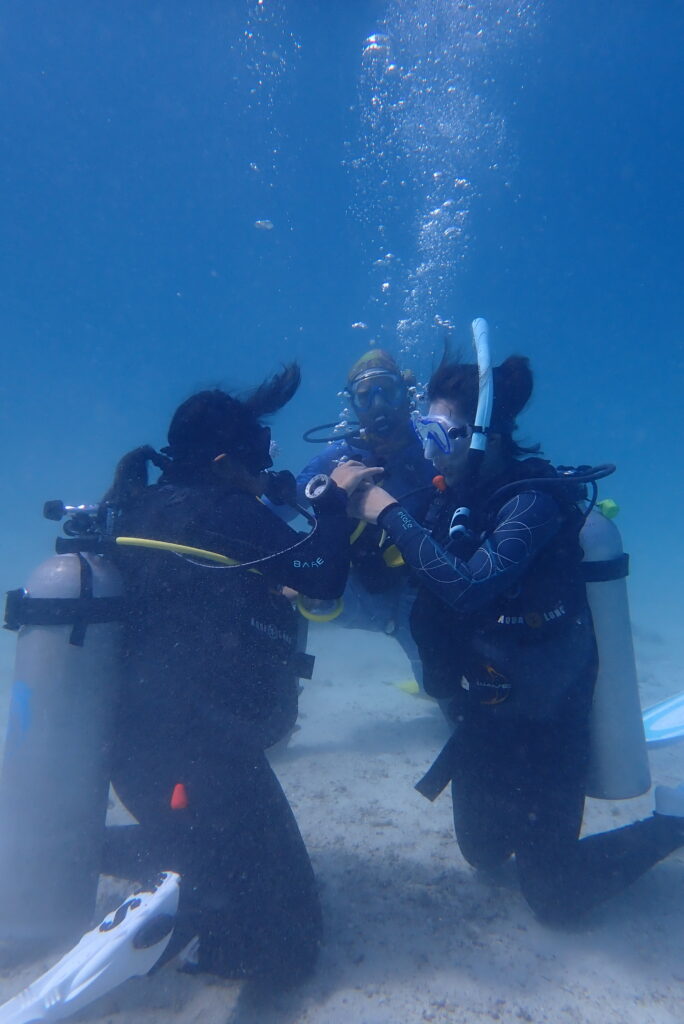
- If you choose the “Diving” option, a Level 3 diving certificate is required. Although you will be supervised by a Divemaster, you must be able to dive independently!
- For the snorkelling option, you must be able to swim
- On-site supervision: our partner’s local team at its Indonesian branch will be responsible for supervising the missions.
- Language skills: it is preferable for eco-volunteers to have a basic knowledge of English so that they can communicate easily with local teams.
- Project activities: activities are determined based on the needs of the “Marine & Coastal” project, as assessed by the local staff responsible for hosting the eco-volunteers. Scientific protocols and specific tasks are finalised one month before departure to best meet the needs on the ground.
- Remote areas: you’ll find yourself immersed in particularly remote and exotic locations, coming into contact with a new culture and new natural ecosystems. You’ll experience a unique adventure, far from your comfort zone and your usual routine, whilst helping to protect Sulawesi’s underwater treasures.
- Unforeseen circumstances and the nature of the assignment: assignments may be subject to unforeseen circumstances and are not organised ecotourism trips! Eco-volunteering is a unique adventure, where your role will vary but will always be of great value.
- Physical fitness: you must be in good physical condition; a prior medical examination is required.
- Knowing how to swim
- No scientific qualifications required: no need for a scientific background or a specific degree – just motivation, enthusiasm and a keen desire to learn!
- What we’re looking for: in short, we’d like you to be cheerful, easy-going and full of energy!
Location
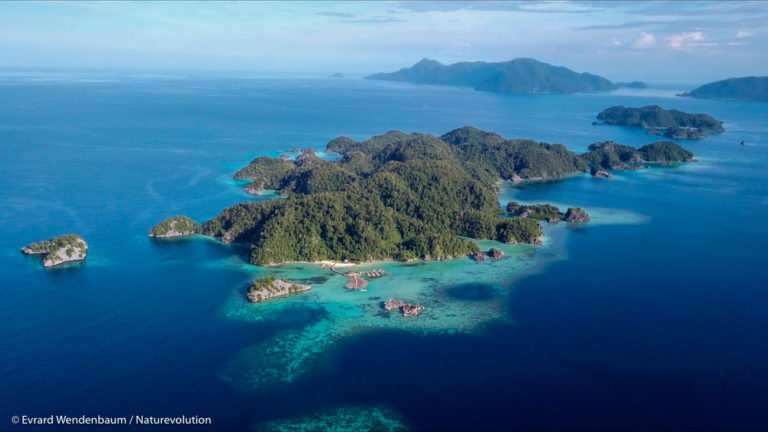
The expedition is taking place in the south-east of the island of Sulawesi, a unique region situated at the heart of the Coral Triangle. This exceptional site comprises a mountainous karst massif and a wild archipelago of idyllic islets. Sulawesi is a veritable sanctuary of biodiversity, home to a wide variety of species with remarkable levels of endemism. In particular, the island boasts the world’s highest concentration of butterflies and some of the richest coral reefs on the planet.
Housing
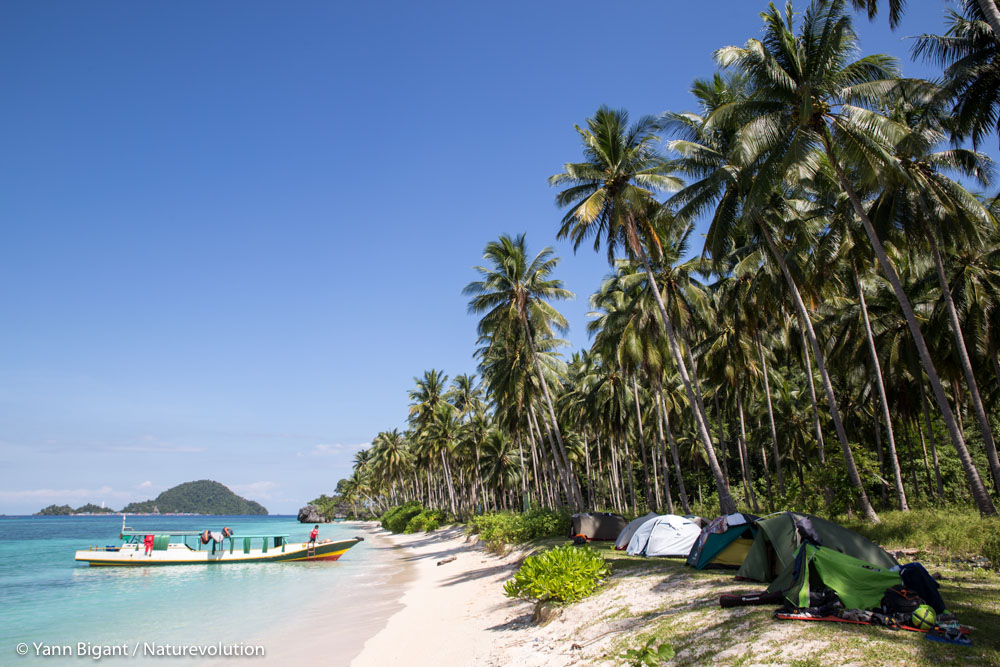
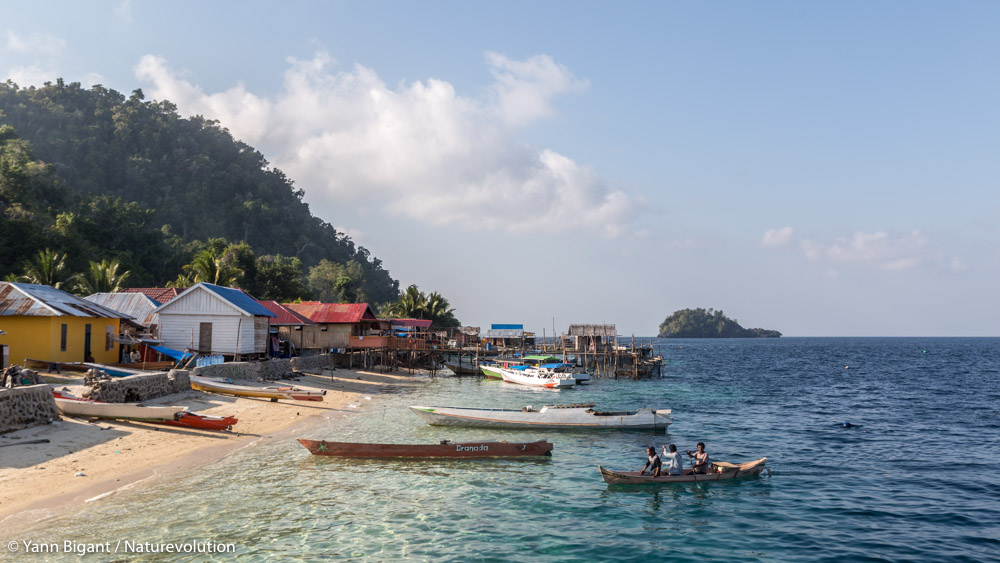
The base camps are set up on various beaches, where you’ll spend most of your time surrounded by nature, by the water’s edge and in the water for diving activities. You’ll sleep in your own tent, lulled by the sound of the waves and beneath a starry sky. We sometimes visit coastal villages to meet local communities and carry out awareness-raising activities. These moments of sharing will allow you to discover the local way of life whilst actively contributing to environmental protection.
Food
Meals consist mainly of produce purchased in Kendari, complemented by fresh fish from local fisheries and locally grown fruit and vegetables. For drinking water, we collect fresh water from wells and rivers, which we filter or boil to ensure it is safe to drink. Some meals are eaten in local villages, allowing us to discover traditional cuisine whilst supporting the local communities.
Transport
The meeting point is on Sunday evening at Kendari Airport (code KDI) or at the hotel, located in Kendari city centre, which is easily accessible by taxi (€7 / 100,000 IDR maximum) if you arrive earlier. A welcome meal will be shared in Kendari, and accommodation for Sunday night is provided. The fieldwork begins on Monday morning. At the end of the trip, you will be brought back to Kendari on Friday evening, where a final night’s accommodation is also covered, so that you can catch your return flight on Saturday morning.
Throughout the trip, travel between the beaches and dive sites will be by local boat. Transport is included in the trip package.
Laundry detergent
As facilities on site are fairly basic, there is no standard laundry service. Clothes will be washed by hand using an eco-friendly natural soap and local water, so we recommend bringing lightweight, quick-drying clothing.
Wi-Fi
As the site is particularly remote, there is little Wi-Fi available on site. This placement offers a unique opportunity to switch off, fully immerse yourself in the eco-volunteering experience, and focus on the environment and conservation work without any digital distractions!

About our partner organisation
Since 2009, our partner organisation has been actively working to protect and promote the last remaining threatened biodiversity hotspots, notably the Makay Massif (Madagascar) and the island of Sulawesi (Indonesia), two areas of exceptional ecological richness. Born out of scientific and naturalist expeditions, our partner works hand in hand with local and international interdisciplinary researchers to study and document the richness of these unique ecosystems. At the same time, the organisation works closely with local communities to develop a holistic approach to sustainable development, focusing on social, environmental and economic aspects. Through documentaries, exhibitions and educational programmes, our partner introduces these areas to the general public and raises awareness of the urgent need to protect them.