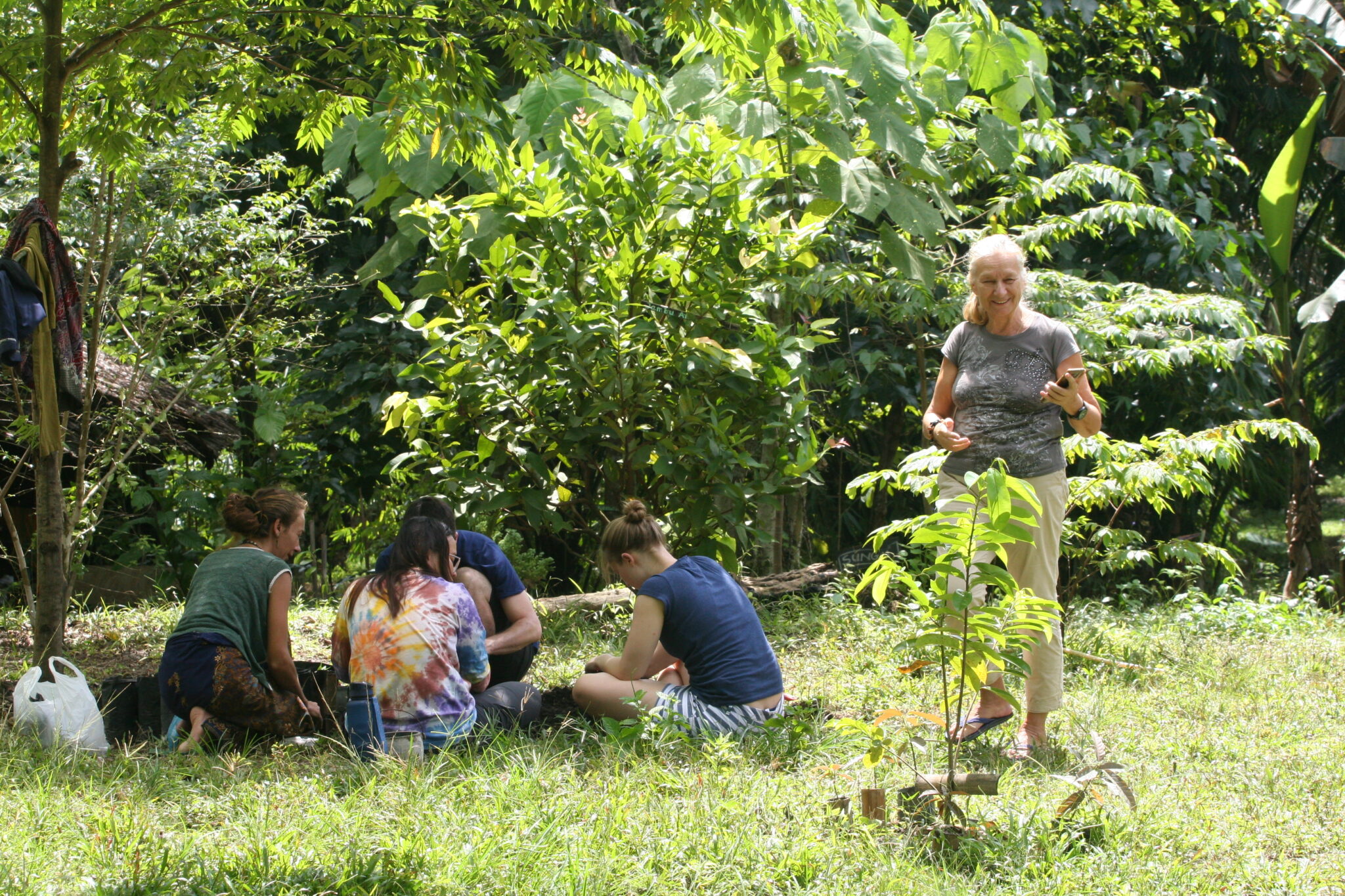
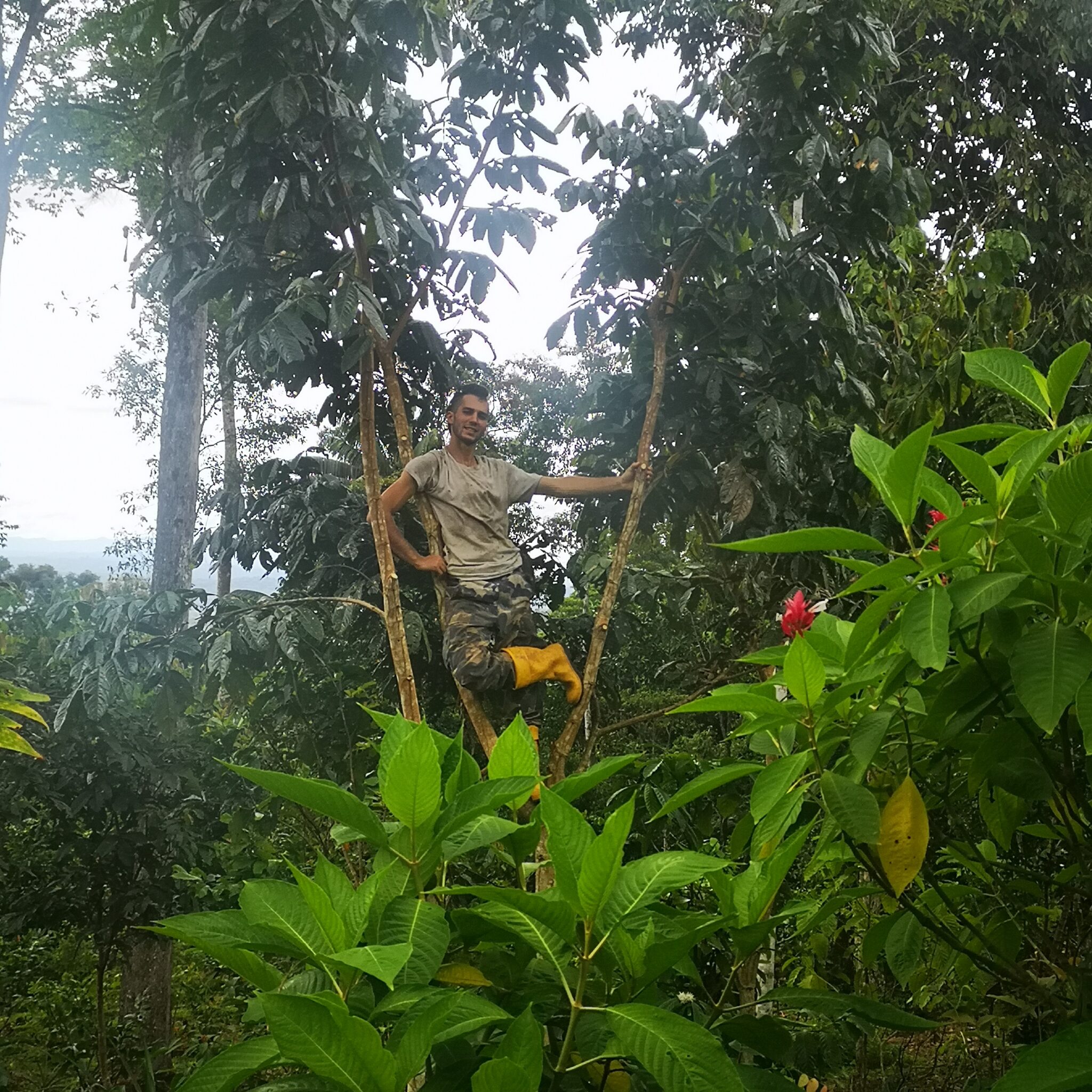
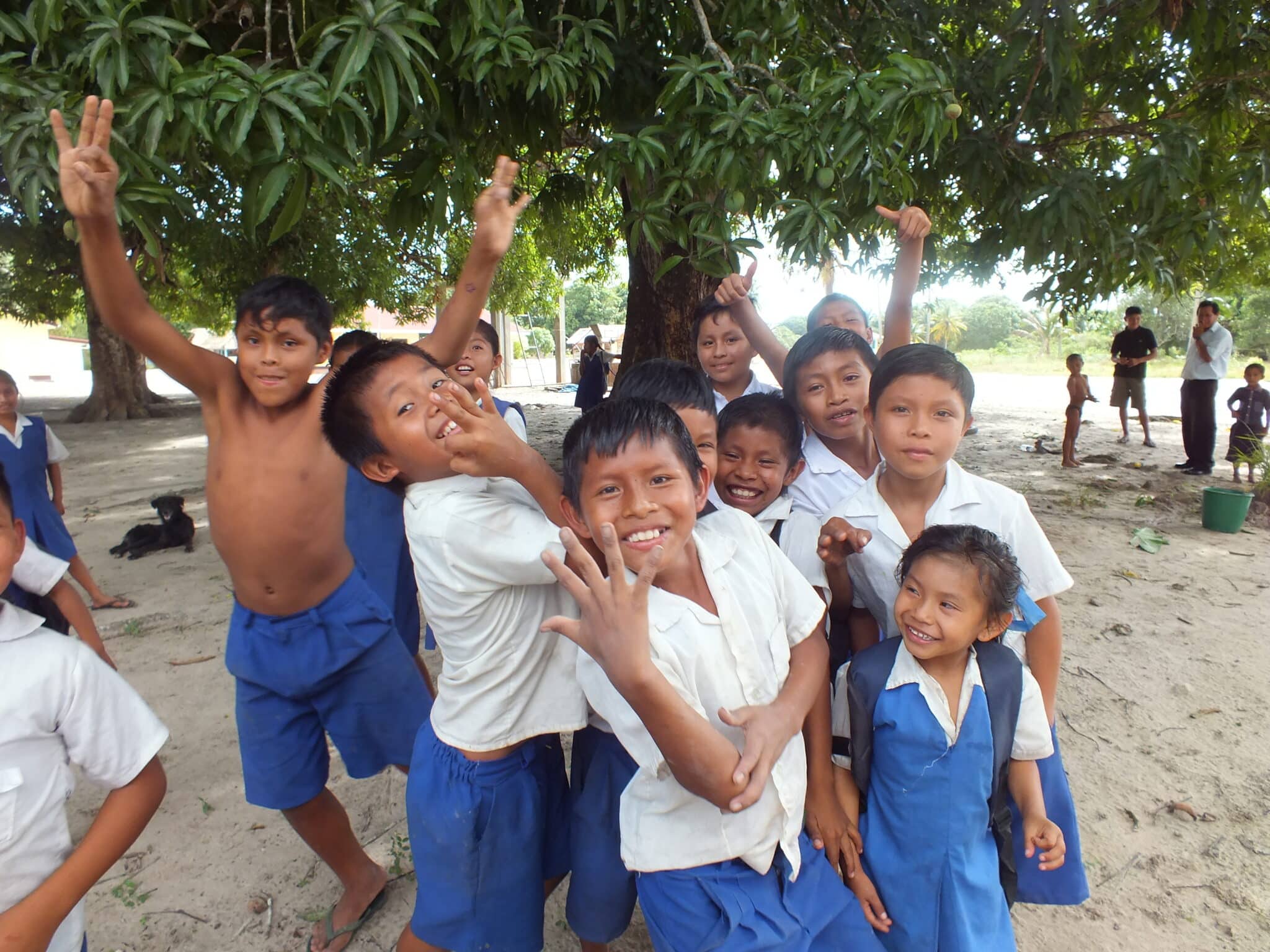
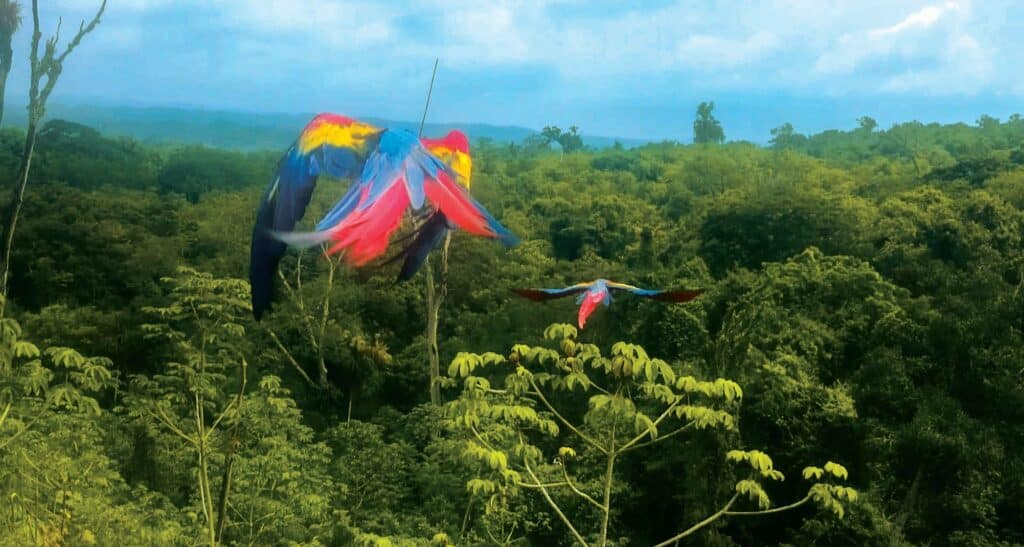
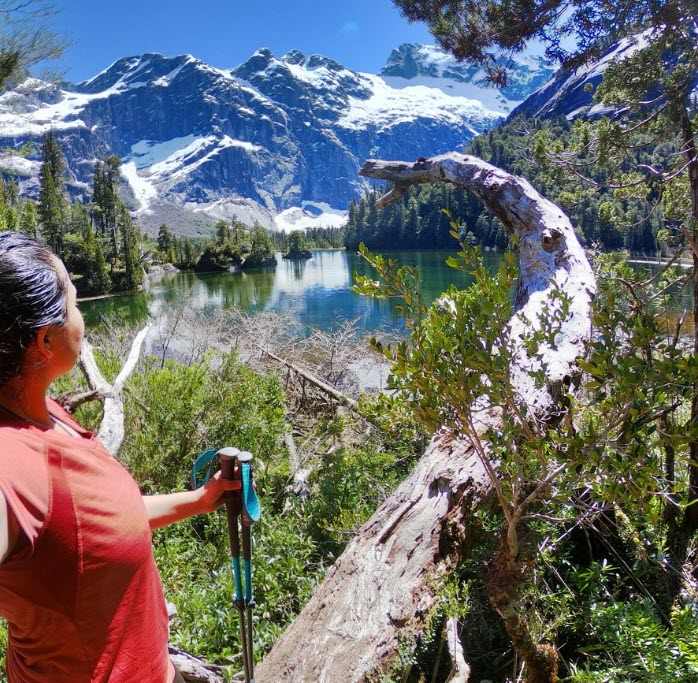
Agroecology and animal care in Ecuador

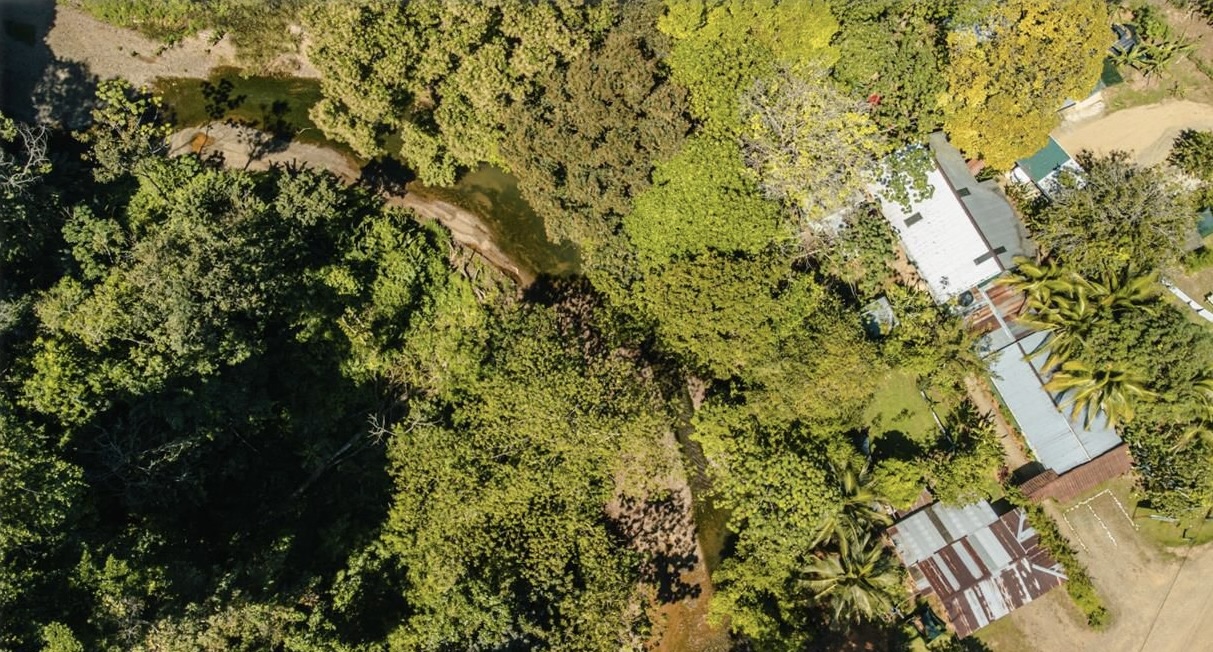
Amazon rainforest

Get involved with a Franco-Ecuadorian association in Ecuador's Amazon rainforest.
➡️ Animal shelter, agroecology
➡️ 18 years and over
➡️ English or Spanish
➡️ All year round
➡️ 800 € per month - tax deductions possible

Read more

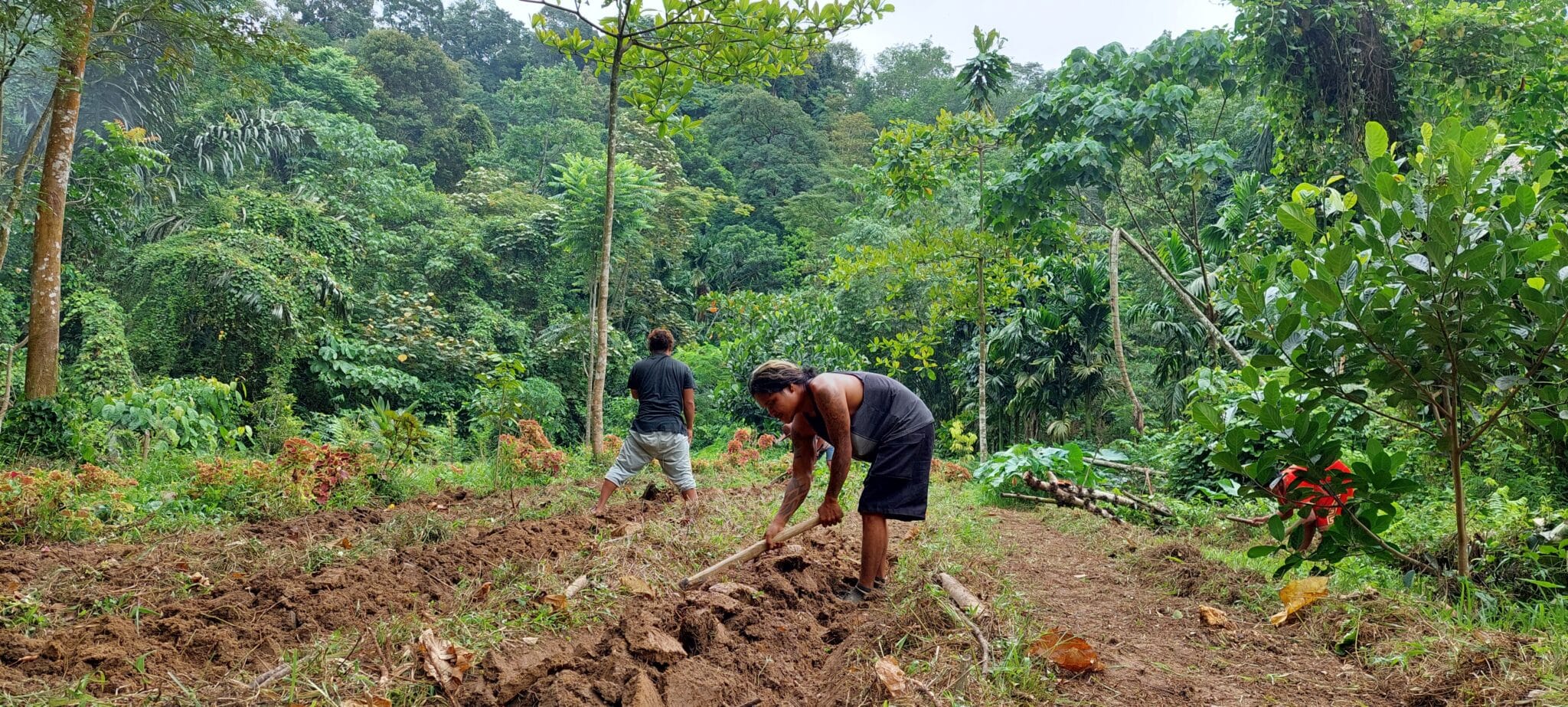
Solidarity and Conservation Mission in Indonesia

Solidarity Sulawesi

Act for a future without plastic pollution and protect the treasures of the island of Sulawesi.
➡️ Biodiversity
➡️ Over 18s (accompanied minors)
➡️ French and English
➡️ 2 weeks
➡️ €1,800 tax exemption possible

Read more

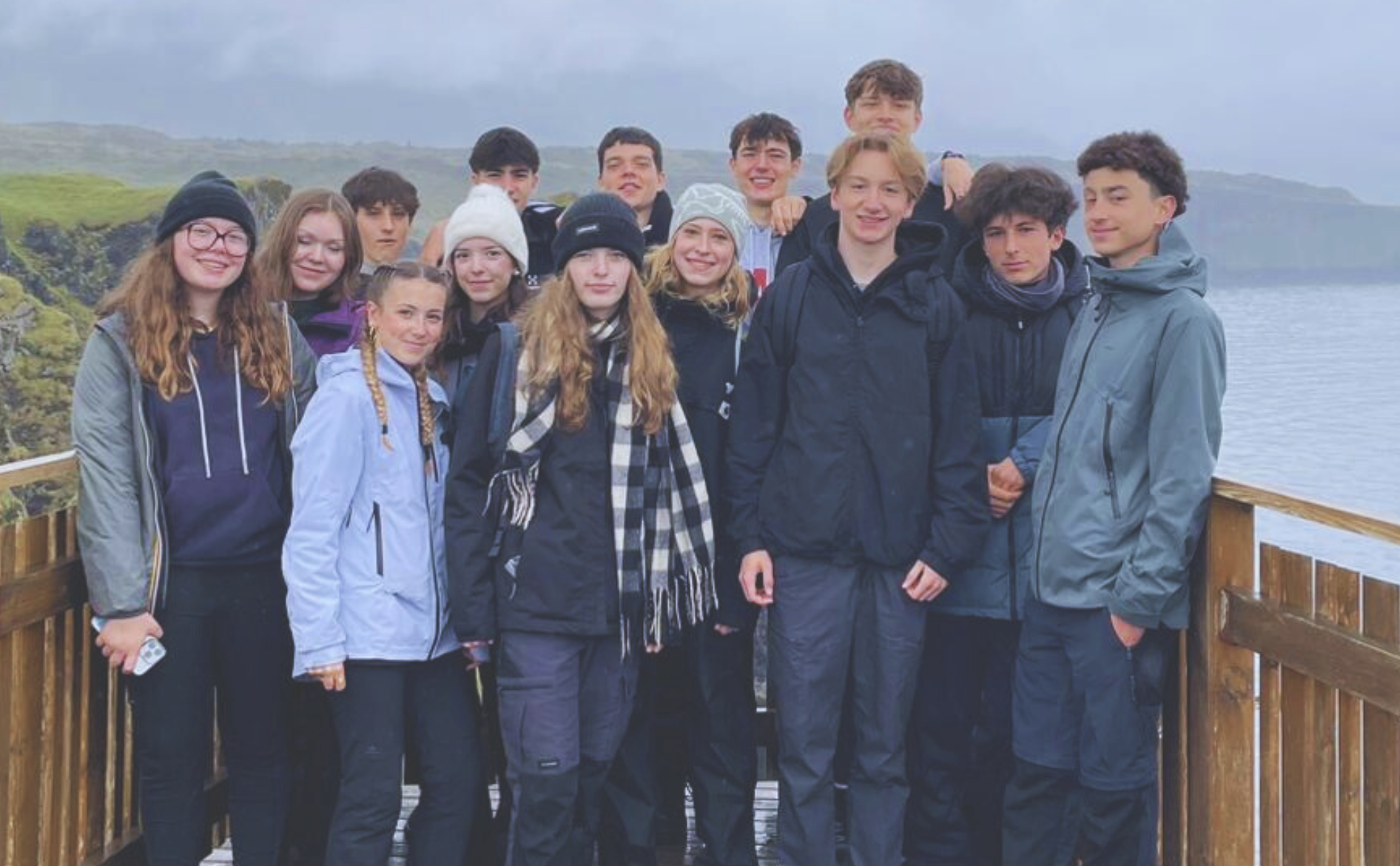
Beach clean-ups and climate workshops in Iceland

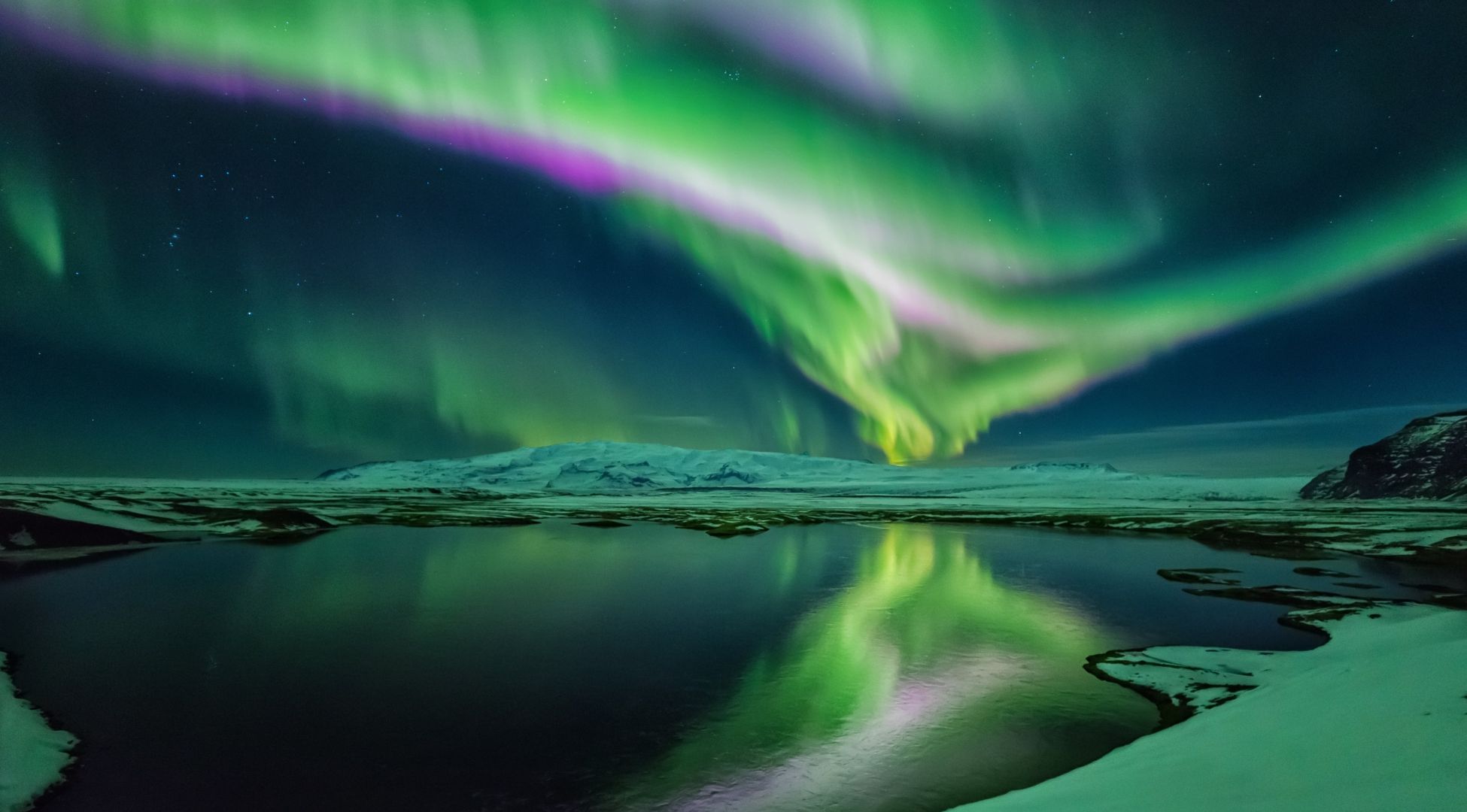
Discover Iceland through ecovolunteering!

One Earth, one home: let's fight global warming. This mission will encourage you to think about global warming between two field activities.
➡️ Beach clean-up – workshops
➡️ Ages 18 and up
➡️ English (basic level)
➡️ 2 weeks from March to October
➡️ €600 for 2 weeks

Read more

6-week multi-project ecovolunteering mission in Iceland

6-week multi-project ecovolunteering mission in Iceland

The multi-project program in Iceland is ideal for discovering the land of fire and ice while committing to biodiversity.
➡️ Multi-projects – biodiversity
➡️ Ages 18 and up
➡️ English (level)
➡️ 6 weeks from April to October
➡️ €1,800 for 6 weeks

Read more

Volunteer in a nature and health project in Iceland

Iceland Hveragerði

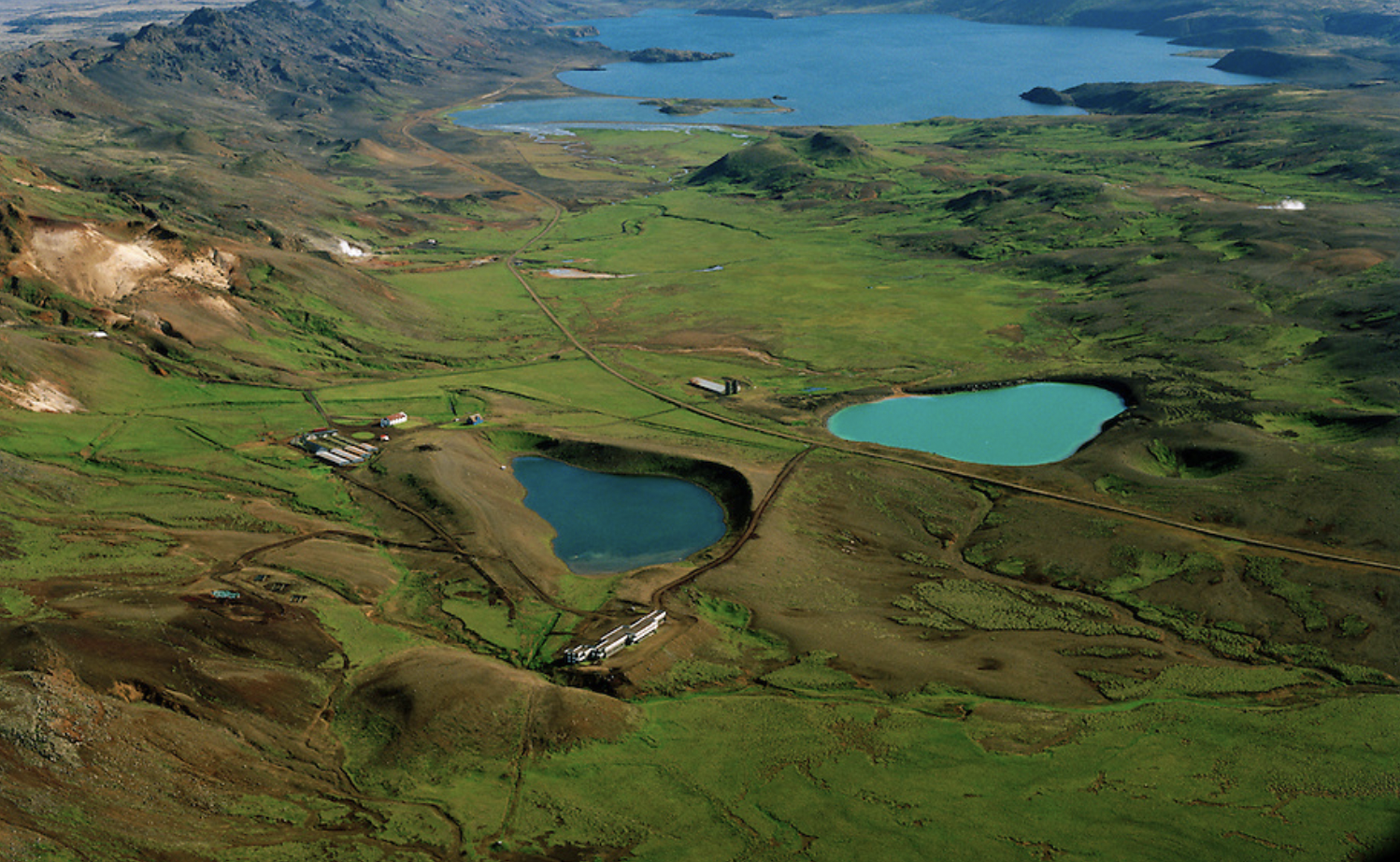
Volunteer in a nature and health project in Iceland. You will be based at the Rehabilitation and Health Clinic and your work will focus on organic farming.
➡️ Organic farming – climate
➡️ Ages 18 and up
➡️ English (basic)
➡️ 2 weeks throughout the year
➡️ $600 for 2 weeks

Read more

Erosion control in a Geopark in Iceland

Erosion control in a Geopark in Iceland

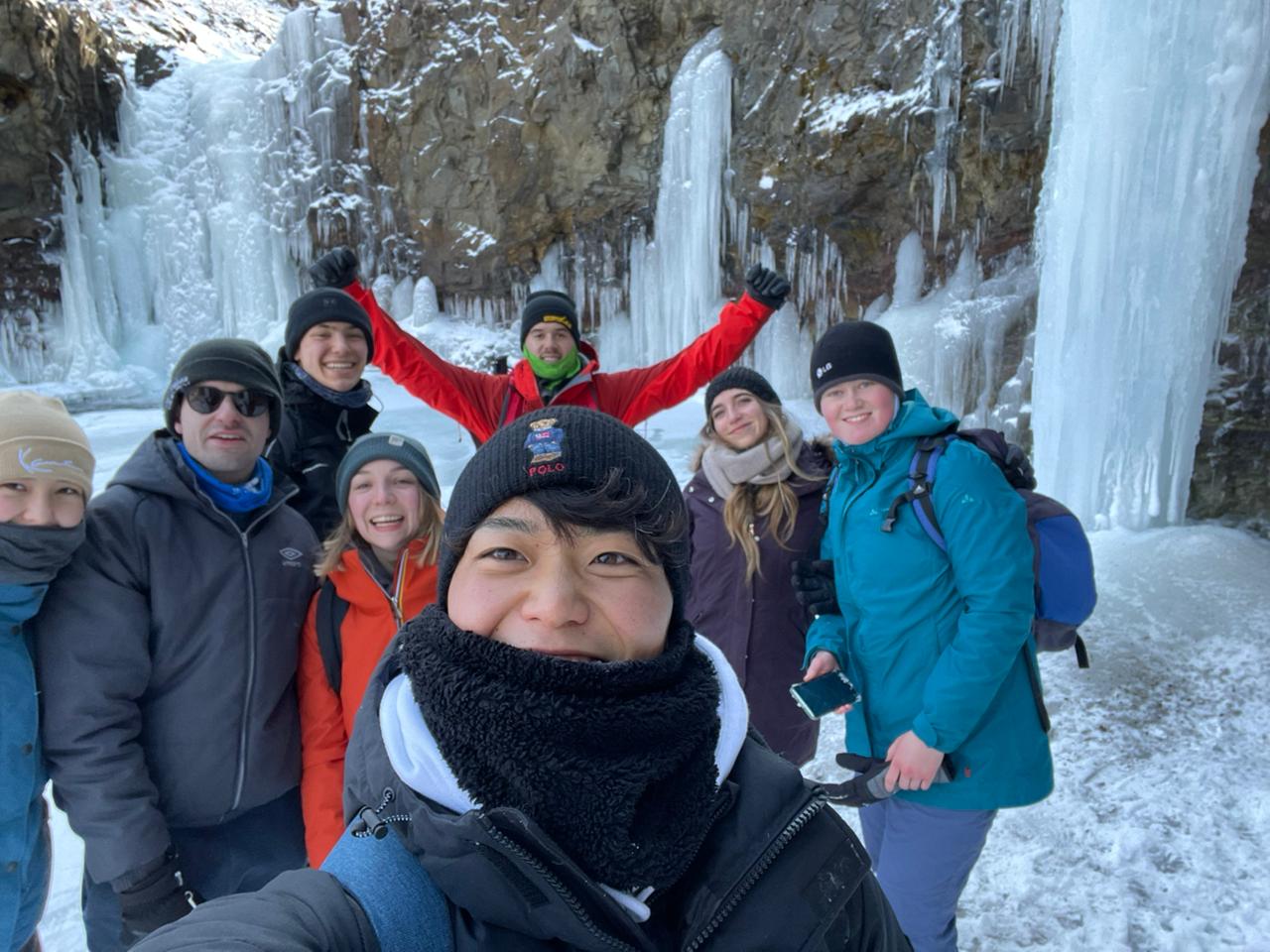
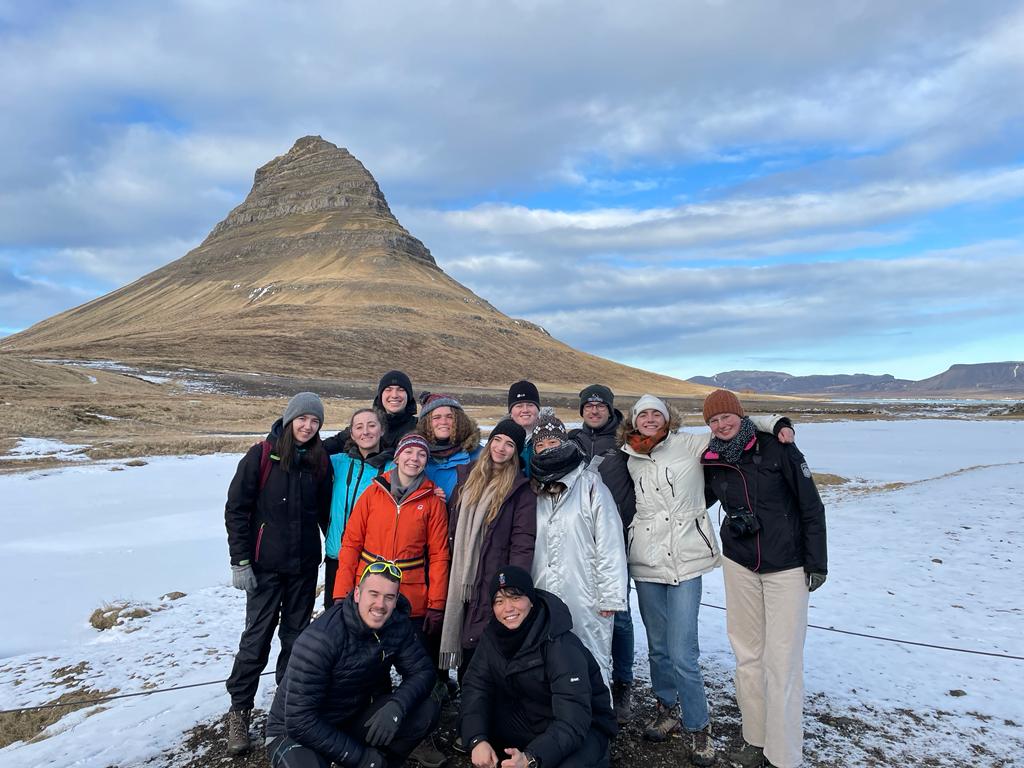
Get involved in one of Iceland's most beautiful regions, listed as a UNESCO World Heritage Site, to help combat erosion.
➡️ Biodiversity
➡️ Ages 18 and up
➡️ English (basic)
➡️ 2 weeks from March to November
➡️ €600 for 2 weeks

Read more

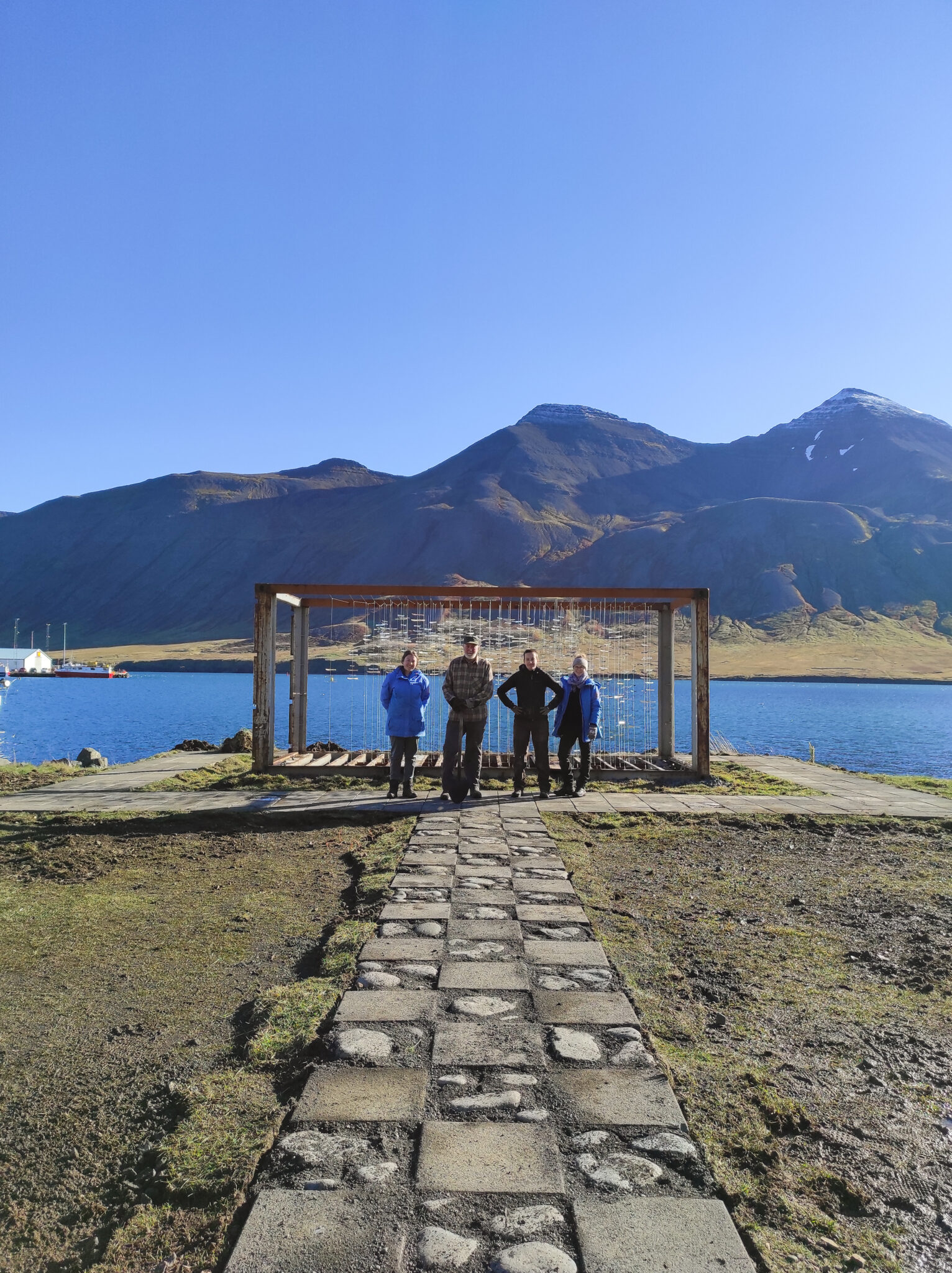
Get involved to protect Iceland's north coast

Volunteer work in northern Iceland

Get involved in protecting Iceland's north coast. Discover Iceland and its spectacular landscapes during a volunteer mission!
➡️ Biodiversity
➡️ Ages 18 and up
➡️ English (basic)
➡️ 2 weeks from April to November
➡️ €600 for 2 weeks

Read more

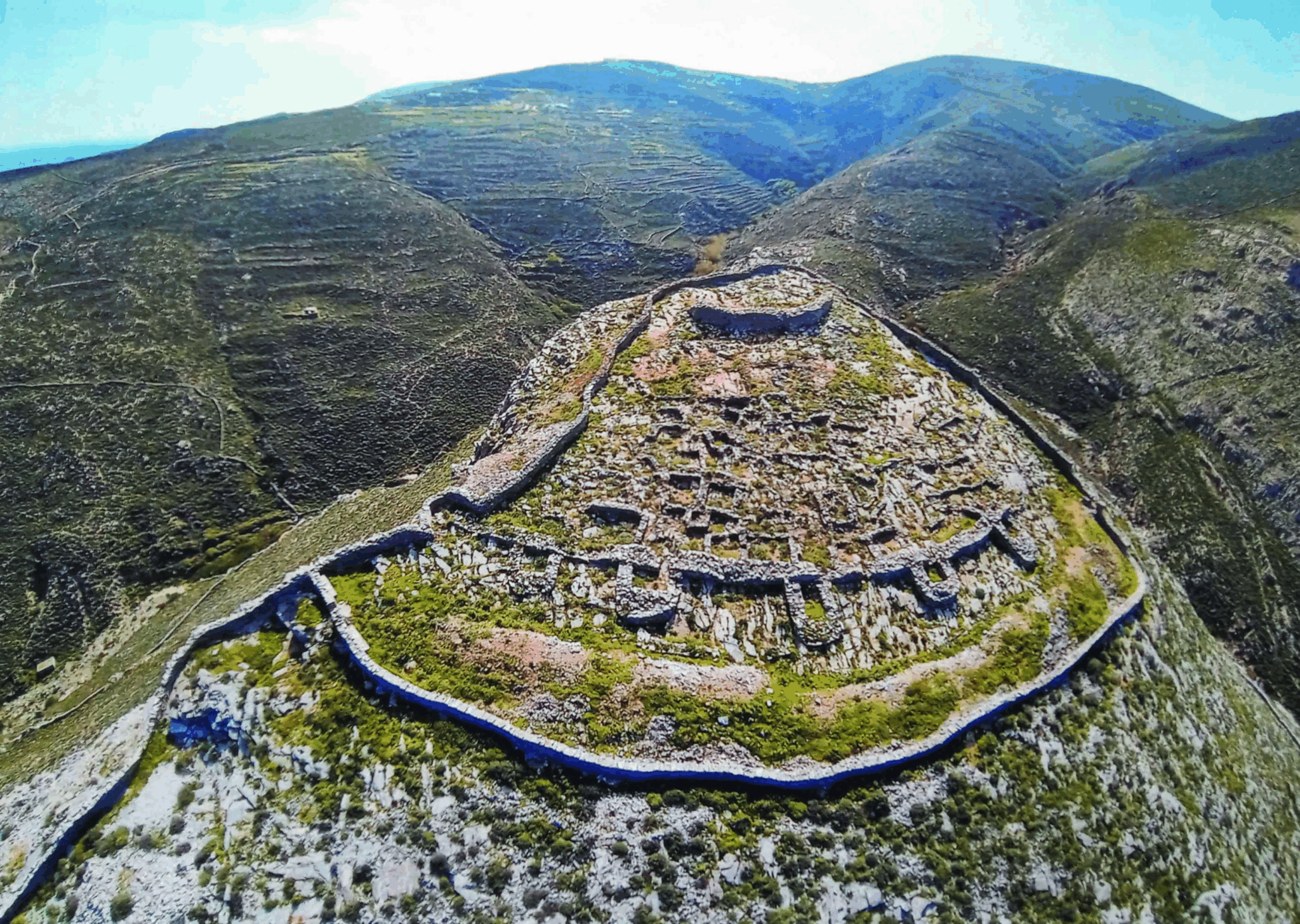
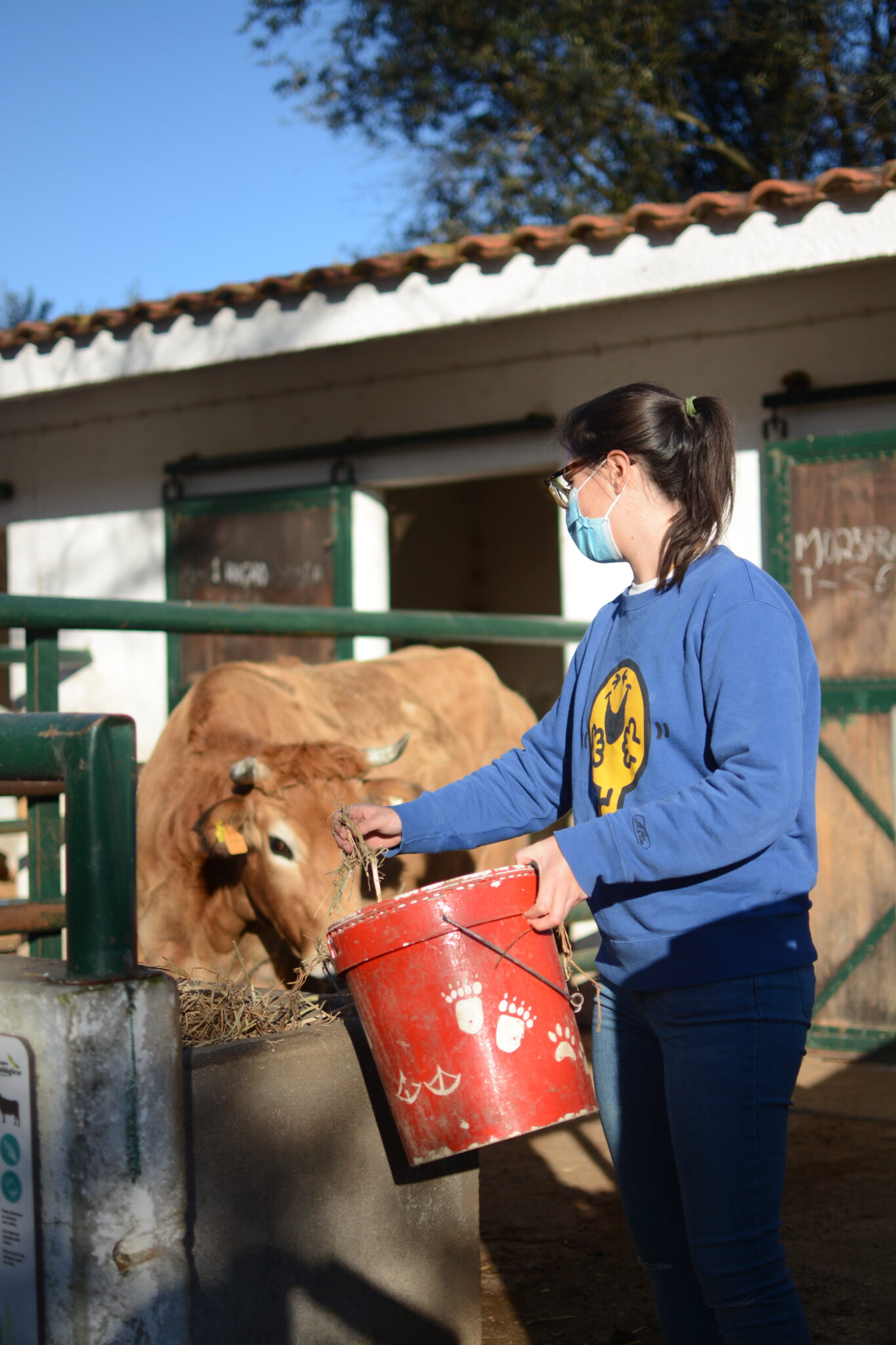
Get involved in an organic park in Portugal

Biological Park portugal

Join a team on the slopes of the Serra da Lousã to help care for the animals and maintain the park.
➡️ Biodiversity - animal care
➡️ From 18 years old
➡️ English (intermediate level)
➡️ From 2 to 12 weeks all year round
➡️ From €1590
Read more

Volunteer in an ecovillage in Iceland

Ecovillage Iceland

Discover the land of ice and fire by volunteering at Iceland's oldest ecovillage, Sólheimar
➡️ Ecovillage
➡️ Ages 18 and up
➡️ English (basic)
➡️ Minimum 4 weeks
➡️ €1,200 for 4 weeks

Read more

The Anthropocene era

Biodiversity refers to the variety of life forms on Earth: plants, animals, fungi and micro-organisms, and the ecosystems in which they live. Biodiversity encompasses genetic diversity, species diversity and ecosystem diversity. It is essential for maintaining the health of the planet and all its inhabitants. A rich biodiversity provides many vital services, such as crop pollination, water purification, climate regulation, food and medicine production...

The sixth mass extinction

Today, many scientists believe that humanity is facing the sixth mass extinction, a gigantic biodiversity crisis on Earth involving the disappearance and destruction of numerous species. Unlike the previous five mass extinctions, which occurred as a result of natural cataclysms (meteorite impacts, massive volcanic eruptions, or natural climate change), the sixth extinction is mainly attributed to human activity. From this constant, the concept of the Anthropocene era was born. The Anthropocene is the name given to a new geological epoch in Earth's history, characterized by the significant impact of human activities on the planet's environmental and geological systems. The term "Anthropocene" is derived from the Greek "anthropos," meaning "man," and "kainos," meaning "new".

Measures to protect biodiversity

The previous five extinctions led to the disappearance of many species, but life on Earth eventually recovered. The sixth extinction is much more serious, as we are facing the rapid disappearance of a large number of animal and plant species worldwide. The consequences of this threaten the very survival of humanity. Many conservation measures are nevertheless being taken to try and slow down this new extinction. These measures aim to protect natural habitats, regulate hunting and fishing, reduce greenhouse gas emissions and raise public awareness of the importance of protecting biodiversity. It is crucial to ensure the stability of ecosystems. Rich, diversified ecosystems are more resilient to disturbance and environmental change. 

Ecovolunteering: a solution for preserving biodiversity

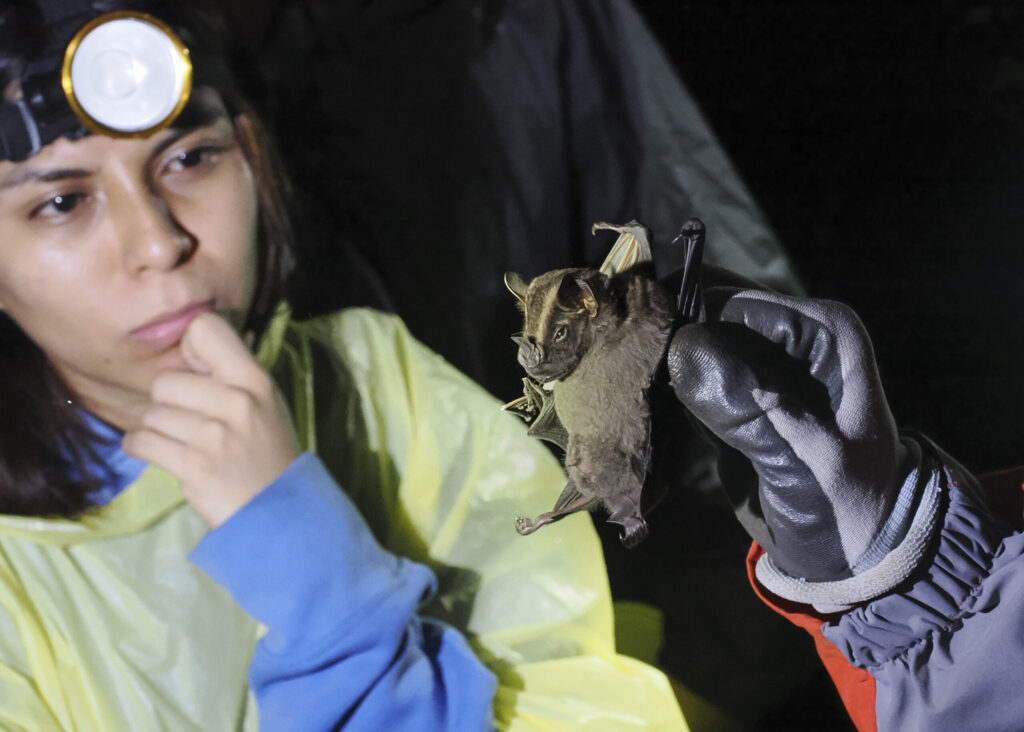
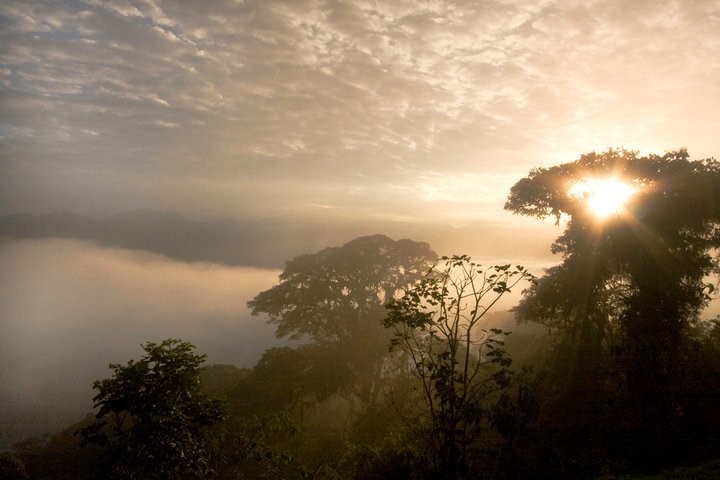
Various measures can be taken to protect biodiversity. These include the creation of nature reserves (public or private) and national parks to protect habitats and wild species. All environmental volunteering programs are designed to protect biodiversity, including those specializing in the conservation of a particular endangered animal species. However, the volunteer programs you'll find in the "Biodiversity" section are more specifically concerned with those taking place in nature reserves or national parks. Thanks to these volunteer programs, you can contribute directly to the preservation and restoration of fragile ecosystems.