

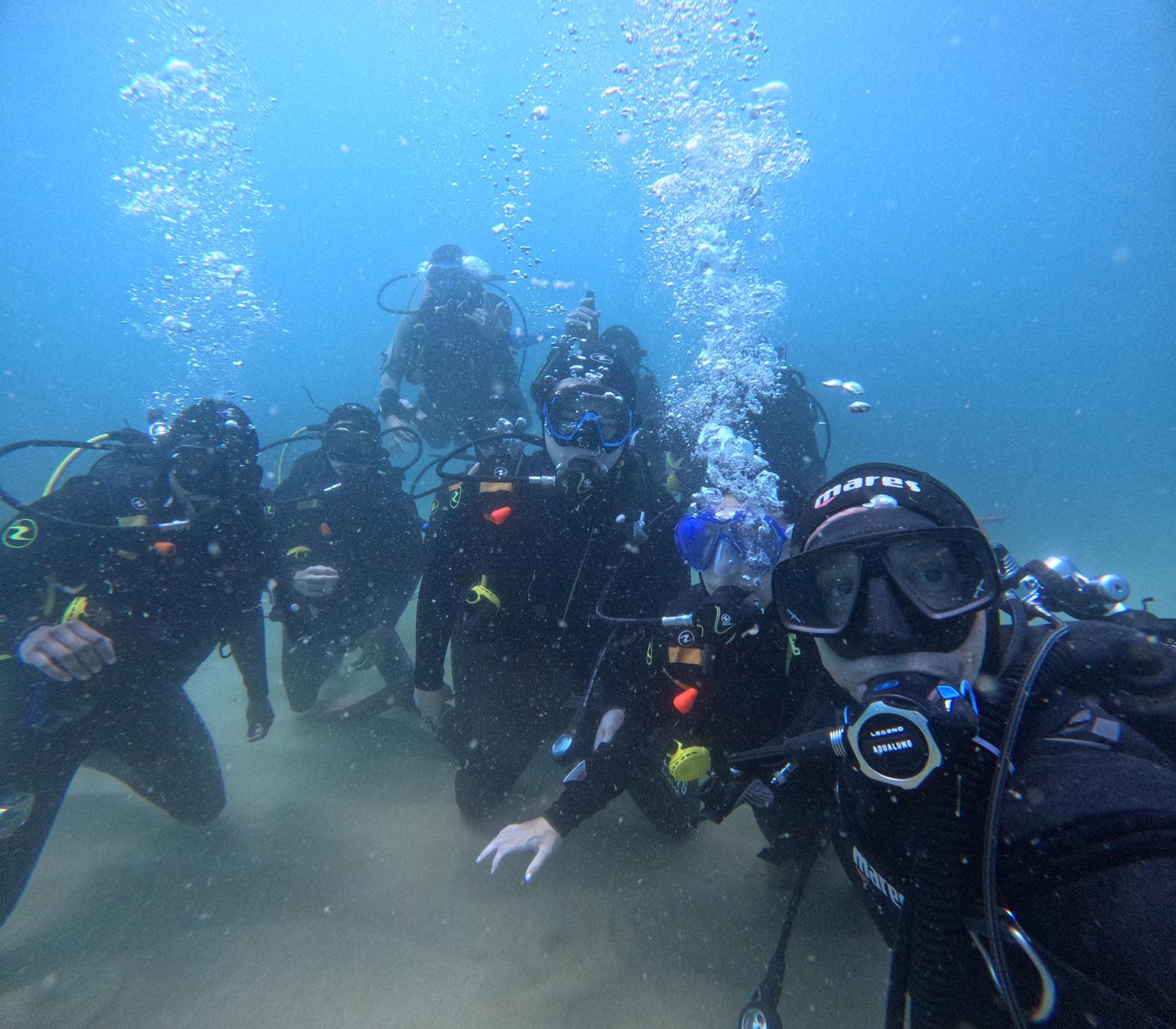
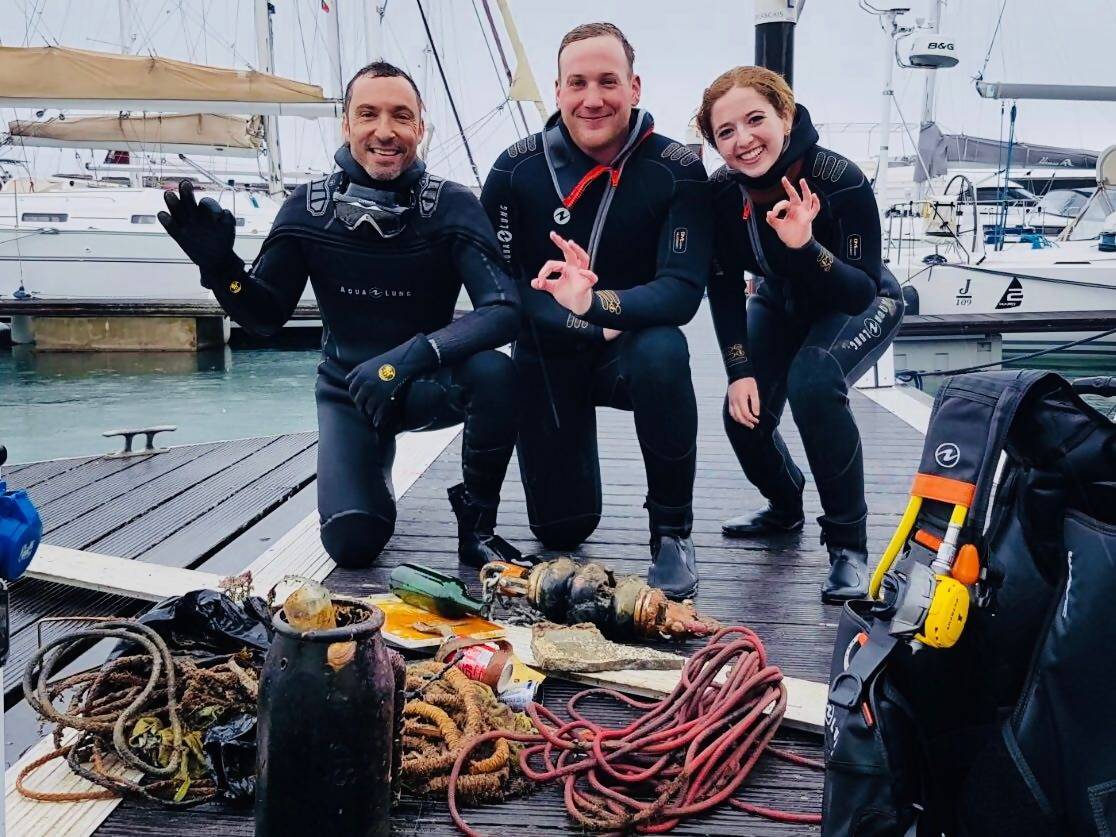
How about combining your passion for diving with your passion for protecting the marine environment?
The oceans cover more than 70% of our planet's surface and are home to exceptional biodiversity. Yet these ecosystems are under serious threat from climate change, pollution and overfishing. Faced with these challenges, a number of organizations are offering ecovolunteering missions that enable divers to get concretely involved in marine protection. And the good news is that if you don't know how to dive, you can get certified on the spot!
Why choose a scuba-diving ecovolunteering mission?
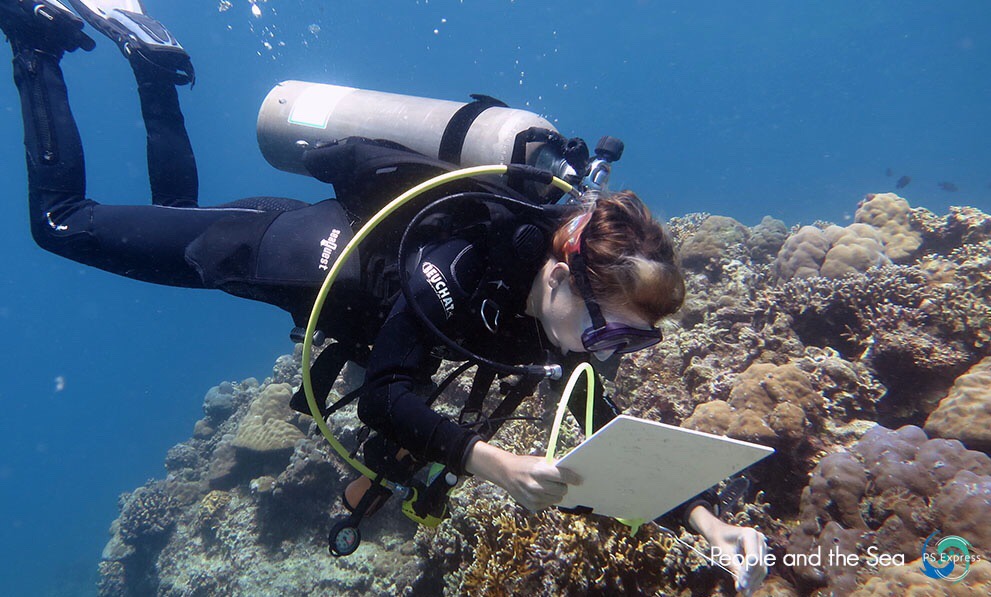
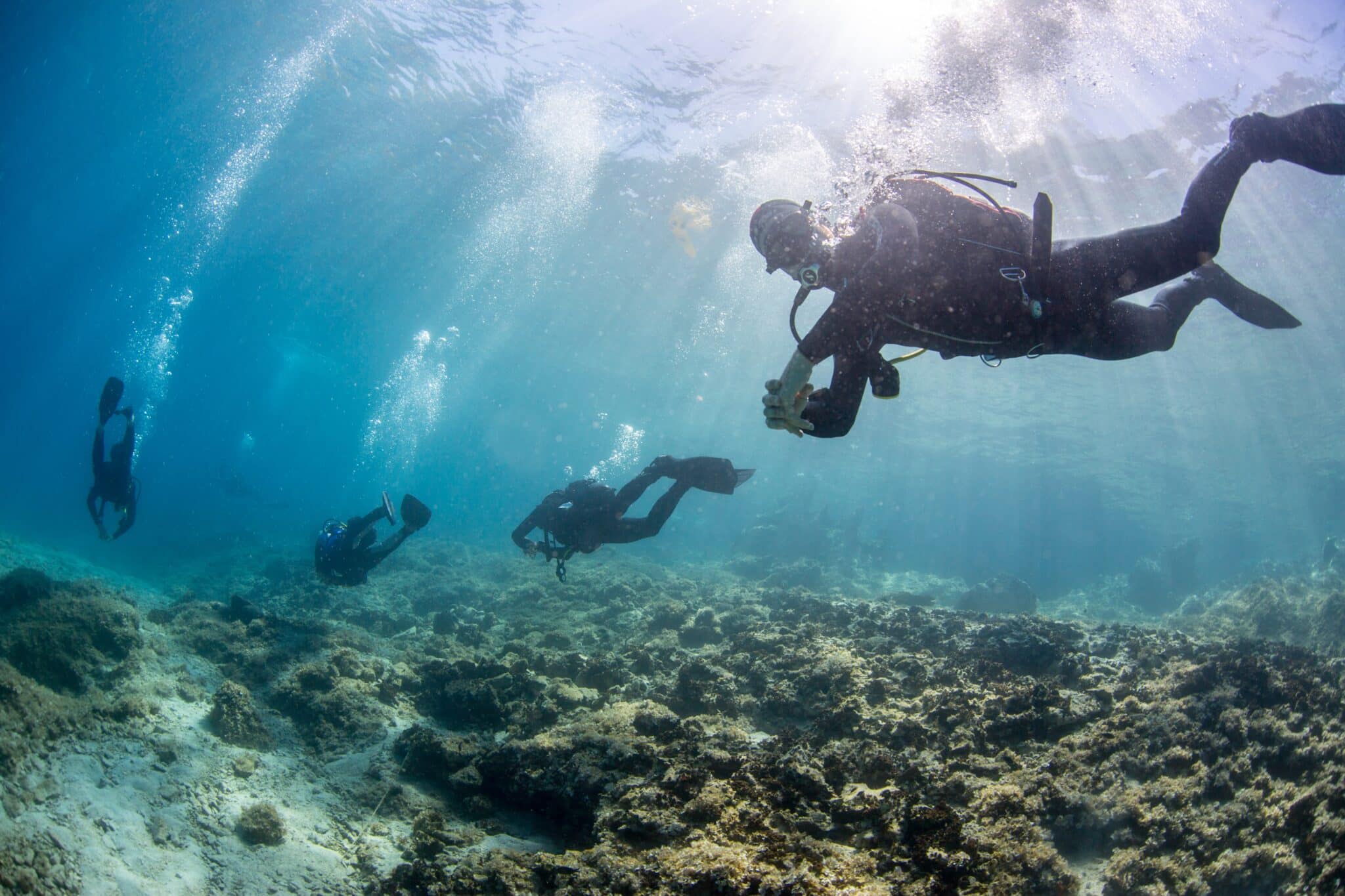
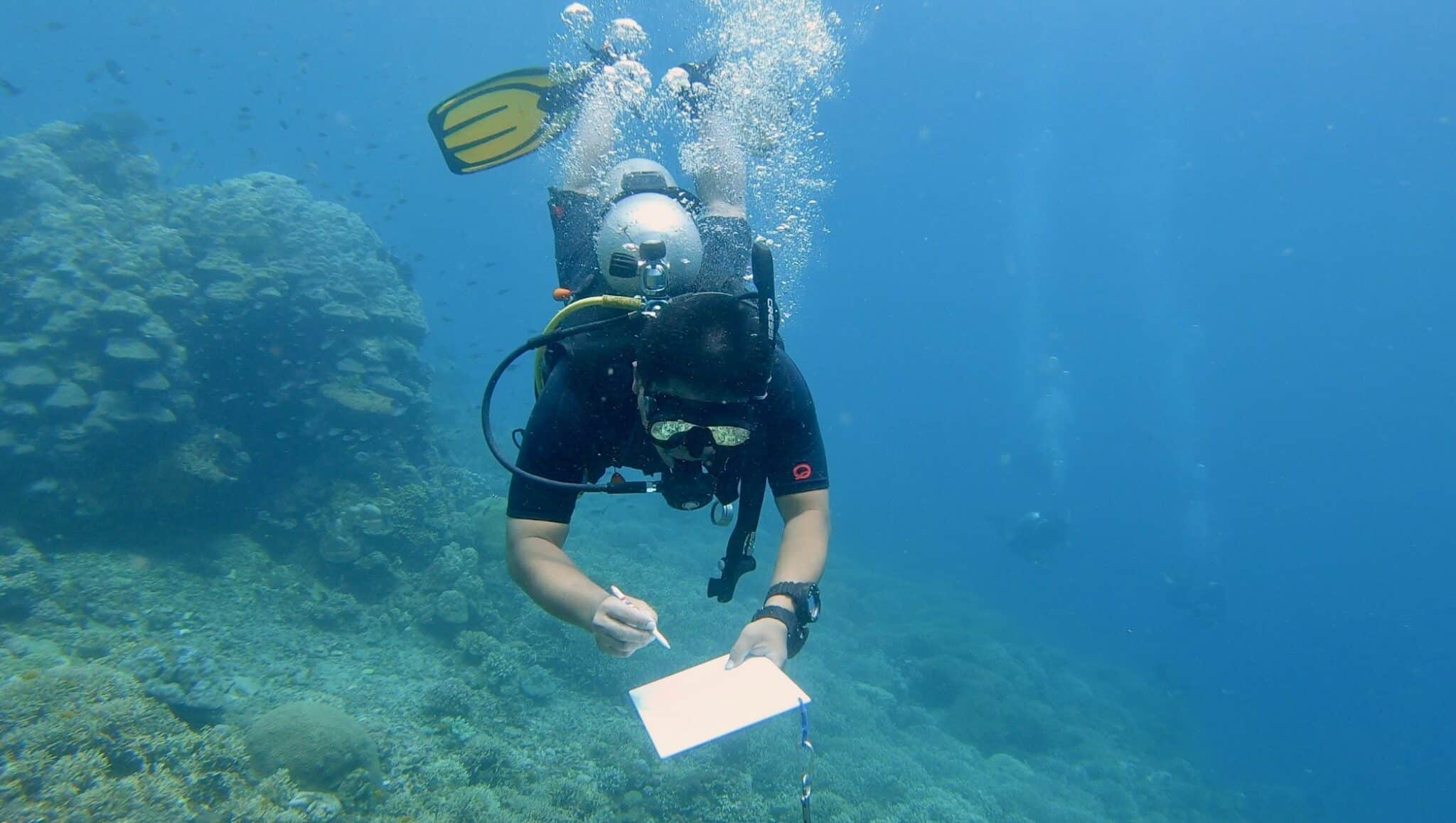
Over the last few years, the underwater biodiversity solidarity trip has developed rapidly. It gives divers the chance to discover underwater environments while protecting them and learning about scientific diving. For coral and marine fauna study missions, you are supervised by scientists, trained in marine ecology and data collection. Other marine conservation missions involve waste collection, particularly in the Mediterranean, and often include on-site training by scientists and professional divers. Whether you're a beginner or an experienced diver, these missions offer a unique opportunity to discover the seabed.
Reef restoration in the Coral Triangle
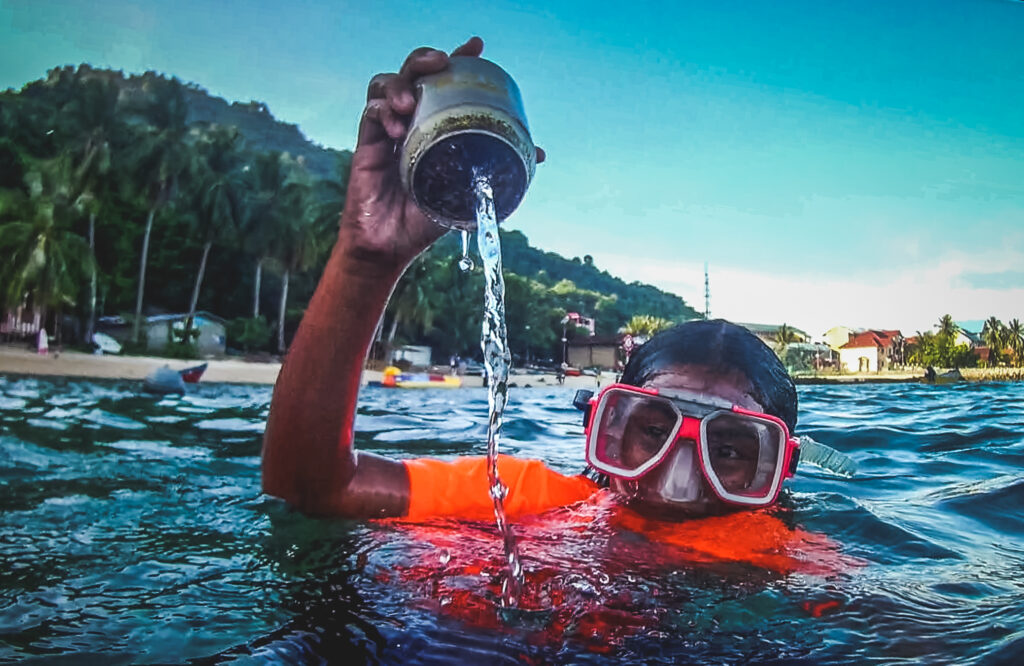
Indonesia is part of the Coral Triangle, an oceanic area encompassing Malaysia, Indonesia, the Philippines and the Solomon Islands. The Coral Triangle is home to the world's greatest marine biodiversity. It is home to 30% of the world's coral reefs, 76% of reef-building corals and over 35% of reef fish species. It is considered one of the world's most important biodiversity hotspots.
In Indonesia
We have selected two coral study and conservation missions in Indonesia: one on Nusa Penida, a small island off Bali (this mission can be done by diving or snorkeling). The other on the east coast of the island of Bali. Both missions involve replanting coral using different methods.
In Malaysia
Still in the Coral Triangle, if you wish to visit Malaysia you can also be trained in scientific diving for amarine wildlife study project.
Studying cetaceans while scuba diving

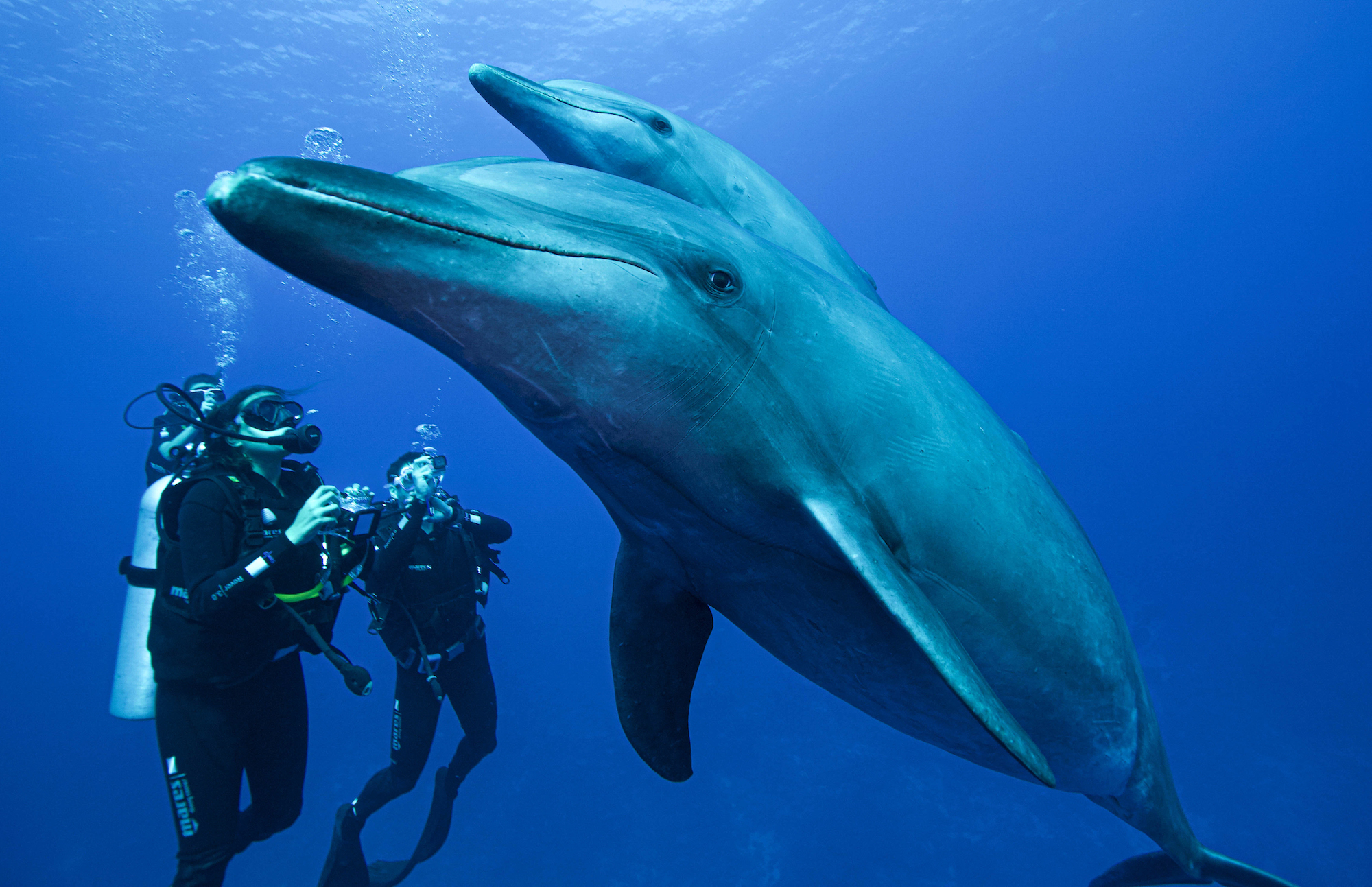
Divers are also welcome on cetacean study missions! Collecting data on marine mammals underwater is often much easier than on the surface.
In French Polynesia
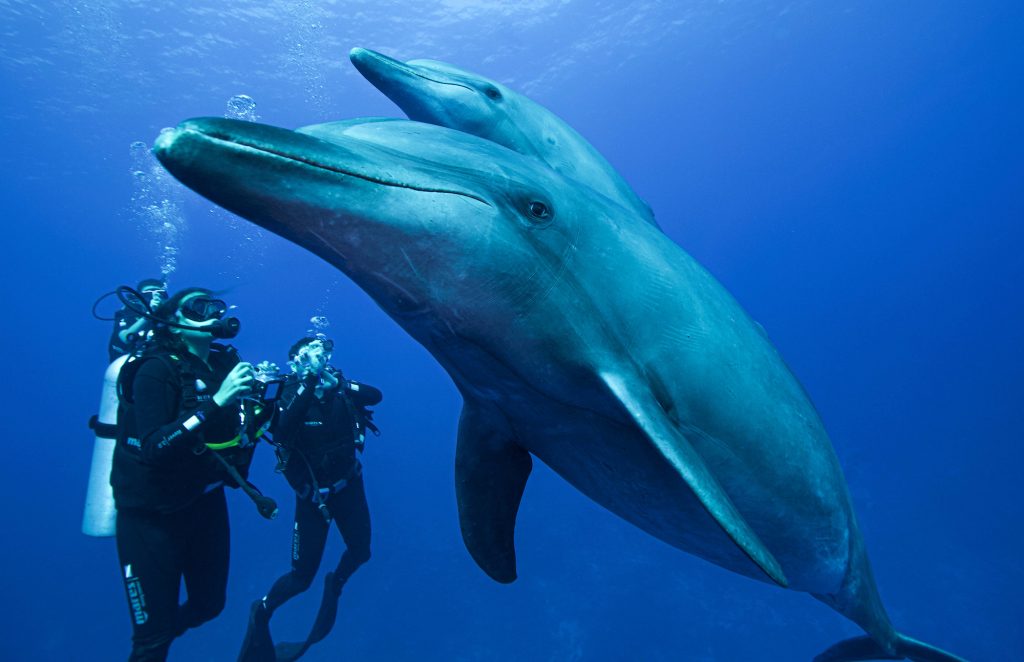
In Rangiroa, French Polynesia, join Pamela, PhD in ethology, tostudy the behavior of dolphins in the Tiputa channel. The aim of this mission is to obtain reliable data on the impact of scuba-diving tourist activities on dolphins.
In Mozambique
In Mozambique, there is also a program tostudy the mega marine fauna.
Shark study in South Africa
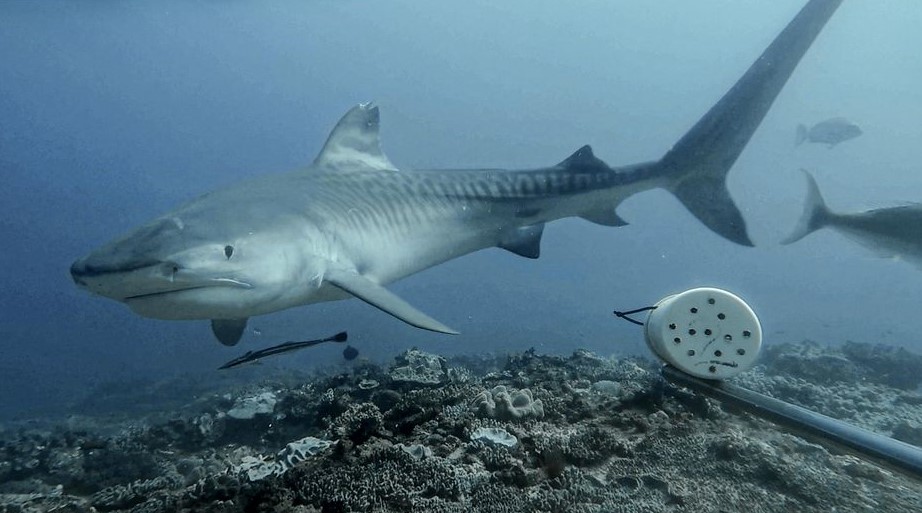
We recommend a shark and marine ecosystem research center in South Africa, in the iSimangaliso wetland, a UNESCO World Heritage Site. This program focuses on the study of marine species, including sharks, rays and skates. Observations are made by scuba diving, snorkeling and remote sensing.
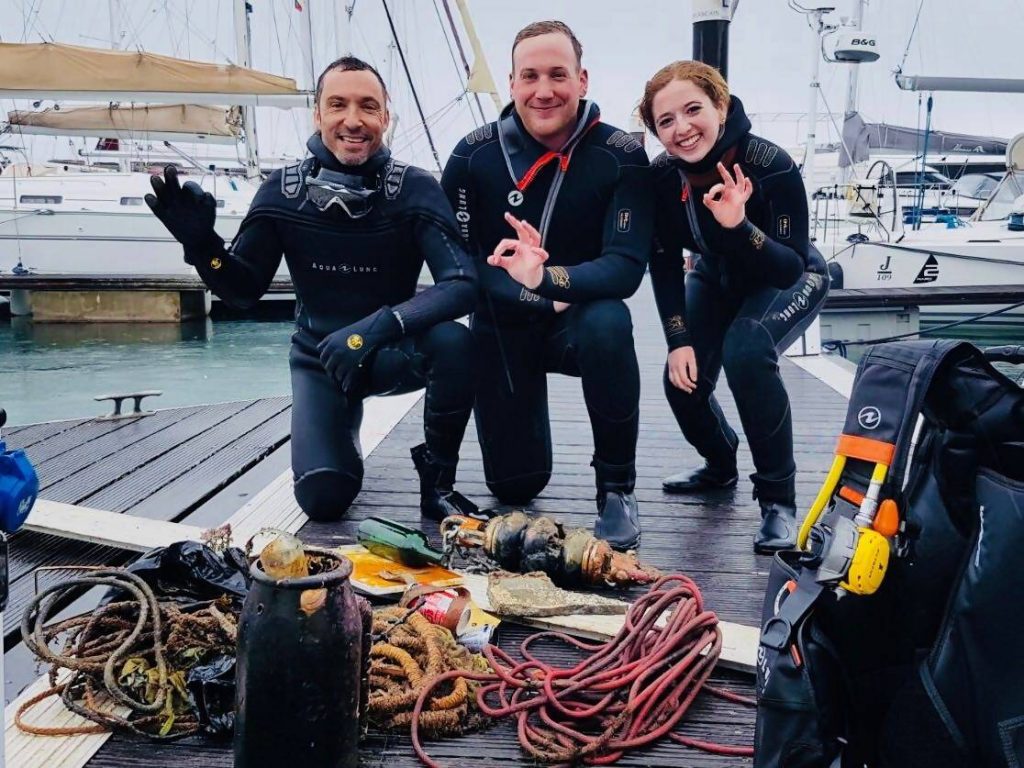
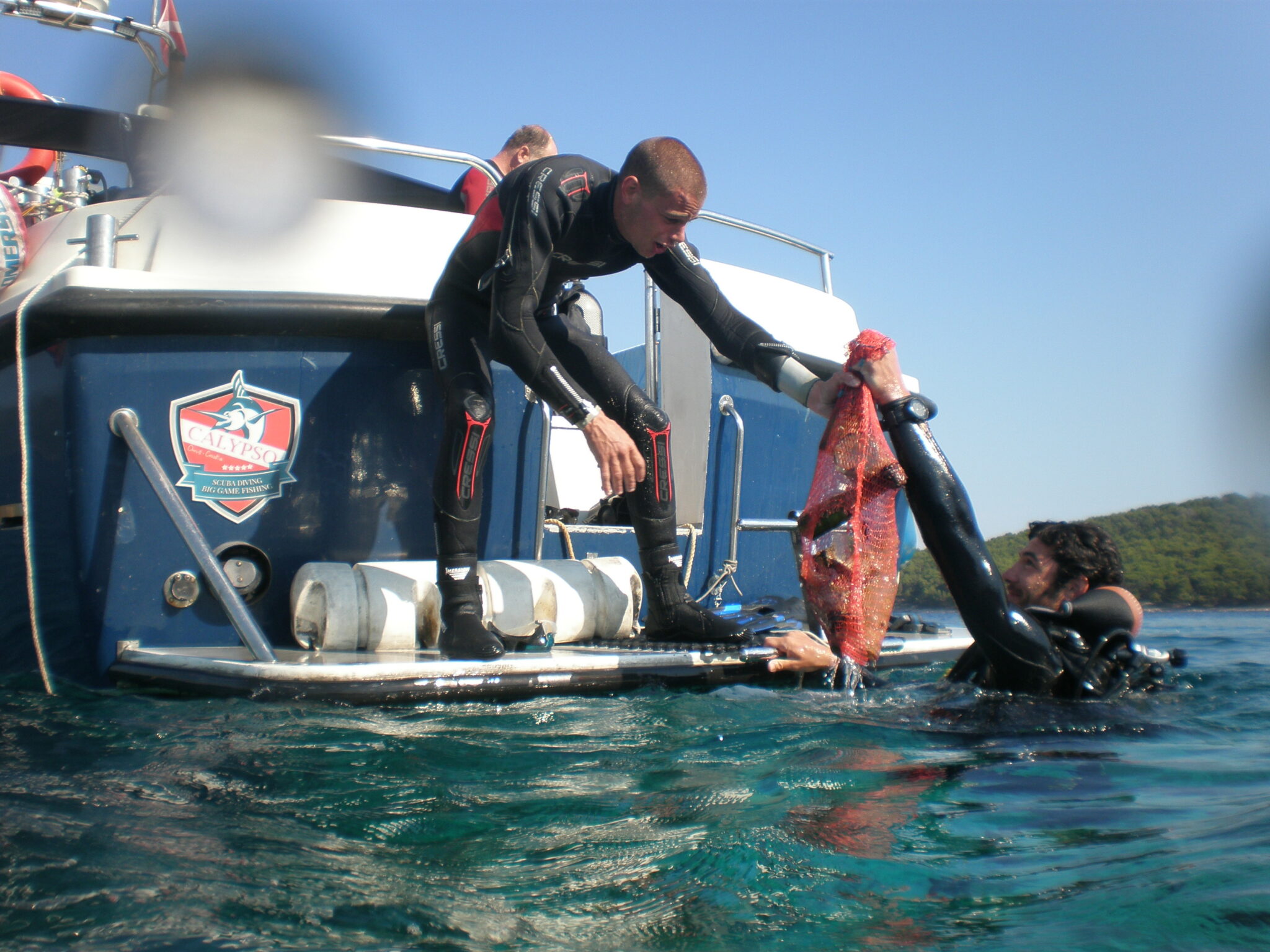
Diving missions to collect seabed waste

Marine waste has either been dumped directly into the sea or has entered the sea via waterways. Marine litter comes in all shapes and sizes: cigarette butts, cotton buds, fishing nets and equipment, hunting stuffing, biomedia, balloons, etc. Plastic waste is by far the most common type of litter. Of these, plastic waste is by far the largest. Worldwide, the quantity of plastic in the oceans is estimated at between 75 and 199 million tonnes. Source
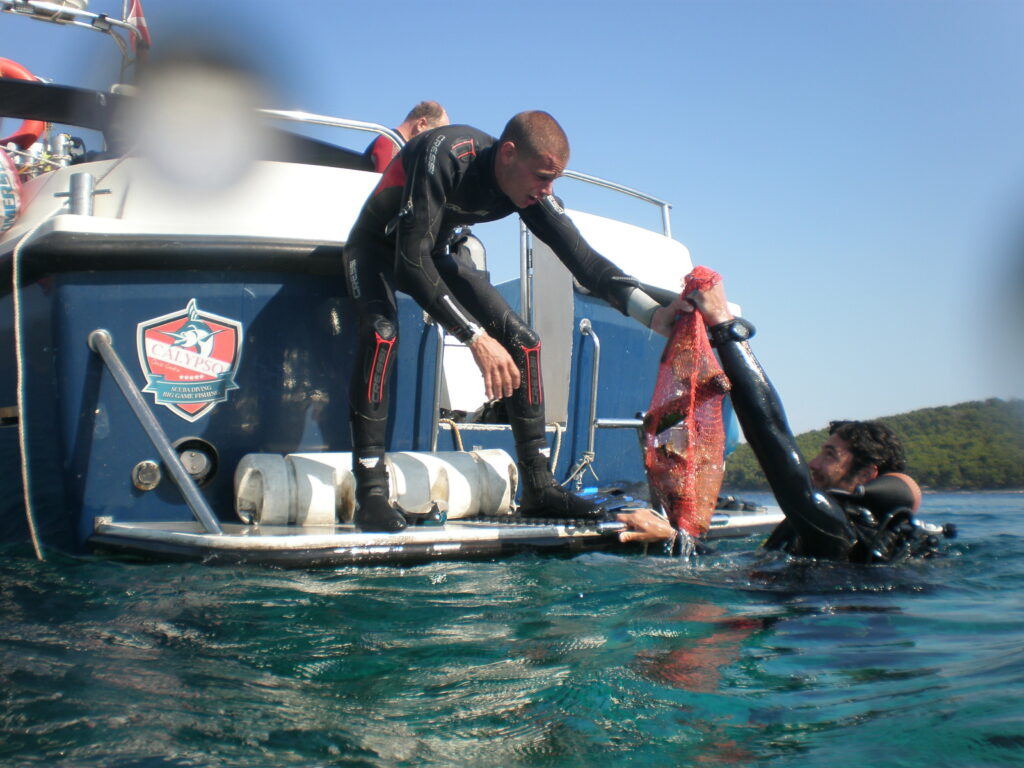
Here are three solidarity trips for scuba divers that involve collecting marine waste:
- Conservation project in Barcelona
- Conservation project on a Greek island
- Conservation project in Portugal
- Conservation project in Croatia
L’un des grands avantages de ces missions est la formation dispensée sur le terrain. Selon les programmes, les participants peuvent suivre des cours de biologie marine, découvrir les techniques de restauration des écosystèmes ou apprendre des techniques de restauration du corail.
S’engager dans une mission d’écovolontariat en plongée, c’est allier passion, formation et action concrète pour la biodiversité marine. Que ce soit en Indonésie, aux Philippines, en Méditerranée ou en Adriatique, chaque immersion devient une opportunité d’apprendre et de contribuer à la préservation des océans. Une expérience unique et enrichissante qui donne tout son sens à l’expression « plonger utile » !