 Protecting sea turtles in Thailand
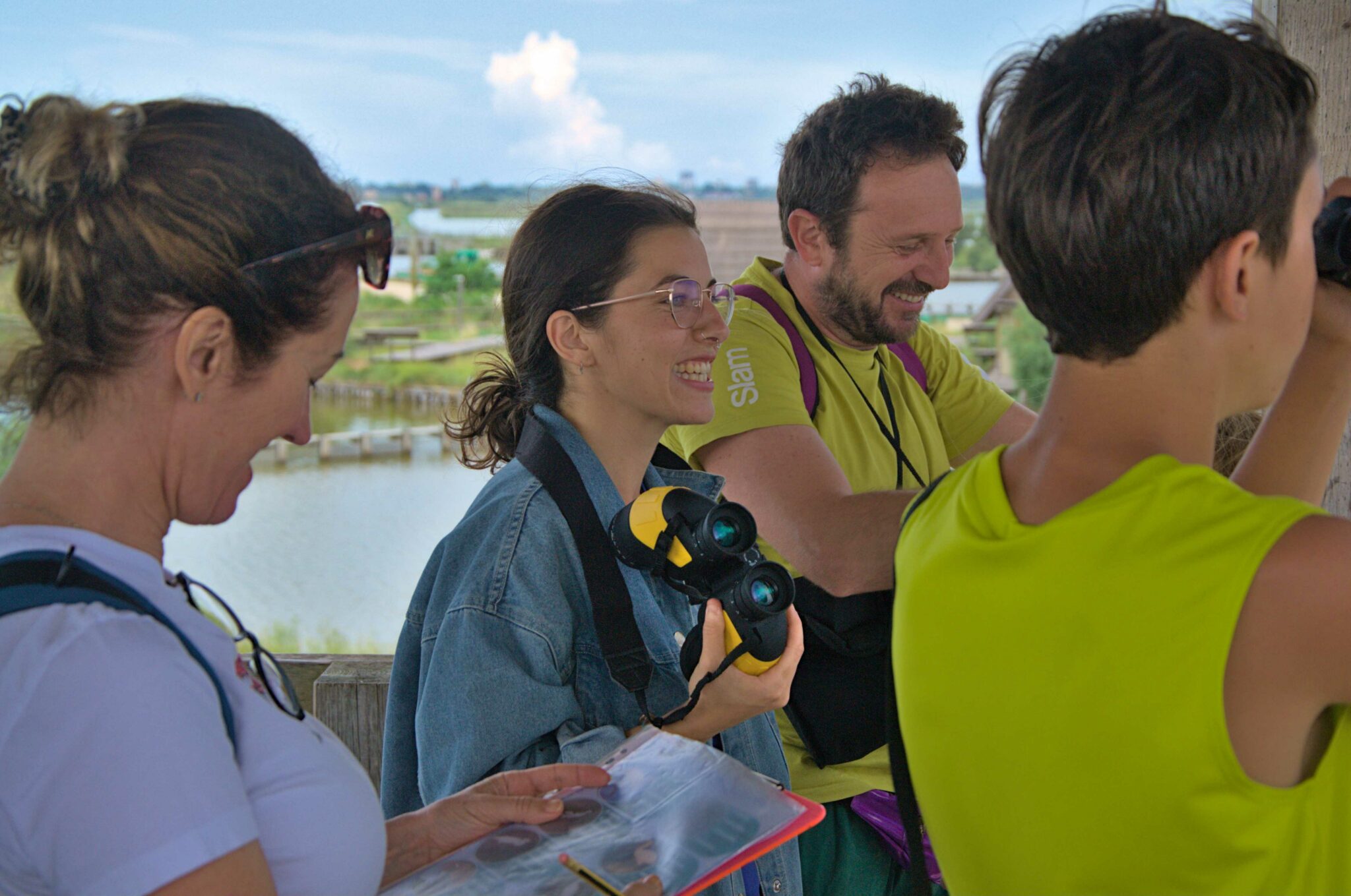
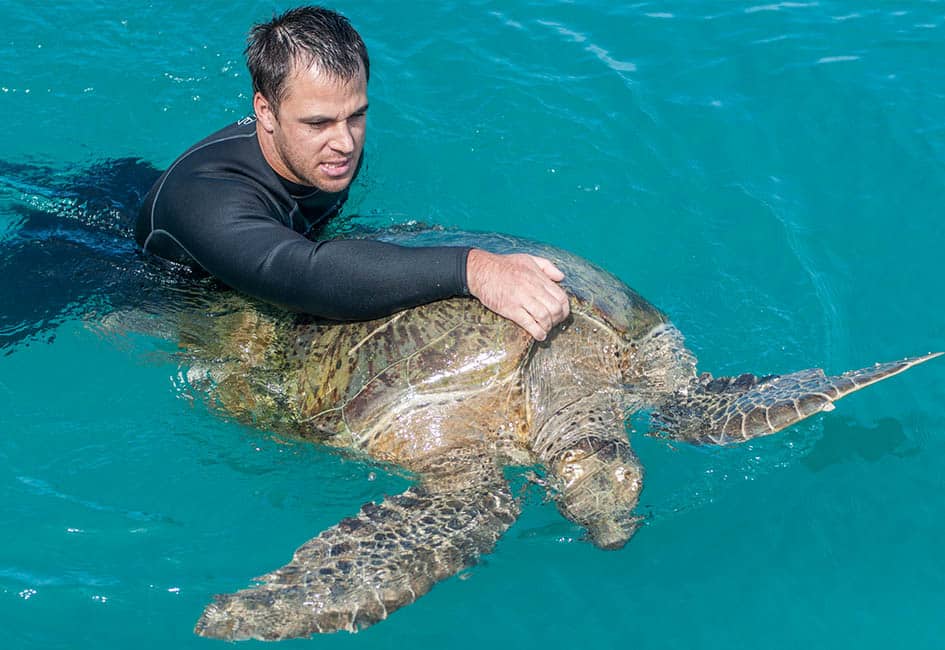
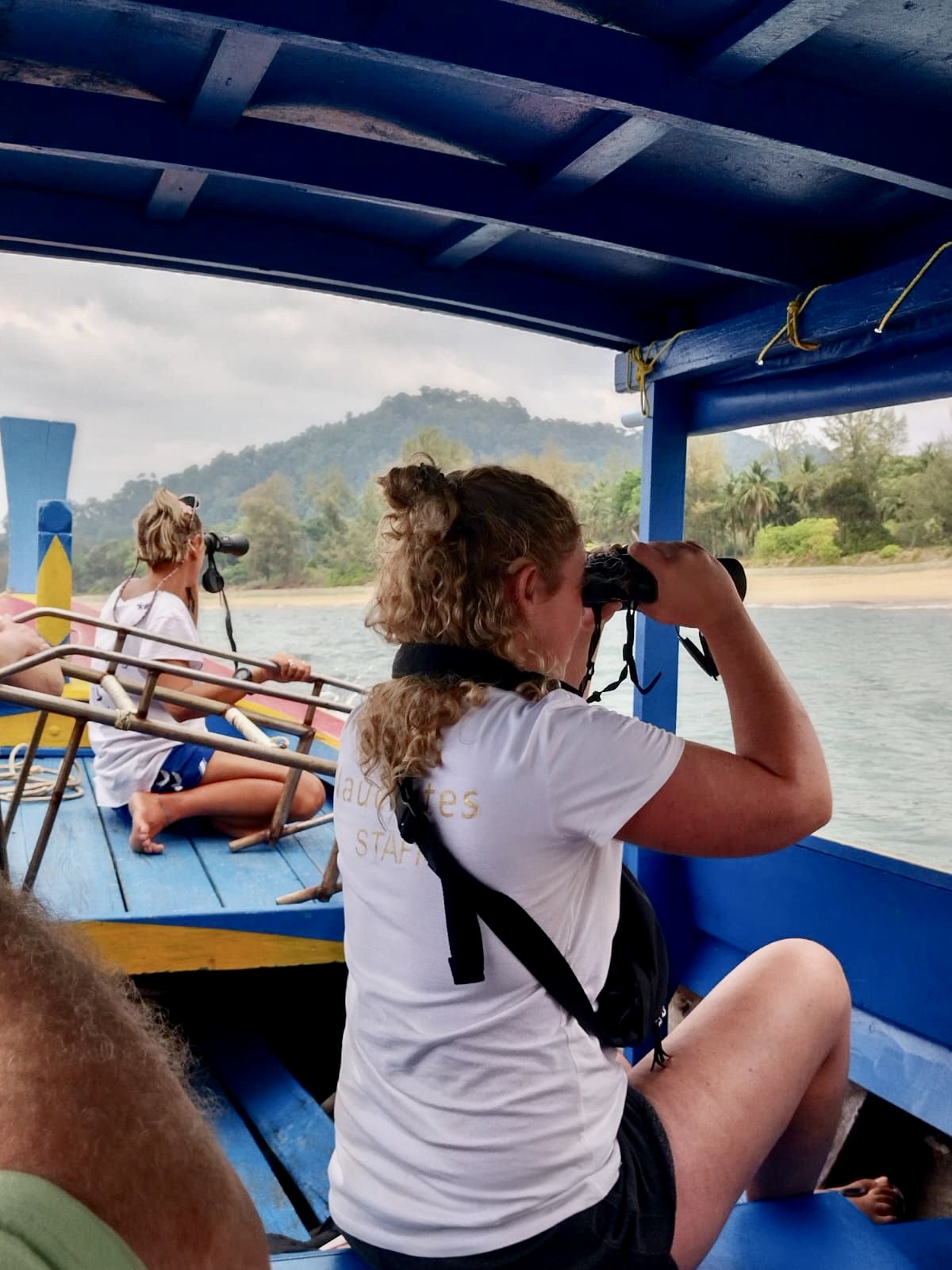
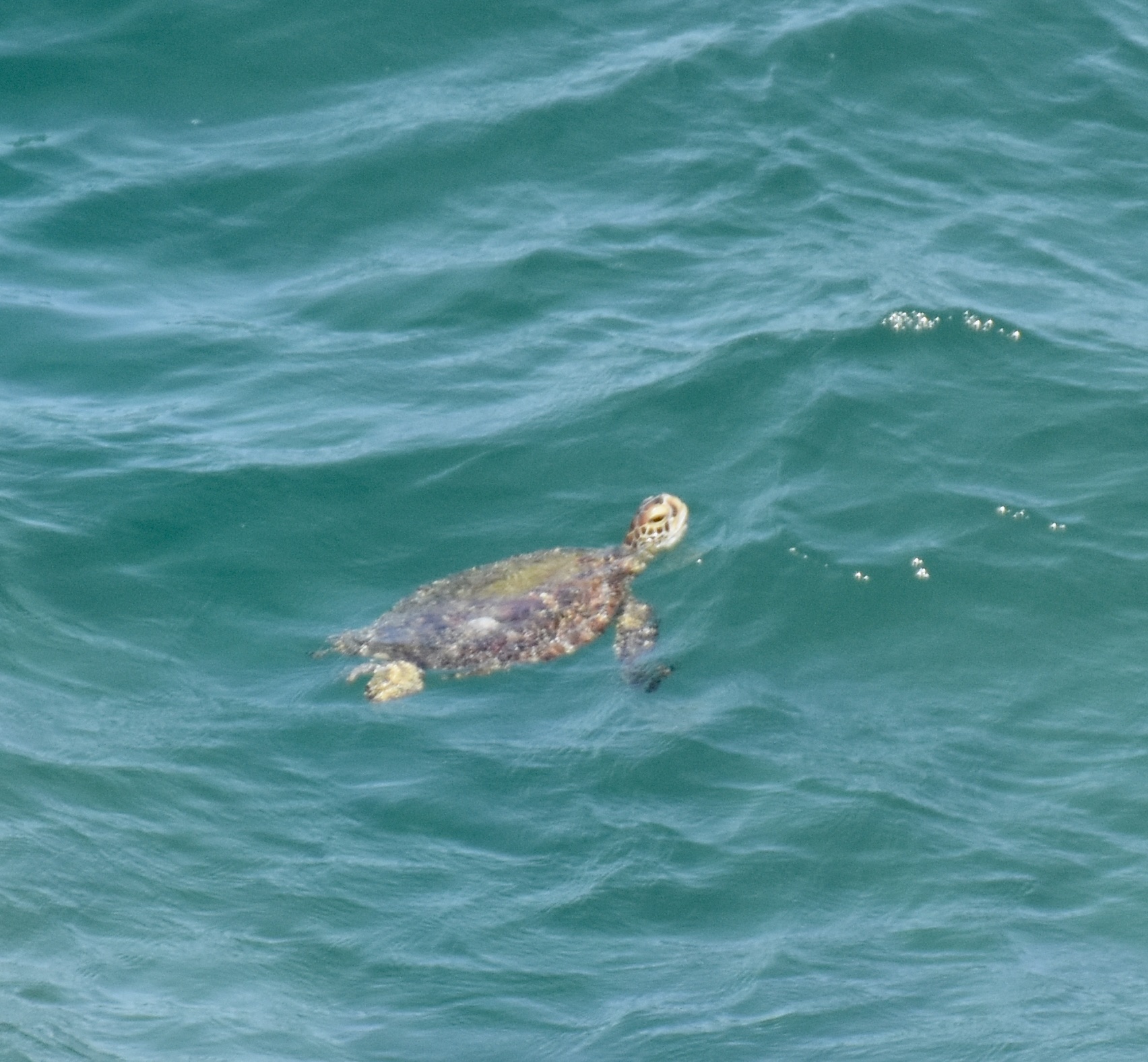
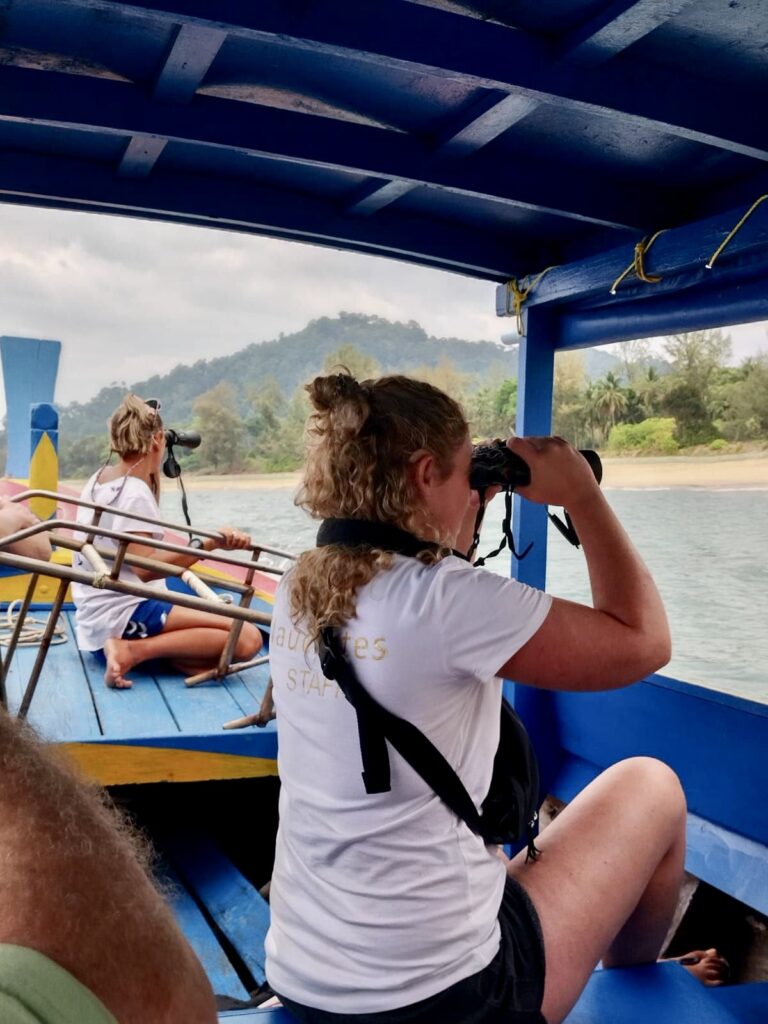 Volunteers observe marine life at sea
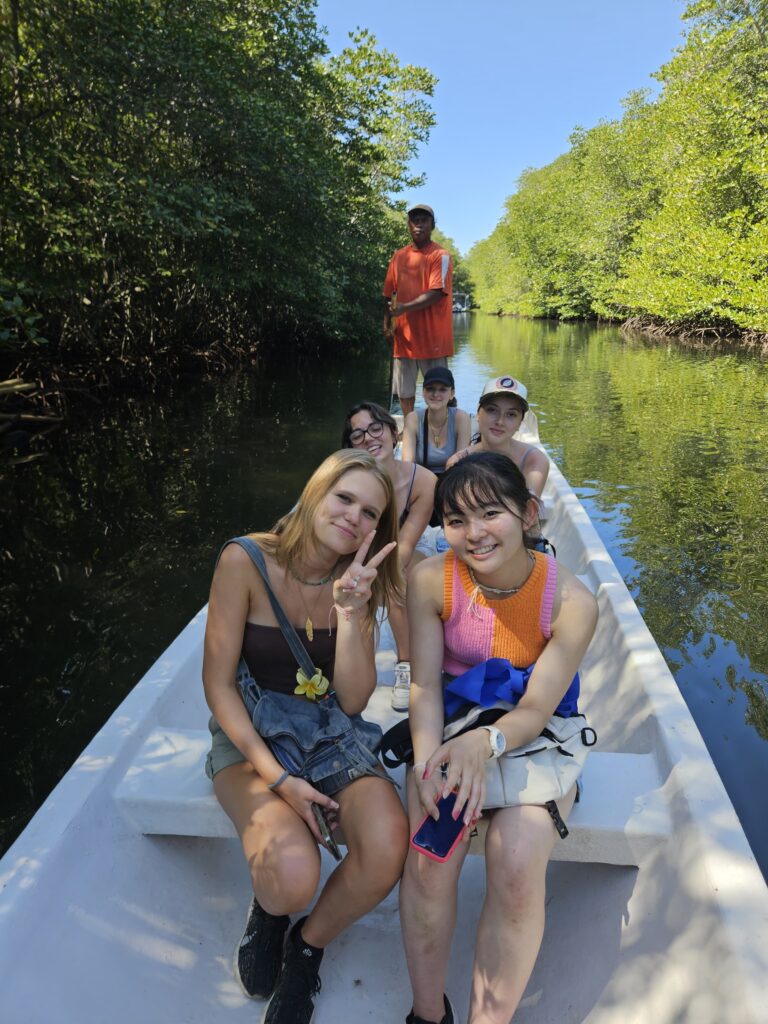
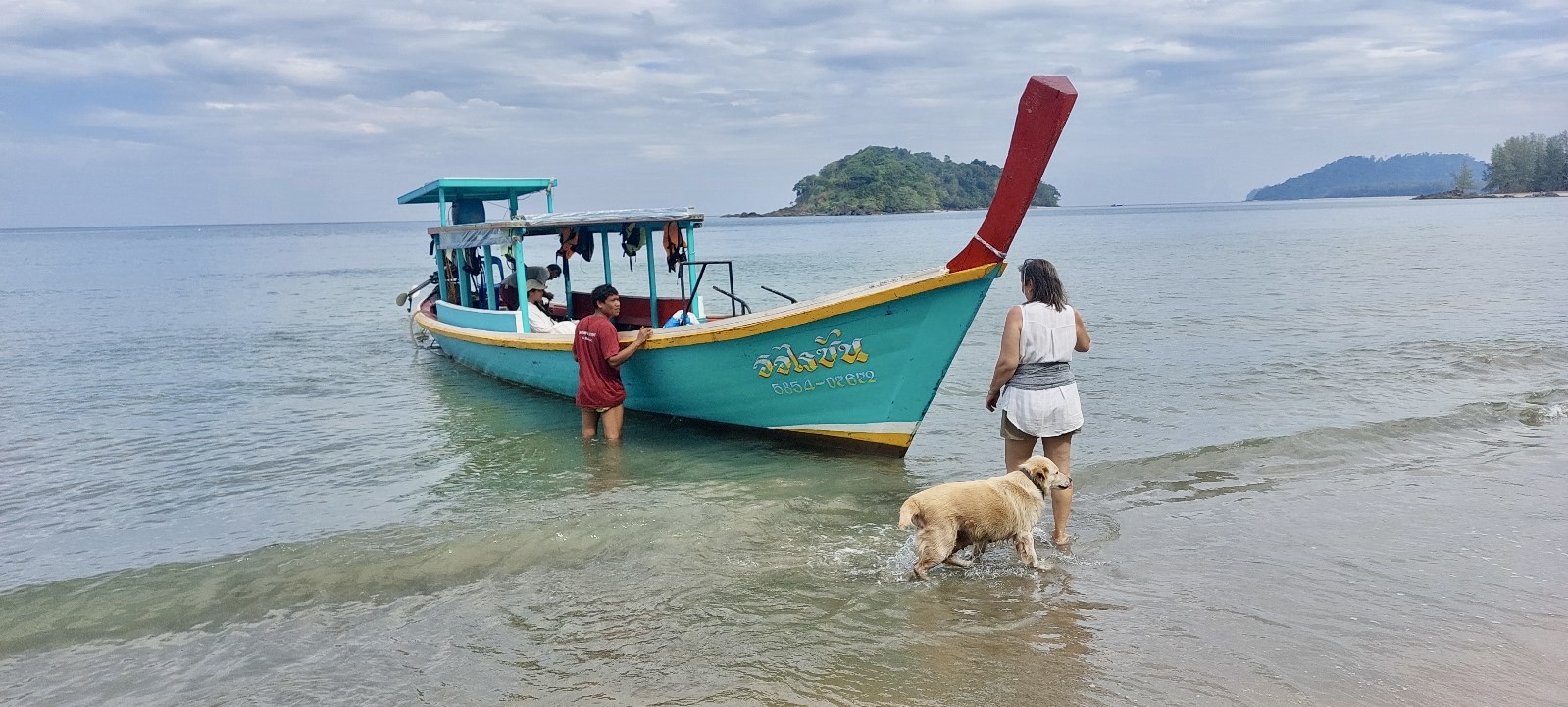
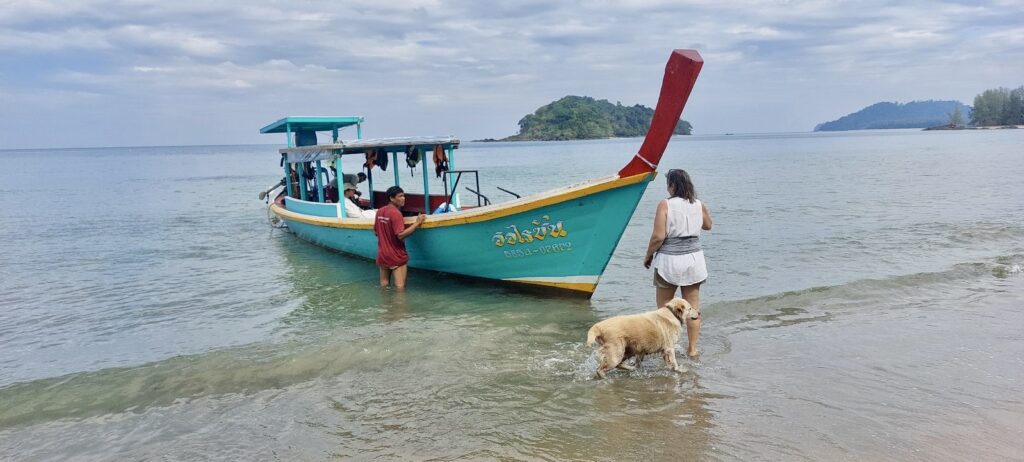 You'll take the boat once a week
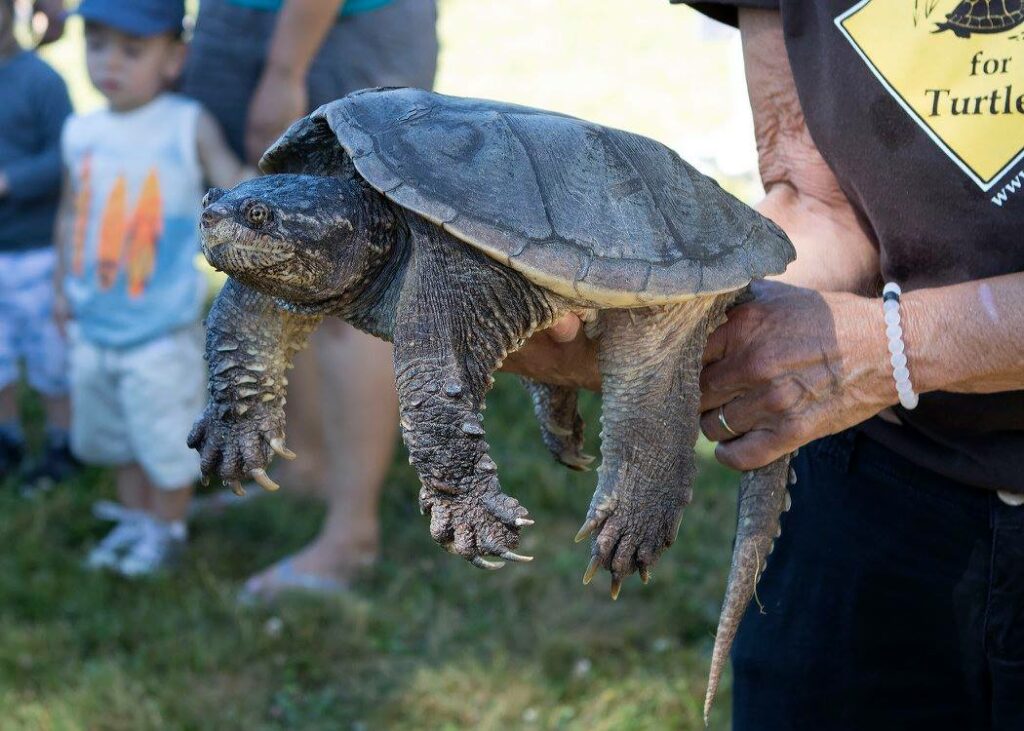
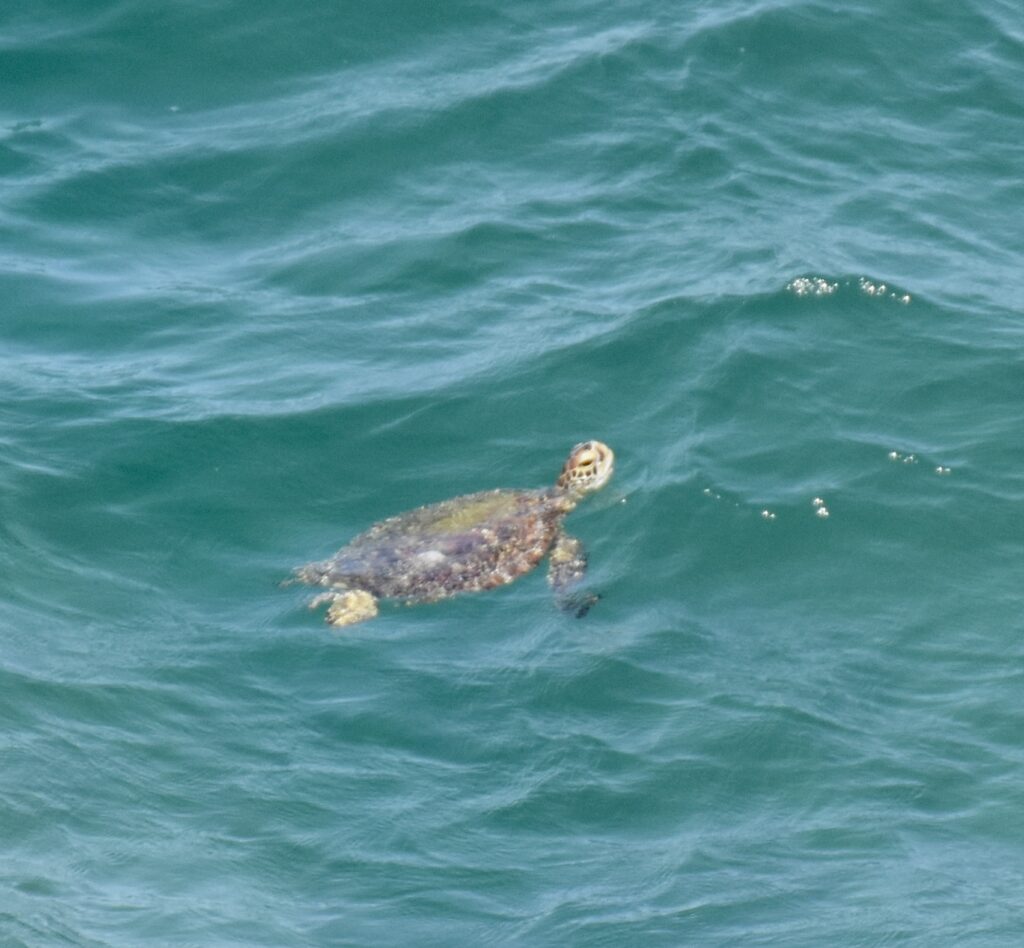 turtle numbers have declined considerably over the years,
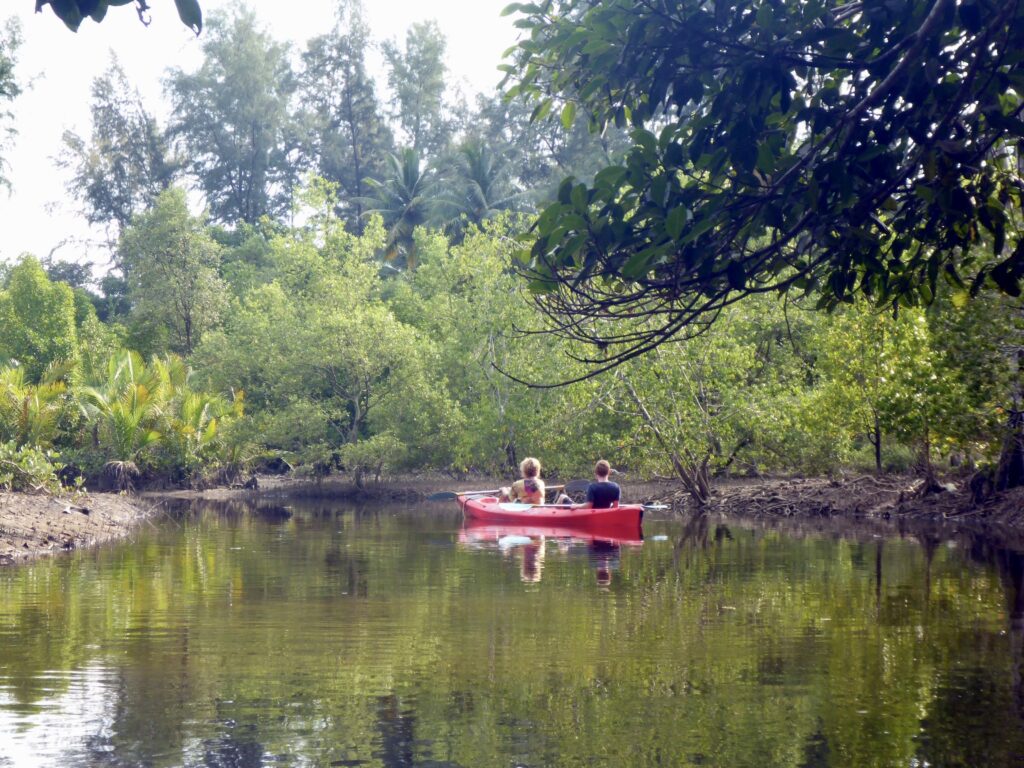 Solidarity trip to a small non-tourist island in Thailand
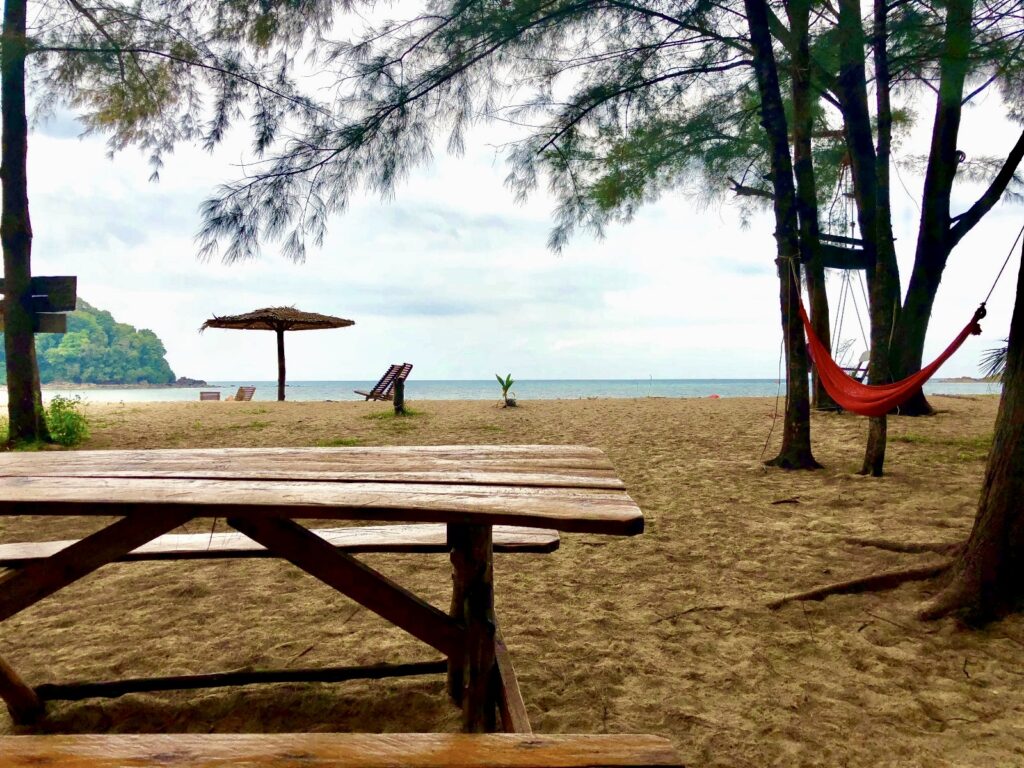 Spartan living in a magnificent natural setting.
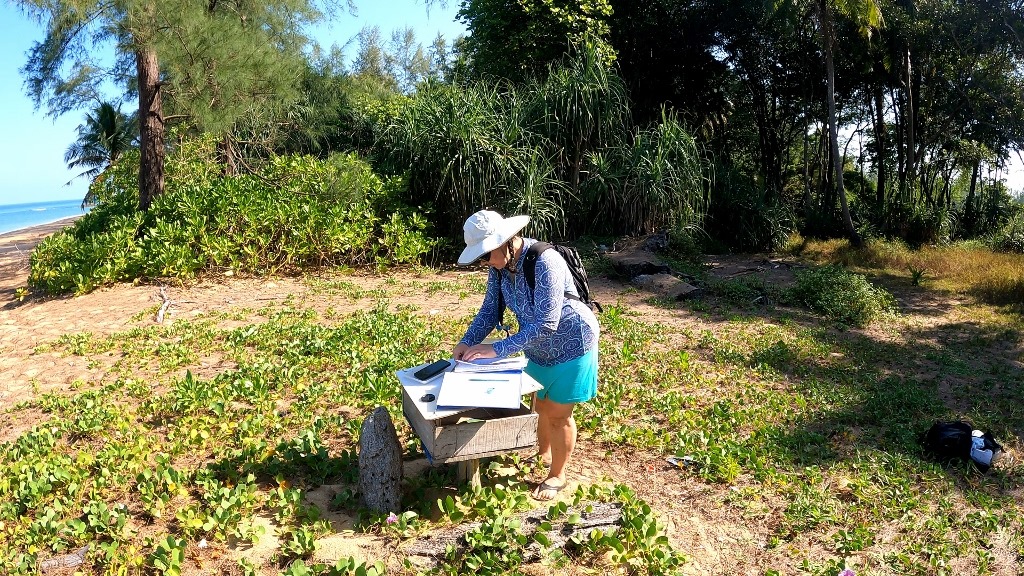 In addition to sea turtle monitoring, our partner works on numerous biodiversity protection projects.
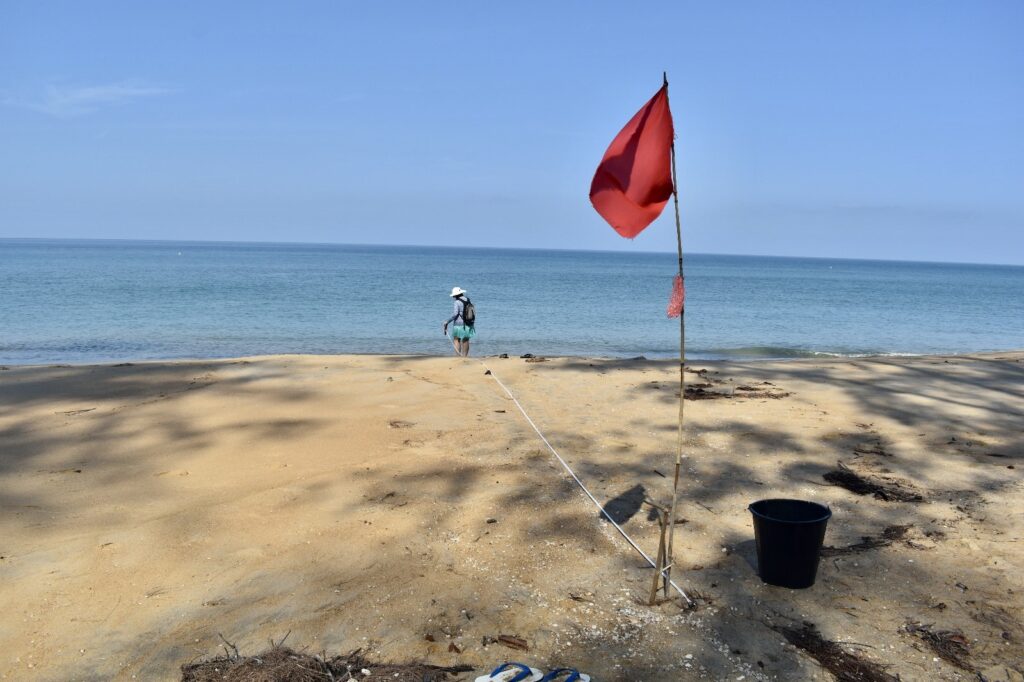 You'll be patrolling several kilometers of beach on foot
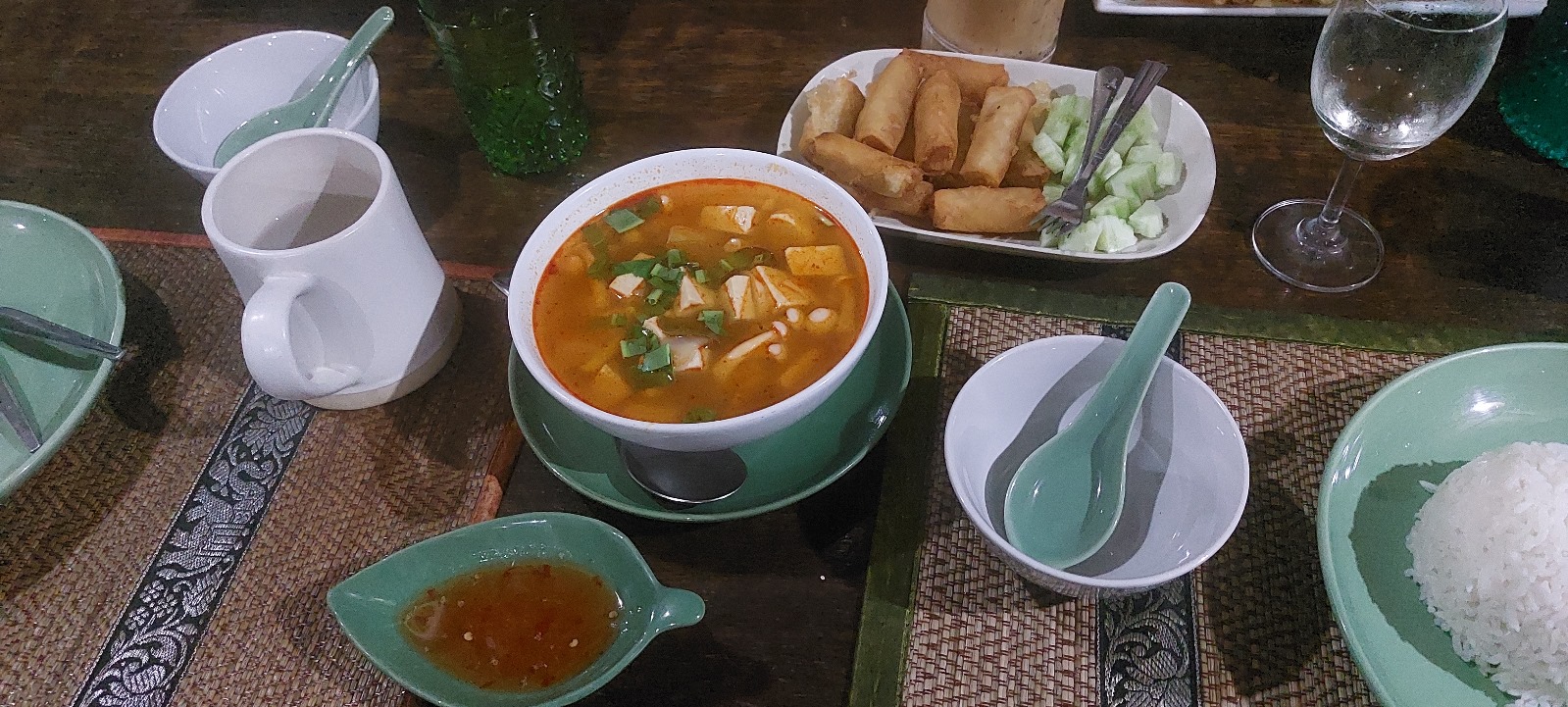
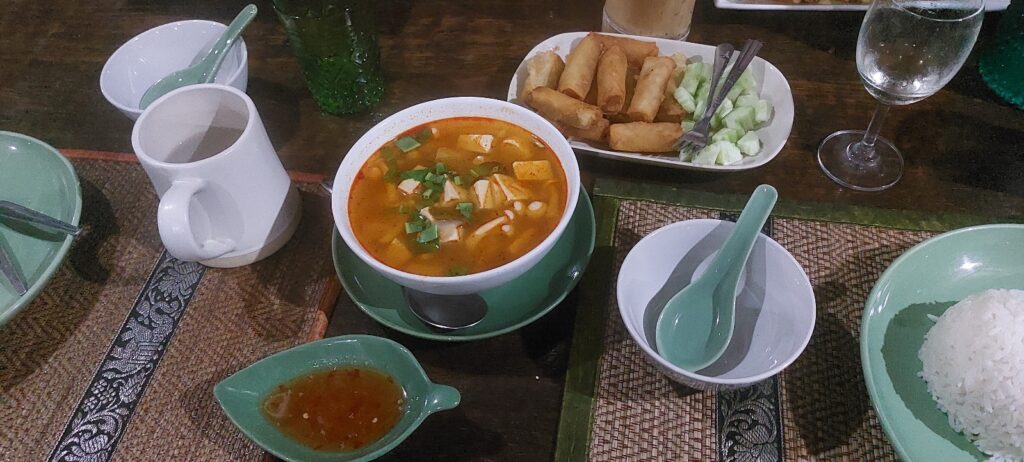 You'll buy your food on site or nearby.
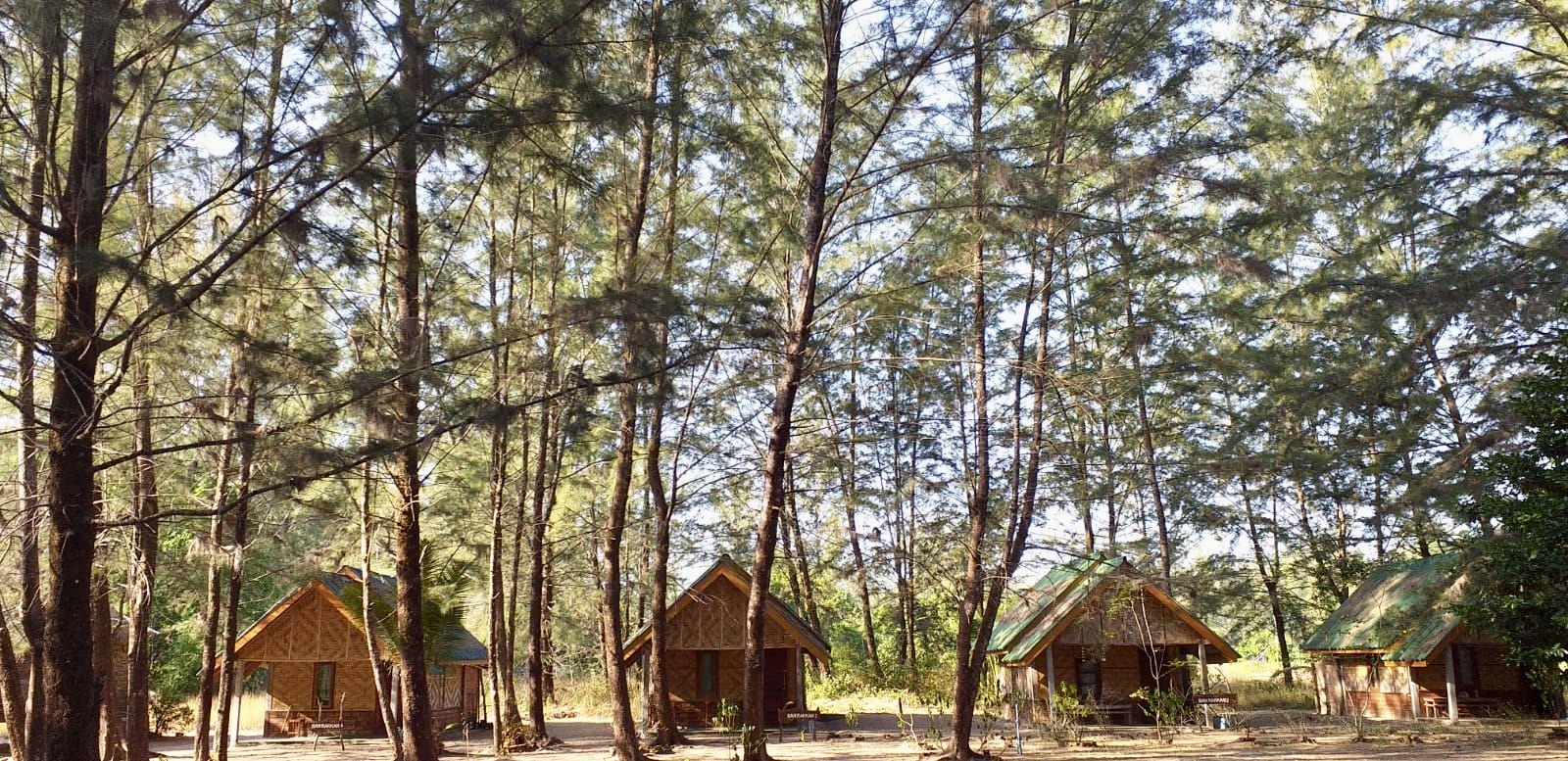
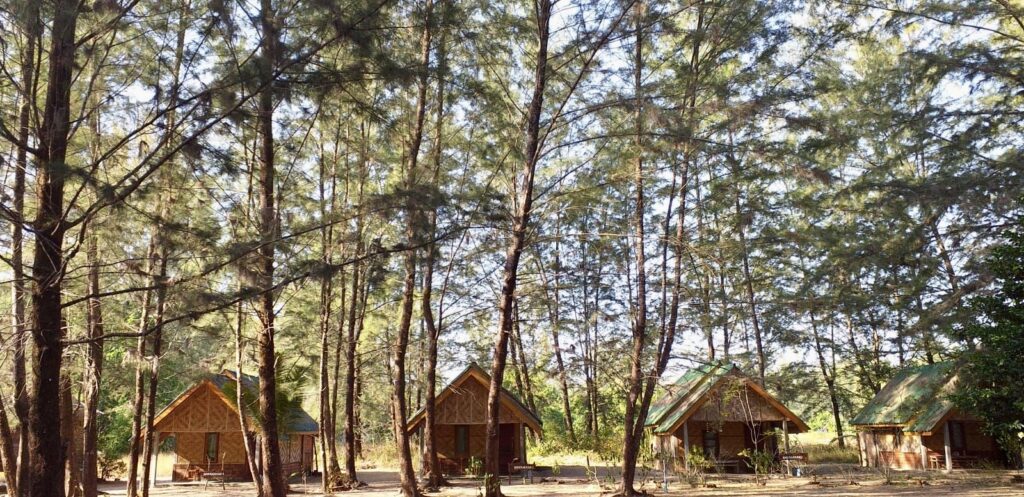 Most volunteers stay in a shared bungalow on the beach.
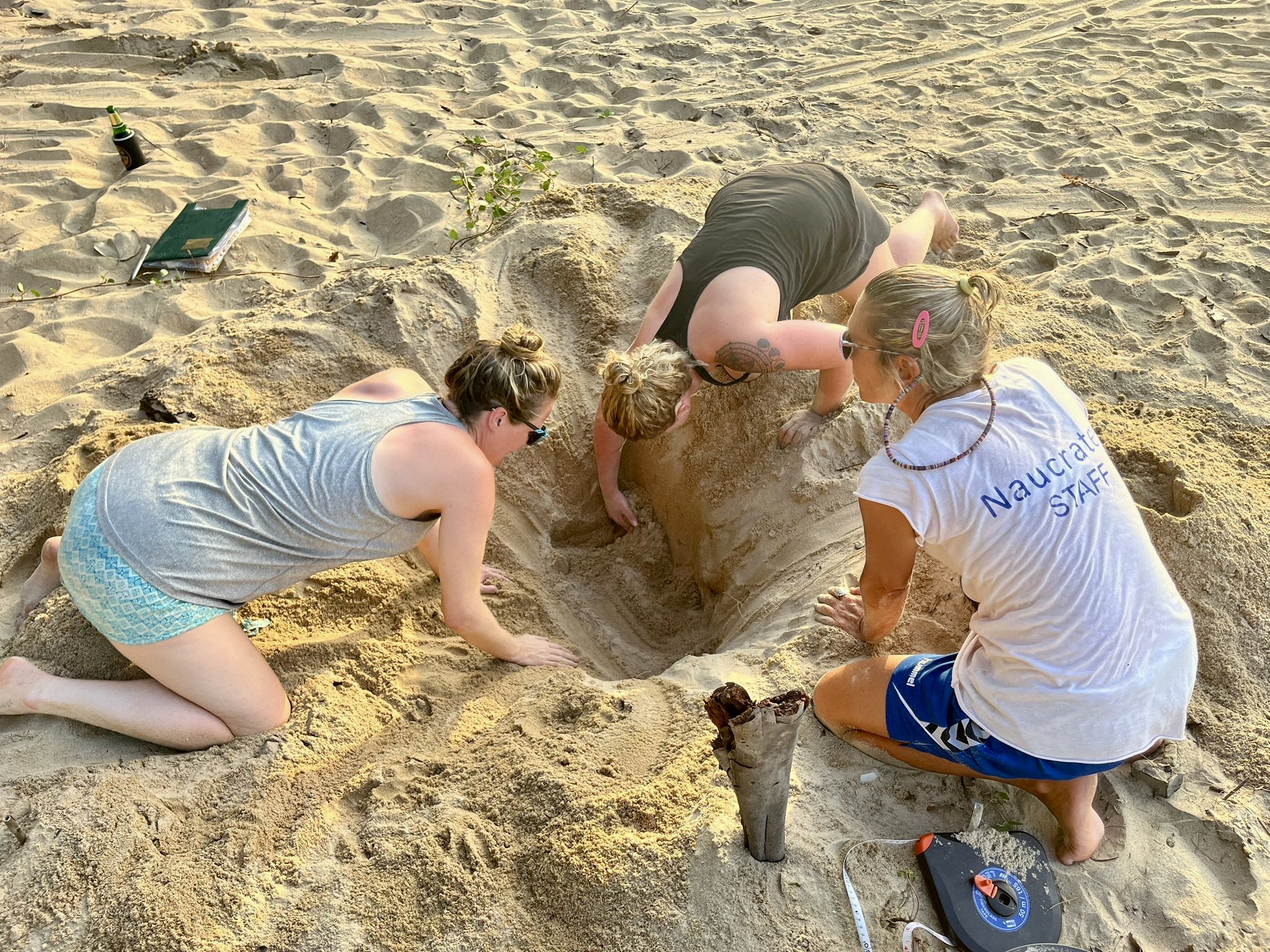
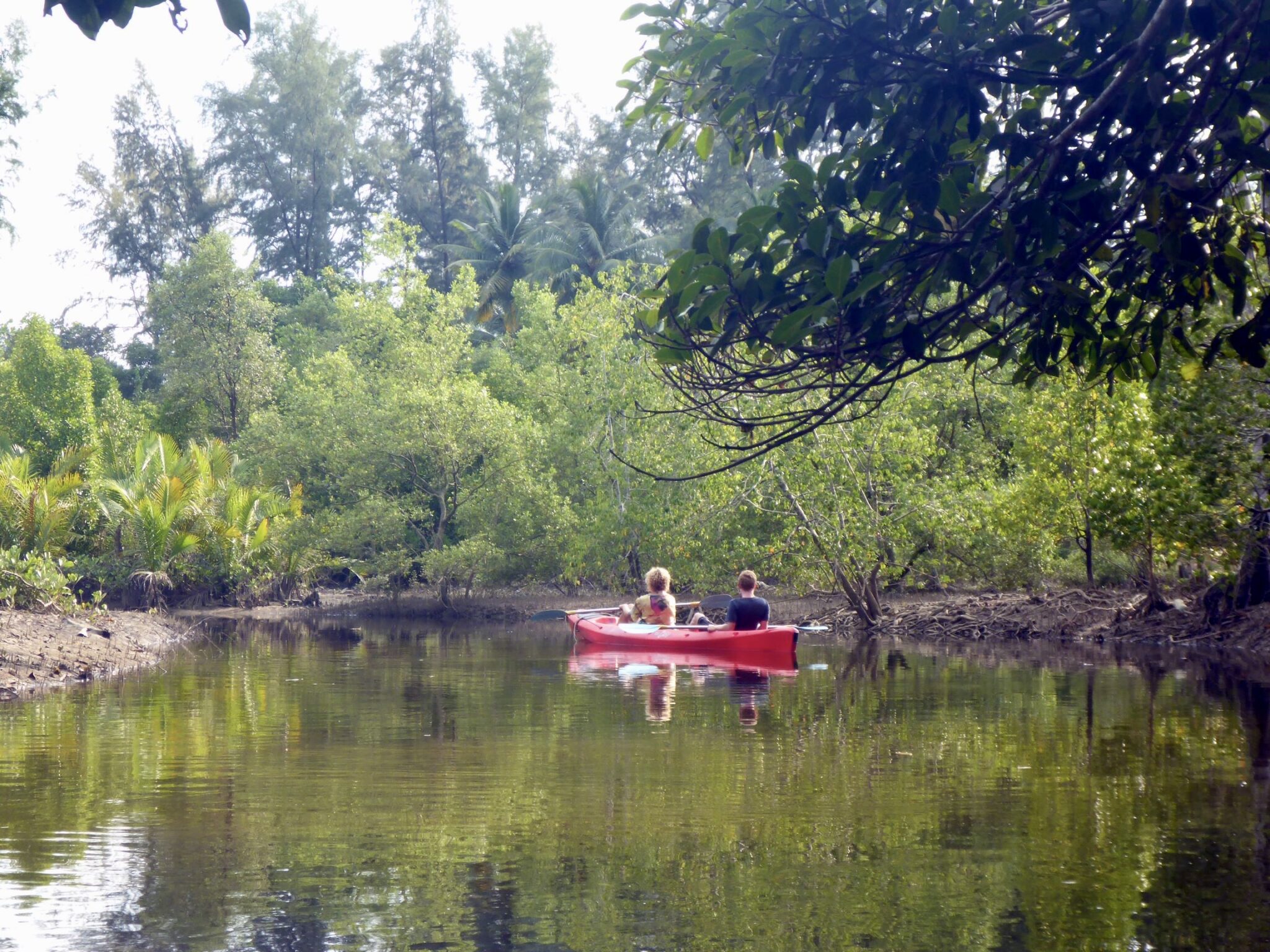
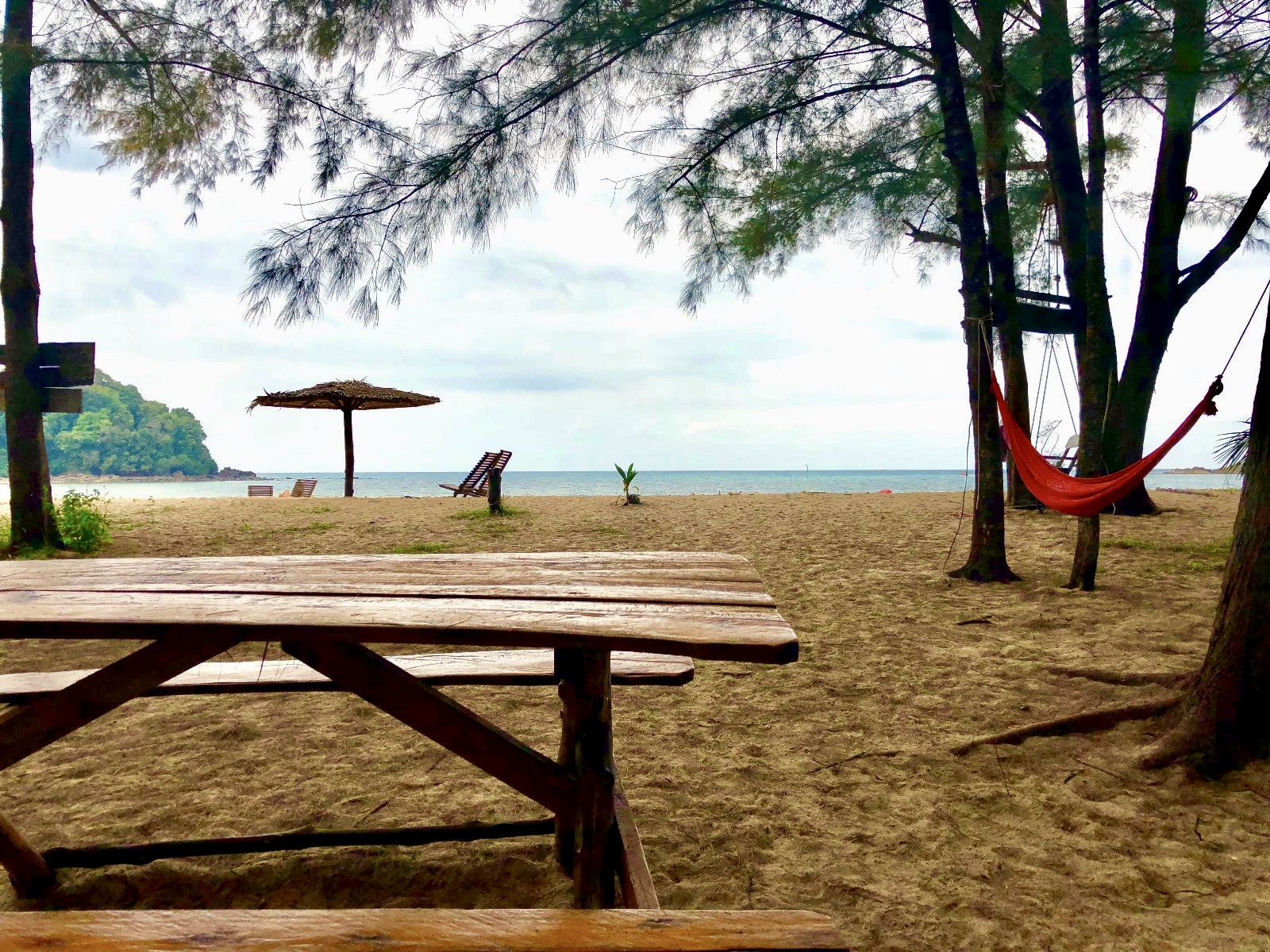
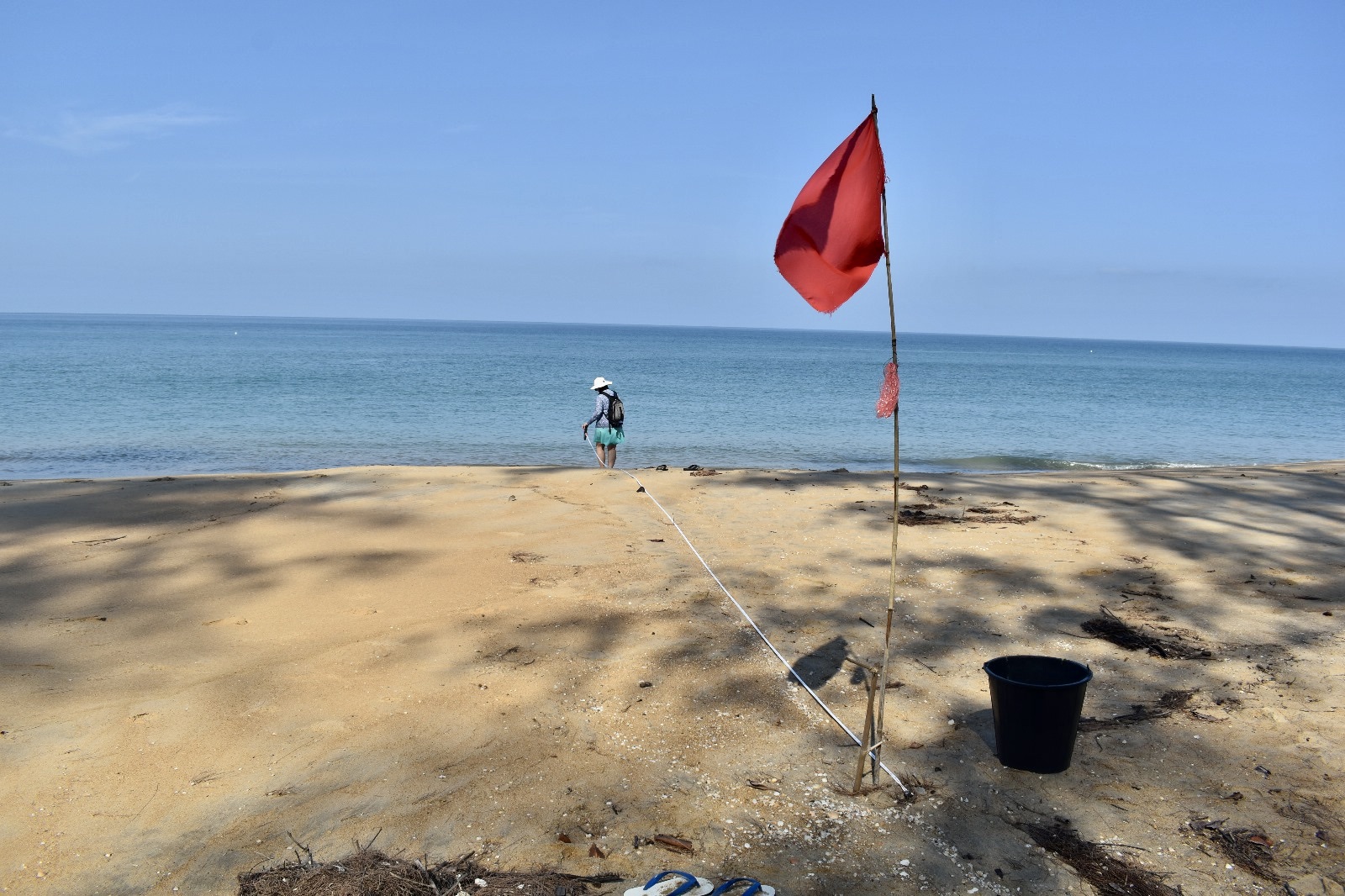
Protect sea turtles in Thailand. Join us on an eco-solidarity trip to a non-tourist island to study sea turtles, from egg-laying to hatching. You'll also take part in the NGO's other projects, such as reef and seagrass monitoring. All sea turtle ecovolunteer programs here.
Studying and protecting sea turtles in Thailand
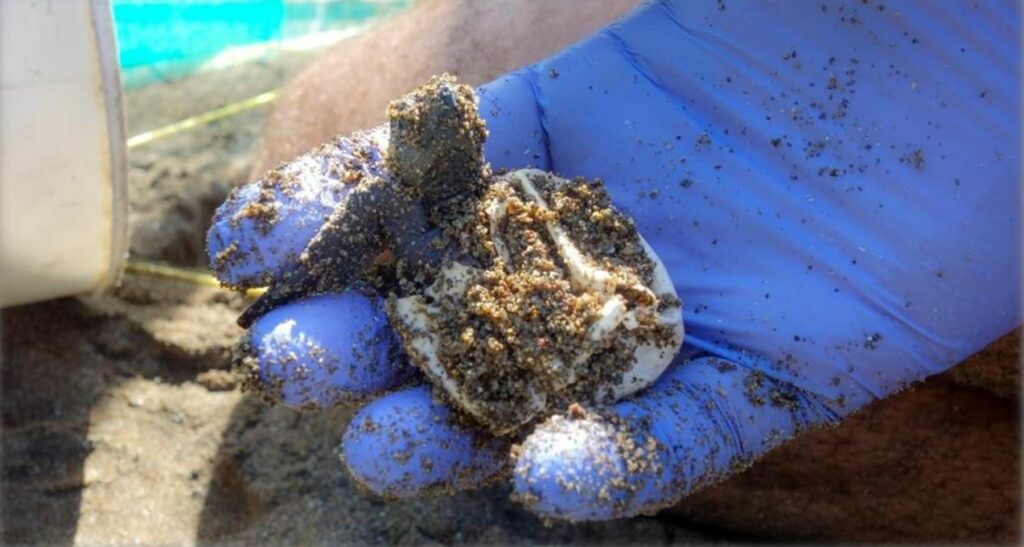
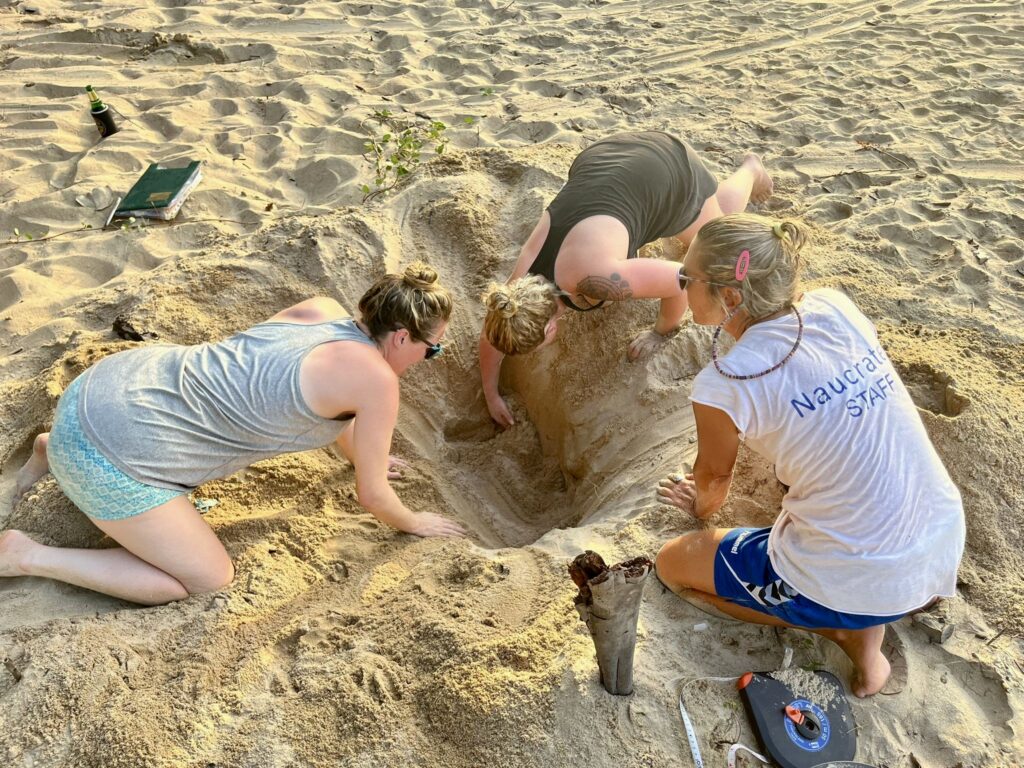
Notre partenaire est une ONG qui mène un programme de protection de tortues de mer sur l’île de Ko Phra Thong, en Thaïlande, depuis plus de 24 ans. Son équipe étudie et protège les tortues marines de la période de ponte sur les plages, entre décembre et février, jusqu’à l’éclosion des oeufs en février et mars. Toutes les plages sont surveillées quotidiennement afin de trouver les nids. Les nids sont ensuite protégés jusqu’à leur éclosion. L’ONG a identifié trois espèces de tortues sur l’île : la tortue luth, la tortue olivâtre et la tortue verte.
Research on reefs, seagrass beds, waste...
A noter que le nombre de nids de tortues a considérablement diminué au fil des ans, si bien que les écovolontaires peuvent ne pas en trouver pendant leur séjour. Outre le monitoring des tortues marines, notre partenaire travaille sur de nombreux projets de protection de la biodiversité. L’équipe de donne des conférences sur les tortues marines aux touristes, et organise des activités de nettoyage des plages. A cette occasion, des données sur les déchets seront collectées. L’équipe entreprend également des recherches sur les récifs coralliens et les herbiers marins. Ses membres déplacent régulièrement au village du Lion, où se trouve un musée consacré à la protection de l’environnement, de façon à intégrer la communauté locale à ses projets. Des activités d’éducation à l’environnement dans les écoles sont également organisées.
Turtle protection, coral reef studies, beach clean-ups...
You will follow a scientific research and conservation program, coordinated by the team in place. You'll take part in beach surveillance (15 km) on Phra Thong and Ra islands, early in the morning and sometimes during the day. You'll observe the behavior of turtles feeding in the water during the day.
Other conservation activities can be planned, for example
- Studying coral reefs with a mask and snorkel along transects;
- Garden maintenance or restoration of the Community Conservation Centre (painting or other minor work);
- Beach cleaning ;
- Fundraising ;
- Planting...
Example of a volunteer day
- 6:30 am: 2 or 3-hour patrols along supervised beaches (5 to 10 km long).
- 9:00 am: breakfast followed by weather analysis.
- 9:30 am: observations from the "rock". Two volunteers go out to observe the sea, looking for sea turtles, dolphins or other animals. If you don't take part in the "observation from the rock", you can have some free time for a swim or a stroll on the beach.
- 13.00 - 14.00: lunch
- 14:30 - second round of "observations from the rock" / various odd jobs
- 7:00 pm dinner
This schedule is only an example, and will vary according to the weather and ongoing projects. Different activities can be planned on site, such as preparing materials for the school, a guided tour for visitors, birdwatching...
Once or twice a week, you'll take the boat to visit Ko Ra's beaches. This involves jumping off the boat and swimming to shore. The same goes for the return trip.
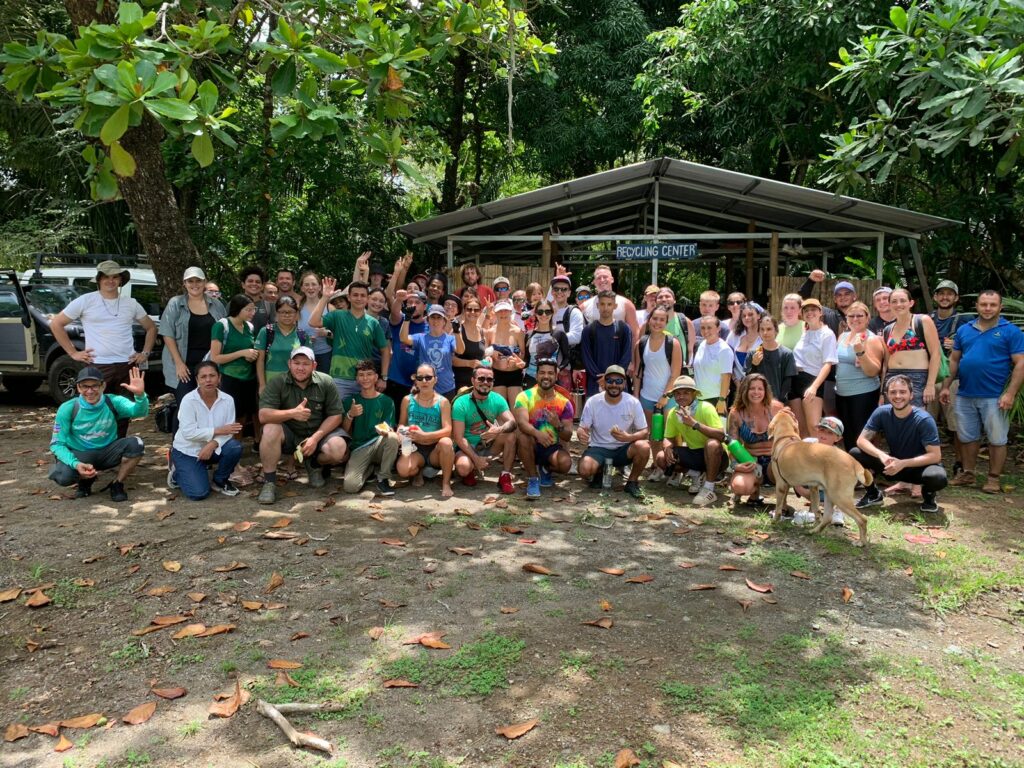
The project team is made up of permanent members, interns and ecovolunteers. Team size varies according to the number of volunteers per tour, but the maximum team size is 12 people. You may be asked to work with a very small team.
Dates
- 10 janvier 202§ au 30 mars 2026
- Minimum 2 weeks
Rates
- 2 weeks €670
- Add €84 for boat transfer
Included in price
- Accommodation (shared bungalow) on a local bungalow site
- Drinking water
- Training/awareness-raising for conservation work
- Local transport on the island during project activities
- Assistance in organizing and planning transfers to and from the island
- Assistance in organizing local excursions, Ko Surin National Park.
Not included in price
- Return boat transfer* 84 Euro (to be paid in cash on the island)
- Food and drink (you can buy inexpensive meals nearby)
- Pick-up at Phuket or Ranong international airport
- Airline tickets
- Travel insurance
- Vaccines
- Visa
- From age 18
- Families accepted with children over 8 years of age (there are special rates for families).
- Motivation: you need to be prepared for long walks (up to 15 km) in hot, humid conditions.
- You also need to be friendly, able to work in a group and live in a small Thai community.
- You'll be on a remote tropical island and have to be prepared to live without nightlife, stores, TV and other Western comforts,
- Any health problems must be communicated before booking. There is no hospital on the island.
- You are required to have travel insurance to cover possible accidents and health expenses.
- You must respect Thai culture during the project.
- Volunteers must respect the culture and religion of the local community by wearing appropriate clothing and covering shoulders and legs. You may wear bathing suits and shorts when working on the beach or outside the village.
Housing
The project offers two different accommodation options. Most of the time, you'll stay in a local bungalow close to the beach. If you're traveling to a village, you can stay with local people. Accommodation is basic, in single, double or triple rooms. Be prepared to use a bucket shower and sometimes local toilets! Electricity is supplied by generators and will be available, mainly in the evenings. WiFi is available, but intermittently.
Food
Food and drink are not included in the price. However, there is a Thai food vendor on site, and food is served throughout the day. There are also two restaurants and a pizzeria nearby.
Drinking water is available free of charge.
Please note that it is not possible to cook inside the bungalow, and there are no food stores in the vicinity.
Location
Phra Thong Island (approx. 100 km2 ; 15 km long x 7 km wide) is located about 5 km off Thailand's west coast, in the Andaman Sea. It lies 200 km north of Phuket, in the Kura Buri district of Phang Nga province. It is part of a group of three islands close to the mainland: Koh Kho Khao, Koh Phra Thong and Koh Ra. Three villages are located on the island: Thapa Yoi, Thung Dap and Pad Chok (Lion Village).
The island's east coast is covered in mangroves, with fine sandy beaches. Tourism has not been overly developed. As a result, biodiversity is still rich.
The climate
Phra Thong Island has a tropical climate, with intermittent rainfall throughout the year. There are two main seasons: the rainy season (April to November) and the dry season (December to March). The average temperature is 28.7°C.
Arrival on site
There are several options for getting to Phra Thong Island.
- You can fly to Bangkok, then to Phuket or Ranong, to take a bus to Khura Buri. From Phuket, the bus takes about 4 hours to reach Khura Buri. On arrival at Khura Buri, you'll need to take a cab or moped to the pier, from where you'll take the boat. Naucrates can help you arrange transport to the pier.
- From Phuket, you can also take a cab to Khura Buri. Ask Naucrates about costs.
- You can also take a bus from Bangkok (South Terminal) to Phuket and get off at Khura Buri. The bus journey takes around 11 hours, and only the VIP bus is really worth taking!
- You can take a train from Bangkok to Surat Thani, then catch a bus to Khura Buri.
- You'll join a sea turtle conservation team on a remote island, far from Western luxury.
- You'll discover incredible flora and fauna while living on a tropical island.
- You'll be collecting garbage on beaches while conducting scientific research on plastic pollution.
- You'll learn about Thai culture by living as close as possible to the island's inhabitants.
- You will take care of the mangrove forest, the coral reefs, the turtles...
About the partner NGO
Notre partenaire est une ONG italienne qui mène un projet d’étude et de conservation sur les tortues de mer, les mangroves et les récifs coralliens de l’île de Phra Thong depuis 1996. Elle travaille en collaboration avec le Phuket Marine de Phuket (PMBC). Le projet est enregistré au Conseil national de la recherche en Thaïlande. Parallèlement aux travaux scientifiques qui ont permis d’élaborer et d’appliquer des stratégies de conservation à la population de tortues marines en période de nidification, un programme autour des communautés locales est mené. Ces activités communautaires sont essentiellement tournées vers la sensibilisation à la préservation de la biodiversité. Le travail de sensibilisation s’effectue également auprès des touristes.